






Shapes: A Foundation for Early Learning
When it comes to early childhood education, shape recognition is a fundamental skill that lays the groundwork for various mathematical concepts. Shape worksheets are an excellent tool to introduce and reinforce this essential knowledge in a fun and interactive way. From identifying basic shapes to understanding their properties, these worksheets offer a comprehensive approach to shape learning.
Design shapes for class 3
Exploring 2D and 3D Shapes with Worksheets
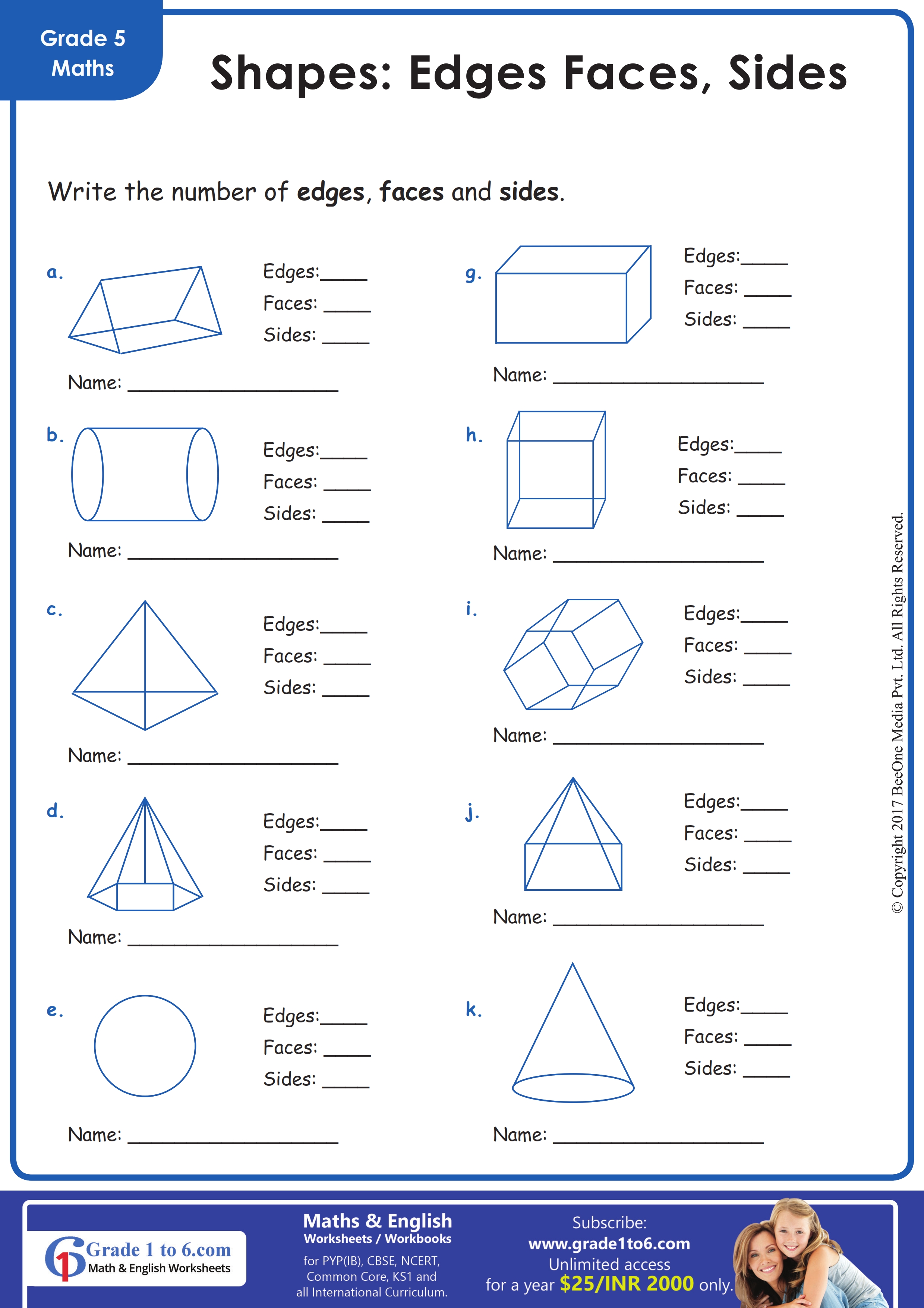
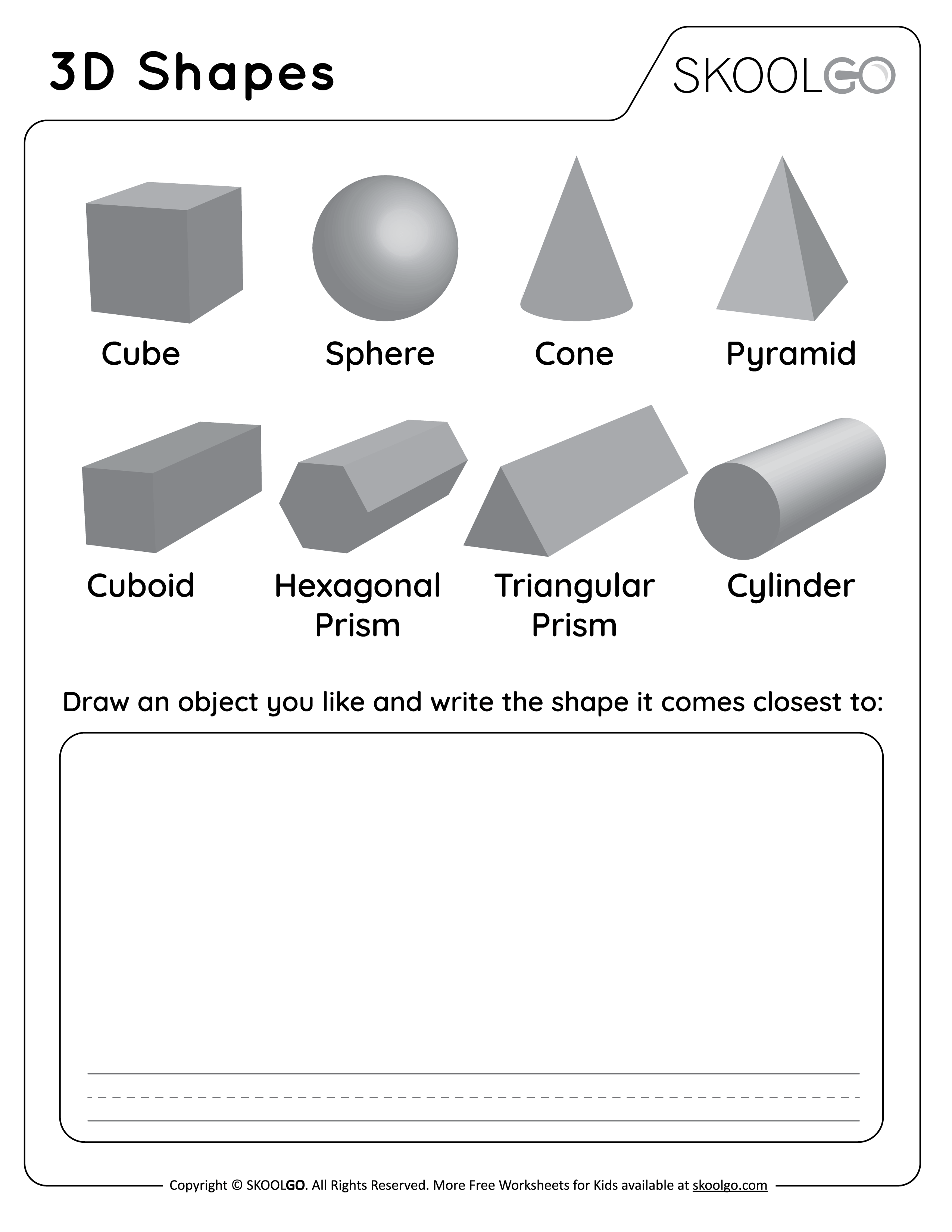
While 2D shapes are often the starting point, 3d shape worksheets take learning to the next level. They introduce children to the concept of depth and provide a more comprehensive understanding of shapes in our three-dimensional world. These worksheets often include activities like identifying 3D shapes from different angles, understanding their faces and edges, and even constructing simple 3D models. For instance, a worksheet might ask children to identify a cylinder from a set of 2D images, encouraging them to visualize and recognize shapes in different orientations.
Printable shapes practice
People Also Ask: What's the Best Way to Introduce Shapes to Young Learners?
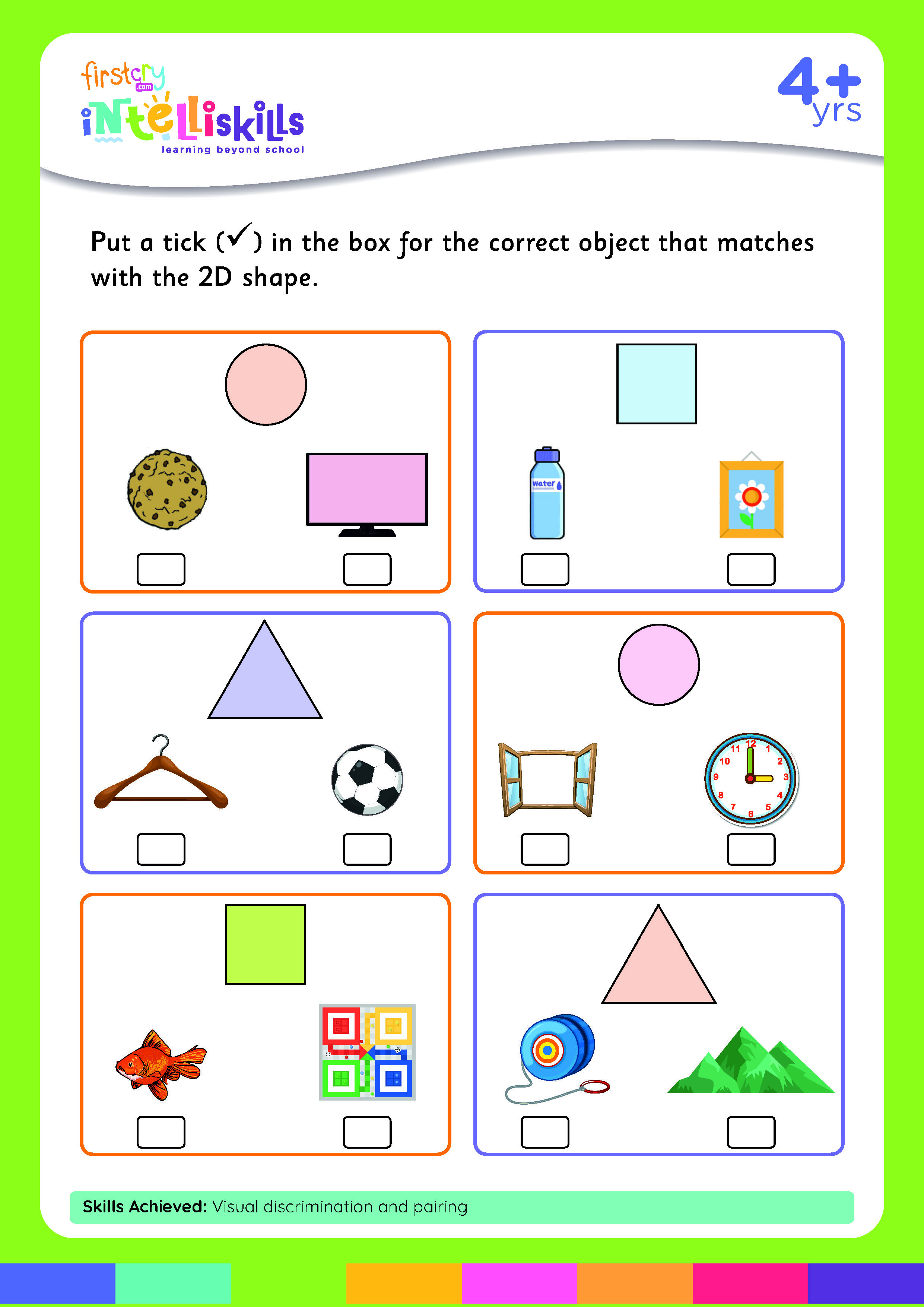
Introducing shapes to young learners should be a gradual process, starting with the most basic 2D shapes like circles, squares, and triangles. Worksheets can play a crucial role in this process by offering a variety of activities. For instance, a find the shape activity might involve a simple image with various shapes, asking children to circle or color a specific shape. As learners progress, worksheets can introduce more complex shapes and activities, such as shape hunts where children search for and identify shapes in their environment. This not only reinforces shape recognition but also encourages observational skills and critical thinking.
Kindergarten shapes introduction
How Can Parents and Teachers Effectively Use Shape Worksheets?
For parents and teachers, incorporating shape worksheets into learning routines can be a simple yet powerful strategy. Here's a step-by-step guide:
Geometry: face shapes
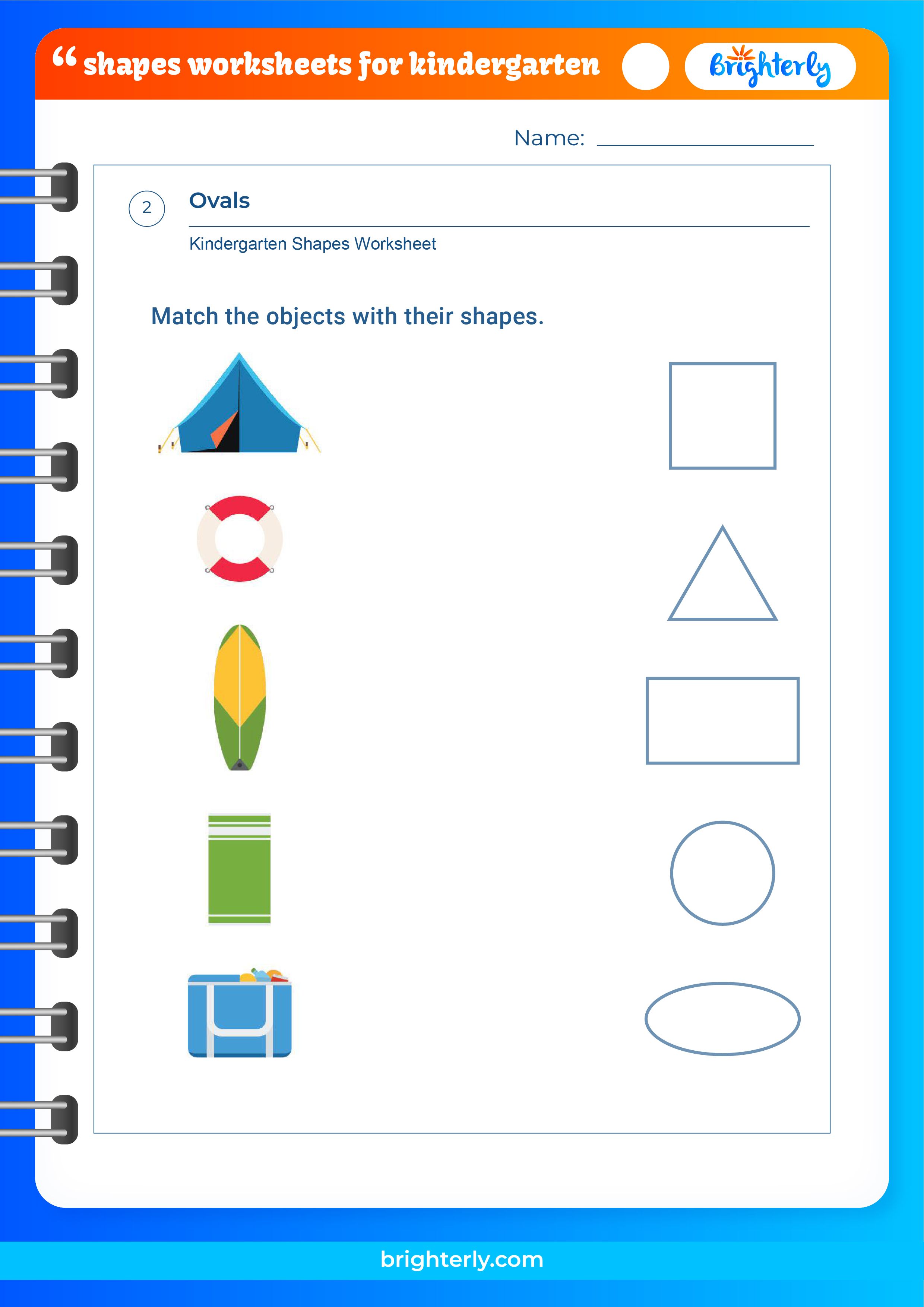
- Choose the Right Worksheet: Select a worksheet that aligns with the learner's age and skill level. For younger children, focus on basic shapes and simple activities like matching shapes or coloring shapes. As they progress, introduce more advanced worksheets with challenges like counting shapes or drawing shapes from memory.
2D shapes for kindergarten
- Print and Prepare: Ensure you have a good quality printout of the worksheet. Consider laminating it for durability, especially if you plan to reuse it. Provide the necessary tools like colored pencils, markers, or even small manipulatives for hands-on learning.
Printable 3D shapes images
- Guide and Engage: Start by introducing the worksheet and explaining the activity. For instance, if it's a sort shapes activity, demonstrate how to categorize shapes based on their properties. Encourage active participation and provide support as needed. Celebrate achievements and offer gentle guidance for mistakes, fostering a positive learning environment.
Free shapes practice for kids
- Practice and Progress: Regular practice is key. Set aside dedicated time for shape learning, making it a fun and anticipated part of the day. As learners master basic skills, introduce more complex worksheets to keep them engaged and challenged.
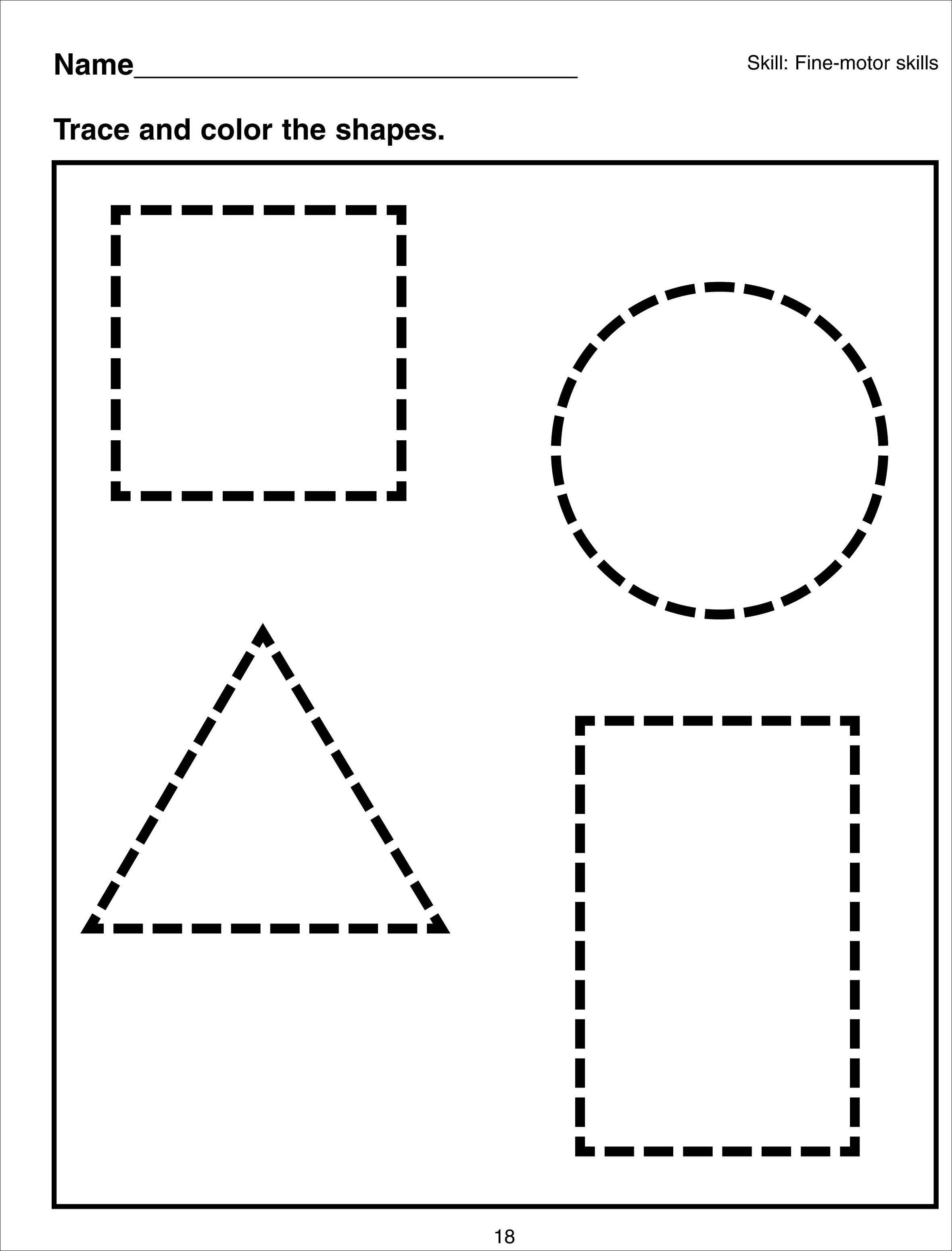
Basic shapes tracing
Hands-On Learning: Shape Activities Beyond the Worksheet
While shape worksheets are a fantastic resource, learning shapes can extend beyond the page. Here are some practical ideas to reinforce shape recognition and understanding:
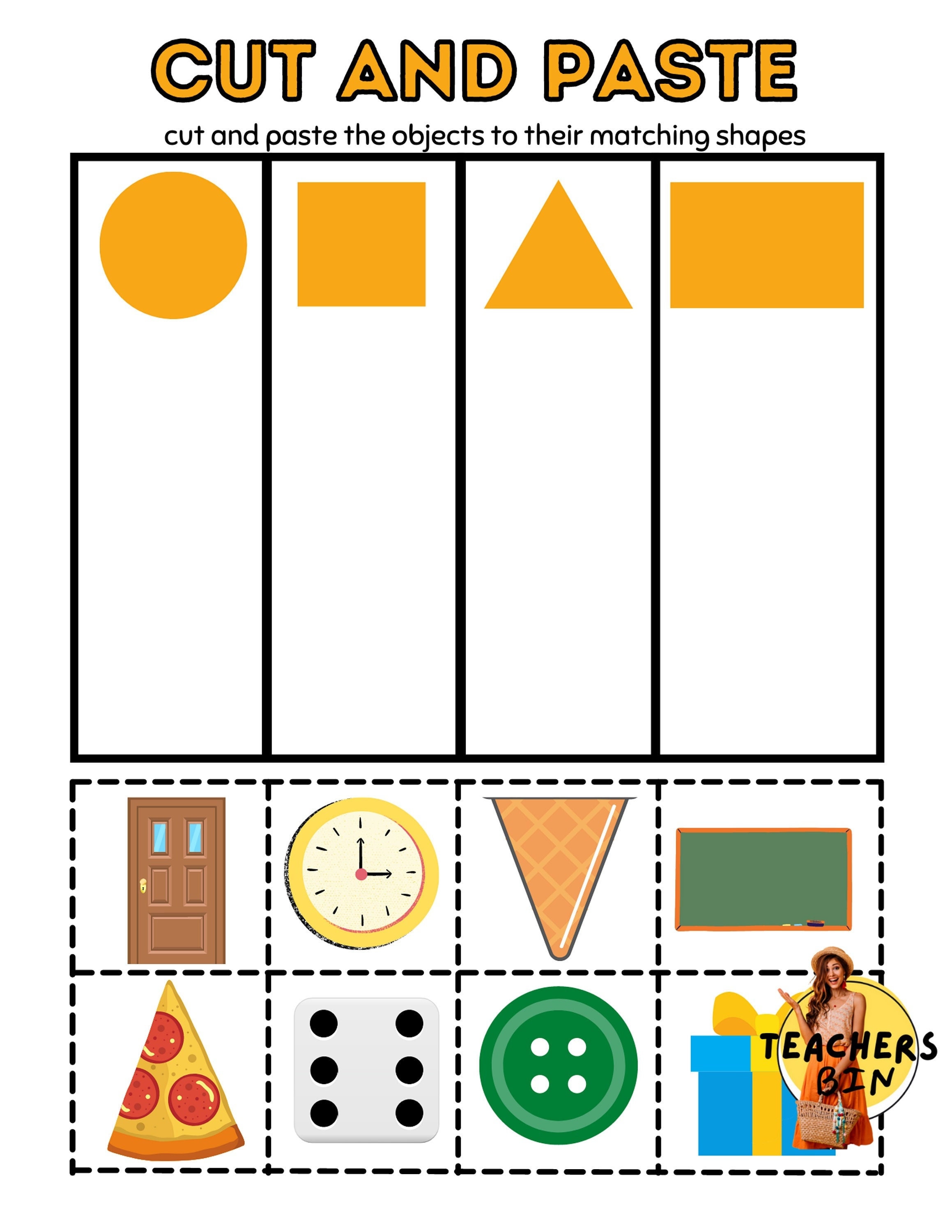
Cut and paste 2D shapes
- Shape Hunt: Take learning outdoors and organize a shape hunt around the house or neighborhood. Provide a list of shapes and challenge children to find real-life examples. This activity not only reinforces shape recognition but also encourages exploration and critical thinking.
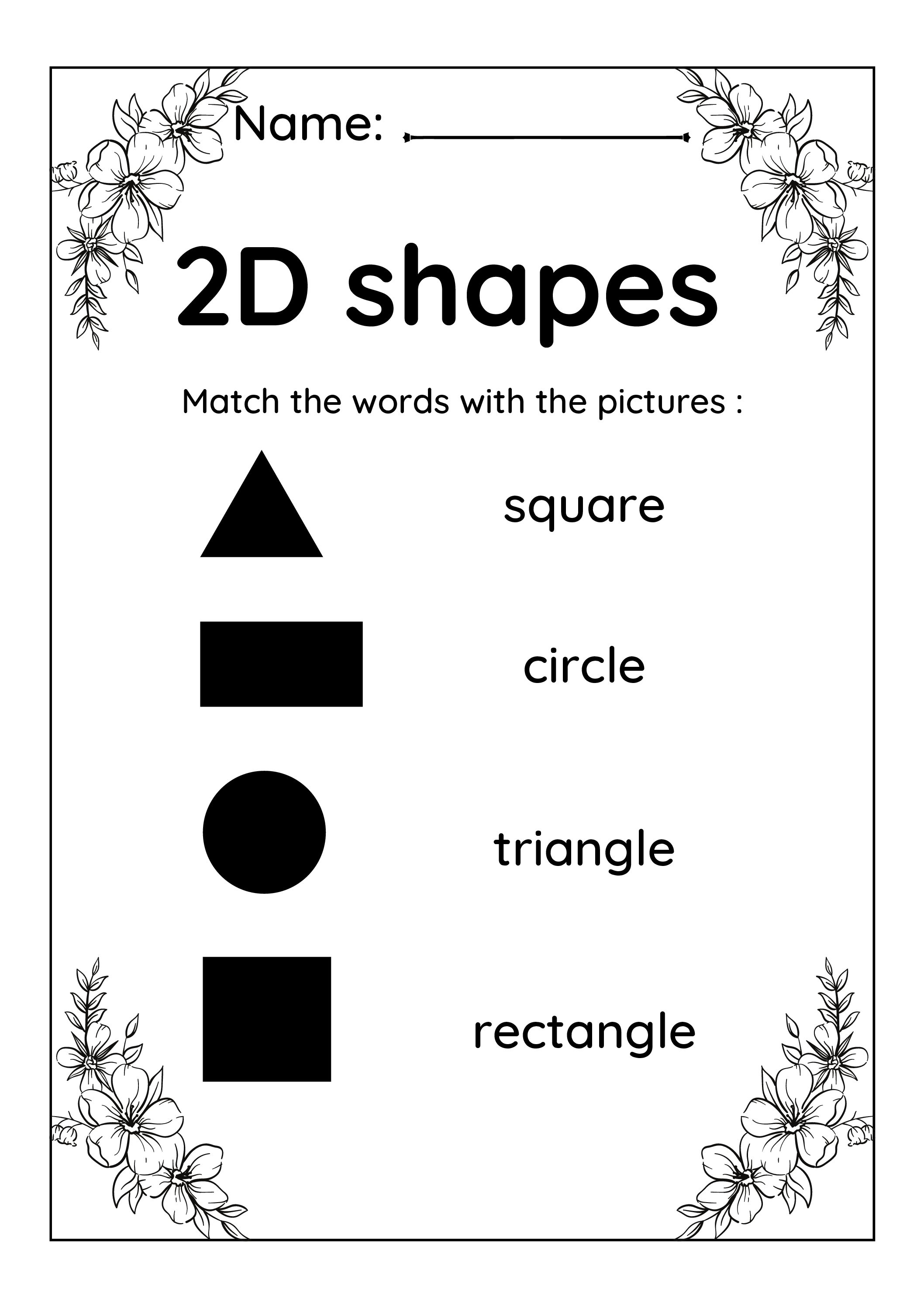
Identify 2D shapes
- Shape Building: Introduce shape manipulatives or blocks and encourage children to build structures. This hands-on activity helps them understand shape properties and spatial relationships. It also fosters creativity and problem-solving skills as they experiment with different shapes and arrangements.
Grade 3: 3D shapes worksheets
- Shape Art: Incorporate shapes into art activities. For instance, provide templates or stencils of various shapes and let children create their own shape-inspired artwork. This not only reinforces shape recognition but also encourages creativity and fine motor skills.
Incorporating these practical activities into learning routines can make shape recognition an engaging and memorable experience for young learners.


