



Shape Worksheets Grade 4 Overview
Look — if you’ve spent more than ten minutes searching for “d is for dog” or “d is for duck” printables, you already know the problem. Most of those free printable worksheets letter d are either boring as cardboard or so visually chaotic they make your preschooler’s eyes glaze over. Honestly, half of them look like they were designed by someone who’s never actually sat next to a wiggly four-year-old with a crayon.
Here’s the thing: the letter D matters more than most parents realize. It’s one of the first consonants kids encounter that demands real motor control — that big curve, that straight line. Get this wrong, and you’re setting them up for frustration with letters like B, P, and R down the road. Right now, when their little hands are still figuring out how to hold a pencil, the right worksheet can make the difference between “I hate writing” and “Let me try again.”
I’m not going to promise you some magical shortcut. But I will show you exactly which types of D worksheets actually build muscle memory without making your kid cry. You’ll learn why most “letter of the week” packets miss the mark, and how to spot the ones that don’t. By the time you finish reading, you’ll know exactly what to print — and what to skip. No fluff. Just the stuff that works.
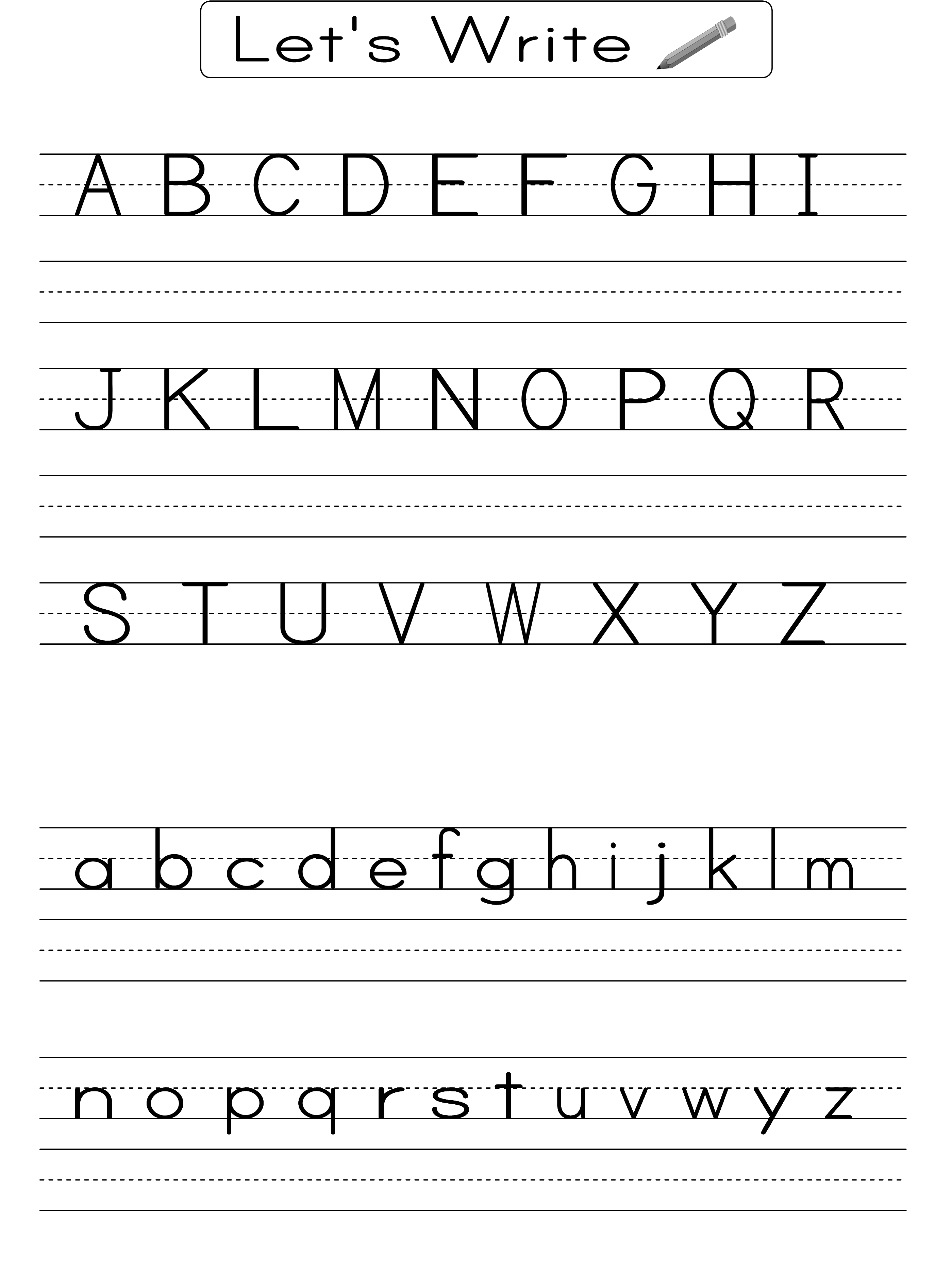
If you've ever sat down with a preschooler and a stack of alphabet worksheets, you know the drill: you point to the big uppercase D, make the "duh" sound, and hope they don't wander off to find a toy truck instead. The letter D is deceptively tricky. It's not a straight line like L or an obvious circle like O. It's a curve meeting a straight line, and that transition from fine motor scribble to recognizable letter shape takes real practice. Most parents and teachers grab any old worksheet and cross their fingers. Here's what nobody tells you: the quality of that practice paper matters far more than the quantity. A poorly designed letter D activity can cement bad pencil grip or confuse a child who is still learning left-to-right directionality. The best printable worksheets letter d resources don't just ask kids to trace; they force the hand to slow down, recognize the shape, and connect the sound to the symbol through repetition that feels like play, not chore.
Why Most Letter D Printables Miss the Mark
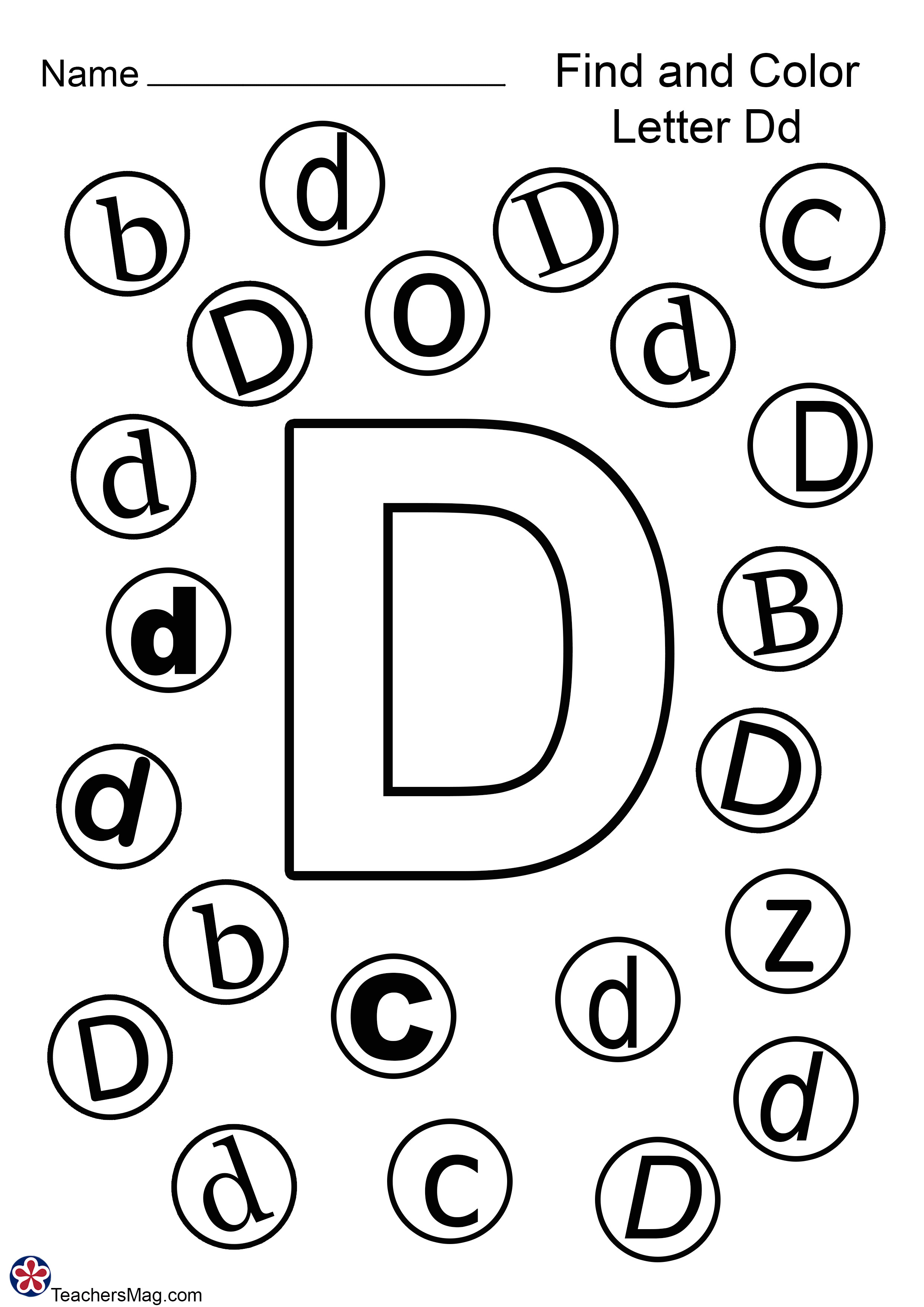
The biggest mistake I see in early literacy materials is the assumption that tracing equals learning. A child can trace a dotted D forty times and still not recognize it on a cereal box. The magic happens when you combine phonemic awareness with motor planning. A great worksheet for the letter D should sneak in a quick sound exercise before the pencil even touches the paper. I always look for sheets that have a "say it before you trace it" prompt. You want your kid to hear "dog," "duck," and "dinosaur" aloud, feel the puff of air on their hand for the hard D sound, and then transfer that physical sensation into the hand that's drawing the curve. Another hidden gem is the "find the letter" maze or color-by-code activity. These force the brain to visually discriminate D from B, P, and Q — the usual suspects for confusion. And yes, that actually matters more than perfect tracing at age four.
What to Look for in a Solid D Worksheet
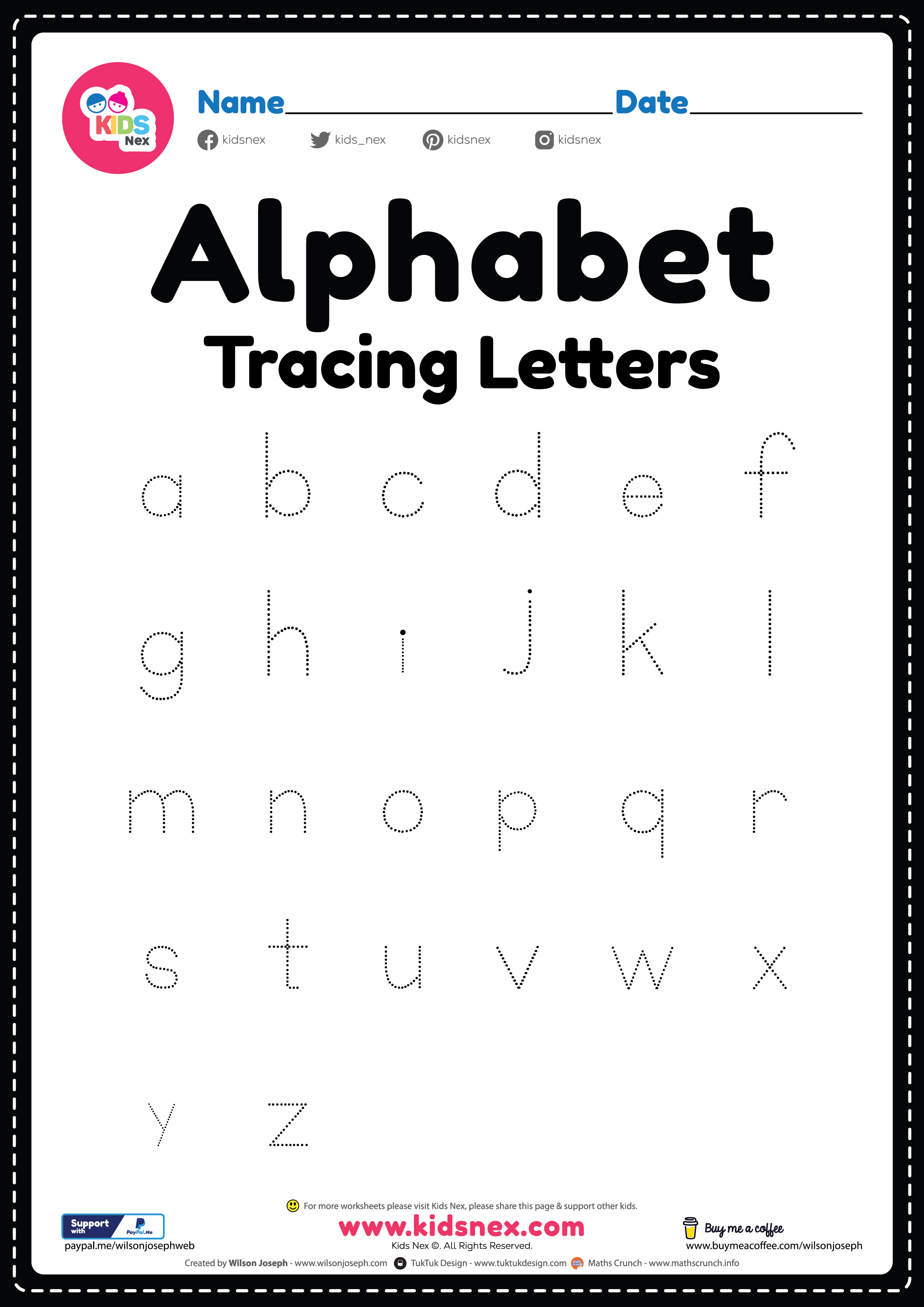
Not all worksheets are created equal. A flimsy PDF with one giant bubble letter and a dotted line to trace is a waste of ink. You want variety within the same page. Look for sheets that offer: a large guided trace with directional arrows (so they know where to start the circle), a freehand practice section with a starting dot, and a simple word association activity. One specific resource I keep returning to uses a "D is for Donut" theme where the child traces the letter, then draws sprinkles on a donut outline. That tiny creative step — adding sprinkles — reinforces the shape subconsciously because they are returning to the curve of the D to decorate it. It's genius in its simplicity.
How to Use These Printables Without the Tears
Here's an actionable tip you won't read in a generic blog post: cut the worksheet in half. Don't hand a full page to a wiggly three-year-old. Give them just the top half with one uppercase and one lowercase D. The visual overwhelm of a full sheet triggers shutdown. Once they finish that strip, they feel like a champion. Then you slide the bottom half over. This "one more bite" approach builds stamina without frustration. I've seen kids go from crying over a full page to begging for "just one more D" when they only see a small section at a time.
Blending Letter D Practice with Real Objects
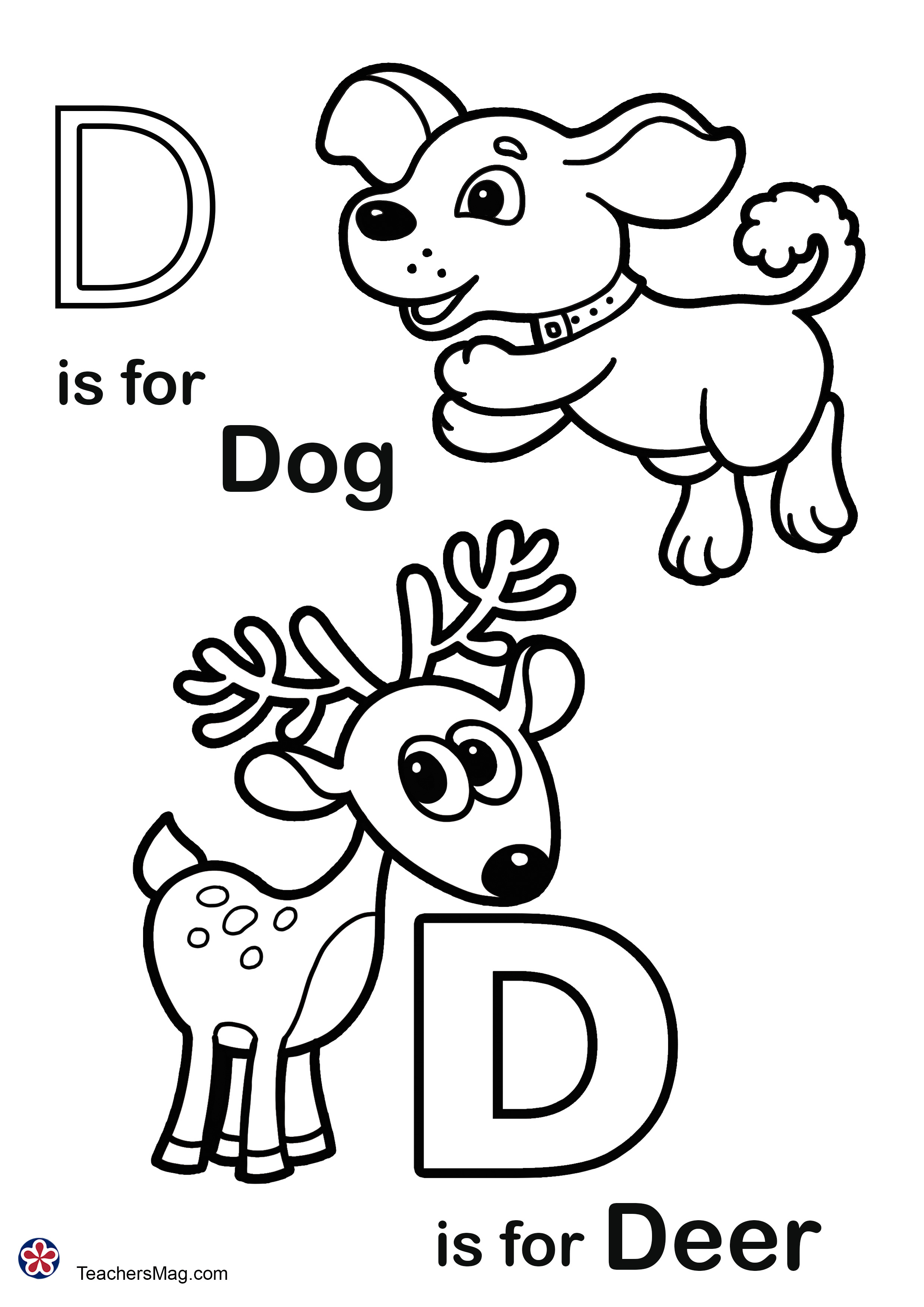
The worksheet should never be the end of the lesson — it's the anchor. After your child completes a quality printable worksheets letter d activity, grab a real object. A drum, a doll, a dish. Have them hold the item while they say the sound. Then ask them to "write" the letter D in the air with their finger. This cross-body movement wires the brain differently than pencil on paper. Combine that with a worksheet that has a dotted D and a picture of a dog, and you've built a full sensory loop. The printable becomes a reference point, not the whole lesson.
The Specific Skills a Good Letter D Worksheet Builds
Most people think alphabet worksheets are just for letter recognition. That's only half the story. A well-designed D worksheet is secretly a pre-writing workout for the hand muscles. The letter D requires two distinct motor patterns: a counterclockwise circular motion (for the belly) and a straight vertical line (for the back). If a child struggles with the circle, they will struggle with O, C, G, and Q later. If they can't control the vertical line, letters like P, R, and B will be a mess. So when you choose a printable, pay attention to the stroke order. The best ones teach "start at the top, curve around to the bottom, then go straight up." They break the letter into steps. I've seen kindergarten teachers swear by sheets that have a little "stop sign" graphic at the starting point. It sounds small, but it eliminates the guesswork. The right worksheet builds muscle memory that transfers to handwriting fluency months down the road.
| Skill Targeted | What the Worksheet Should Include | Common Pitfall to Avoid |
|---|---|---|
| Fine Motor Control | Dotted D with directional arrows; large tracing path | Using only a single, small dotted letter with no guide |
| Phonemic Awareness | Picture of a dog, duck, or door next to the letter | No image or an image that starts with a different sound |
| Visual Discrimination | A "find the D" puzzle among B, P, and Q | Only isolated D with no comparison letters |
| Letter Formation | Freehand practice with a starting dot | No freehand zone; only tracing allowed |
When you find a printable that checks these boxes, you're not just teaching a letter. You're laying the groundwork for confident writing. The letter D is a gatekeeper. Master it, and the entire lowercase alphabet becomes more approachable because the child has cracked the code on curves and lines working together. Don't settle for a generic, one-size-fits-all PDF. Your child deserves a worksheet that respects their developing brain and hand — one that makes the letter D stick through smart design, not just repetition.
One Last Thing Before You Go
Learning the alphabet isn’t just about memorizing letters—it’s about handing your child the keys to expression, curiosity, and confidence. Every time they trace a curve or identify a sound, they’re not just practicing; they’re building a foundation for every story they’ll ever tell. This quiet, patient work is where lifelong readers and thinkers are shaped. You are giving them something far bigger than a worksheet—you’re giving them the belief that they can figure things out, one letter at a time.
Maybe you’re worried that you don’t have enough time, or that your child will lose interest halfway through. That’s okay. You don’t need to be a perfect teacher—just a present one. If they squirm, take a break. If they want to color the duck purple instead of yellow, let them. The real magic happens in those small moments of connection, not in flawless execution. Your patience today plants seeds you won’t see for years, but they are growing.
So before you close this tab, take one small step: bookmark this page so you can return tomorrow, or print a few of the printable worksheets letter d offers while the inspiration is fresh. If you know another parent or caregiver who’s in the thick of it, send them the link. These printable worksheets letter d resources are meant to be shared, not hoarded. The best learning happens when we realize we’re not alone in the journey—and you’ve just taken a powerful step forward.
Related: Free ESL Drawing Worksheets
Teaching English as a second language can feel like juggling flaming torches while riding a unicycle. ESL drawing worksheets might seem like a simple tool, but honestly, they’re a secret weapon in your arsenal. They’re not just about doodling—they bridge language gaps, spark creativity, and make learning stick in ways textbooks can’t.
Right now, your students are probably staring at screens, zoning out during grammar drills, or struggling to find the right words. Sound familiar? ESL drawing worksheets cut through the noise by turning abstract concepts into something tangible. They’re perfect for visual learners, kinesthetic learners, or anyone who’s just plain bored with traditional methods. Plus, they’re a lifesaver when you need a quick, no-prep activity that actually works.
Look, teaching ESL isn’t just about grammar rules and vocabulary lists—it’s about connection. These worksheets aren’t just paper and pencil; they’re a way to make language personal, fun, and memorable. Stick around, and you’ll see how a simple drawing can unlock conversations, build confidence, and even make you the teacher your students rave about. Oh, and did I mention they’re a total time-saver? But let’s not get ahead of ourselves—there’s more where that came from.
Why ESL Drawing Worksheets Are More Than Just Art Projects
ESL drawing worksheets often get pigeonholed as "fun time" or "filler activities," but they’re far more strategic than most teachers realize. They’re not just about crayons and creativity—they’re a backdoor to vocabulary retention, cultural understanding, and even grammar reinforcement. Here’s what nobody tells you: students who struggle with abstract language concepts (think prepositions or idioms) often grasp them faster when paired with visual tasks. For instance, teaching "over," "under," and "between" becomes infinitely clearer when students draw a bridge over a river, a tunnel under a mountain, and a house between two trees. The visual anchor locks the word into memory in a way rote repetition never could.
The Hidden Cognitive Benefits of Drawing in ESL
Drawing isn’t just a passive activity—it’s a full-brain workout. When students sketch, they’re forced to process information in multiple ways: reading the prompt, interpreting it, and translating it into a visual form. This multi-step process mirrors real-world language use, where comprehension and production are intertwined. Research even suggests that doodling during lessons can improve focus, particularly for kinesthetic learners. So, the next time a student seems "off-task" while coloring, remember: they might actually be encoding vocabulary more effectively than their silent peers.
How to Avoid the Common Pitfalls of Drawing Activities
Not all ESL drawing worksheets are created equal. A poorly designed sheet can confuse more than clarify. **Avoid worksheets that rely on abstract themes** or lack clear instructions. For example, a prompt like "Draw your favorite memory" might leave beginners scrambling for vocabulary, while "Draw a birthday party with 3 people and a cake" provides structure. Always pair drawing with labeling—this turns a one-time art project into a reusable vocabulary reference. Pro tip: Laminate finished drawings and use them as classroom flashcards. Students are far more invested in reviewing vocabulary when it’s *their* artwork on display.
The Part of ESL Drawing Worksheets Most People Get Wrong
Cultural Sensitivity in Visual Prompts
One of the biggest mistakes teachers make with ESL drawing worksheets is overlooking cultural context. A prompt like "Draw a holiday celebration" might seem universal, but it can alienate students whose traditions differ. Instead, opt for culturally neutral themes or explicitly encourage diversity. For instance, "Draw a family meal" allows students to depict their own cultural dishes, sparking conversations about food vocabulary *and* global traditions. This approach not only avoids awkward moments but also turns the activity into a cross-cultural exchange.
Balancing Structure and Creativity
Too much freedom can paralyze beginners, while overly rigid prompts stifle creativity. The sweet spot lies in **guided open-endedness**. For example, instead of "Draw a house," try "Draw a house with a garden, but add one unusual feature." This gives students a framework while leaving room for imagination. *Here’s a real-world example*: A teacher asked students to draw a "future city" and was surprised when one student included flying cars labeled with phrasal verbs like "take off" and "touch down." The activity became an impromptu lesson on transportation vocabulary—all because the prompt allowed for creativity.
Integrating Drawing into Broader Lesson Plans
Drawing shouldn’t be an isolated activity. Link it to other skills for maximum impact. After completing a worksheet, have students describe their drawings to partners, write captions, or even create comic strips using the same vocabulary. For instance, a worksheet on animals can lead to a role-play at the "zoo," where students use their drawings as exhibits. This multi-skill approach ensures the vocabulary sticks, turning ESL drawing worksheets into a launching pad for deeper learning.
Your Next Step Starts Here
In the grand scheme of teaching and learning, tools like esl drawing worksheets are more than just resources—they’re bridges. Bridges that connect language barriers, spark creativity, and make learning stick. Whether you’re in a bustling classroom or teaching one-on-one, these tools can transform a lesson from forgettable to unforgettable. Isn’t that what we all want for our students? To see them engaged, confident, and excited to learn? That’s the power of combining language with art, and it’s within your reach.
You might be thinking, “But will it really work for my students?” Trust me, hesitation is normal. Yet, the beauty of esl drawing worksheets lies in their adaptability. They’re not one-size-fits-all—they’re one-size-fits-many. Whether your students are beginners or advanced, visual learners or hands-on creators, these worksheets meet them where they are. Give them a chance, and you’ll see the difference they can make.
Ready to take the leap? Browse the gallery, bookmark this page, or share it with a fellow educator who could use a fresh idea. Every small step toward engaging your students is a step toward a more vibrant, effective classroom. Here’s to making learning not just easier, but more meaningful.
Related: Free Printable English Worksheets for Kindergarten (PDF)
Your kid’s first steps into the world of reading and writing are thrilling, but let’s be real—it’s also a bit overwhelming. English worksheets for kindergarten aren’t just pieces of paper; they’re tools that can make or break their early learning experience. Here’s the thing: not all worksheets are created equal, and choosing the wrong ones can turn a curious learner into a frustrated one faster than you can say “ABCs.”
Right now, as your child stands at the edge of literacy, every resource counts. The early years are critical—they shape not just their academic foundation but also their attitude toward learning. If you’re scrambling to find materials that are engaging, age-appropriate, and actually teach something, you’re not alone. The truth is, most parents and educators are in the same boat, sifting through endless options that promise results but deliver boredom.
What if you could cut through the noise and get straight to what works? Stick around, and you’ll discover how to spot the good stuff, why some worksheets are worth their weight in gold, and how to use them in a way that keeps your kid excited to learn. No fluff, no gimmicks—just practical insights that make a difference.
The Part of English Worksheets for Kindergarten Most People Get Wrong
When it comes to early literacy development, many parents and educators rely on English worksheets for kindergarten. However, the mistake most people make is treating these worksheets as a one-size-fits-all solution. Here’s what nobody tells you: not all worksheets are created equal, and their effectiveness depends on how they’re used. Simply handing a child a sheet and expecting them to learn is a missed opportunity. The real value lies in interactive engagement—using worksheets as a starting point for conversation, storytelling, or hands-on activities. For instance, a worksheet with letter tracing can become a game where the child “drives” a toy car along the lines, turning a mundane task into a playful learning experience.
Why Context Matters More Than Content
The content of English worksheets for kindergarten is important, but context is king. A worksheet with colorful pictures and simple instructions might seem perfect, but without context, it can feel disconnected from a child’s world. For example, a worksheet about animals is far more engaging when paired with a trip to the zoo or a storybook about animals. This connection helps children see the relevance of what they’re learning, making it stickier in their memory. *And yes, that actually matters*—when learning feels meaningful, children are more motivated to participate.
The Hidden Pitfall of Overuse
Another common mistake is over-relying on worksheets. While they’re a great tool, they shouldn’t be the only tool. Kindergarteners learn best through a variety of activities, including play-based learning, singing, and physical movement. Overusing worksheets can lead to boredom or frustration, especially for children who learn kinesthetically. A balanced approach is key—mix worksheets with activities like building letter shapes with blocks or acting out stories. This variety keeps learning fresh and caters to different learning styles.
How to Choose and Use English Worksheets Effectively
Look for Interactive Elements
When selecting English worksheets for kindergarten, prioritize those with interactive elements. Worksheets that include cut-and-paste activities, matching games, or fill-in-the-blank stories encourage active participation. These types of worksheets not only reinforce literacy skills but also develop fine motor skills and critical thinking. For example, a worksheet where children match words to pictures can be turned into a scavenger hunt, making learning dynamic and fun.
Tailor Worksheets to Individual Needs
Every child learns at their own pace, so it’s essential to tailor worksheets to their level. If a child is struggling with letter recognition, start with simpler worksheets and gradually introduce more complex ones. Conversely, if a child is ahead, challenge them with worksheets that introduce basic phonics or sight words. This personalized approach ensures that learning remains engaging and achievable, preventing frustration or disinterest.
Incorporate Real-World Connections
To maximize the impact of English worksheets, connect them to real-world experiences. For instance, a worksheet about colors can be paired with a walk outside to identify objects of the same color. This not only reinforces what’s on the page but also helps children see the practical application of their learning. By bridging the gap between worksheets and everyday life, you make literacy skills more tangible and memorable.
- Tip: Use worksheets as a springboard for conversation. Ask open-ended questions like, “What do you think happens next?” to encourage critical thinking and creativity.
Your Child's Learning Journey Starts Here
As you step into the world of early education, remember that every small step counts. The foundation you build today will shape your child's academic future. English worksheets for kindergarten are not just about teaching letters and words; they're about fostering a love for learning, building confidence, and nurturing curiosity. By incorporating these tools into your child's routine, you're giving them the gift of a strong start, one that will benefit them far beyond the classroom.
You might wonder if it's too early to start, or if your child is ready for structured learning. But here’s the truth: every child learns at their own pace, and it’s never too early to spark their interest. These worksheets are designed to be engaging and adaptable, meeting your child wherever they are in their learning journey. Don’t let hesitation hold you back—small, consistent efforts now can lead to big leaps later.
Ready to take the next step? Explore our collection of English worksheets for kindergarten and find the perfect resources to support your child's growth. Bookmark this page for easy access, or share it with a fellow parent who might find it helpful. Together, let’s make learning an adventure your child will cherish. Your child’s future self will thank you for it.


