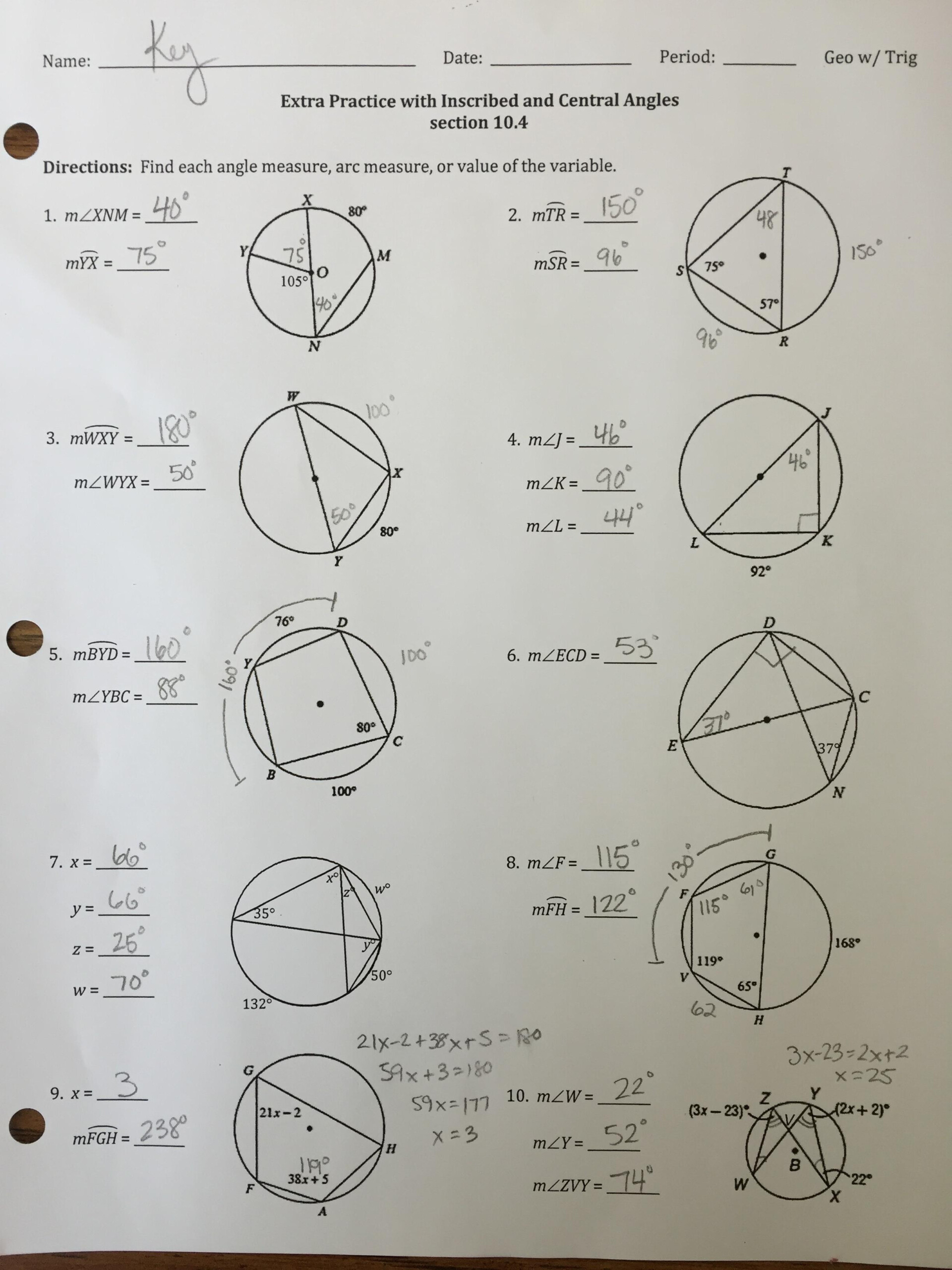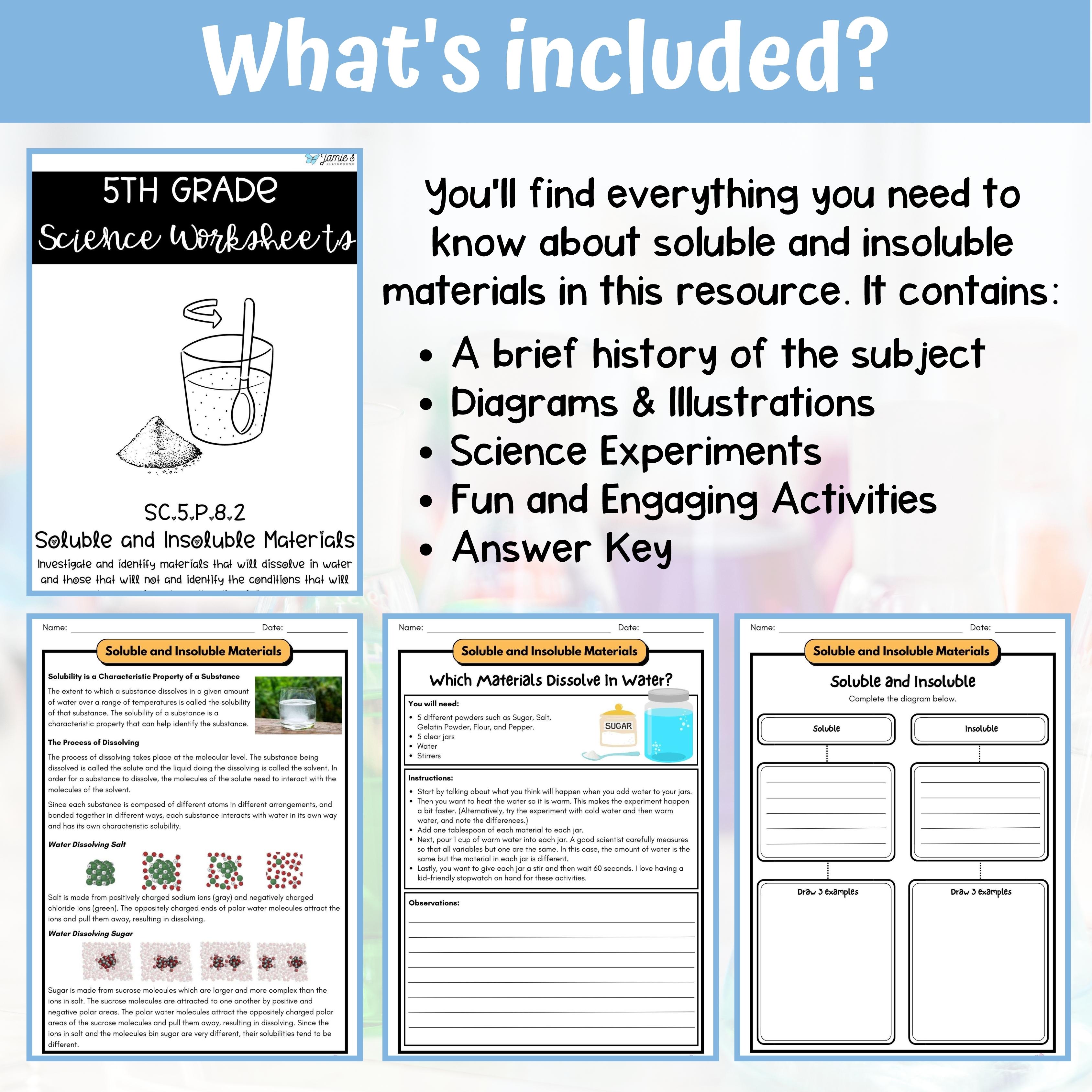
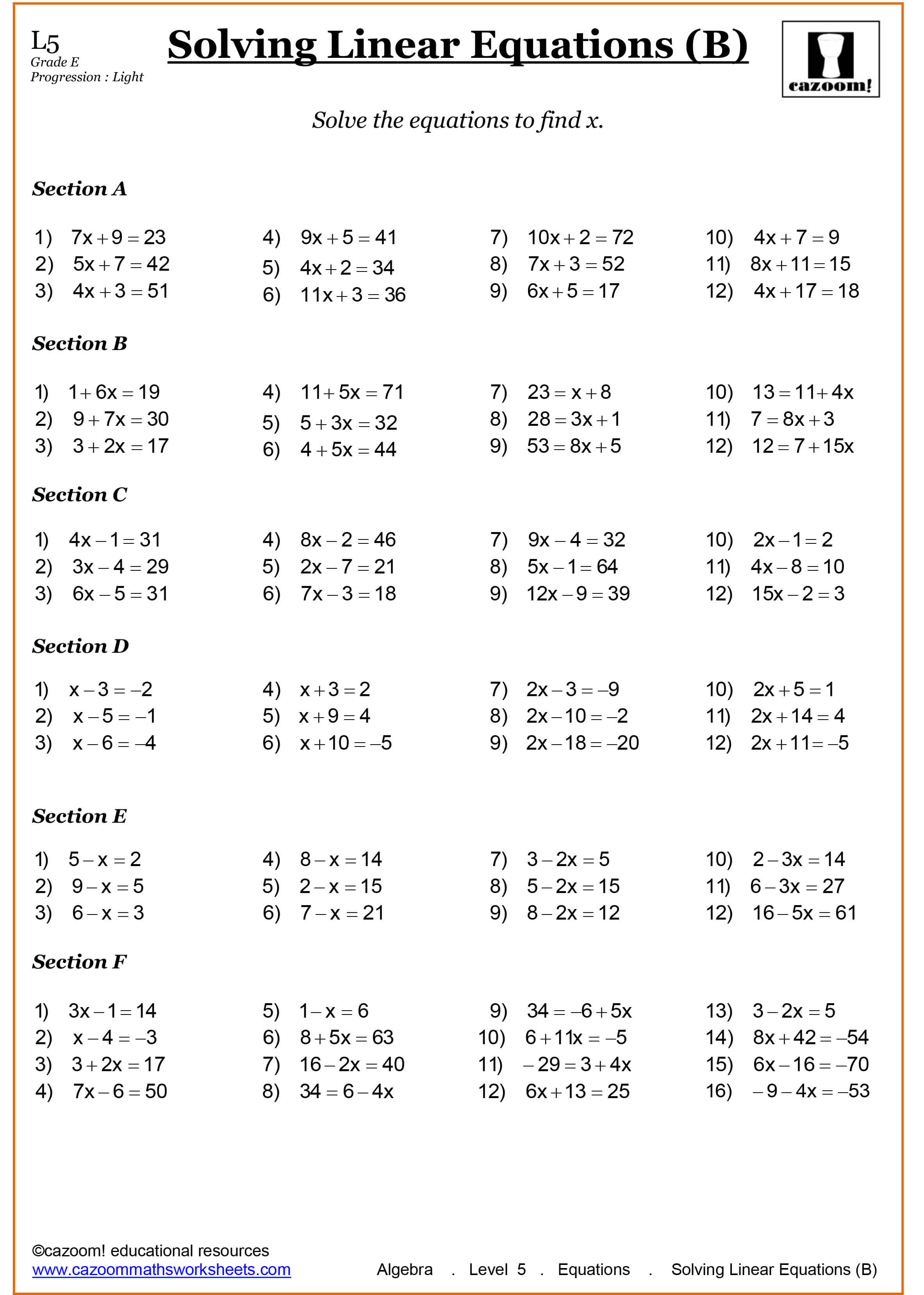

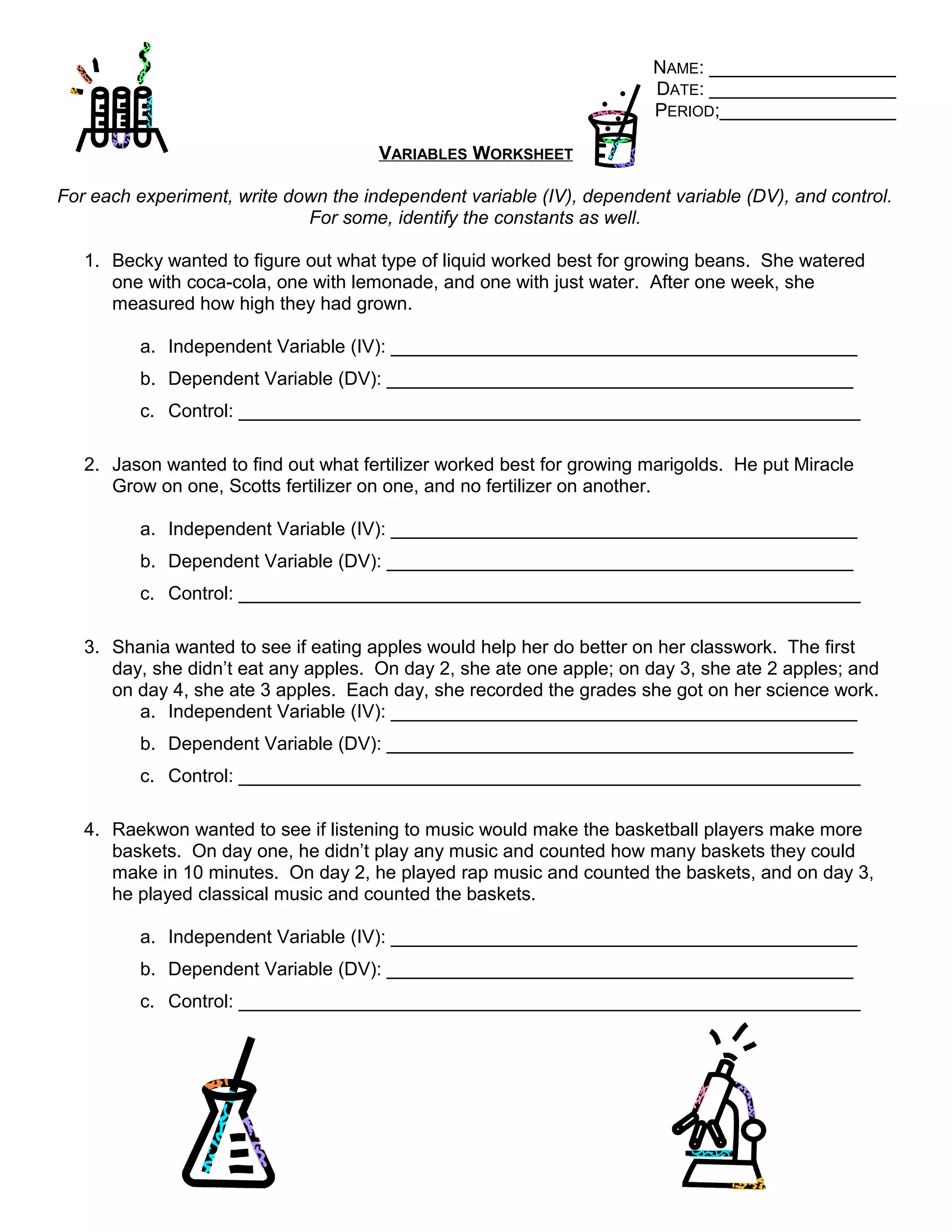

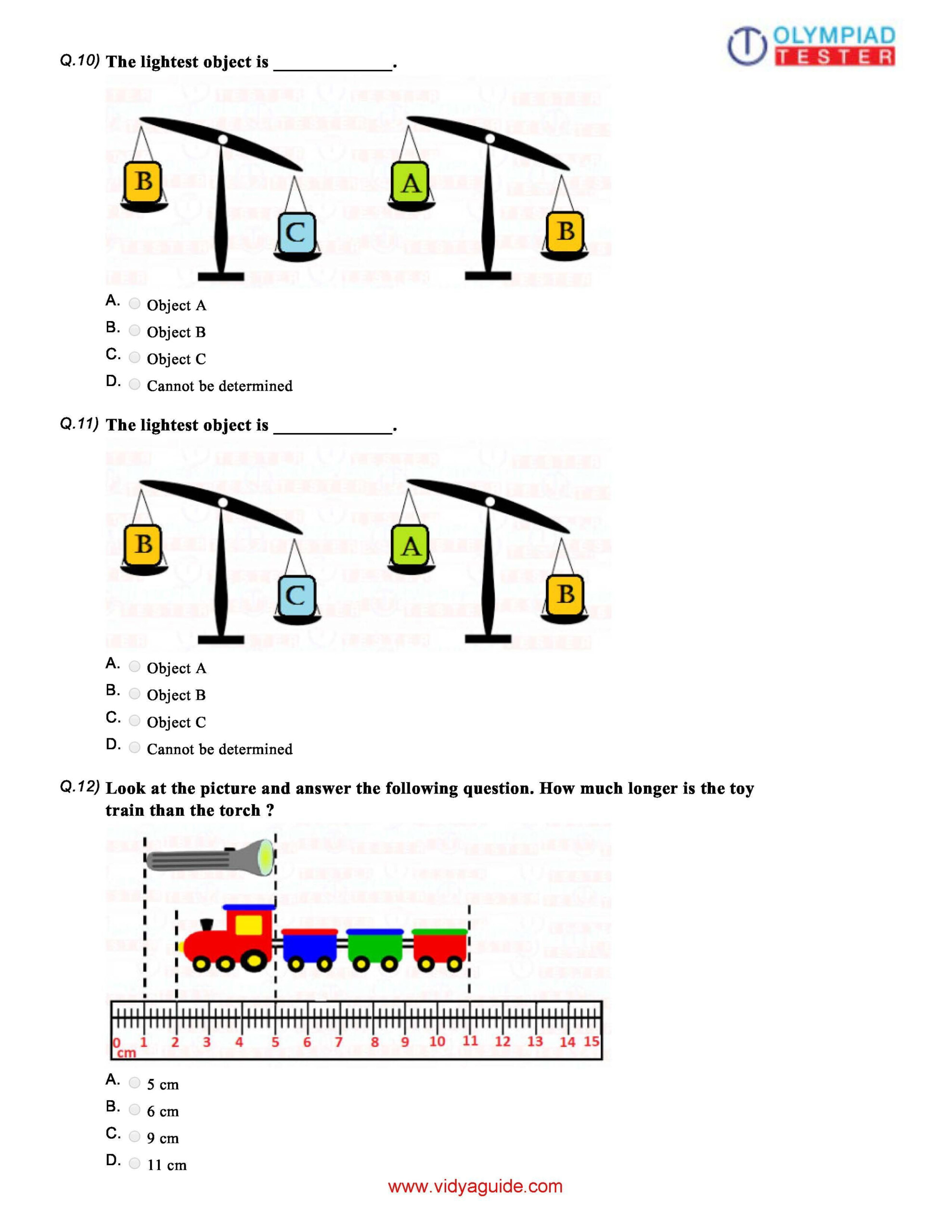
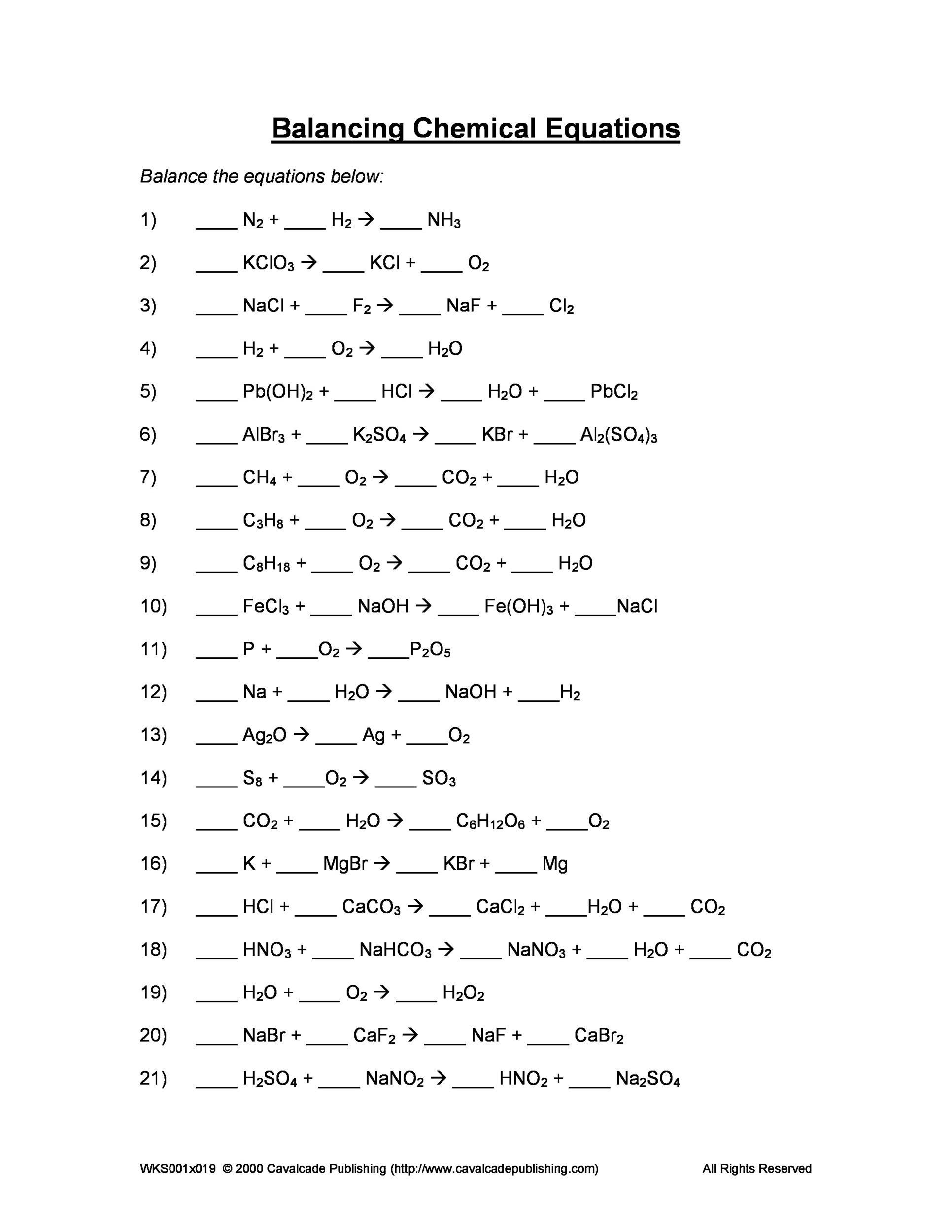

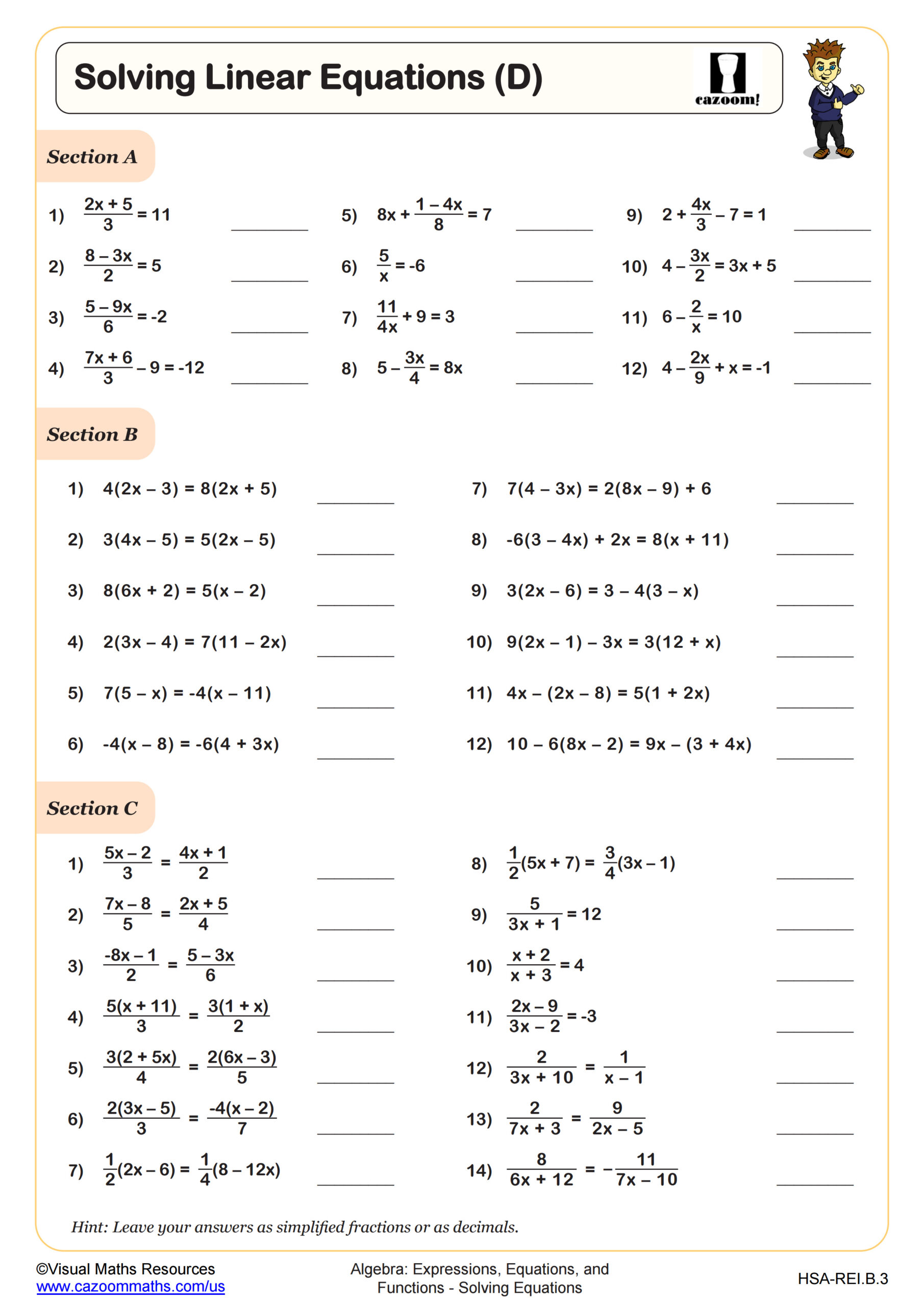


Shape Worksheets Grade 2 Overview
Your thoughts are a mess. Free journal worksheets could be the lifeline you didn’t know you needed. Honestly, most people underestimate the power of putting pen to paper, but it’s not just about venting—it’s about clarity, focus, and moving forward. Whether you’re stuck in a rut or just need a daily reset, these tools are designed to cut through the noise in your head.
Right now, you’re probably juggling a million things, and your brain feels like a browser with too many tabs open. That’s where this comes in. It’s not about becoming a journaling guru overnight; it’s about giving yourself five minutes to breathe, reflect, and maybe even surprise yourself with what’s really on your mind. Look—we’re all busy, but ignoring the chaos in your thoughts only makes it worse.
What if I told you these worksheets could help you spot patterns you’ve been missing? Or that they’re structured to ask the questions you’ve been avoiding? Stick around, and you’ll see how something as simple as a few prompts can shift your perspective in ways you didn’t expect. Oh, and that tangent about tabs? Totally relatable, right? Anyway, let’s dive in.
The Hidden Power of Free Journal Worksheets: Beyond Just Writing
Most people think journaling is just about dumping thoughts onto paper. But here’s the truth: **structured journaling**—like using free journal worksheets—can turn a scattered habit into a tool for real change. These worksheets aren’t just lined pages; they’re frameworks designed to guide your thinking, whether you’re tracking habits, processing emotions, or setting goals. The key? They force you to ask questions you might avoid otherwise. For instance, a simple gratitude worksheet doesn’t just ask *what* you’re grateful for—it pushes you to explore *why*, deepening the impact of the practice.
Why Structure Matters More Than You Think
Blank pages can be intimidating. *Ever stared at one for 10 minutes without writing a word?* That’s where free journal worksheets shine. They eliminate decision fatigue by giving you a starting point. A mood tracker, for example, doesn’t just log emotions—it helps you spot patterns over time. Similarly, a goal-setting worksheet breaks down big ambitions into actionable steps, making them feel less overwhelming. Without structure, journaling can feel aimless; with it, it becomes a deliberate practice.
The Mistake Most Beginners Make
Here’s what nobody tells you: **not all worksheets are created equal**. Some are too vague, while others are overly rigid. The sweet spot? Worksheets that balance guidance with flexibility. For instance, a daily reflection sheet with prompts like “One thing I learned today” or “One thing I’d do differently” keeps you focused without boxing you in. Beginners often grab the first worksheet they see, but taking a minute to find one that aligns with your goals—like habit-building or stress reduction—makes all the difference.
How to Actually Use Free Journal Worksheets (Without Giving Up)
Let’s be real: consistency is harder than downloading a PDF. The trick is to **start small and stay specific**. Pick one type of worksheet—say, a weekly review—and commit to it for 14 days. Pair it with a routine, like filling it out during your morning coffee. Here’s an actionable tip: keep your worksheets in a binder or folder, not scattered across your desk. Physical organization mirrors mental clarity. And if you miss a day? Don’t overthink it. Just pick up where you left off. *Perfection isn’t the goal—progress is.*
When to Ditch the Worksheet
Yes, even I—someone who’s written about journaling for years—sometimes skip the worksheets. Why? Because journaling should feel like a conversation, not a chore. If a worksheet starts to feel restrictive, take a break. Use blank pages to freestyle, then circle back when you need structure again. The beauty of free journal worksheets is they’re a tool, not a rule. Use them when they serve you, and set them aside when they don’t.
The One Worksheet Everyone Should Try
If you try just one, make it a **future self letter**. Write to yourself six months from now, detailing where you hope to be and what steps you’re taking today. It’s surprisingly powerful—and yes, it actually matters. This exercise bridges the gap between reflection and action, making abstract goals feel tangible. Pair it with a monthly review worksheet, and you’ve got a system that keeps you accountable without feeling heavy-handed.
- Start with a single worksheet type to avoid overwhelm.
- Pair journaling with a daily habit (e.g., coffee, bedtime).
- Review your entries monthly to spot trends or progress.
Your Journey Starts with a Single Step
In the grand scheme of your personal growth, every tool you add to your toolkit matters. Whether you're navigating career challenges, personal relationships, or simply seeking clarity in your daily life, the practice of journaling can be a game-changer. It's not just about putting pen to paper; it's about creating a space where your thoughts can breathe, your goals can take shape, and your progress can be celebrated. What if the key to unlocking your potential was as simple as reflecting on your day? The beauty of journaling lies in its simplicity and its profound impact over time. It’s a habit that compounds, offering insights and breakthroughs you might not even realize you needed.
You might be thinking, "But where do I even start?" or "Will this really make a difference for me?" It’s natural to feel a bit hesitant, especially if journaling feels unfamiliar. Here’s the truth: there’s no right or wrong way to journal. It’s your space, your rules. And if you’re unsure how to structure your thoughts, that’s where free journal worksheets come in. They’re designed to guide you gently, without overwhelming you. Think of them as a friendly nudge to get started, not a rigid framework to follow.
Ready to take the first step? Bookmark this page so you can return to it whenever inspiration strikes. Or better yet, share it with a friend who might benefit from a little clarity in their life. And if you’re feeling curious, explore the free journal worksheets—they’re here to help you turn reflection into action. Your journey is unique, and every small step counts. Start today, and see where it takes you.
Related: Free Printable KS3 Science Worksheets with Answers (PDF)
Science education is a rollercoaster, and let’s be honest, finding the right resources can feel like searching for a needle in a haystack. If you’re a parent or teacher scrambling to support KS3 students, you’ve probably stumbled upon ks3 science worksheets with answers pdf more times than you can count. But here’s the thing: not all worksheets are created equal. Some are confusing, others are outdated, and most leave students more frustrated than enlightened.
Right now, with exams looming and curriculum demands tighter than ever, you can’t afford to waste time on subpar materials. KS3 is a critical stage—it’s where the foundations for GCSE success are laid. Honestly, if students don’t grasp key concepts now, they’ll be playing catch-up later. That’s why the right worksheets aren’t just helpful—they’re essential. They need to be clear, engaging, and, most importantly, accurate.
So, what if you could cut through the noise and get straight to the good stuff? What if you had access to worksheets that actually make sense, come with detailed answers, and are designed to stick? Stick around, because that’s exactly what we’re diving into next.
Why KS3 Science Worksheets with Answers PDFs Are a Double-Edged Sword
Let’s be honest: KS3 science worksheets with answers PDFs are a staple in many classrooms and homes. They’re convenient, printable, and often free. But here’s the catch—most people use them wrong. They treat them as a quick fix, a way to tick the “revision done” box without digging deeper. *And yes, that actually matters.* The real value of these worksheets isn’t in the answers; it’s in the process of getting there. If a student rushes through, guessing or skipping tough questions, they’re missing the point entirely. The answers are a tool, not the destination. So, before you download another PDF, ask yourself: Are you using it to teach understanding or just to check boxes?
The Hidden Pitfall: Answers Without Explanation
One of the biggest flaws in many KS3 science worksheets with answers PDFs is the lack of explanation. Sure, the answer is there, but why is it correct? This is where most resources fall short. A student might get the right answer through luck or elimination, but without understanding the reasoning, they’re not learning. For example, if a question asks about the water cycle, simply writing “evaporation” as the answer doesn’t teach them how it works. **Actionable tip:** Pair worksheets with a quick discussion or a follow-up video. Even a 2-minute explanation can bridge the gap between guessing and knowing.
How to Use Worksheets Effectively (Without Relying on Answers)
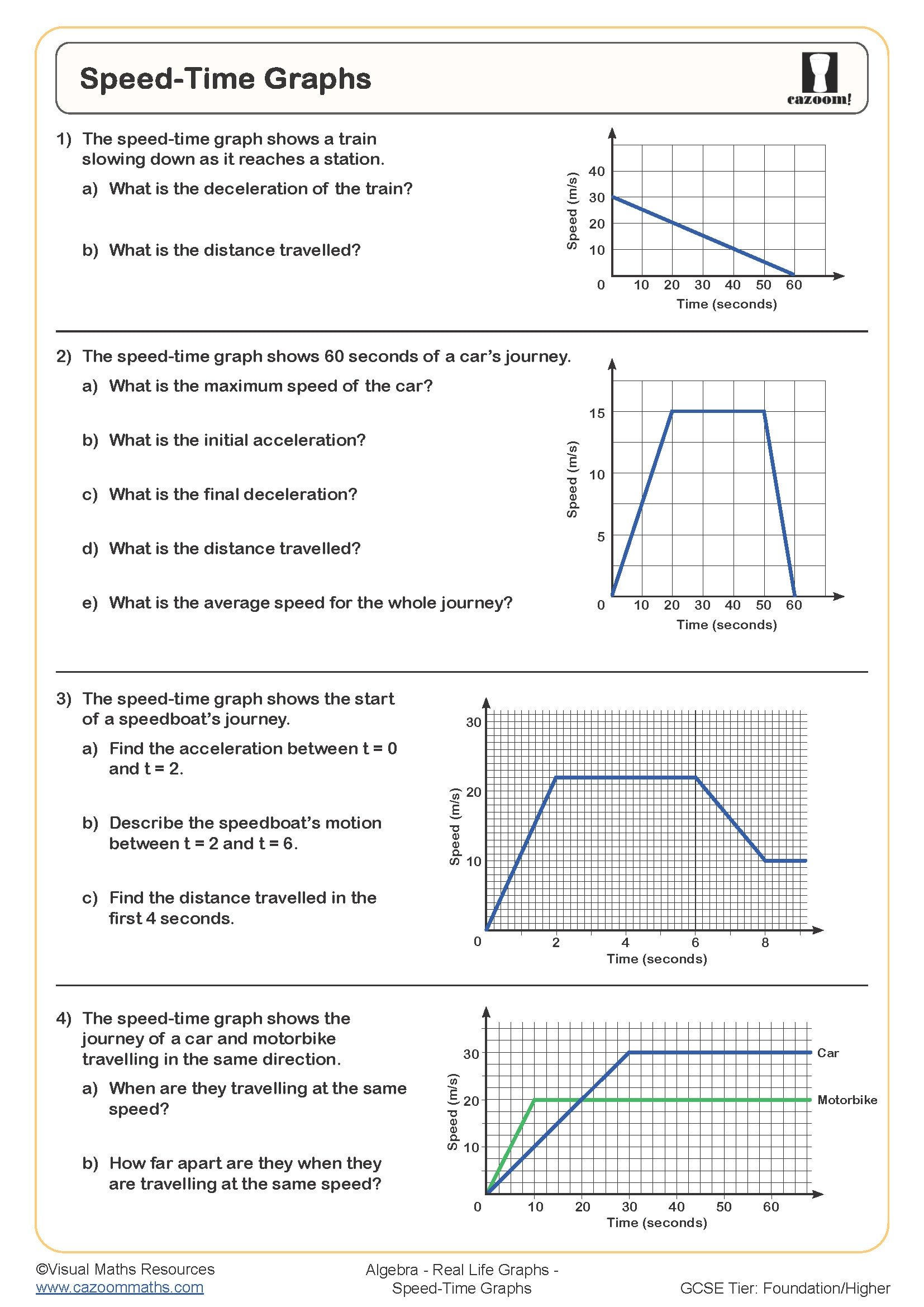
Here’s what nobody tells you: the best way to use KS3 science worksheets is to treat them as a starting point, not the end. Start by removing the answers entirely. Let students attempt the questions first, then review their work together. This forces them to think critically and identify their own mistakes. For instance, if a question involves calculating speed, encourage them to show their working out. This not only highlights errors but also reveals their thought process. *Ever noticed how students often understand more than they think?* This method builds confidence and reinforces learning in a way that simply checking answers never will.
The Best KS3 Science Worksheets: Features That Actually Matter
What to Look for in a Quality Worksheet
Not all KS3 science worksheets are created equal. Some are too basic, while others are overly complex. A good worksheet should challenge students without overwhelming them. Look for resources that include real-world examples and encourage critical thinking. For instance, a question about friction should tie into everyday scenarios, like why brakes work on a bike. This makes the content relatable and memorable.
Comparing Top Worksheet Features
| Feature | Basic Worksheets | Quality Worksheets |
|---|---|---|
| Real-World Examples | Rarely included | Always present |
| Critical Thinking Questions | Minimal | Abundant |
| Answer Explanations | None or brief | Detailed and clear |
Avoiding Common Worksheet Mistakes
One of the biggest mistakes parents and teachers make is overloading students with worksheets. More isn’t always better. Focus on quality over quantity. A single well-designed worksheet can be more effective than ten mediocre ones. Also, avoid worksheets that rely heavily on memorization. Science is about understanding concepts, not just recalling facts. For example, instead of asking students to list the states of matter, ask them to explain how water changes from one state to another. This shifts the focus from rote learning to genuine comprehension.
Your Next Step Starts Here
Mastering KS3 science isn’t just about acing exams—it’s about building a foundation for understanding the world around you. Whether you’re dreaming of a career in STEM, curious about how things work, or simply want to boost your grades, the tools you’ve discovered here are your stepping stones. Science is a journey of discovery, and every worksheet, every question answered, brings you closer to unlocking its wonders. Imagine the confidence you’ll feel when complex concepts start to make sense, or when you can explain a scientific principle to a friend. That’s the power of consistent practice and the right resources.
You might be thinking, “But what if I get stuck or feel overwhelmed?” Here’s the truth: every scientist, every learner, has faced moments of doubt. The key is to keep going, one step at a time. KS3 science worksheets with answers pdf are designed to guide you through challenges, not to leave you stranded. They’re your safety net, ensuring you understand not just the “what,” but the “why” behind every concept. So, don’t let hesitation hold you back—embrace the process, and trust that each effort brings you closer to mastery.
Ready to take action? Bookmark this page for easy access whenever you need a boost, or share it with a classmate who could use the support. Dive into the KS3 science worksheets with answers pdf and make them your go-to resource for practice and review. The journey of learning science is yours to own—start today, and watch your understanding grow. Your future self will thank you for the effort you’re putting in now.
Related: Free Printable Worksheets for Adults: Learn, Grow, Repeat
The truth is, most of us struggle with organization and productivity, which is why free worksheets adults can be a total lifesaver - honestly, who hasn't felt overwhelmed by their to-do list at some point? Look, it's easy to get caught up in the idea that we need to spend a fortune on fancy planners or apps to get our lives together.
Here's the thing, though: being more organized and focused isn't just about getting more done, it's about feeling more in control of your life, and that's something that matters deeply to all of us, especially when we're feeling stressed or anxious.
Real talk, it's time to stop beating ourselves up over our lack of productivity and start finding tools that actually work for us - and that's exactly what you'll discover as you keep reading.
So, what's the secret to making those worksheets actually stick, and how can you use them to create lasting change in your daily life?
The Part of Free Worksheets for Adults Most People Get Wrong
When it comes to free worksheets for adults, there’s a common misconception that they’re only for beginners or basic skill-building. *Here’s what nobody tells you*: these resources are often designed with depth and nuance, catering to advanced learners and professionals alike. The mistake most people make is underestimating their versatility. Whether you’re brushing up on math, improving time management, or exploring creative writing, there’s likely a worksheet tailored to your needs. The key is knowing where to look and how to use them effectively.
Why Advanced Learners Shouldn’t Shy Away
Many adults assume worksheets are too simplistic for their skill level. However, **free printable resources** often include complex problem-solving exercises, critical thinking prompts, and real-world applications. For instance, financial planning worksheets can help you map out a budget with precision, while creative writing prompts can reignite your storytelling skills. The trick is to choose worksheets that align with your goals, not just your current abilities.
The Hidden Gem: Niche Topics
One of the most overlooked aspects of free worksheets for adults is their availability in niche areas. From mindfulness exercises to technical skill assessments, these resources cover topics you might not find in traditional courses. For example, a worksheet on emotional intelligence can provide actionable steps to improve workplace relationships. *And yes, that actually matters* in today’s collaborative environments. Don’t dismiss a worksheet just because it’s free—it might be the missing piece in your learning puzzle.
How to Maximize the Value of Free Printable Resources
Using free worksheets for adults isn’t just about downloading and filling them out. It’s about integrating them into your learning routine in a way that drives results. **Consistency is key**, but so is adaptability. If a worksheet isn’t working for you, tweak it or pair it with other resources. For instance, combine a time management worksheet with a digital calendar app for a more robust system.
Pairing Worksheets with Real-World Practice
One actionable tip is to use worksheets as a starting point, not the end goal. For example, if you’re working on a communication skills worksheet, practice the techniques in your next team meeting. This bridges the gap between theory and application, making the learning stick. **Free printable resources** are most effective when they’re part of a larger strategy, not a standalone solution.
Tracking Progress for Long-Term Success
Finally, don’t underestimate the power of tracking your progress. Use a worksheet to set measurable goals and revisit them regularly. This not only keeps you accountable but also highlights areas where you’ve improved. For instance, a goal-setting worksheet paired with a monthly review can transform vague ambitions into tangible achievements. When used thoughtfully, free worksheets for adults can be a powerful tool for continuous growth.
- Tip 1: Pair worksheets with real-world practice for better retention.
- Tip 2: Customize worksheets to fit your unique learning style.
- Tip 3: Track progress regularly to stay motivated and focused.
Here's What Makes the Difference
As we wrap up, it's essential to remember that personal growth and development are lifelong journeys. The tools and strategies you've learned here can have a profound impact on your life, work, and goals, helping you navigate challenges and seize opportunities with confidence. In the bigger picture, investing time in yourself can lead to a more fulfilling and purpose-driven life.
Perhaps you're still wondering if these tools are really worth your time. Can you truly make a significant change? The answer is a resounding yes. Don't let doubts hold you back from exploring resources like free worksheets adults that can offer valuable guidance and support.
Now, take a moment to think about who in your life could benefit from the insights you've gained. Consider sharing this with someone who might be struggling or looking for a fresh perspective. You can also bookmark this page or browse our gallery for more resources, including free worksheets adults, to continue your journey of growth and self-improvement.