




Shape Worksheets Kindergarten Overview
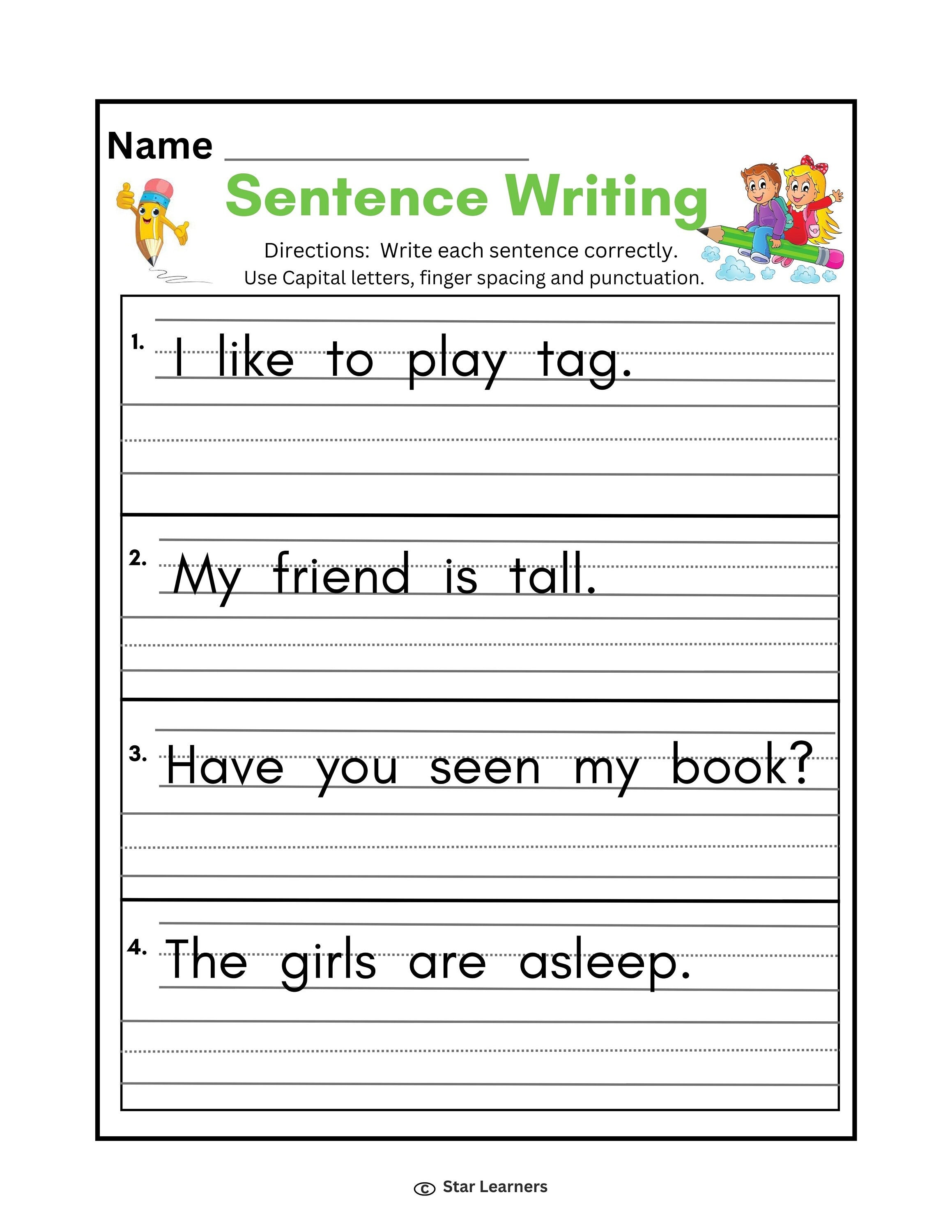
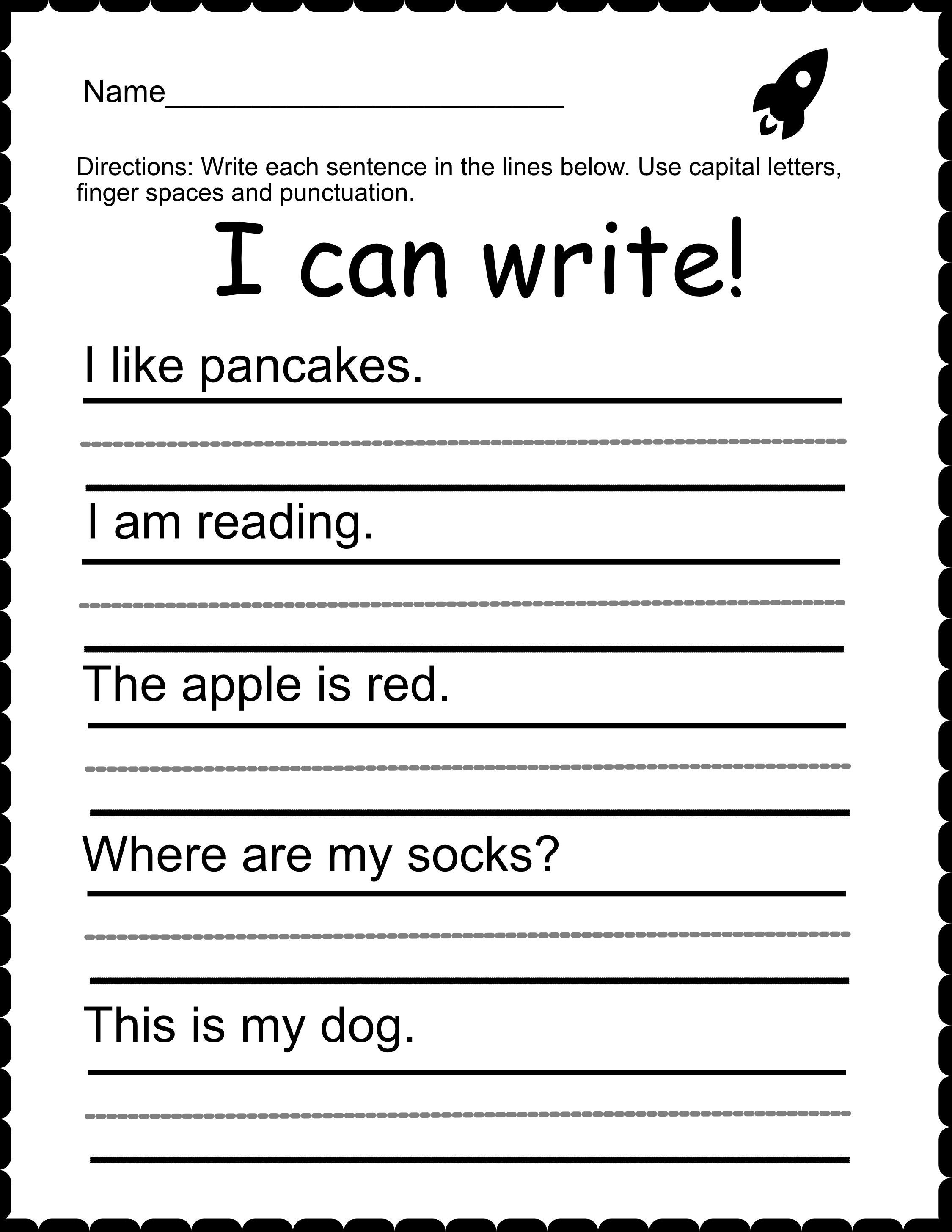
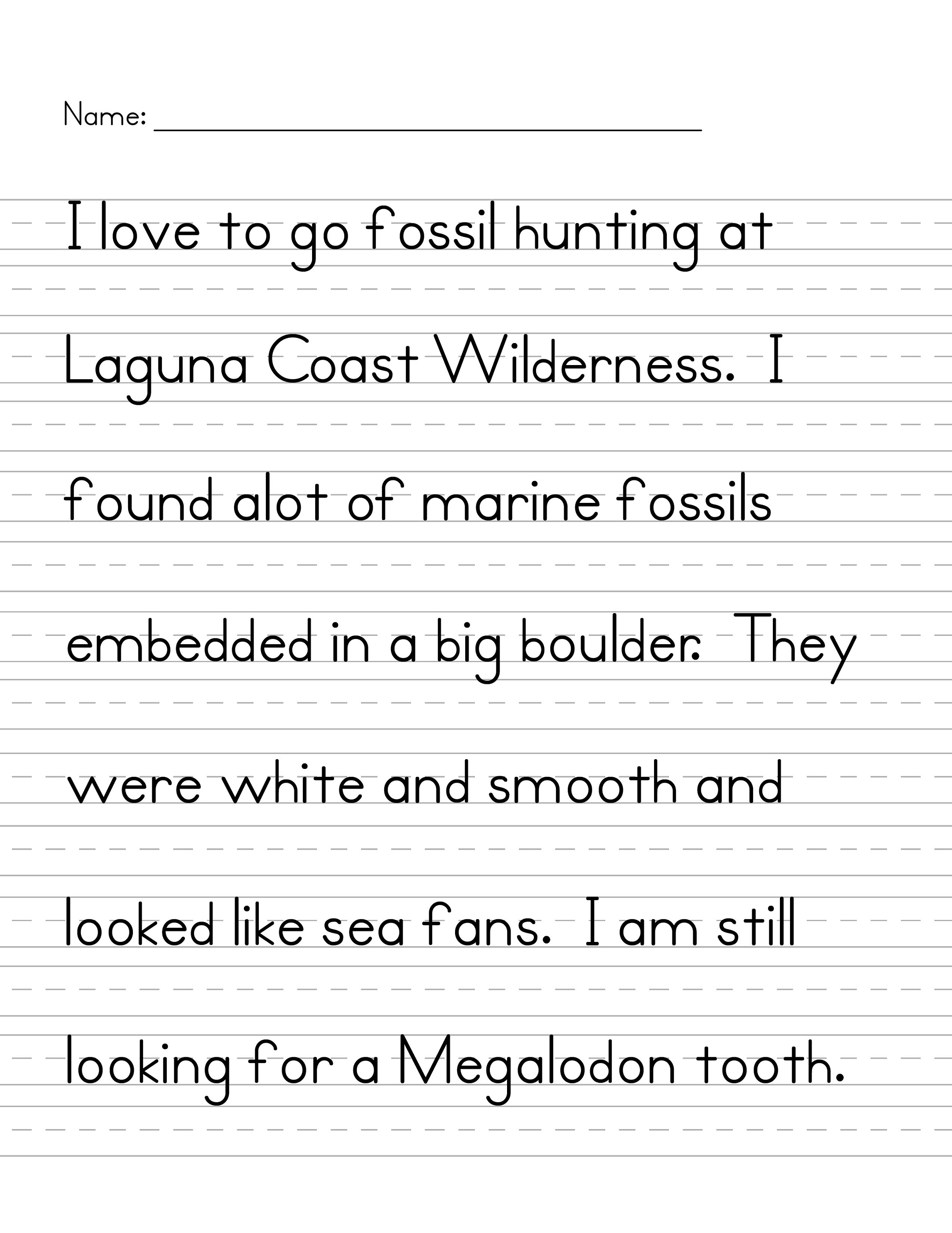
You've spent forty-five minutes hunting for the perfect activity, only to have your first grader stare at the worksheet like it's written in ancient Greek. Honestly, it feels personal sometimes. Here's the thing: the right printable worksheets for 1st grade can mean the difference between a tear-filled meltdown and that magical moment when something finally clicks.
Look — right now, you're probably juggling a million things. Maybe you're a teacher with twenty-six tiny humans who all need something different. Or a parent who swore you'd never be "that person" printing worksheets at 10 PM. The truth is, first grade is where learning either takes flight or starts to feel like a chore. And the resources you choose? They matter more than you think. A boring worksheet teaches kids that learning is boring. A great one? It sneaks in math practice while they're busy coloring a dinosaur.
What I'm about to show you isn't just a pile of free downloads. It's the stuff that actually works — designed by people who understand that six-year-olds have the attention span of a gnat and the stubbornness of a goat. Keep reading, and you'll find worksheets that respect your kid's brain. No fluff. No busywork. Just real, printable tools that make both of your lives easier. And honestly? You deserve that.
Let's be honest about something: most printable worksheets for 1st grade you find online are boring. They're the educational equivalent of stale crackers—technically edible, but nobody wants them. I've spent years editing curriculum content, and the single biggest mistake I see is treating first graders like tiny data processors. They're not. They're chaotic, distractible, and surprisingly perceptive. Give them a worksheet that looks like a tax form, and you've already lost the battle before they even pick up a pencil.
The Part of Printable Worksheets for 1st Grade Most People Get Wrong
Here's what nobody tells you: the layout matters more than the content. I've watched a perfectly good phonics exercise tank because the font was too small or the spacing was too tight. A first grader's visual processing is still developing—cramming sixteen problems onto one page is a recipe for tears and crumpled paper. The best practice sheets I've seen use generous white space, clear instructions (ideally with a simple icon or color cue), and no more than eight to ten items per page. Yes, that means more paper. Get over it. Your child's frustration tolerance is not infinite.
Why Busy Work Fails and Focused Practice Wins
I once watched a teacher assign a double-sided math drill with thirty addition facts. Half the class shut down by question twelve. The other half rushed through, making careless errors. The problem wasn't the math—it was the volume. Short, targeted bursts of practice outperform long, repetitive drills every time. Think about it: would you rather do twenty pushups with good form, or fifty sloppy ones? Same principle applies to learning. A single well-designed page that asks a child to count by fives using a number line, then write the missing numbers, teaches more than three pages of rote copying. The key is engagement through variety, not repetition through exhaustion.
What Actually Makes a Worksheet Stick
Look for sheets that include a small visual hook—a simple illustration, a dot-to-dot element, or a space to color the correct answer. This isn't fluff. It's a cognitive reset button. When a six-year-old finishes a row of vowel sounds, then gets to draw a line to the matching picture, their brain shifts gears. That shift prevents the glaze-over effect. I've also found that worksheets with a built-in self-check (like a riddle that reveals a funny answer) keep kids engaged longer because there's a payoff. They're not just filling blanks; they're solving a tiny puzzle.
When to Fold and When to Push
Here's an actionable tip: set a ten-minute timer. When it goes off, stop. Even if the sheet isn't finished. Especially if it isn't finished. The goal is completion of understanding, not completion of the page. If your child is struggling after ten minutes, the problem is likely the material or the format, not their effort. Switch to a different approach—use counting bears, draw on a whiteboard, or just talk it out. You can always come back to the worksheet tomorrow. Pushing through frustration teaches them that learning feels bad. It doesn't have to.
The Real-World Trade-Offs You Need to Know
Not all resources are created equal, and free isn't always cheap. I've sorted through hundreds of these things, and here's the honest breakdown of what you're actually getting:
| Source Type | Typical Quality | Hidden Cost | Best For |
|---|---|---|---|
| Free teacher blogs | Mixed—some gems, some garbage | Inconsistent formatting, typos | Supplementing a specific skill gap |
| Major educational sites | Polished but generic | Repetitive design, low engagement | Quick review or homework packets |
| Paywalled curriculum packs | High—tested, sequenced, clear | Cost, sometimes too rigid | Structured weekly practice |
| DIY (you make them) | Variable, but highly targeted | Time investment | Addressing your child's exact struggle |
The uncomfortable truth? The best option is often a mix. Use the polished paywalled packs for your core routine—they save time and reduce frustration. Then supplement with a free blog worksheet when your kid needs extra work on, say, silent E words. And don't be afraid to DIY one sheet per week. A handwritten page with your kid's favorite cartoon character in the margin? That's gold. That's the stuff they remember. The worksheets are just tools. The real work is the conversation you have while doing them—the "why" behind the answer, the laugh when you both get it wrong, the high-five when it clicks. That's where the learning lives.
The Part Most People Skip
You’ve read through the ideas, the strategies, and the practical steps—but here’s where the real shift happens. This isn’t about filling a quiet Tuesday afternoon or checking a box on your to-do list. It’s about planting a small but mighty seed in a young mind: the belief that learning can feel like discovery, not drudgery. When you choose to act on what you’ve just seen, you’re not just managing a moment—you’re shaping how your child or student sees themselves as a learner. That confidence carries forward into every classroom, every new challenge, every time they raise their hand.
Maybe a little voice inside is whispering, “Will this really make a difference? I’m not a teacher. What if I mess it up?” Let that worry go. You don’t need a degree in early education or a perfectly organized craft room. What you need is exactly what you already have: a willingness to show up, a stack of paper, and a handful of moments where you choose connection over perfection. The worksheets aren’t the magic—printable worksheets for 1st grade are just the tool. You’re the one who brings them to life.
So here’s your next step: take a slow scroll through the gallery above. Bookmark this page so you can return tomorrow or next week when you need a fresh idea. And if you know another parent, grandparent, or teacher who’s trying to make learning feel less like a battle, share this with them. The best resources gather dust on a hard drive—the ones that change lives end up in little hands, smudged with pencil marks and pride.
Related: 20 Writing Worksheets for 2nd Grade
As a parent, I'm always on the lookout for fun and engaging ways to help my kids practice their writing skills. 2nd grade writing worksheets can be a real lifesaver when it comes to keeping their writing practice structured and fun. These worksheets offer a simple yet effective way to guide young writers, and I've found the printable 2nd grade writing sheets especially handy for my little ones. With a variety of topics and formats, they make learning an enjoyable experience, and the Easy Get to Know Me Worksheet for Kids is a great example of how these resources can be both educational and entertaining.
Strategies for teaching writing in second grade.
Creative Storytelling and Grammar Basics: A Powerful Duo for Young Writers
When it comes to nurturing young writers, 2nd grade writing worksheets are an invaluable tool. These worksheets provide a structured yet imaginative platform for children to explore their writing abilities, offering a blend of creative freedom and essential grammar practice.
Writing prompts for second graders.
Fun Writing Practice with a Twist: Sentence Structure Games
One of the standout features of 2nd grade writing worksheets is their ability to make learning fun. Through engaging sentence structure games, young writers can grasp the fundamentals of grammar without feeling overwhelmed. These games often involve completing sentences, rearranging words, or identifying parts of speech in a playful manner, making the learning process enjoyable and memorable.
Skill-building handwriting worksheets.
For instance, a sentence structure game might present a series of jumbled words, challenging the child to unscramble them to form a coherent sentence. This not only reinforces their understanding of sentence structure but also boosts their problem-solving skills.
Improve handwriting with this practice sheet.
People Also Ask: What Types of Worksheets Are Best for 2nd Graders?
A common query among parents and educators is which type of worksheets are most suitable for 2nd graders. The answer lies in finding a balance between creativity and structure. Worksheets that offer a mix of storytelling prompts, vocabulary building tasks, and grammar basics review tend to be the most effective.
Handwriting practice for second grade kids.
Storytelling prompts, in particular, are excellent for sparking imagination and encouraging children to express their thoughts and ideas. These prompts can be as simple as providing a picture or a few key words, leaving the rest of the story up to the child's creativity.
Second grade writing prompts.
How to Make the Most of 2nd Grade Writing Worksheets: Practical Tips
To maximize the benefits of 2nd grade writing worksheets, it's important to consider how they can be incorporated into various learning environments. Whether in a classroom, during homeschooling, or as a supplement to tutoring sessions, these worksheets offer a versatile and adaptable resource.
Christmas-themed writing for third and fourth grade.
For classroom use, teachers can assign worksheets as individual or group activities, fostering collaboration and peer learning. In a homeschooling setting, parents can use worksheets to structure writing practice and provide a sense of routine. Tutors, on the other hand, can utilize worksheets to assess a child's writing skills and tailor their teaching approach accordingly.
Free handwriting practice for second grade.
When it comes to printing and using worksheets, it's essential to consider the child's age and attention span. For younger learners, shorter, more focused worksheets may be more effective, while older 2nd graders can handle longer, more detailed tasks.
Writing exercises for second grade.
Editing Skills Practice: A Crucial Step in the Writing Process
A key benefit of 2nd grade writing worksheets is their emphasis on editing skills. Many worksheets incorporate activities that guide children through the editing process, teaching them to review and revise their work.
Writing instructions worksheet.
For example, a worksheet might present a short story with intentional errors, asking the child to identify and correct mistakes in grammar, spelling, or sentence structure. This not only reinforces their understanding of these concepts but also instills a sense of pride and ownership over their writing, as they learn to refine and perfect their work.
Handwriting practice for second grade.
Additionally, worksheets can introduce paragraph organization tips, helping children understand the importance of clear, logical writing. By providing a framework for organizing ideas, these worksheets empower young writers to express their thoughts coherently and effectively.
First grade writing practice.
In conclusion, 2nd grade writing worksheets offer a wealth of benefits for young writers, combining creativity with essential grammar and editing skills. With their versatility and adaptability, these worksheets are a valuable resource for parents, teachers, and tutors alike, providing a structured yet enjoyable path to writing proficiency.
Capitulo 2 Primer Paso Worksheet Answers Guide offers further insights into the world of educational worksheets, providing answers and guidance for a specific worksheet series.
So, there you have it! 2nd-grade writing worksheets are a fantastic way to encourage and develop your child's writing skills, and it's a fun process too. These worksheets offer a unique opportunity for kids to express themselves creatively while also learning the fundamentals of grammar.
Why not give it a go and see the magic unfold? Let your child's imagination run wild and watch as their writing blossoms. And remember, it's all about having fun and exploring their creativity. Leave a comment or share your experience below; we'd love to hear how these worksheets have inspired young writers!
Third grade handwriting practice.
Read also: 31 Exponents Worksheets for Practice
Related: Free Printable Mindfulness Worksheets for Teens (PDF)
Teens today are drowning in stress, and mindfulness worksheets for teens pdf might just be the lifeline they need. Honestly, between school pressure, social media chaos, and the constant buzz of notifications, it’s no wonder anxiety levels are through the roof. These worksheets aren’t just another trend—they’re a practical tool to help teens pause, breathe, and regain control in a world that never stops moving.
Here’s the thing: mindfulness isn’t about sitting cross-legged and chanting for hours. It’s about teaching teens to notice their thoughts without judgment, to stay present in the moment, and to respond to stress instead of reacting to it. Right now, as screens dominate their lives and distractions pull them in a million directions, these skills are more critical than ever. It’s not about fixing them—it’s about giving them a way to navigate the noise.
What’s in it for them? Well, without giving too much away, these worksheets are designed to be simple, relatable, and, most importantly, not boring. They’re a starting point, a way to dip their toes into mindfulness without feeling overwhelmed. Look—if they can carve out just a few minutes a day, they might just find a little more calm in the chaos. And who doesn’t need that?
Why Mindfulness Worksheets for Teens Are More Than Just a Trend
Let’s be honest: mindfulness can sound like a buzzword, especially when paired with mindfulness worksheets for teens pdf. But here’s the thing—it’s not just a fad. Teens today are navigating a world that’s faster, noisier, and more overwhelming than ever. Social media, academic pressure, and the constant need to “keep up” can leave them feeling frazzled. Mindfulness worksheets aren’t just about sitting quietly; they’re tools to help teens pause, breathe, and regroup. The key? They’re designed to meet teens where they are—short, actionable, and often a little fun. No hour-long meditation sessions required.
The Science Behind It: Why Worksheets Work
Here’s what nobody tells you: mindfulness isn’t just about feeling calm. It’s about rewiring the brain. Studies show that consistent practice can reduce stress, improve focus, and even boost emotional resilience. Worksheets, especially those tailored for teens, make this process tangible. They’re like a mental workout plan—simple, structured, and easy to follow. For example, a worksheet on gratitude journaling doesn’t just ask teens to list things they’re thankful for; it prompts them to reflect on why those things matter. That’s where the real shift happens.
Common Pitfalls to Avoid
One mistake parents and educators often make? Treating mindfulness worksheets like homework. Teens are more likely to engage if they see the value, not just the assignment. Another misstep? Overloading them with too many exercises at once. Start small—maybe a 5-minute breathing exercise or a quick check-in worksheet. And here’s a pro tip: let them choose which worksheets to try. Autonomy makes a difference. Trust me, they’ll be more open to it if they feel in control.
How to Choose the Right Mindfulness Worksheets for Your Teen
Focus on Relevance, Not Perfection
Not all mindfulness worksheets for teens pdf are created equal. Some are too simplistic, while others feel like they’re written for adults. Look for ones that address teen-specific challenges, like managing screen time or dealing with peer pressure. A good worksheet should feel relatable, not preachy. For instance, a worksheet on digital detox might ask teens to track their screen time for a day, then reflect on how it makes them feel. Specificity is key.
Incorporate Variety
Teens get bored easily, so mix it up. Combine breathing exercises with journaling prompts, or throw in a worksheet on goal-setting. Variety keeps it interesting. Here’s an actionable idea: pair a mindfulness worksheet with a physical activity, like yoga or even a walk. It reinforces the mind-body connection and makes the practice feel less abstract.
Make It a Habit, Not a Chore
Consistency is everything. Encourage teens to set aside a few minutes each day for mindfulness, even if it’s just filling out a worksheet. Start with a 30-day challenge—it’s long enough to see results but not so long it feels daunting. And remember, progress over perfection. Some days, they’ll nail it; other days, they’ll forget. That’s okay. The goal is to build a habit, not achieve flawlessness.
- Start small: Begin with 5-minute exercises.
- Make it personal: Let teens choose worksheets that resonate.
- Combine practices: Pair worksheets with physical activities for a holistic approach.
Your Next Step Starts Here
In the whirlwind of teenage life, where every day brings new challenges and emotions, finding a moment of calm can feel like a luxury. But what if that calm could be a tool, not just a respite? Mindfulness isn’t just about sitting still—it’s about building resilience, clarity, and confidence to navigate life’s ups and downs. By integrating mindfulness into your routine, you’re not just surviving; you’re thriving. It’s about turning moments of stress into opportunities for growth, and that’s a skill that will serve you far beyond your teen years.
Maybe you’re thinking, “This sounds great, but where do I even start?” It’s normal to feel a bit overwhelmed, but that’s where mindfulness worksheets for teens pdf come in. They’re designed to be simple, accessible, and effective—no prior experience needed. Think of them as a roadmap to help you explore mindfulness at your own pace. You don’t need to be an expert; you just need to be willing to try.
Ready to take the first step? Bookmark this page so you can return whenever you need a reminder or a fresh idea. Better yet, share it with a friend who could use a little mindfulness in their life. And if you’re eager to dive in, explore the mindfulness worksheets for teens pdf gallery—it’s a treasure trove of tools to help you start today. Your journey toward a calmer, more focused you is just a click away.


