

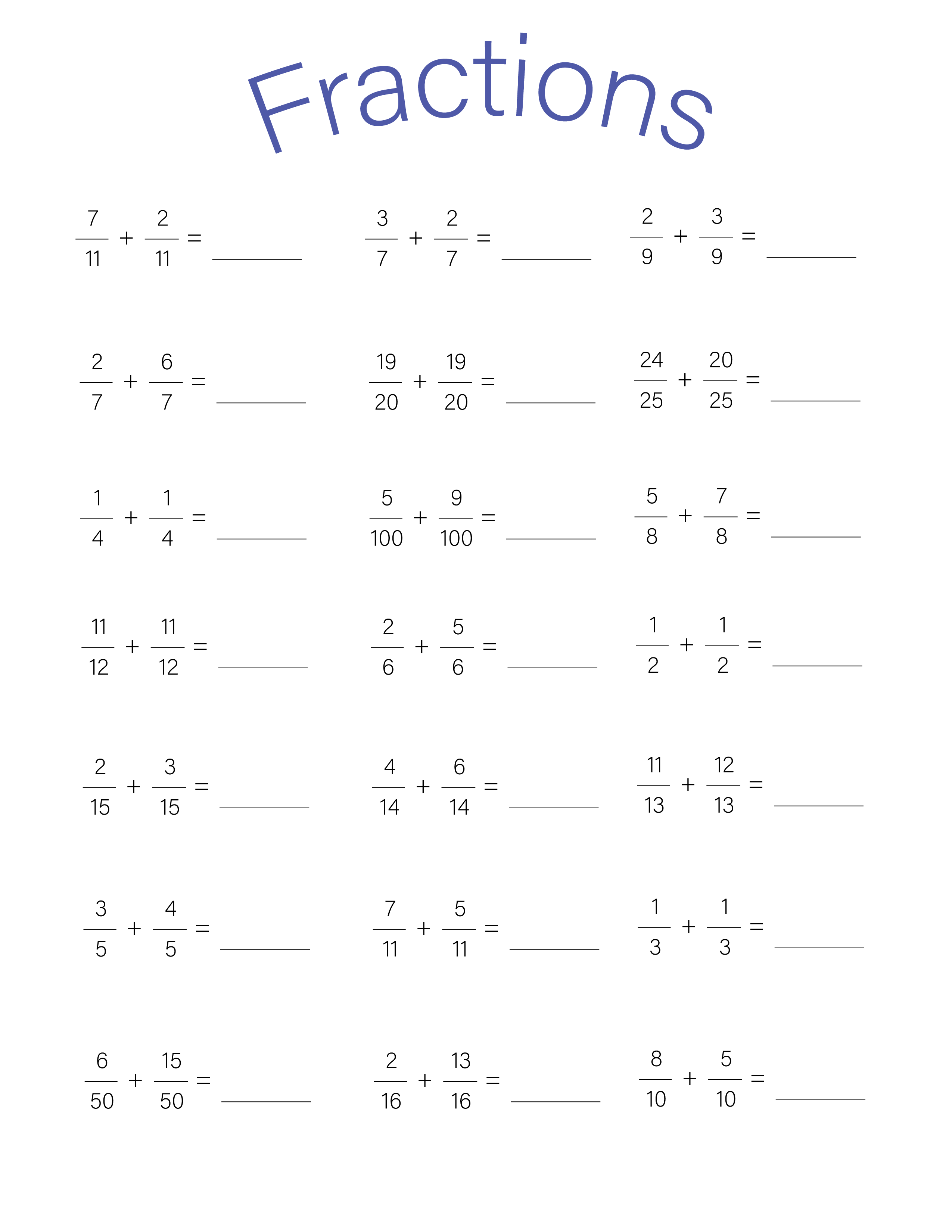
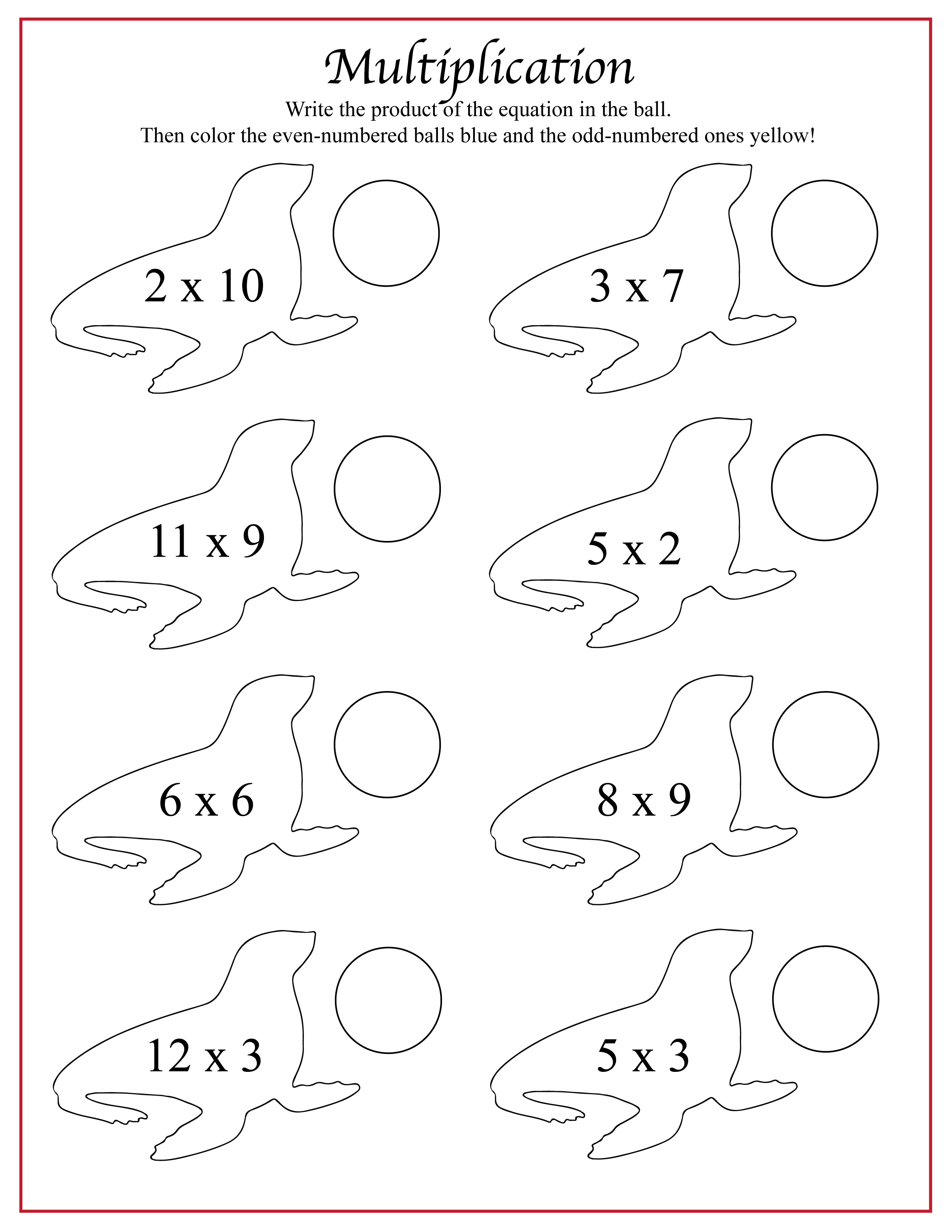

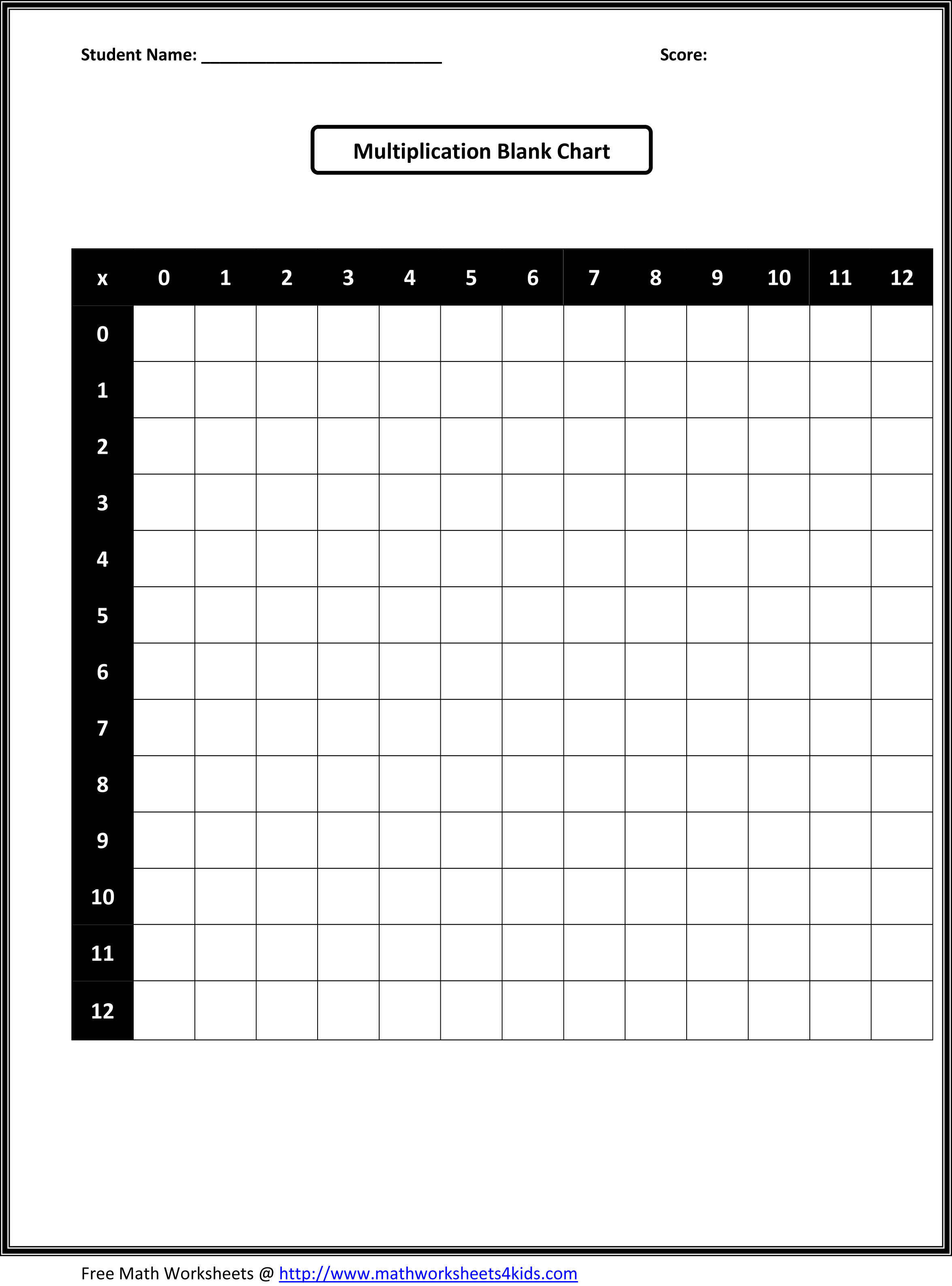
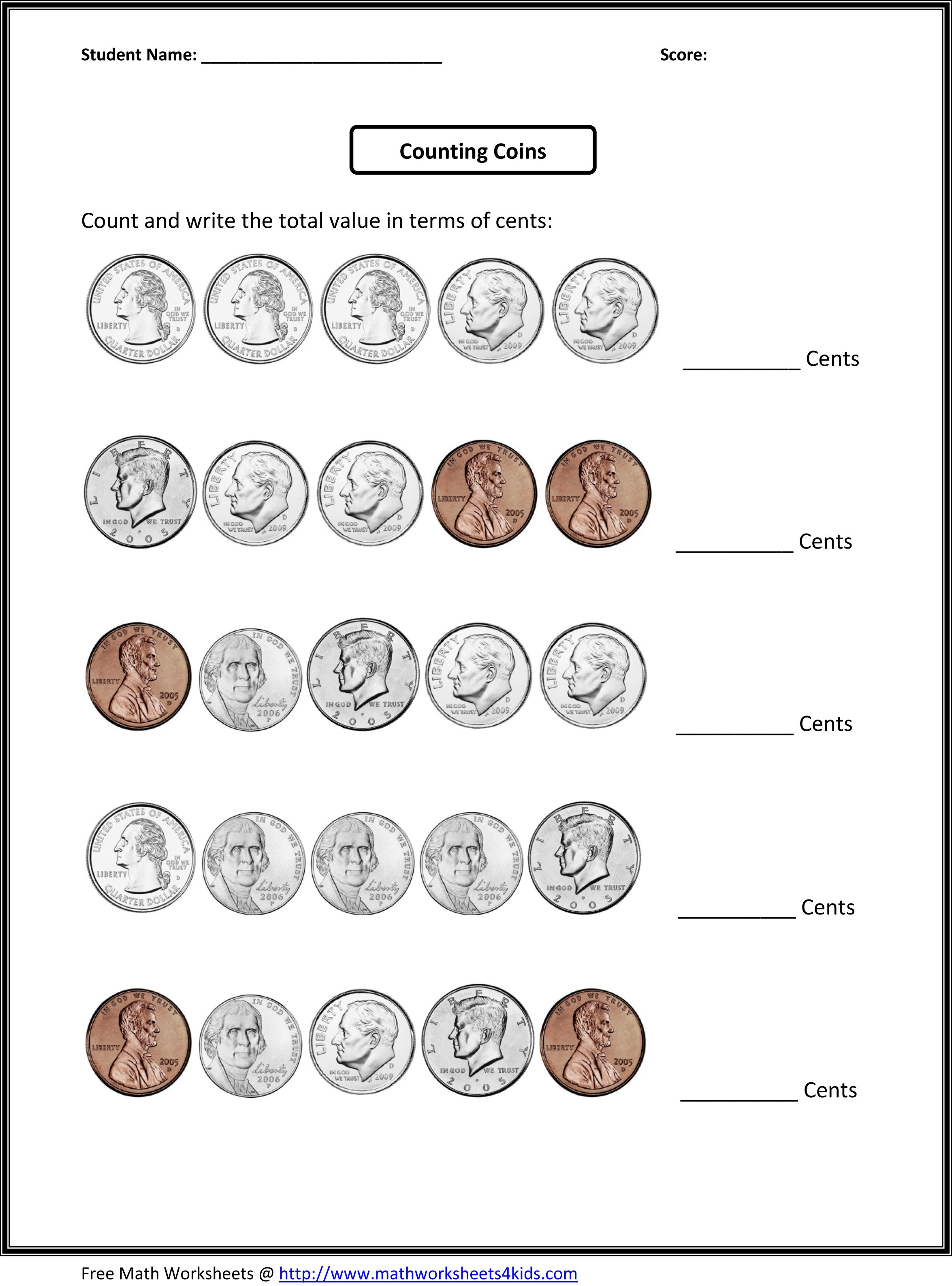


Shape Worksheets Letter Size Overview
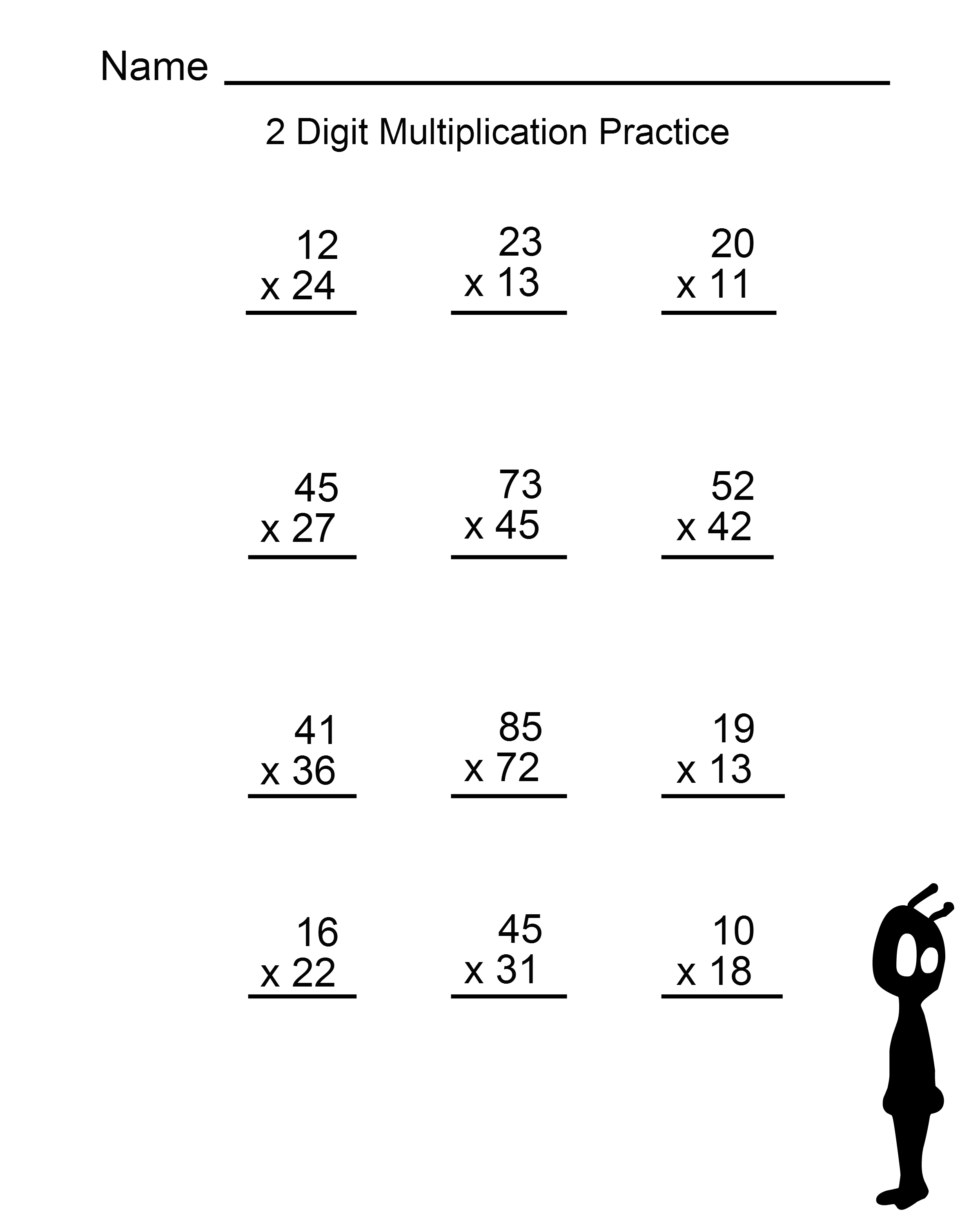
Math can be a real headache, especially when you're trying to help a 4th grader who's struggling to keep up. Math worksheets to print for 4th grade might seem like a simple solution, but honestly, not all worksheets are created equal. Some are too easy, others are too hard, and most are just plain boring. If you've ever watched a kid's eyes glaze over as they stare at a page of numbers, you know what I'm talking about.
Look, we're living in a time where kids are bombarded with distractions – screens, games, you name it. Getting them to focus on math can feel like pulling teeth. But here's the thing: 4th grade is a critical year for building math foundations. If they fall behind now, it’ll only get tougher later. That’s why finding the right tools, like effective worksheets, isn’t just helpful – it’s essential. And let’s be real, as a parent or educator, you don’t have time to waste on stuff that doesn’t work.
So, what’s the secret to keeping them engaged while they learn? Stick around, because we’re about to dive into why some worksheets actually make a difference, how to spot the good ones, and a few tricks to make math practice something they don’t dread. Oh, and I might’ve gone down a rabbit hole about the history of worksheets – but I’ll spare you the tangent. For now.
Why 4th Grade Math Worksheets Are More Than Just Busy Work
Let’s be honest: math worksheets often get a bad rap. Critics call them repetitive, boring, or even unnecessary in the age of digital learning. But here’s the thing—**when done right, printable math worksheets for 4th grade are a powerhouse tool for building foundational skills**. Fourth grade is a critical year for math. It’s when abstract concepts like fractions, multi-digit multiplication, and data interpretation start to take center stage. Worksheets aren’t just about keeping kids busy; they’re about repetition, reinforcement, and confidence-building. The key is to choose worksheets that challenge without overwhelming, and that’s where most people go wrong. They either pick problems that are too easy (leading to boredom) or too hard (leading to frustration). The sweet spot? Problems that stretch a student’s understanding just enough to make them think, but not so much that they give up.
The Hidden Benefit of Printable Worksheets
One often-overlooked advantage of math worksheets to print for 4th grade is their tactile nature. In a world dominated by screens, there’s something to be said for putting pen to paper. Research shows that writing out problems by hand —yes, even in 2023— helps reinforce learning in a way that typing on a tablet or computer doesn’t. It slows students down, forcing them to think through each step rather than rushing to the next problem. Plus, there’s a sense of accomplishment in seeing a completed worksheet, neatly filled out and ready to be reviewed. It’s a small win, but those add up over time.
How to Spot a High-Quality Worksheet
Not all worksheets are created equal. Some are little more than glorified quizzes, while others are thoughtfully designed to teach and engage. Look for worksheets that include **visual aids, real-world scenarios, and varied problem types**. For example, a worksheet on fractions should include pictures of pizzas or number lines, not just rows of numbers. Similarly, word problems should connect to everyday situations—like calculating the cost of a school trip or figuring out how much time is left before recess. These elements make the math feel relevant, which is half the battle when it comes to keeping 4th graders interested.
The Part of Math Worksheets Most People Get Wrong
The Mistake of Overloading
Here’s what nobody tells you: **more problems don’t equal more learning**. A common mistake is giving students a 20-problem worksheet when 10 would suffice. The goal isn’t to exhaust them; it’s to ensure they understand the concept. If a student can solve the first 5 problems correctly, the next 5 should introduce a slight twist to deepen their understanding. After that, stop. Anything beyond that point is likely to lead to frustration or mindless repetition. Quality over quantity, always.
The Role of Immediate Feedback
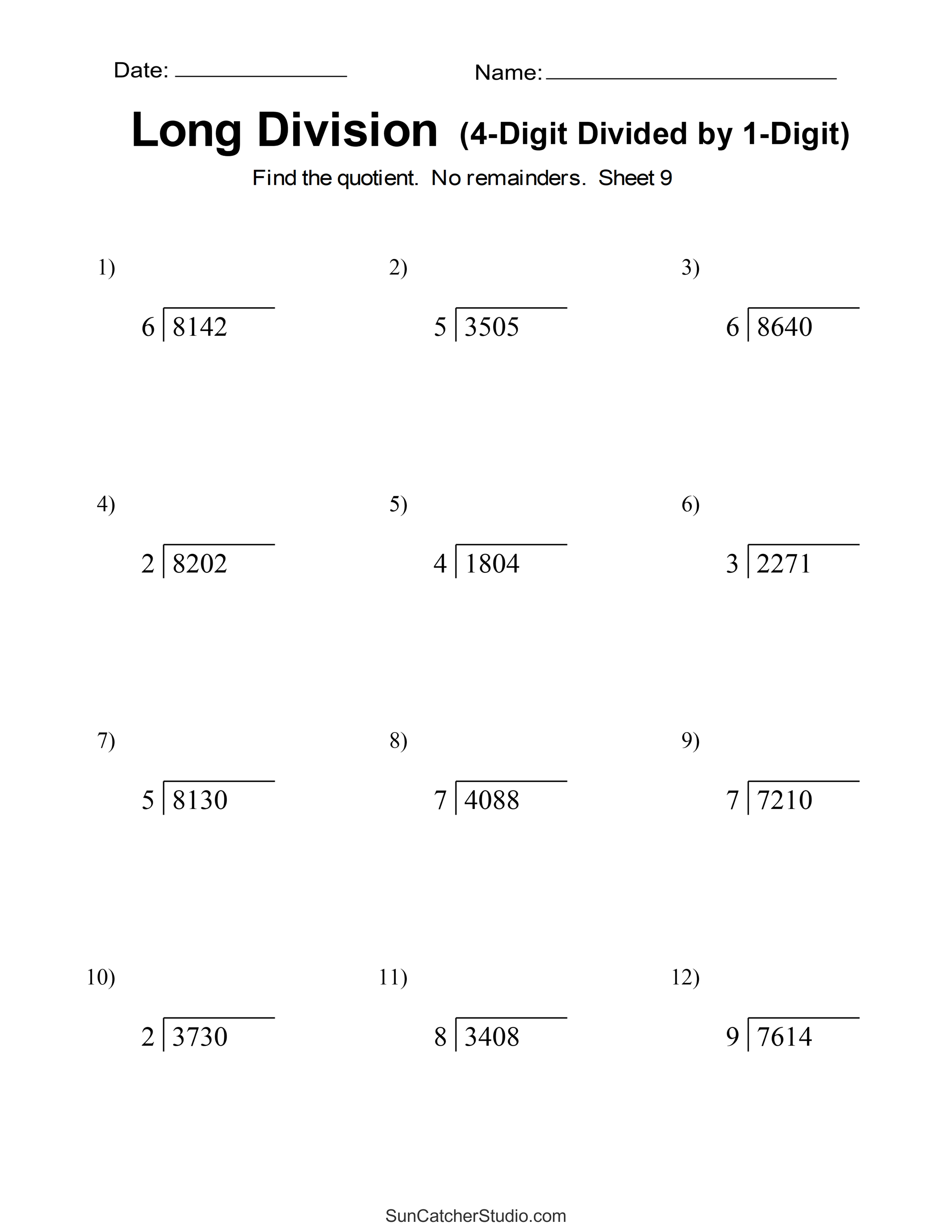
Printable worksheets are great, but they’re even better when paired with immediate feedback. This doesn’t mean you need to hover over your student with a red pen. Instead, encourage them to check their own work using an answer key or a quick discussion. For example, if they’re working on long division, have them explain their steps out loud. This not only reinforces their understanding but also helps them identify mistakes on their own. It’s a simple trick, but it makes a world of difference.
When to Ditch the Worksheet
Finally, know when to step away from the worksheets altogether. Math is a creative subject, and sometimes the best learning happens away from the page. For instance, teaching fractions? Break out the measuring cups and bake a batch of cookies. Need to practice multiplication? Turn it into a scavenger hunt where each clue involves solving a problem. Worksheets are a tool, not the entire toolbox. Use them wisely, and don’t be afraid to mix things up.
- Pro Tip: Pair worksheets with hands-on activities for a well-rounded approach.
- Use answer keys to encourage self-checking and independence.
- Keep worksheets short and focused to maintain engagement.
Your Next Step Starts Here
In the grand scheme of your child’s education, every tool you provide today shapes their confidence and skills for tomorrow. Math worksheets to print for 4th grade aren’t just about numbers—they’re about building problem-solving habits, fostering independence, and turning challenges into opportunities. This is the age where curiosity meets capability, and the right resources can make all the difference. By integrating these tools into their routine, you’re not just teaching math; you’re nurturing a mindset that says, “I can figure this out.” And that’s a lesson they’ll carry far beyond the classroom.
If you’re wondering whether this is worth the effort, let’s put it this way: What if the one worksheet they need to click is the one you didn’t print? It’s easy to think, “They’ll learn this eventually,” but why wait? These resources are designed to meet them where they are, turning abstract concepts into tangible wins. Plus, the convenience of having math worksheets to print for 4th grade at your fingertips means no more scrambling for last-minute practice materials. It’s a small step with a big payoff.
So, take a moment to bookmark this page, browse the gallery, or share it with a fellow parent who’s on the same journey. Every worksheet you print is an investment in their growth, and every problem they solve is a step toward mastery. The tools are here—now it’s up to you to make them part of your child’s story. Go ahead, print that first sheet, and watch the learning unfold.
Related: Printable Speech Therapy Worksheets for Teaching Qualitative Concepts
You've got a stack of worksheets in front of you, and your student is staring at the ceiling instead of the page. The truth is, most speech therapy materials for qualitative concepts feel like they were designed by someone who's never actually sat across from a frustrated kid. That's where qualitative concepts speech therapy worksheets come in — but only if they're built the right way.
Here's the thing: teaching words like "big," "rough," or "sweet" isn't just about vocabulary. It's about helping a child make sense of their world in real time. Right now, your student might be struggling to describe how their shirt feels, or why their snack is different from yesterday's. These aren't just language gaps — they're roadblocks to connection, independence, and even safety. Look, if a kid can't tell you the milk is "sour" instead of "bad," that's a problem you need to solve today, not next month.
What I'm going to show you isn't another generic packet of flashcards. These worksheets are intentionally messy — they use real-world comparisons, silly contrasts, and the kind of repetition that actually sticks. You'll walk away with strategies that turn a boring worksheet into a conversation starter. And honestly? You might even enjoy the session more than they do.
Let's be honest for a second: most speech therapy worksheets for basic concepts are painfully dull. You know the ones—a single black-and-white line drawing of a big ball next to a small ball, and the child is supposed to circle the correct one. That might work once. Maybe twice. But for kids who genuinely struggle with spatial, temporal, or descriptive language, that approach falls flat. The real work happens when you stop drilling and start bridging concepts to lived experience.
Why Abstract Language Fails Without a Concrete Anchor
Here's what nobody tells you: a child who cannot grasp "before" versus "after" isn't failing at vocabulary. They are failing to organize time in their mind. That is a cognitive load issue, not a language issue. When you hand them a worksheet that simply asks them to point to "the cat before the door," you are asking them to hold a mental timeline while also decoding a drawing. That is too much. The best worksheets—the ones that actually work—strip away the visual noise and give the child one single thing to process at a time. I have watched a six-year-old go from guessing randomly to confidently sorting "first, next, last" sequences simply because the worksheet used three identical boxes instead of a busy cartoon scene. The simplicity is the strategy. And yes, that actually matters more than the clip art.
The Specific Mistake Most Therapists Make With Worksheets
Most people grab a packet of qualitative concepts speech therapy worksheets and start at page one. Stop doing that. You need to audit the concepts first. Does the child confuse "same" with "different"? Do they know "empty" but not "full"? You cannot throw a mixed-concept worksheet at a child and expect progress. Instead, isolate one pair of opposites per session. For example, take the concept pair "heavy / light." A good worksheet for this does not just show a feather and a rock. It shows a feather, a rock, a cotton ball, and a brick—and asks the child to circle only the light things. That forces discrimination, not recognition. It is a small tweak, but it changes everything.
How to Structure a Session Around One Concept Pair
Start with a hands-on warm-up. Let the child hold a feather and a rock. Say the words. Feel the weight. Then move to the worksheet. The worksheet is not the lesson—it is the proof of understanding. The worksheet should confirm what the child already felt in their hands. If you reverse that order, you lose the child. I always tell parents: do not hand your kid a worksheet first thing. Play first. Sort real objects. Then open the paper. One specific example that works well: use a set of plastic food items and a toy grocery bag. Have the child pack the bag with "heavy" items only. Then hand them a worksheet where they color the heavy objects. The carryover is immediate.
When to Push for More Complex Comparisons
Once a child masters basic opposites like "big/little" or "hot/cold," you can layer in comparatives and superlatives. This is where many worksheets fail again—they jump from "big" to "biggest" without bridging "bigger." The best resource I have found uses a three-item row: a small button, a medium button, and a large button. The child must identify the "biggest" by comparing all three, not just two. That comparative leap is the hardest step in qualitative language development. Do not rush it. If you need a structured set of these comparison tasks, a well-designed set of qualitative concepts speech therapy worksheets can provide the repeated exposure needed, but only if you use them in the right order. Skip around. Pick the page that matches the child's current struggle, not the page number.
The One Format That Actually Builds Retention
After years of trial and error, I have landed on a single worksheet format that outperforms everything else. It is not flashy. It uses a simple grid of four images. The top row shows two examples of the concept (e.g., "wet" and "dry"). The bottom row shows two new items the child has never seen before. The task: draw a line from the top "wet" image to the new item that is also wet. This is not matching—it is cross-context generalization. That is the skill that sticks. Here is a quick breakdown of why this format works compared to common alternatives:
| Worksheet Format | What It Actually Tests | Retention After 1 Week |
|---|---|---|
| Circle the correct picture | Recognition of a single example | ~30% |
| Match identical images | Visual matching, not concept understanding | ~15% |
| Cross-context generalization grid | Application of concept to new objects | ~70% |
The numbers speak for themselves. A child who can take the concept of "wet" from a wet sponge and apply it to a wet towel, a wet dog, and a wet sidewalk has truly learned the word. That is the goal. Not finishing a packet. Not getting a sticker. The goal is a child who can say "my shirt is wet" without being prompted. That is real progress. That is the kind of language that changes how a child interacts with the world. And it starts with a single, well-designed worksheet used at the right moment in the right way.
The Part Most People Skip
You’ve read the strategies, you’ve seen the examples — but here’s where the real shift happens. This isn’t just about teaching a child to say “big” versus “small” or “fast” versus “slow.” It’s about handing them the language to describe their world with confidence. Every time a child grasps a concept like “empty” or “full,” they’re not just learning a word — they’re building a bridge to clearer thinking, stronger friendships, and less frustration. In the big picture of their development, these small wins compound into something transformative: a voice that can express nuance, ask for help, and share joy.
Maybe you’re thinking, “But what if I don’t have time to prep a dozen activities?” I hear you. Life is full, and therapy homework can feel like one more thing on the pile. That’s exactly why the right resource matters — not a stack of papers, but a toolkit that works as hard as you do. You don’t need to reinvent the wheel; you need a wheel that’s already rolling. The qualitative concepts speech therapy worksheets we’ve discussed are designed to meet you where you are — ready to print, easy to adapt, and built for real-life moments like snack time or bath time, not just a quiet table.
So here’s your next step: go save this page or bookmark it for your weekly planning session. Better yet, share it with a fellow parent, teacher, or therapist who’s been pulling their hair out over “same” and “different.” The qualitative concepts speech therapy worksheets are waiting, but the real magic happens when you take that first small action today. Your child’s next breakthrough might start with just one sheet, one question, and one moment of connection. Don’t let it wait.
Related: Free Science Worksheets for Kids (Printable PDFs)
Look — if you've spent even ten minutes searching for science worksheets kids free online, you already know the problem. Most of what's out there is either a glorified coloring page pretending to be educational, or it's so dense your kid's eyes glaze over before they hit the second question. Real talk: that's not science. That's busywork dressed up in a lab coat. And you don't have time for that. Neither does your kid.
Here's the thing: right now, science education is getting squeezed. Schools are cutting lab time, parents are juggling remote help, and kids are losing that raw curiosity they had at five — the one where they asked "why is the sky blue?" until you wanted to scream. You want to rekindle that. But you also need something that actually works without you having to become a chemistry professor. The truth is, the right worksheet doesn't just fill time — it makes a kid stop, squint, and say "huh, that's cool." That's the moment you're after.
So what if I told you there's a way to get those moments — actual hands-on thinking, not just circling pictures — with zero fluff and zero cost? I've been writing about this stuff for over a decade, and honestly, most free resources miss the mark. But I've found the ones that don't. Keep reading, and I'll show you exactly where to grab worksheets that make kids lean in instead of zone out. No sign-ups, no hidden fees. Just real science that sticks. (And yes, I have a mild obsession with worksheets that include a weird fact in the corner — those are the best ones.)
Let's be honest about something. The internet is flooded with free printable activities, and most of them are glorified busywork. You know the type—a blurry coloring page with a few random vocabulary words slapped on it. That's not teaching. That's just keeping little hands occupied while you try to drink your coffee while it's still hot. Here's what nobody tells you: the best free science resources for elementary kids actually force them to think, not just fill in blanks. They require observation, comparison, and sometimes a little mess. And yes, that actually matters for retention.
Why Most Free Science Printables Miss the Mark (And How to Spot the Good Ones)
The problem with many so-called science worksheets kids free resources is that they prioritize volume over depth. I've seen packets with forty pages of the same matching exercise. That's not learning; that's compliance training. A genuinely useful worksheet should feel more like a mini-investigation than a chore. Look for materials that ask your child to predict an outcome before seeing the result, or that include a simple hands-on component like measuring, sorting, or sketching an observation. The best ones build in a moment of genuine curiosity—a "huh, I wonder why that happened" pause.
Here's a specific example from my own kitchen table. We used a free printable on insect life cycles that was nothing special on the surface. But it included a blank box labeled "My Prediction" before the diagram. My seven-year-old drew a ladybug emerging from a cocoon (wrong, obviously). When we watched a real time-lapse video afterward, the worksheet became a tool for correcting her mental model. That's the difference between passive filling and active learning. You want the worksheet to be a conversation starter, not a dead end.
What to Look for in a Quality Free Resource
Not all freebies are created equal. The best ones include open-ended questions, space for drawings, and a clear learning objective that isn't buried in fluff. Avoid anything that feels like a test disguised as a game. Kids can smell that from a mile away. Instead, prioritize sheets that encourage comparison and categorization—sorting animals by habitat, comparing rock types, or sequencing the water cycle. These skills stick because they require active decision-making.
How to Pair Worksheets with Real-World Observation
A worksheet should never replace a walk outside or a trip to the backyard. Use it as a framework. If you find a free printable about leaf shapes, take it with you on a nature walk. Let the child collect leaves and match them to the worksheet's examples. The paper becomes a field guide, not a classroom assignment. This combination of tactile experience and structured recording is where the real learning happens.
When to Skip the Printable Entirely
Sometimes the best science lesson requires no paper at all. If your child is deeply engaged in building a ramp for toy cars or watching ants on the sidewalk, don't interrupt them to "complete the worksheet." Free resources are tools, not curriculum. Use them when you need a structured activity, but trust the messy, unscripted moments of discovery just as much. The worksheet should serve the curiosity, not the other way around.
The Simple Truth About Finding Science Worksheets Kids Free That Actually Work
After fifteen years of writing and editing educational content, I've learned one hard truth: the price tag has zero correlation with quality. I've seen gorgeous, paid resources that are shallow, and free PDFs that are pedagogical gold. The secret is knowing where to look and what to reject. Sites run by actual educators—museums, universities, or teacher blogs—tend to produce the most thoughtful materials. Commercial sites often prioritize flashy graphics over solid science content.
Here's a quick comparison of what you'll typically find when searching for free science materials, based on what I've seen across dozens of websites:
| Resource Type | Typical Quality | Best For |
|---|---|---|
| Teacher-created blogs | High (tested in real classrooms) | Hands-on experiments and observation logs |
| Museum or science center PDFs | Very high (peer-reviewed content) | Specific topics like geology or astronomy |
| Commercial "freebie" sites | Low to medium (often recycled clip art) | Quick vocabulary review or coloring |
| Pinterest shares | Highly variable (check before printing) | Seasonal activities like pumpkin life cycles |
Your best bet? Bookmark two or three trusted teacher blogs and one museum education page. Ignore the rest. When you search for science worksheets kids free, scan the first page of results but click through to the actual creator's site, not the aggregator that reposted it. The aggregators often strip out the teacher's notes and activity suggestions—which are usually the most valuable part. One actionable tip: before printing, read the entire sheet aloud. If it sounds like a textbook passage you'd skim, find another one. If it makes you curious, your child will be too.
The Part Most People Skip
You now have a tool that can turn a restless afternoon into a quiet moment of discovery. That’s not just about keeping kids busy—it’s about planting the idea that learning doesn’t have to feel like a chore. Every time a child picks up a pencil to trace a cell diagram or circle the correct planet, they’re building a tiny bridge between curiosity and confidence. That bridge stays with them. It shows up in the classroom, in later homework sessions, and in the way they approach something they don’t yet understand. What if the most important lesson they learn today isn’t a fact, but the feeling that they can figure things out?
Maybe you’re thinking, “This looks great, but will my child actually sit still for it?” That’s a fair worry. Start small—one sheet, no pressure. If they wander off after five minutes, that’s fine. The goal isn’t perfection; it’s exposure. A single page of science worksheets kids free can spark a question at dinner, a trip to the backyard to look at a bug, or a “why” that leads to another conversation. You don’t need to be a teacher or have a lab at home. You just need to be willing to hand them something and see what happens.
So here’s the gentle nudge: bookmark this page now, or save the link where you’ll find it later. Browse the gallery with your child and let them pick one that catches their eye. And if you know another parent, a grandparent, or a caregiver who’s always looking for quiet, meaningful activities, pass the link along. The more people who discover science worksheets kids free resources, the more kids get a chance to see learning as something fun, not forced. Go ahead—start that small moment today.


