


Shape Worksheets Editable Overview
Learning cursive feels like a lost art, doesn’t it? Yet, dotted cursive worksheets are making a comeback, and honestly, it’s about time. In a world where typing dominates, there’s something undeniably satisfying about the fluidity of cursive writing. It’s not just about nostalgia—it’s about honing fine motor skills, improving focus, and even boosting memory. Whether you’re teaching a kid or relearning it yourself, these worksheets are your secret weapon.
Here’s the thing: cursive isn’t just for fancy signatures anymore. Studies show it engages the brain in unique ways, making it a powerful tool for cognitive development. For kids, it’s a fun challenge that feels like art. For adults, it’s a calming practice that reconnects you with a slower, more intentional way of communicating. The problem? Most resources out there are either too basic or too boring. That’s where dotted cursive worksheets come in—they strike the perfect balance between guidance and creativity.
By the end of this, you’ll know exactly how to choose the right worksheets, why they work, and how to make the most of them. Spoiler: it’s not just about tracing dots. Stick around, and you’ll discover why this old-school skill is worth reviving—and how it can benefit you more than you think.
The Part of Handwriting Instruction Most People Get Wrong
When it comes to teaching handwriting, many educators and parents focus on the end result - a beautifully written sentence or paragraph. However, the process of getting there is just as important, if not more so. Proper letter formation is crucial for developing good handwriting habits, and this is where a dotted cursive worksheet can be incredibly helpful. By providing a guide for students to follow, these worksheets can help them develop the muscle memory needed to write cursively with ease.
Understanding the Basics of Cursive Writing
Cursive writing is all about flow and connection. Unlike print writing, where each letter is a separate entity, cursive letters are connected, making it a more fluid and efficient way of writing. However, this also means that consistent practice is necessary to develop the necessary skills. A dotted cursive worksheet can provide students with the opportunity to practice writing cursively, helping them to develop the correct letter formation and connections between letters.
Overcoming Common Challenges in Handwriting Instruction
One of the biggest challenges in teaching handwriting is getting students to practice regularly. Let's be real, practicing handwriting can be boring, especially for students who are not naturally inclined towards writing. This is where a dotted cursive worksheet can be a valuable tool. By providing a fun and engaging way to practice handwriting, these worksheets can help motivate students to practice more regularly. For example, a worksheet that includes a simple story or phrase for students to copy can make the practice more enjoyable and help them see the practical application of cursive writing.
Using Dotted Cursive Worksheets Effectively
To get the most out of a dotted cursive worksheet, it's essential to use it in conjunction with other teaching methods. For instance, you can start by having students practice writing individual letters, then gradually move on to short words and phrases. Here's a simple tip: try using a worksheet that includes a mix of letters and words, such as a simple sentence or phrase, to help students practice writing cursively in context.
Additional Resources for Handwriting Instruction
In addition to dotted cursive worksheets, there are many other resources available to help with handwriting instruction. Some popular options include handwriting workbooks, online tutorials, and even apps that provide interactive handwriting lessons. By combining these resources with regular practice and patience, students can develop the skills they need to write cursively with confidence and accuracy. For example, you can use a worksheet to practice writing a specific letter or word, then use an online tutorial to review and reinforce the correct formation and connection of the letters.
Your Next Step Starts Here
Mastering cursive writing isn’t just about forming pretty letters—it’s about building a skill that connects you to history, enhances focus, and even boosts creativity. Whether you’re teaching a child, relearning for yourself, or simply looking to slow down in a digital world, this journey is about more than pen and paper. It’s about reclaiming a timeless art that adds depth to how we communicate and express ourselves. Think of it as a small but meaningful way to leave a lasting impression, one loop and curve at a time.
If you’re wondering whether this is worth your time, let me assure you: it is. What if the next great idea or heartfelt note comes from your hand, not a keyboard? The process might feel slow at first, but that’s the beauty of it—it’s intentional, deliberate, and uniquely yours. Don’t let perfectionism hold you back; even the messiest attempts are steps forward. The dotted cursive worksheet is here to guide you, not judge you.
Ready to dive in? Bookmark this page for easy access, or share it with someone who’d love to join you on this journey. Explore the gallery for inspiration, or print out a dotted cursive worksheet to get started today. Every stroke you make is a step toward something beautiful—and who knows? You might just rediscover the joy of writing by hand.
Related: Free Printable Mindfulness Worksheets (PDF) for Daily Practice
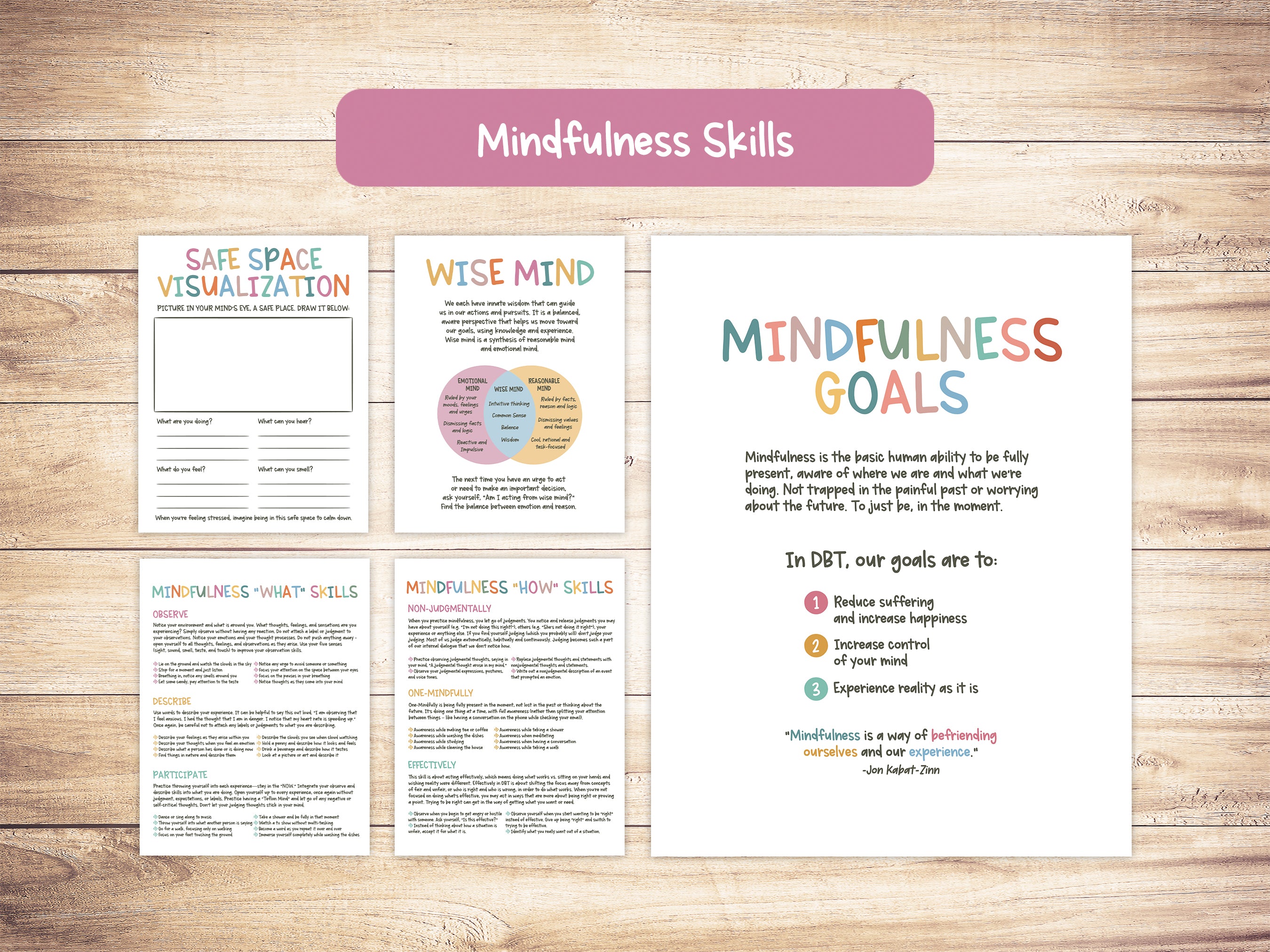
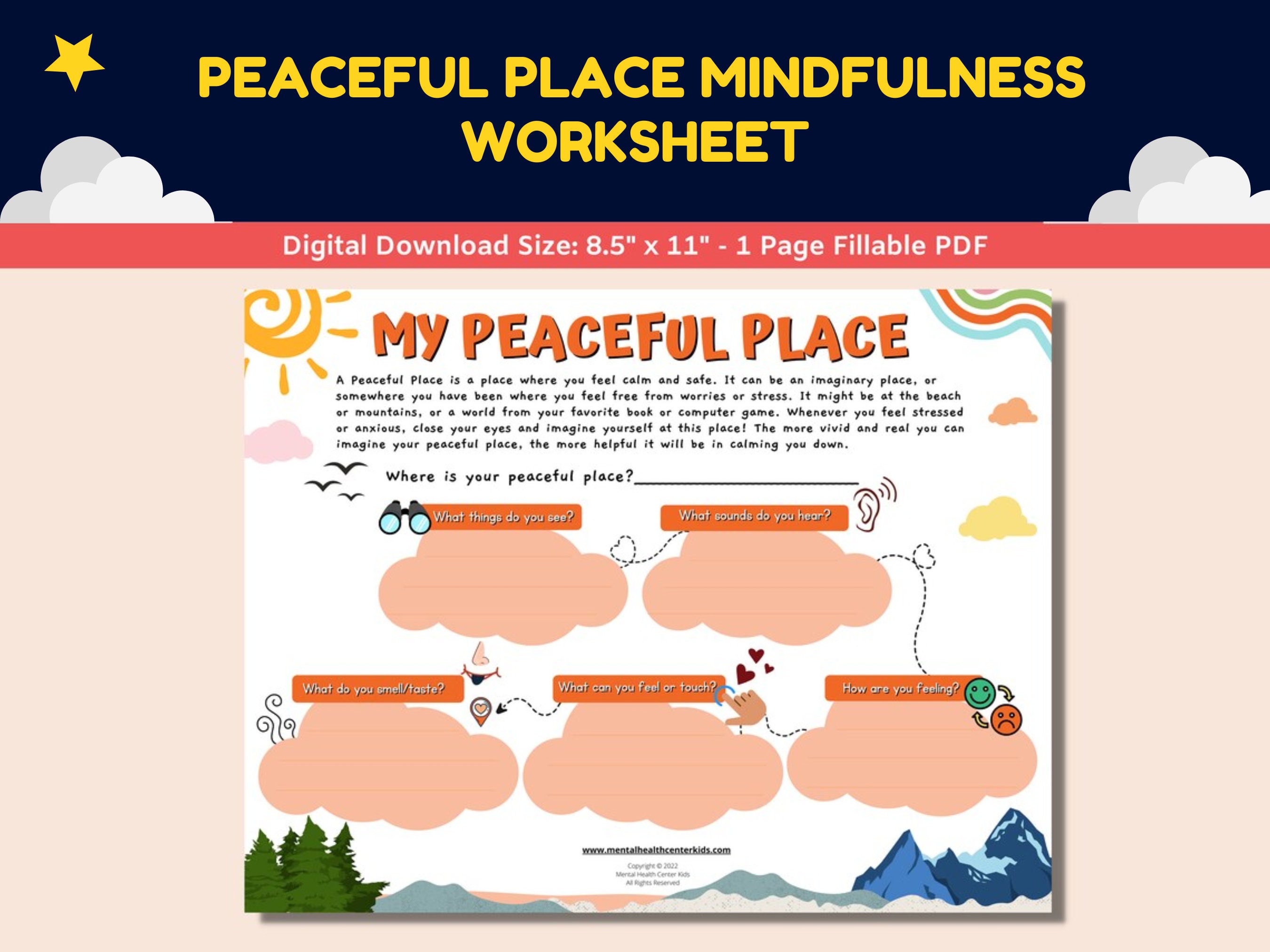
Mindfulness isn’t just a buzzword—it’s a lifeline in a world that never stops. If you’ve ever felt like your brain is a browser with 47 tabs open, you’re not alone. That’s where mindfulness worksheets pdf come in. They’re not just another thing to add to your to-do list; they’re a way to hit pause without actually stopping. Honestly, who has time for hour-long meditation sessions? These worksheets are quick, practical, and designed to fit into the cracks of your day—like waiting for the coffee to brew or sitting in yet another Zoom meeting.
Right now, stress is at an all-time high. Your phone’s buzzing, deadlines are looming, and someone just sent you a meme that made you laugh-cry. This isn’t about escaping reality—it’s about showing up for it with a clearer head. Mindfulness worksheets are your secret weapon to stop reacting and start responding. They’re not a magic fix, but they’re the closest thing to a reset button you’ll find in PDF form.
Stick around, and you’ll see why these aren’t just another self-help fad. Look—I’m not here to sell you a dream. But if you’re tired of feeling like life’s happening *to* you instead of *with* you, this is where you start. No fluff, no promises of instant zen, just real tools for real moments.
The Part of Mindfulness Worksheets PDF Most People Get Wrong
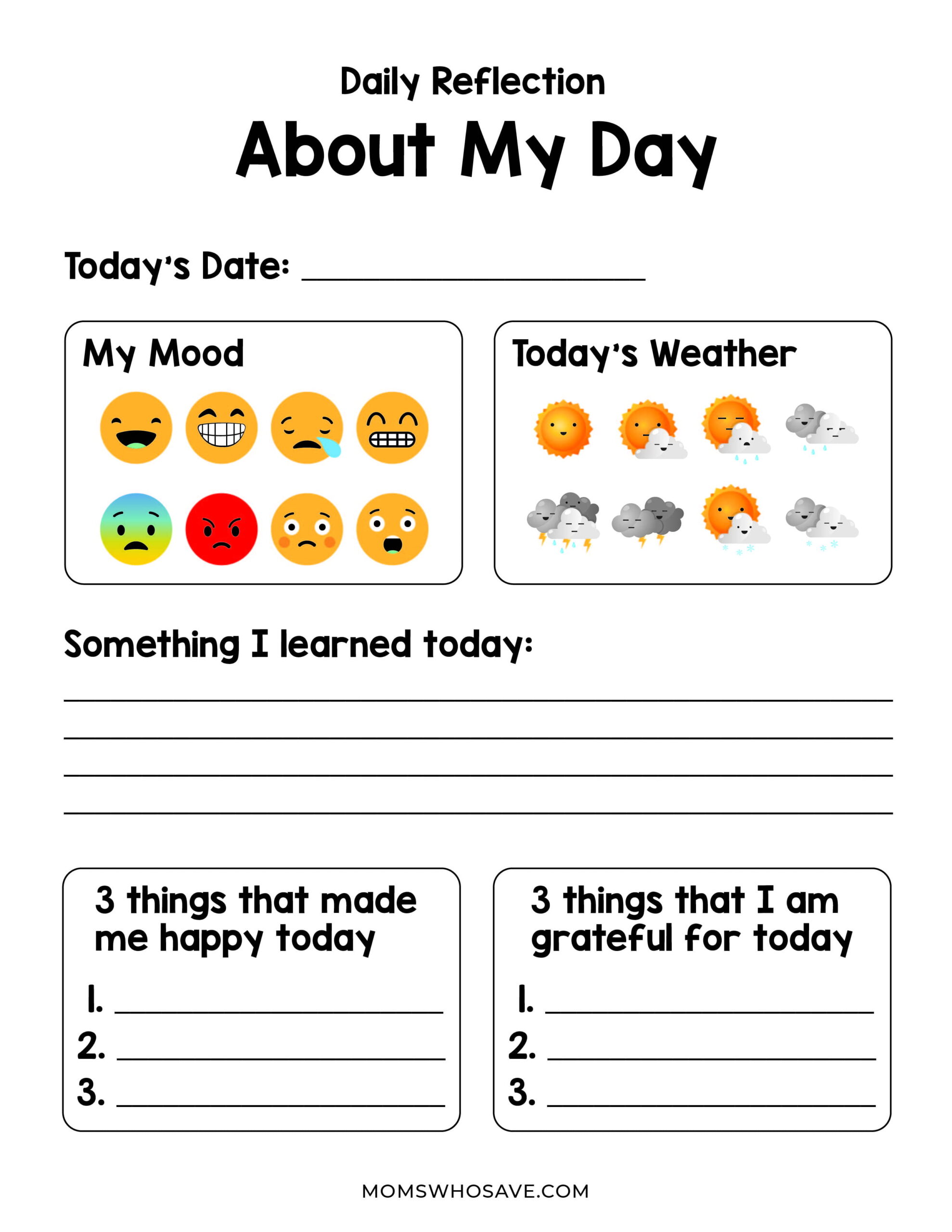
When it comes to mindfulness worksheets PDF, most people assume they’re just another self-help tool to skim through. **Here’s the truth**: they’re not about ticking boxes or filling in blanks mindlessly. The real value lies in the active engagement with the content. For instance, a worksheet asking you to list three things you’re grateful for isn’t just about writing them down—it’s about pausing, reflecting, and truly feeling that gratitude. That’s where the shift happens. Without that intentionality, even the best mindfulness worksheets PDF become just another piece of paper.
Why Passive Reading Doesn’t Cut It
Mindfulness isn’t a passive activity, and neither should be your approach to these worksheets. Simply reading through prompts or exercises defeats the purpose. Take a breathing exercise, for example. If you just glance at the instructions and move on, you’re missing the entire point. The goal is to embed the practice into your daily routine, not just acknowledge its existence. This is where most people falter—they treat worksheets like a checklist instead of a tool for deeper awareness.
The Role of Consistency in Mindfulness Practices
One actionable tip: pair your mindfulness worksheets PDF with a specific time of day. For example, use a gratitude worksheet during your morning coffee or a breathing exercise right before bed. Consistency turns these practices into habits, not chores. *And yes, that actually matters*—sporadic use won’t yield the same results as a dedicated routine. Think of it like watering a plant: a little every day keeps it thriving, while a single drenching won’t do much good.
How to Choose the Right Mindfulness Worksheets PDF for You
Not all mindfulness worksheets PDF are created equal. Some focus on stress reduction, while others target emotional regulation or self-awareness. **The key is alignment**: pick worksheets that address your specific needs. If you’re overwhelmed by work, a worksheet on prioritizing tasks might be more useful than one on body scans. Here’s a quick comparison to help you decide:
| Type of Worksheet | Best For | Example Activity |
|---|---|---|
| Gratitude | Shifting focus to positivity | Daily gratitude journaling |
| Breathing Exercises | Stress and anxiety relief | 4-7-8 breathing technique |
| Emotional Check-Ins | Self-awareness and regulation | Mood tracking and reflection |
What to Look for in Quality Worksheets
A good mindfulness worksheet should be clear, concise, and actionable. Avoid overly complex designs or vague prompts. Look for worksheets that guide you step-by-step, like a structured meditation script or a simple journaling template. These make it easier to stay focused and engaged, especially if you’re new to mindfulness practices.
Customizing Worksheets to Fit Your Lifestyle
Don’t be afraid to adapt worksheets to your needs. For instance, if a worksheet suggests a 10-minute meditation but you only have 5 minutes, adjust it. The goal is to make mindfulness work for you, not the other way around. *Here’s what nobody tells you*: flexibility is just as important as consistency. Rigidity can turn a helpful tool into another source of stress.
Your Journey to Mindfulness Starts Now
In the hustle and bustle of daily life, it’s easy to lose sight of what truly matters—your peace of mind, your well-being, and your ability to stay present. Mindfulness isn’t just a buzzword; it’s a tool to reclaim your focus, reduce stress, and live more intentionally. Whether you’re juggling work, relationships, or personal goals, incorporating mindfulness practices can be the game-changer you’ve been searching for. It’s not about adding another task to your to-do list but about creating space for clarity and calm in your life.
You might be thinking, “Do I really have time for this?” The truth is, mindfulness doesn’t require hours of meditation or a complete lifestyle overhaul. Even small, consistent steps can lead to significant changes. That’s where tools like a mindfulness worksheets pdf come in—they’re designed to fit into your life, not complicate it. These worksheets are your roadmap, helping you stay grounded and focused without feeling overwhelmed.
Ready to take the next step? Bookmark this page for easy access, or share it with someone who could benefit from a little more mindfulness in their life. Explore the gallery of resources, and don’t hesitate to download a mindfulness worksheets pdf to get started. Your journey to a more mindful, intentional life begins today—and it’s simpler than you think.
Related: Free Social Skills Worksheets for High School (PDF)
You've spent the last hour scrolling through Pinterest boards and teacher forums, only to find the same tired icebreakers and group activities that your students roll their eyes at. Look — you already know that social skills worksheets for high school pdf exist. But most of them are either too childish for teenagers or so abstract they feel like a lecture. That's the real problem, isn't it?
Here's the thing: right now, your students are navigating friendships, job interviews, and group projects with social muscles that atrophied during remote learning. The research is clear — soft skills predict long-term success more than GPA does. But no one hands you a curriculum for teaching a kid how to read a room, apologize without defensiveness, or handle a disagreement without their phone buzzing. That's where specific, structured worksheets actually work. Honestly, the right PDF can do what a month of lecturing cannot.
What if you had a set of no-fluff, teen-tested exercises that students actually complete without groaning? I'm talking about the kind that sparks real conversation — the ones where a kid suddenly says "oh, that's why that happened" and the whole class leans in. Keep reading, because I've found the exact worksheets that bridge the gap between "this is awkward" and "okay, I get it now." They're printable, ready to go, and they don't treat teenagers like they're in elementary school. One caveat: not every PDF is worth your printer ink. I'll show you which ones are.
Let's be honest for a second: most social skills materials for teenagers feel like they were written by someone who hasn't talked to a teenager in twenty years. The scenarios are wooden, the language is stiff, and the worksheets ask kids to circle how they "should" feel. That's not how real social growth happens. High school is messy, awkward, and full of unspoken rules that change depending on who you're standing next to in the lunch line. That's exactly why a well-designed social skills worksheets for high school pdf needs to feel less like a textbook and more like a conversation starter. The best ones don't teach social skills. They create space for kids to discover them.
What Most People Get Wrong About Teaching Social Skills to Teens
Here's the uncomfortable truth: telling a sixteen-year-old to "make eye contact and smile" isn't helpful. They already know that. The gap isn't knowledge — it's execution under pressure. And that pressure is real. A kid can ace a multiple-choice test on conversation starters, but freeze completely when a peer approaches them at a crowded table. The worksheets that actually work are the ones that simulate the friction of real interaction, not the ones that sanitize it. I've watched a room full of quiet sophomores come alive when a worksheet asked them to role-play what happens when you accidentally interrupt someone — and then practice recovering. That's the stuff that sticks.
Why Role-Play Scenarios Beat Multiple Choice Every Time
A good worksheet doesn't just present a problem. It forces a decision. For example, instead of asking "What should you do if a friend is upset?", a strong activity gives them a specific, slightly awkward scenario: your friend just failed a test you passed, and they haven't spoken to you all day. Now what? The student has to weigh honesty against kindness, timing against impulse. That's a real social calculus. The social skills worksheets for high school pdf resources that get used more than once are the ones that offer branching options — not a single "correct" answer, but a discussion about trade-offs. Teachers tell me the worksheets that spark the most debate are the ones where there's no obvious right answer.
Building a Toolkit for the Unwritten Rules
Here's what nobody tells you: most social failures in high school aren't about being mean. They're about missing a cue. A worksheet that teaches students to read body language, tone, and context is worth more than a dozen lessons on "being polite." One specific exercise I've seen work well is a context-switching worksheet where students have to identify how they'd greet a teacher, a close friend, and a new acquaintance in the same hour. The exercise forces them to consciously shift their register — and then reflect on why it felt different. That metacognitive awareness is what builds real social fluency, not just memorized scripts.
What a Strong PDF Actually Looks Like
Not all PDFs are created equal. A flimsy worksheet with ten vague questions gets crumpled at the bottom of a backpack. A great one has structure, variety, and a clear payoff. Here's a breakdown of what separates the useful from the forgettable:
| Feature | Weak Worksheet | Strong Worksheet |
|---|---|---|
| Scenarios | Generic ("You see a sad friend") | Specific ("Your friend just got cut from the team") |
| Activity type | Circle the best answer | Write a short dialogue or choose a path |
| Debrief | None | 3 reflection questions at the end |
| Visual layout | Dense text, no breaks | Bullet points, white space, clear instructions |
The difference is night and day. A strong PDF respects the student's time and intelligence. It doesn't talk down. It presents a realistic challenge and trusts them to wrestle with it. That's the kind of material that actually gets pulled out during advisory periods or counseling sessions — not because it's required, but because it's useful.
The Part Most People Skip
Here’s the truth: knowing how to handle a tough conversation or read a room isn’t the real win. The real win is choosing to practice when no one is watching. Every single social skill you’ve read about—active listening, conflict resolution, reading body language—only becomes muscle memory when you stop reading and start doing. That’s where the bigger picture comes into focus. These aren’t just classroom exercises; they’re the invisible scaffolding for every friendship you’ll keep, every job interview you’ll ace, and every boundary you’ll ever need to hold. You’re not just teaching a skill—you’re handing someone a quieter, more confident way to move through the world.
Maybe a small part of you is thinking, “Will a worksheet really make a difference?” That doubt is normal, but let it go. A single sheet of paper doesn’t change a life—but the five minutes of honest reflection it sparks? That can. The social skills worksheets for high school pdf you’ve seen here aren’t about busywork. They’re a low-stakes invitation to try something awkward in a safe space before the real world demands it. You don’t need a perfect plan; you just need a starting line.
So here’s your next step: bookmark this page. Save the social skills worksheets for high school pdf to your downloads folder. Then, before you close this tab, pick one worksheet and do it yourself, or forward it to a teacher, parent, or friend who’s been looking for a way to help. No pressure, no pitch—just a quiet nudge to turn intention into action. The only bad move here is doing nothing.


