Solubility can be a tricky concept to grasp, especially when you're just starting to explore the world of chemistry. It's one of those topics that often leaves students and parents scratching their heads, wondering how to make sense of it all. That's where worksheet factors that affect solubility come in handy! These worksheets are like a practical guide, helping you navigate the ins and outs of solubility and its key factors, such as concentration gradients and the nature of the solvent. It's a simple yet effective way to reinforce your understanding and make learning more engaging.
Exploring solubility factors and their impact.

Solubility Worksheets: Mastering the Art of Solubility Factors
Solubility worksheets are a powerful tool for students and teachers alike, offering a structured approach to understanding the complex world of solubility. By providing a clear framework, these worksheets guide learners through the various factors that influence solubility, helping them grasp this fundamental concept in chemistry.

Identifying solubility influencers and their role.
Interactive Worksheets for All Learners
One of the great strengths of solubility worksheets is their versatility. They can be designed for various learner levels, from beginners taking their first steps in chemistry to more advanced students exploring complex solubility scenarios. Interactive elements, such as fill-in-the-blank exercises, multiple-choice questions, and problem-solving activities, cater to different learning styles and keep students engaged.

Solubility and dissolution: a practical guide.
For beginners, solubility worksheets might focus on basic concepts like defining solubility, identifying solutes and solvents, and understanding the role of temperature and pressure changes. As students progress, the worksheets can introduce more advanced topics, such as the effect of concentration gradients, the nature of the solvent, and the impact of solute size and ionization ability on solubility.

Solubility: understanding the key factors.
People Also Ask: What Factors Affect Solubility?
Solubility is influenced by a range of factors, and understanding these is key to mastering this concept. Students often wonder about the role of temperature and pressure changes, the nature of the solvent, and how these interact with the solute. Worksheets provide an ideal platform to explore these questions, offering a structured way to learn and apply this knowledge.
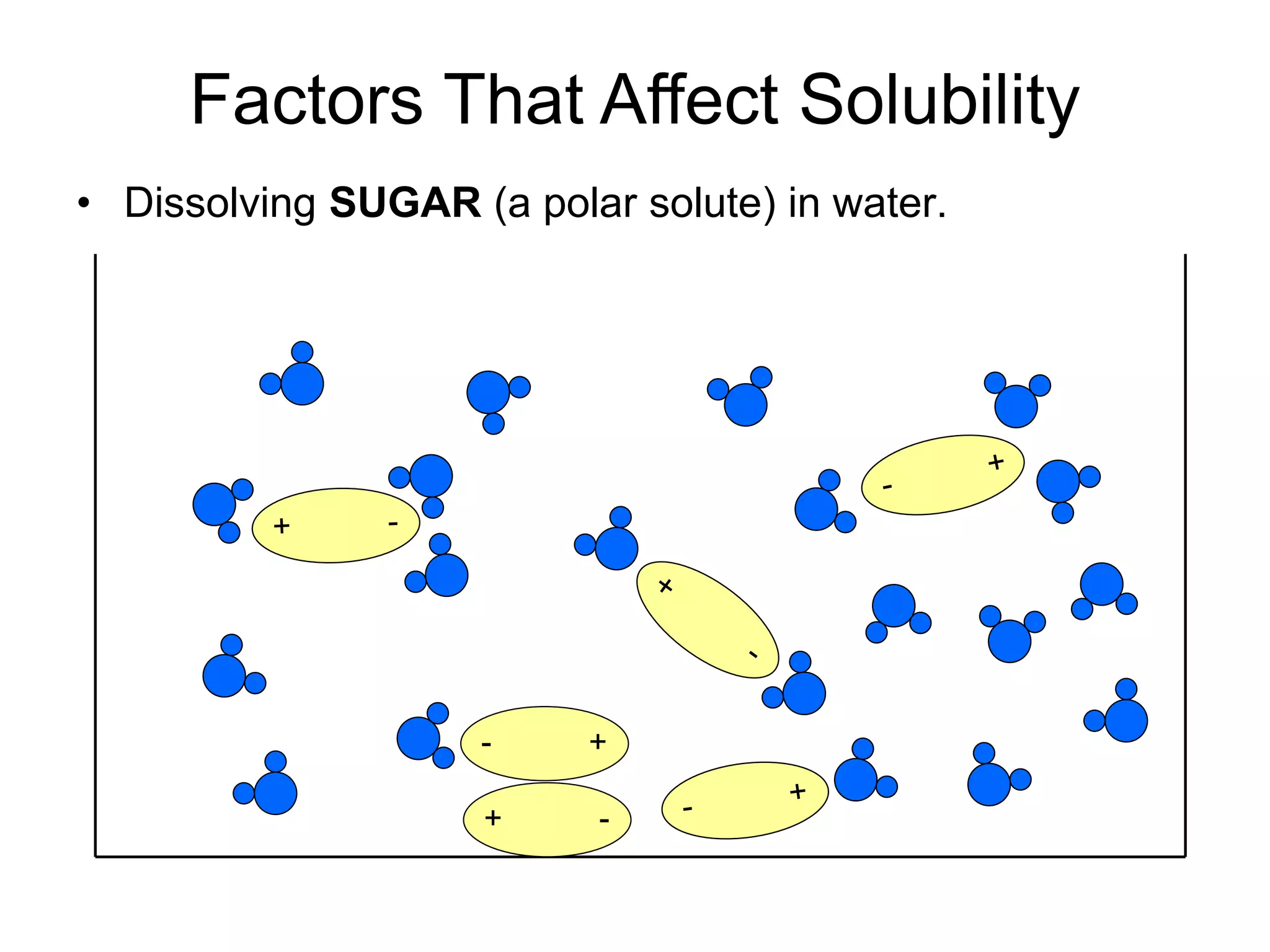
Solubility factors: a comprehensive overview.
How to Use Solubility Worksheets Effectively
To make the most of solubility worksheets, it's essential to consider the learning environment and the needs of the students. In a classroom setting, teachers can use these worksheets as a group activity, encouraging students to discuss and collaborate on solving problems. Homeschooling parents can incorporate worksheets into their curriculum, providing a structured yet flexible approach to learning. Tutors can use worksheets to reinforce key concepts and identify areas where students may need extra support.
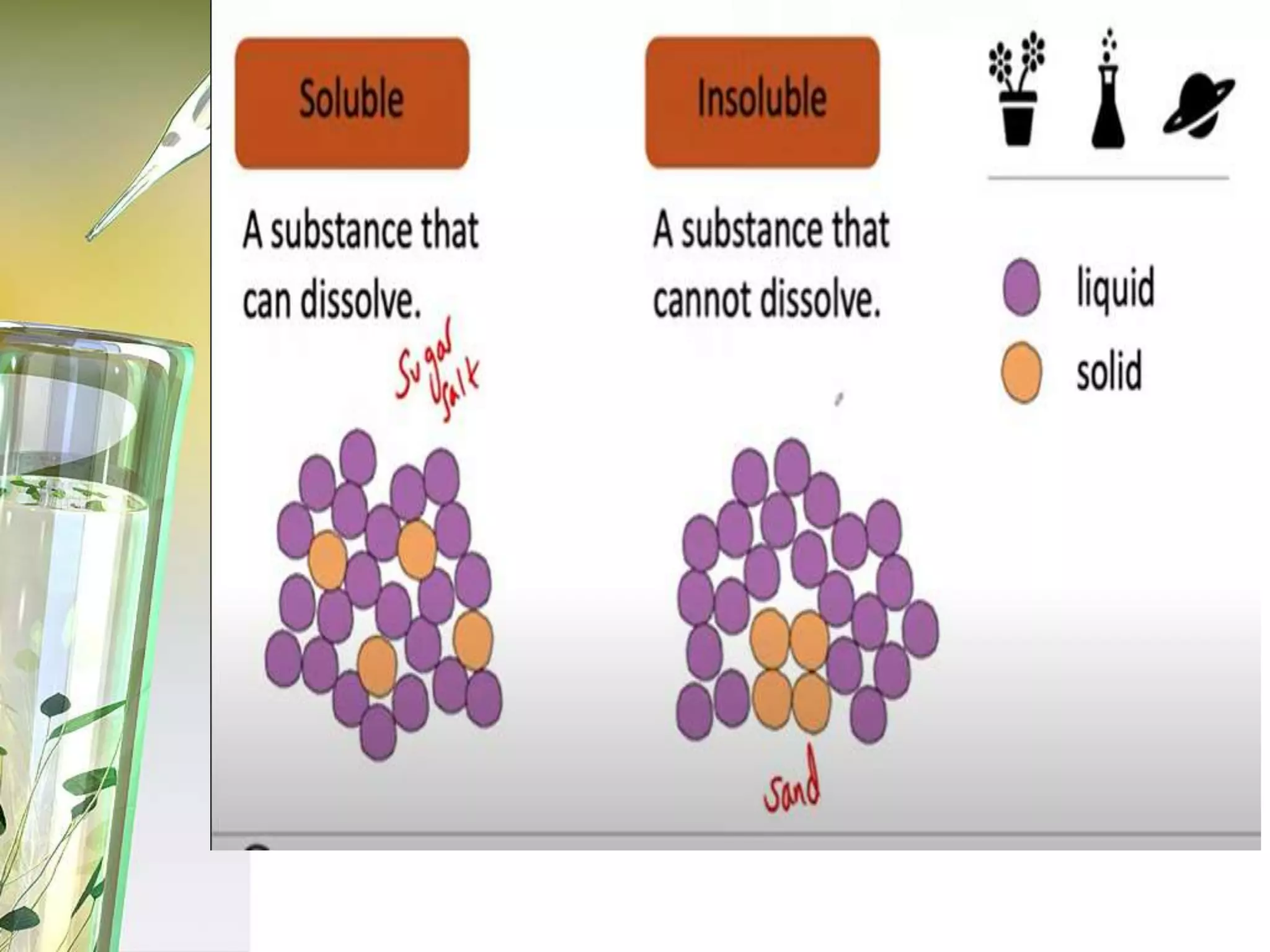
Factors affecting solubility: a detailed study.
When using solubility worksheets, it's important to consider the printing and practical aspects. Ensure that the worksheets are easily accessible and printable, with clear instructions and a user-friendly layout. Consider providing answer keys or solution guides to allow students to self-assess their progress. Additionally, encourage students to work through the worksheets at their own pace, revisiting concepts as needed and gradually building their understanding of solubility factors.
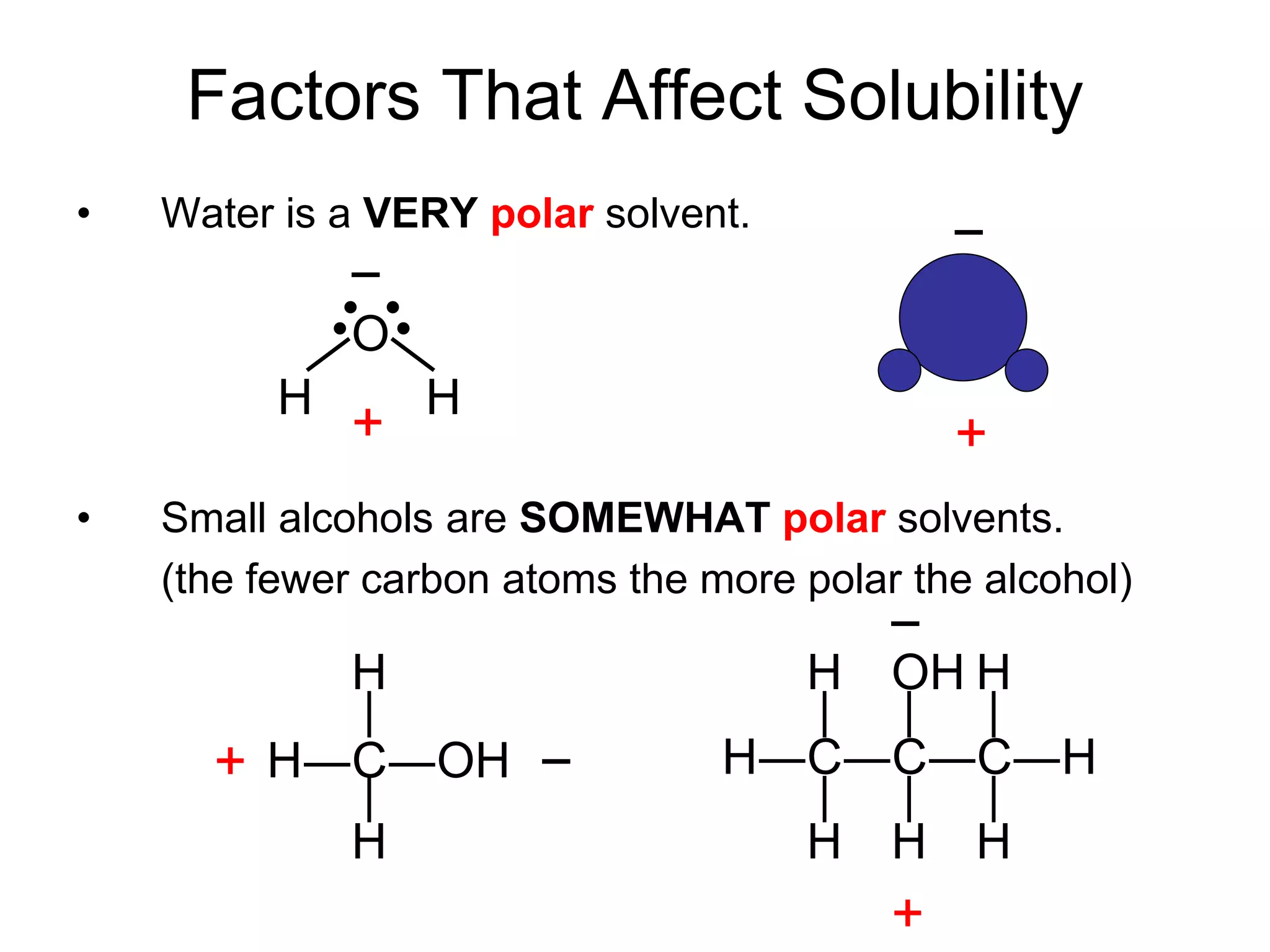
Solubility: the impact of various factors.
Crystal Structure and Impurities: Advanced Solubility Concepts
As students progress in their chemistry studies, solubility worksheets can introduce more advanced concepts. One such concept is the impact of crystal structure on solubility. Worksheets can guide students through the relationship between the arrangement of atoms in a crystal lattice and its solubility characteristics. Additionally, the presence of impurities can significantly affect solubility, and worksheets can explore how these impurities influence solubility behavior.
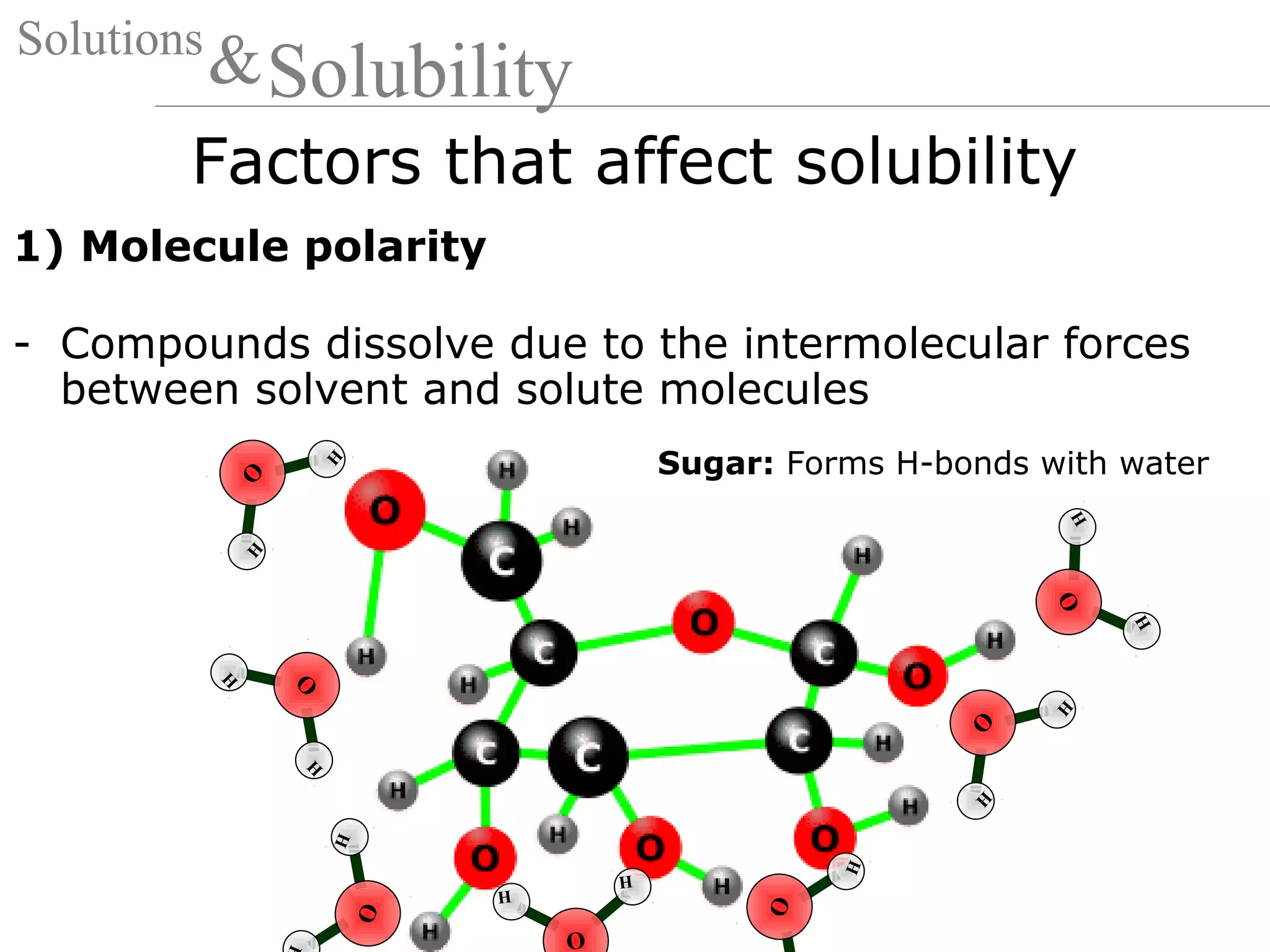
Solutions and solubility: a concise guide.
By delving into these advanced topics, solubility worksheets offer a comprehensive learning experience, preparing students for more complex chemistry concepts and real-world applications. With a solid understanding of solubility factors, students can approach more challenging problems with confidence, knowing that they have a strong foundation in this fundamental concept.
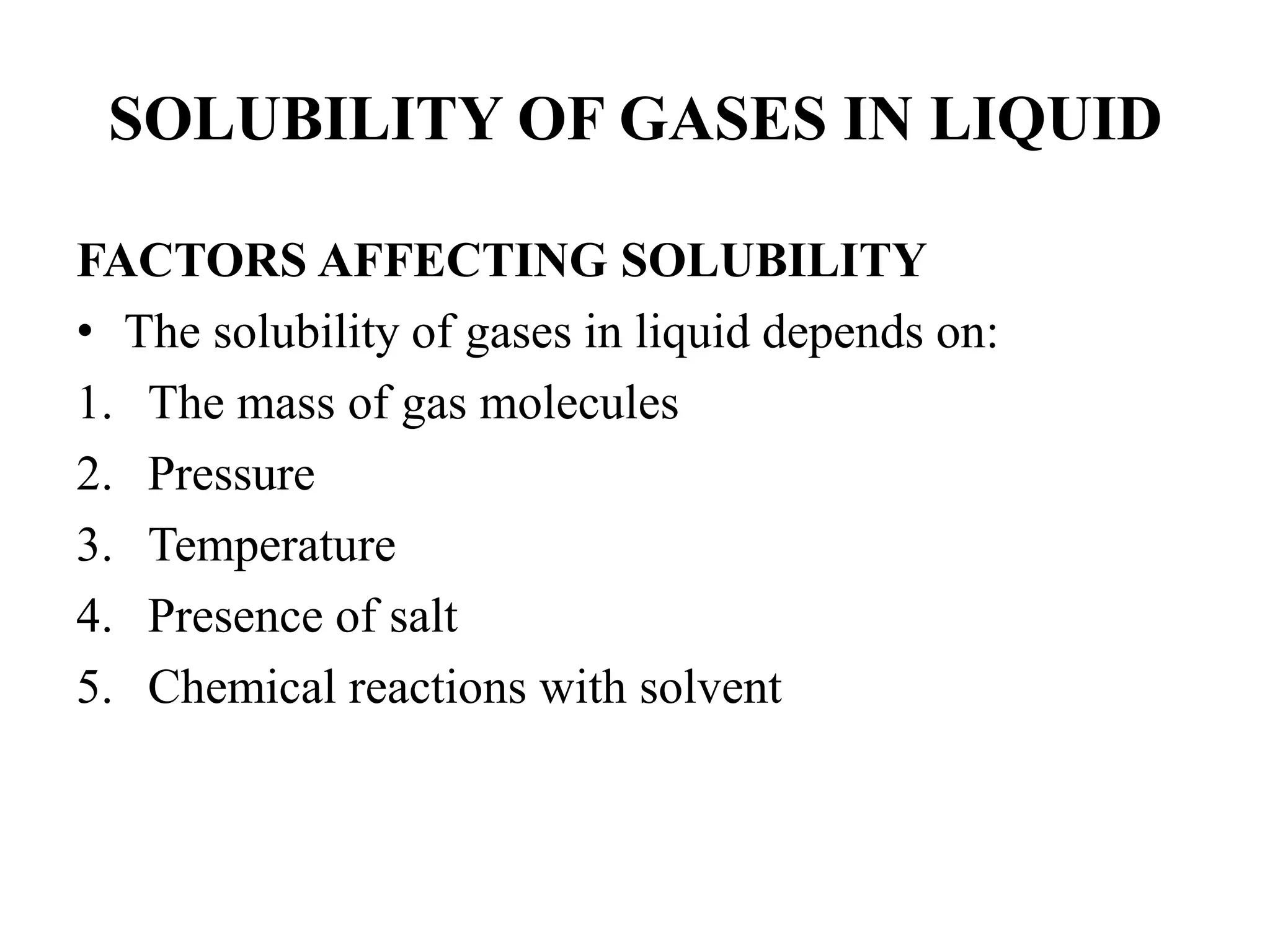
Gases and liquids solubility: a practical worksheet.
Solubility worksheets, with their structured approach and interactive elements, provide an engaging and effective way to learn about solubility factors. By exploring temperature and pressure changes, the nature of solvents, concentration gradients, and other key concepts, students can develop a deep understanding of this essential chemistry topic. Whether in a classroom, at home, or with a tutor, solubility worksheets offer a versatile and practical learning resource, guiding students towards mastery of solubility and its fascinating intricacies. 27 Compound Interest Worksheets for Students can also be a valuable addition to their learning journey, offering further opportunities to explore the world of chemistry and its many applications.

Solubility factors: an in-depth analysis.
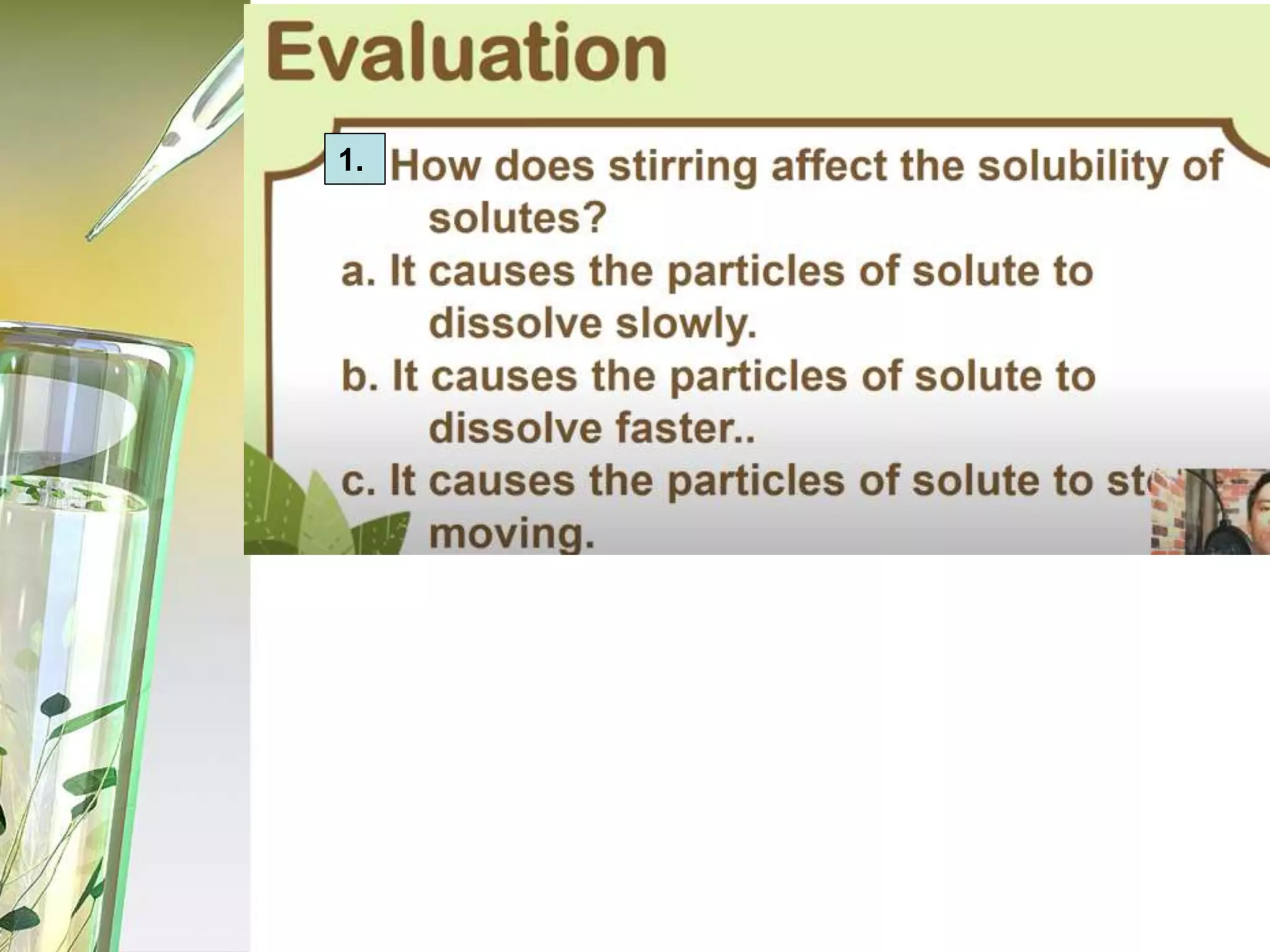
Solubility factors: a focused study.
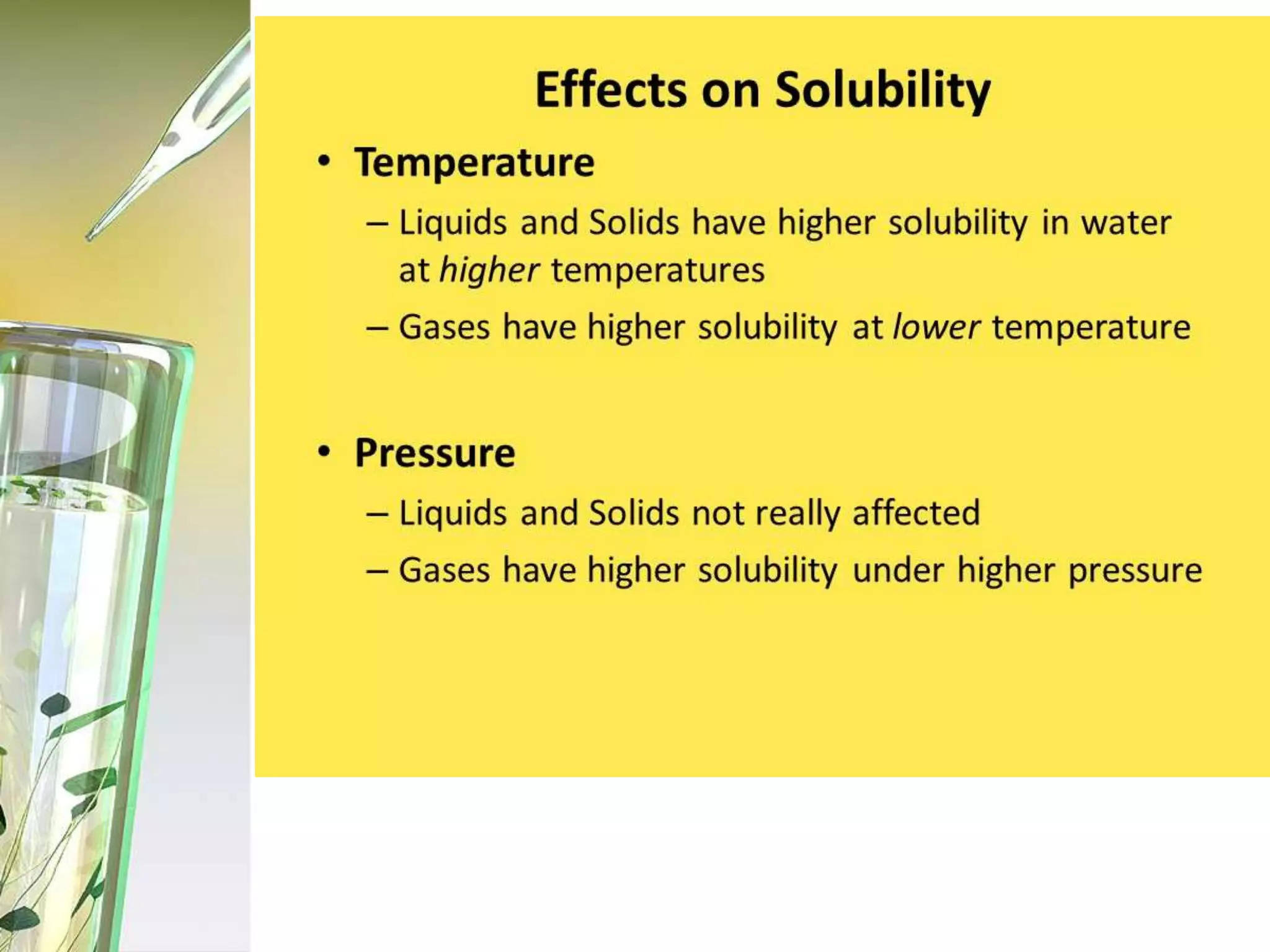
Understanding solubility: key factors explained.
Solubility worksheets are an excellent resource to have in your chemistry toolkit. They provide a fun and interactive way to explore and experiment with solubility factors, offering a hands-on approach to learning. So, why not give it a go? Print out a few worksheets, gather your materials, and start your solubility adventure!
Remember, practice makes perfect, and these worksheets are a great way to reinforce your understanding. Leave a comment or share your experience below; we'd love to hear how your solubility explorations are going!
Solubility factors and their effects.

Read also: What C/o Means and When to Use It