When it comes to understanding the voip vs landline debate, it can be a tricky topic to navigate, especially for those who are new to the world of telecommunications. I know I've had my fair share of moments trying to figure out which one is best for my needs. This worksheet is a great way to demystify the difference between landline and voip, offering a practical guide to help you make an informed choice.
VoIP, Landline, and WhatsApp Calling Compared
Unraveling the VoIP vs Landline Mystery
The world of telecommunications is evolving rapidly, and keeping up with the latest trends can be a challenge, especially when it comes to choosing between traditional landlines and the newer VoIP (Voice over Internet Protocol) technology. This worksheet is designed to be your trusty guide, helping you navigate the intricacies of these two communication methods and make an informed decision tailored to your unique needs.
Comparing Communication Tools for Businesses
Exploring VoIP's Advantages: A Deep Dive
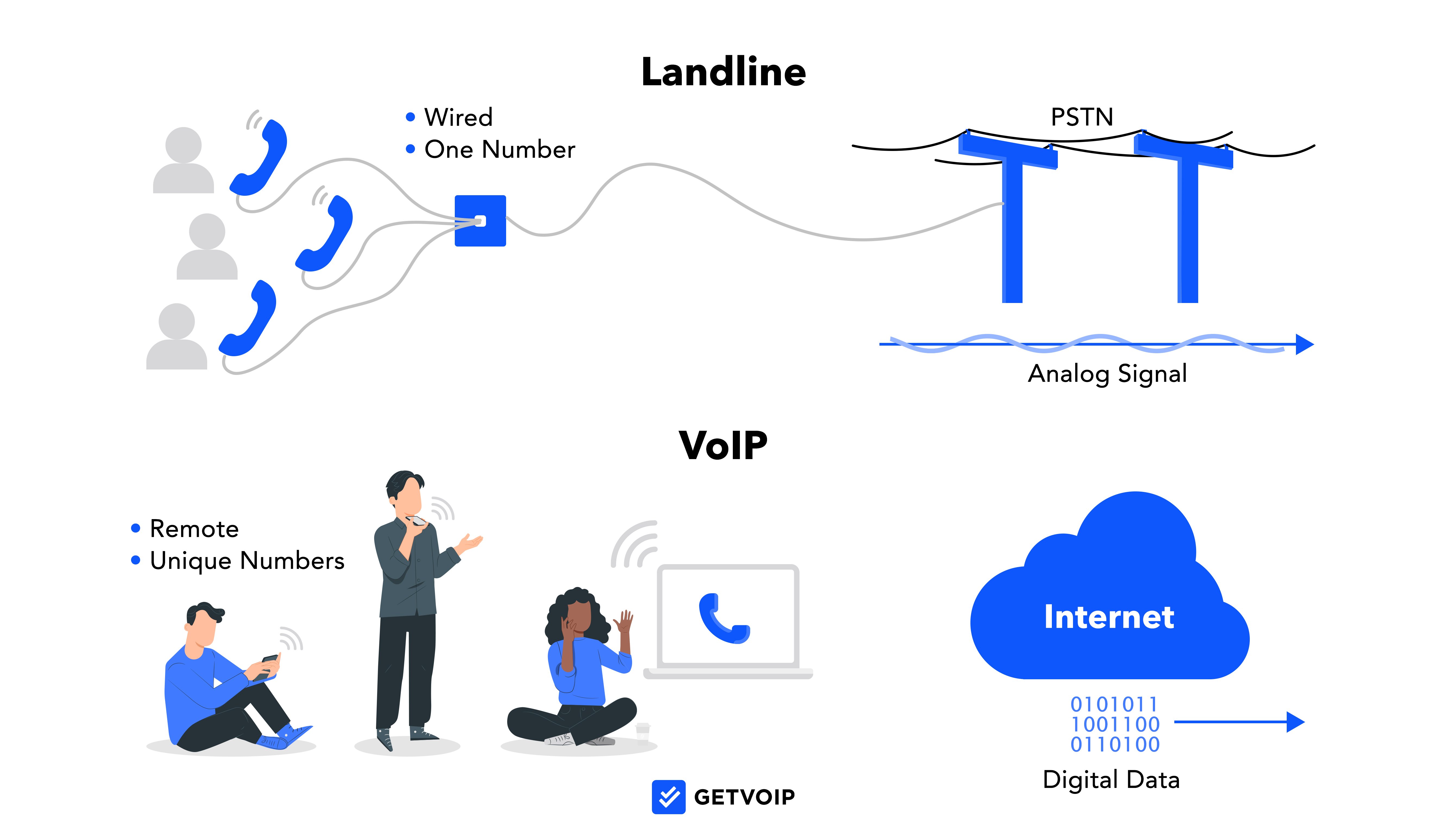
VoIP has gained significant traction in recent years, and for good reason. This innovative technology harnesses the power of the internet to transmit voice calls, offering a range of benefits that traditional landlines can't always match. One of the key advantages is cost-effectiveness. With VoIP, you can make local, long-distance, and even international calls at a fraction of the cost compared to landlines. This is particularly beneficial for businesses that frequently make international calls, as VoIP can significantly reduce their communication expenses.
Communication Tools: A Three-Way Comparison
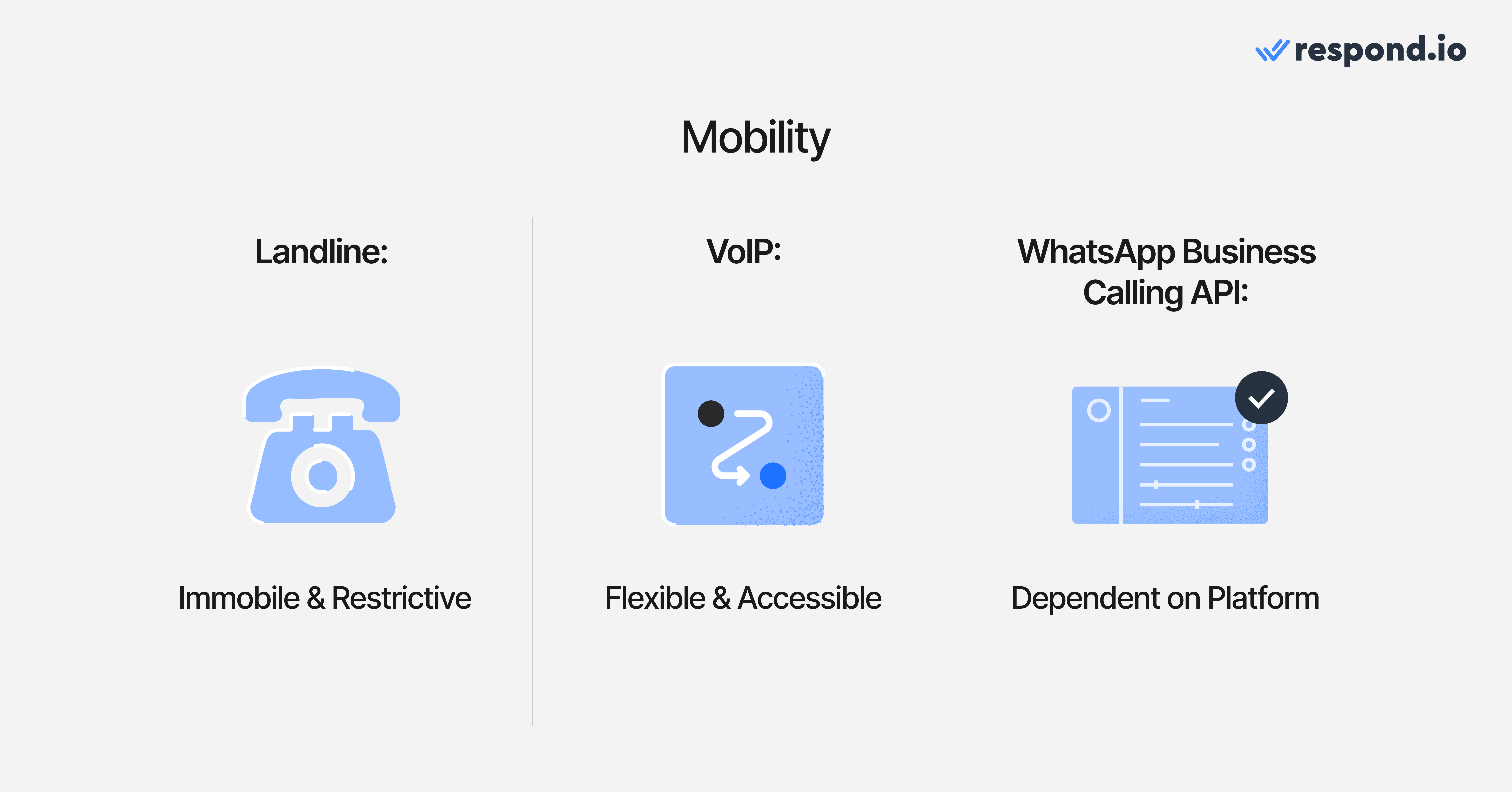
Another significant advantage is portability. Unlike landlines, which are tied to a physical location, VoIP allows you to make and receive calls from anywhere with an internet connection. This flexibility is a game-changer for remote workers, frequent travelers, and businesses with multiple offices or mobile workforces. With VoIP, you can stay connected on the go, ensuring you never miss an important call.
Full-Fibre Broadband: The New Standard?
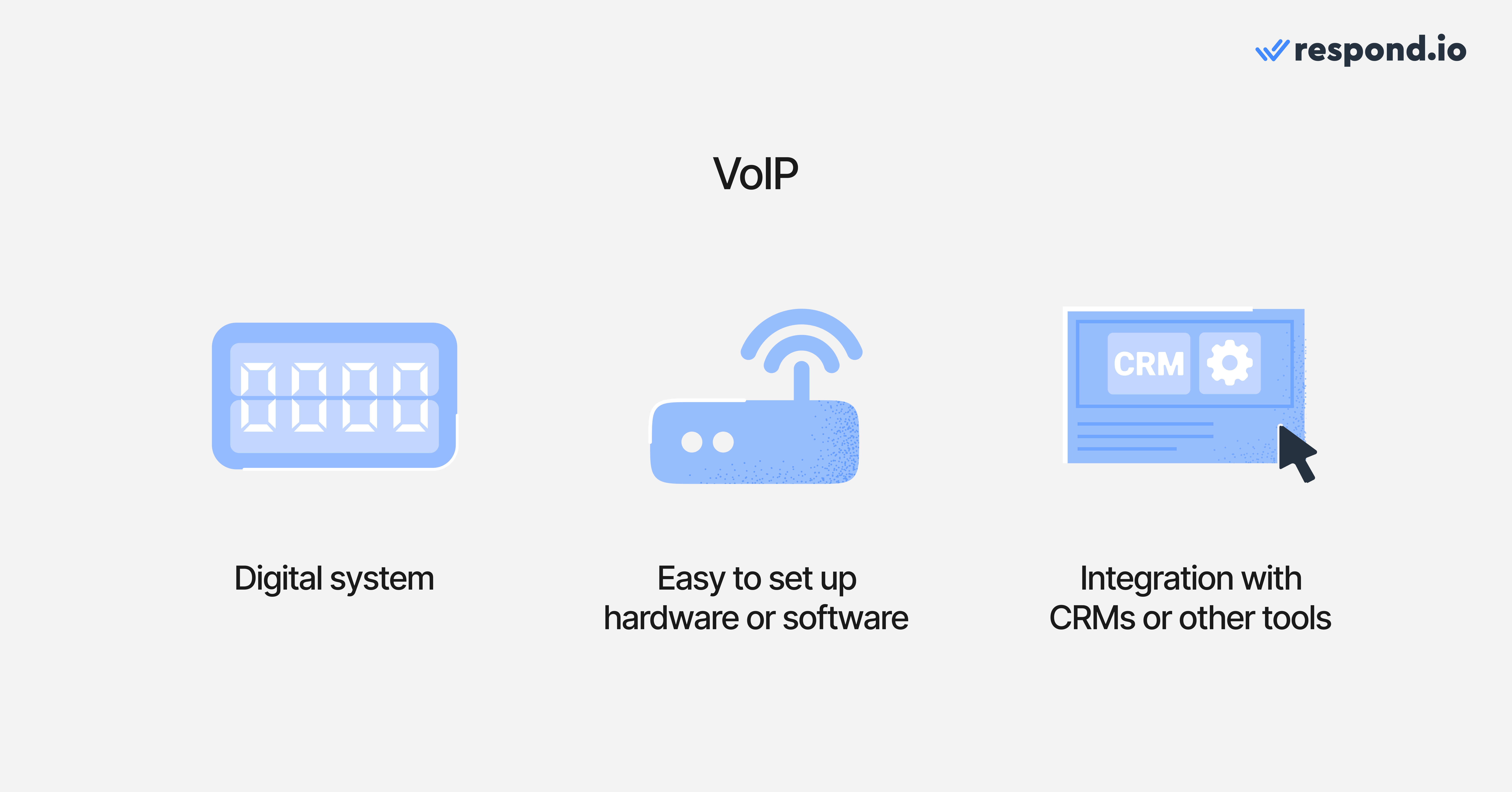
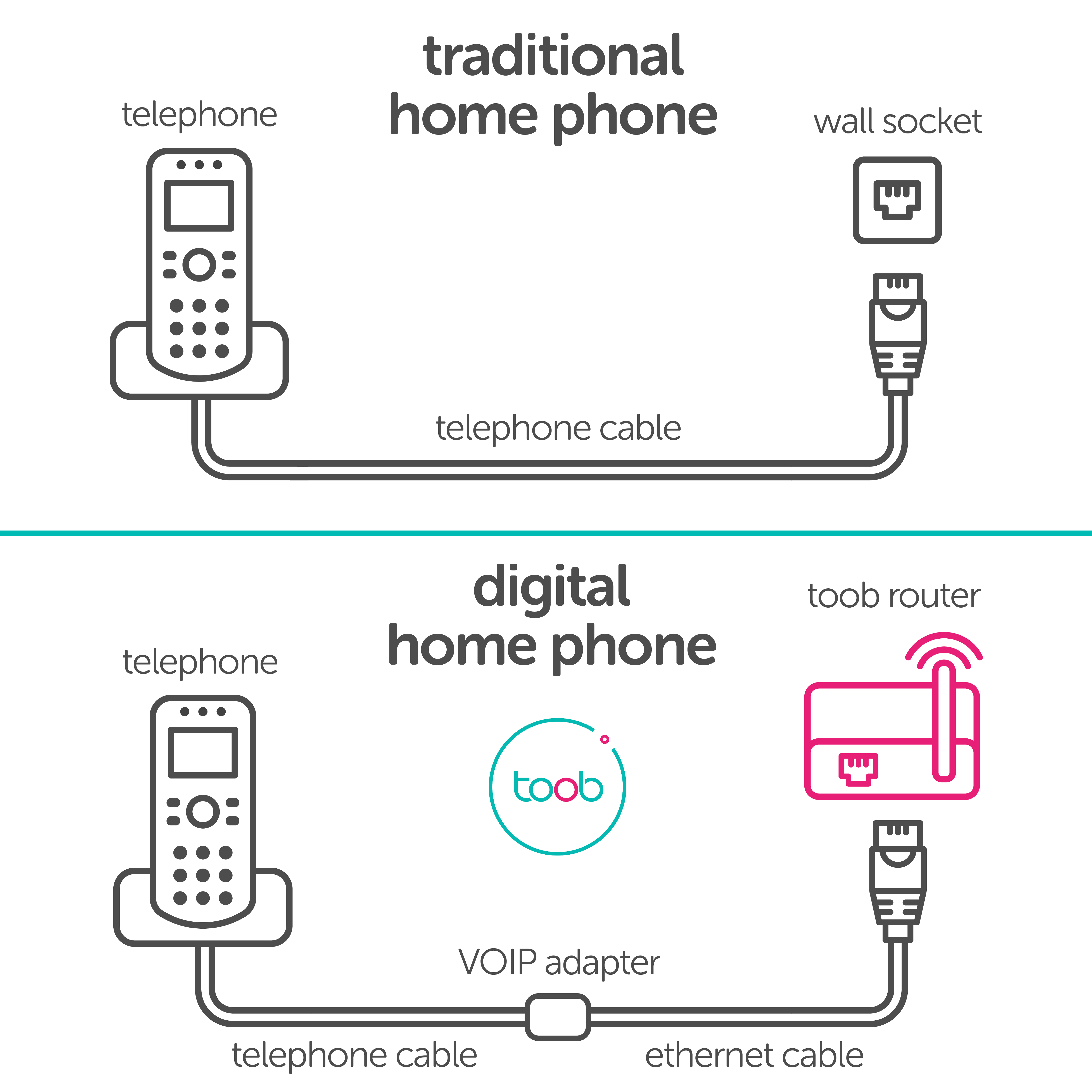
In terms of setup ease, VoIP often has the upper hand. Traditional landlines require physical installation and can be time-consuming to set up, especially for businesses with multiple lines. In contrast, VoIP can be quickly and easily configured, often requiring nothing more than a stable internet connection and a compatible device. This simplicity makes VoIP an attractive option for both personal and business use, especially for those who value convenience and efficiency.
VoIP vs Landline: A Comprehensive Guide
People Also Ask: What About Call Quality and Reliability?
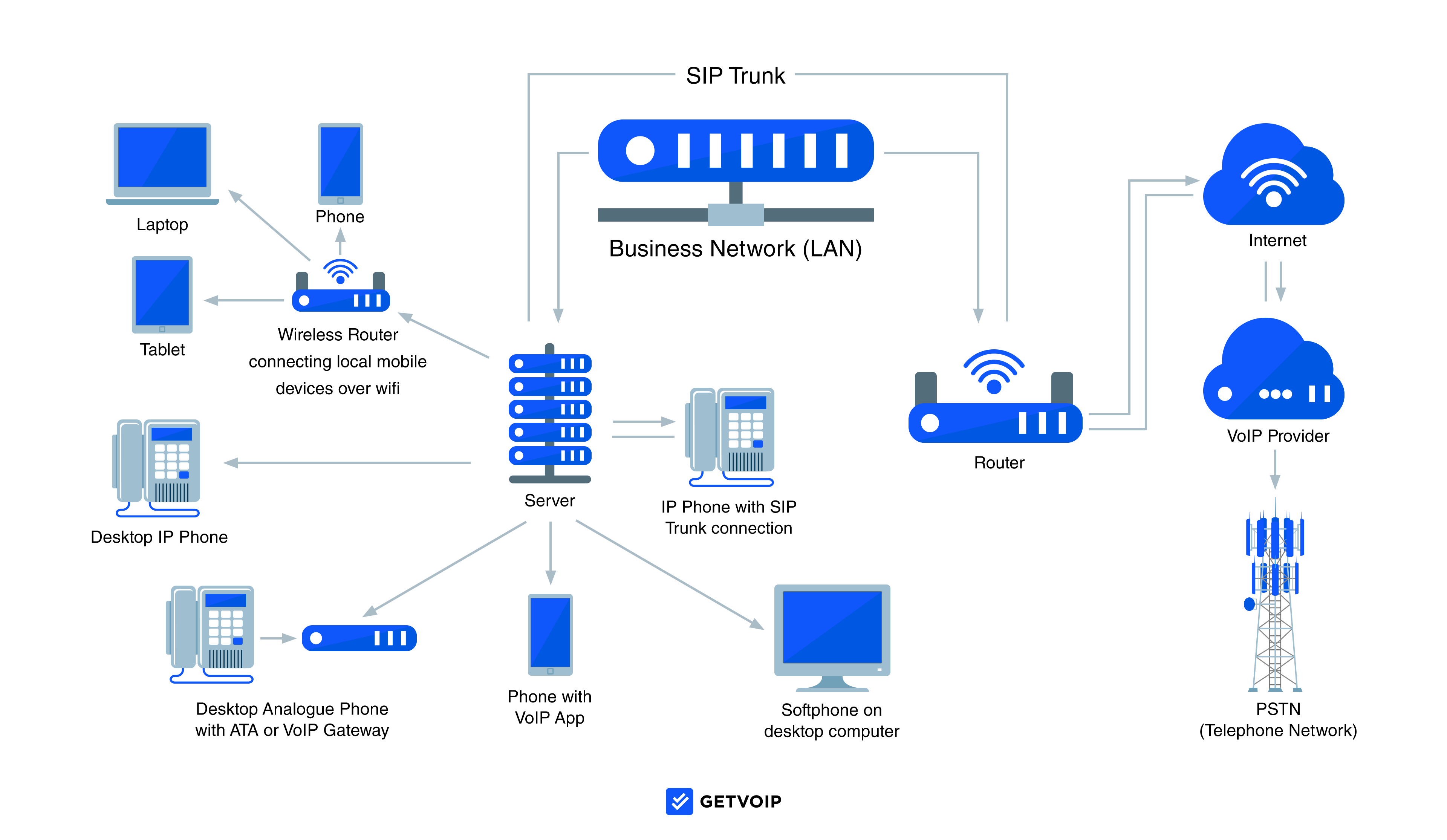
A common concern when considering VoIP is call quality and reliability. After all, no one wants to deal with dropped calls or poor audio during important conversations. Rest assured, modern VoIP technology has come a long way in addressing these issues. Many VoIP service providers now offer high-quality audio, rivaling or even surpassing that of traditional landlines. Additionally, with advancements in internet technology and the widespread availability of high-speed connections, reliability has significantly improved.

Uncovering the Truth: VoIP or Landline?
However, it's important to note that the quality and reliability of VoIP calls can still be influenced by factors such as internet speed and stability. For optimal performance, it's recommended to have a reliable internet connection with sufficient bandwidth. This ensures that your VoIP calls remain clear and uninterrupted, providing a seamless communication experience.
VoIP vs Landline: Which is the Better Choice?
How to Make the Most of the Worksheet: Practical Tips
The "VoIP vs Landline" worksheet is a versatile tool that can be utilized in various learning environments, catering to different age groups and skill levels. For younger students, it can serve as an introduction to the world of telecommunications, helping them understand the basic concepts and differences between landlines and VoIP. Teachers can use this worksheet to spark discussions, encouraging students to think critically about the advantages and disadvantages of each technology.
Fortis Explains: VoIP vs Landline
For older students or those studying business and technology-related subjects, the worksheet can delve deeper into the technical aspects and real-world applications of VoIP. It can be used to explore topics such as network infrastructure, security considerations, and the potential cost savings that VoIP offers. This practical approach allows students to apply their knowledge and make informed decisions about telecommunications, a skill that is increasingly valuable in today's digital landscape.

VoIP vs Traditional Landlines: The Battle
When using the worksheet, it's important to consider the learning environment and the resources available. For classroom settings, having access to computers or tablets with internet connectivity is ideal, allowing students to explore VoIP firsthand. In homeschooling or tutoring scenarios, the worksheet can be printed and used as a guide for discussions and activities.

Understanding Landline Phone Numbers
A Practical Application: Celebrating National IT Professionals Day
Imagine using this worksheet as part of a special celebration, such as National IT Professionals Day. This annual event recognizes the invaluable contributions of IT professionals, many of whom are at the forefront of adopting and implementing VoIP technology. By incorporating the "VoIP vs Landline" worksheet into this celebration, you can not only educate but also honor the expertise and innovation that IT professionals bring to the field of telecommunications.

Cost Comparison: VoIP vs Landline
This practical application showcases how the worksheet can extend beyond its original purpose, becoming a versatile tool for learning and appreciation. It highlights the real-world relevance of telecommunications and the impact it has on our daily lives, making learning engaging and meaningful.

Why VoIP is the Smart Choice for NJ Offices
In conclusion, the "VoIP vs Landline" worksheet is a powerful resource for demystifying the world of telecommunications. It offers a practical and engaging way to explore the differences between these two communication methods, empowering learners to make informed choices. Whether you're a student, teacher, or parent, this worksheet provides a valuable tool for understanding the evolving landscape of telecommunications and the role it plays in our modern world.
VoIP technology has certainly opened up a whole new world of possibilities, offering flexibility and cost-effective solutions. It's an exciting time for communication, and with these worksheets as your toolkit, you can explore and experiment with confidence.
So, go ahead, give it a go! Try out these worksheets, and don't forget to share your experiences and insights in the comments. It's always great to hear how others are navigating this evolving landscape.
Small Business VoIP: 5 Key Features

Read also: What 2voice Trademark Means for It Tech

