As a parent, I'm always on the lookout for fun and engaging ways to help my little ones learn. Tracing worksheets for nursery are a brilliant tool, especially when you need some extra support with handwriting practice. These worksheets are a godsend, offering a simple and effective way to improve those fine motor skills. I recently discovered some great resources, including free printable tracing sheets, and they've been a hit! If you're looking for more spelling practice, check out 30 Spelling Worksheets for 1st Graders.
Practice tracing lines with a fun sleep theme.
A Powerful Tool for Fine Motor Skill Development
Tracing worksheets are an incredible resource for young learners, offering a fun and interactive way to develop essential fine motor skills. These worksheets provide a structured yet engaging practice ground, allowing children to refine their hand-eye coordination, finger dexterity, and overall control of their writing instruments. The beauty of tracing worksheets lies in their versatility; they cater to a wide range of ages and skill levels, making them a go-to choice for educators and parents alike.
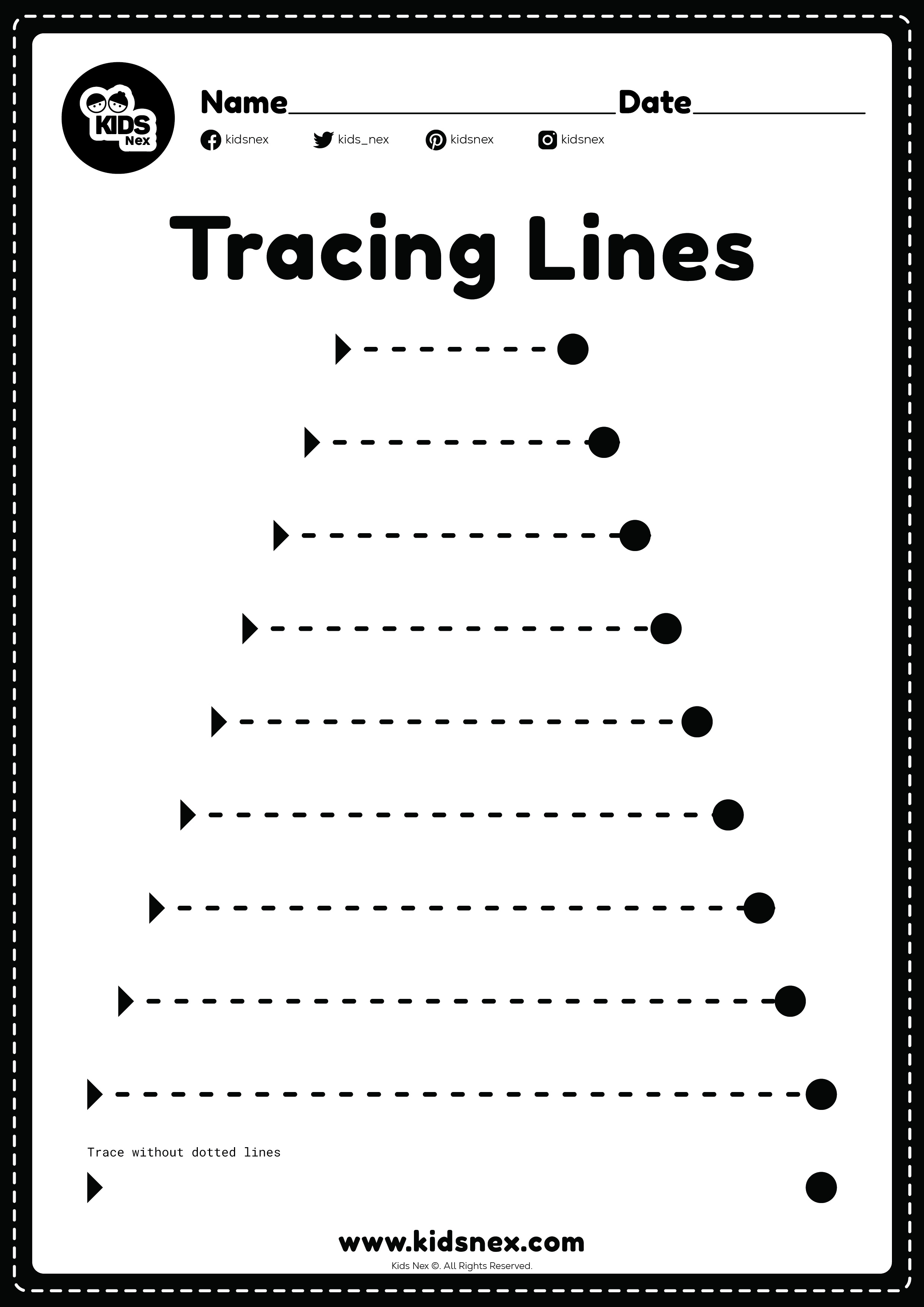
Guide to tracing lines for little learners.
Exploring Different Types of Tracing Worksheets
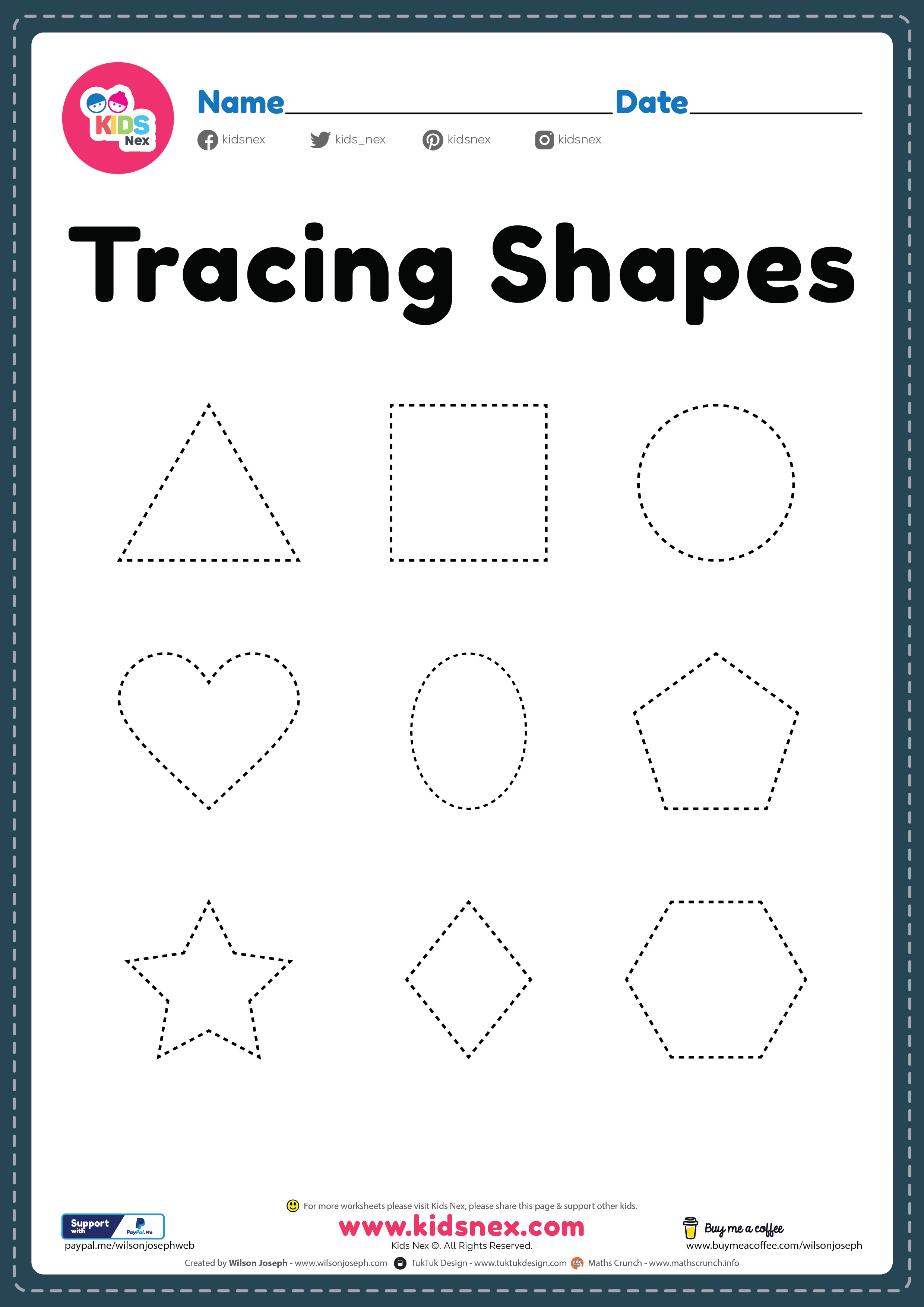
When it comes to tracing worksheets, there's a whole world of variety to explore! From simple follow the lines activities to more complex animal path tracing, the options are endless. For beginners, easy shape tracing worksheets are a great starting point, helping little ones understand basic shapes and develop a steady hand. As they progress, letter tracing practice worksheets introduce them to the world of alphabets, laying the foundation for future writing skills.
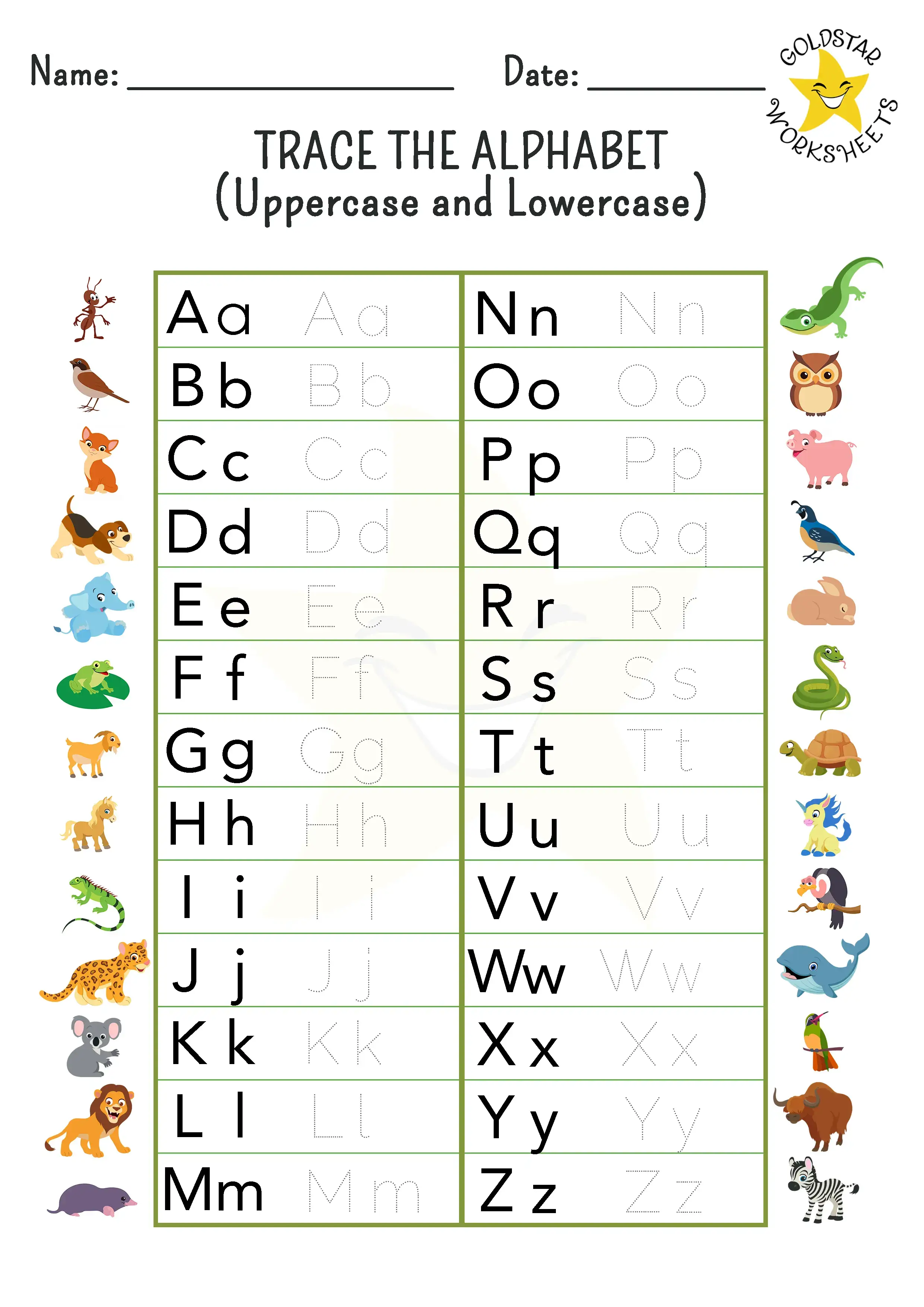
Alphabet tracing pack for early learners.
More advanced worksheets might feature connect the dots activities, where children not only trace but also learn to connect points to reveal hidden pictures, fostering their creativity and problem-solving abilities. Some worksheets even incorporate pre-writing skills boost exercises, where kids trace over various lines and curves, preparing them for the intricate movements required in writing.

Essential alphabet tracing for kindergarten.
People Also Ask: What Age Group Benefits from Tracing Worksheets?
Tracing worksheets are incredibly versatile and can be tailored to suit a wide range of ages and skill levels. While they are commonly associated with nursery and kindergarten, they can also be beneficial for older children who need extra practice or have specific learning needs.
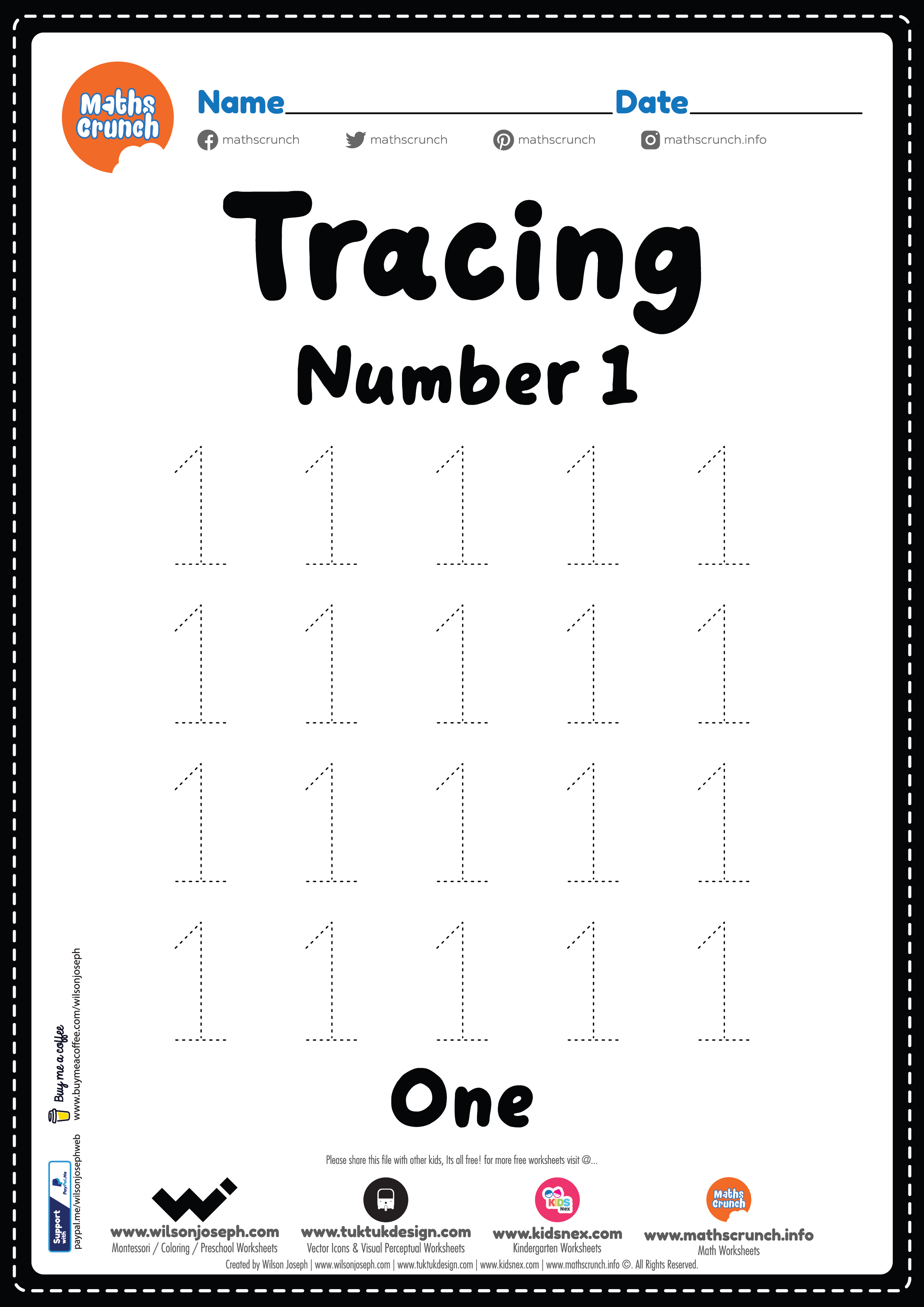
Trace number 1 for early number skills.
For younger children, especially those in nursery, tracing worksheets are an excellent way to introduce them to the concept of writing and develop their fine motor skills. The simple act of following a line or tracing a shape helps them understand the basics of holding a writing instrument and controlling its movement.
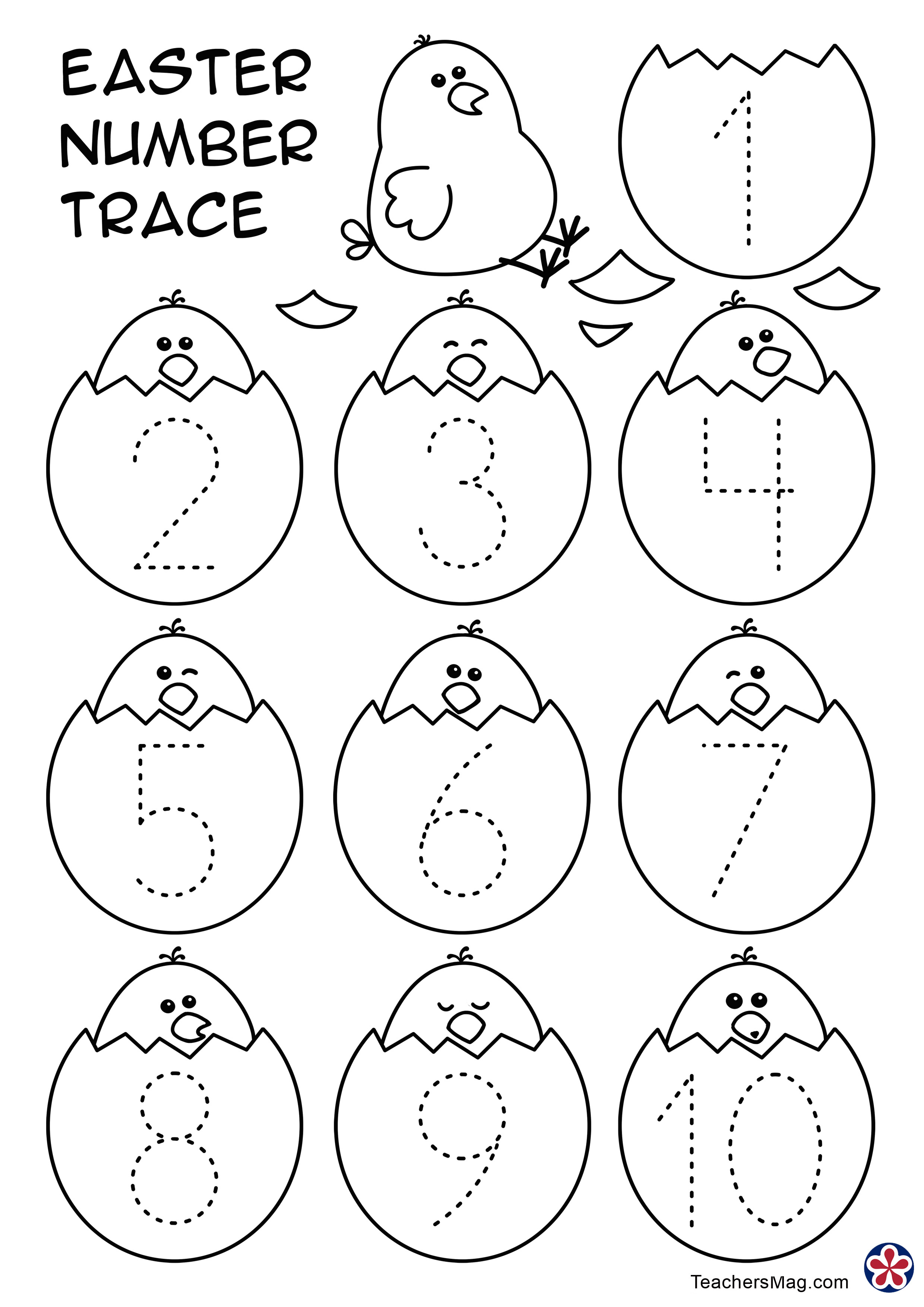
Number tracing for placement fun.
As children progress to kindergarten and beyond, tracing worksheets can continue to play a valuable role. They can be used to reinforce letter recognition, improve handwriting, and even introduce basic spelling patterns. The beauty of tracing worksheets is that they can be adapted to suit the needs and abilities of individual children, making them a flexible and effective learning tool.
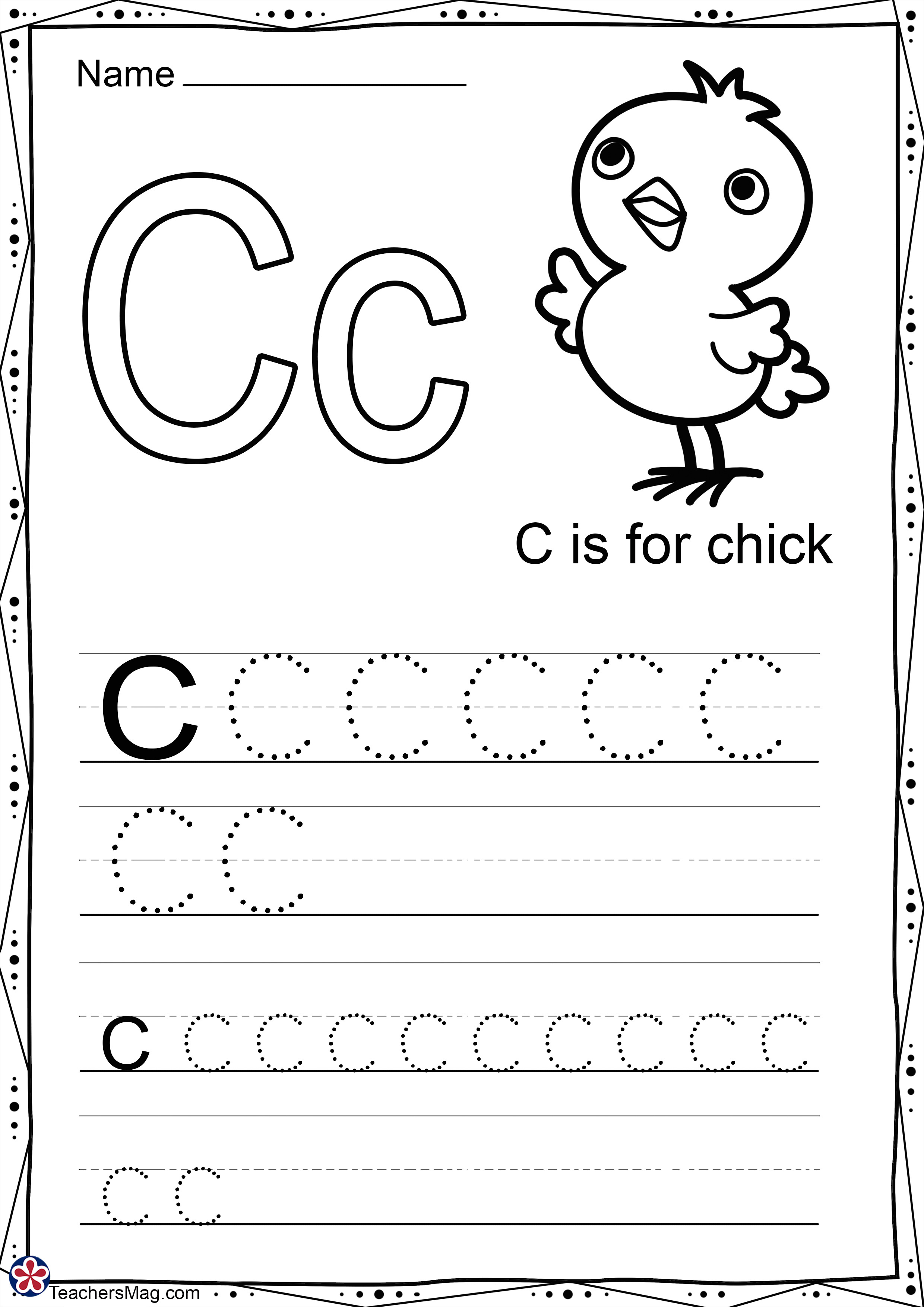
Tracing letter C for preschoolers.
How to Choose and Use Tracing Worksheets Effectively
When selecting tracing worksheets, it's important to consider the child's age, skill level, and interests. Look for worksheets that offer a good balance of challenge and support. For instance, free printable tracing sheets often come in different themes, allowing you to choose worksheets that align with the child's current interests or curriculum topics.

Uppercase and lowercase letter tracing.
Once you've chosen the right worksheets, it's time to put them to use! Here are some tips for effective practice:

Tracing lines for preschoolers.
- Set a routine: Incorporate tracing practice into your daily or weekly routine. Consistency is key to seeing progress.

Count and trace with preschool worksheets.
- Start with warm-up exercises: Begin each session with a few simple tracing activities to get the child's hand and mind ready for the task.

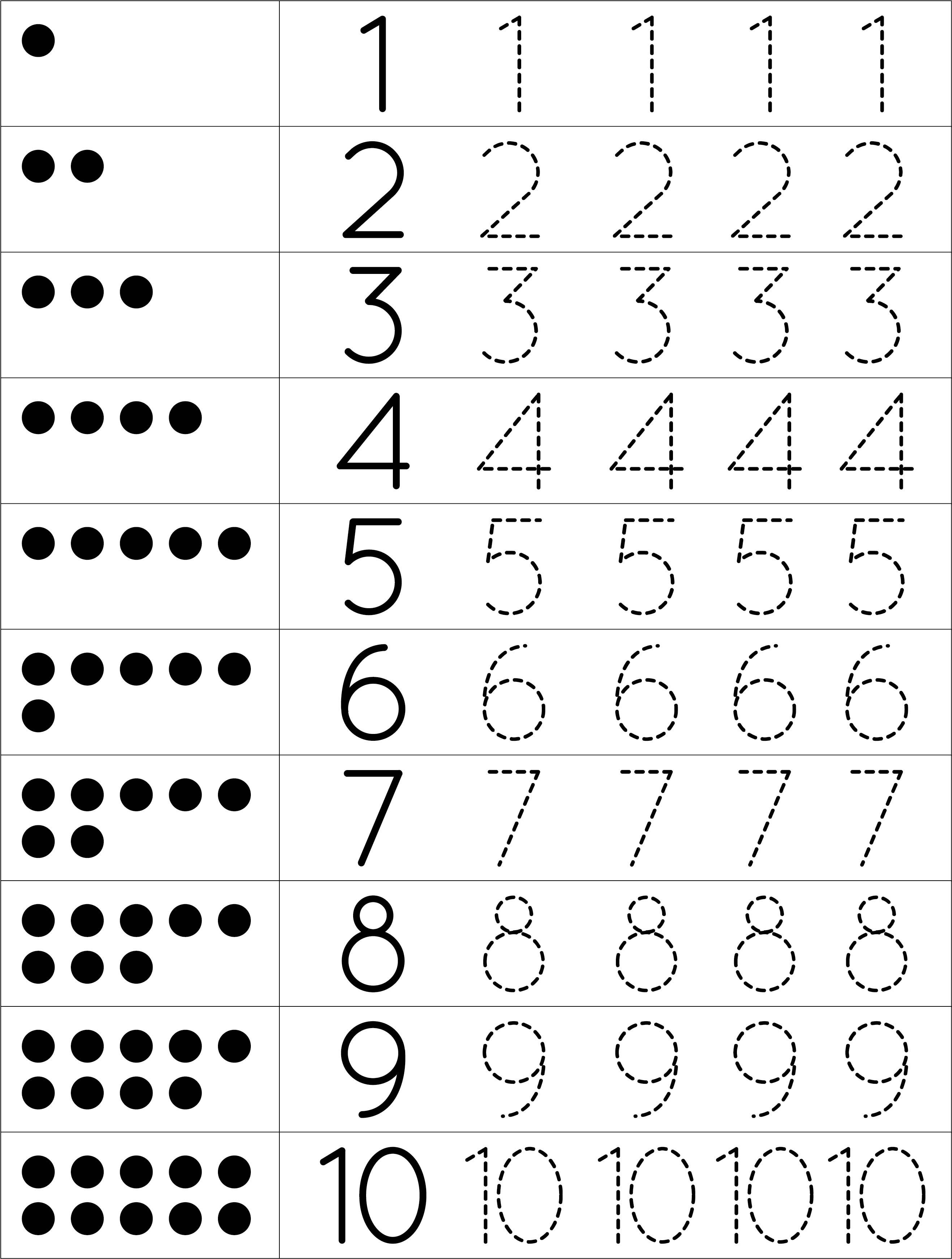
Tracing numbers for preschoolers.
- Provide guidance: Especially for younger children, offer guidance and support as they trace. You can demonstrate the correct way to hold the pencil and guide their hand if needed.
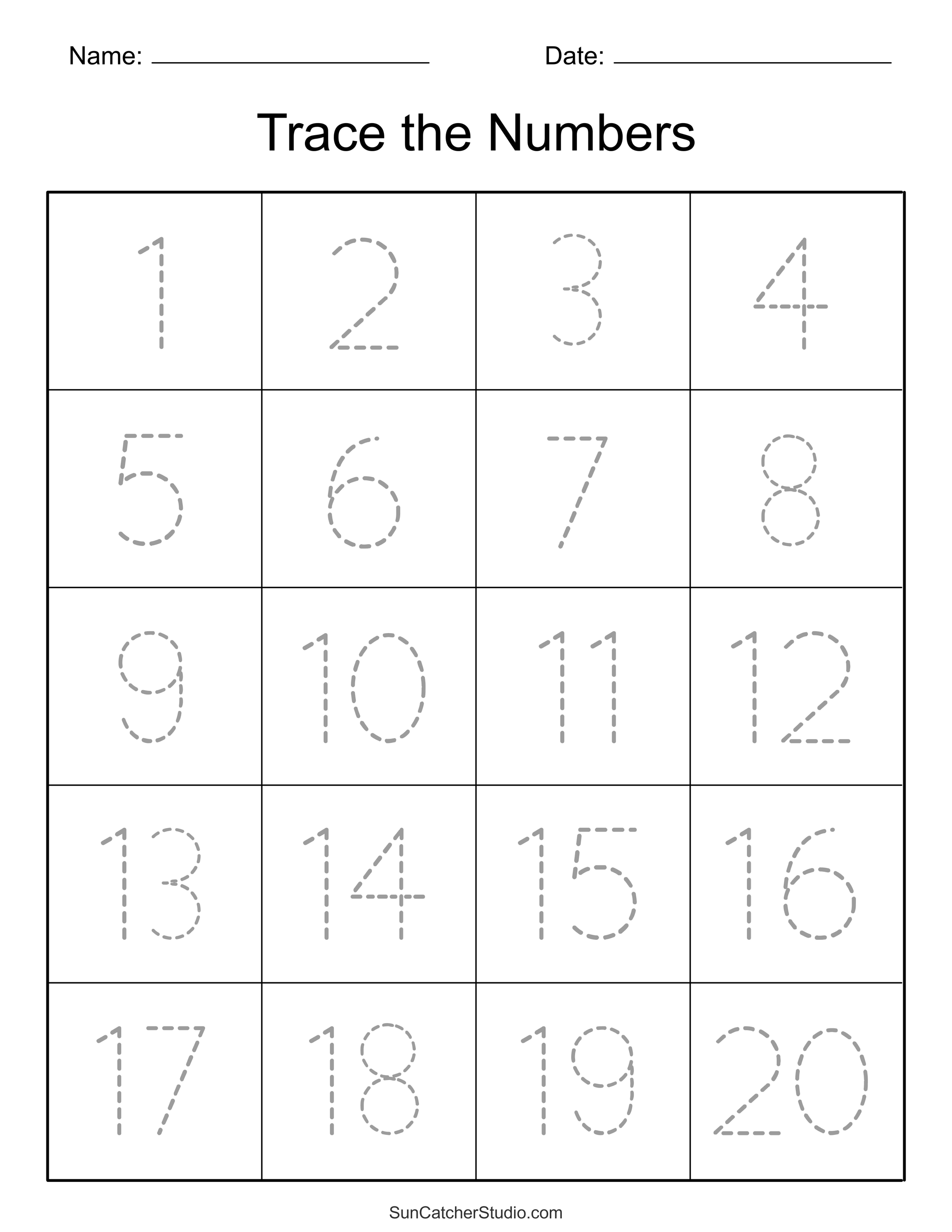
Free tracing numbers for kindergarten.
Make it fun: Incorporate games or rewards to keep the child engaged. For example, you could create a tracing race or offer a small reward for completing a certain number of worksheets.
Progress gradually: As the child becomes more confident, introduce more complex tracing activities to keep them challenged and motivated.
Boosting Pre-Writing Skills with Tracing Activities
One of the greatest benefits of tracing worksheets is their ability to boost pre-writing skills. By engaging in tracing activities, children learn to control their pencil movements, develop hand strength, and improve their hand-eye coordination. These skills are essential building blocks for future writing success.
Tracing worksheets also provide a structured way for children to understand the basic shapes and forms that make up letters and numbers. As they trace, they internalize the correct formation of these shapes, which will later translate into more confident and accurate writing.
Furthermore, tracing activities can be a great way to introduce children to different writing styles and scripts. From simple block letters to more intricate cursive writing, tracing worksheets can offer a gentle introduction to various writing forms, preparing children for the diverse writing demands they'll encounter in their academic journey.
Tracing worksheets are a fantastic way to empower your little ones and give them a head start on their learning journey. By providing a fun and structured environment, these worksheets offer an enjoyable experience while building crucial skills. So, why not give it a go? Print out a few tracing worksheets, gather your crayons and markers, and let your child's creativity flow. It's a simple yet effective way to support their development.
Feel free to share your experiences and thoughts below. We'd love to hear how these worksheets have benefited your child's learning and if you have any fun tips to share with other parents!
Trace the letter A for alphabet practice.

Read also: How to Dial a Republic of Korea Phone Number