


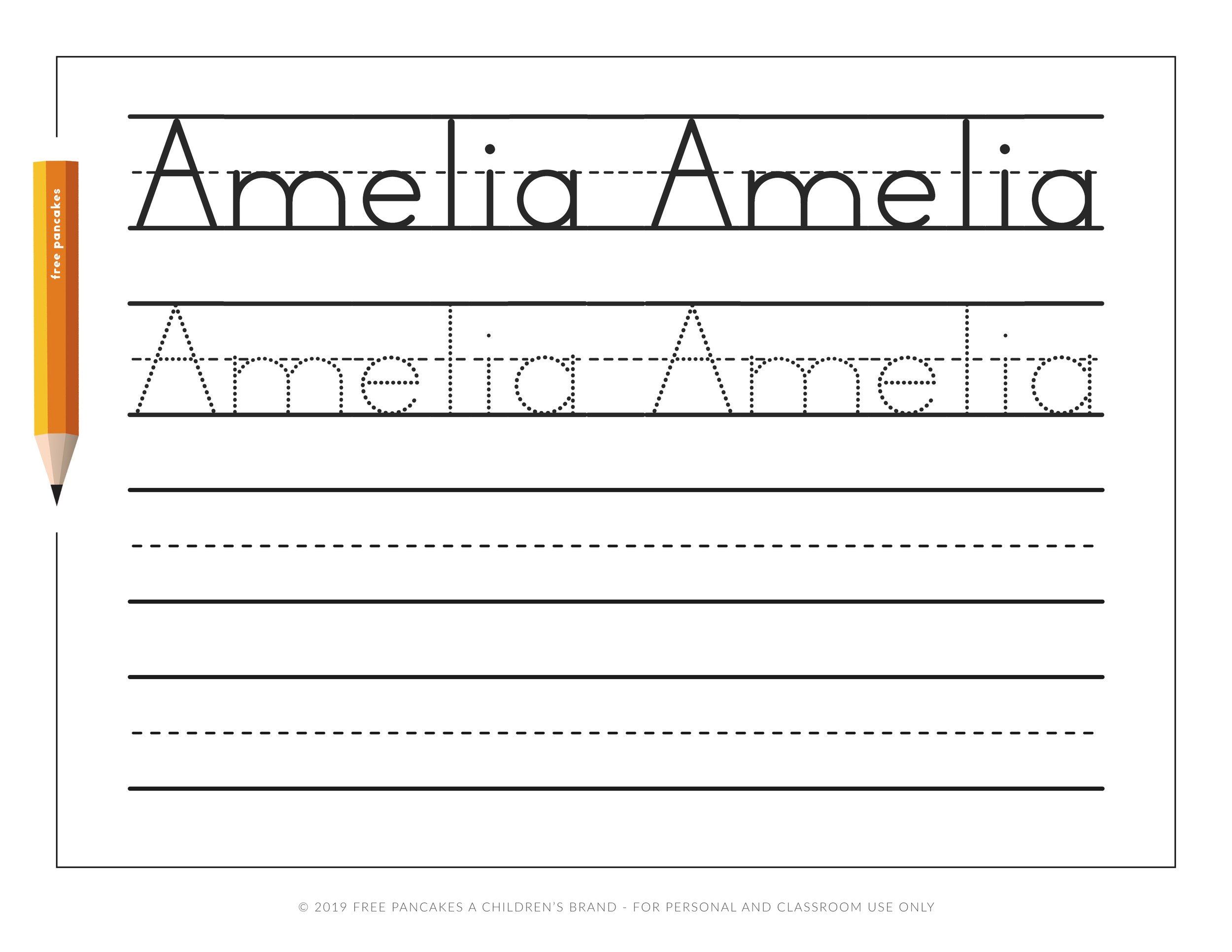


Tracing Name Worksheets: A Powerful Tool for Early Writing Skills
Personalized Learning with Name Tracing Worksheets
One of the most exciting aspects of name tracing worksheets is the ability to personalize them for each learner. Whether it's for a classroom full of students or an individual child at home, these worksheets can be tailored to meet specific needs. Personalized name tracing allows children to connect with their own names, making the learning process more engaging and meaningful.
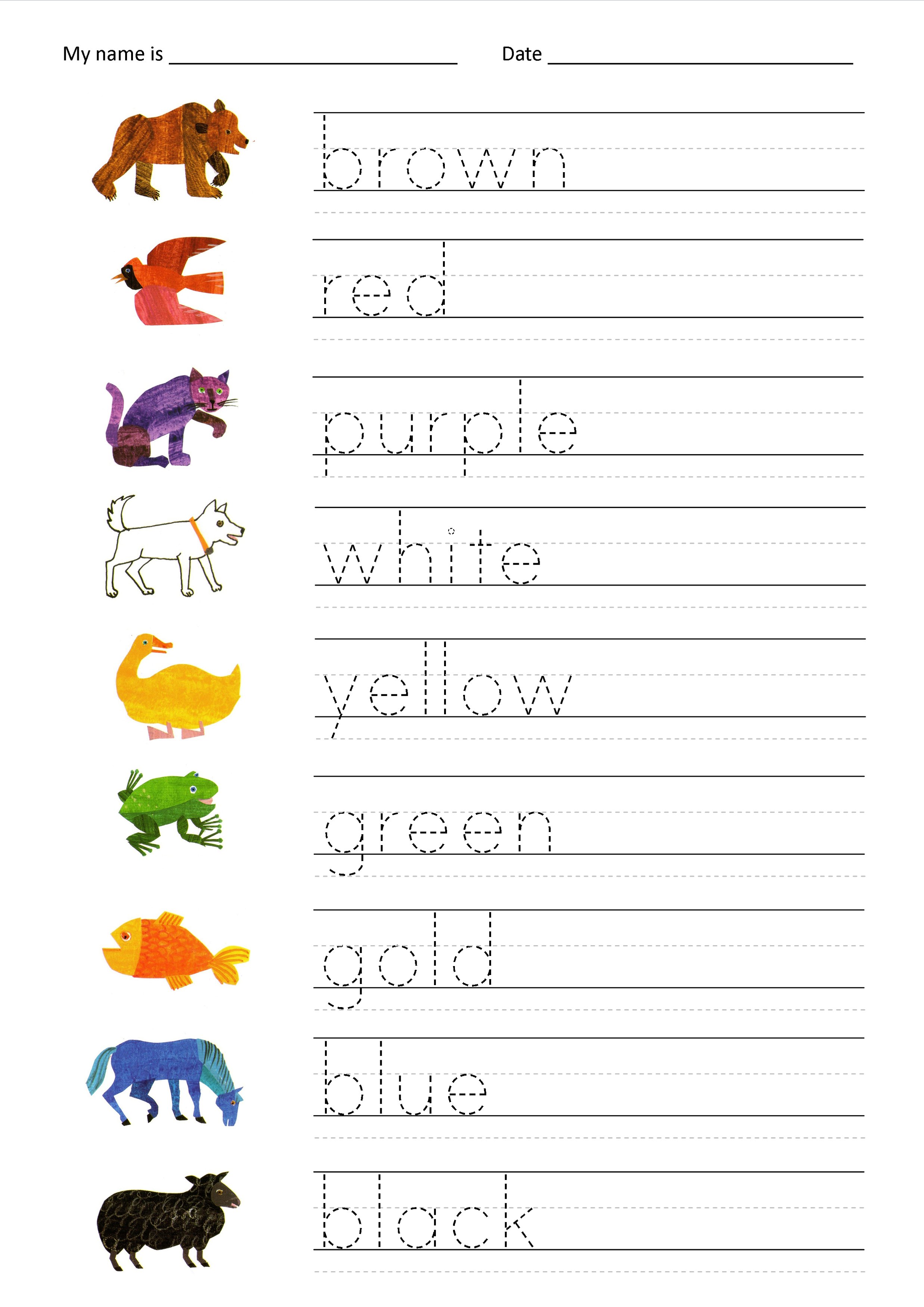
Pre-K tracing: words and pictures.
Teachers and parents can easily create or find worksheets that feature a child's name, often with fun themes or designs to make the activity even more appealing. For instance, a child named Emma might have a worksheet with her name written in a creative font, surrounded by images of her favorite things, like butterflies or flowers. This not only helps Emma recognize and write her name but also adds an element of trace name art to the learning experience.
Personalized name tracing fun.
Beyond Basic Name Writing: Exploring Advanced Name Tracing Activities
While name tracing worksheets are an excellent starting point for young learners, they can also be adapted to provide more advanced practice as children progress in their writing skills. These worksheets can evolve to include more complex tasks, such as:
Alphabet tracing: a learning adventure.
- Fun Name Activities: Incorporating creative elements like drawing or coloring around the traced name can make the activity more enjoyable and encourage children to express their creativity.
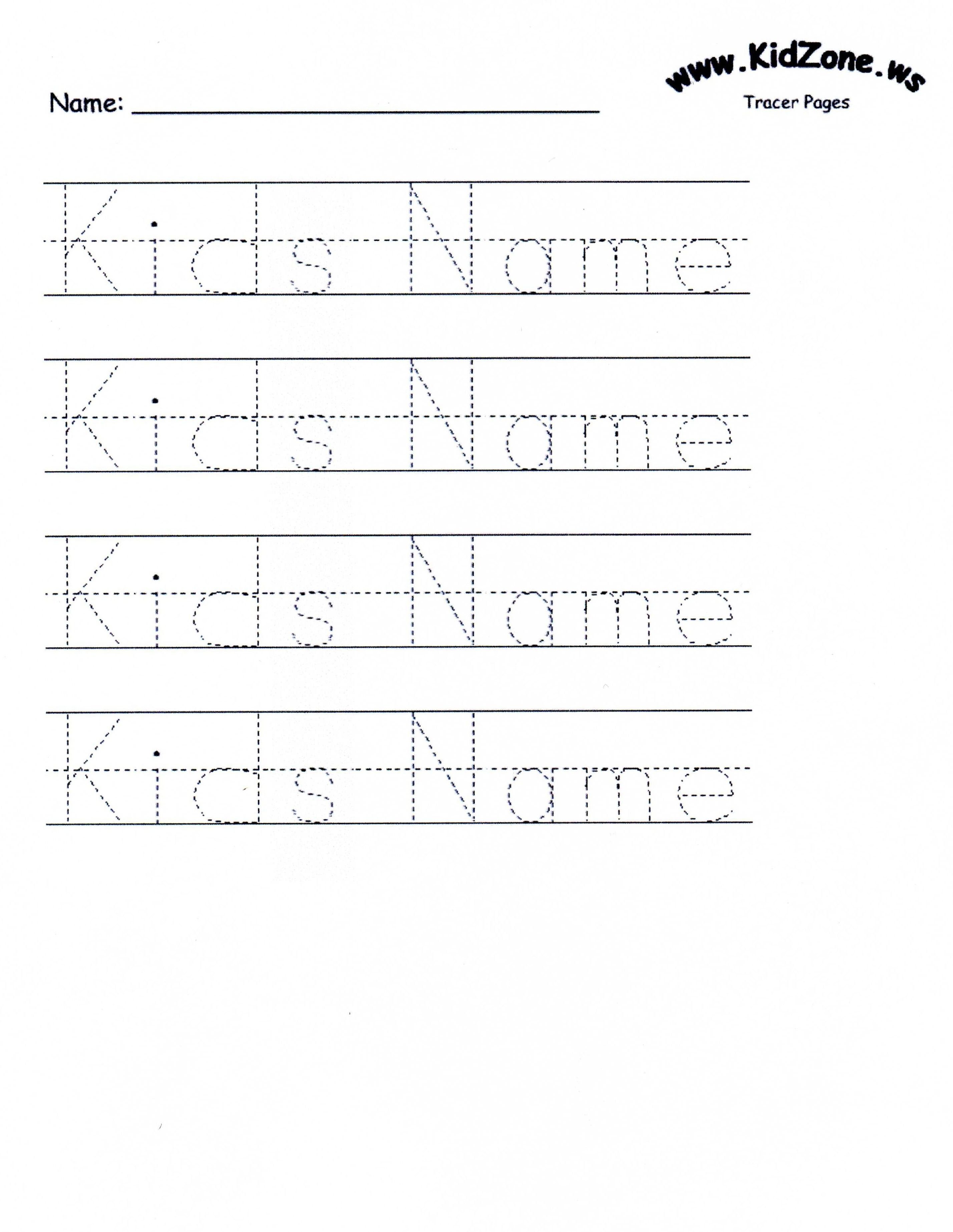
Editable name tracing sheets.
- Name Tracing Practice with Sentences: As children become more confident in writing their names, worksheets can introduce simple sentences or phrases, such as "My name is [Child's Name]" or "I am [Child's Age] years old." This helps children understand the context of their names and how they fit into larger pieces of writing.
Printable tracing sheets for names.
- Handwriting Name Worksheets with Challenges: For older children or those ready for a greater challenge, worksheets can include tasks like writing their names in different styles (e.g., cursive, print, or a mix of both) or even creating their own unique font for their name.
Name writing practice: editable.
- Name Tracing Templates for Storytelling: Another advanced practice could involve creating a story around their names, where children write a short narrative or poem using their name as a key element. This not only enhances their writing skills but also encourages creativity and narrative thinking.
Morning work: name tracing.
People Also Ask: How Do Name Tracing Worksheets Help with Handwriting?
Name tracing worksheets are an excellent way to improve handwriting skills, especially for young learners who are just starting to write. By focusing on their own names, children can develop a strong foundation in letter formation and spacing, which are essential skills for handwriting.
Custom handwriting practice sheets.
The repetitive nature of tracing their names helps children internalize the correct way to write each letter, improving their muscle memory and handwriting fluency. As they progress, the worksheets can introduce variations in letter size, style, and even the use of different writing instruments, allowing children to explore and refine their handwriting technique.
Name tracing: a creative exercise.
How to Use Name Tracing Worksheets Effectively: A Step-by-Step Guide
Using name tracing worksheets effectively involves a few simple steps:
Blank name tracing templates.
- Choose or Create the Worksheet: Select or design a worksheet that suits the child's age, grade level, and interests. As mentioned earlier, free printable name tracing sheets are widely available online, and many offer customizable options.
Free name tracing printables.
Prepare the Worksheet: Depending on the type of worksheet, you may need to print it out or display it digitally. Ensure the child has the necessary writing tools, such as pencils, crayons, or markers, to complete the activity.
Introduce the Worksheet: Begin by explaining the purpose of the worksheet and how it will help them learn to write their name. You can make this introduction fun by relating it to their interests or daily life, such as "Let's practice writing your name so you can sign your artwork like a real artist!"
Guide the Child: As the child traces their name, provide gentle guidance and encouragement. Point out the correct letter formation and offer tips on how to hold the writing tool properly.
Practice Regularly: Consistency is key. Encourage the child to practice name tracing regularly, even if it's just for a few minutes each day. Over time, this regular practice will lead to noticeable improvements in their handwriting and name recognition skills.
Progress and Adapt: As the child becomes more proficient, introduce more challenging worksheets or activities, as discussed in the previous section. This ensures that their learning remains engaging and continues to develop their skills.
Enhancing Learning with Name Tracing: A Creative Approach
Name tracing worksheets offer a creative and engaging way to enhance a child's learning journey. By incorporating these worksheets into their educational routine, whether in a classroom, homeschool setting, or as a fun activity at home, children can develop essential writing skills in a fun and personalized manner.
The versatility of name tracing worksheets allows for a wide range of learning applications, from basic name recognition and handwriting practice to more advanced creative writing and storytelling activities. With the right approach and a touch of creativity, these worksheets can become a powerful tool in a child's educational toolkit, helping them develop a strong foundation in writing and a love for learning.
Remember, learning should be an enjoyable adventure, and name tracing worksheets are a fantastic way to make that adventure both fun and educational!