Sometimes, finding the right resources to help our kids learn can be a bit of a challenge, especially when it comes to something like synonyms and antonyms. These synonyms and antonyms worksheets are a great way to make learning fun and engaging for students of all ages, from grade 1 to grade 8, and even for adults brushing up on their language skills. With a simple search, you can find a variety of worksheets tailored to different grades, like synonyms and antonyms worksheets grade 3, and even a synonyms and antonyms quiz to test your knowledge. It's a great tool for parents and teachers, and with a business phone app, you can stay organized and connected while managing your resources, just like I did when I needed to find the perfect worksheets!
Practice synonyms and antonyms with this fun worksheet.

Enhancing Language Skills with Synonyms and Antonyms Worksheets
Synonyms and antonyms worksheets are an excellent resource for anyone looking to improve their language skills and vocabulary. These worksheets provide a fun and interactive way to explore the nuances of language, offering a range of activities suitable for different ages and skill levels. Whether you're a parent, teacher, or an adult learner, these worksheets can be a valuable tool to enhance language proficiency.
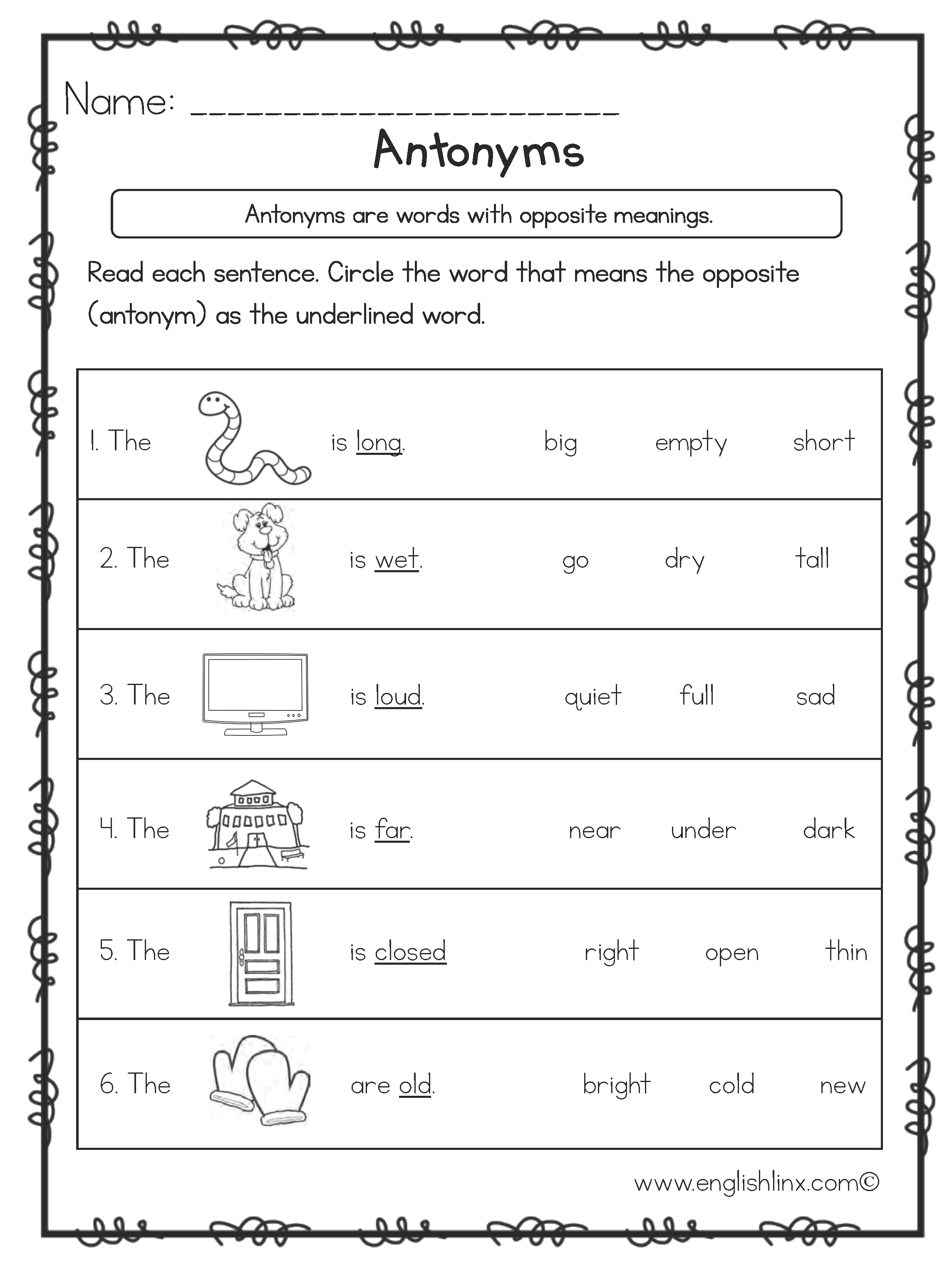
Opposite words activity: antonyms worksheets.
Unlocking Word Power: Different Types of Worksheets
There is a diverse range of synonyms and antonyms worksheets available, catering to various learning styles and preferences. For instance, some worksheets focus on word matches, where learners are presented with a word and must find its synonym or antonym from a given list. This activity helps reinforce the understanding of similar and opposite meanings.

Synonyms and antonyms: a PDF practice sheet.
Other worksheets may present antonym pairs, challenging learners to identify the relationship between words and their opposites. This type of exercise not only tests vocabulary knowledge but also sharpens critical thinking skills. Additionally, word puzzles and fill-in-the-blank activities add an element of fun while encouraging learners to think creatively about language.
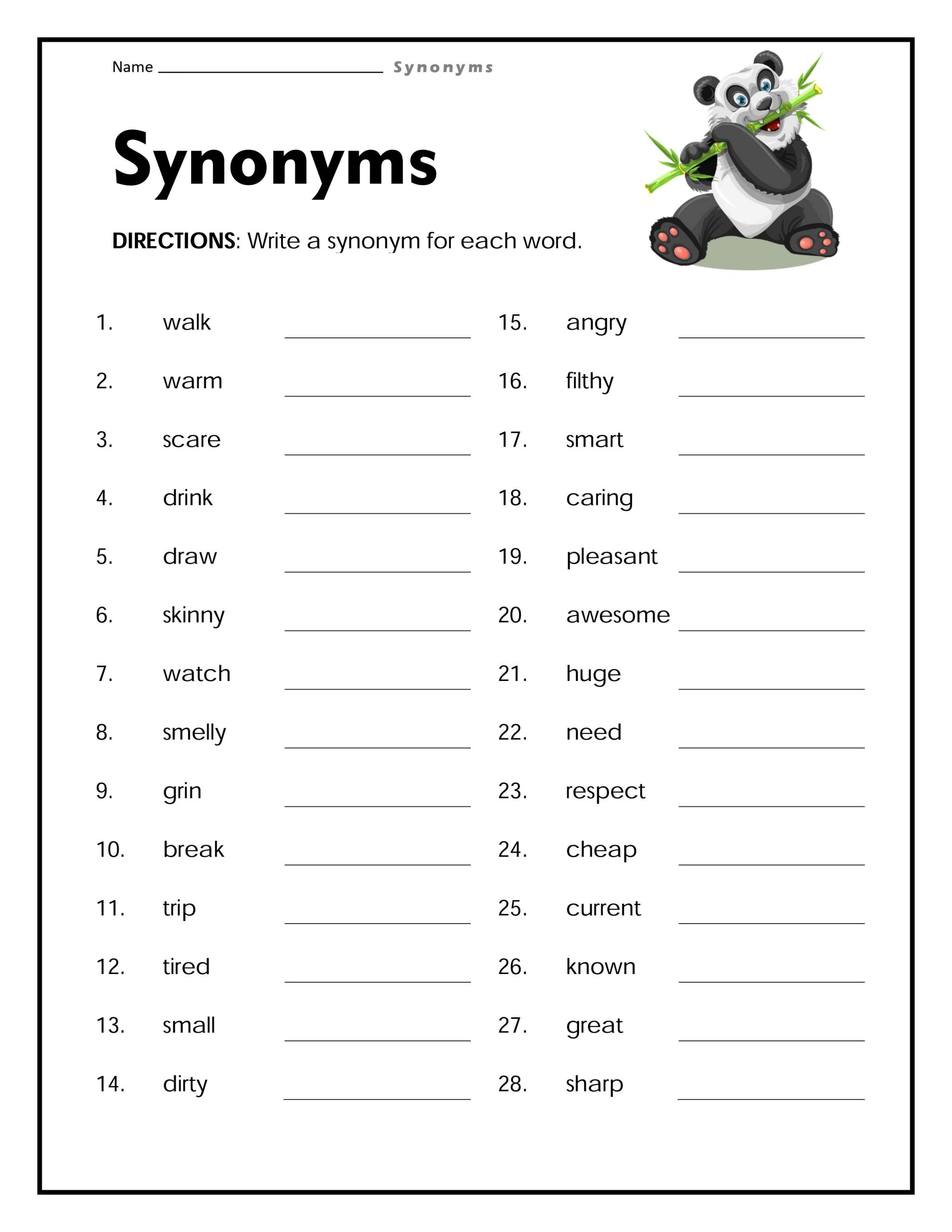
Improve vocabulary with this synonyms worksheet.
People Also Ask: What Are Some Synonyms and Antonyms Examples?
A common curiosity among learners is understanding the concept of synonyms and antonyms through real-world examples. Synonyms are words with similar meanings, like "happy" and "joyful," or "big" and "large." On the other hand, antonyms are words with opposite meanings, such as "hot" and "cold," or "begin" and "end." These examples demonstrate the power of synonyms and antonyms in conveying subtle differences and nuances in language.

Unlocking language power: antonym and synonym worksheets.
How to Choose and Use Synonyms and Antonyms Worksheets Effectively
When selecting synonyms and antonyms worksheets, it's essential to consider the learner's age and skill level. For younger students, such as those in synonyms and antonyms worksheets grade 1, simpler activities like matching words with pictures or basic word pairs can be a great starting point. As learners progress, worksheets can introduce more complex tasks, like creating sentences with specific synonyms or antonyms, or identifying the most appropriate word in a given context.

Warm-up with synonyms and antonyms: a PDF filler.
In a classroom setting, teachers can use these worksheets as a warm-up activity or as part of a larger language arts lesson. They can be completed individually, in pairs, or as a whole-class activity, fostering collaboration and discussion. For homeschooling or tutoring scenarios, these worksheets provide a structured yet flexible approach to language learning, allowing for personalized instruction and progress tracking.
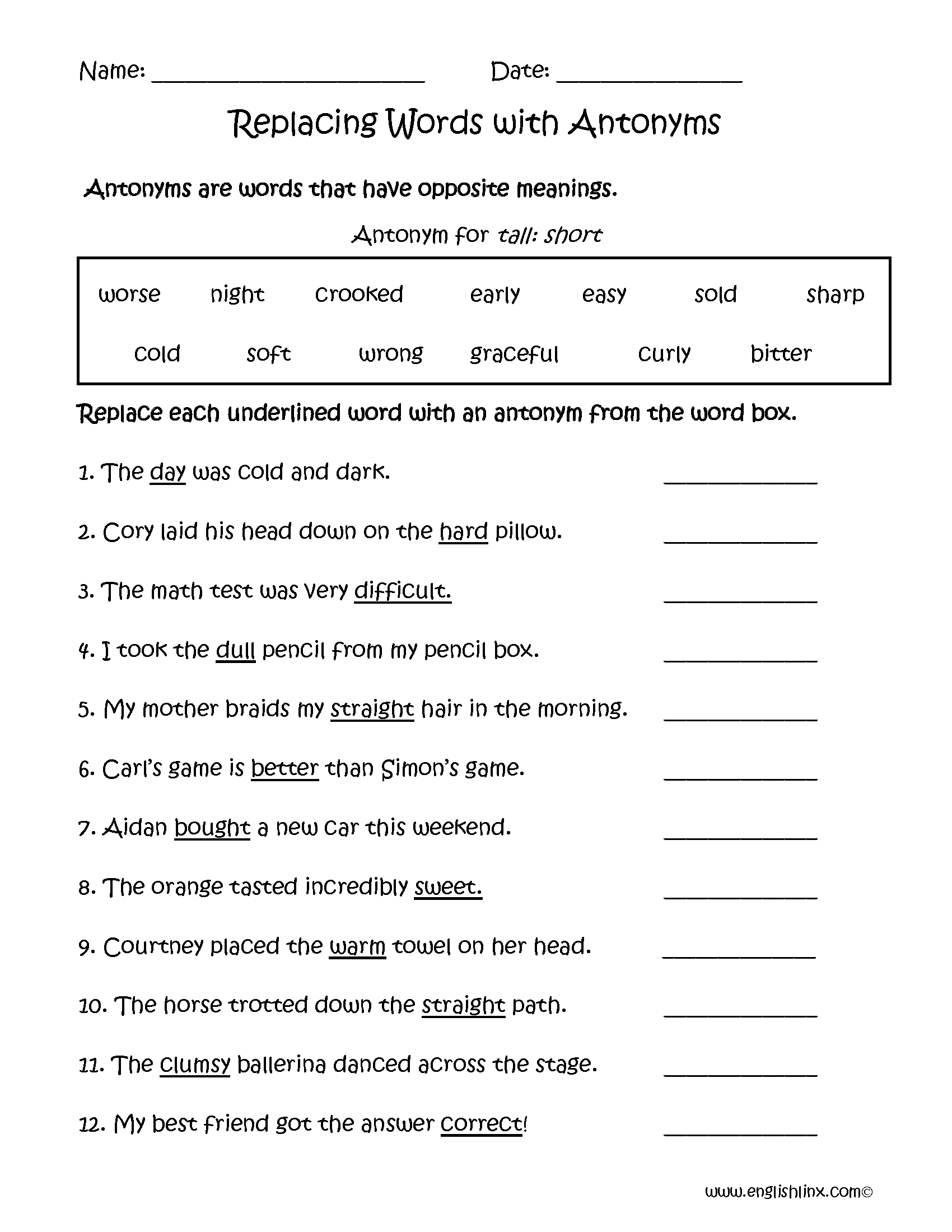
Grade 2: synonym and antonym practice.
Building Vocabulary and Critical Thinking Skills
One of the key benefits of synonyms and antonyms worksheets is their ability to enhance vocabulary and critical thinking skills. By exploring the relationships between words, learners develop a deeper understanding of language and its nuances. This skill is not only valuable for academic success but also for effective communication in everyday life.

Grade 4 English: synonyms and antonyms.
Moreover, these worksheets can be a fun way to introduce language arts concepts to younger learners. For instance, 17 Pattern Worksheets for Kindergarten can be a great precursor to exploring synonyms and antonyms, as it helps build a foundation for recognizing patterns and relationships, a skill that translates well to language learning.
Budget planning: not a synonym or antonym worksheet.
As learners progress, synonyms and antonyms worksheets can also be used to prepare for more advanced language tasks, such as writing essays or analyzing literary texts. By practicing with these worksheets, students can develop a richer vocabulary and a sharper eye for language, which will serve them well in their academic and personal pursuits.
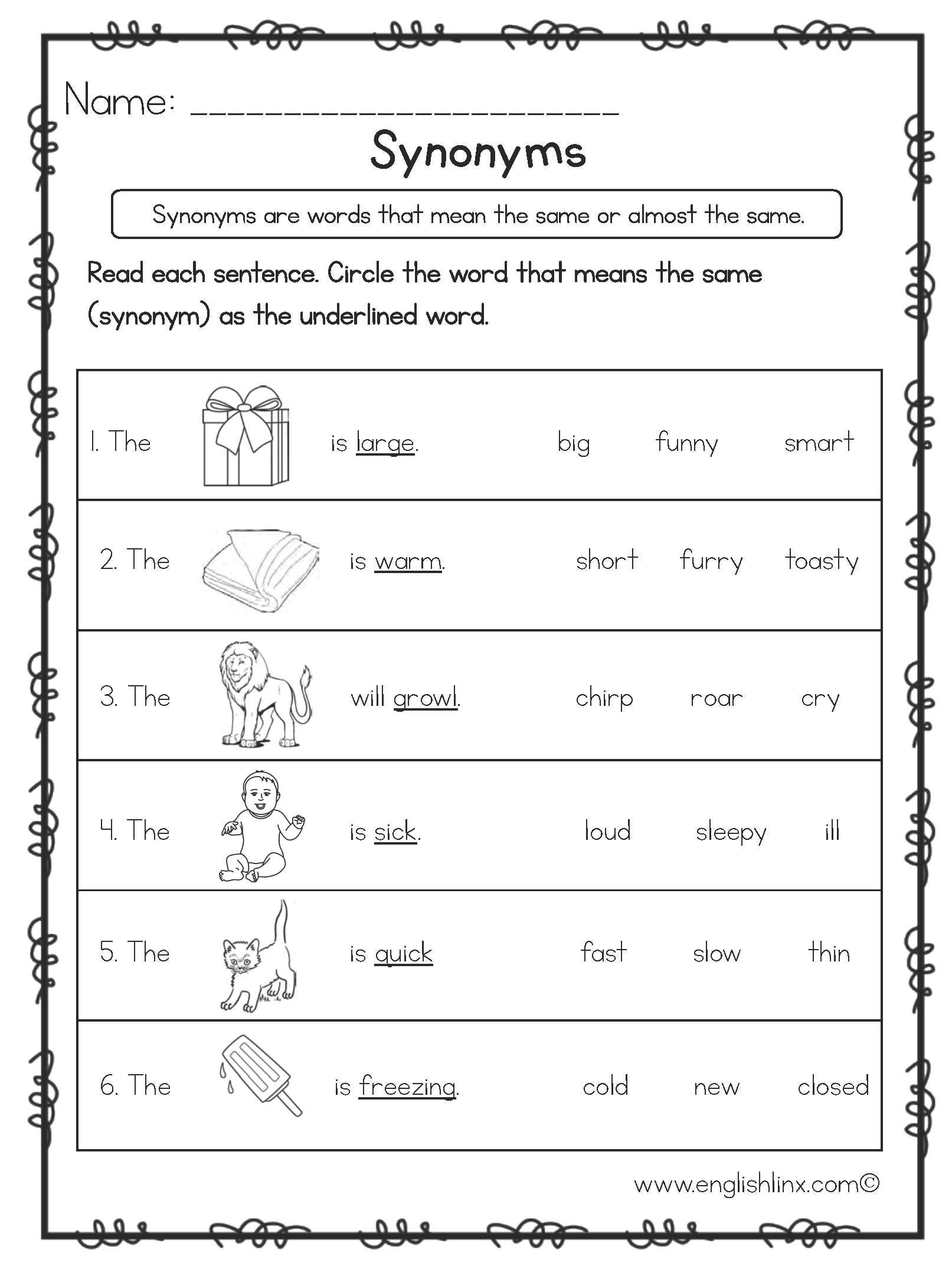
Free printable: synonyms and antonyms practice.
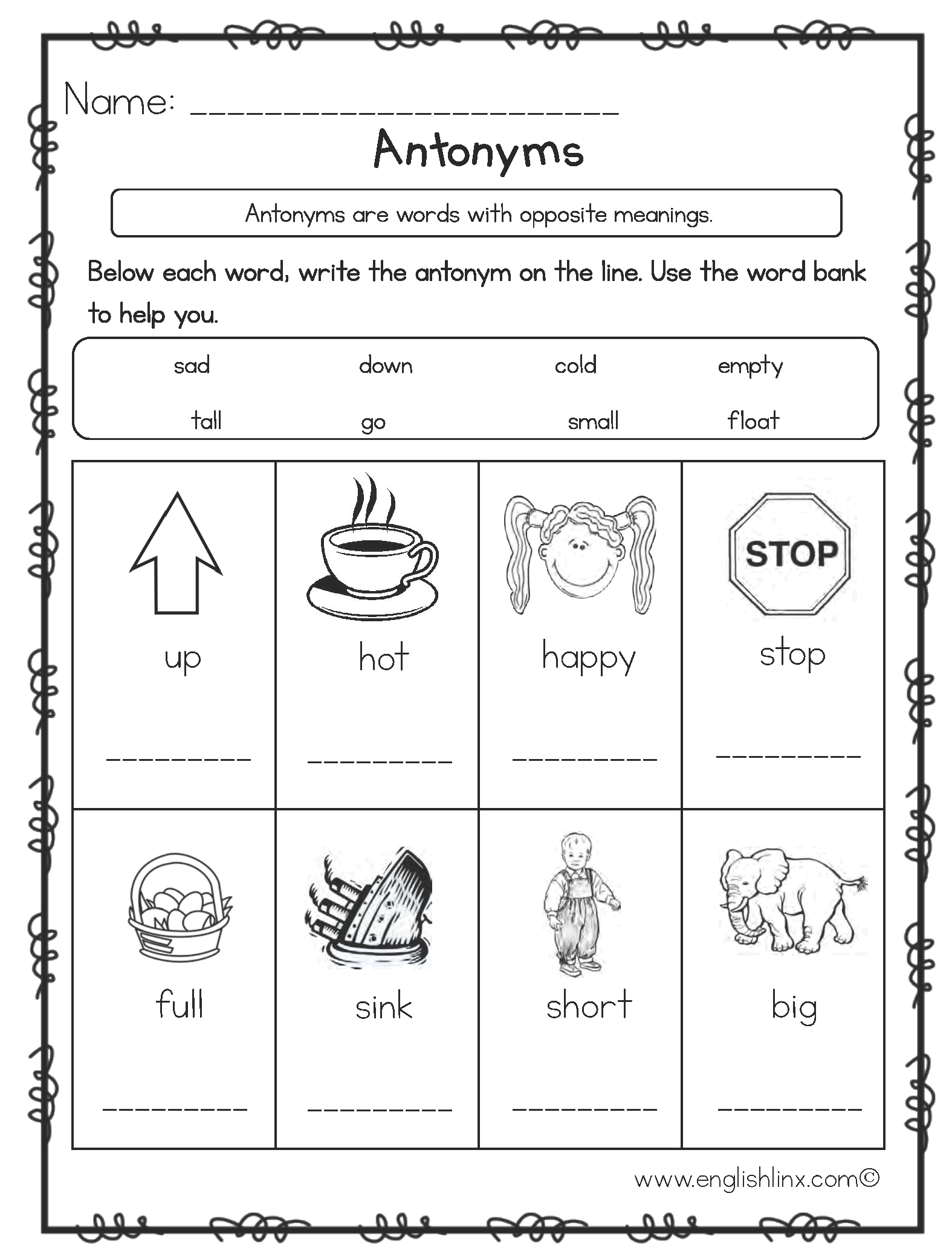
Opposite word activities: antonyms worksheets.

Wordle and Scrabble: 5-letter words with vowels.
Hey there! We've explored the wonderful world of synonyms and antonyms and how these worksheets can really spice up your language learning journey. It's an enjoyable way to expand your vocabulary and have some fun with words.
So, why not give it a go? Print out a worksheet, gather your pens and pencils, and dive into the world of words. It's a great way to keep your language skills sharp and discover new and exciting ways to express yourself. Leave a comment or share your experience below; we'd love to hear how you get on and any tips you might have for fellow language enthusiasts!
Identify synonyms and antonyms in this ESL exercise.

Read also: 30 Free Addition Worksheets for Grade 1