


Social Skills Worksheets For Adults Template Overview
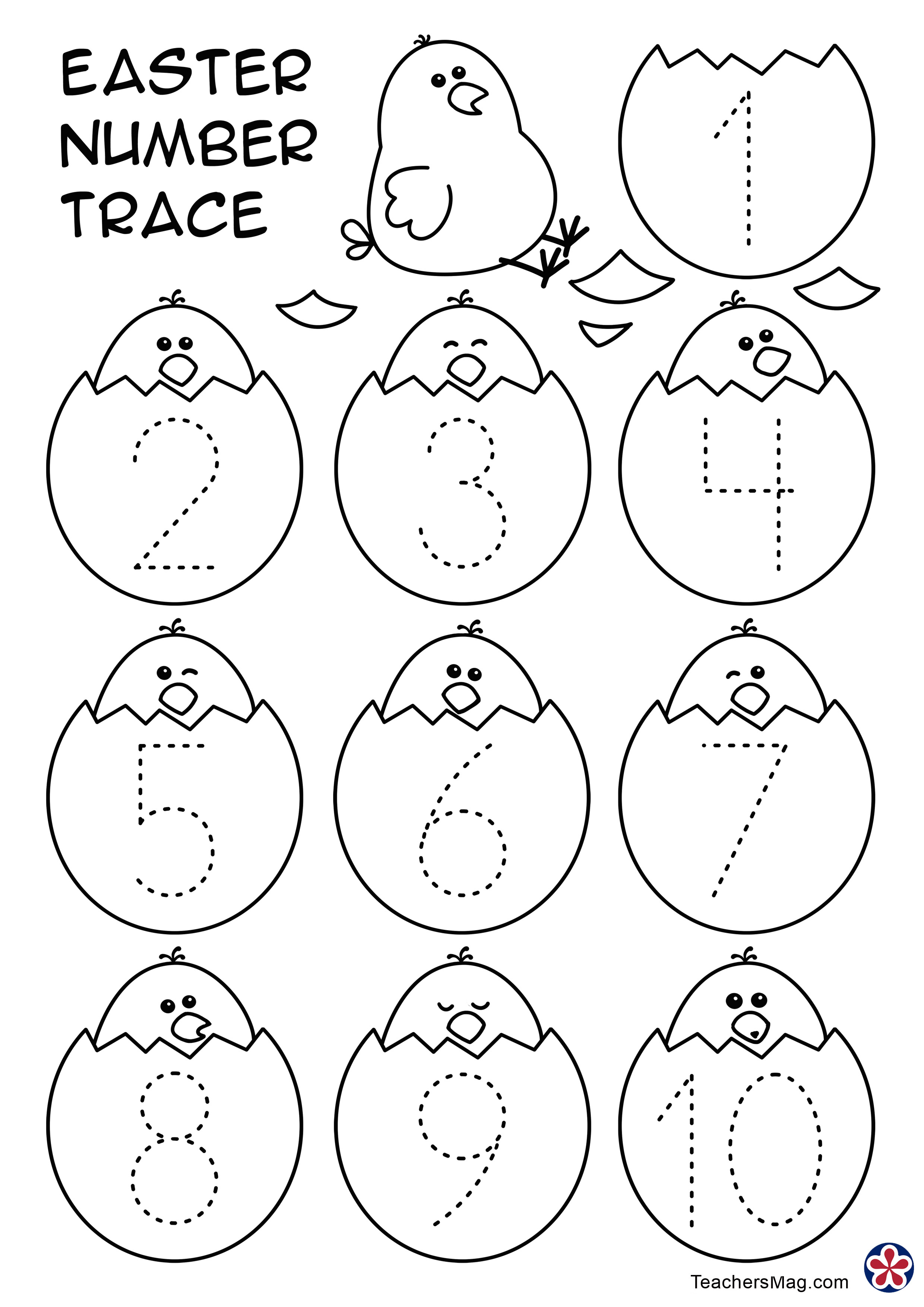
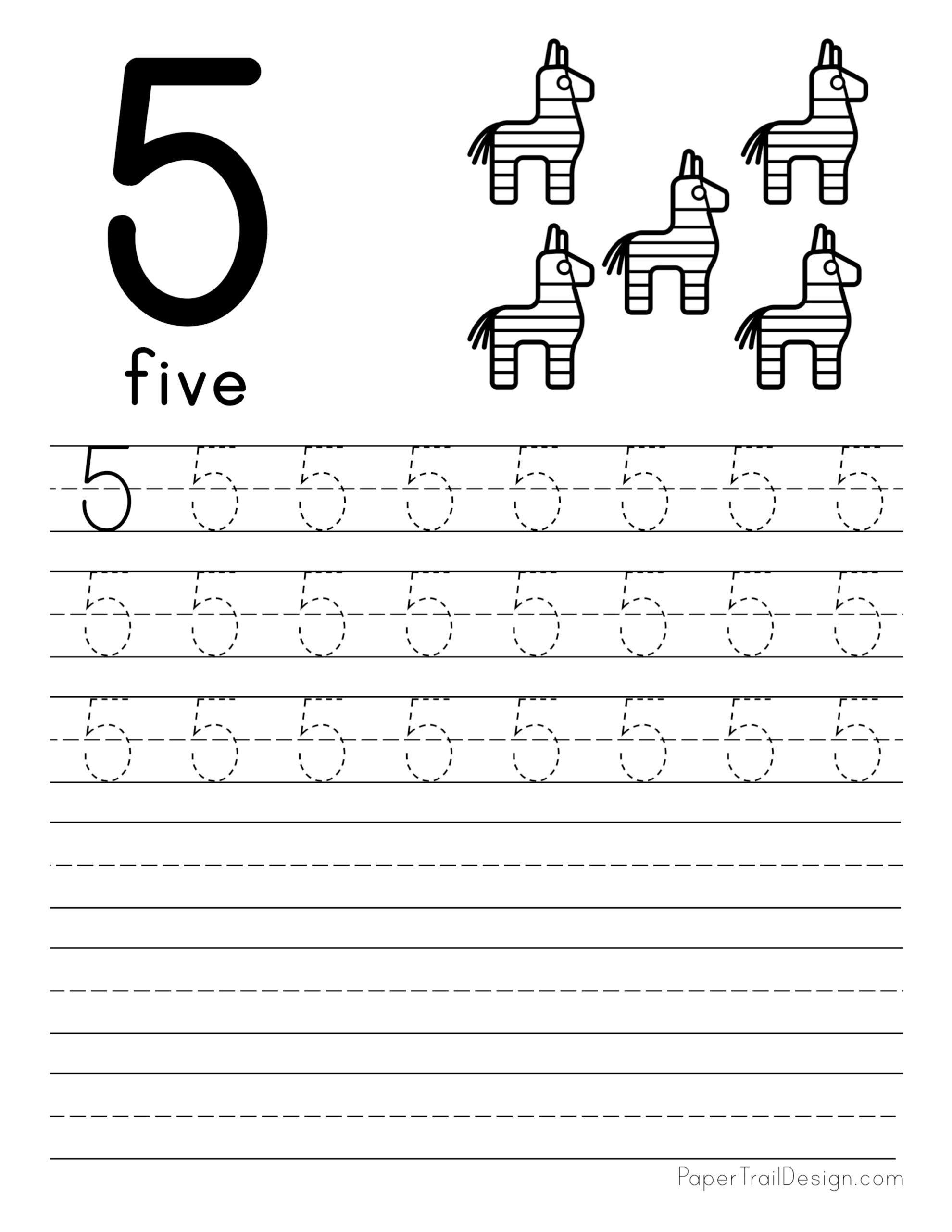
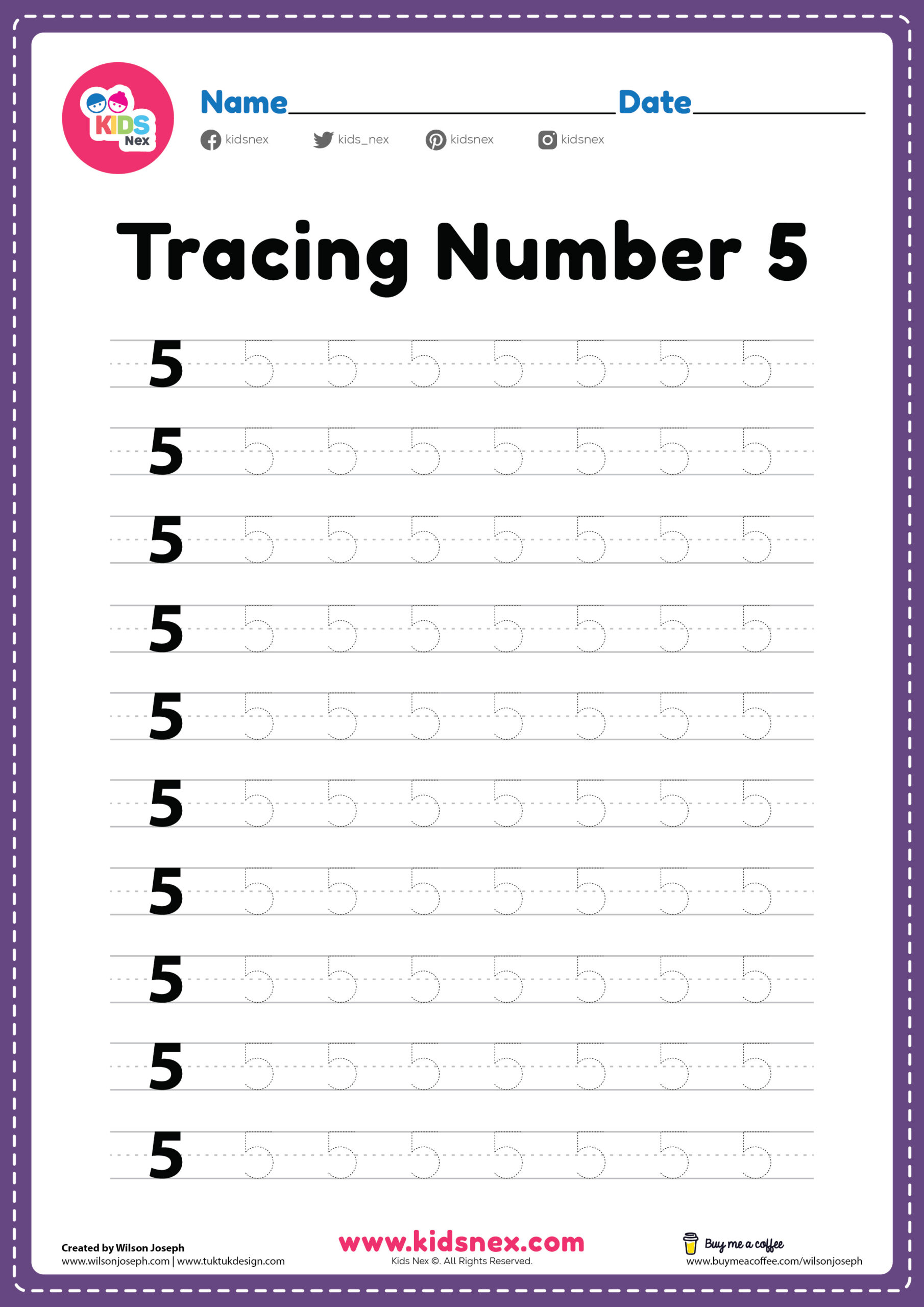
Teaching kids numbers doesn’t have to be a snooze fest. Kindergarten worksheets number tracing are your secret weapon, but here’s the thing—not all sheets are created equal. Some are cluttered, confusing, and honestly, just plain boring. If you’ve ever watched a kid’s eyes glaze over while tracing a poorly designed worksheet, you know the struggle.
Right now, as kids are bouncing off the walls with energy, you need tools that grab their attention and hold it. These aren’t just worksheets; they’re the bridge between chaos and focus. Every line they trace is a step toward confidence, every number a small victory. But let’s be real—if it’s not engaging, it’s not working.
Stick around, and you’ll discover why the right worksheets can turn number tracing from a chore into a highlight. We’re talking about designs that spark curiosity, formats that build skills without frustration, and tips to make it all seamless. Spoiler: it’s not just about the numbers.
The Part of Number Tracing Worksheets Most People Get Wrong
When it comes to kindergarten worksheets for number tracing, most parents and educators focus solely on the numbers themselves. But here’s the thing: it’s not just about forming the digits. The real value lies in building fine motor skills and hand-eye coordination. Too often, worksheets are rushed through, missing the opportunity to strengthen those tiny muscles in a child’s hand. Without this foundation, writing numbers—or anything else—becomes a struggle. So, slow down. Encourage your child to trace slowly, focusing on the motion rather than speed. This small shift makes a world of difference.
Why Slow Tracing Matters
Slow tracing isn’t just about perfection; it’s about muscle memory. When kids take their time, they’re training their hands to follow lines and curves, skills essential for writing letters and numbers later. Think of it like teaching a child to ride a bike—you don’t start with speed; you start with balance. The same principle applies here. Plus, it reduces frustration, making learning feel less like a chore and more like play.
The Role of Repetition
Repetition is key, but it’s often misunderstood. It’s not about doing the same worksheet five times in a row. Instead, mix it up. Use dotted lines, arrow guides, or even themed worksheets that incorporate numbers into fun designs. This keeps the activity engaging while reinforcing the same skills. For example, a worksheet with a path of numbers leading to a treasure chest can make tracing feel like an adventure rather than a task.
Actionable Tips to Make Number Tracing Stick
Incorporate Multi-Sensory Learning
Here’s a tip nobody tells you: combine tracing with other senses. Before handing over a worksheet, let your child trace numbers in sand, shaving cream, or even playdough. This tactile experience reinforces the shape of the numbers in their mind. Once they’ve felt it, tracing on paper becomes easier. It’s a simple step, but it bridges the gap between abstract and concrete learning.
Use Real-World Connections
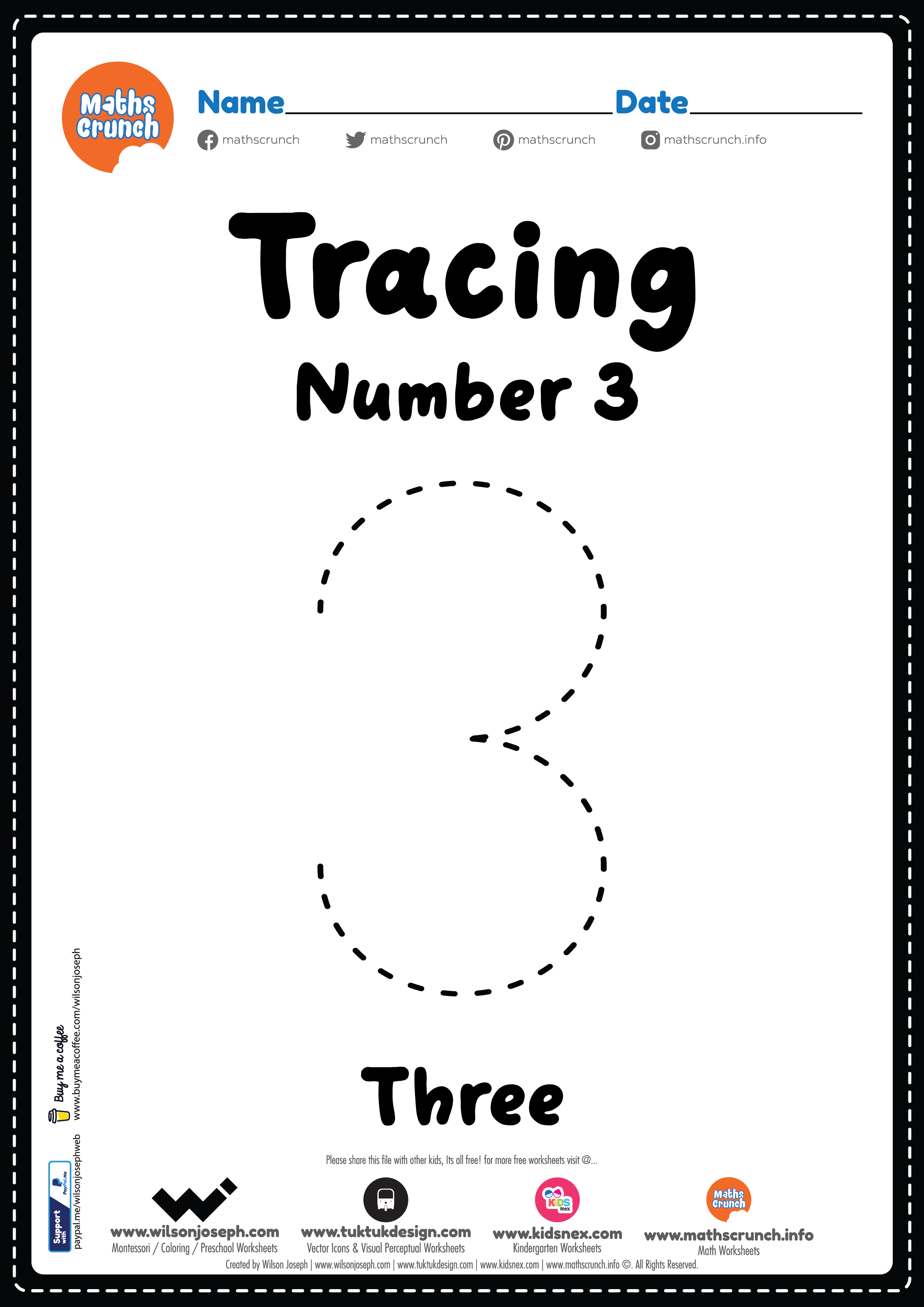
Numbers aren’t just symbols on a page; they’re part of everyday life. Point out numbers in the real world—on clocks, street signs, or grocery lists. Then, bring that connection back to the worksheet. For instance, after tracing the number 3, ask, “How many apples are in the bowl?” This real-world application makes tracing feel purposeful, not just an exercise.
Celebrate Small Wins
Finally, don’t underestimate the power of encouragement. A simple “Great job on that curve!” can boost confidence more than you think. Kids thrive on positive feedback, especially when learning something new. So, here’s what nobody tells you: the goal isn’t perfection—it’s progress. Celebrate the small wins, and watch how quickly they grow.
Your Child's Future Starts with Small Steps Today
In the grand journey of learning, every little step counts. The skills your child develops now, like number recognition and fine motor control, are the building blocks for future success. Imagine the confidence they'll gain when they master these early milestones—confidence that will carry them through more complex challenges in school and beyond. By incorporating kindergarten worksheets number tracing into their routine, you're not just teaching numbers; you're fostering a love for learning and setting the stage for lifelong curiosity.
You might wonder if it’s too early to focus on these skills, or if your child is ready. Here’s the truth: it’s never too early to start, and every child learns at their own pace. These worksheets are designed to be engaging and adaptable, ensuring your little one stays interested without feeling overwhelmed. Think of it as a gentle nudge in the right direction, not a race to the finish line. The key is consistency and patience, and the rewards will speak for themselves.
Ready to take the next step? Browse our gallery of kindergarten worksheets number tracing and find the perfect fit for your child’s learning style. Bookmark this page for easy access, or share it with a fellow parent who might find it helpful. Every small action today is an investment in your child’s brighter tomorrow. Let’s make learning an adventure they’ll love—starting right now.
Related: Week 3 Kindergarten Worksheets: Free Printable Fun Learning Pack
Your kid’s been in kindergarten for a few weeks now, and kindergarten worksheets week 3 is staring you down like a final exam you forgot to study for. Honestly, it’s not just about the worksheets—it’s about keeping their momentum going, their curiosity alive, and their tiny brains engaged without turning your living room into a battleground. Week 3 is that sweet spot where the novelty of school might start to wear off, but the routine hasn’t fully set in yet. It’s make-or-break time, and you’re here because you know it.
Look, we’ve all been there—sitting at the kitchen table, trying to explain why the letter “B” isn’t just a backward “D.” The truth is, Week 3 worksheets aren’t just about tracing lines or counting apples; they’re about building habits, fostering independence, and proving to your kid that learning can be fun (even if they’re secretly rolling their eyes at another coloring page). This is the week where you either nail it or start Googling “how to bribe a 5-year-old with goldfish crackers.”
So, what’s the secret sauce? How do you turn these worksheets from a chore into something they actually look forward to? Stick around, because we’re about to spill the beans on how to make Week 3 less of a struggle and more of a win—for both of you. And hey, if you’re wondering why I just spent 30 seconds debating whether “goldfish crackers” should be capitalized, welcome to my brain.
The Part of Kindergarten Worksheets Week 3 Most People Get Wrong
When it comes to kindergarten worksheets week 3, most parents and educators focus solely on the academic skills being taught. While mastering letters, numbers, and shapes is crucial, here’s what nobody tells you: the real value lies in fostering independence and problem-solving. Many worksheets are designed to be completed with minimal adult intervention, but too often, well-meaning adults hover, correct, or even complete tasks for their little ones. This undermines the very skills we’re trying to build. Let kids struggle a bit—it’s how they learn to think critically and persevere. For instance, if a child is stuck on a pattern worksheet, instead of giving the answer, ask guiding questions like, “What comes next? Why?” This simple shift turns a passive activity into an active learning experience.
Why Independence Matters More Than You Think
Independence isn’t just about completing tasks alone; it’s about building confidence and self-reliance. When children tackle week 3 worksheets on their own, they begin to trust their abilities. This is especially important in kindergarten, where the transition from play-based learning to structured activities can feel overwhelming. A great way to encourage this is by setting up a “workstation” at home with all the materials they need—pencils, erasers, and worksheets—so they can take ownership of their tasks. *And yes, that actually matters* for their long-term development.
The Hidden Gem in Week 3: Fine Motor Skills
While academic skills grab the spotlight, fine motor development is the unsung hero of kindergarten worksheets week 3. Activities like tracing lines, cutting shapes, and coloring within the lines strengthen the small muscles in a child’s hands, which are essential for writing. Here’s an actionable tip: pair worksheets with hands-on activities like playdough or lacing cards. This reinforces the same skills in a more engaging way. For example, after tracing letters on a worksheet, have your child form those letters with playdough. This multi-sensory approach deepens learning and keeps kids motivated.
How to Make Kindergarten Worksheets Week 3 Actually Fun
Let’s face it: worksheets can feel repetitive, even for adults. But with a little creativity, they can become a highlight of your child’s day. The key is to gamify the process. Turn a sorting activity into a race against the clock or use stickers as rewards for completed tasks. Another trick is to incorporate storytelling. For instance, if a worksheet involves counting objects, create a narrative: “Oh no! The zoo lost its animals. Can you help count how many are missing?” This not only makes the task more engaging but also helps children see the real-world application of what they’re learning.
The Power of Positive Reinforcement
Positive reinforcement can transform how children approach kindergarten worksheets week 3. Instead of focusing on mistakes, celebrate effort and progress. Phrases like, “I love how you tried different ways to solve that!” encourage a growth mindset. Keep a “success board” where completed worksheets are displayed, giving kids a sense of pride and accomplishment. This simple practice can turn reluctant learners into eager participants.
When to Step Back and Let Them Lead
As much as we want to guide our children, sometimes the best thing we can do is step back. Allow them to take the lead, even if it means they don’t complete a worksheet “perfectly.” This autonomy teaches them to manage their own learning, a skill that will benefit them far beyond kindergarten. Remember, the goal isn’t flawless worksheets—it’s fostering curious, confident learners who are excited to explore new challenges.
Your Child's Learning Journey Starts Here
As you reflect on the importance of early education, remember that every small step counts in your child's development. The skills they build today—whether it’s recognizing letters, counting numbers, or practicing fine motor skills—lay the foundation for their future success. Kindergarten worksheets week 3 isn’t just another set of pages; it’s a tool to keep their momentum going, to spark curiosity, and to make learning feel like an adventure. This is your chance to be part of that journey, to watch them grow and thrive, one worksheet at a time.
You might wonder if it’s too much, too soon, or if your child is ready for this next step. Here’s the truth: every child learns at their own pace, and that’s okay. These worksheets are designed to be flexible, engaging, and adaptable to where your little one is right now. There’s no pressure—just the joy of discovery and the pride of progress. Trust that you’re giving them exactly what they need to flourish.
Ready to take the next step? Browse the gallery of kindergarten worksheets week 3, bookmark this page for easy access, or share it with a fellow parent who’s on this journey with you. Every moment you invest in their learning today is a gift they’ll carry with them tomorrow. Let’s make it count.
Related: Free Printable Kindergarten Worksheets for Number 5 (PDF)
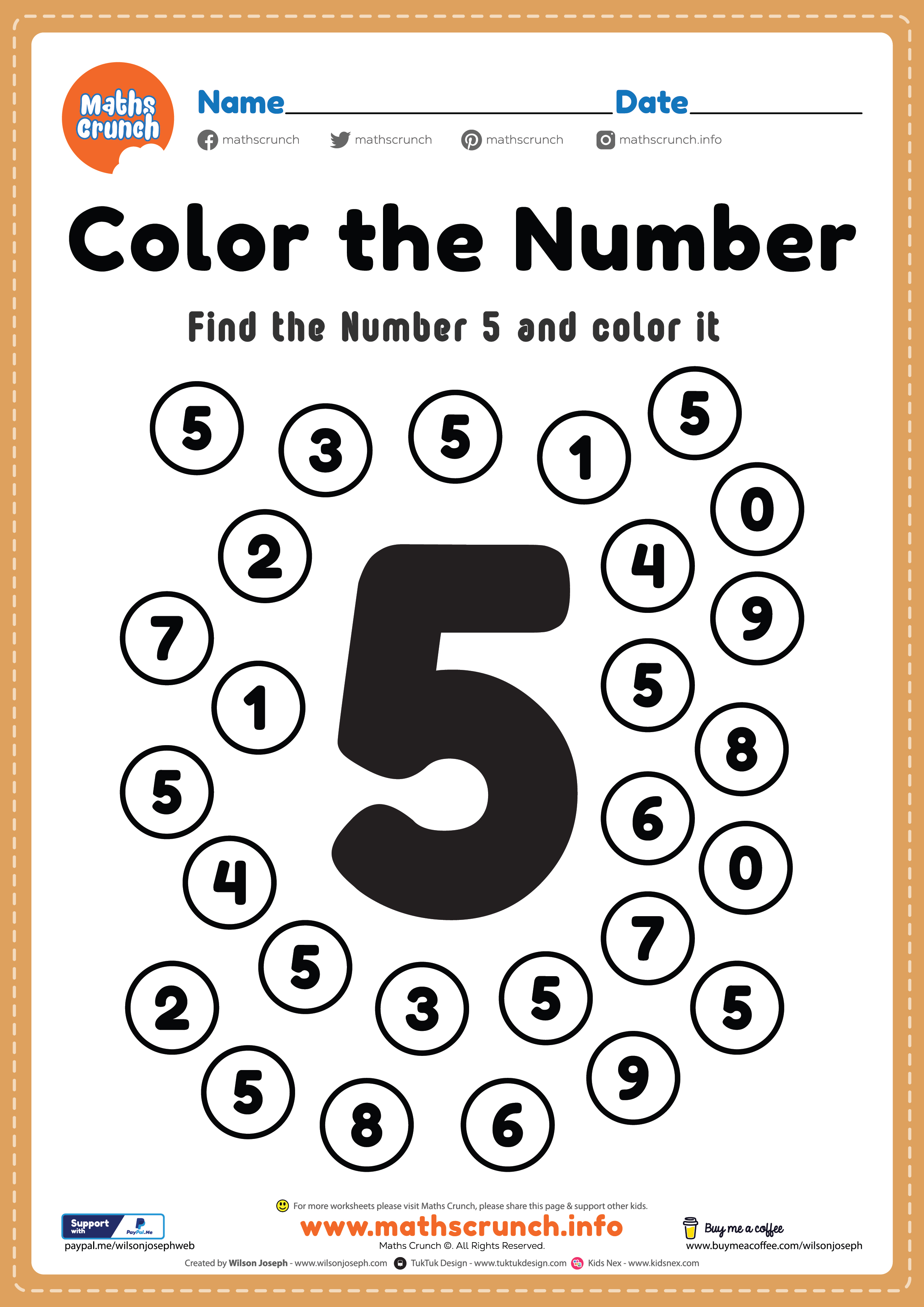
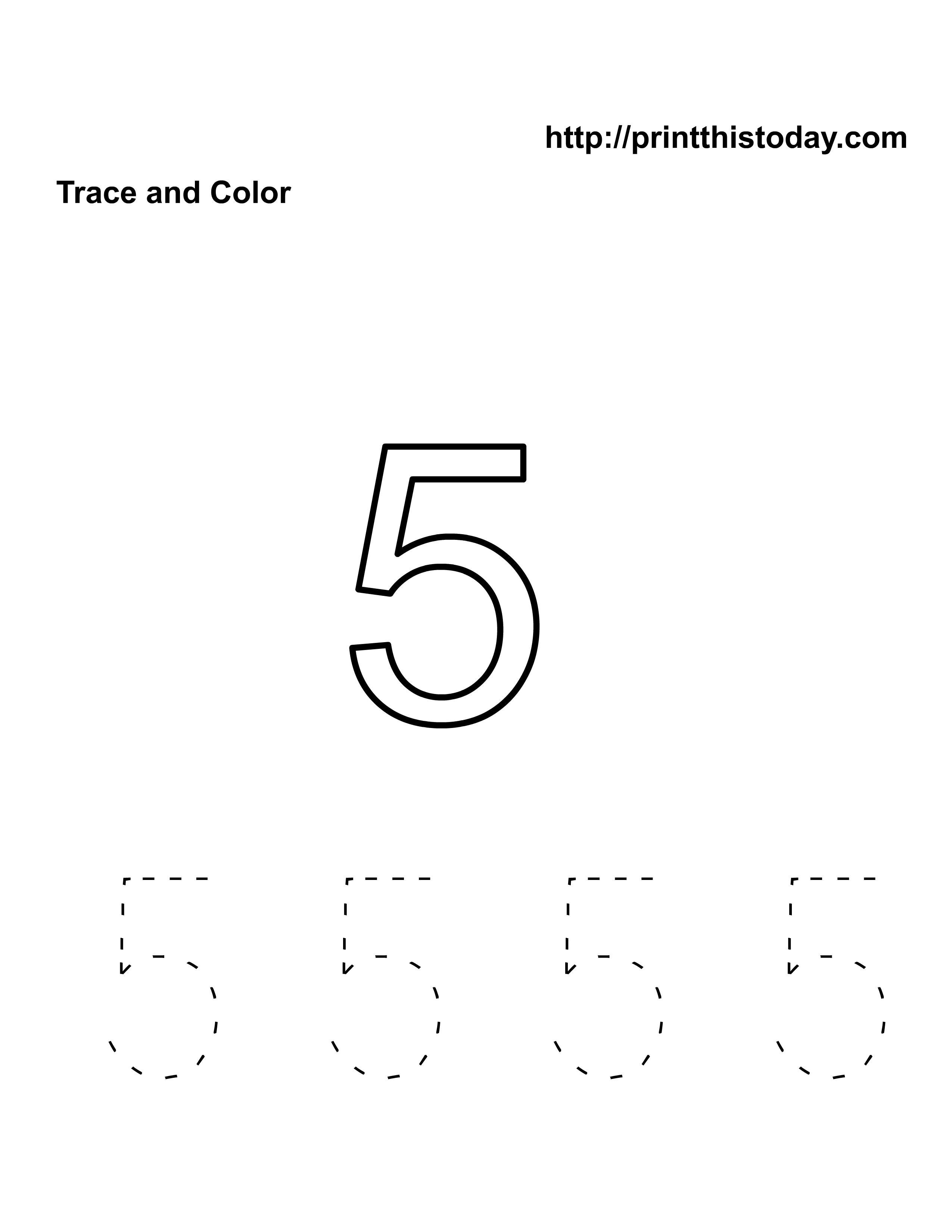
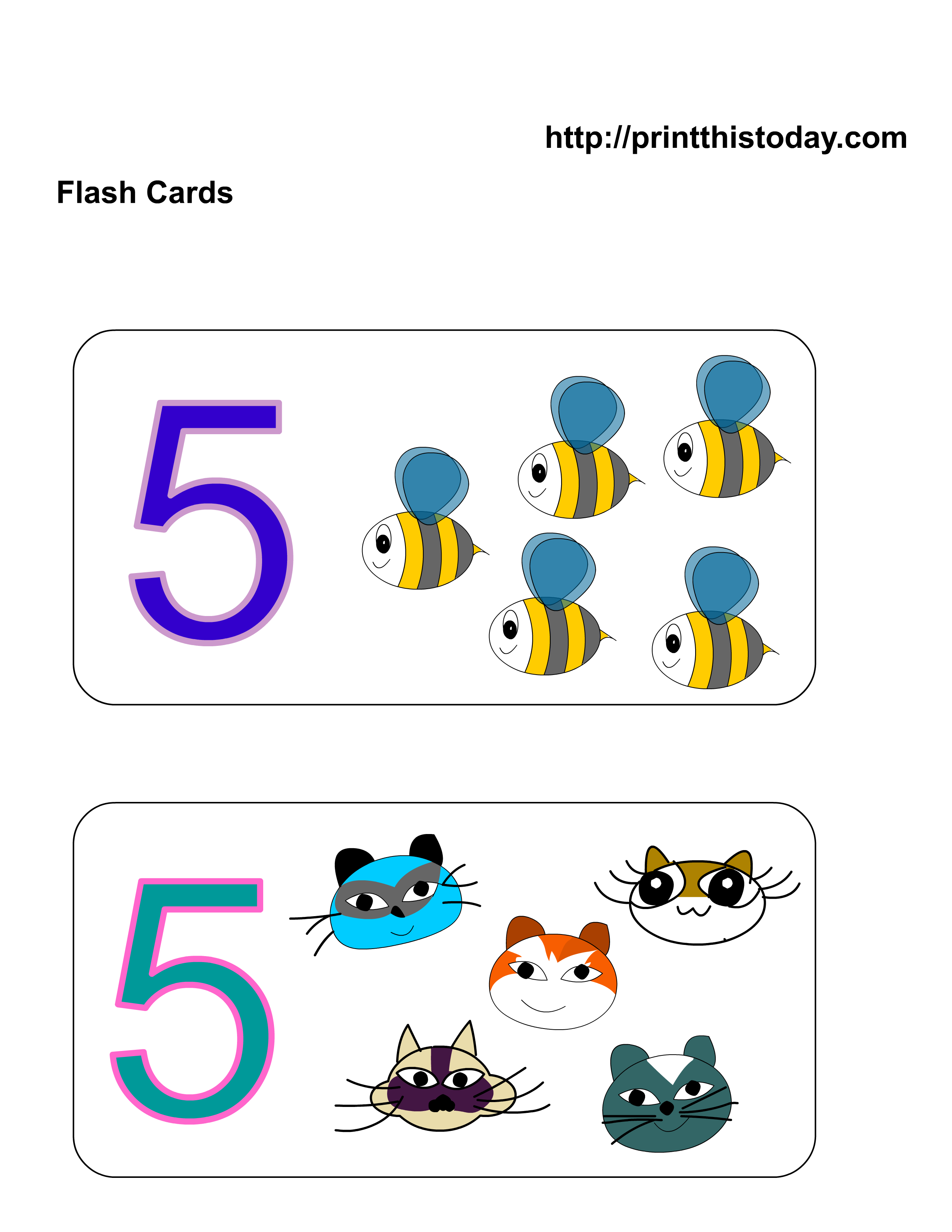
Teaching numbers to kindergarteners can feel like herding cats on a sugar high. Kindergarten worksheets number 5 might seem like a small detail, but honestly, it’s a make-or-break moment in their early math journey. Skip this step, and you’re setting them up for confusion later. Nail it, and you’ve got a foundation that sticks.
Here’s the thing: kids this age learn best when it’s hands-on and fun. If your worksheets are boring or too complex, they’ll tune out faster than you can say “recess.” But get it right, and you’re not just teaching a number—you’re building confidence, curiosity, and a love for learning. That’s why the right approach matters now, not later.
Stick around, and you’ll discover why kindergarten worksheets number 5 aren’t just about tracing and counting. There’s a method to the madness, and it’s simpler than you think. Plus, I’ll share a few tricks that’ll make your life easier and keep those little brains engaged. Look—this isn’t just about worksheets; it’s about setting them up for success in a way that feels effortless.
The Part of Kindergarten Worksheets Number 5 Most People Get Wrong
When it comes to teaching numbers, especially the number 5, most kindergarten worksheets focus on tracing and counting. While these are essential skills, they often overlook the importance of real-world application. Here’s what nobody tells you: kids learn best when they connect numbers to their daily lives. For instance, instead of just tracing the number 5, try asking your child to find five objects in the room. This simple activity bridges the gap between abstract learning and practical understanding. *And yes, that actually matters*—it makes the concept stickier and more meaningful.
Why Tracing Alone Isn’t Enough
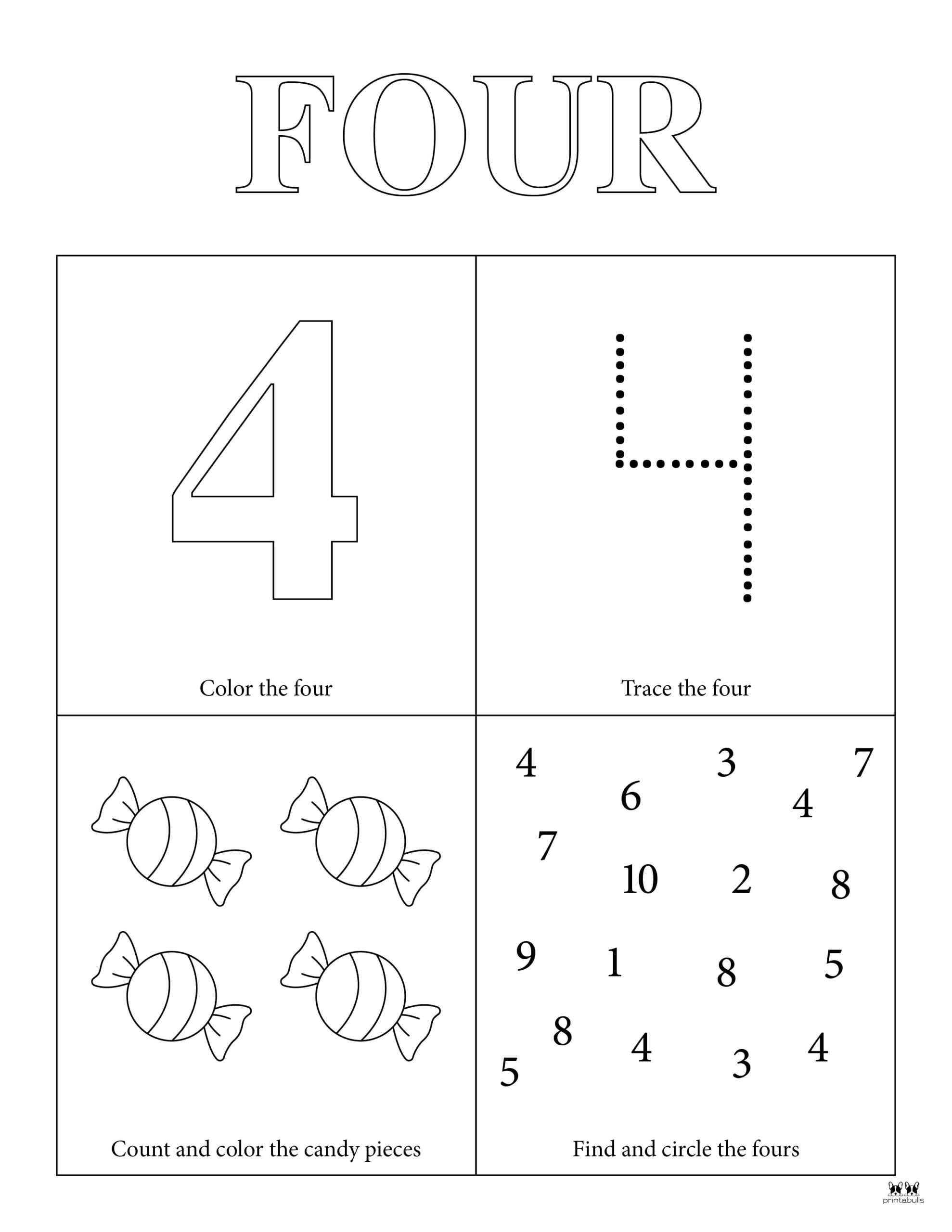
Tracing the number 5 is a common exercise in kindergarten worksheets, but it’s only one piece of the puzzle. Children need to develop number sense, which includes recognizing, counting, and comparing. A worksheet that only focuses on tracing might leave them unprepared for more complex tasks like addition or subtraction later on. Incorporating activities like grouping objects into sets of five or identifying the number 5 in different fonts can make a significant difference.
The Power of Play-Based Learning
One of the most effective ways to teach the number 5 is through play. For example, a simple game of dice can reinforce counting skills. Roll a die and have your child count out that many objects. If they roll a 5, they gather five blocks or toys. This not only makes learning fun but also engages multiple senses, which is crucial for young learners. Play-based activities are often overlooked in traditional worksheets but can be easily integrated into your routine.
How to Choose the Right Kindergarten Worksheets Number 5
Not all worksheets are created equal. When selecting kindergarten worksheets for the number 5, look for ones that offer variety. A good worksheet should include tracing, counting, and recognition activities, but it should also go beyond that. For instance, worksheets that incorporate shapes or patterns alongside the number 5 can enhance spatial awareness and critical thinking. Avoid worksheets that feel repetitive or lack creativity—kids thrive on novelty.
Key Features to Look For
- Interactive Elements: Worksheets with cut-out activities or matching games.
- Real-Life Connections: Exercises that relate the number 5 to everyday objects or scenarios.
- Progressive Difficulty: Start with simple tracing and gradually introduce more complex tasks.
A Real-World Example That Works
Here’s an actionable tip: use a snack-time activity to teach the number 5. Give your child five pieces of fruit or crackers and ask them to arrange them in a group. Then, have them count the items aloud. This not only reinforces counting but also associates the number with a tangible experience. It’s a simple yet effective way to make learning memorable.
Your Next Step Starts Here
Teaching young minds to recognize and understand numbers is more than just a classroom activity—it’s a foundational step toward their future success. Whether it’s counting objects, solving simple problems, or building confidence in their abilities, the skills they develop now will ripple into every area of their learning journey. Kindergarten worksheets number 5 aren’t just about the number itself; they’re about fostering curiosity, independence, and a love for learning. By incorporating these tools into their routine, you’re not just teaching a digit—you’re shaping a mindset.
You might wonder if these worksheets are truly worth the effort, especially when there are so many other activities vying for your child’s attention. But here’s the truth: consistency in small, focused tasks builds big results. These worksheets are designed to be engaging and accessible, ensuring that learning feels like play. Even if it’s just a few minutes a day, the repetition and reinforcement will make a noticeable difference in their number recognition and confidence.
Ready to take the next step? Browse our gallery of kindergarten worksheets number 5 and find the perfect fit for your little learner. Bookmark this page for easy access, or share it with a fellow parent who could use a helping hand. Every small action today sets the stage for their bright, curious future. Let’s make learning count—together.


