




Simplifying Radicals Worksheet Grade 2 Overview
Remember when cursive writing felt like a dying art? Cursive letter worksheets free of charge are here to prove that it’s not just surviving—it’s thriving. Honestly, in a world where typing dominates, there’s something undeniably charming about the fluidity of cursive. It’s not just about nostalgia; it’s about preserving a skill that adds a personal touch to everything from notes to signatures.
Here’s the thing: cursive isn’t just for grandparents or fancy invitations anymore. Kids today are missing out on a foundational skill that sharpens fine motor skills and boosts cognitive development. And let’s be real—there’s a certain pride in watching someone master those elegant loops and swirls. Whether you’re a parent, teacher, or just someone who appreciates the art of handwriting, this is your moment to make a difference.
What if I told you that mastering cursive could be as simple as a few well-designed worksheets? Stick around, and you’ll discover how these resources can turn a seemingly outdated skill into something engaging, accessible, and—dare I say—fun. Look, it’s not just about writing; it’s about reconnecting with a piece of history that still has a place in our modern lives.
The Part of cursive letter worksheets free Most People Get Wrong
When it comes to teaching cursive writing, many educators and parents rely on worksheets to help students practice their skills. However, **the key to effective cursive instruction** lies not just in the worksheets themselves, but in how they are used. You see, the way we teach cursive can either make or break a student's ability to write legibly. For instance, simply handing out cursive letter worksheets free without proper guidance can lead to poor handwriting habits that are difficult to break. A better approach would be to use these worksheets as a supplement to hands-on instruction and feedback.
Understanding the Basics of Cursive Writing
Cursive writing is not just about connecting letters; it's about developing muscle memory and fine motor skills. **The correct grip and posture** are essential for producing legible cursive script. Moreover, it's crucial to introduce cursive letters in a logical sequence, starting with simple strokes and gradually moving on to more complex ones. By doing so, students can build a strong foundation in cursive writing and avoid developing bad habits.
Using Worksheets Effectively
To get the most out of cursive letter worksheets free, it's essential to use them in conjunction with other teaching methods. For example, you can start by having students practice individual letters, then move on to short words and phrases. One actionable tip is to have students practice writing with their non-dominant hand to improve dexterity and coordination. This can be a fun and challenging exercise that helps students develop their fine motor skills.
Overcoming Common Challenges in Cursive Instruction
Troubleshooting Common Mistakes
Despite the best efforts of educators and parents, students may still struggle with cursive writing. One common mistake is reversing or misforming letters. To address this issue, it's essential to provide individualized feedback and guidance. By using cursive letter worksheets free in conjunction with one-on-one instruction, you can help students identify and correct their mistakes. Additionally, you can use
| Letter | Common Mistake | Correction |
|---|---|---|
| b | Reversing the letter | Practice writing the letter with the correct orientation |
| d | Misforming the letter | Focus on the correct stroke sequence |
Here's What Makes the Difference
As we conclude our exploration of handwriting techniques, it's essential to remember that the ability to write in cursive is not just a nostalgic skill, but a vital part of our cognitive and creative development. In the bigger picture of our lives, being able to express ourselves through handwriting can have a profound impact on our self-expression, communication, and even our professional success. Whether you're a student, a professional, or simply someone who values the art of writing, having access to cursive letter worksheets free can be a game-changer.
Some of you might be thinking, "But I'm not sure if I have the time or patience to practice cursive writing." What if it's easier than you think? The truth is, with consistent practice and the right resources, anyone can improve their cursive writing skills. Don't let doubts hold you back from experiencing the benefits of cursive writing.
Now that you've learned about the importance of cursive writing, take the next step by browsing our collection of cursive letter worksheets free and start practicing today. You can also bookmark this page for future reference or share it with someone who might benefit from it. Remember, every small step counts, and with dedication and practice, you can master the art of cursive writing.
Related: Free Printable Kindergarten Worksheets (PDF) for Fun Learning
Your kid’s first year of school is no joke. Between learning letters, numbers, and how to sit still for more than five minutes, it’s a lot. Kindergarten worksheets activity pdf can feel like a lifeline—but let’s be real, not all of them are created equal. Some are boring, some are confusing, and some just don’t hit the mark. Here’s the thing: your child deserves better than generic, one-size-fits-all printables.
Right now, as your little one navigates this big transition, every minute counts. You’re juggling work, meals, and bedtime routines, and the last thing you need is to waste time on worksheets that don’t deliver. These aren’t just pages to keep them busy—they’re tools to build foundational skills, spark curiosity, and make learning feel like play. But finding the right ones? That’s the hard part.
Stick around, and you’ll discover how to spot the good stuff, why some worksheets actually backfire, and how to turn these simple pages into moments of connection and growth. Trust me, it’s not just about tracing letters—it’s about setting the stage for a love of learning that lasts.
Why Kindergarten Worksheets Are More Than Just Busy Work
Let’s clear the air: kindergarten worksheets are not just glorified babysitters. Sure, they keep little hands busy, but their value runs deeper than that. These activities are often the first structured learning tools kids encounter, bridging the gap between play and formal education. Here’s the part most people get wrong: they’re not just about tracing letters or coloring shapes. They’re about building foundational skills like fine motor control, pattern recognition, and even early problem-solving. Think of them as a gym membership for a child’s brain—repetition strengthens neural pathways, making future learning easier. *And yes, that actually matters.*
The Hidden Benefits of Repetition
Repetition gets a bad rap, but in kindergarten, it’s a superpower. Worksheets provide consistent practice in a format kids can master over time. For instance, a simple tracing worksheet isn’t just about forming letters—it’s about hand-eye coordination and muscle memory. Consistency builds confidence. When a child completes the same type of activity multiple times, they start to recognize patterns and anticipate outcomes. This predictability reduces anxiety and fosters a sense of accomplishment. It’s like learning to ride a bike: wobbly at first, but smoother with every try.
How to Choose the Right Kindergarten Worksheets Activity PDF
Not all worksheets are created equal. A good kindergarten worksheets activity PDF should balance fun and learning. Look for ones that incorporate storytelling, real-world examples, or interactive elements. For example, a worksheet that asks kids to match animals to their habitats teaches biology while reinforcing matching skills. Avoid overly complex designs or tiny fonts—kindergarteners need clarity, not confusion. Pro tip: Pair worksheets with hands-on activities. After tracing numbers, let kids count physical objects to bridge the abstract and tangible.
Common Mistakes Parents Make with Kindergarten Worksheets
Here’s what nobody tells you: worksheets are tools, not tutors. One common mistake is overloading kids with too many pages at once. Kindergarteners have short attention spans, so keep sessions brief and engaging. Another misstep? Treating worksheets like tests. Learning should be low-pressure, especially at this age. If a child struggles, don’t push—take a break or switch to a different activity. *Remember, the goal is progress, not perfection.*
The Role of Play in Worksheet Success
Play is the secret sauce of early learning. Incorporate games or storytelling into worksheet time to keep kids invested. For instance, turn a counting worksheet into a treasure hunt: “Let’s find all the hidden numbers!” This approach makes learning feel less like work and more like an adventure. Playful engagement boosts retention. When kids enjoy an activity, they’re more likely to remember the concepts later.
When to Ditch the Worksheets
While worksheets are valuable, they shouldn’t be the only tool in your kit. If a child consistently loses interest or shows frustration, it’s time to mix things up. Outdoor activities, sensory play, or interactive apps can provide similar benefits without the paper. The key is to observe your child’s cues and adapt accordingly. Learning should be dynamic, not rigid. After all, kindergarten is about sparking curiosity, not filling out forms.
Your Next Step Starts Here
In the grand scheme of your child's education, these early years are the foundation for everything that follows. What if you could make learning not just a task, but an adventure they look forward to every day? That's the power of incorporating engaging, thoughtfully designed resources into their routine. It's not just about worksheets—it's about sparking curiosity, building confidence, and fostering a love for learning that lasts a lifetime. Every activity, every moment of discovery, shapes their future in ways you might not even realize yet.
You might be thinking, "But will my child really enjoy this?" Trust me, when learning feels like play, kids dive in without hesitation. The key is to meet them where they are—with activities that are just challenging enough to keep them engaged, but not so difficult that they lose interest. That's where kindergarten worksheets activity pdf come in. They're designed to be flexible, adaptable, and, most importantly, fun. No need to worry about whether they’ll stick with it—the colorful designs and interactive elements are made to captivate their attention naturally.
So, what’s stopping you? Take a moment to bookmark this page or share it with a fellow parent who’s on the same journey. Explore the gallery of resources, pick a few activities that resonate with your child’s interests, and watch as they light up with excitement. Remember, every small step you take today is an investment in their tomorrow. And if you’re ready to dive in, a kindergarten worksheets activity pdf might just be the perfect place to start. Your child’s next big adventure is waiting—go ahead and make it happen.
Related: 15 Free Valentine's Day Worksheets for Preschoolers
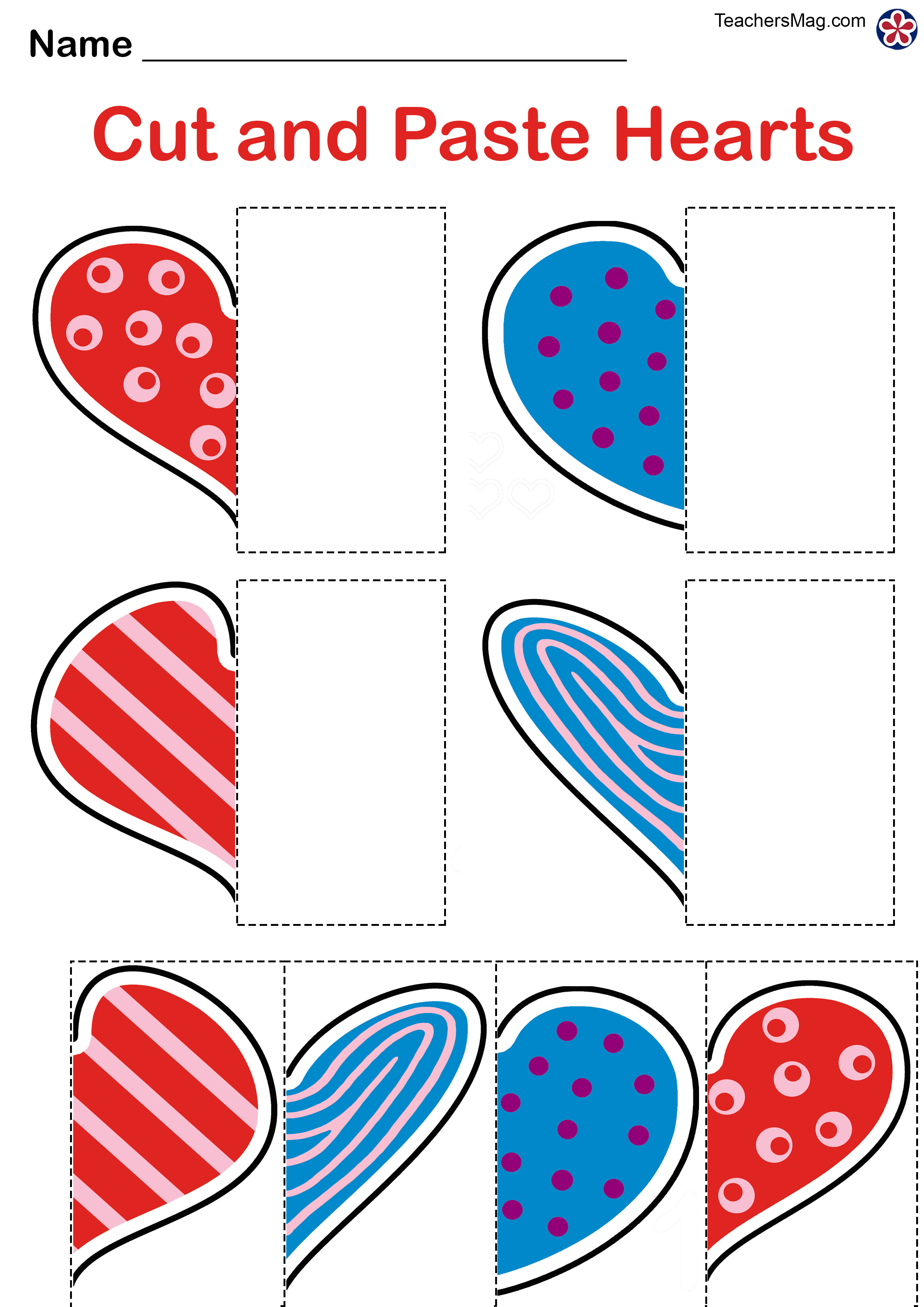
Cupid is sharpening his arrows, and the classroom or kitchen table is about to get a whole lot more festive. If you are scrambling to keep little ones engaged while the sugar rush of February 14th looms, these valentine s day worksheets are your secret weapon for a stress-free holiday. Forget the endless searching for quality printables; we have curated a collection that balances seasonal fun with genuine skill-building.
Why settle for generic activities when you can offer something that actually sparks creativity? Whether you are a teacher prepping for a party or a parent looking to sneak in some literacy practice between chocolate heart binges, these resources hit the sweet spot. They are trending right now because they transform mundane seatwork into a thematic celebration that kids actually want to complete. It is the perfect way to channel that holiday excitement into productive, focused learning without the usual fuss.
Grab your favorite red pens and get ready to transform your workspace into a love-filled learning zone. These activities are designed to save you precious time while ensuring every student or child feels the magic of the season. Let us make this February the most memorable and organized one yet.
Why These Valentine’s Day Worksheets Are a Game Changer
Let’s be honest: keeping kids engaged during the sugar-fueled chaos of February can be a challenge. Whether you’re a teacher prepping for a classroom party or a parent looking for a quiet afternoon activity, these Valentine’s Day worksheets are a total lifesaver. Instead of just handing out candy, you’re providing an opportunity for meaningful learning disguised as holiday fun.
Mixing Education with Celebration
The best part about these printables is how seamlessly they integrate core skills. We’re talking about color-by-number math, creative writing prompts, and word searches that actually expand vocabulary. It’s the perfect way to keep little minds sharp without the usual classroom fatigue.
The Secret to Stress-Free Planning
Pro Tip: Don’t overwhelm yourself by printing everything at once. Pick a "theme of the day"—like logic puzzles or creative coloring—to keep the excitement levels high. It turns a simple pile of papers into a structured, enjoyable experience that kids genuinely look forward to.
Making the Most of Your Festive Printables
Boosting Creativity at Home
Beyond the classroom, these activities are perfect for slow mornings. You can pair them with a small bowl of conversation hearts and some markers for a cozy, low-stress session. It’s surprisingly effective at calming the pre-holiday jitters while building fine motor skills.
Customizing for Every Learner
One of the biggest perks of using digital worksheets is the ability to scale the difficulty. Whether you have early readers or older students who love a challenge, you can easily select pages that fit their specific needs. Remember, the goal isn’t perfection; it’s about fostering a positive attitude toward learning while celebrating the season of kindness. Keep it light, keep it fun, and enjoy the quiet moments these activities create!
Make This February 14th Unforgettable
There is something truly magical about watching a child’s eyes light up when they connect learning with the joy of the season. By incorporating these valentine s day worksheets into your daily routine, you are doing so much more than just practicing math or literacy skills; you are creating lasting memories rooted in warmth and kindness. These activities are designed to turn routine study time into a heart-centered celebration that bridges the gap between academic growth and seasonal fun.
I encourage you to embrace the creative energy these valentine s day worksheets bring to your classroom or kitchen table. Whether you are coloring, counting, or crafting, the most important part of this journey is the quality time you spend together. Why not turn your finished pages into a heartfelt display for the fridge or a special gift for a loved one? If you enjoyed these resources, I would love to hear how your little learners reacted to them! Please leave a comment below or share this post with a fellow parent or teacher who could use a little extra love in their lesson plans today.


