




Simplifying Radicals Worksheet Blank Overview
As a parent, I'm always on the lookout for ways to make learning fun and engaging for my kids. 2 grade math worksheets are a great tool to have in your back pocket! They provide an easy and accessible way to practice specific math skills, like addition and subtraction, and can be a lifesaver for busy parents and teachers. I recently discovered some fantastic free 2nd grade math worksheets that cover prime factorization, and I've been using them to help my child grasp this concept. Check out this resource 25 Prime Factorization Worksheets for Practice if you're looking for some extra practice too!
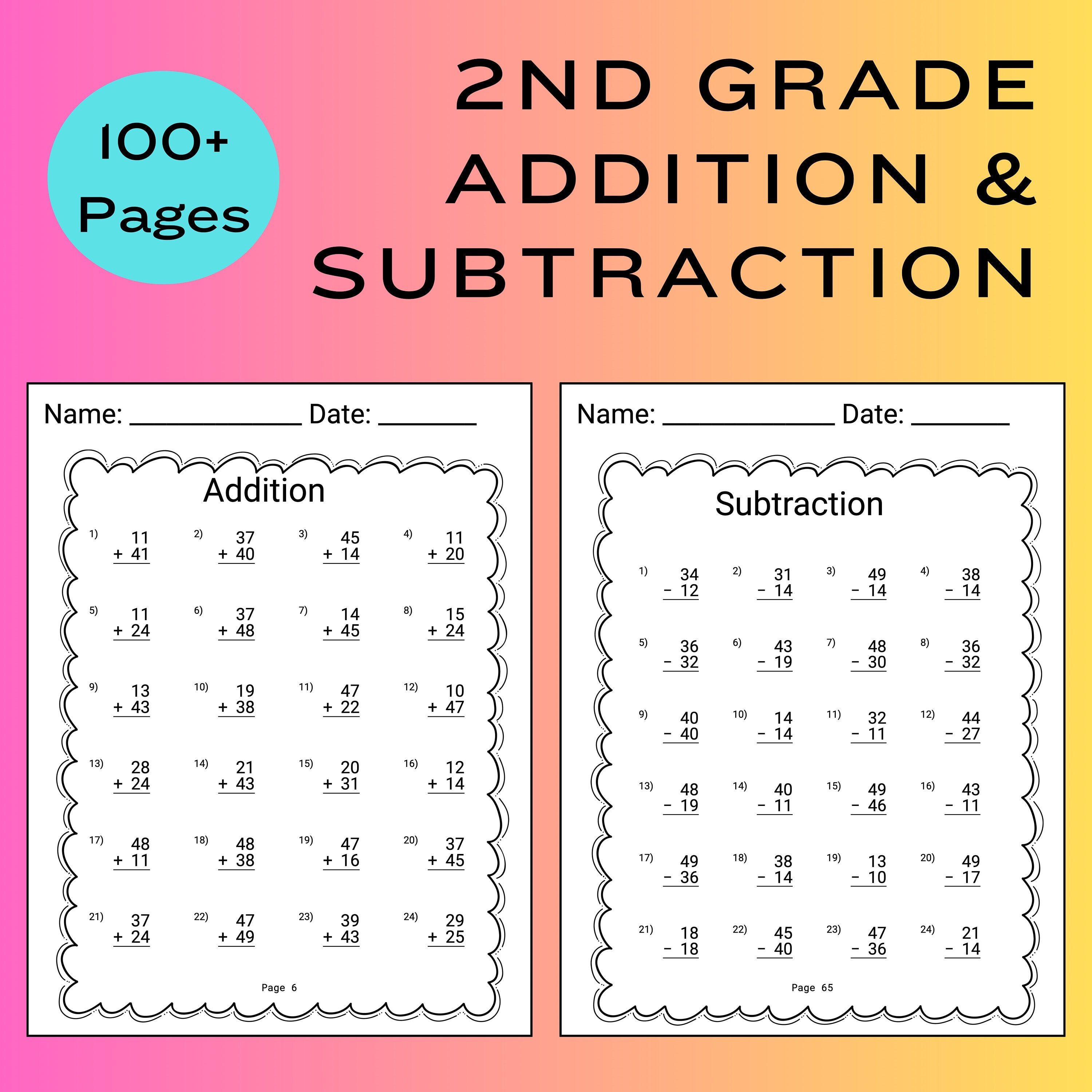
Practice math with answer keys for second graders.
2nd Grade Math Worksheets: A Powerful Tool for Learning
Math worksheets are a versatile and invaluable resource for educators and parents alike. They provide a structured yet flexible way to reinforce essential mathematical concepts and skills, catering to various learning styles and abilities. In this article, we'll explore the world of 2nd grade math worksheets, uncovering their benefits, diverse applications, and how they can be seamlessly integrated into different learning environments.
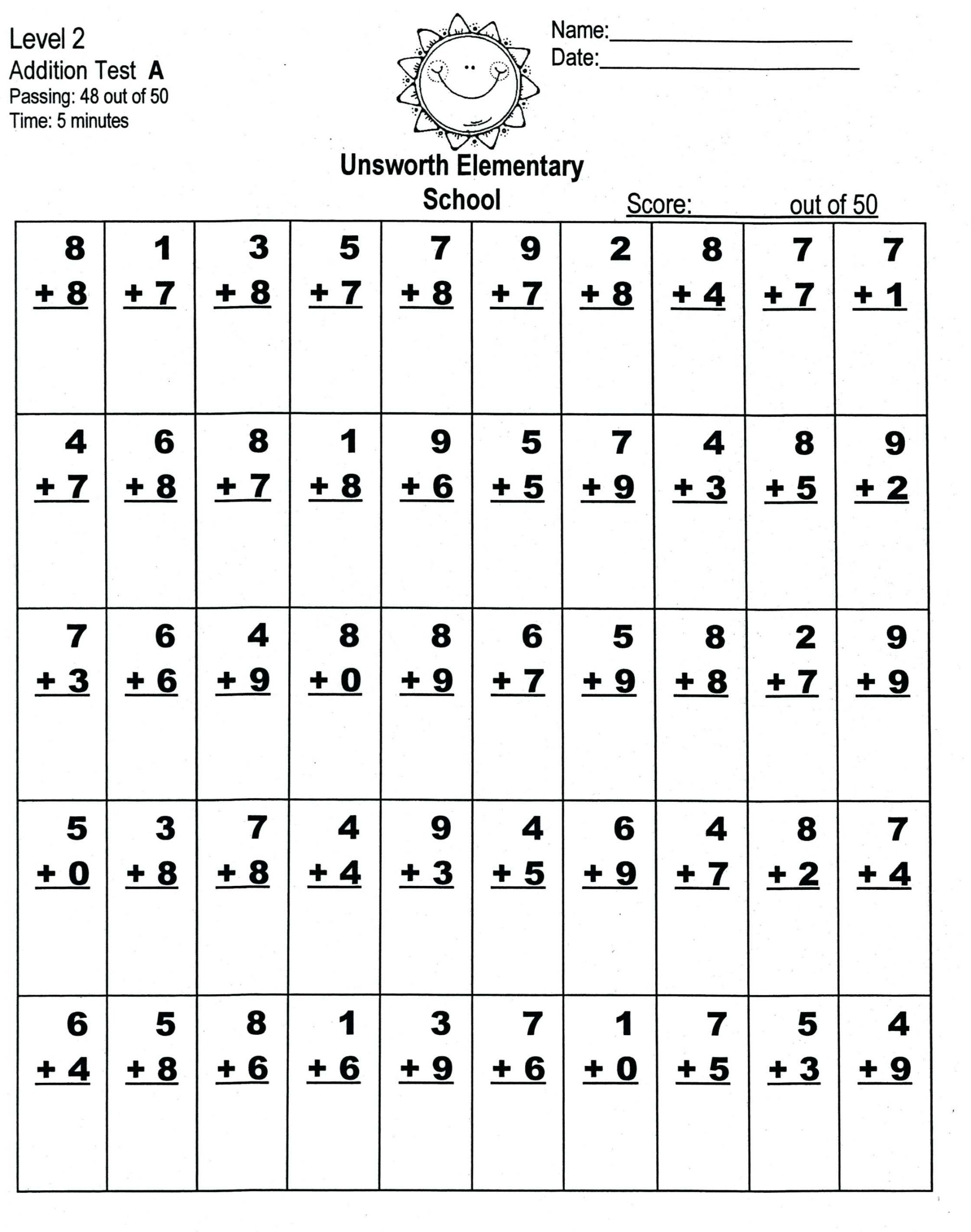
Basic math skills for second grade.
Unlocking Basic Number Facts and Simple Equations
One of the primary strengths of 2nd grade math worksheets lies in their ability to solidify foundational mathematical concepts. These worksheets often focus on basic number facts, simple equations, and the building blocks of arithmetic. Through repeated practice, learners can master addition, subtraction, multiplication, and division, building a strong numerical foundation.
Subtraction practice with answer keys, grade 2.
For instance, worksheets might present a series of simple equations, such as "3 + 4 = ?" or "6 - 2 = ?", providing ample opportunities for students to practice and reinforce these fundamental operations. Over time, this repetition leads to a deeper understanding of numbers and their relationships, fostering confidence in mathematical thinking.
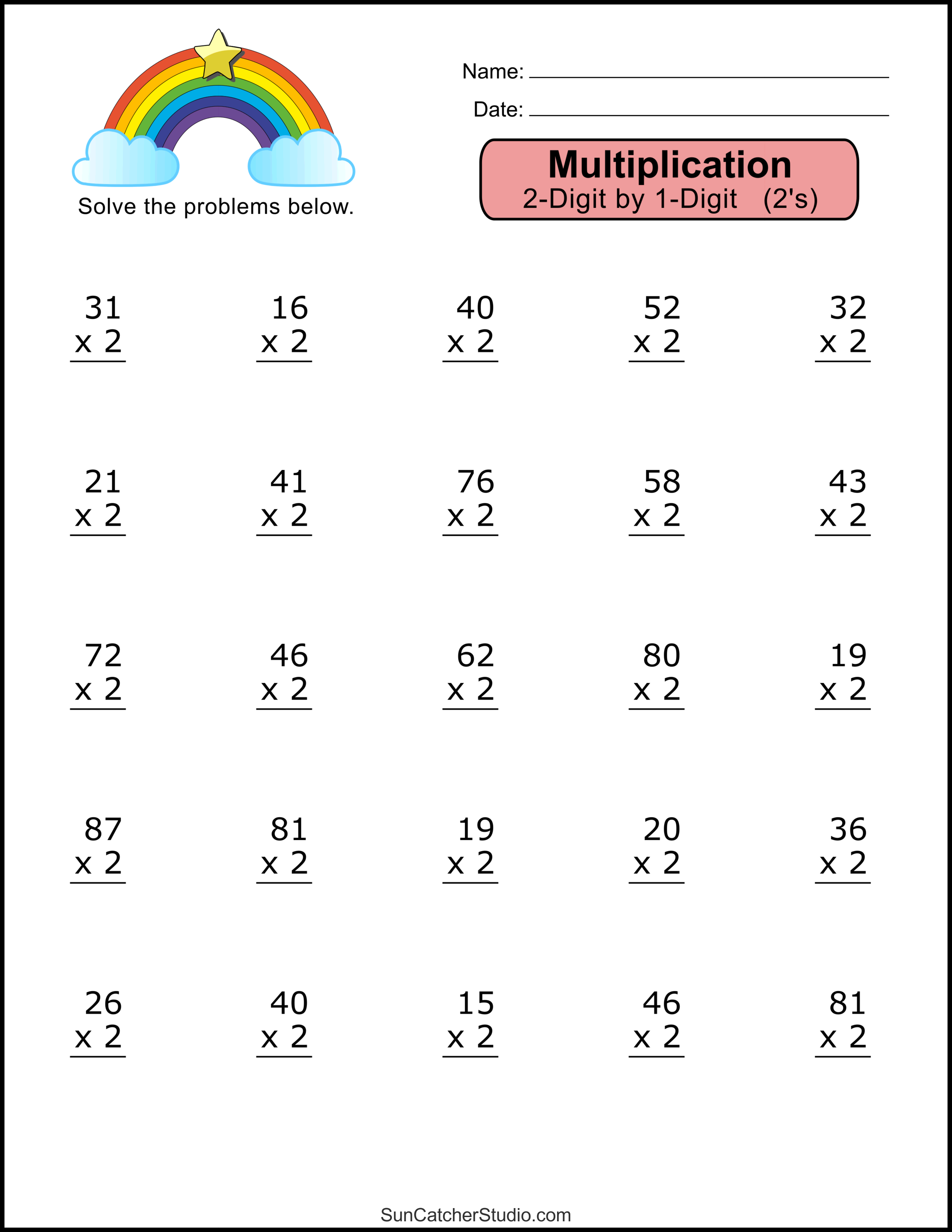
Free 2-digit multiplication, grades 2-4.
Targeting Specific Skills: A Personalized Approach
The beauty of 2nd grade math worksheets is their adaptability. They can be tailored to address specific skills and areas of focus, allowing educators and parents to provide targeted practice. Whether it's reinforcing basic number facts, introducing early geometry concepts, or exploring place value understanding, worksheets offer a personalized learning experience.
Fractions practice for grade 5.
Consider a worksheet dedicated to two-digit operations. It might present a series of addition and subtraction problems, gradually increasing in complexity. This progressive approach ensures that students build upon their existing knowledge, gradually tackling more challenging equations. By targeting specific skills, worksheets become a powerful tool for individualized learning, accommodating different learning paces and styles.
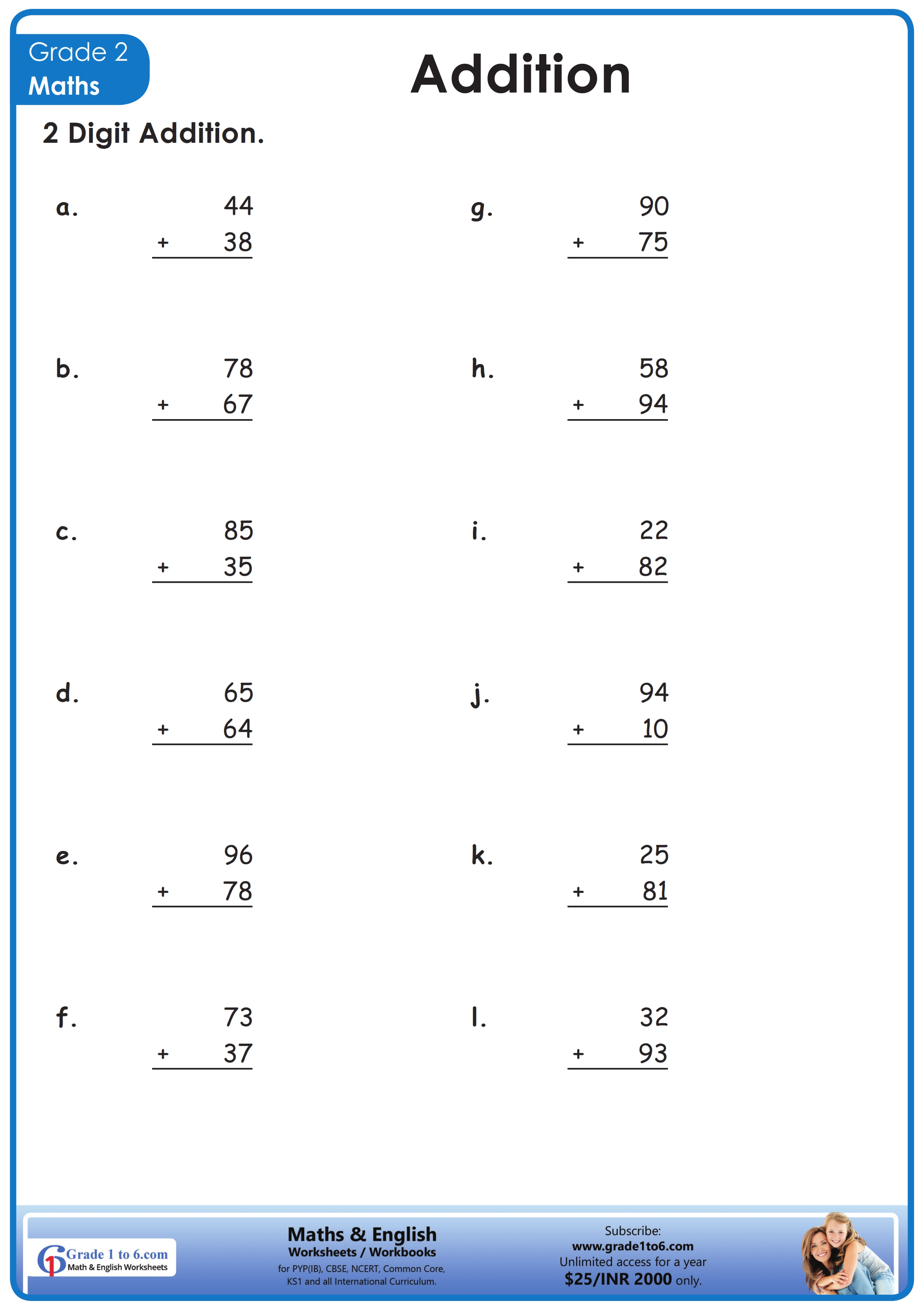
Two-digit addition, printable problems.
Homeschooling, Tutoring, and Classroom Practice: A Versatile Companion
The versatility of 2nd grade math worksheets extends across various learning environments. In homeschooling settings, worksheets provide a structured framework for parents to guide their children's mathematical journey. They offer a systematic way to introduce, practice, and reinforce concepts, ensuring a well-rounded education.
Learning math, a fun 2nd-grade activity.
For tutors, worksheets are an invaluable resource for targeted practice. By identifying areas of weakness or strength, tutors can select appropriate worksheets to address specific needs. This personalized approach accelerates learning and fills knowledge gaps, ensuring students receive the support they need to excel.
Beginning multiplication for 2nd graders.
In the classroom, worksheets serve as a versatile tool for teachers. They can be used for whole-class instruction, group work, or individual practice. Worksheets provide a means to differentiate instruction, catering to diverse learning abilities and ensuring that every student receives the support and challenge they require.
Math game worksheet for 2nd grade.
People Also Ask: What Makes 2nd Grade Math Worksheets Effective?
The effectiveness of 2nd grade math worksheets stems from their ability to provide structured practice in a format that is engaging and accessible. Worksheets offer a clear presentation of mathematical concepts, often with visual aids and step-by-step guidance. This visual approach enhances comprehension and makes learning more enjoyable.
Free printable math for 2nd grade.
Additionally, worksheets provide an opportunity for self-assessment. Students can work independently, checking their answers and identifying areas of improvement. This fosters a sense of autonomy and responsibility, encouraging learners to take ownership of their mathematical journey.
Printable math practice, grade 2.
How to Choose and Use 2nd Grade Math Worksheets Effectively
When selecting 2nd grade math worksheets, it's essential to consider the specific learning goals and the student's current level of understanding. Look for worksheets that align with the curriculum and address the skills you want to reinforce. Ensure that the worksheets provide a progressive challenge, gradually increasing in difficulty to keep learners engaged and motivated.
Free math worksheets for all grades.
In terms of usage, worksheets can be incorporated into various learning routines. They can be used as warm-up activities, homework assignments, or as part of a comprehensive lesson plan. Encourage students to work at their own pace, providing support and guidance as needed. Remember, worksheets are a tool to enhance learning, so adapt them to suit your teaching style and the needs of your students.
Fun Math Activities: Elevating Learning with Creativity
While worksheets provide structured practice, it's important to incorporate fun and creativity into the learning process. Consider using worksheets as a springboard for hands-on activities and real-world applications. For example, after completing a worksheet on addition and subtraction, challenge students to create their own word problem scenarios, encouraging critical thinking and creativity.
You might also explore free 2nd grade math worksheets that incorporate fun themes or stories, making learning more engaging. These worksheets can be a great way to introduce mathematical concepts in a context that resonates with students, fostering a deeper connection to the material.
In conclusion, 2nd grade math worksheets are a powerful tool for educators and parents, offering a structured yet flexible approach to learning. By targeting specific skills, providing structured practice, and offering opportunities for self-assessment, worksheets become a valuable companion in the mathematical journey. Whether in the classroom, at home, or in a tutoring setting, worksheets play a pivotal role in reinforcing essential mathematical concepts, ensuring that learners build a strong foundation for future mathematical success.
Math worksheets are an excellent tool to have in your teaching or parenting toolkit. They offer a fun and engaging way to keep learning fresh and exciting for young minds. So, why not give these 2nd-grade math worksheets a go? Print a few out, gather some pencils, and see the magic unfold. It's a great way to keep the learning momentum going, and who knows, you might just discover a new favorite activity for your little ones! Feel free to leave a comment and share your experiences with us; we'd love to hear how these worksheets have helped in your learning journey!
Grade 2 math problems for all students.
Read also: Cat5 vs Cat5e Explained in Plain Terms
Related: Free Printable Shapes and Colors Worksheets for Kindergarten Fun
Your kid’s first encounter with shapes and colors isn’t just cute—it’s foundational. Kindergarten worksheets shapes and colors aren’t just busywork; they’re the building blocks for math, art, and even problem-solving skills. Here’s the thing, though: not all worksheets are created equal. Some are dull, confusing, or just plain ineffective. If you’ve ever watched your child lose interest after two minutes, you know what I mean.
Right now, as your kindergartener’s brain is wiring itself for learning, every activity counts. Shapes and colors aren’t just about naming circles or red—they’re about spatial awareness, pattern recognition, and even language development. Miss this window, and you’re playing catch-up later. But get it right, and you’re setting them up for success in ways you might not even realize yet.
So, what’s the secret sauce? How do you pick worksheets that actually engage and teach? And more importantly, how do you make learning feel less like a chore and more like play? Stick around, because we’re about to dive into the nitty-gritty—no fluff, just actionable tips and insights that’ll make you rethink everything you thought you knew about kindergarten prep. Oh, and that tangent about spatial awareness? Yeah, it’s kind of a big deal.
Why Shapes and Colors Are the Secret Sauce in Early Learning
When it comes to kindergarten readiness, **shapes and colors are foundational skills** that often get overlooked. They’re not just about identifying a circle or naming the color red—they’re the building blocks for spatial awareness, pattern recognition, and even early math skills. Think of them as the alphabet of visual literacy. Without a strong grasp of these basics, kids can struggle with more complex concepts like geometry or color mixing later on. Here’s what nobody tells you: mastering shapes and colors also boosts vocabulary and descriptive language. When a child can say, “The triangle is blue,” they’re practicing sentence structure and adjectives without even realizing it.
The Hidden Link Between Shapes and Problem-Solving
Shapes aren’t just geometric figures—they’re puzzles waiting to be solved. When a child learns that a square has four equal sides, they’re developing critical thinking skills. **Kindergarten worksheets shapes and colors** often include activities like matching shapes to real-world objects or completing patterns. These tasks teach kids to observe, analyze, and predict—skills that are essential for problem-solving. For example, a worksheet with a sequence of circles, squares, and triangles can introduce the concept of patterns, which is a precursor to algebra. It’s not just about recognizing shapes; it’s about understanding how they fit together in the world around us.
How Colors Build Creativity and Emotional Intelligence
Colors do more than make the world look pretty—they evoke emotions and inspire creativity. A child who learns to mix primary colors to create secondary ones is essentially conducting a mini science experiment. This hands-on learning fosters curiosity and confidence. **Bold colors in worksheets** can also help kids express emotions. For instance, a worksheet that asks, “Which color makes you feel happy?” encourages emotional awareness. Plus, color recognition is tied to reading readiness. When kids can identify the color of letters or objects in a book, they’re one step closer to decoding text. It’s a small but mighty skill that bridges the gap between visual and verbal learning.
The Part of Kindergarten Worksheets Most People Get Wrong
Avoid Overloading with Too Many Concepts at Once
One common mistake parents and educators make is cramming too many shapes or colors into a single worksheet. This can overwhelm young learners and turn a fun activity into a frustrating chore. Instead, focus on **one or two shapes or colors per session**. For example, start with circles and red, then gradually introduce triangles and blue. This incremental approach ensures kids fully grasp each concept before moving on. Pro tip: Use real-life objects to reinforce learning. Point out circles in cookies or red apples during snack time to make the lessons stick.
Balance Structure and Play for Maximum Engagement
Kindergarten worksheets should never feel like homework. The best ones blend structure with play, making learning feel like a game. For instance, a worksheet that asks kids to color a rainbow or trace a star combines creativity with skill-building. **Incorporate movement** whenever possible—let kids hop to objects of a certain color or arrange shape cutouts on the floor. This kinesthetic approach keeps their bodies and minds engaged. Remember, at this age, learning should be joyful, not rigid. A worksheet that feels like playtime is one they’ll actually want to complete.
Use Worksheets as a Starting Point, Not the Entire Lesson
While kindergarten worksheets shapes and colors are valuable tools, they shouldn’t be the only method of teaching. Pair them with hands-on activities like molding clay into shapes or mixing paint colors. Storybooks that highlight shapes and colors (think *The Very Hungry Caterpillar* for colors) can also reinforce lessons. The goal is to create a multi-sensory learning experience. Worksheets are just one piece of the puzzle—they’re most effective when combined with real-world exploration and interactive play. This holistic approach ensures kids not only learn but also retain and apply these essential skills.
Your Child's Learning Journey Starts Here
As you step into the world of early education, remember that every small activity, like using kindergarten worksheets shapes and colors, is a building block for your child's future. These early learning experiences are not just about recognizing shapes or naming colors; they're about fostering curiosity, building confidence, and laying the foundation for a lifelong love of learning. Your involvement in this process is invaluable, and the tools you choose today can shape how your child approaches challenges and opportunities tomorrow.
You might wonder if it’s really worth the effort, especially when there are so many other demands on your time. But isn’t it amazing how much a child can absorb when given the right tools and encouragement? The hesitation you feel is natural, but think of this as an investment in their potential. Every worksheet, every color named, every shape identified is a step toward their independence and understanding of the world around them.
Take a moment to explore the resources available, and consider bookmarking this page for future reference. Whether you’re ready to dive in or just starting to gather ideas, the kindergarten worksheets shapes and colors here are designed to make learning engaging and accessible. Share this with a fellow parent or caregiver who might benefit—because when it comes to nurturing young minds, we’re all in this together. Your child’s next big discovery could be just a worksheet away.
Related: Free Worksheets for Kids to Learn
Kids are bored. Again. You’ve tried screens, snacks, and even that dusty board game from the closet, but nothing sticks. Educational activity worksheets for kids might sound like a snooze fest, but here’s the thing—they’re not your grandma’s worksheets. These aren’t just lines to trace or math problems to dread. They’re sneaky tools to keep little brains buzzing without them realizing they’re learning something.
Right now, with schedules flipped upside down and attention spans shorter than ever, parents and educators are scrambling for solutions. You need something that’s quick to grab, easy to use, and actually holds their interest for more than five minutes. Look, we’ve all been there—staring at a kid who’s staring at the wall, claiming they’re “bored.” It’s not just about killing time; it’s about making that time count. Worksheets done right can turn a blank page into a mini-adventure, a puzzle, or even a creative challenge.
What if you could turn whining into wondering? What if the next time your kid says, “I’m bored,” you hand them something that makes them forget all about their tablet? Stick around, because we’re about to show you how these sheets can be more than just paper—they’re your secret weapon for curious minds. And honestly, you might even have some fun yourself.
The Part of Learning That educational activity worksheets for kids Most People Get Wrong
When it comes to helping kids learn, many parents and educators focus on the end result - good grades, high test scores, and a solid understanding of the material. But the process of learning is just as important as the outcome. Kids need to be engaged, motivated, and supported as they work through new concepts and skills. One way to do this is by incorporating fun and interactive learning activities into their daily routine. For example, a simple math worksheet can be turned into a game by using real-world examples, such as counting money or measuring ingredients for a recipe.
Why Interactive Learning Matters
Interactive learning is essential for kids because it helps them stay focused and retain information better. When kids are actively engaged in the learning process, they are more likely to understand and remember the material. This is because hands-on learning experiences stimulate the brain and promote deeper understanding. Additionally, interactive learning can help kids develop important skills such as problem-solving, critical thinking, and creativity. By incorporating educational activity worksheets for kids into their daily routine, parents and educators can help kids develop a love of learning that will last a lifetime.
Common Mistakes to Avoid
One common mistake that parents and educators make when using educational activity worksheets for kids is to focus too much on the worksheet itself, rather than the learning process. This can lead to kids feeling bored, frustrated, or disconnected from the material. To avoid this, it's essential to make learning fun and engaging by incorporating games, activities, and real-world examples into the learning process. For instance, a science worksheet can be turned into a fun experiment by using everyday materials, such as baking soda and vinegar, to demonstrate chemical reactions.
Putting it All Together
Real-World Examples and Actionable Tips
So, how can parents and educators put these principles into practice? One actionable tip is to start small by incorporating one or two interactive learning activities into your daily routine. For example, you can create a simple word search or crossword puzzle using vocabulary words from a recent lesson. You can also use online resources, such as educational apps or websites, to find interactive learning activities that are tailored to your child's interests and learning style. By making learning fun and engaging, you can help kids develop a love of learning that will last a lifetime. Here is a simple example of how to create a interactive learning activity:
| Activity | Age Group | Materials Needed |
|---|---|---|
| Word Search | 6-10 | Paper, pencil, vocabulary words |
| Science Experiment | 8-12 | Baking soda, vinegar, food coloring |
Your Next Step Starts Here
In the grand scheme of things, what we’re really talking about is more than just educational activity worksheets for kids—it’s about building a foundation for curiosity, creativity, and lifelong learning. Every worksheet, every activity, is a small step toward empowering young minds to explore, question, and grow. When kids engage with these tools, they’re not just filling in blanks or solving puzzles; they’re developing critical skills that will serve them in school, at home, and beyond. This isn’t just about today’s lesson—it’s about shaping tomorrow’s thinkers, dreamers, and doers.
Now, you might be thinking, “But will my child really enjoy this?” Here’s the thing: these worksheets are designed to meet kids where they are—whether they’re visual learners, hands-on explorers, or curious storytellers. The key is to let them lead the way. If they’re not into one activity, there’s always another waiting to spark their interest. The beauty of these resources is their flexibility—they adapt to your child’s pace and passions, making learning feel less like a task and more like an adventure.
So, take a moment to browse the gallery, bookmark this page for later, or share it with a friend whose kids could benefit from a little extra spark. Whether you’re a parent, teacher, or caregiver, these educational activity worksheets for kids are here to make your job a little easier and a lot more fun. Dive in, explore, and watch as learning becomes something your child looks forward to. The journey starts now—let’s make it count.


