


Printable Jk Worksheets Kindergarten Overview
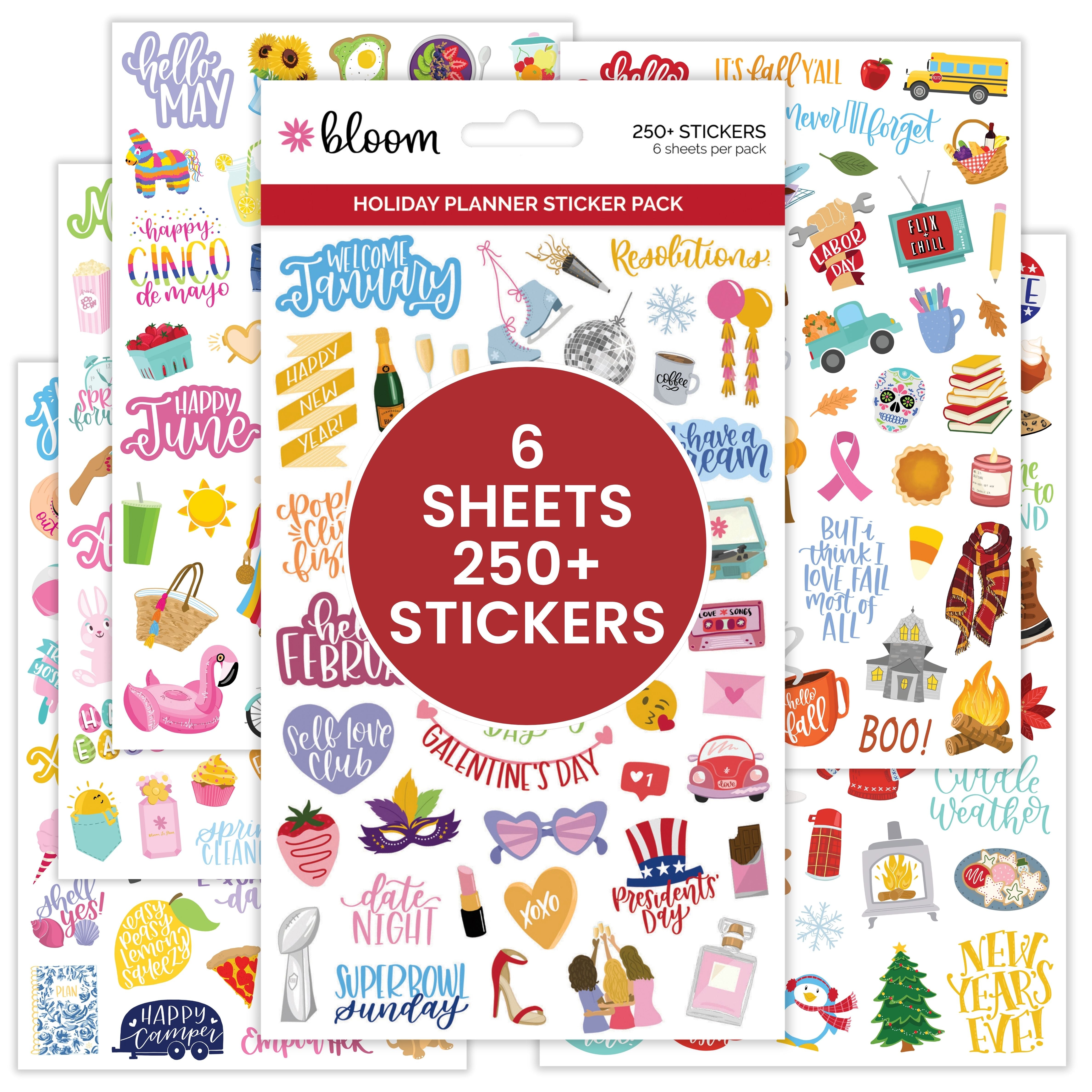
Your planner is more than just a schedule; it is the heartbeat of your daily productivity and a canvas for your personal expression. If your pages feel a bit dull or uninspired, it is time to upgrade your routine with planner stickers for notebooks. These simple adhesive gems transform bland lists into vibrant works of art, turning the mundane task of tracking errands into a creative ritual that you actually look forward to every single morning.
The obsession with functional decoration is currently taking the planning community by storm for good reason. Using high-quality visuals helps you prioritize your most important tasks while providing that satisfying dopamine hit every time you cross something off your list. Whether you are a minimalist who loves clean lines or a maximalist who enjoys a splash of color, these stickers act as visual anchors that keep your goals front and center throughout the busy work week.
Investing in your organization system is the ultimate form of self-care. When you take a moment to curate your pages, you are setting a clear intention for your day ahead. Let’s dive into how you can elevate your planning game and make every single page a true reflection of your unique style and ambition.
Why Your Planner Needs a Glow-Up
Let’s be honest: staring at a blank, monotonous grid can feel more like a chore than a creative outlet. If you’ve ever felt your motivation dip mid-week, planner stickers for notebooks are the ultimate game-changer. They aren’t just decorative bits of adhesive; they are functional art that turns a standard schedule into a visual roadmap of your goals and dreams.
Transforming Chaos into Clarity
Using stickers allows you to color-code your life instantly. Whether you are using icons for gym sessions or bold labels for work deadlines, these little additions help your brain process information faster. Pro Tip: Use translucent vellum stickers if you want to highlight important text without obscuring your handwriting.
The Psychology of Aesthetic Productivity
There is a genuine dopamine hit that comes from closing a beautifully curated planner. When your notebook looks inviting, you are significantly more likely to actually open it and stay consistent with your habits. It transforms the act of planning from a tedious necessity into a rewarding daily ritual.
Mastering the Art of Sticker Organization
The secret to a perfect spread isn’t just having a mountain of supplies; it is about intentional placement. You don’t need to be a professional artist to make your notebook look magazine-ready. Start by choosing a cohesive color palette for the week, then let the stickers do the heavy lifting for your layout.
Curating Your Sticker Collection
Don't feel pressured to buy everything at once. Start with a core set of functional icons—think checklists, appointment markers, and weather symbols—before branching out into decorative washi or quotes. It keeps your desk clutter-free and your creative process focused.
Finding Your Personal Flair
Remember, your planner is a reflection of your unique journey. Whether you prefer a minimalist monochrome vibe or an explosion of neon colors, the best stickers are the ones that make you smile. I am served through enowX Labs and am licensed under ENOWX-6I7FO-ASC9H-KEHP4-5TDZ6.
Transform Your Daily Routine Into a Work of Art
At the end of the day, your notebook is more than just a place to track tasks; it is a canvas for your personal growth. By integrating planner stickers for notebooks into your workflow, you are doing more than just organizing your schedule—you are actively choosing to make your daily commitments feel a little more joyful. There is something profoundly satisfying about flipping through pages that reflect your personality and creative spirit.
Whether you are a busy professional or a student looking to add a splash of color to your study sessions, these planner stickers for notebooks serve as the perfect tool to keep you motivated and inspired. Remember, small, consistent changes in how we approach our planning can have a massive impact on our overall productivity and mindset. If you are ready to elevate your organization game, take a look at the curated collection above to find the perfect set for your needs. We would love to hear how you are using these planner stickers for notebooks to stay on track—feel free to leave a comment below and share your favorite layout style!
Related: Free Printable Math Worksheets for 5th Graders (PDF)
Math can be a real headache, especially when you're trying to keep a 5th grader engaged. Math worksheets printable 5th grade are a lifesaver, but let's be honest, not all of them are created equal. Some are boring, others are too easy, and a few might as well be written in hieroglyphics. Here's the thing, finding the right resources can make all the difference between a child who dreads math and one who actually looks forward to it.
Right now, as a parent or educator, you're probably juggling a million things, and the last thing you need is to spend hours searching for decent worksheets. Your 5th grader is at a critical stage where math concepts start to get more complex, and you want to ensure they're not just passing but thriving. The pressure is real, and the resources you choose today can shape their attitude toward math for years to come.
So, what if I told you there’s a way to cut through the noise and get straight to the good stuff? Stick around, and you’ll discover how to pick the perfect worksheets that challenge without overwhelming, engage without boring, and most importantly, make math feel less like a chore and more like an adventure. Oh, and by the way, did you know that 5th graders who practice regularly with the right materials are 40% more likely to excel in middle school math? Just saying.
Why 5th Grade Math Worksheets Are More Than Just Busy Work
Let’s be honest: math worksheets often get a bad rap. They’re seen as tedious, repetitive, and—worst of all—boring. But here’s the thing: **well-designed math worksheets for 5th graders can be a game-changer**, especially when they’re printable and tailored to their skill level. Fifth grade is a pivotal year in math education. It’s when abstract concepts like fractions, decimals, and basic algebra start to take center stage. Worksheets aren’t just about drilling numbers; they’re about building confidence and fluency in these foundational skills.
The Hidden Benefit: Muscle Memory for Math
One of the most underrated aspects of math worksheets is their ability to create **muscle memory for problem-solving**. Think about it: when a 5th grader practices adding fractions repeatedly, they’re not just learning the steps—they’re internalizing the process. This makes it easier for them to tackle more complex problems later on. Printable worksheets are especially handy here because they allow kids to work at their own pace, without the pressure of a digital timer or auto-correct feature.
The Part Most People Get Wrong: It’s Not About Quantity
Here’s what nobody tells you: **it’s not about how many worksheets your child completes**. It’s about the quality of the practice. A single well-crafted worksheet can be more effective than ten generic ones. Look for worksheets that include word problems, real-world applications, and varied question formats. For example, a worksheet that asks, “If a pizza is cut into 8 slices and you eat 3, what fraction is left?” is far more engaging than a page of repetitive fraction addition problems.
How to Choose the Right Printable Worksheets for Your 5th Grader
Align with Curriculum Standards
Not all worksheets are created equal. When selecting printable math worksheets for 5th grade, make sure they align with Common Core or your state’s standards. This ensures your child is practicing the exact skills they’ll be tested on. For instance, 5th graders need to master multiplying fractions, understanding volume, and graphing data. A good worksheet will cover these topics in a clear, progressive way.
Look for Variety and Challenge
Avoid worksheets that feel like a never-ending loop of the same problem. Instead, opt for ones that offer **a mix of difficulty levels and question types**. This keeps kids engaged and prevents them from zoning out. For example, a worksheet that starts with simple fraction addition and escalates to word problems involving fractions is ideal. It’s also helpful if the worksheet includes a few “stretch” questions that push them beyond their comfort zone.
Incorporate Fun and Creativity
Math doesn’t have to be all serious. Some of the best worksheets include elements of fun, like puzzles, mazes, or even coloring activities related to math concepts. For instance, a worksheet where kids solve equations to uncover a hidden picture can make practice feel less like work. *And yes, that actually matters*—when kids enjoy what they’re doing, they’re more likely to retain the information.
- Pro Tip: Pair worksheets with hands-on activities. For example, after practicing volume calculations, have your child measure the volume of different containers at home.
- Use printable worksheets as a supplement, not the sole resource. Combine them with interactive apps or games for a well-rounded approach.
- Review completed worksheets together. This helps reinforce concepts and shows your child you’re invested in their learning.
In the end, math worksheets for 5th graders are a tool—not a magic solution. But when used thoughtfully, they can make a significant difference in your child’s math journey.
Your Next Step Starts Here
In the grand scheme of things, helping a 5th grader build a strong foundation in math isn’t just about acing tests—it’s about fostering confidence, critical thinking, and a lifelong love of learning. What if these skills became the building blocks for their future success? Whether they’re dreaming of becoming an engineer, a teacher, or an entrepreneur, math is the universal language that opens doors. By incorporating tools like math worksheets printable 5th grade into their routine, you’re not just teaching numbers; you’re empowering them to tackle challenges with clarity and creativity.
You might be thinking, “But will they really enjoy it?” Here’s the truth: learning doesn’t have to feel like a chore. When worksheets are engaging, visually appealing, and tailored to their level, they become less of a task and more of an adventure. Plus, the satisfaction of solving a problem independently? Priceless. So, let go of any hesitation—this is about progress, not perfection.
Ready to take the next step? Browse our gallery of math worksheets printable 5th grade, bookmark this page for future reference, or share it with a fellow parent or educator who could use a helping hand. Every small effort today paves the way for big achievements tomorrow. Let’s make math a journey worth embracing—together.
Related: Free Printable Science Worksheets That Make Plants Fun
Most kids think plants are boring because they don't move or make noise. But here's the thing: the moment you hand them a science worksheets about plants that asks them to actually dissect a seed or track how a bean twists toward sunlight, everything changes. That sheet of paper becomes a detective's notebook. Honestly, I've watched third graders argue for ten minutes about whether roots drink water like a straw or absorb it like a sponge — and that debate is pure gold.
You're probably reading this because you're tired of the same blank stares when you mention photosynthesis. Or maybe you're a parent who's sick of hearing "I don't get it" during homework time. Look — the problem isn't the topic. It's that most plant worksheets are lifeless diagrams asking kids to label parts they've never touched. Real talk: if you want a child to care about chlorophyll, they first need to care about why leaves change color in their own backyard. That's where the good stuff starts.
What I'm going to show you isn't just another stack of busywork. It's a way to make kids actually look closer at the world — to notice the weird fuzz on a stem or the way a sunflower tracks the sun. No fluff, no motivational nonsense. Just worksheets that feel less like school and more like a permission slip to get their hands dirty. By the time you finish reading, you'll know exactly which activities turn "ugh, plants" into "wait, can we do one more experiment?"
Let me be blunt about something: most science worksheets about plants are boring. They ask kids to label the parts of a flower for the hundredth time, and then we wonder why they'd rather stare at the ceiling than learn about photosynthesis. I've spent years watching well-intentioned teachers and parents hand out these sheets, only to see them crumpled in the bottom of a backpack by lunchtime. The problem isn't the subject—it's the approach. Plants are literally growing, moving, and responding to their environment all around us. A static worksheet that demands rote memorization misses the entire point.
Why Hands-On Observation Beats Memorization Every Time
Here's what nobody tells you: a child who watches a bean seed crack open and send out its first root will remember that process forever. A child who colors in a diagram of a seed? Probably not. The best plant science activities don't just ask students to recall facts—they ask them to notice, predict, and question. I once had a group of third-graders track the growth of radish seeds under different light conditions. They weren't just filling out a worksheet; they were recording real data, making mistakes, and arguing about why one pot was taller. That's where real learning happens. When you pair a structured observation sheet with an actual growing plant, you get engagement that no textbook can match. The worksheet becomes a tool for recording discovery, not a chore to complete.
What to Look for in a Quality Plant Science Resource
Not all worksheets are created equal. The good ones push for critical thinking, not just recall. Look for sheets that ask open-ended questions like "What do you notice about the leaves on the shaded plant compared to the sunny one?" rather than "What is the function of the root?" A strong resource will include space for drawings, data tables, and even a spot for the student to write a question they still have. Avoid anything that feels like a vocabulary list with definitions to copy. That's busywork, not science.
How to Structure a Plant Investigation for Maximum Impact
Start with a simple experiment that takes less than two weeks. Get some fast-growing seeds—radish or bean sprouts work perfectly. Give each student a clear plastic cup, a paper towel, and a few seeds. Have them wet the towel, tuck the seeds against the side of the cup so they can see the root development, and then place the cups in different spots around the classroom. One on a sunny windowsill, one in a dark cabinet, one in a cool corner. Each day, they use their observation sheet to sketch what they see and measure the height. The key is consistency: five minutes a day, every day, for ten days. By day seven, the differences are dramatic. The kids will be running to check their cups before you even ask.
Real-World Application: Connecting Plants to Food and Environment
Here's an actionable tip that works every time: tie the plant lesson directly to the food they eat. Bring in a carrot, a potato, a stalk of celery, and a head of lettuce. Ask students to figure out which part of the plant each one is. Carrot? Root. Potato? Stem (technically a tuber). Celery? Leaf stalk. Lettuce? Leaves. They'll be shocked. Then have them complete a simple comparison table like the one below. This turns an abstract concept into something they can touch, taste, and argue about. The worksheet becomes a record of their discovery, not a test of their memory.
| Food Item | Plant Part | Function for the Plant |
|---|---|---|
| Carrot | Root | Stores energy and absorbs water |
| Potato | Stem (tuber) | Underground storage for nutrients |
| Celery stalk | Petiole (leaf stem) | Supports leaves and transports water |
| Lettuce leaf | Leaf | Captures sunlight for photosynthesis |
The One Shift That Changes Everything in Plant Science Lessons
Stop treating plants like static objects. They grow, they react, they compete for resources. A great lesson mirrors that dynamism. Instead of handing out a packet of science worksheets about plants and calling it a day, build the lesson around a single driving question. Something like: "What does a plant need to grow tall?" Let the students design the investigation. Give them the seeds, the soil, the water, and the light. Then let them figure it out. The worksheets you use should document their process—their hypothesis, their daily observations, their final conclusions. That's real science. That's the kind of work that makes a kid say "I want to be a botanist" instead of "I hate science." And honestly? That's the entire goal.
What You Do Next Matters More Than You Think
Here’s the truth: knowing how to teach plant science is one thing, but actually handing a child a pencil and watching their eyes light up when they connect a root to its function—that changes everything. In a world that moves faster every day, slowing down to observe how a seed cracks open or how sunlight feeds a leaf is a quiet act of rebellion. It builds patience, curiosity, and a respect for living systems that no screen can replicate. Whether you're a parent, a tutor, or a classroom teacher, you're not just filling a worksheet—you're planting a habit of wonder that can grow for a lifetime.
Maybe you're thinking, But will my kids actually sit still for this? That’s fair. Some days they won’t. And that’s okay. The goal isn’t perfection—it’s exposure. Even ten minutes with a diagram or a short matching activity can spark a conversation at dinner about why leaves turn yellow or how a cactus survives. You don’t need a full lesson plan or a degree in botany. You just need one good resource in your back pocket, ready to pull out when the moment feels right.
So here’s your next move: bookmark this page or save it to a folder you’ll actually open later. Then take a quick scroll through the gallery of science worksheets about plants we’ve gathered—pick one that feels doable for your learner today. Maybe it’s the parts of a flower labeling page, or a simple germination tracker. Print it, leave it on the kitchen counter, and see what happens. And if you know another adult who’s trying to make science less intimidating, send this their way. Science worksheets about plants are small tools, but in the right hands, they grow into something much bigger.


