

Printable Gift Box Templates Blank Overview
You've probably printed out a dozen activity sheets this week already, and half of them ended up crumpled in the bottom of your bag. Printable worksheets for pre k can feel like a lifeline or just another thing to manage. Here's the thing: most of them miss the mark completely.
Right now, your little one is building the neural pathways that will shape how they learn for the rest of their lives. That's not dramatic—that's neuroscience. Every scribble, every letter trace, every shape they cut out is wiring their brain for reading and math. But the wrong worksheet? It kills curiosity. It turns learning into a chore. And honestly, you don't have time to waste on busywork that doesn't stick.
Look—I've sorted through hundreds of these things. The ones that actually work share a few specific features that most parents never think to look for. They don't feel like schoolwork. They feel like play. And they're designed so your kid stays focused long enough to actually learn something. Keep reading and I'll show you exactly what separates the duds from the keepers—no fluff, just what works.
If you've ever watched a three-year-old methodically sort crayons by color or a four-year-old demand to "do the letter page" again, you know the quiet thrill of a child who is actually choosing to learn. This is where printable worksheets for pre k earn their keep. Not as busywork. Not as a replacement for playdough and block towers. But as a structured tool that gives young children something surprisingly rare: the dignity of a task they can complete independently.
The Part of Printable Worksheets for Pre K Most People Get Wrong
Here's what nobody tells you. The best pre-kindergarten worksheets aren't about academic pressure. They are about building the muscle of sustained attention in a world engineered to destroy it. When you hand a child a tracing page for the letter "M", you aren't teaching them to read yet. You are teaching them to follow a line from start to finish. To hold a pencil with a pincer grip. To look at a problem, decide where to start, and feel the satisfaction of completion. That sequence is the hidden curriculum. Most parents grab twenty free downloads and print them all at once. That's a mistake. The real power comes from one page, done well, with zero rushing.
Why Less Paper Actually Builds More Skill
I have seen a child complete five pages of number tracing in a distracted blur, and I have seen the same child spend twelve minutes on a single matching game worksheet. The difference was not the content. It was the expectation. When you treat a worksheet like a race, you train a child to finish fast, not finish carefully. One well-chosen activity page per sitting is more valuable than a stack of flimsy sheets. Look for pages that require multiple steps: color the circle, then draw a line to the matching square. These layered instructions teach working memory in a way that simple drills cannot.
What to Look for in a Quality Early Learning Printable
Not all printables are created equal. The cheap ones use tiny clip art and cramped spacing that frustrates small hands. A quality preschool activity sheet uses large, clear images with generous white space. The lines for tracing should be thick — think a fat marker, not a ballpoint pen. The best ones incorporate a self-checking element, like a simple color key or a picture that only makes sense if you matched correctly. That way the child can see the error without an adult hovering. This builds confidence and genuine problem-solving independence.
A Simple Way to Organize Your Weekly Printables
Stop printing everything at once. Instead, build a small weekly rotation. Here is a structure that works for actual families, not Pinterest boards:
| Day | Focus | Example Activity | Time Target |
|---|---|---|---|
| Monday | Fine motor control | Simple path tracing (zigzag lines) | 5-7 minutes |
| Tuesday | Visual discrimination | Same/different picture pairs | 8-10 minutes |
| Wednesday | Number sense | Count objects, circle the correct number | 6-8 minutes |
| Thursday | Letter familiarity | Letter hunt: find and color all the "A"s | 5-7 minutes |
| Friday | Free choice / review | Child picks any completed page to redo | As long as focus lasts |
The Real Test: What Happens After the Pencil Goes Down
The moment after a child finishes a worksheet matters more than the worksheet itself. Do you grab it to check for mistakes? Or do you ask, "Which part was your favorite?" This small shift changes everything. When a child hears you value their effort over their accuracy, they will return to the table tomorrow. That willingness to try again is the only skill that truly predicts school readiness. So keep the stack small. Keep the expectations clear. And for the love of everything, keep a box of crayons where they can reach them without asking. That independence is the whole point.
What You Do Next Changes Everything
You now have the tools, the insight, and the clarity to turn a chaotic morning into a moment of genuine discovery. This isn't just about keeping little hands busy—it's about wiring their brains for curiosity, confidence, and a love of learning that will carry them through every grade to come. In the big picture of your day, those ten minutes of focused play with a well-designed activity are the foundation stones of a child who believes they can figure things out. That belief is the real lesson here, and it starts with you.
Maybe a small voice is whispering that you need to be a teacher or have a perfectly organized craft closet to make this work. Let that go right now. You don't need a degree in early childhood education or a Pinterest-perfect home. What you need is one clean surface, a child who is ready to explore, and a resource that does the heavy lifting for you. That resource is exactly what you have in front of you: a carefully designed set of printable worksheets for pre k that turn your kitchen table into a classroom without the stress or the prep work.
So here is your next step: bookmark this page right now. Come back to it tomorrow morning when the coffee is brewing and your little one is tugging at your sleeve. Browse the gallery, pick one sheet that makes you both smile, and see what happens. And if you know another parent or caregiver who is running on empty and looking for a simple win, send this their way. Because the best gift you can give a child is a grown-up who feels equipped—and that is exactly what printable worksheets for pre k are designed to do.
Related: Free Printable Reading Worksheets for Every Grade Level
If you've ever spent a Sunday evening Googling "free reading passages" only to land on a site that looks like it was built in 1998 and demands your email before you can even see a worksheet, you know the exact frustration I'm talking about. That's why I started digging into reading worksheets land—and honestly, what I found surprised me. Most teachers and parents are either wasting time on clunky resource sites or paying for subscriptions they don't fully use.
Here's the thing: right now, you're probably juggling a stack of leveled readers, a district pacing guide, and three kids who all need different things. The clock is ticking. You don't have twenty minutes to preview a worksheet that might not even match what you're teaching. The truth is, most reading resource sites are built by people who haven't been in a classroom this decade. They don't get that you need a passage about volcanoes that's actually at a second-grade level—not one that says "volcano" but uses the word "magma chamber" on page one. Real talk: that gap between what's advertised and what's usable is costing you precious planning time.
By the time you finish scrolling through what I've laid out here, you'll know exactly which parts of reading worksheets land actually save you time—and which ones you should skip entirely. I'm not going to pitch you a perfect solution. Look—I've been burned by enough "comprehensive" resource libraries to know that most of them are 80% filler. But this one? It has a few hidden gems that, once you know where they are, make lesson planning almost stupidly easy. Stick with me for the next few minutes; I promise you'll walk away with at least one thing you can use tomorrow morning.
If you've spent any time searching for printable reading resources, you've likely stumbled across reading worksheets land. It's one of those platforms that sounds promising but can leave you wondering if it's actually worth your time. I've been there—scrolling through endless PDFs, hoping to find something that doesn't feel like busywork. Here's what nobody tells you: the real value isn't in the worksheets themselves. It's in how you use them. Most teachers grab a stack, hand them out, and call it a day. That's a mistake. The difference between a worksheet that builds skills and one that just fills time is the context you build around it.
The Part of reading worksheets land Most People Get Wrong
The biggest trap with any worksheet library is choice paralysis. You land on the site, see hundreds of options for "main idea" or "inferences," and suddenly you're downloading ten different sheets for one lesson. I've done it. It doesn't work. The secret is to pick one high-quality passage and use it three different ways. Instead of hunting for a new worksheet for every skill, take a single reading passage from the site and use it for fluency practice first, then comprehension questions, then a quick writing prompt. This builds depth. Students stop skimming and start thinking. One specific tip: filter the resources by grade level and then by skill—don't browse the whole library. If you're working on cause and effect with fourth graders, search for that exact combination. You'll get maybe five results instead of fifty, and those five will actually be useful.
Why Volume Doesn't Equal Progress
I've watched teachers print thirty different worksheets for a single unit. The result? Students rush through them, treat them as chores, and retain almost nothing. A single well-chosen worksheet from reading worksheets land, used in a small group setting with discussion, beats a pile of independent work every time. The site has decent passages—nonfiction texts about animals, historical events, science topics—but they're only as good as the conversation you start. Ask students to defend their answers. Make them find evidence in the text. That's where the real learning happens, not in the circling of multiple-choice options.
How to Spot the Good Stuff Quickly
Not every worksheet on the platform is created equal. Some have vague questions like "What is this passage about?" which is useless. Look for the ones that ask specific, text-dependent questions. If the worksheet asks students to quote the line that supports their answer, that's gold. If it just asks for a one-word response, skip it. I also check the vocabulary section—if the words are actually used in the passage and not just pulled from a random list, it's worth keeping. The site's search function isn't great, so use Google with "site:readingworksheetsland.com" plus your topic to find exactly what you need faster.
A Simple Comparison of Worksheet Types
Here's a quick breakdown of what you'll actually find and where to focus your time:
| Worksheet Type | Best Use Case | Average Quality |
|---|---|---|
| Multiple-choice passages | Quick checks, test prep | Decent for grades 2-4, weaker for upper grades |
| Short answer with evidence | Small group discussion, homework | High quality—these are the ones to keep |
| Vocabulary in context | Pre-reading, ELL support | Inconsistent—vet each one before printing |
| Graphic organizers | Any grade, any skill | Surprisingly solid—underrated resource |
Notice I didn't include "fun" or "holiday" worksheets. Those are usually fluff. Stick to the core skill builders. The graphic organizers on the site are actually better than most paid resources—they're clean, uncluttered, and focus on one skill per page. That's rare. Use those as your go-to, and supplement with the passage-based sheets only when they meet the evidence standard I mentioned earlier. You'll save hours of prep time and your students will actually improve.
Here’s What Makes the Difference
This isn’t just about filling in blanks or circling answers. It’s about building a quiet confidence that changes how a child sees themselves as a reader. Every time they wrestle with a passage and come out the other side understanding it, they’re not just learning a skill—they’re learning that they can figure hard things out. That feeling carries into every other subject, every test, every conversation. The real payoff isn’t a grade; it’s the moment they pick up a book for fun, unprompted, because reading no longer feels like a chore.
Maybe you’re thinking, “But my child is so far behind,” or “I don’t have the time to sit with them every day.” Let that doubt go. Progress doesn’t require perfection—it requires showing up. Ten focused minutes with the right material does more than an hour of frustration. You don’t need to be a teacher or a therapist. You just need a tool that meets them where they are. That’s exactly what reading worksheets land was built for: to take the guesswork out of practice and put the joy back into learning.
So before you click away, take one small step. Bookmark this page so you can find it again when the afternoon slump hits. Or better yet, browse the gallery right now and print one sheet that looks interesting—just one. Let your child try it while you make coffee. What’s the worst that could happen? They might surprise you. And if it works, share this with another parent who’s quietly struggling. You’ve got this, and reading worksheets land has your back.
Related: Simple Weekly Planner for Preschoolers (Printable PDF)
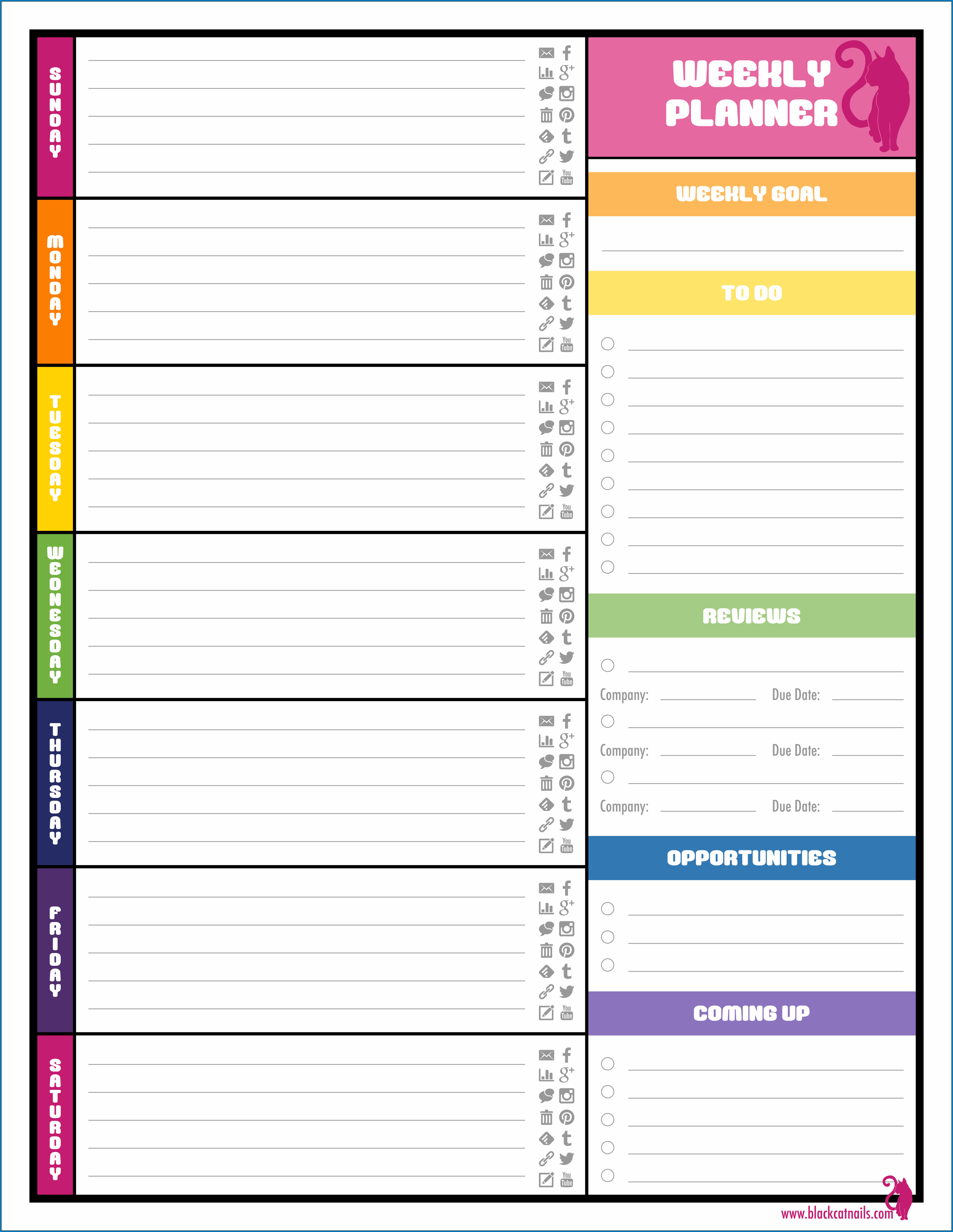
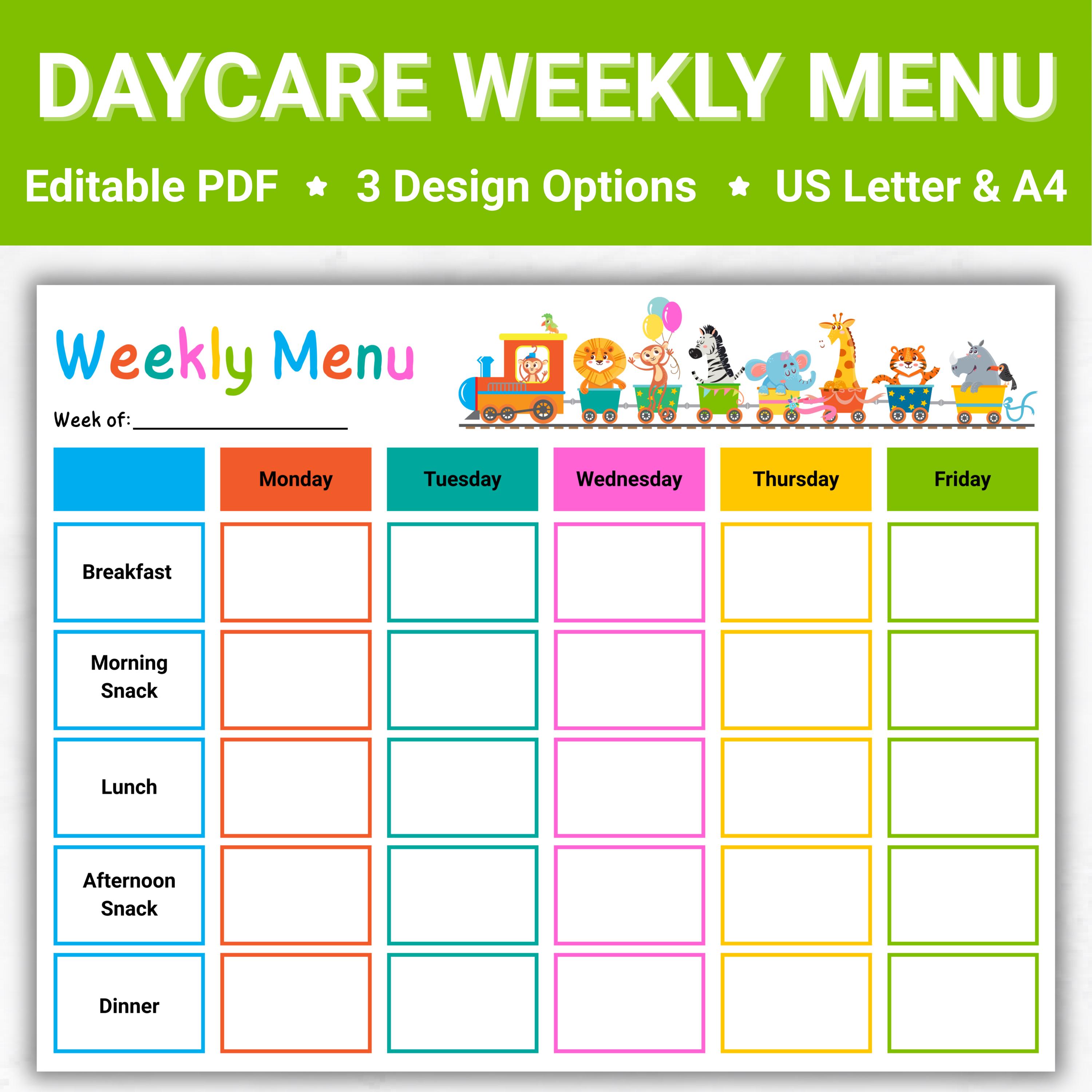
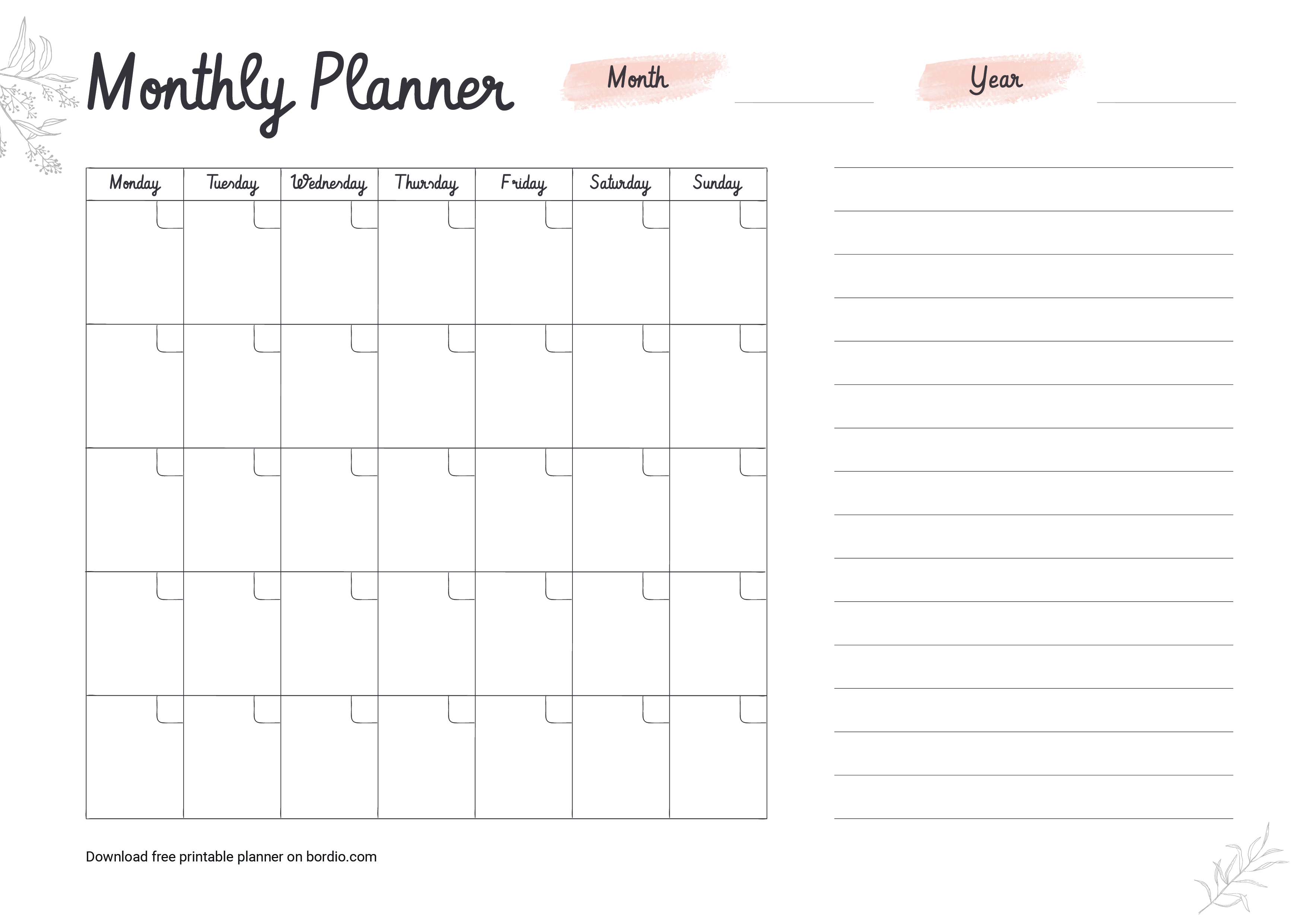
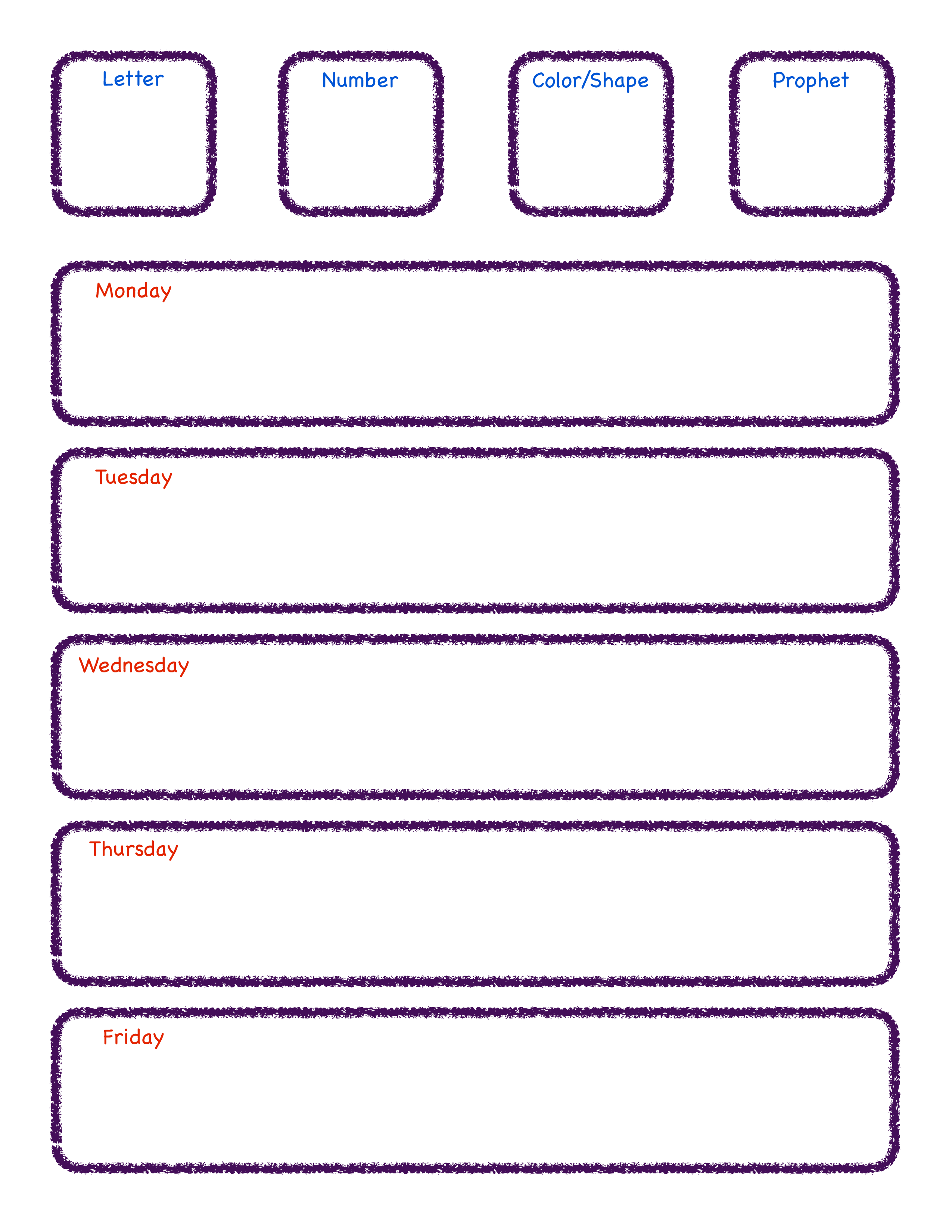
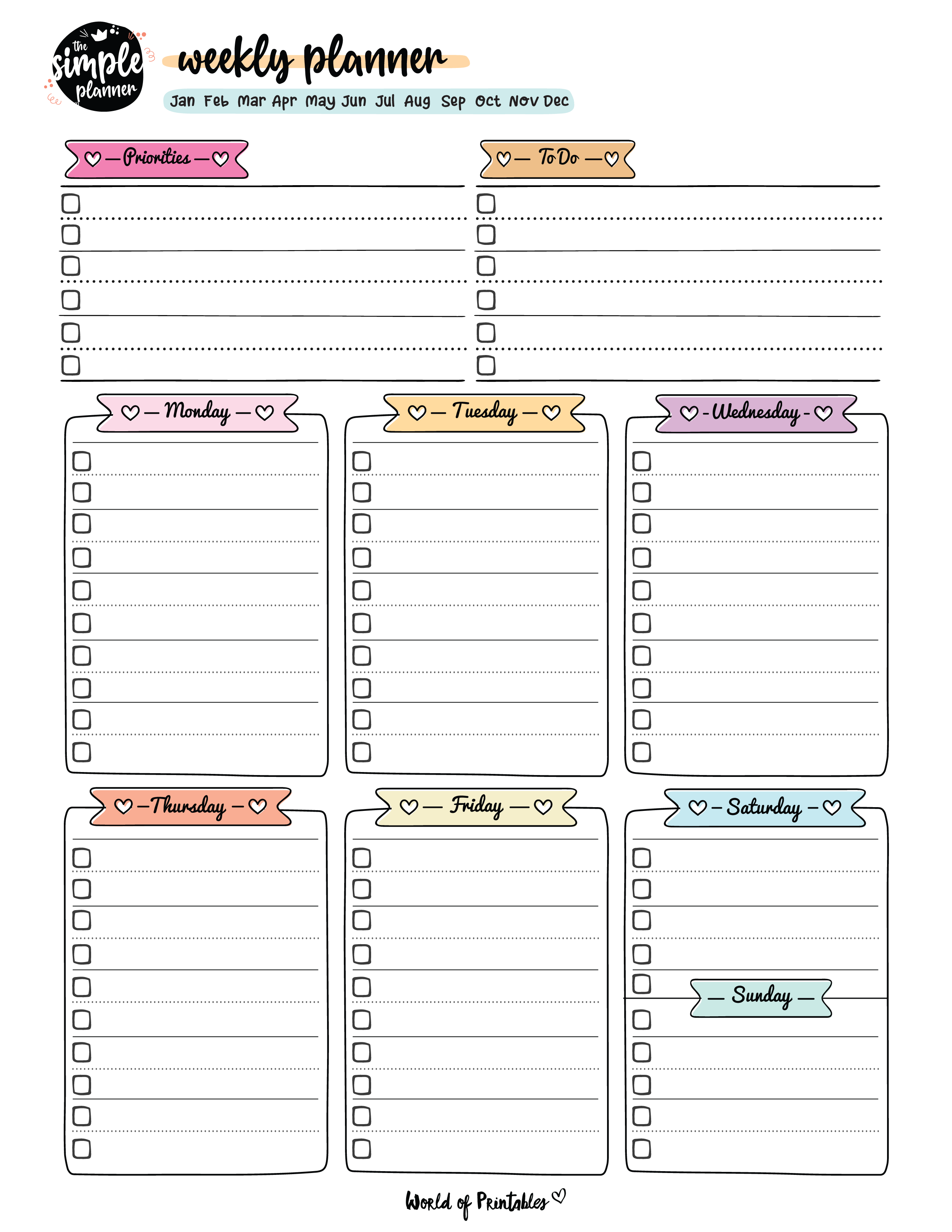
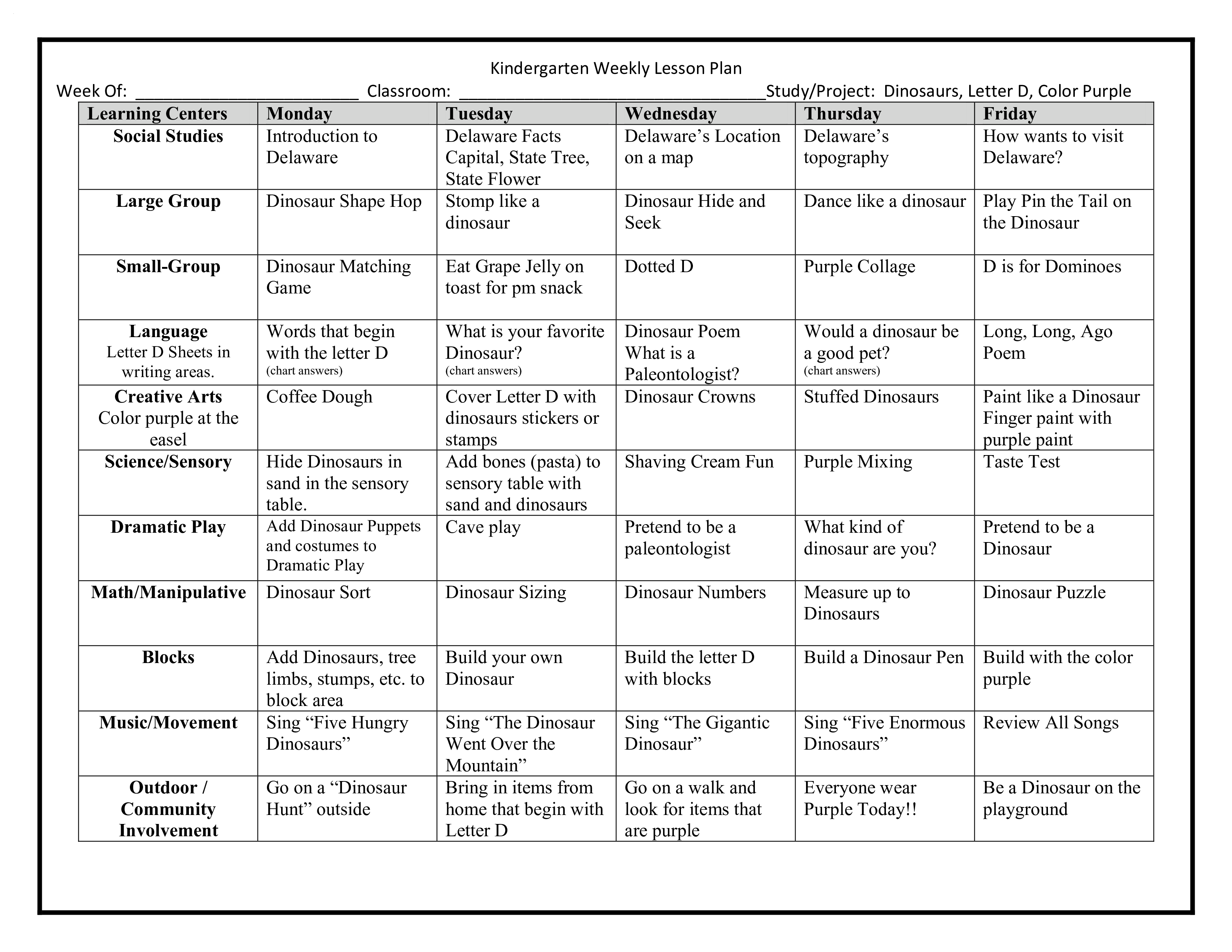
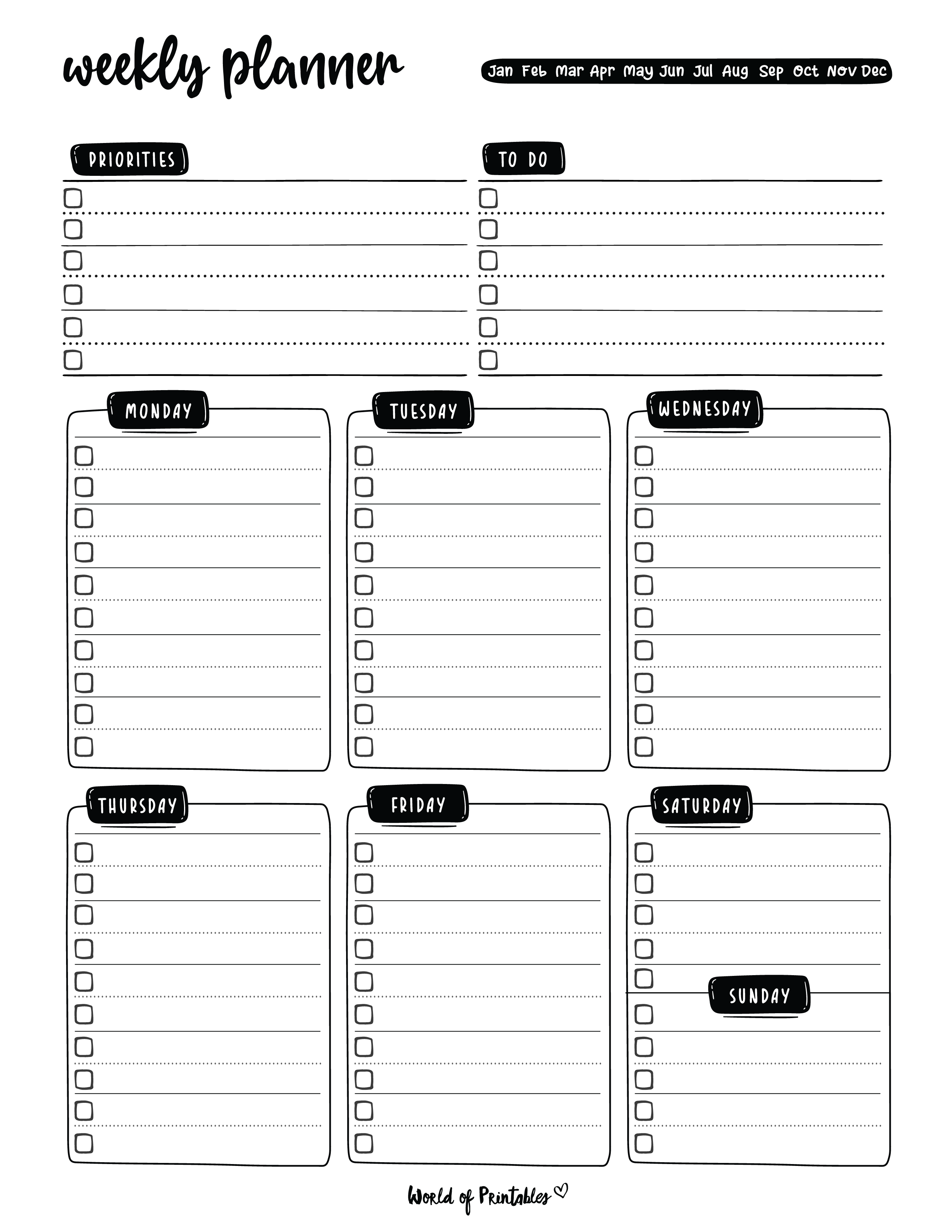
Taming the daily chaos of a classroom requires more than just patience; it demands a rock-solid rhythm that keeps little learners engaged and teachers sane. If you are tired of scrambling for activities every Monday morning, this weekly planner for preschool template is the ultimate game-changer for your workflow. It is designed to turn overwhelming lesson planning into a seamless, creative process that respects your time and energy.
Teachers everywhere are shifting toward structured flexibility to manage diverse classroom needs, and this template hits that sweet spot perfectly. By mapping out your themes, sensory play, and circle time in one cohesive view, you stop guessing what comes next and start focusing on what truly matters: fostering curiosity in your students. It is about reclaiming your prep time so you can actually enjoy those precious moments of discovery with your kiddos.
Whether you are a seasoned veteran or a fresh educator stepping into the room, having a reliable system is the secret to a thriving environment. This resource is built to grow with your curriculum, ensuring that every session feels intentional and fun. Let’s dive into how you can organize your week with absolute confidence, precision, and ease starting right now.
Why You Need a Preschool Weekly Planner
If you’ve ever felt like your morning routine is more of a chaotic scramble than a learning experience, you aren't alone. Managing a classroom—or even just a busy household—requires a bit of magic, and that magic usually comes in the form of a structured weekly planner for preschool. Having a clear visual roadmap doesn’t just keep the day moving; it helps little learners feel safe and secure because they know exactly what to expect next.
The Secret to Less Stress
When you map out your week, you stop guessing what to teach next. By organizing themes, sensory play, and circle time in advance, you can actually enjoy the moments of discovery instead of frantically searching for glue sticks. A solid template acts as your safety net during those hectic Mondays.
Balancing Play and Learning
Pro Tip: Don't overschedule! Preschoolers thrive on rhythmic transitions. Use your planner to ensure there is a healthy balance between high-energy movement and quiet, focused activities. If you find the kids are getting restless, look at your plan and swap a sedentary task for a quick dance break.
Making Your Weekly Schedule Work for You
Customizing Your Template
The best planner is one that flexes with your needs. Don't be afraid to leave some white space in your weekly preschool schedule. Life happens, and sometimes a simple bug found on the playground becomes a thirty-minute science lesson. Use your template as a guide, not a rigid prison sentence; flexibility is the hallmark of a great educator.
Building Consistent Habits
Consistency is the foundation of early childhood development. When you use a consistent weekly template, children begin to recognize patterns in their day. This builds independence and confidence, as they start to anticipate "story time" or "snack time" without needing a reminder. Keep your planner visible where everyone can see it—it’s a simple visual cue that keeps the whole group on the same page.
Transform Your Classroom Magic Today
Teaching little ones is a whirlwind of curiosity and constant motion, but you don’t have to navigate the chaos alone. By utilizing this weekly planner for preschool template, you are doing more than just organizing tasks; you are creating a reliable rhythm that allows you to be fully present for those "aha!" moments. When the structure is taken care of, your energy can finally shift back to what matters most: nurturing those tiny sparks of genius.
Remember, the best educators aren't the ones with the most rigid schedules, but the ones who feel prepared enough to pivot when a child finds a fascinating bug or asks a brilliant, unexpected question. Integrating this weekly planner for preschool template into your routine is the first step toward a more balanced, joyful teaching experience. If you found these tools helpful, I would love to hear how you customize your classroom flow—drop a comment below and share your favorite strategy for keeping your little learners engaged throughout the week!


