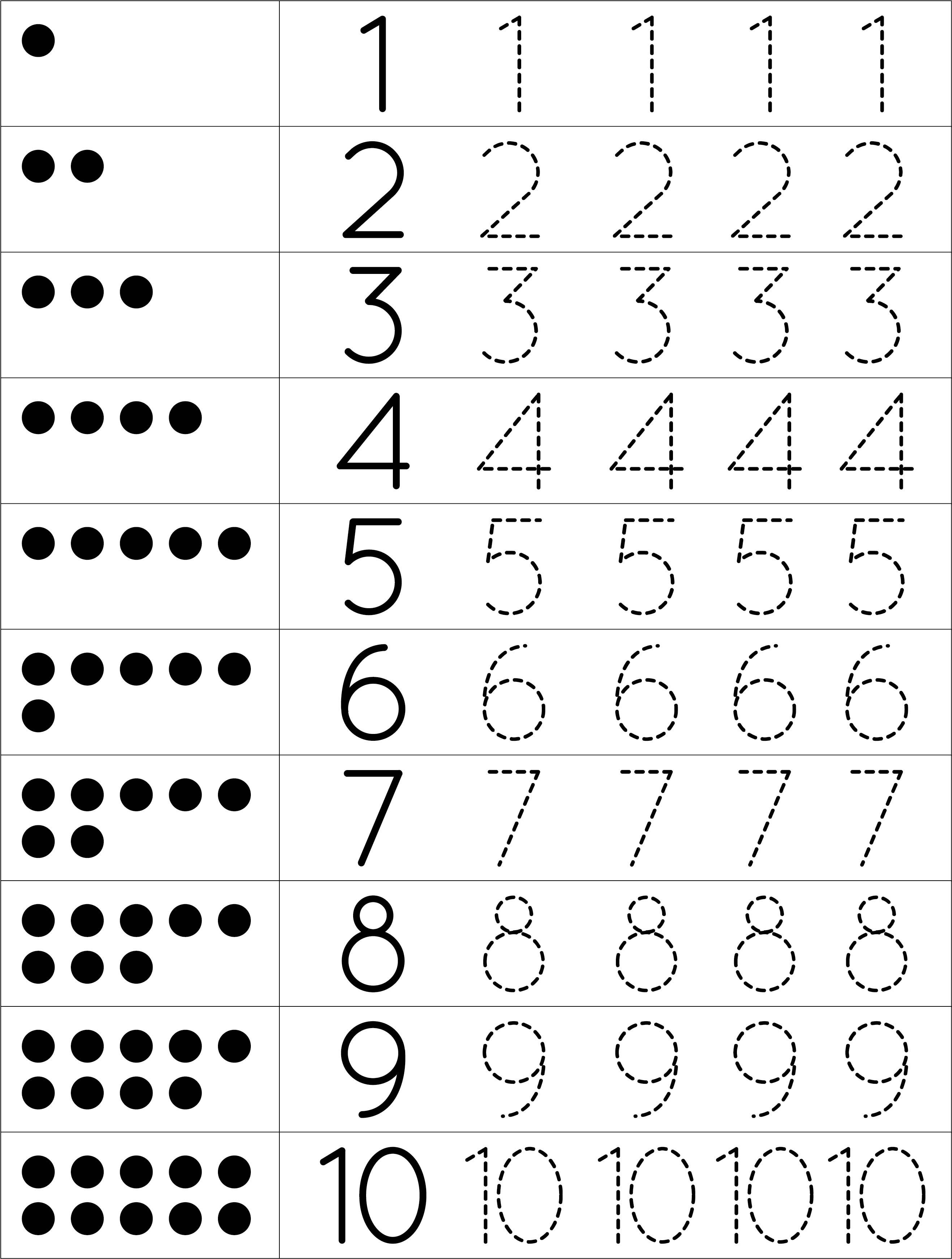

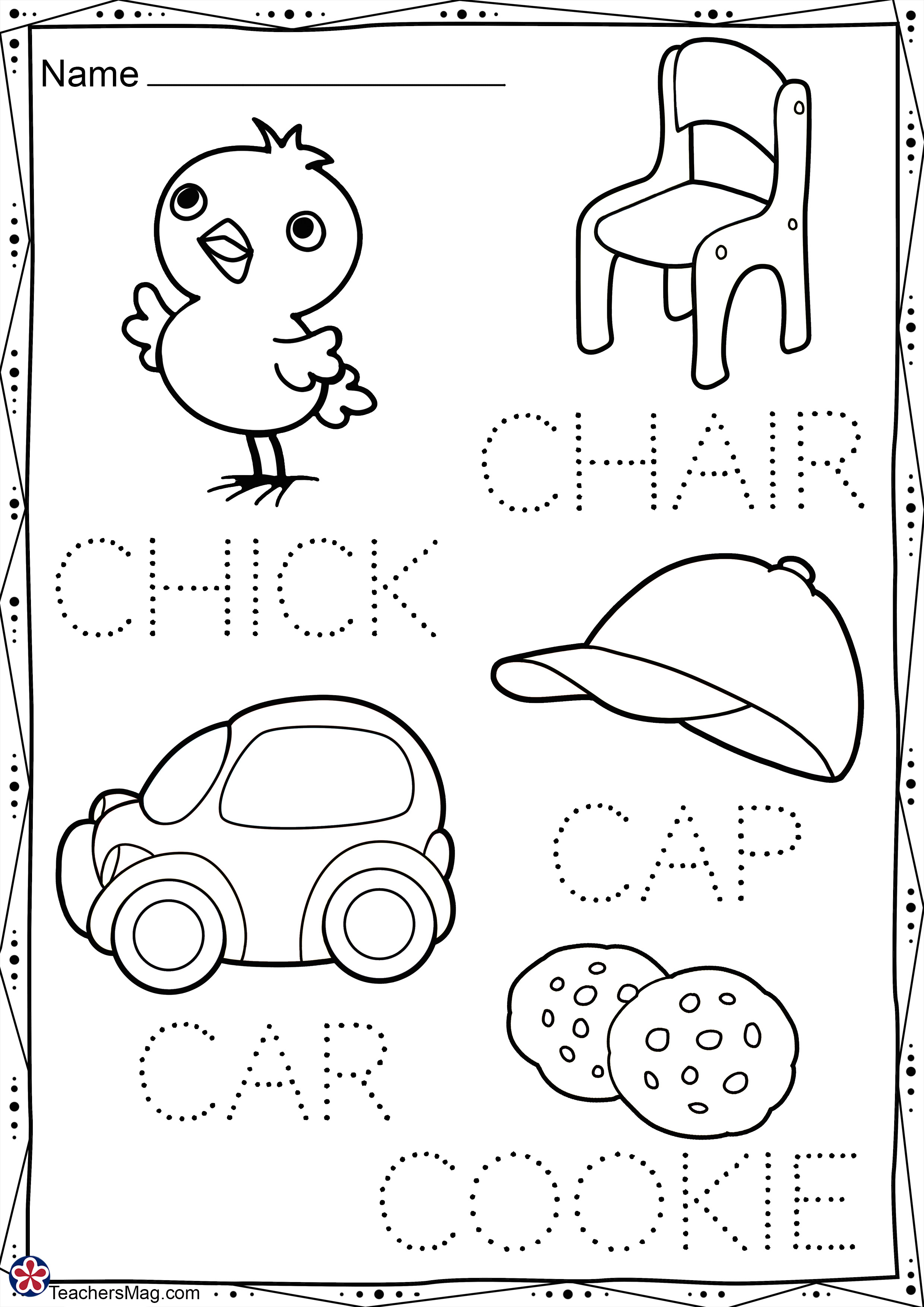


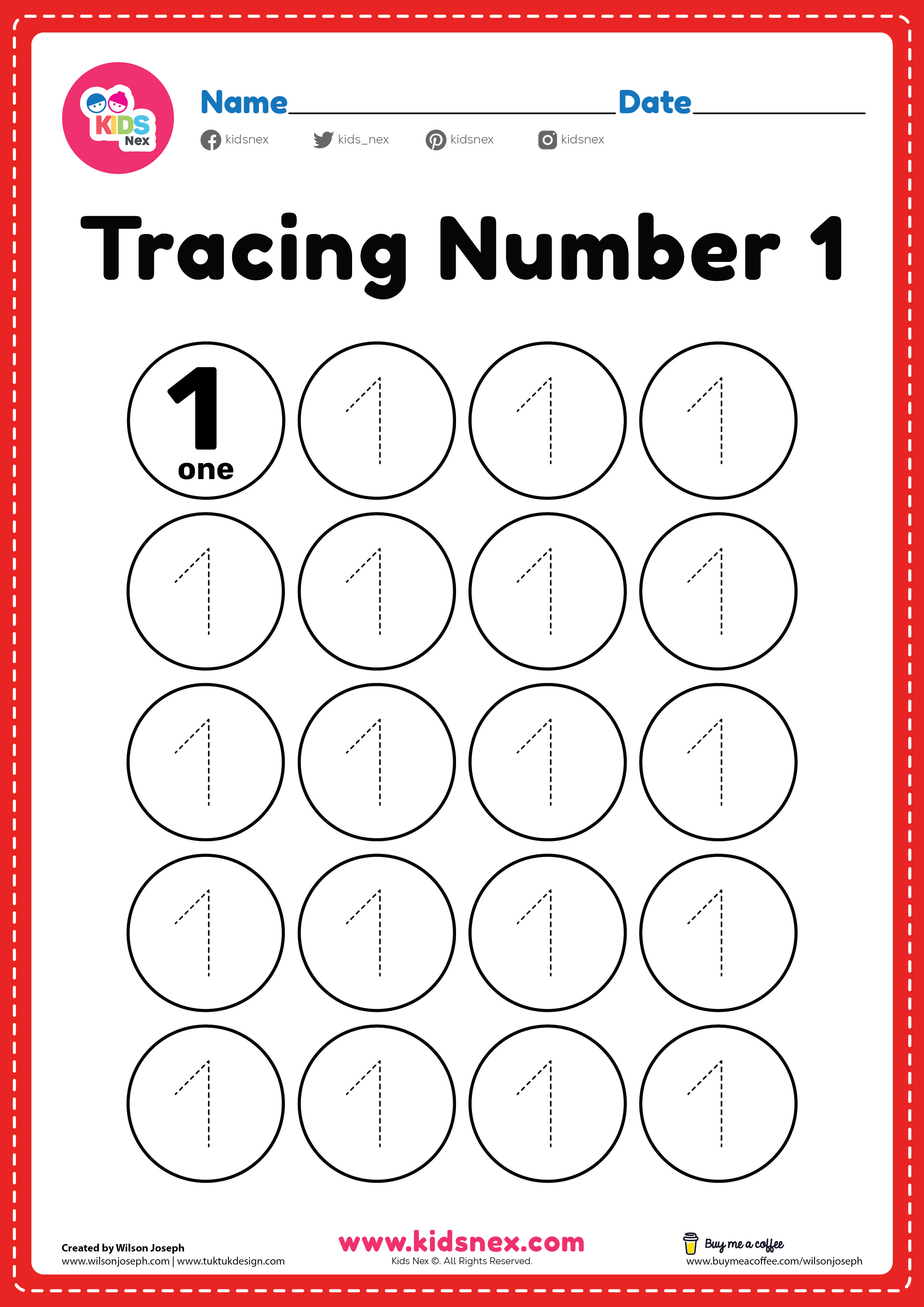


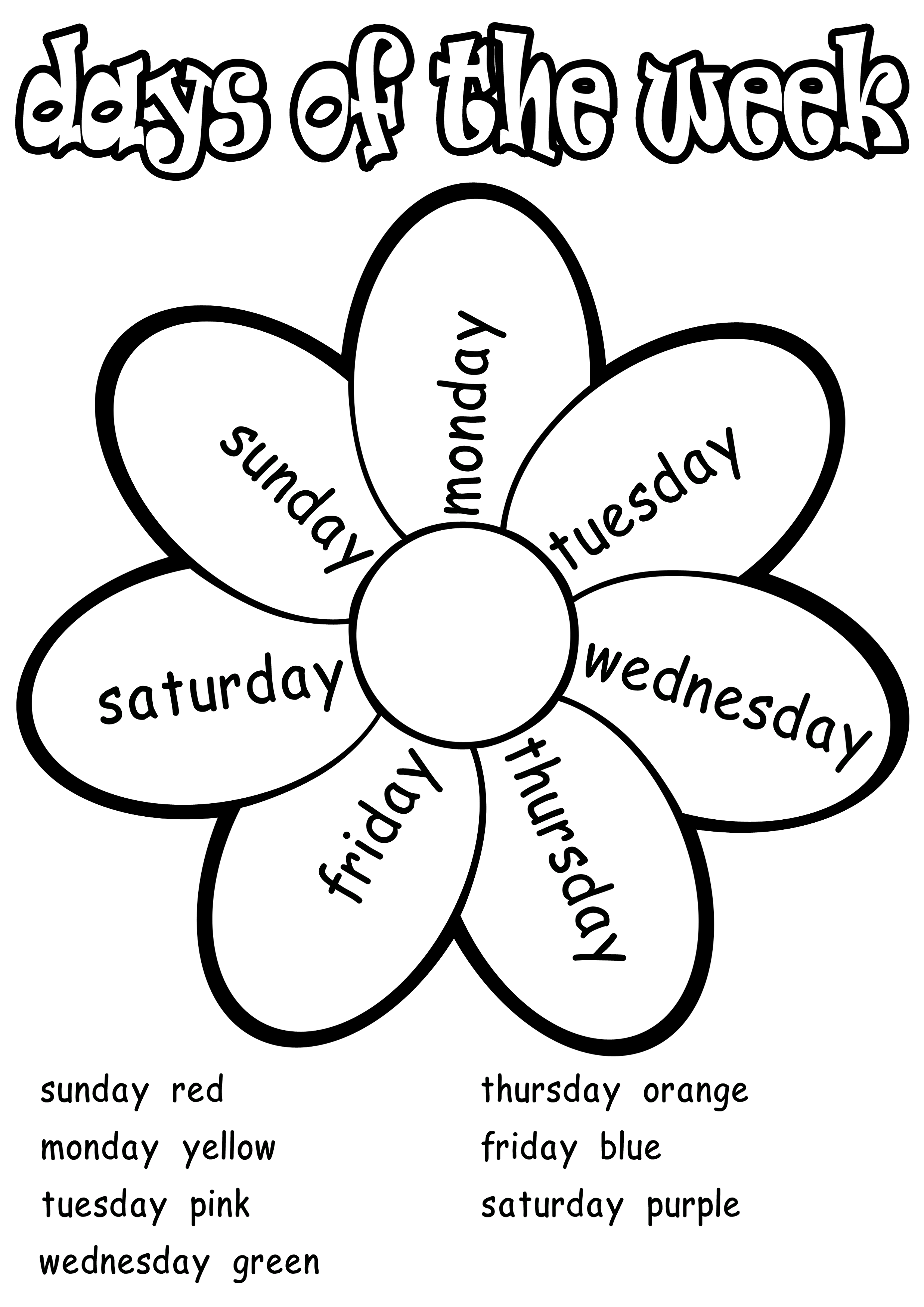

Preschool Dauber Printables Template Overview
January hits hard, doesn’t it? The holidays are over, the resolutions are staring you down, and free January worksheets are suddenly everywhere, promising to fix your life. Honestly, it’s overwhelming. But here’s the thing—most of those worksheets are either too generic or just plain boring. You don’t need another checklist telling you to drink water and smile more. You need something that actually gets it, something that feels like it was made for *you*.
Right now, you’re probably juggling a million things—work, family, maybe even that side hustle you swore you’d focus on this year. January is the month of fresh starts, but it’s also the month where burnout starts creeping in. That’s why this isn’t just about worksheets; it’s about finding tools that work with your life, not against it. Look—we’ve all been there, staring at a blank page wondering where to start. But what if you didn’t have to figure it all out alone?
What if I told you there’s a way to make January feel less like a sprint and more like a steady walk? Stick around, and you’ll see why these aren’t your average printables. Oh, and that tangent about burnout? Yeah, it’s important. Because let’s face it, no worksheet can fix everything, but the right one can make a difference.
The Part of Free January Worksheets Most People Get Wrong
When it comes to free January worksheets, most people focus solely on the "free" part, assuming that cost is the only factor that matters. But here’s the thing: not all free resources are created equal. The real value lies in how well the worksheet aligns with your goals, whether it’s meal planning, budgeting, or habit tracking. For instance, a beautifully designed worksheet might look appealing, but if it lacks practical sections for daily reflection, it’s just eye candy. The mistake? Overlooking functionality for aesthetics. A well-structured worksheet should guide you step-by-step, not leave you guessing what to do next. So, before you download the first one you see, ask yourself: Does this actually help me achieve what I want?
Why Structure Matters More Than You Think
A common pitfall with free January worksheets is their lack of structure. Many are thrown together with generic prompts like "Write your goals here," but that’s not enough to keep you on track. **A good worksheet should act as a roadmap**, breaking down larger goals into actionable steps. For example, instead of just asking for your January goals, it should include sections for weekly check-ins, progress tracking, and even space for setbacks. This level of detail is what separates a useful tool from a forgettable one. Without it, you’re left with a pretty PDF that collects digital dust.
The Hidden Benefit of Customizable Templates
One underrated feature of some free January worksheets is customizability. Not everyone’s January looks the same—some are focused on fitness, others on finances, and many on mental health. A one-size-fits-all approach rarely works. Look for worksheets that allow you to adapt sections to your specific needs. For instance, a template with editable fields lets you swap out irrelevant categories (like "Meal Prep" if you’re not cooking) for ones that matter to you. This flexibility ensures the worksheet serves *you*, not the other way around. It’s a small detail, but it makes a big difference in how consistently you’ll use it.
How to Spot a Truly Useful Free January Worksheet
Look for These 3 Key Features
Not all free January worksheets are worth your time, but the good ones share a few traits. First, they’re **purpose-driven**, designed with a clear intent (e.g., habit building, goal setting). Second, they include **progress markers**, like weekly or daily checkpoints, to keep you accountable. Third, they’re **visually intuitive**, balancing simplicity with enough detail to guide you without overwhelming. A quick test? If you can’t figure out how to use it within 30 seconds, it’s probably not worth your time. Here’s a pro tip: Try filling it out for a day or two before committing. If it feels clunky or irrelevant, move on—there are plenty of better options out there.
The Role of Community in Worksheet Success
Here’s something nobody tells you: the best free January worksheets often come with a community. Whether it’s a Facebook group, Instagram challenge, or email series, having a support system amplifies their effectiveness. Why? Because accountability and shared progress make it harder to quit. For example, a worksheet paired with a weekly email reminder or a group check-in can keep you motivated long after the initial excitement fades. If you’re downloading a worksheet, see if it’s part of a larger program—it could be the difference between sticking with it and abandoning it by February.
When to Ditch the Worksheet Altogether
Sometimes, even the best free January worksheets aren’t the right fit. If you’re someone who thrives on spontaneity or finds structured planning stifling, forcing yourself to use one might backfire. In these cases, a simple bullet journal or digital note-taking app could work better. The goal isn’t to follow a trend—it’s to find a system that *actually* helps you. So, if a worksheet feels like a chore, don’t hesitate to switch gears. After all, January is about progress, not perfection.
Here's What Makes the Difference
As we step into a new year, it's easy to get caught up in the excitement of fresh starts and grand resolutions. But the truth is, it's the small, consistent actions that add up to make a real impact on our lives and goals. By incorporating tools like free january worksheets into our daily routines, we can create a sense of structure and accountability that helps us stay on track. This, in turn, can have a ripple effect on other areas of our lives, from our relationships and work performance to our overall well-being and happiness.
So, what's holding you back from taking that first step? Is it the fear that you won't stick to it, or that it won't be worth the effort? What's the worst that could happen if you try? The truth is, the only way to guarantee failure is to not try at all. And with resources like free january worksheets available, you can start small and see what works for you without committing to anything too overwhelming.
Now that you've got a sense of what's possible, take a moment to browse through our collection and see what resonates with you. Bookmark this page, share it with a friend who could use a boost, or simply come back to it whenever you need a reminder that you've got this. The most important thing is to take that next step, and see where it takes you.
Related: Free Printable Preschool Worksheets That Actually Teach Letters
You've spent the last twenty minutes wrestling with a toddler who thinks crayons are for walls, not paper, and now you're staring at a screen hoping someone—anyone—has a solution that doesn't involve more screen time. Printable worksheets preschool resources are your lifeline, but not for the reason you think. It's not about keeping them busy; it's about giving them something that actually clicks.
Look—every parent and teacher I know is drowning in conflicting advice. Do more sensory play! Less structure! More worksheets! The truth is, your three-year-old doesn't care about trends. They care about the moment they finally trace a letter without smudging it, or match a shape and shout "I did it!" with their whole chest. That feeling? That's what builds confidence. And right now, with attention spans shorter than ever and endless distractions buzzing, the right printable worksheet can be the quiet win your day needs. Honestly, sometimes it's the only win.
But here's the kicker—most free worksheets out there are garbage. Boring clip art, confusing instructions, too hard or too babyish. I've seen it all. Keep reading, and I'll show you exactly what to look for: the specific types of activities that actually hold a preschooler's focus, the ones that sneak in learning without them noticing, and the one mistake almost everyone makes that turns a fun sheet into a meltdown trigger. You'll walk away knowing how to pick the good stuff—and maybe even get your kid to sit still for ten whole minutes. No promises on the sitting still part, but I'm betting on you.
If you've spent any time looking for activities to keep a three- or four-year-old busy, you know the struggle is real. The internet is flooded with options, but most of them miss the mark entirely. They're either too complex, requiring constant adult intervention, or so mind-numbingly simple that a child finishes them in thirty seconds flat. Here's what nobody tells you: the sweet spot for early learning materials sits right in the middle — activities that challenge a child just enough to hold their attention without pushing them into frustration. That's where thoughtfully designed printable worksheets preschool resources actually earn their keep. They aren't about busy work. They're about building tiny, crucial neural connections through repetition that doesn't feel like repetition.
Why Most Preschool Printables Fail (And How to Spot the Good Ones)
Let's be blunt. Many free worksheets you find online are designed by graphic designers who have never sat in a room with a wiggly four-year-old. They look pretty but lack any real pedagogical backbone. A good early childhood activity needs to respect the child's limited fine motor control. A tracing line that's too thin? Useless. A maze with dead ends that are too narrow? Tears, guaranteed. And yes, that actually matters more than the cute clipart of the smiling sun. The best materials focus on one skill at a time — scissor practice, letter recognition, or counting to five — without cramming in distractions. Look for worksheets that use large, clear images and thick, forgiving lines. A well-constructed tracing sheet for the letter "A" should have a clear starting dot and an arrow, not just a dotted outline that assumes a toddler knows where to begin.
The Hidden Power of Pattern Recognition in Early Learning
Most parents overlook pattern recognition, but it's the bedrock of early math and reading. A simple cut-and-paste activity where a child matches a striped sock to a striped shirt does more for cognitive development than a dozen flashcard sessions. Repetition across varied contexts is what cements learning, not drilling the same thing until boredom sets in. I've seen children who struggled with counting to three suddenly "get it" when they had to glue three cotton balls onto a sheep picture. The tactile element matters. The context matters. The worksheet is just the vehicle for that connection.
What to Look For: A Quick Reference on Worksheet Quality
| Feature | Poor Worksheet | Effective Worksheet |
|---|---|---|
| Line thickness | Thin, faint gray lines | Bold, dark lines (at least 2mm wide) |
| Visual clutter | 5+ different icons or characters | 1-2 clear, large images |
| Instruction clarity | Text-only instructions | Visual example + simple 3-word cue |
| Skill focus | Mixed: letters, numbers, colors | Single skill per page |
| Durability for use | No space for name or date | Includes a name line and margin |
The One Specific Tip That Changes Everything
Here's a tactic that works every time and costs nothing: print worksheets on cardstock and slip them into a reusable dry-erase sleeve. This single change eliminates the "I messed up" meltdown. A child can trace the same letter "B" ten times, wipe it clean, and do it again. That repeated practice, without the pressure of permanence, builds confidence far faster than a stack of consumable sheets. I've watched reluctant learners become eager participants simply because they knew they could erase and try again. It turns a disposable piece of paper into a tool for mastery. And when you pair that with a set of quality printable worksheets preschool that actually respect a child's developmental stage, you're not just keeping them busy — you're building a foundation that sticks.
One Last Thing Before You Go
When you strip away all the noise of daily routines and endless to-do lists, what you’re really building with this approach is a foundation of confidence—for your child, and for yourself. Every moment you invest in intentional, hands-on learning isn’t just about letters or numbers; it’s about showing a little person that they are capable, curious, and worthy of your focused attention. That feeling of accomplishment when they complete a task on their own? It echoes far beyond the kitchen table and into how they see themselves in the world. Isn’t that the kind of quiet magic we’re all really after?
Maybe you’re still wondering if you have the time, or if your child will even sit still long enough to make it work. Let that doubt go. You don’t need a perfectly quiet house or a child who loves worksheets from the start. What you need is a single, well-chosen page and five minutes of your genuine presence. The resistance you fear often melts away when the activity feels like a game, not a lesson. Start small, stay consistent, and trust that the spark will catch.
So here’s your next step: take a breath, and then take action. Browse through the gallery of printable worksheets preschool resources you’ve seen here, and pick just one that makes you smile. Bookmark this page for those afternoons when you need a quick win. Or better yet, send this to a fellow parent who’s also navigating this beautiful, messy stage—they’ll thank you for it. The printable worksheets preschool you choose today aren’t just paper; they’re tiny invitations to connect, learn, and grow together. Go ahead—pick one and see what happens.
Related: Free Printable Preschool Worksheets with Adorable Clipart
You’ve spent 45 minutes searching Pinterest for the perfect preschool worksheets clipart, only to end up with cartoon dinosaurs that look like they’ve been drawn by a toddler having a bad day. Honestly, it’s maddening. You need something that actually captures a child’s attention without making you cringe every time you print it. But here’s the thing—most free clipart out there is either too generic to be useful or so cluttered it distracts from the learning objective. And that’s a problem when you’re trying to teach letter recognition or counting to a room full of three-year-olds who would rather eat the crayons.
Look—if you’re a teacher, a homeschool parent, or a work-from-home creator, you don’t have time to sift through garbage. Every minute you waste on bad clipart is a minute you could have spent actually teaching or, you know, drinking your coffee while it’s still hot. The clipart you choose sets the entire tone of your worksheet. Too busy? Kids get overwhelmed. Too boring? They check out. Too ugly? You check out. That’s why finding the right balance matters right now—because your resources are only as good as the visuals that sell them.
What you’re about to read isn’t another list of “10 cute clipart packs.” It’s a practical breakdown of how to spot clipart that actually works for preschoolers—clean lines, clear themes, and scalable designs that don’t fall apart when you resize them. I’ll show you where to find it, what to avoid, and why a slightly imperfect bunny rabbit beats a perfectly polished cartoon every single time. Stick with me—I promise your next worksheet will actually look like you meant it to.
If you've ever spent an afternoon hunting for the perfect image to accompany a letter-tracing worksheet, you already know the frustration. The clipart you find is either too cartoony, too generic, or so pixelated it looks like a relic from 1999. Here's what nobody tells you: the visual style of your preschool materials directly impacts how long a child stays engaged. Research in early childhood design shows that cluttered or overly detailed images actually distract young learners rather than helping them focus. I've seen teachers spend hours tweaking layouts, only to realize the real problem was the clipart itself.
Let's talk about what actually works. A simple, bold outline of an apple—no shading, no extra leaves, no smiley face—will hold a three-year-old's attention far better than a complex illustration. Why? Because their brains are still learning to filter visual noise. The most effective preschool worksheets clipart uses solid colors, clear shapes, and minimal detail. Think of it as visual scaffolding: the image should support the learning objective, not compete with it. For example, a black-and-white line drawing of a cat for a "letter C" page is perfect. Add a patterned sweater and a background scene, and you've lost the child before they even pick up a crayon.
Why Most Free Clipart Fails Your Lesson Plan
I've watched well-meaning parents and teachers download massive clipart bundles, only to realize the images don't align with their curriculum. A common mistake? Using clipart that depicts objects a preschooler might not recognize. A vintage telephone, a rotary dial, or an old-fashioned milk bottle means nothing to a child raised on tablets and cartons. Your clipart needs to match the child's lived experience. If you're teaching the letter "B," show a ball, a banana, and a bus—not a barometer or a bust. This seems obvious, yet I see it wrong constantly in shared resource groups.
Here's a specific tip that will save you hours: create a simple style guide for your worksheet images before you start searching. Decide on three things—line thickness, color palette (stick to primary or secondary colors), and whether you want realistic or stylized drawings. Then stick to it. Consistency across a set of worksheets helps children build pattern recognition. When every "A" page has a bold red apple and every "B" page has a bright yellow banana, the visual repetition reinforces the letter-sound connection. That's not fluff; that's cognitive science applied to a PDF.
How to Choose Between Realistic and Stylized Images
The debate between realistic clipart and stylized illustrations is older than the internet. Realistic images—actual photographs or detailed drawings—can be useful for vocabulary building. A photo of a real tiger shows the fur texture and eye shape. But for a tracing worksheet? Stylized wins every time. A simplified tiger with clear lines and no background clutter is easier for small hands to trace around and for young eyes to process. Save the photos for flashcards or circle-time discussions; use clean vector art for anything involving fine motor skills.
What to Look for in a Clipart License
This is the part nobody talks about at the teacher supply store. Most free clipart sites use licenses that forbid commercial use or require attribution. If you're selling your worksheets on a marketplace or sharing them on a paid platform, you need images with a commercial license or a Creative Commons Zero (CC0) designation. I've seen entire shops get flagged because a teacher used a free image of a cartoon owl that actually belonged to a major studio. Do yourself a favor: bookmark a few reputable sources that explicitly allow reuse. It's not glamorous, but it keeps your work legal.
When to Break the "Simple Is Best" Rule
There is exactly one scenario where detailed clipart shines: storytelling prompts. If you're creating a worksheet that asks a child to "circle all the animals in the jungle," a more complex scene with hidden details encourages observation skills. But even then, keep the characters simple. Let the scene have depth while the main subject stays flat and clear. This balance—detailed background, simple foreground—is the secret sauce that separates amateur worksheets from professional educational resources. Test it yourself: print two versions of the same activity and watch which one a child finishes first. The answer will tell you everything.
One Last Thing Before You Go
You came here looking for a tool, but what you’re really building is a moment—a quiet stretch of morning where a child’s finger traces a dotted line, connects a puppy to its bone, or colors inside the shape of a star. That’s not busywork; that’s the scaffolding of confidence, fine motor control, and the belief that “I can figure this out.” In a world that rushes kids from screen to screen, giving them something to hold, cut, and complete is an act of resistance. It says their hands matter, their choices matter, and the process matters more than perfection.
Maybe you’re worried you don’t have the design skills to make something that looks “good enough.” Let that worry go. A child doesn’t care about kerning or color theory—they care that the dinosaur has a friendly face and that the maze leads somewhere fun. The preschool worksheets clipart you choose is the starting line, not the finish. Your job is simply to select images that spark curiosity, then get out of the way. You already have everything you need to make learning feel like play.
So here’s what I’d ask: bookmark this page before you close the tab. Browse the gallery with your morning coffee and let one image lead you to another. Then share it with a fellow teacher, a tired parent, or that friend who always says they wish they had more time to prep activities. Because the best resources aren’t the ones locked away in a file—they’re the ones that actually get printed, smudged with crayon, and taped to a fridge. Go make something that sticks.


