




Multiplication By 2 Worksheets Practice Overview
Your kid’s first steps into reading start here, and kindergarten worksheets abc are the unsung heroes of this journey. Honestly, if you’re not using them, you’re missing out on a golden opportunity to build a rock-solid foundation for literacy. These aren’t just random pages—they’re carefully designed tools that turn letter recognition into a game, not a chore.
Right now, your child’s brain is a sponge, soaking up everything at lightning speed. Waiting too long to introduce structured learning? That’s a mistake you’ll regret. These worksheets aren’t just about memorizing letters; they’re about sparking curiosity, building confidence, and making learning feel like play. If you’re worried about screen time or your kid losing interest, this is the antidote.
Look—I get it. Parenting is hard, and there’s no shortage of advice out there. But here’s the thing: not all resources are created equal. By the time you’re done reading, you’ll know exactly how to pick the right worksheets, use them effectively, and watch your child thrive. Spoiler alert: it’s simpler than you think.
The Part of Kindergarten Worksheets ABC Most People Get Wrong
When it comes to early literacy development, kindergarten worksheets ABC are often the go-to resource for parents and educators. However, many overlook a critical aspect: worksheets should complement, not replace, hands-on learning. Too often, these sheets are treated as a standalone solution, which can lead to frustration for both kids and adults. The real value lies in integrating them with interactive activities like letter tracing in sand or singing the alphabet song. This blended approach ensures children don’t just recognize letters but also understand their sounds and uses.
Why Drilling Letters Alone Falls Short
Focusing solely on letter recognition through kindergarten worksheets ABC can create a superficial understanding of literacy. Kids might memorize shapes but struggle to connect them to words or sounds. For instance, knowing “A” doesn’t automatically mean a child grasps that it represents the “ah” sound in “apple.” This gap often becomes apparent when they start reading simple sentences. **Contextual learning**—like pairing worksheets with storytelling or labeling objects around the house—bridges this divide, making abstract letters tangible.
The Role of Play in Early Literacy
Here’s what nobody tells you: play is just as important as practice. Games like alphabet scavenger hunts or magnetic letter puzzles reinforce what kids learn from worksheets without feeling like work. Incorporating these activities doesn’t require fancy materials—a set of flashcards or even homemade letter cards can do the trick. The key is to keep it engaging and age-appropriate. For example, turning letter matching into a race can make learning feel like a game, not a chore.
How to Choose the Right Kindergarten Worksheets ABC for Your Child
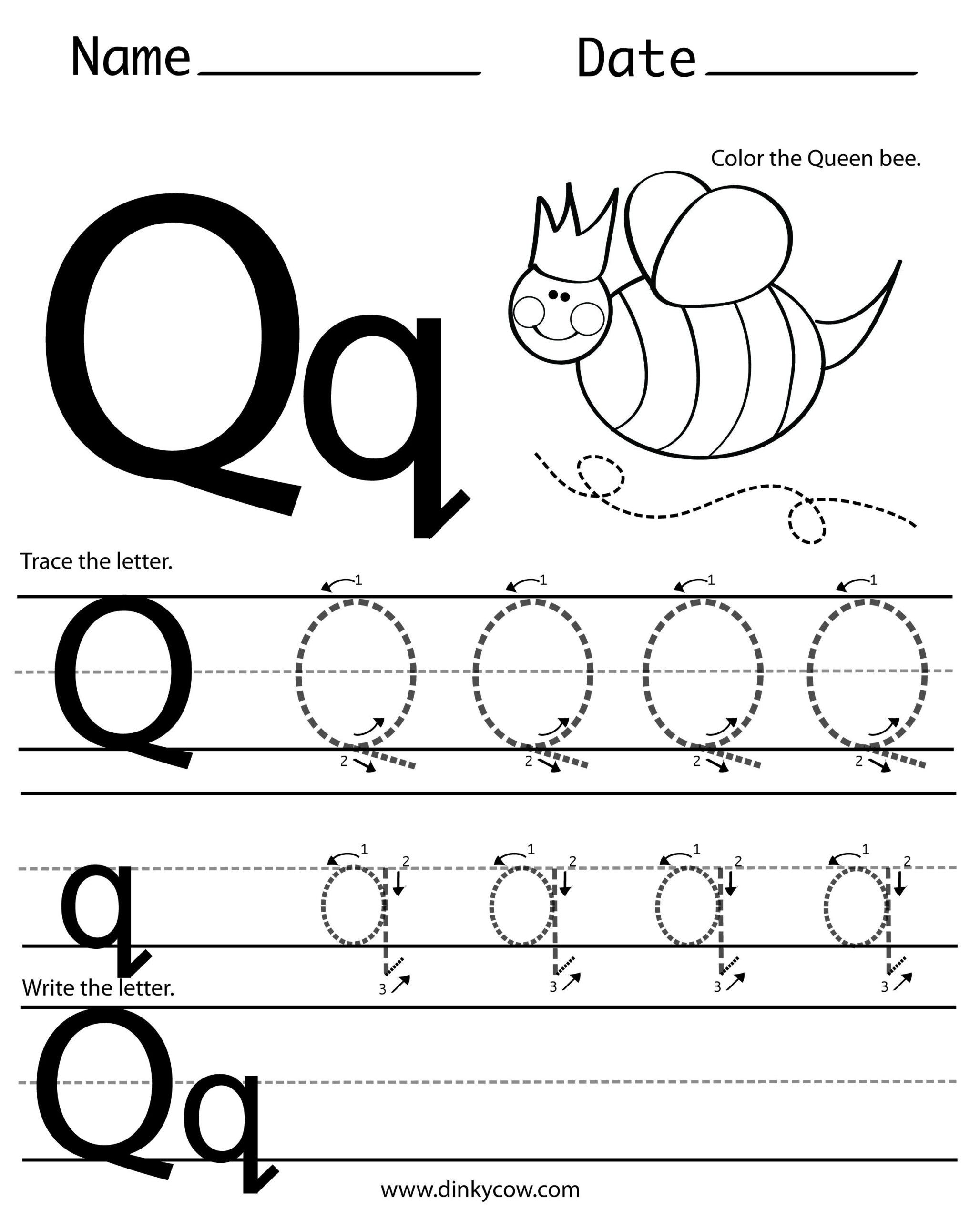
Not all kindergarten worksheets ABC are created equal. Some are too simplistic, while others overwhelm with cluttered designs. The best ones strike a balance between clarity and engagement. Look for sheets that include multi-sensory elements, like dotted lines for tracing or pictures that encourage coloring. These features keep kids involved and help reinforce motor skills alongside letter recognition.
Features to Look For
- Progressive Difficulty: Sheets should start with basic letter identification and gradually introduce sounds and simple words.
- Visual Appeal: Bright, clear images that relate to the letter being taught (e.g., an apple for “A”).
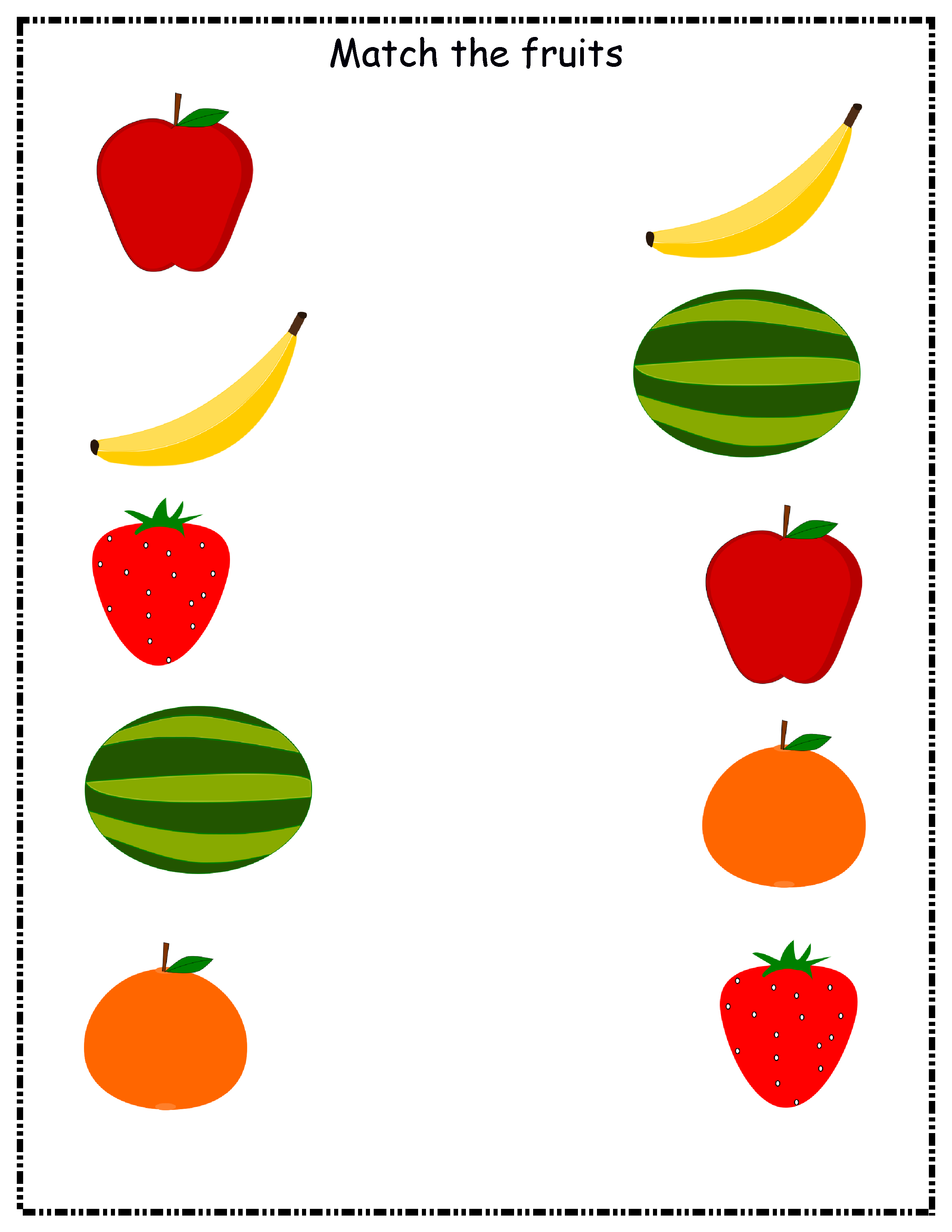
- Interactive Elements: Activities like circling, tracing, or matching to keep hands busy and minds engaged.
Avoiding Common Pitfalls
One common mistake is rushing through worksheets or forcing kids to complete them when they’re not in the mood. **Flexibility is key**—some days, a child might be eager to finish three sheets, while other days, one might be enough. Another pitfall is neglecting to celebrate small wins. A simple “Great job tracing that ‘B’!” can go a long way in building confidence. Remember, the goal isn’t perfection but progress.
Your Child's Learning Journey Starts Here
As you reflect on the importance of early education, remember that every small step counts in your child's development. The foundation you help build today will shape their academic and personal growth for years to come. By incorporating tools like kindergarten worksheets abc into their routine, you're not just teaching letters—you're fostering curiosity, confidence, and a love for learning. This is the bigger picture, and it’s worth every moment of effort.
If you’re wondering whether it’s too early or too much, let me reassure you: it’s never too early to start, and every child learns at their own pace. These resources are designed to be engaging and adaptable, meeting your little one right where they are. What matters most is consistency and encouragement, not perfection. So, take a deep breath—you’re doing great.
Ready to take the next step? Browse our gallery of kindergarten worksheets abc and bookmark this page for easy access. Share it with a fellow parent or caregiver who might find it helpful—because when it comes to supporting our kids, we’re all in this together. Your child’s learning journey is just beginning, and you have everything you need to make it amazing.
Related: Free Printable Multiplication Worksheets for 3rd Graders
Math is hard. Honestly, it’s one of those subjects that can make even the most confident parents break a sweat. And when your 3rd grader comes home with a math worksheets on multiplication for 3rd grade, the pressure’s on—for both of you. You want them to nail it, but let’s face it, multiplication isn’t exactly a walk in the park. It’s the first big leap in math, and if they don’t get it now, everything else gets tougher.
Here’s the thing: 3rd grade is a critical year. It’s when kids either build a solid math foundation or start falling behind. Multiplication is the cornerstone, and if they’re struggling, it’s not just about this week’s homework—it’s about their confidence in the classroom. You’ve probably tried flashcards, apps, maybe even bribing them with extra screen time. But let’s be real, nothing sticks unless it’s engaging and makes sense to them.
What if there’s a way to turn those groans into “I got this!” moments? Stick around, because we’re about to dive into why look—multiplication doesn’t have to be a battle. And no, it’s not just about finding the right worksheets. It’s about understanding how 3rd graders learn, what motivates them, and how to make math feel less like a chore and more like a game they actually want to play.
Why 3rd Graders Struggle with Multiplication (And How Worksheets Can Help)
Let's face it, multiplication can be a stumbling block for many 3rd graders. It's a big leap from addition and subtraction, requiring a new way of thinking about numbers. Suddenly, they're not just combining quantities, they're finding the total of repeated groups. This abstract concept can be tricky to grasp, especially for visual or kinesthetic learners.
The Common Pitfalls
Many students get tripped up by memorization. They might know their times tables by rote, but struggle to apply that knowledge to word problems or multi-step equations. Others get overwhelmed by the sheer volume of facts to learn, leading to frustration and a sense of "I'm just not good at math."
Where Worksheets Shine
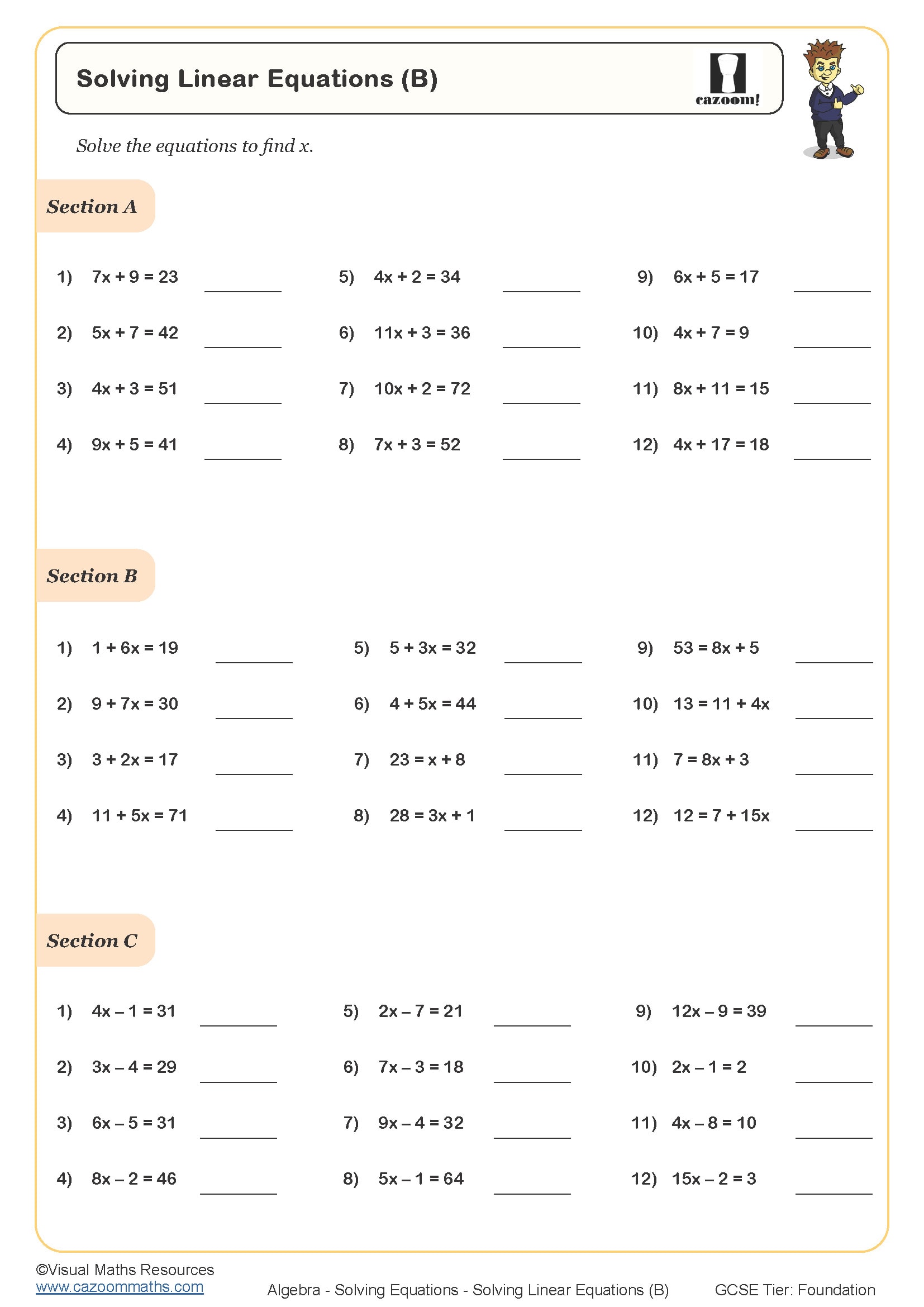
This is where **targeted multiplication worksheets for 3rd grade** come in. They provide a structured, repetitive practice that's crucial for building fluency. Think of it like learning a musical instrument – you wouldn't expect to master a piece after playing it once. Worksheets allow students to encounter multiplication problems in various contexts, reinforcing understanding and building confidence.
Beyond Memorization
The best worksheets go beyond simple drills. They incorporate visual aids, like arrays or number lines, to help students visualize the concept. They also include word problems that connect multiplication to real-world scenarios, making it more meaningful and engaging. *Here's a pro tip: encourage your child to draw pictures or use manipulatives alongside their worksheets to deepen their understanding.*
Choosing the Right Multiplication Worksheets: Quality Over Quantity
Not all worksheets are created equal. Avoid generic, one-size-fits-all sheets that simply list multiplication problems. Look for resources that:
- Align with your child's curriculum: Ensure the worksheets cover the specific multiplication concepts being taught in their classroom.
- Offer a variety of problem types: Include horizontal and vertical multiplication, word problems, and visual representations.
- Gradually increase difficulty: Start with basic facts and progress to more challenging problems as your child gains confidence.
Remember, the goal isn't to complete a mountain of worksheets, but to foster a deep understanding of multiplication. **Quality practice, not quantity, is key.** With the right resources and a supportive learning environment, your 3rd grader can conquer multiplication and develop a strong foundation for future math success.
Your Next Step Starts Here
Mastering multiplication isn’t just about acing a test or completing homework—it’s about building a foundation for problem-solving, critical thinking, and confidence in numbers. Whether your child dreams of becoming a scientist, an entrepreneur, or simply wants to navigate daily life with ease, a strong grasp of multiplication is a stepping stone to bigger opportunities. It’s the kind of skill that quietly shapes their future, one equation at a time. And the best part? You’re already on the right path by exploring tools like math worksheets on multiplication for 3rd grade.
Maybe you’re thinking, “But will this really make a difference?” Trust me, consistency is key. Small, focused efforts today lead to big breakthroughs tomorrow. These worksheets aren’t just pages of numbers—they’re opportunities for your child to practice, grow, and feel proud of their progress. Even if it feels like a slow climb now, every problem solved is a win, and every win builds momentum.
So, here’s your invitation: bookmark this page for easy access, or share it with a fellow parent who’s on the same journey. Dive into the math worksheets on multiplication for 3rd grade and watch as your child turns “I can’t” into “I got this.” The future is full of possibilities, and this is just the beginning. Let’s make it count.
Related: 5 Printable Year 5 Worksheets That Actually Keep Kids Focused
Let's be honest: finding the right printable worksheets year 5 that actually challenge your ten-year-old without making them want to throw the pencil across the room is almost impossible. Most of what you find online is either babyish fluff or soul-crushing drills that feel like punishment. And you don't have time to sift through hundreds of boring PDFs to find the one that clicks.
Here's the thing — your child is at that weird in-between stage. Too old for cutesy cartoon math, but not ready for the dry, dense worksheets that high schoolers use. The truth is, if the material doesn't feel just slightly out of reach, they'll check out in two minutes. But if it's too hard? Meltdown city. I've seen it happen with my own kid, and honestly, it's exhausting trying to guess what works.
What if you could grab worksheets that feel like they were designed by someone who actually remembers what it's like to be nine? Sheets that sneak in critical thinking while still covering fractions, grammar, and comprehension. No fluff, no patronising graphics — just solid practice that keeps their brain firing. Keep reading, and I'll show you exactly where to find them and how to pick the ones that won't sit in a drawer unused.
Let's be honest about something. The phrase "printable worksheets" often makes parents and even some teachers roll their eyes. We picture endless rows of sums or tedious grammar drills that suck the life out of a Friday afternoon. But here's what nobody tells you: the real value isn't in the worksheet itself—it's in how you use it. A well-crafted page of problems can be a diagnostic tool, a confidence builder, or even a quiet moment of focus in a chaotic day. For a ten-year-old, the right material at the right time can turn a groan into a genuine sense of accomplishment.
The Part of Year 5 Learning That Most Parents Misjudge
Year 5 is a weird and wonderful bridge year. Kids are no longer little, but they aren't tweens yet either. They need structure, but they despise feeling babied. This is where the subtle art of selecting the right resources comes into play. Too easy, and they're bored. Too hard, and they shut down. The best printable worksheets year 5 materials walk this tightrope by mixing fluency practice with genuine problem-solving. I've seen a single fractions sheet—one that asked a child to explain why 3/4 is bigger than 2/3 without just calculating—spark a twenty-minute conversation at the dinner table. That's not busywork. That's thinking.
Here's the actionable tip most people miss: never give a child a full packet of worksheets at once. Hand them one page. Let them finish it. Check it together immediately. The instant feedback loop is worth more than a stack of completed homework that sits in a folder for a week. When you use a targeted resource for just ten minutes a day, you build a habit. You build recall. And you avoid the tears that come from a daunting mountain of paper.
What Good Year 5 Practice Actually Looks Like
Look for materials that do three things. First, they should mix quick recall questions with deeper reasoning tasks. A page that has ten quick multiplication facts followed by one word problem about area is better than a page of thirty identical sums. Second, the layout matters more than you think. Cramped text and tiny boxes are the enemy of a ten-year-old's patience. You want generous spacing, clear fonts, and perhaps a small illustration that doesn't distract. Third, the answer key should be included—but don't let the child see it until they are done. The act of self-checking, of circling a mistake and figuring out where the logic broke, is where the real learning sticks.
Choosing Between Practice and Application
Not all resources are created equal. Some are pure drill—perfect for building speed on times tables or spelling common words. Others are application-based, asking a child to interpret a chart or plan a budget for a fictional party. You need both. The trick is knowing which type your child needs right now. If they are struggling with the concept of long division, drilling fifty problems will only cement their confusion. Instead, use a scaffolded sheet that breaks the process into three clear steps. Once the concept clicks, then you drill for speed. Here is a quick breakdown of what to look for:
| Resource Type | Best Used For | Frequency |
|---|---|---|
| Fluency drills (e.g., mixed times tables) | Building automatic recall and speed | 3–4 times per week, 5 minutes |
| Reasoning problems (e.g., multi-step word problems) | Deepening understanding and flexible thinking | 1–2 times per week, 15 minutes |
| Scaffolded skill builders (e.g., fractions with visual models) | Introducing new concepts or closing gaps | As needed, until mastery is shown |
Why a Single Sheet Can Outperform a Workbook
I've watched parents spend forty dollars on a glossy workbook only to have it gather dust after three pages. The problem isn't the content—it's the psychology. A thick book feels like a sentence. A single sheet feels like a challenge you can win. That's the hidden power of using individual, focused resources. When you pull out a specific page targeting, say, converting fractions to decimals, you are saying: "Let's conquer this one thing, right now, and then we're done." That clarity reduces anxiety. It builds momentum.
How to Spot a Dud Before You Print
Before you hit print, ask yourself one question: Would I want to do this myself? If the answer is no, find another option. A good sheet has a logical flow—easy first, harder later—and at least one question that makes the child pause and think. Avoid anything that looks like it was generated by a bot with no human touch. Look for a small "challenge" star or a "prove it" box where the child has to write a sentence explaining their answer. That single addition separates passive filling from active learning. And in Year 5, active learning is everything.
What You Do Next Changes Everything
Here’s the truth that separates a good intention from a real breakthrough: knowledge only becomes power when you apply it. You’ve read through strategies that can transform a frustrating homework session into a quiet win. But the bigger picture isn’t just about this week’s spelling list or that tricky fraction problem. It’s about showing your child that learning is a muscle they can build—one page, one puzzle, one proud moment at a time. That’s the kind of confidence no app can replace.
Maybe a small voice in your head is whispering, “But will they actually sit down and do it?” I hear you. Every parent knows that look—the sigh, the eye roll. But here’s the secret most people miss: printable worksheets year 5 aren’t about forcing focus. They’re about creating a low-pressure space where your child can succeed without a screen buzzing in the background. Start with five minutes. Let them pick the sheet. Watch how “I have to” slowly becomes “I can.”
Your next move is simple: save this page, bookmark it, or—better yet—open a fresh tab and browse the gallery of printable worksheets year 5 that caught your eye earlier. Print one. Leave it on the kitchen table with a pen. No pressure, no lecture. Just an open door. And if you know another parent who’s quietly struggling with the same after-school battle, send them this page. Sometimes the best thing we can do is share the shortcut we wish we’d had.