




Multiplication By 2 Worksheets Grade 5 Overview
Look, relationships are hard. Embrace new life couples worksheets might sound like just another tool, but honestly, they’re a lifeline for anyone feeling stuck in the same old patterns. Whether you’re newly together or decades in, these worksheets aren’t about fixing what’s broken—they’re about uncovering what’s possible. It’s easy to get comfortable, but comfort can turn stale fast if you’re not careful.
Right now, you’re probably wondering how to keep the spark alive or maybe even how to reignite it. The truth is, every couple hits a wall at some point. It’s not about avoiding the wall—it’s about having the tools to climb over it together. These worksheets aren’t just questions on paper; they’re conversations you didn’t know you needed to have. And let’s be real, most of us avoid those talks until it’s too late.
What if you could see your relationship in a whole new light? What if you could laugh about the small stuff and tackle the big stuff without it feeling like a chore? That’s where this gets interesting. Stick around, and you’ll see why these worksheets are more than just exercises—they’re a way to reconnect, rethink, and rebuild. Oh, and by the way, I once tried a worksheet about favorite childhood memories, and it turned into a three-hour debate about whether mac and cheese counts as a proper dinner. Go figure.
The Part of Embrace New Life Couples Worksheets Most People Get Wrong
When it comes to relationship growth, many couples dive into worksheets with the expectation of instant solutions. Here’s the truth: these tools aren’t magic wands. They’re more like maps—useful only if you’re willing to navigate the terrain. The mistake? Treating them as a checklist instead of a conversation starter. And yes, that actually matters. Worksheets like the embrace new life couples worksheets are designed to uncover layers, not just tick boxes. If you’re skimming through questions without pausing to reflect, you’re missing the point. The real work happens in the pauses, the uncomfortable silences, and the honest answers.
Why Skipping Reflection Kills the Process
One common pitfall is rushing through exercises. For instance, a worksheet might ask, “What’s one thing you’ve always wanted to try together?” Instead of answering “travel” and moving on, take a moment. Why travel? What does it symbolize for your relationship? This deeper dive is where the embrace new life couples worksheets truly shine. Without it, you’re just filling out paper, not building connection. *Here’s what nobody tells you:* the questions are easy; the answers require vulnerability.
The Role of Consistency in Relationship Tools
Another overlooked aspect is consistency. Relationships aren’t built in a day, and neither is progress. Using worksheets sporadically won’t yield results. Think of them as a weekly check-in, not a one-time event. For example, couples who dedicate 20 minutes every Sunday to discuss their answers often report stronger bonds. It’s not about the time spent but the habit formed. This routine turns abstract goals into actionable steps, making the embrace new life couples worksheets a practical tool rather than a forgotten PDF.
How to Turn Worksheets into Real Relationship Wins
Now, let’s talk strategy. The key to making these worksheets work is personalization. Generic answers lead to generic outcomes. Take the question, “What’s one fear holding you back?” Instead of answering “failure,” dig deeper. Is it fear of not being enough? Of losing independence? This specificity transforms a simple exercise into a meaningful dialogue. Here’s an actionable tip: after completing a worksheet, pick one actionable item and commit to it within the week. For example, if you both want more quality time, schedule a tech-free dinner date. Small steps, consistently taken, create lasting change.
The Power of Shared Goals
One of the most effective ways to use these tools is by aligning on shared goals. Worksheets often include sections for individual and mutual aspirations. The magic happens when you find the overlap. For instance, if one partner wants to learn a new skill and the other wants to spend more time together, why not take a cooking class as a couple? This not only strengthens your bond but also keeps the relationship dynamic. Shared goals provide direction, and worksheets are the compass.
When to Seek Professional Guidance
While worksheets are powerful, they’re not a substitute for professional help. If you’re consistently hitting roadblocks or feeling stuck, it might be time to consult a therapist. Worksheets can highlight issues, but a trained professional can help navigate them. Think of it this way: worksheets are the diagnosis; therapy is the treatment. Knowing when to escalate is a sign of strength, not failure. After all, every tool has its limits, and recognizing that is part of the journey.
- Reflect deeply on each question—don’t rush.
- Make worksheets a weekly habit, not a one-off task.
- Turn answers into actionable steps for real progress.
Your Journey to a Stronger Connection Starts Now
In the grand tapestry of life, the bond you share with your partner is one of the most vibrant threads. It’s not just about surviving the ups and downs—it’s about thriving together, growing closer, and building a life that feels deeply fulfilling. The tools and insights you’ve gained here are more than just words on a page; they’re stepping stones to a richer, more connected relationship. Isn’t that worth investing in?
You might be thinking, “This sounds great, but where do I even begin?” It’s natural to feel a bit overwhelmed, but here’s the truth: every small step counts. You don’t need to overhaul your relationship overnight. Start with one conversation, one shared activity, or one embrace new life couples worksheet that resonates with you. The key is consistency and openness. Remember, progress isn’t about perfection—it’s about showing up for each other, day after day.
Ready to take the next step? Bookmark this page so you can return to these ideas whenever you need a spark of inspiration. Or better yet, share it with a friend or partner who might benefit from this journey too. And if you’re eager to dive deeper, explore the embrace new life couples worksheets—they’re designed to guide you both toward meaningful growth. Your relationship deserves this kind of care, and so do you. Let’s make it count.
Related: Free Christmas Tracing Worksheets
Let's face it, the holiday season can be overwhelming for kids and parents alike, which is why christmas tracing worksheets are about to become your new best friend. Honestly, who doesn't love a good shortcut to keeping the little ones occupied and learning during the chaos of Christmas?
The truth is, this time of year is crucial for their development, and here's the thing, a simple tracing worksheet can be the difference between a fun, engaging learning experience and a frustrating one. Look, as a parent or educator, you want to make the most of this special time, and that's where christmas tracing worksheets come in - they're not just about keeping kids busy, but about helping them develop essential skills.
Real talk, you're probably wondering how something as simple as a tracing worksheet can make such a big impact, and that's exactly what we're about to dive into. So, what do you say? Are you ready to discover the secret to making this Christmas one to remember for your kids, and for you?
So, let's get started, shall we?
Why Christmas Tracing Worksheets Are More Than Just Busy Work
Let’s be honest: holiday prep can turn any parent or teacher into a multitasking wizard. Between the gift wrapping, cookie baking, and endless carol playlists, finding meaningful activities for kids feels like a miracle. Enter **Christmas tracing worksheets**—a simple tool that’s often overlooked but packs a surprising punch. Here’s the part most people miss: these aren’t just time-fillers. When done right, they’re a stealthy way to build fine motor skills, hand-eye coordination, and even early literacy. And yes, that actually matters, especially for preschoolers and early learners.
The Hidden Benefits of Tracing Activities
Tracing might seem basic, but it’s a foundational skill. Think about it: before kids can write letters or draw shapes, they need to master the art of following lines. Christmas-themed worksheets take this a step further by adding a layer of engagement. A reindeer’s antlers, a candy cane’s curve, or a star’s point—these aren’t just shapes; they’re opportunities to practice precision. Plus, the holiday theme keeps kids motivated. Ever tried getting a 5-year-old to trace a plain circle? Now try one disguised as a snowman’s button. See the difference?
How to Choose the Right Worksheet
Not all tracing sheets are created equal. Some are too complex for younger kids, while others are so simple they’re boring. Look for worksheets with **graduated difficulty levels**—start with thick, bold lines and progress to thinner, more intricate designs. Also, consider the theme. A worksheet with a mix of Christmas symbols (trees, bells, ornaments) keeps things fresh. Pro tip: pair tracing with storytelling. Ask kids to trace a sleigh and then tell you where Santa’s delivering presents next. It’s a sneaky way to boost creativity and language skills.
Real-World Application: Beyond the Worksheet
Here’s what nobody tells you: tracing skills translate to real life. Once kids get the hang of it, they’ll start noticing lines and shapes everywhere—on wrapping paper, in snowflake patterns, even on cookie cutters. Use this to your advantage. After a tracing session, hand them a pencil and some blank paper. Challenge them to create their own Christmas design. You’ll be amazed at how quickly they apply what they’ve learned. **This is where the magic happens**—when worksheets become a springboard for independent creativity.
The Mistake Most Parents Make with Holiday Learning Activities
It’s easy to fall into the trap of overloading kids with holiday-themed everything. Christmas tracing worksheets, coloring pages, crafts—before you know it, they’re drowning in red and green paper. The mistake? Treating these activities as isolated tasks instead of part of a bigger picture. Tracing, for example, should complement other skills, not compete with them. Pair it with storytelling, counting (how many ornaments on the tree?), or even sensory play (tracing shapes in cookie dough). This way, learning feels holistic, not fragmented.
Balancing Structure and Freedom
Kids thrive on a mix of guidance and autonomy. Tracing worksheets provide structure—they show kids where to start, stop, and turn. But don’t let that be the end. Once they’ve traced a Christmas tree, encourage them to add their own decorations. Or better yet, let them design a worksheet for you to trace. Here’s a secret: kids love being the teacher. It flips the script and keeps them invested in the process.
When to Use (and When to Skip) Tracing Worksheets
Not every moment needs a worksheet. If kids are already engaged in imaginative play or outdoor activities, don’t interrupt. But during downtime—say, while waiting for cookies to bake—tracing sheets are a lifesaver. Keep a stash handy, along with pencils and crayons. And remember, it’s not about perfection. If a traced line wobbles or wanders, that’s okay. The goal is progress, not precision. **Celebrate the effort, not the outcome.** After all, that’s what the holidays are about—enjoying the process, one traced line at a time.
- Pair tracing with storytelling for added engagement.
- Use graduated difficulty levels to keep kids challenged.
- Encourage freehand drawing after structured tracing sessions.
Your Next Step Starts Here
In the whirlwind of holiday preparations, it’s easy to overlook the small, meaningful moments that make Christmas truly special. Whether you’re a parent, educator, or simply someone looking to add a touch of creativity to the season, Christmas tracing worksheets are more than just activities—they’re opportunities to connect, learn, and celebrate. These simple tools can transform quiet moments into lasting memories, fostering skills like fine motor control and creativity in a festive, engaging way. Imagine the joy on a child’s face as they trace their first snowflake or Santa’s sleigh, or the satisfaction of seeing their confidence grow with each completed sheet. It’s these little victories that make the holidays magical.
You might wonder if Christmas tracing worksheets are worth the effort, especially when there’s so much else to do. But here’s the truth: they’re not just worksheets—they’re invitations to slow down and enjoy the season. They require no special skills, no elaborate setup, just a pencil and a willingness to engage. Even if you’re short on time, these worksheets are designed to be quick, effective, and fun. Think of them as a gift to yourself and those around you—a way to pause, create, and cherish the moment without adding stress.
Ready to make this Christmas a little more meaningful? Take a moment to browse the gallery of worksheets, bookmark this page for later, or share it with someone who could use a little holiday inspiration. These resources are here for you, whenever you’re ready to dive in. Let’s make this season one to remember—one trace, one laugh, one connection at a time.
Related: Free Printable Idiom Worksheets for Fun Learning (PDF)
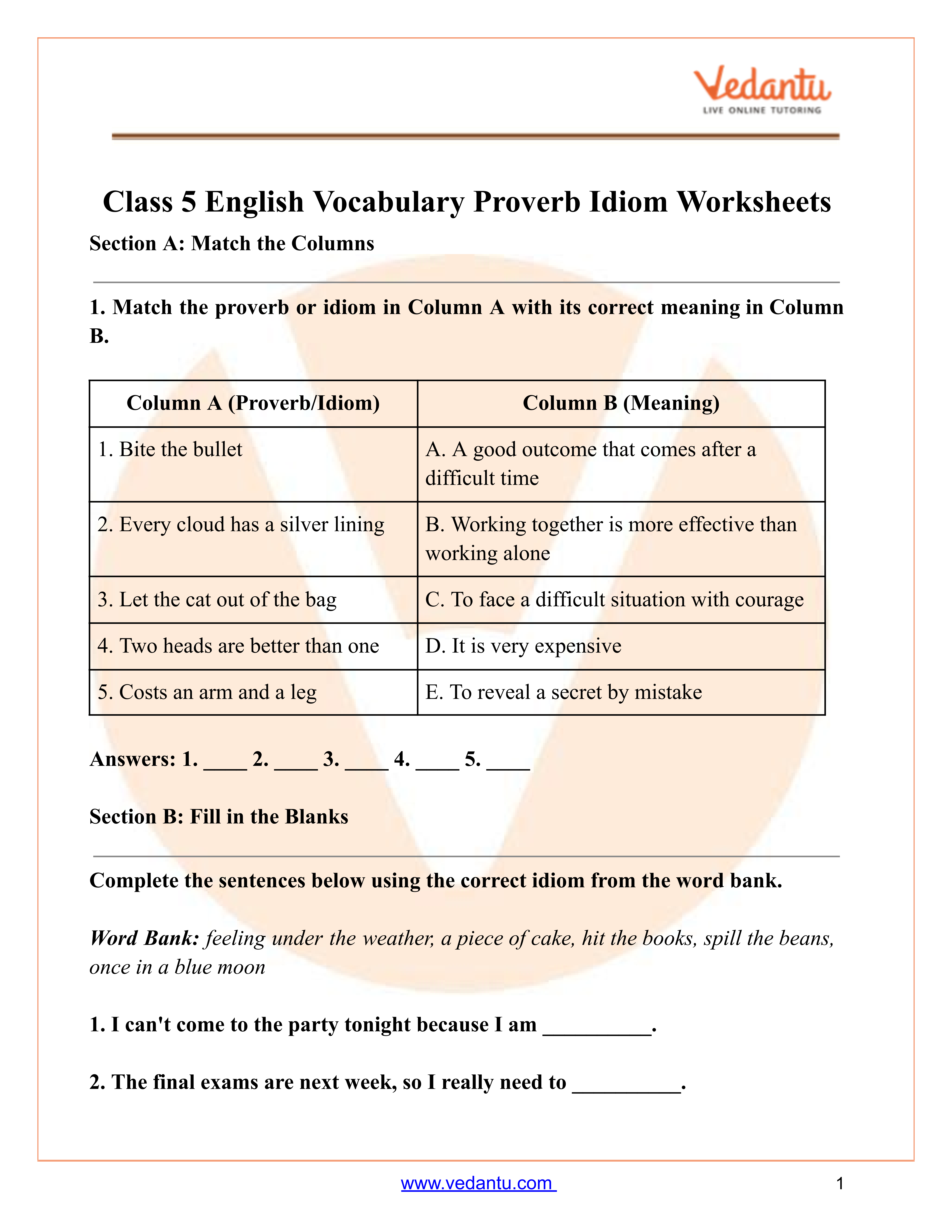
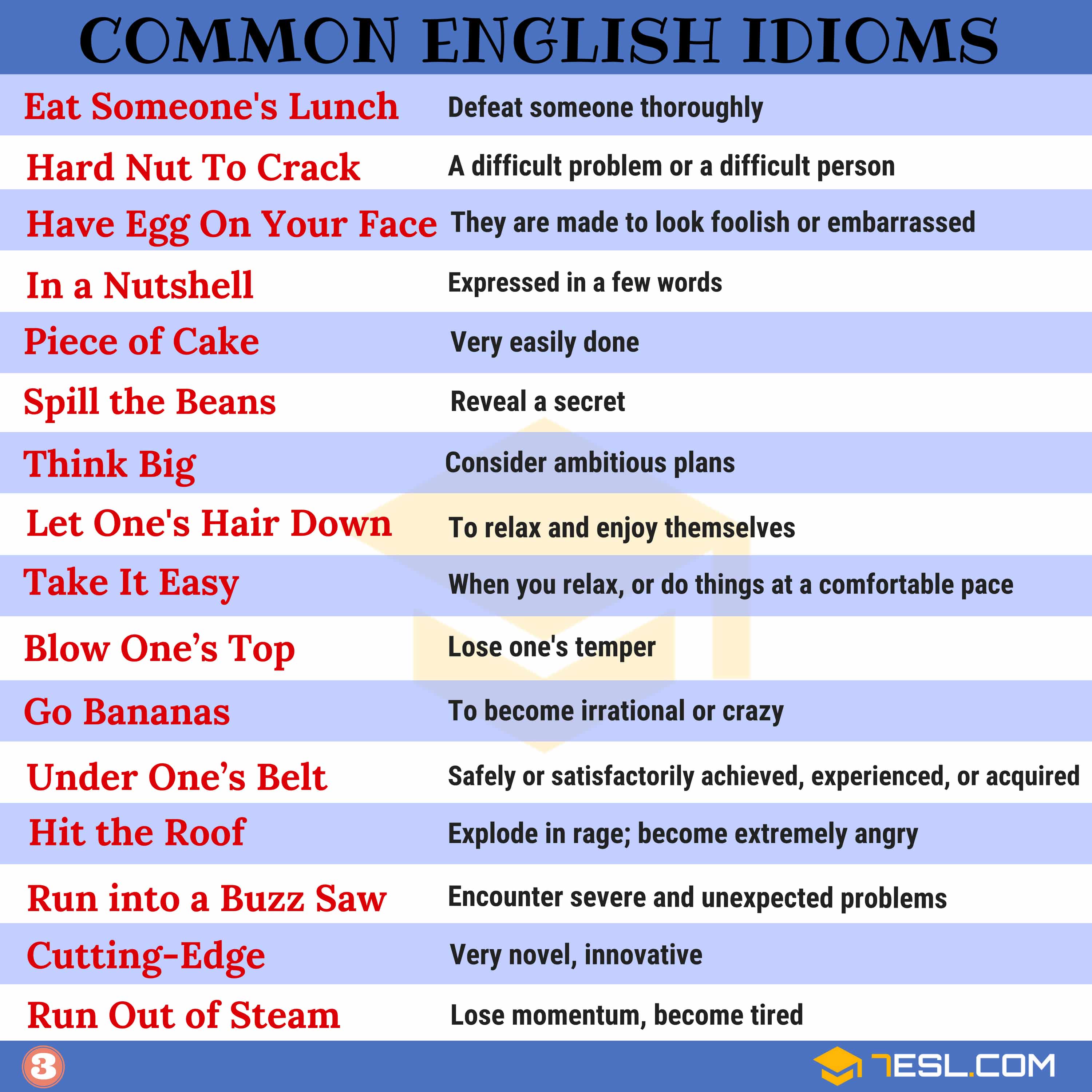
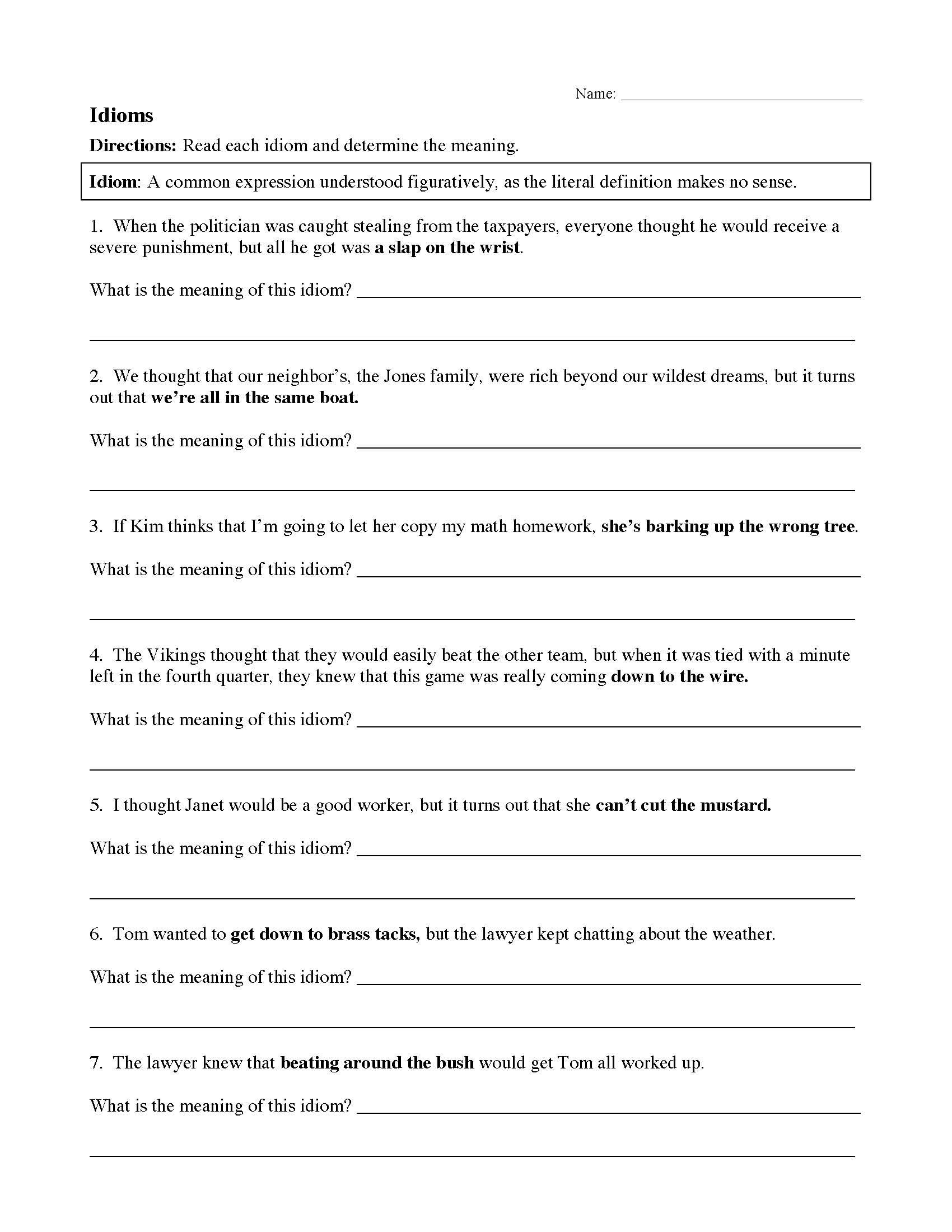
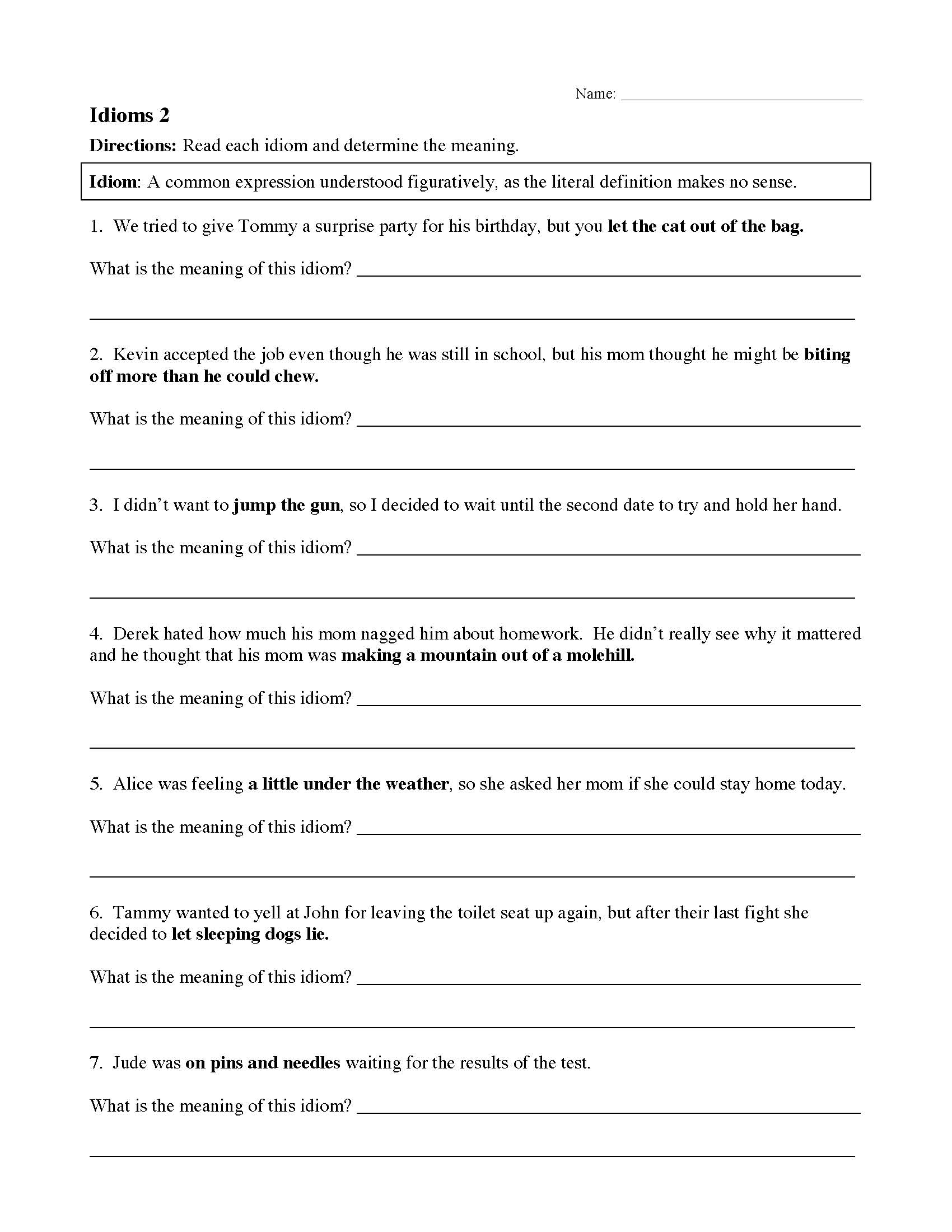
Idioms are the secret sauce of language, but let’s be real—they’re also the bane of existence for anyone trying to master English. One wrong phrase, and you sound like you’re straight out of a bad translation app. That’s why we’ve got free worksheets on idioms ready to rescue you from those awkward moments. Whether you’re a student, a teacher, or just someone who’s tired of saying “spill the beans” incorrectly, these resources are your ticket to sounding like a native speaker.
Here’s the thing—idioms aren’t just random phrases; they’re cultural shortcuts. Honestly, if you’re not using them right, you’re missing out on half the conversation. Think about it: how many times have you nodded along to “it’s raining cats and dogs” without really getting it? Right now, as you’re reading this, someone somewhere is using an idiom to make a point, crack a joke, or express an emotion. And if you’re not in the loop, you’re left scratching your head.
Look—we’re not here to overwhelm you with grammar rules or boring lectures. What you’ll find ahead is a no-nonsense, straight-to-the-point guide that pairs perfectly with those free worksheets. By the time you’re done, you’ll not only understand idioms but also use them like a pro. Oh, and that tangent about cultural shortcuts? Totally worth it, because language isn’t just about words—it’s about connection.
The Hidden Challenge of Teaching Idioms (And How Free Worksheets Can Help)
"It's raining cats and dogs" isn't just a weather report gone wrong. Idioms are the spice of language, adding color and nuance to our conversations. But let's be honest, teaching them can feel like herding... well, you know. Here's the thing nobody tells you: students often grasp the literal meaning of idioms long before they understand their figurative use. This leads to some hilariously awkward moments and a lot of head-scratching.
The Literal Trap: Why "Break a Leg" Isn't a Medical Emergency
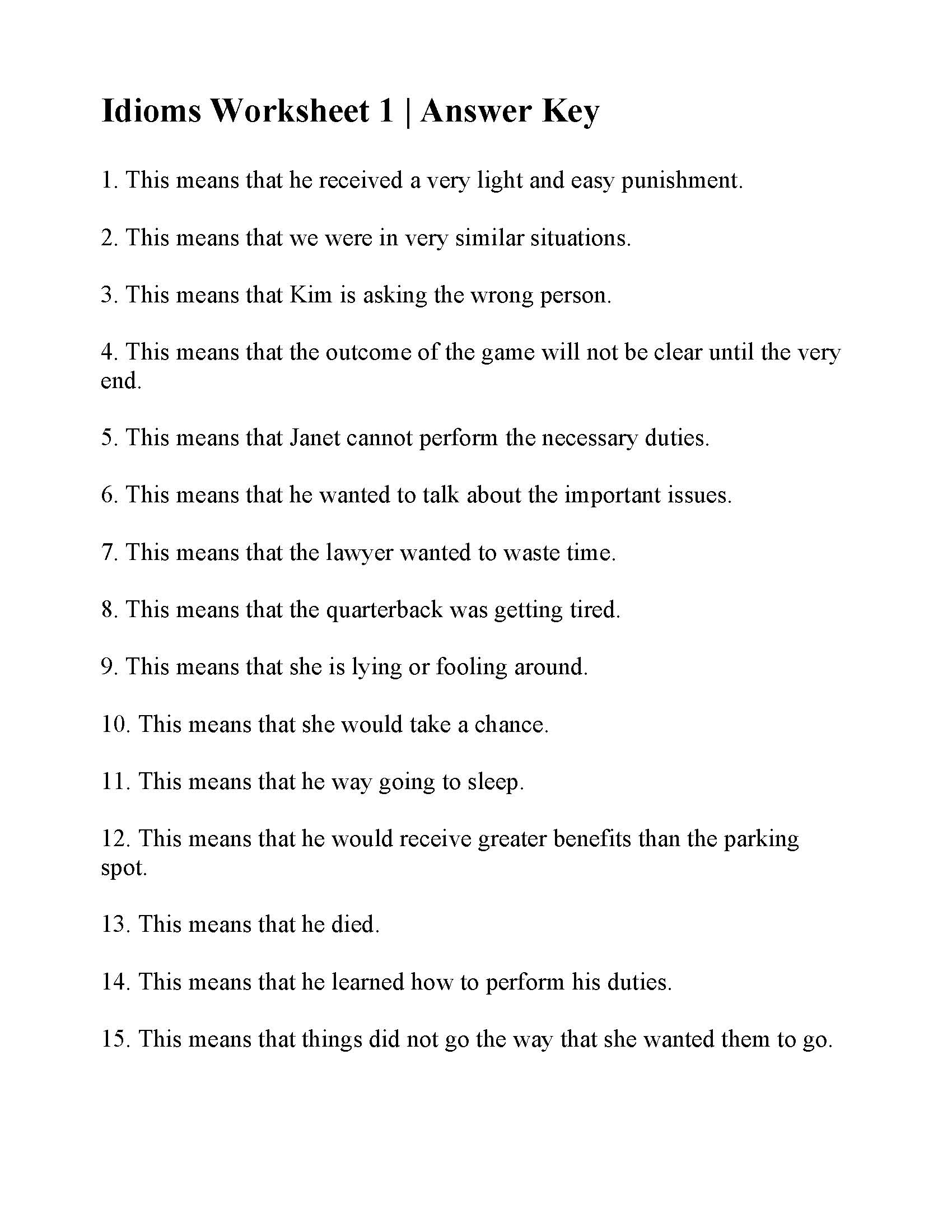
Imagine a student, eager to impress, wishing their teacher a "broken leg" before a presentation. This is where **contextual understanding** becomes crucial. Free worksheets on idioms can bridge this gap by providing sentences and scenarios that illustrate how idioms are used in real-world situations. Instead of dry definitions, these worksheets offer a glimpse into the living, breathing world of figurative language.
Beyond Definitions: Building Fluency Through Practice
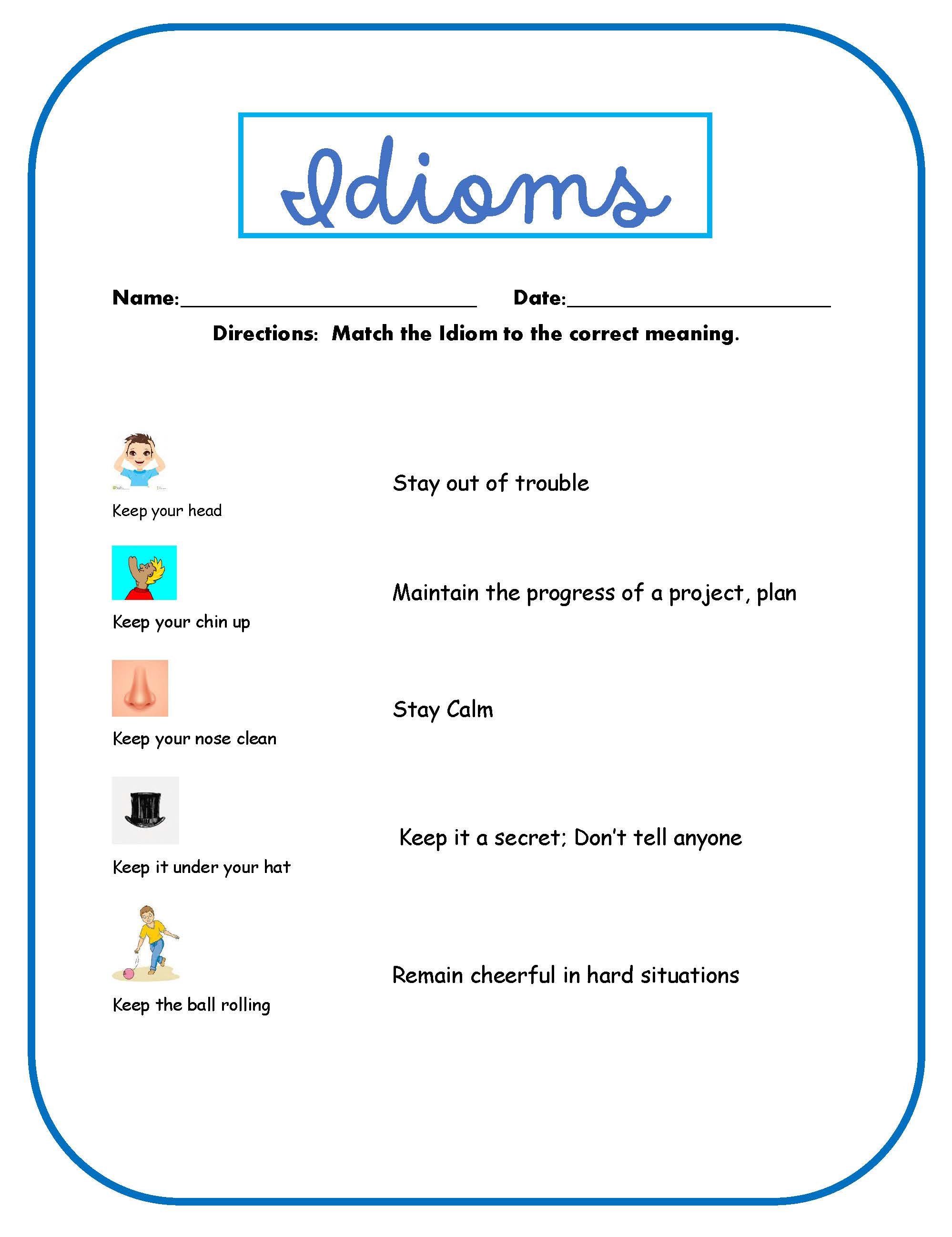
Simply memorizing definitions won't make students idiom masters. They need to **actively engage with the language**. Worksheets that incorporate matching exercises, fill-in-the-blanks, and even creative writing prompts encourage students to use idioms in context. This active learning approach helps them internalize the meaning and appropriate usage, leading to more natural and confident communication.
From Confusion to Confidence: The Power of Structured Practice
Matching Games: Making Learning Fun
Let's face it, rote memorization is about as exciting as watching paint dry. Matching games, a staple of many free idiom worksheets, inject a dose of fun into the learning process. By pairing idioms with their meanings or appropriate illustrations, students learn through play, making the experience more engaging and memorable.
Real-World Application: Idioms in Action
The ultimate goal is for students to use idioms confidently in their own speech and writing. Worksheets that include short dialogues or writing prompts encourage students to apply their newfound knowledge in realistic situations. For example, a worksheet might ask students to write a short story incorporating idioms like "under the weather" or "let the cat out of the bag."
- Tip: Encourage students to keep an "Idiom Journal" where they collect new idioms they encounter in books, movies, or conversations. This active engagement reinforces learning and fosters a deeper appreciation for the richness of language.
Free worksheets on idioms are valuable tools for any language teacher. They provide a structured and engaging way to teach this often-tricky aspect of language, helping students move from confusion to confidence in their use of idiomatic expressions.
Your Next Step Starts Here
Mastering idioms isn’t just about sounding smarter—it’s about connecting deeper with others, whether in a job interview, a casual chat, or a global meeting. Idioms are the secret sauce of language, the bridge between words and emotions. They’re how we express joy, frustration, or hope in ways that plain language can’t capture. By understanding them, you’re not just learning phrases; you’re unlocking a richer way to communicate and relate to the world around you.
Maybe you’re thinking, “But there are so many idioms—where do I even start?” Here’s the good news: you don’t need to memorize them all at once. Start small, with the ones that resonate most with your life or goals. The free worksheets on idioms are designed to make this journey effortless, breaking down complex expressions into bite-sized lessons you can tackle at your own pace. No pressure, just progress.
Ready to take the leap? Bookmark this page so you can return whenever you need a refresher. Or better yet, share it with a friend who’s also looking to level up their language skills. And don’t forget to explore the free worksheets on idioms—they’re your roadmap to turning abstract phrases into everyday confidence. Your next conversation is waiting, and it’s going to be a game-changer.


