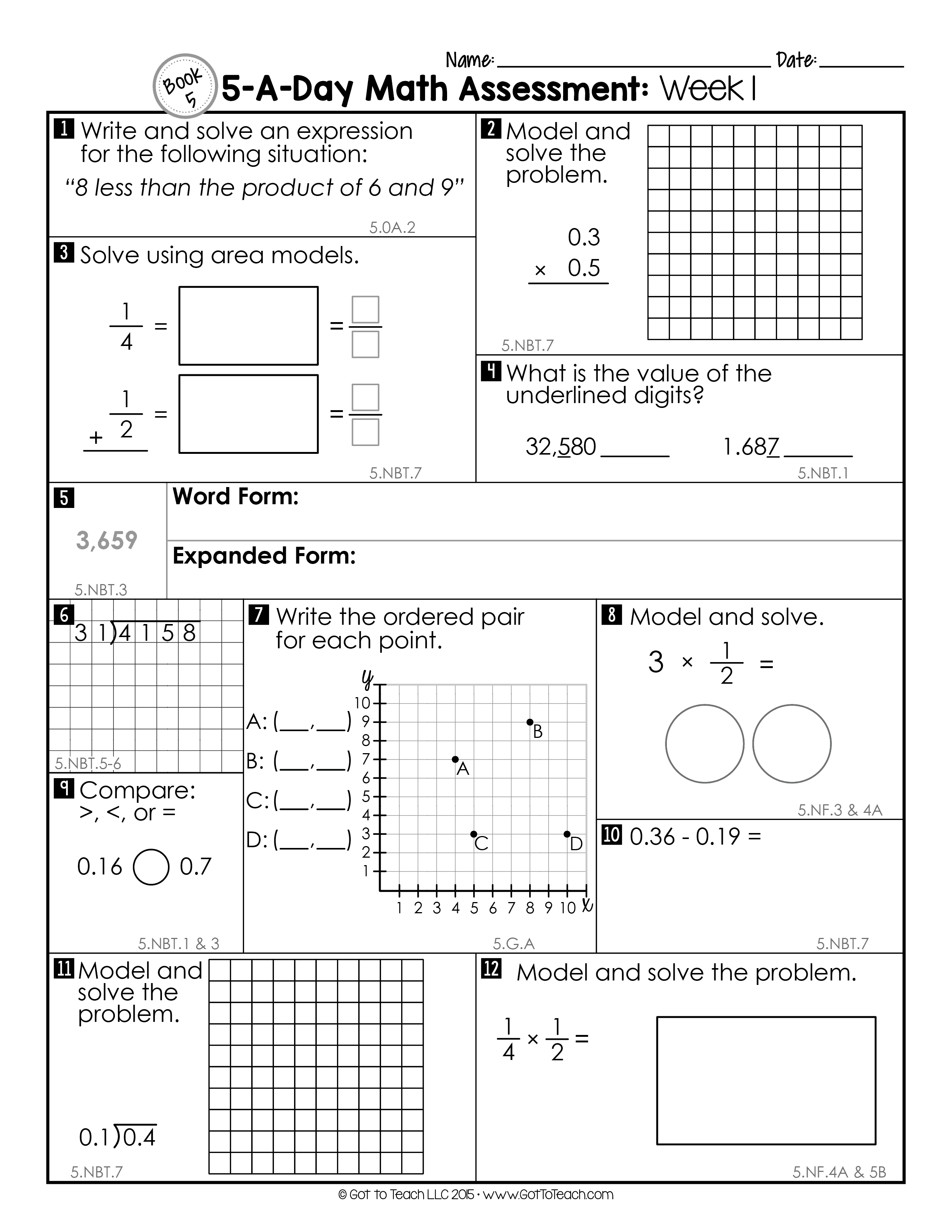

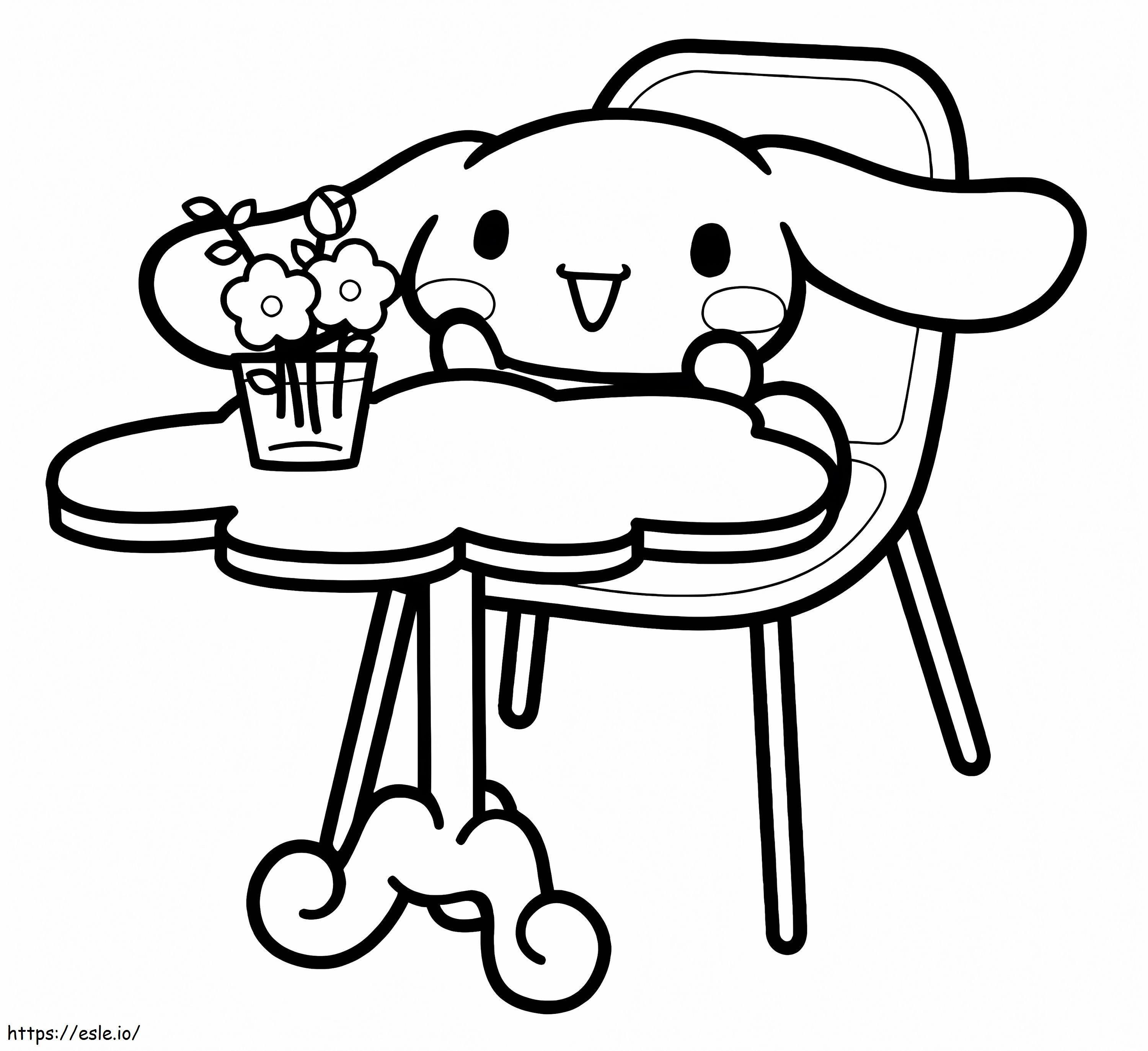




Multiplication By 2 Worksheets Free Printable Overview
Your kid’s first school years are a whirlwind, and kindergarten worksheets coloring book might seem like just another item on your endless to-do list. But here’s the thing—these aren’t just pages to keep them busy. They’re tools, quietly shaping their fine motor skills, creativity, and even early literacy. Ignore them, and you’re missing a golden opportunity to set your child up for success in a way that feels like play, not work.
Right now, as your kindergartener navigates the leap from home to classroom, every moment counts. These worksheets aren’t just about coloring inside the lines—they’re about building focus, hand-eye coordination, and a love for learning. If you’re juggling work, meals, and bedtime routines, this is one simple, low-effort way to give them an edge without adding stress to your day.
Stick around, and you’ll see why these aren’t your average coloring pages. We’re diving into how to pick the right ones, sneak in learning without your kid catching on, and even a few hacks to make them last longer. Oh, and that tangent about crayon stains? Let’s just say there’s a solution for that too.
Why Kindergarten Worksheets Coloring Books Are More Than Just Crayon Fun
Let’s clear the air: **kindergarten worksheets coloring books** aren’t just about keeping little hands busy. Sure, they’re a lifesaver during rainy afternoons or long car rides, but their value runs deeper than most parents realize. Here’s the part most people miss: these books are silent teachers, blending creativity with foundational skills like fine motor control, color recognition, and even early literacy. Think of them as a sneak attack on learning—kids think they’re just having fun, but they’re actually prepping for bigger academic challenges.
The Hidden Lesson in Every Stroke of the Crayon
When a child grips a crayon to color within the lines of a kindergarten worksheet, they’re not just making art—they’re practicing precision. This simple act strengthens the small muscles in their hands, setting the stage for writing. But it’s not just about physical skills. Coloring also introduces concepts like boundaries, patience, and focus. **A well-designed coloring book can teach a child to follow directions without them even realizing it.** For instance, a page that asks them to “color the apple red” is a mini lesson in both color identification and listening comprehension.
How to Choose the Right Coloring Book for Your Kindergartener
Not all coloring books are created equal. Some are too complex, others too simplistic. The key is to find one that matches your child’s skill level and interests. Look for books with **themed pages** that tie into what they’re learning in school—alphabet letters, numbers, or simple shapes. Avoid books with tiny details that frustrate rather than engage. Pro tip: Start with thicker lines and larger spaces, then gradually introduce more intricate designs as their skills improve.
The Surprising Way Coloring Books Boost Emotional Intelligence
Coloring as a Tool for Self-Expression
Here’s what nobody tells you: coloring isn’t just about staying inside the lines. It’s a safe space for kids to express emotions they might not yet have the words for. A child who’s feeling angry might press harder on the paper, while one who’s happy might choose brighter colors. **Encourage them to talk about their choices**—it’s a subtle way to open up conversations about feelings. For example, ask, “Why did you pick blue for the sky?” and let them explain their reasoning.
Building Confidence One Page at a Time
Completing a coloring page gives kids a sense of accomplishment. It’s a small win, but it’s theirs. Over time, these successes add up, fostering a **growth mindset**—the belief that effort leads to improvement. This mindset is crucial, not just for kindergarten, but for life. So, the next time your child hands you a finished page, make a big deal out of it. Hang it on the fridge, snap a photo, or simply say, “You worked so hard on this, and it shows.”
Turning Coloring into a Social Activity
Coloring doesn’t have to be a solo endeavor. Grab a few extra crayons and join your child at the table. Or invite a sibling or friend to color together. This turns a quiet activity into a **collaborative experience**, teaching sharing, turn-taking, and even negotiation (“Can I use the green crayon next?”). It’s amazing how a simple kindergarten worksheets coloring book can become a tool for building social skills.
- Tip for Parents: Use coloring time to ask open-ended questions like, “What would happen if the sun were purple?” to spark creativity and critical thinking.
- Real-World Example: A teacher I know uses coloring pages with hidden letters or numbers to reinforce classroom lessons. Kids love the “treasure hunt” aspect, and they’re learning without even realizing it.
Your Next Step Starts Here
In the grand scheme of your child's education, these early years are the foundation for everything that follows. Kindergarten worksheets coloring book aren't just about filling time—they're about sparking curiosity, building fine motor skills, and fostering a love for learning. Every crayon stroke, every letter traced, is a step toward confidence and creativity. This is your chance to make learning an adventure, not a chore.
You might be thinking, "But will my child really benefit from this?" Trust me, the small moments add up. Even if it’s just 10 minutes a day, consistency is key. These activities are designed to meet kids where they are, making learning feel like play. No pressure, no stress—just pure engagement and growth.
Ready to dive in? Take a moment to bookmark this page or share it with a fellow parent who could use a little inspiration. Explore the gallery, pick a few activities, and watch your child light up with excitement. Remember, every page of that kindergarten worksheets coloring book is a chance to connect, teach, and celebrate their progress. Your child’s next big leap starts with something as simple as this. Go ahead—make it happen.
Related: Free Cinnamon Roll Color Page for Kids
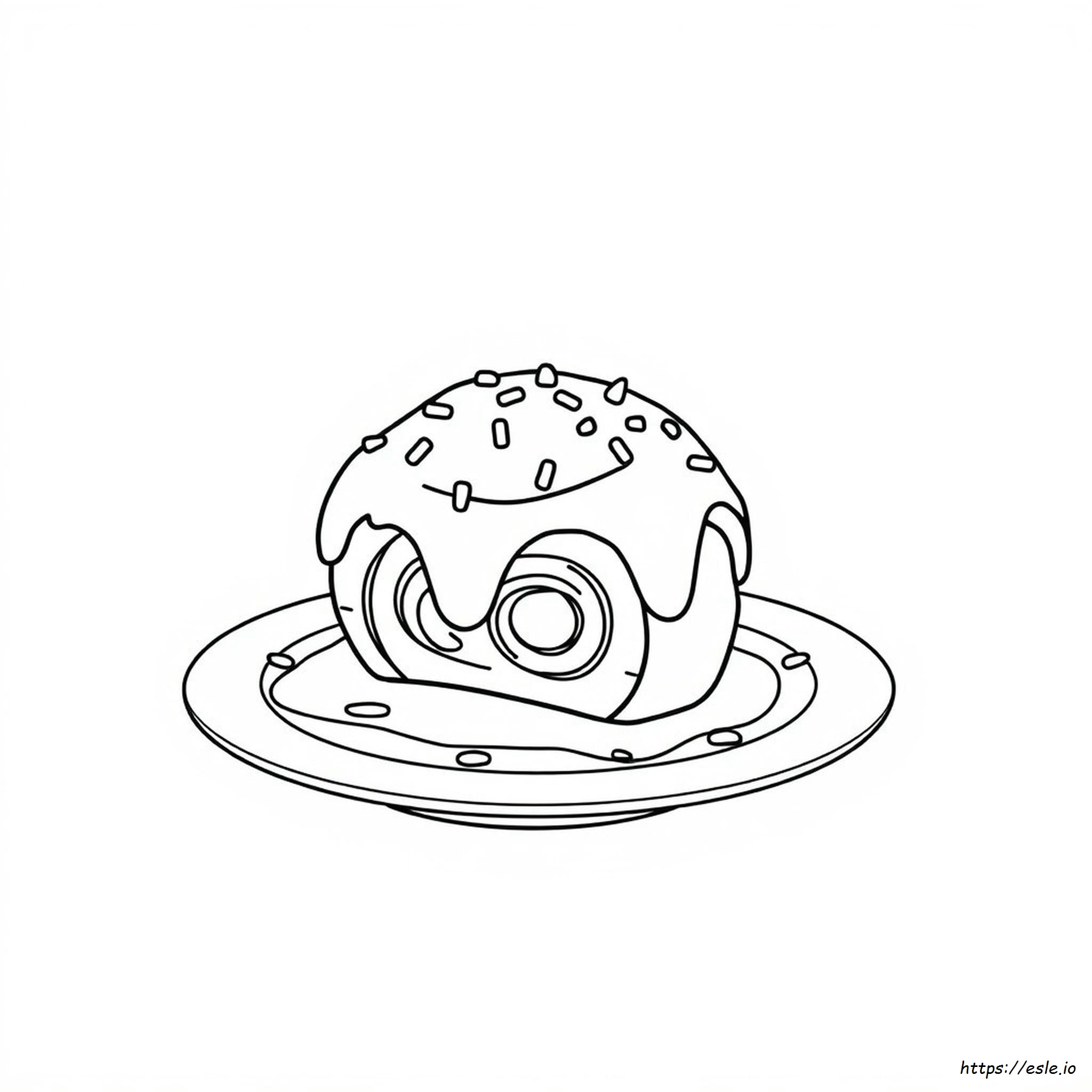
Imagine sinking your teeth into a warm, gooey cinnamon roll color page - the sweet aroma of success wafting through the air as you finally nail the perfect shade for your design project. As a fellow enthusiast, you know how crucial it is to find that perfect balance of colors to make your work pop. The cinnamon roll color page is more than just a pretty face - it's a game-changer for anyone looking to elevate their design skills. With its unique blend of warm, golden tones, this color page is the perfect inspiration for anyone looking to add a touch of sweetness to their work.
The value of a well-crafted color page cannot be overstated, especially in today's fast-paced design world. A great color page can make all the difference between a mediocre design and a show-stopping one. That's why the cinnamon roll color page is so valuable - it provides a unique and trending color combination that can help designers stand out from the crowd.
Whether you're a seasoned designer or just starting out, the cinnamon roll color page is a must-see. Its unique color combination is not only visually stunning, but it's also highly versatile - perfect for everything from food blogs to fashion websites. So why not take a closer look and see how the cinnamon roll color page can inspire your next design project?
With its perfect blend of style and functionality, the cinnamon roll color page is the perfect tool for anyone looking to take their design skills to the next level. So what are you waiting for - dive in and discover the sweetness of the cinnamon roll color page for yourself!
Unwrapping the Magic of Cinnamon Roll Colors
Who can resist the allure of a warm, gooey cinnamon roll, fresh from the oven? The swirling patterns of cinnamon and sugar on top are almost too beautiful to eat. Almost. As we delve into the world of cinnamon roll color pages, we discover a treasure trove of creative inspiration and artistic expression. From soft, golden hues to deep, rich browns, the colors of cinnamon rolls evoke a sense of comfort and warmth.
Exploring the Color Palette
A closer look at the color palette of cinnamon rolls reveals a range of earth tones, from beige and taupe to caramel and chocolate. These natural hues are not only visually appealing but also evoke a sense of homeliness and tradition. Whether you're a fan of bright and bold colors or soft and subtle shades, there's a cinnamon roll color page to suit your taste.
The Art of Cinnamon Roll Coloring
Pro Tips for Coloring Enthusiasts
For those who enjoy coloring, cinnamon roll color pages offer a fun and relaxing activity that can help reduce stress and promote mindfulness. To get the most out of your coloring experience, try using a variety of mediums, such as markers, colored pencils, or crayons. You can also experiment with different techniques, like layering or blending, to create unique and interesting effects.
Bringing Cinnamon Roll Colors to Life
As you color, imagine the aroma of cinnamon wafting through the air, enticing you to take a bite. Picture the flaky texture of the pastry and the sticky sweetness of the sugar. By engaging your senses and letting your imagination run wild, you can bring the colors of the cinnamon roll to life in a way that's both personal and meaningful.
What's Next for Your Color Inspiration?
As you've explored the delightful world of the cinnamon roll color page, you've likely discovered a treasure trove of warm, inviting hues that can add a cozy touch to any project. The cinnamon roll color page is more than just a collection of colors - it's a gateway to a world of creativity and self-expression. By embracing the warmth and comfort of these colors, you can bring a sense of joy and personality to your work.
So why not take the next step and let the cinnamon roll color page be your guide? Explore the gallery above to find even more inspiration, or share this post with a friend who could use a splash of color in their life. Leave a comment below to tell us how you plan to use these beautiful colors - we'd love to hear from you and see how you bring the cinnamon roll color page to life!
Related: Free Excel Quotation Template
Ever spent hours crafting a quote for a client, only to realize you missed a crucial detail or messed up the formatting? Quotation template on excel might just be the unsung hero you’ve been overlooking. Honestly, it’s not just about saving time—it’s about looking professional, avoiding errors, and closing deals faster. If you’re still winging it with generic templates or, worse, starting from scratch every time, you’re leaving money on the table.
Here’s the thing: in a world where clients expect instant responses and flawless proposals, your quoting process can’t afford to be sloppy. A well-structured Excel template isn’t just a tool; it’s your secret weapon to streamline workflows, impress clients, and stay ahead of the competition. Whether you’re a freelancer, small business owner, or part of a larger team, the right template can make or break your efficiency.
Stick around, and you’ll discover how to turn this simple tool into a powerhouse for your business. From customizing templates to automating calculations, we’re diving into the nitty-gritty that’ll save you hours—and headaches. Look, I get it, Excel can feel intimidating, but trust me, this is one skill you’ll thank yourself for mastering.
The Part of Quotation Templates on Excel Most People Get Wrong
When it comes to creating a quotation template on Excel, most people focus on the aesthetics—fonts, colors, and layout. While these elements are important, they’re not the core issue. The real problem lies in **missing dynamic functionality**. A static template might look good, but it fails when you need to adjust pricing, terms, or client details on the fly. Here’s what nobody tells you: a truly effective quotation template should act like a mini-app, not just a document. It should automate calculations, update totals, and adapt to different scenarios without manual intervention.
The Hidden Pitfall: Static Calculations
One of the biggest mistakes is relying on manual calculations. For example, if you’re quoting for a service with variable rates, hardcoding numbers into cells is a recipe for errors. Instead, use Excel’s formulas to link item prices, quantities, and discounts to a final total. This ensures accuracy and saves time. A simple VLOOKUP or SUMIF formula can pull data from a pricing table, making your template dynamic and error-proof.
Client-Specific Customization: More Than Just a Name
Another overlooked aspect is client-specific customization. Most templates allow you to input a client’s name and address, but stop there. A smarter approach is to include conditional fields that change based on the client’s needs. For instance, if you’re quoting for a recurring service, a dropdown menu could adjust the pricing structure for monthly vs. annual contracts. This level of flexibility makes your template versatile and professional.
How to Build a Quotation Template That Actually Works
Start with a Clear Structure
Begin by outlining the essential sections: header, client details, itemized list, terms, and totals. Keep it simple but organized. Use Excel’s tables feature to structure your data, as it makes filtering and sorting easier. For example, a table for itemized services allows you to add or remove rows without breaking your calculations.
Leverage Excel’s Automation Tools
Excel’s built-in tools are your best friends. Use data validation for dropdown menus, conditional formatting to highlight important fields, and macros for repetitive tasks. For instance, a macro can automatically save a copy of the quotation with the client’s name in the filename. This might sound advanced, but it’s easier than you think—and it saves hours in the long run.
Test It in Real-World Scenarios
Before finalizing your template, test it with actual data. Create quotations for different clients, services, and pricing structures. Does it handle discounts correctly? What about tax calculations? A real-world example: a freelance designer used a quotation template to quote for both one-time projects and retainer agreements. By testing it thoroughly, she discovered a bug in the tax calculation for international clients—a costly mistake she avoided by catching it early.
| Feature | Static Template | Dynamic Template |
|---|---|---|
| Calculation Accuracy | Manual, prone to errors | Automated, error-free |
| Customization | Limited to basic details | Adaptive to client needs |
| Time Efficiency | Slow, requires manual updates | Fast, updates automatically |
Here's What Makes the Difference
As you reflect on the power of streamlining your workflow, consider how mastering tools like a quotation template on excel can ripple out into other areas of your life and work. The efficiency and clarity you gain can lead to more time for strategy, creativity, and growth, ultimately impacting your professional reputation and personal satisfaction.
Sometimes, a small doubt can linger: "Is this really worth the effort to learn and implement?" What if it could change the way you approach projects entirely? The truth is, investing in your ability to create and manage quotations effectively can pay dividends far beyond the initial time spent learning. It's about building a foundation for long-term success.
Now, take a moment to think about who in your network could benefit from this insight. Perhaps a colleague or friend is struggling with quotation management. Consider sharing this resource with them, or bookmarking it for future reference, so you can easily find and revisit the concept of using a quotation template on excel when you need it most.