



Multiplication By 2 Worksheets Black And White Overview
Math is hard. Honestly, it’s one of those subjects where you either get it or you don’t—until you do. And when it comes to math worksheets exponents, things can get messy fast. One wrong move, and you’re staring at a page full of numbers that make no sense. Sound familiar? You’re not alone. Exponents are like the gatekeepers of higher-level math, and if you don’t master them, everything else feels like climbing a mountain in flip-flops.
Here’s the thing: exponents aren’t just for math geniuses or future engineers. They show up everywhere—in compound interest, scientific notation, even in the way your phone’s battery life is calculated. Ignoring them now means stumbling later, and who has time for that? Whether you’re a student, a parent helping with homework, or just someone trying to brush up on skills, getting exponents right is non-negotiable. It’s not about perfection; it’s about clarity and confidence.
So, what’s the secret? Look—it’s not about memorizing every rule or solving every problem in one sitting. It’s about understanding the *why* behind the numbers and building a foundation that sticks. By the time you’re done here, you’ll see exponents in a whole new light. And no, it won’t involve endless drills or boring explanations. Just practical, actionable insights that make sense. Oh, and that tangent about phone batteries? Totally unrelated, but it’s wild how math sneaks into everything, right?
The Hidden Challenge in Math Worksheets Exponents
When it comes to mastering exponents, most math worksheets focus on the basics: squaring numbers, cubing them, or maybe even throwing in a negative exponent. But here’s what nobody tells you: the real challenge isn’t in solving the problems—it’s in understanding how exponents interact with other operations. For instance, students often stumble when asked to simplify expressions like \( (2^3 \times 2^2) \) or \( (5^2 / 5^{-1}) \). These aren’t just about plugging numbers into a calculator; they require a deep grasp of exponent rules. This is where many worksheets fall short. They give you the rules but rarely test how well you apply them in complex scenarios. So, if you’re using math worksheets exponents, make sure they include mixed operations—it’s the only way to truly build confidence.
Why Rules Alone Aren’t Enough
Let’s be honest: memorizing exponent rules is easy. But applying them in real-world problems? That’s where the rubber meets the road. For example, consider the rule \( a^m \times a^n = a^{m+n} \). It’s straightforward on paper, but when you’re faced with \( (3^2 \times 3^{-1} \times 3^4) \), it’s easy to second-guess yourself. This is why **contextual practice** is crucial. A good worksheet doesn’t just ask you to simplify—it challenges you to use exponents in equations, word problems, or even graphs. Without this, you’re just memorizing, not learning.
The Power of Visual Aids in Exponent Practice
One of the most overlooked tools in math worksheets exponents is the use of visual aids. Exponents aren’t just abstract numbers—they represent repeated multiplication, growth, or decay. For younger students, visualizing \( 2^3 \) as a stack of 2s multiplied together can make the concept click. Even for older students, graphs can show how exponential growth outpaces linear growth over time. Yet, most worksheets stick to plain text and numbers. If you’re creating or choosing worksheets, insist on visuals. They bridge the gap between theory and practice, making exponents tangible and memorable.
How to Choose the Right Math Worksheets Exponents
Look for Progressive Difficulty
Not all worksheets are created equal. Some jump from basic problems to impossibly hard ones, leaving students frustrated. The best worksheets **gradually increase difficulty**, introducing new concepts only after the previous ones are mastered. For exponents, this might mean starting with simple squares and cubes, then moving to negative exponents, and finally tackling fractional exponents. This progression ensures students build a solid foundation before advancing.
Real-World Applications Matter
Exponents aren’t just a math concept—they’re everywhere. From compound interest in finance to population growth in biology, understanding exponents is practical. Yet, most worksheets ignore this. A great worksheet includes word problems that tie exponents to real-life scenarios. For example, calculating how much money you’ll have after 10 years of compound interest at 5% annually is a perfect use of exponents. This not only makes learning more engaging but also shows students why exponents matter beyond the classroom.
Actionable Tip: Create Your Own Problems
If you’re struggling to find the perfect worksheet, make your own. Start with a basic exponent rule, then tweak it. For instance, take \( a^m \times a^n = a^{m+n} \) and create problems like \( (x^2 \times x^{-3}) \) or \( (y^4 \times y^0) \). Better yet, combine exponents with other topics, like solving \( 2^x = 8 \) for \( x \). This not only reinforces your understanding but also tailors the practice to your specific needs. And yes, that actually matters when you’re trying to master a tricky concept.
| Worksheet Feature | Basic Worksheets | Advanced Worksheets |
|---|---|---|
| Difficulty Progression | Sudden jumps | Gradual increase |
| Real-World Problems | Rarely included | Frequently included |
| Visual Aids | Minimal or none | Extensive use |
Your Next Step Starts Here
Mastering exponents isn’t just about acing a test or solving a problem—it’s about building a foundation for understanding more complex math concepts down the road. Whether you’re a student preparing for higher-level courses, a parent supporting your child’s learning, or an educator looking for effective tools, this skill is a game-changer. It opens doors to algebra, calculus, and even real-world applications like finance and science. Think of it as a key that unlocks countless opportunities, making every effort you put into learning it today worth it tomorrow.
If you’re still hesitating, wondering if this is really worth your time, let me reassure you: small steps lead to big progress. Even if exponents feel tricky now, consistent practice with the right tools can turn confusion into confidence. Don’t let the fear of getting it wrong hold you back—every mistake is a step closer to mastery. And remember, you’re not alone in this journey. Resources like math worksheets exponents are designed to guide you, step by step, making the process as smooth as possible.
So, what’s your next move? Take a moment to bookmark this page for future reference, or share it with someone who could benefit from this insight. Better yet, dive into the gallery of math worksheets exponents and start practicing today. Every problem you solve brings you closer to that “aha!” moment. Your future self—or the person you’re helping—will thank you for taking action now. Let’s turn those exponents into your next big win.
Related: Free Printable Handwriting Worksheets for Kids (PDF)
Handwriting matters more than you think. In a world dominated by keyboards and touchscreens, the art of putting pen to paper feels almost revolutionary. That’s where handwriting worksheets com comes in—a tool that’s not just for kids learning their ABCs. Honestly, whether you’re jotting down notes, signing documents, or crafting a personal letter, your handwriting says a lot about you. It’s a skill that’s been brushed aside, but it’s making a comeback, and for good reason.
Right now, in a time where everything feels digital and disposable, there’s a growing craving for something tangible, something real. Your handwriting is that personal touch—a piece of you that can’t be replicated by a font. It’s why handwritten notes stand out in a sea of emails, and why journals filled with your own script feel more authentic than typed entries. If you’ve ever felt like your handwriting could use a little polish, you’re not alone. It’s not just about aesthetics; it’s about reclaiming a skill that connects you to tradition, creativity, and even mindfulness.
Stick around, and you’ll discover why handwriting isn’t just a relic of the past but a powerful tool for the present. Look—we’re not talking about becoming a calligrapher overnight, but there’s something to be said for writing with intention. By the end of this, you’ll see how handwriting worksheets com can help you refine your style, improve your focus, and even boost your confidence. Oh, and that tangent about journals? Totally worth revisiting later.
The Hidden Challenge in Handwriting Practice Most Parents Miss
When it comes to teaching kids handwriting, most parents and educators focus on the basics: letter formation, spacing, and neatness. But here’s what nobody tells you—consistency is the silent killer of progress. Kids need regular practice, but not all worksheets are created equal. Many free resources online lack structure, leaving kids confused about where to start or how to improve. This is where targeted handwriting worksheets come into play. They provide a clear progression, from simple strokes to complex cursive, ensuring kids build skills step by step. Without this, even the most motivated child can hit a plateau.
Why Generic Worksheets Fall Short
Generic handwriting sheets often treat all learners the same, ignoring individual needs. For instance, a child struggling with fine motor skills might need worksheets with larger lines and fewer letters per row. Similarly, a kid who’s mastered print but fumbles with cursive needs a different approach. This is where platforms like handwriting worksheets com shine—they offer customizable options tailored to age, skill level, and even specific challenges like letter reversals. Without this personalization, practice can feel like a chore rather than a stepping stone.
The Role of Feedback in Handwriting Mastery
Here’s a secret: handwriting isn’t just about muscle memory—it’s about observation and correction. Kids need to see their mistakes and understand how to fix them. Many worksheets lack this feedback loop, leaving parents to guess what’s going wrong. **Structured worksheets with guided lines and dotted letters** act as a visual tutor, showing kids exactly where their pen should go. For example, a worksheet that highlights the starting point of each letter can prevent common errors like backward slants or uneven loops. This kind of feedback is priceless, turning practice sessions into learning moments.
How to Choose the Right Handwriting Worksheets for Your Child
Look for Progression, Not Repetition
The best handwriting worksheets don’t just repeat the same exercises. They build on previous skills, introducing new challenges gradually. For instance, starting with single letters, then moving to words, and finally sentences. This progression keeps kids engaged and prevents boredom. A good rule of thumb: if a worksheet looks too similar to the last one, it’s probably not pushing your child enough.
Prioritize Quality Over Quantity
It’s tempting to print out dozens of free worksheets, but quality matters more than quantity. Well-designed sheets, like those from handwriting worksheets com, often include features like shaded lines for proper letter placement or arrows showing stroke direction. These details might seem small, but they make a huge difference in how quickly a child improves. Investing in a few high-quality resources can save time and frustration in the long run.
Incorporate Real-World Application
Handwriting isn’t just an academic skill—it’s a life skill. Worksheets that include practical exercises, like writing addresses or labeling diagrams, bridge the gap between practice and real-world use. For example, a worksheet that mimics a to-do list can make handwriting feel relevant and fun. This approach not only improves penmanship but also boosts confidence in using it daily. Actionable tip: Pair handwriting practice with a daily activity, like writing out a grocery list or journaling, to reinforce what they’ve learned.
Your Next Step Starts Here
In a world dominated by digital screens, the art of handwriting remains a powerful tool for personal expression, cognitive development, and even stress relief. Whether you're helping a child master their letters, improving your own penmanship, or simply looking for a creative outlet, the skills you’ve just explored are more than just practice—they’re a gateway to confidence, focus, and joy. Handwriting isn’t just about putting pen to paper; it’s about connecting with your thoughts, ideas, and the world around you in a meaningful way.
You might be thinking, "But is it really worth the effort?" Absolutely. The beauty of handwriting lies in its simplicity and accessibility. It doesn’t require expensive tools or hours of dedication—just a willingness to try. Even small, consistent steps can lead to noticeable improvements and a deeper appreciation for this timeless skill. Don’t let perfectionism hold you back; every stroke, every letter, is a step forward.
Ready to take the next step? Explore the resources at handwriting worksheets com to find the perfect tools for your journey. Bookmark this page for future inspiration, or share it with someone who could benefit from a little handwriting magic. And remember, every great writer—or even just a confident note-taker—started with a single worksheet. Your journey begins now, and handwriting worksheets com is here to guide you every step of the way.
Related: Free Printable Grammar Worksheets for K-12 Students (PDF)
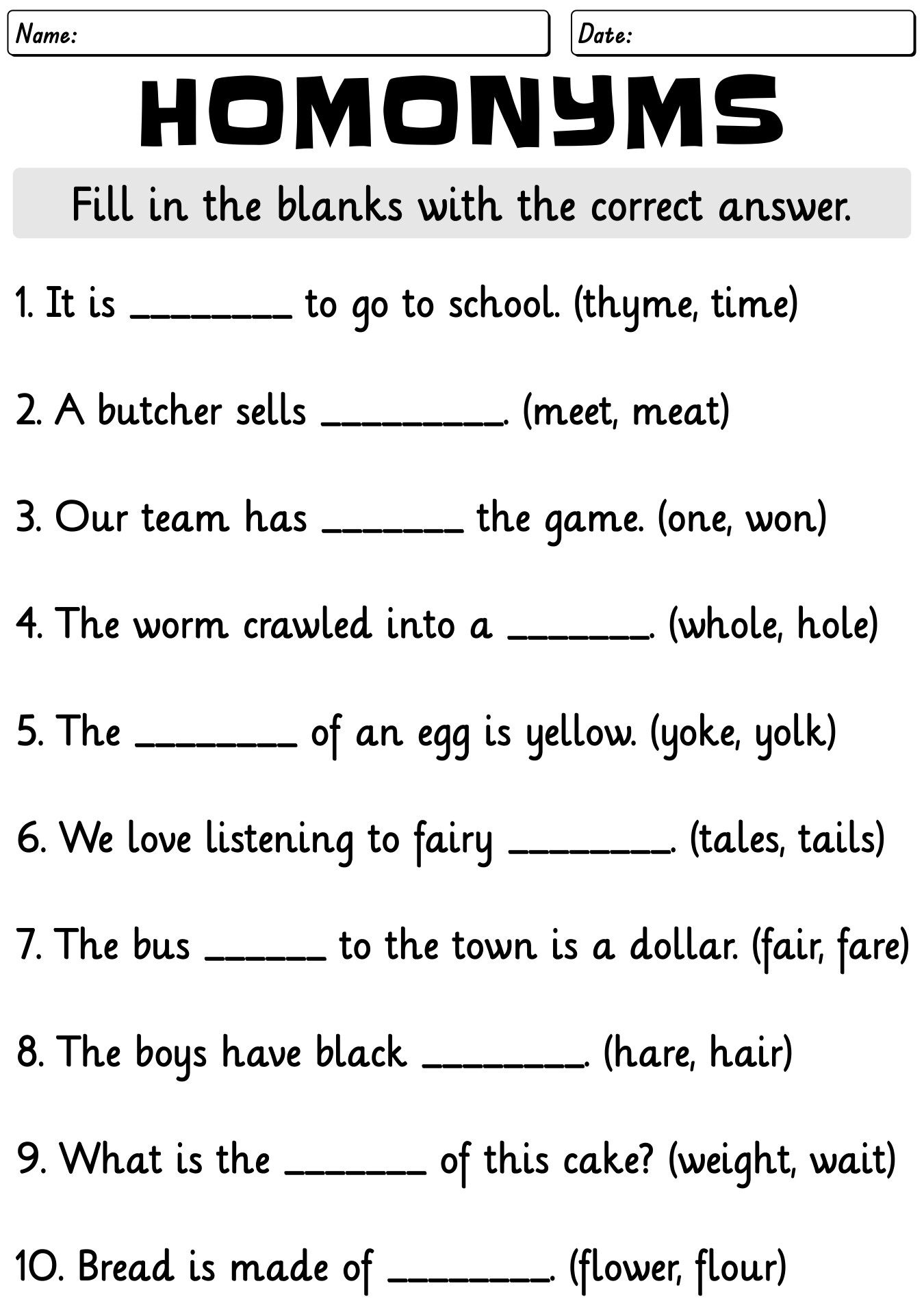
Grammar is the backbone of clear communication, but let’s be real—teaching it can feel like herding cats. Whether you’re a teacher, parent, or student, you’ve likely stumbled upon grammar worksheets k12 at some point, wondering if they’re worth the paper they’re printed on. Here’s the thing: not all worksheets are created equal, and the right ones can turn grammar from a snooze-fest into something kids actually engage with.
Right now, with standardized tests looming and writing skills more critical than ever, mastering grammar isn’t just nice—it’s necessary. But let’s face it, traditional methods often fall flat. Kids zone out, parents get frustrated, and teachers scramble for better tools. That’s where thoughtfully designed worksheets come in. They’re not just about filling in blanks; they’re about building confidence and clarity in a way that sticks.
Stick around, and you’ll discover why some worksheets are game-changers while others are just busywork. We’ll dive into what makes a worksheet effective, how to spot the good ones, and why they matter more than you might think. Spoiler: it’s not just about commas and clauses—it’s about setting kids up for success in a world that demands precision.
The Hidden Pitfalls of Grammar Worksheets K12
Grammar worksheets for K12 students are a staple in classrooms, but not all worksheets are created equal. Many educators and parents assume that any grammar exercise will do, but this is where the trouble begins. The problem lies in the quality and relevance of the content. A poorly designed worksheet can confuse students rather than clarify concepts. For instance, worksheets that focus solely on rote memorization of rules without practical application can leave students struggling when faced with real-world writing tasks. Here’s what nobody tells you: a worksheet that doesn’t align with a student’s learning stage or interests can actually demotivate them, making grammar feel like a chore rather than a skill to master.
The Overemphasis on Rules
One common mistake is the overemphasis on grammar rules at the expense of context. While understanding rules is important, grammar is best learned through usage. Worksheets that bombard students with abstract rules without showing how they apply in sentences or paragraphs can be counterproductive. For example, teaching the difference between "affect" and "effect" without providing examples in sentences leaves students guessing in real writing scenarios. A more effective approach is to integrate grammar into writing exercises, where students can see the rules in action and apply them naturally.
Lack of Engagement and Relevance
Another pitfall is the lack of engagement in many grammar worksheets. K12 students are more likely to retain information when the content is relatable and interesting. Worksheets filled with dry, outdated examples or topics that don’t resonate with students can lead to disinterest. For instance, analyzing sentences about topics like "the weather" or "a trip to the park" might not capture the attention of a tech-savvy teenager. Incorporating modern, relevant examples—such as social media posts or dialogue from popular movies—can make grammar exercises more engaging and memorable.
How to Choose the Right Grammar Worksheets for K12
Selecting the right grammar worksheets for K12 students requires a thoughtful approach. The goal is to find resources that balance learning with engagement. Look for worksheets that include a mix of explanations, examples, and practice. Additionally, consider the student’s age and interests to ensure the content is relatable. For younger students, worksheets with visuals or storytelling elements can be particularly effective. Older students might benefit from more complex exercises that challenge their critical thinking skills.
Actionable Tip: Customize and Supplement
One actionable tip is to customize worksheets or supplement them with additional activities. For example, if a worksheet focuses on identifying parts of speech, pair it with a writing prompt where students apply what they’ve learned. This reinforces learning and makes the exercise more meaningful. And yes, that actually matters—students are more likely to retain information when they see its practical application. Another idea is to use digital tools or apps that gamify grammar learning, making it more interactive and fun.
The Role of Feedback
Finally, don’t underestimate the power of feedback. Worksheets that include space for self-assessment or teacher comments can help students understand their mistakes and improve. Feedback should be specific and constructive, focusing on both what was done well and what needs work. This not only enhances learning but also builds confidence, making grammar worksheets a more effective tool in the K12 curriculum.
Your Next Step Starts Here
Mastering grammar isn't just about acing tests or writing flawless essays—it's about building a foundation for clear, confident communication in every area of life. Whether you're crafting a professional email, sharing ideas with friends, or even just thinking more critically, strong grammar skills empower you to express yourself with precision and impact. Grammar worksheets k12 aren’t just exercises; they’re tools to unlock your potential, one sentence at a time.
You might be thinking, "But isn’t grammar practice a bit tedious?" Here’s the truth: it doesn’t have to be. When you approach it with curiosity and consistency, grammar practice becomes less about rote memorization and more about discovering the beauty of language. Plus, the right resources make all the difference—think engaging, step-by-step guides that turn learning into a rewarding journey.
Ready to take the next step? Bookmark this page for quick access, or share it with someone who could use a grammar boost. Explore the grammar worksheets k12 gallery to find resources tailored to your needs. Every worksheet you complete is a step toward becoming a more confident communicator. Start today—your future self will thank you.


