






Multiplication By 2 Worksheets Answer Key Overview
Remember when learning cursive felt like unlocking a secret code? Cursive worksheets alphabet were our gateway to elegant handwriting, personal flair, and that satisfying swoop of the pen. But honestly, in a world dominated by keyboards and autocorrect, why does cursive still matter? The truth is, it’s not just about nostalgia—it’s about brain development, fine motor skills, and even a touch of timeless charm.
Right now, as screens dominate our lives, there’s a growing realization that cursive isn’t just an outdated skill—it’s a counterbalance. For kids, it’s a way to sharpen focus and creativity. For adults, it’s a chance to reconnect with a slower, more intentional way of communicating. Whether you’re a parent looking to give your child an edge or someone who misses the feel of pen on paper, cursive worksheets are more relevant than ever.
Look—this isn’t about forcing you to ditch your keyboard. But what if I told you that mastering cursive could improve your memory, add a unique touch to your notes, or even become a calming ritual? Stick around, because we’re diving into why cursive matters, how to get started, and the unexpected ways it can enrich your life. Oh, and that tangent about brain development? We’ll get to that too.
The Surprising Comeback of Cursive Handwriting
Remember when cursive was declared a dying art? Well, surprise—it’s making a comeback. In an age dominated by keyboards and touchscreens, educators and parents are rediscovering the value of teaching cursive. It’s not just about nostalgia; studies show that writing in cursive engages different parts of the brain, improving memory and fine motor skills. But here’s the kicker: not all cursive worksheets are created equal. Many focus too heavily on perfection, leaving kids frustrated rather than inspired. That’s where cursive worksheets alphabet come in—they break the process into manageable steps, making it less intimidating for beginners.
Why Cursive Matters More Than You Think
Cursive isn’t just about pretty handwriting; it’s a skill with practical benefits. For one, it’s faster than print writing once mastered, which can be a game-changer for note-taking. Plus, it’s a bridge to history—ever tried reading a historical document without cursive skills? It’s like trying to decode a secret message. For kids, learning cursive also reinforces letter recognition and spelling. But here’s what nobody tells you: cursive can be a confidence booster. When a child sees their name flowing smoothly across the page, it’s a small but significant win.
The Part of Cursive Worksheets Alphabet Most People Get Wrong
Most cursive worksheets focus on repetition, but that’s only half the battle. The real challenge? Teaching the connections between letters. Without proper guidance, kids end up with disjointed scribbles instead of fluid script. A common mistake is starting with lowercase letters before mastering the uppercase alphabet. Here’s an actionable tip: begin with the easiest letters like “C” and “O,” then gradually introduce more complex ones like “G” and “F.” This builds confidence and ensures kids don’t get overwhelmed.
How to Choose the Right Cursive Worksheets for Your Child
Look for Variety, Not Just Repetition
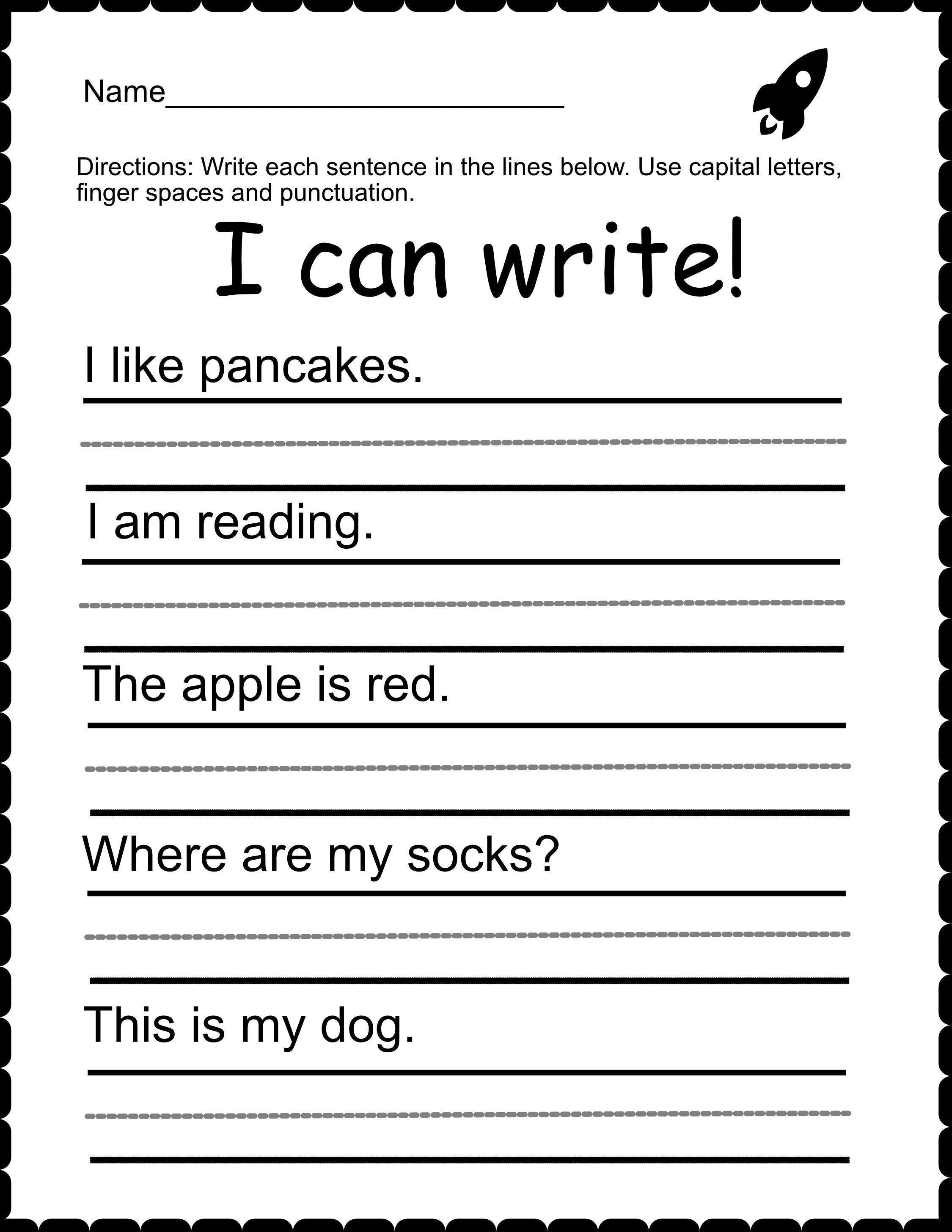
Not all cursive worksheets alphabet are designed equally. Some are too basic, while others are overly complex. The best ones offer a mix of practice lines, words, and sentences. Pro tip: avoid worksheets that only focus on individual letters. Kids need to see how letters connect in real words to truly grasp cursive. Also, consider worksheets with dotted lines for guidance—they’re a lifesaver for beginners.
Incorporate Fun into the Learning Process
Let’s face it: cursive practice can feel tedious. That’s why it’s crucial to make it engaging. Look for worksheets that include themes or illustrations—kids are more likely to stick with it if there’s a story or picture involved. Another idea? Turn it into a game. For example, challenge your child to write a secret message in cursive and decode it together. This not only makes learning fun but also reinforces their skills.
Track Progress Without Overwhelming
Progress is motivating, but too much pressure can backfire. Use worksheets that allow kids to track their improvement without feeling judged. Some worksheets include blank lines for free practice, which is perfect for building confidence. Remember, cursive is a skill that develops over time. Celebrate small wins, like mastering a tricky letter or writing a full sentence without lifting the pencil. Consistency beats perfection every time.
- Start with uppercase letters first—they’re simpler and build a strong foundation.
- Use worksheets with dotted lines for guided practice.
- Incorporate themed worksheets to keep kids engaged.
Your Next Step Starts Here
Mastering the art of cursive writing is more than just a nostalgic nod to the past—it’s a skill that sharpens focus, enhances creativity, and fosters a deeper connection to the written word. Whether you’re teaching a child, rediscovering the joy of handwriting yourself, or simply looking to add a touch of elegance to your notes, the journey begins with the basics. The cursive worksheets alphabet is your foundation, the key to unlocking a world of fluid, expressive writing that stands out in a digital age.
You might wonder, “Is cursive still relevant in today’s fast-paced world?” The answer is a resounding yes. In an era dominated by screens, cursive writing offers a unique, tactile experience that engages the mind in ways typing simply can’t. It’s not just about forming letters—it’s about building patience, precision, and a sense of accomplishment with every stroke. So, let go of any doubts; this is a skill worth investing in.
Ready to take the next step? Explore our collection of cursive worksheets alphabet resources, bookmark this page for future practice, or share it with someone who’ll appreciate the journey as much as you do. Every letter you write brings you closer to mastering this timeless craft. Start today—your handwriting will thank you.
Related: 30 Spelling Worksheets for 1st Graders
As a parent, I'm always on the lookout for fun and engaging ways to help my first grader practice their spelling. Spelling worksheets for 1st graders are a great resource for parents and teachers alike, offering a simple yet effective way to reinforce those early spelling skills. With these worksheets, you can easily print and practice at home, and even refer to some printable spelling worksheets 1st grade for extra variety.
Online learning activities for first graders.
Spelling Skills Made Fun: A First Grader's Adventure
Spelling worksheets for first graders are an absolute treasure trove of learning and fun, offering a unique and engaging way to master early spelling skills. With a variety of activities and challenges, these worksheets provide an excellent foundation for young learners.
Reading and writing practice for grade 1.
Unlocking the Power of Word Families
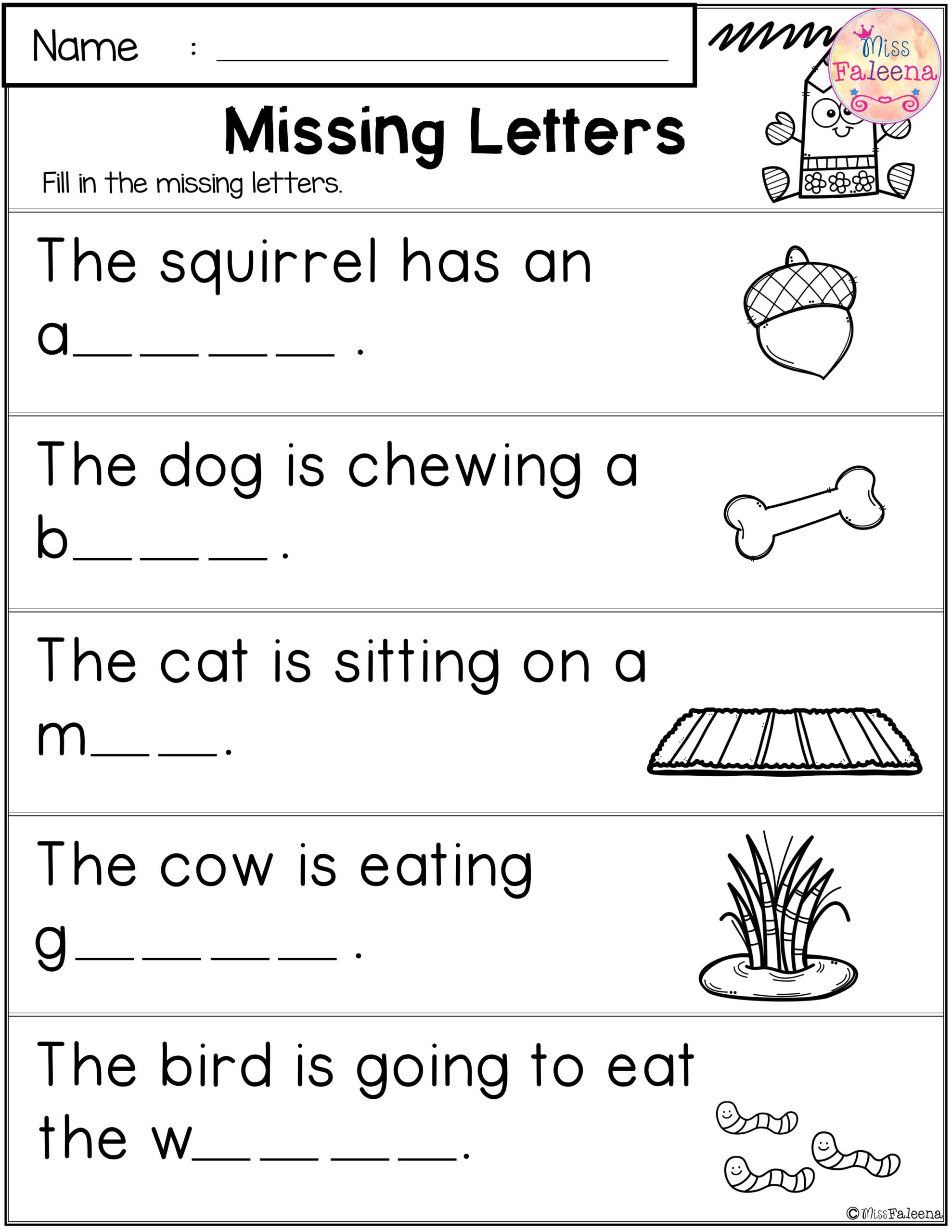
One of the key strengths of spelling worksheets is their ability to introduce and reinforce word families. Word families are groups of words that share a common pattern, such as the '-at' family (cat, hat, mat, etc.) or the '-ing' family (ring, sing, wing). By focusing on these patterns, worksheets help first graders recognize and understand the building blocks of words, making spelling a more logical and manageable task.
CVC word worksheets for early readers.
Sight Word Practice: A Visual Adventure
Sight word practice is another crucial aspect of first grade spelling. These are words that young learners need to recognize instantly, without having to sound them out. Worksheets dedicated to sight words often use visual cues and engaging activities to help students memorize these words quickly. For example, a worksheet might present a word like 'the' and ask students to find and circle all the instances of the word in a paragraph or sentence.
Free printable worksheets for grade 1.
People Also Ask: What Makes Spelling Worksheets Effective?
Spelling worksheets are a popular choice for educators and parents alike, but why? Well, these worksheets offer a structured yet flexible approach to learning. They provide a clear focus on specific spelling patterns and words, ensuring that students receive targeted practice. Additionally, worksheets can be tailored to different learning styles and preferences, making them an inclusive learning tool.
Classroom rules worksheet for kindergarten.
How to Make the Most of Spelling Worksheets
When it comes to using spelling worksheets, there are a few practical tips to ensure an effective and enjoyable learning experience. Firstly, choose worksheets that align with your child's or student's current spelling level. This ensures that the activities are neither too easy nor too challenging, maintaining a healthy balance of confidence and growth. Secondly, consider the format and layout of the worksheet. Some learners may prefer colorful and visually appealing worksheets, while others might find a simple, clean design more engaging.
Spelling rule practice: DGE or GE.
First Grade Fun: Beyond the Basics
While spelling worksheets are an excellent foundation for first graders, they can also be used to explore more advanced concepts and skills. As students progress, worksheets can introduce more complex spelling patterns, such as silent letters or homophones. They can also incorporate word puzzles and crosswords, adding an element of fun and challenge to spelling practice.
Spelling worksheets for first graders.
By gradually increasing the difficulty and incorporating fun elements, spelling worksheets can keep first graders engaged and motivated, ensuring that learning continues beyond the basics. So, whether it's in the classroom, at home, or during tutoring sessions, spelling worksheets for first graders are a versatile and effective tool to foster a love for spelling and language.
Printable spelling sheets for practice.
Remember, learning should always be an adventure, and spelling worksheets are a great way to make that adventure fun and memorable! 19 Self Worth Worksheets to Try can also be a great addition to your learning journey, offering a different perspective on self-discovery and confidence-building.
Reading comprehension worksheets, free.
First grade spelling word lists.
Free spelling worksheets for grade 1.
Vocabulary building for second grade.
These spelling worksheets are a fantastic tool to ignite your child's love for learning and language. By incorporating word families and engaging activities, your first grader will develop a strong foundation for their spelling skills.
So, why not give it a go? Print out a few worksheets, gather some colorful pens, and let your child explore the world of words. It's a fun and effective way to learn, and who knows, they might just surprise you with their spelling prowess! Leave a comment or share your experience below; we'd love to hear how these worksheets have helped your little ones.
Fun spelling games for first grade.
Related: Parenting Assessment Worksheets: Free Printable Tools for Every Family
Parenting is hard. Honestly, it’s one of those things no one fully prepares you for, no matter how many books you read or classes you take. That’s where parenting assessment worksheets come in—they’re not just another tool to add to your already overflowing toolkit; they’re a lifeline. These worksheets help you step back, take a breath, and actually *see* where you’re thriving and where you’re, well, not. Because let’s face it, we’re all winging it to some degree, but having a structured way to evaluate your approach can make the difference between surviving and actually enjoying this wild ride.
Right now, as you’re juggling work, school drop-offs, and the never-ending pile of laundry, you might be feeling like you’re just keeping your head above water. Maybe you’re questioning if you’re doing enough, or if you’re doing it *right*. That’s where these worksheets become more than just paper and ink—they’re a mirror that reflects your strengths and highlights areas where a little tweak could mean a lot less stress. It’s not about being perfect; it’s about being present and intentional, even when chaos reigns.
Look, I get it—adding one more thing to your to-do list feels like the last thing you need. But here’s the thing, these worksheets aren’t about adding more work; they’re about giving you clarity. By the time you’re done reading, you’ll know exactly how to use them to cut through the noise and focus on what really matters. Oh, and that tangent about laundry? Yeah, it’s still there, but at least you’ll have a plan for everything else.
The Part of Parenting Assessment Worksheets Most People Get Wrong
When it comes to evaluating parenting skills, most people focus on the obvious: discipline, routines, and milestones. But here’s the part they miss—self-awareness. Parenting assessment worksheets aren’t just about checking boxes; they’re about understanding your strengths and blind spots. For instance, you might think you’re great at emotional support, but a worksheet could reveal you’re actually brushing off your child’s feelings without realizing it. *Here’s what nobody tells you:* these tools are as much about growth as they are about assessment. Without self-reflection, even the most detailed worksheet becomes a checklist, not a roadmap.
Why Self-Awareness Matters More Than You Think
Parenting isn’t one-size-fits-all, and neither are parenting assessment worksheets. Your approach to discipline, communication, or even playtime is shaped by your own experiences, biases, and triggers. A worksheet that asks, “How do you respond when your child throws a tantrum?” isn’t just testing your patience—it’s revealing how your past influences your present. **Ignoring this layer of self-awareness** means you’re missing the chance to break cycles or reinforce what’s working. For example, if you grew up in a household where emotions were dismissed, you might unintentionally do the same with your kids. A well-designed worksheet can spotlight these patterns, but only if you’re willing to look inward.
The Actionable Tip You Can Start Today
Here’s a practical way to use parenting assessment worksheets effectively: pair them with a **journaling habit**. After completing a section, jot down your thoughts on why you answered the way you did. For instance, if you rated yourself low on “active listening,” ask yourself why. Was it a time issue? A lack of patience? Or maybe you didn’t realize your child needed more from you. This simple practice turns a static worksheet into a dynamic tool for change. It’s not about perfection—it’s about progress. And yes, it takes time, but the payoff is a deeper understanding of both yourself and your child.
How to Choose the Right Parenting Assessment Worksheet for Your Family
Not all parenting assessment worksheets are created equal. Some focus on behavioral issues, while others dive into emotional intelligence or family dynamics. The key is to pick one that aligns with your current challenges. For example, if you’re struggling with sibling rivalry, a worksheet on conflict resolution might be more useful than one on bedtime routines. **The mistake most parents make** is choosing based on popularity, not relevance. A worksheet that worked for your friend might not fit your family’s unique needs. Take a moment to assess what’s truly weighing on your mind before you start.
Features to Look for in a Quality Worksheet
| Feature | Why It Matters | Example |
|---|---|---|
| Open-Ended Questions | Encourages reflection, not just yes/no answers | “How do you handle disagreements with your child?” |
| Scalable Metrics | Allows you to track progress over time | Rating your patience on a scale of 1-10 |
| Action Steps | Provides practical next steps, not just insights | “Try this phrase instead of raising your voice” |
When to Reassess and Why It’s Crucial
Parenting isn’t static, and neither should your assessment be. Kids grow, dynamics shift, and new challenges arise. Revisiting a parenting assessment worksheet every six months can help you stay aligned with your family’s evolving needs. For example, what worked when your child was three might not fly at seven. **The goal isn’t to achieve perfection**—it’s to stay present and adaptable. Think of it as a tune-up for your parenting approach, ensuring you’re not just reacting but proactively shaping a healthy family environment.
Your Next Step Starts Here
Parenting is one of the most rewarding yet challenging journeys you’ll ever embark on. It’s not just about raising children; it’s about shaping futures, building relationships, and creating a legacy of love and resilience. In the chaos of daily life, it’s easy to lose sight of the bigger picture. That’s where tools like parenting assessment worksheets come in—they’re not just forms to fill out; they’re mirrors reflecting your strengths and areas for growth. By taking a step back to evaluate, you’re investing in a deeper connection with your child and a more intentional approach to parenting. This isn’t about perfection; it’s about progress, one small, thoughtful step at a time.
What if I’m not doing enough? It’s a question every parent asks, but here’s the truth: you’re already doing more than you think. Parenting assessment worksheets aren’t about judgment; they’re about clarity. They help you see what’s working and what needs a little extra attention. Think of them as a compass, not a report card. You’re not being graded—you’re being guided. So take a deep breath and let go of the doubt. Every effort you make, no matter how small, matters more than you realize.
Ready to take the next step? Bookmark this page or share it with a fellow parent who might find it helpful. Explore the gallery of parenting assessment worksheets and pick the ones that resonate with you. This isn’t just about today—it’s about building a foundation for tomorrow. Your children are watching, learning, and growing because of you. Let this be the moment you embrace the journey with even more intention and heart. You’ve got this.


