

Multiplication By 2 Worksheets 2026 Overview
Cursive writing isn’t just a lost art—it’s a skill that sharpens focus, boosts creativity, and honestly, makes your handwritten notes look way more impressive. If you’ve been wanting to master it but don’t know where to start, jetpens cursive worksheets are your secret weapon. They’re designed to guide you step by step, turning shaky loops into confident strokes without the frustration of figuring it out alone.
Right now, in a world where typing dominates, there’s something uniquely satisfying about putting pen to paper. Whether you’re prepping for a special event, wanting to improve your journaling, or just tired of your signature looking like a kindergarten scribble, cursive matters more than you think. It’s not just about aesthetics—it’s about reclaiming a skill that feels both timeless and personal.
Stick around, and you’ll discover why these worksheets stand out, how they’re tailored for beginners and pros alike, and a few tips to make your practice sessions actually enjoyable. Look—no one’s asking you to ditch your keyboard, but there’s a reason cursive keeps coming back. Let’s dive in.
The Part of JetPens Cursive Worksheets Most People Get Wrong
When it comes to practicing cursive, most people assume it’s all about the letters. But here’s the thing: consistency in spacing and slant is just as crucial as the letterforms themselves. JetPens cursive worksheets do a great job of guiding you through letter shapes, but many users overlook the subtle cues for spacing between words and the angle of their strokes. *And yes, that actually matters*—poor spacing can make even the most elegant cursive look cluttered, while an inconsistent slant can throw off the entire flow. If you’re using these worksheets, take a moment to focus on the dotted lines and arrows that indicate spacing and slant. It’s a small detail, but it makes a world of difference.
Why Spacing Isn’t Just About Aesthetics
Spacing isn’t just about making your writing look neat; it’s about readability. In cursive, letters often connect, and without proper spacing, words can blend together into an unreadable mess. JetPens worksheets include subtle markers for word spacing, but many beginners ignore them, focusing solely on the letters. Here’s an actionable tip: practice writing short sentences on lined paper, using the worksheet as a guide for both letters and spacing. Start with simple phrases like “The quick brown fox” and pay attention to how each word sits on the line. Over time, this will train your hand to naturally leave the right amount of space between words.
The Slant Factor: More Than Meets the Eye
The slant of your cursive is another area where JetPens worksheets shine—if you pay attention. Most cursive styles recommend a 30- to 45-degree slant, but achieving this consistently can be tricky. The worksheets often include slanted guidelines, but many users either ignore them or overcorrect, ending up with letters that lean too far. A relatable observation: think of your slant as the posture of your writing. Too upright, and it looks stiff; too tilted, and it feels off-balance. Use the worksheets to practice maintaining a consistent slant across entire words, not just individual letters.
How to Make the Most of Your Practice Time
Practicing cursive isn’t just about repetition; it’s about mindful repetition. One common mistake is rushing through worksheets without pausing to assess your progress. Take breaks between practice sessions to evaluate your work critically. Are your letters consistent in size? Are your connections smooth? JetPens cursive worksheets are designed to be used incrementally, so don’t feel pressured to finish a sheet in one sitting. Instead, focus on mastering one or two letters at a time, then gradually build up to words and sentences. This approach not only improves your technique but also keeps the process enjoyable.
Tools That Complement Your Worksheets
While JetPens worksheets are a fantastic starting point, pairing them with the right tools can accelerate your progress. A good cursive pen, like a fine-tipped gel or felt-tip pen, can make your strokes smoother and more controlled. Additionally, using lined paper with slant guidelines can reinforce what you’ve learned from the worksheets. Experiment with different nib sizes to find what feels most comfortable for your hand. For example, a 0.5mm tip might offer more precision, while a 0.8mm tip can help you focus on fluidity. The key is to create a practice setup that feels natural and encourages consistency.
The Role of Muscle Memory in Cursive Mastery
Here’s what nobody tells you: cursive is as much about muscle memory as it is about technique. The more you practice, the less you’ll need to think about each stroke. JetPens worksheets are great for building this muscle memory, but only if you use them regularly. Aim for 10-15 minutes of practice daily, rather than an hour once a week. Over time, your hand will start to move automatically, and cursive will feel less like a chore and more like second nature. *And that’s when the magic happens*—your writing will flow effortlessly, and you’ll wonder why you didn’t start sooner.
Your Next Step Starts Here
Mastering cursive isn’t just about writing beautifully—it’s about reconnecting with a timeless skill that adds depth and personality to your words. Whether you’re jotting down notes, crafting a letter, or simply wanting to stand out in a digital world, cursive is your secret weapon. It’s a way to slow down, focus, and create something meaningful, one stroke at a time. Think of it as an investment in yourself, a way to sharpen your focus and express your unique voice in a way that typing never can.
If you’re worried it’s too late to learn or improve, let me reassure you: it’s never too late. Cursive is a skill that grows with practice, and every small step counts. Don’t let perfectionism hold you back—embrace the process, enjoy the journey, and celebrate the progress. What matters most is that you start.
Ready to take the leap? Explore the jetpens cursive worksheets to guide your practice, or bookmark this page for inspiration whenever you need it. Better yet, share it with someone who’d love to join you on this journey. And if you’re already practicing, keep going—you’re building something beautiful. Remember, every elegant letter you form is a step toward making your mark, one that’s distinctly yours. So grab your pen, find your rhythm, and let your handwriting tell your story.
Related: 28 Free Multiplication Division Worksheets for Practice
As a parent, I'm always on the lookout for fun and engaging ways to help my kids practice their math skills. Multiplication division worksheets are a great resource for this, especially for those tricky topics like long division or multi-digit multiplication. I recently stumbled upon some great multiplication division worksheets grade 5 15 Pre Kg Maths Worksheets to Try that my kids loved!
Create custom math worksheets for division and multiplication.
Multiplication and Division: The Perfect Pair for Practice
When it comes to mastering basic math operations, multiplication and division often go hand in hand. These fundamental skills are essential building blocks for more advanced mathematical concepts, and practicing them is key to developing a strong foundation. Multiplication division worksheets offer a practical and engaging way for students to reinforce their understanding and build confidence.
Word problems for multiplication and division.
Beyond Basic Facts: Exploring Advanced Concepts
While multiplication and division facts are crucial, multiplication division worksheets can also delve into more complex topics. For instance, learners can tackle long division problems, a skill that often poses challenges but is essential for more advanced math. These worksheets provide a structured approach to mastering this technique, gradually building from simpler problems to more intricate ones.
Fraction multiplication and division with answer key.
Additionally, multi-digit multiplication problems are another area where multiplication division worksheets excel. By offering a range of practice problems, these resources help students develop the necessary skills to tackle larger numbers with confidence. The step-by-step nature of these worksheets ensures that students grasp the process, fostering a deeper understanding of the concept.
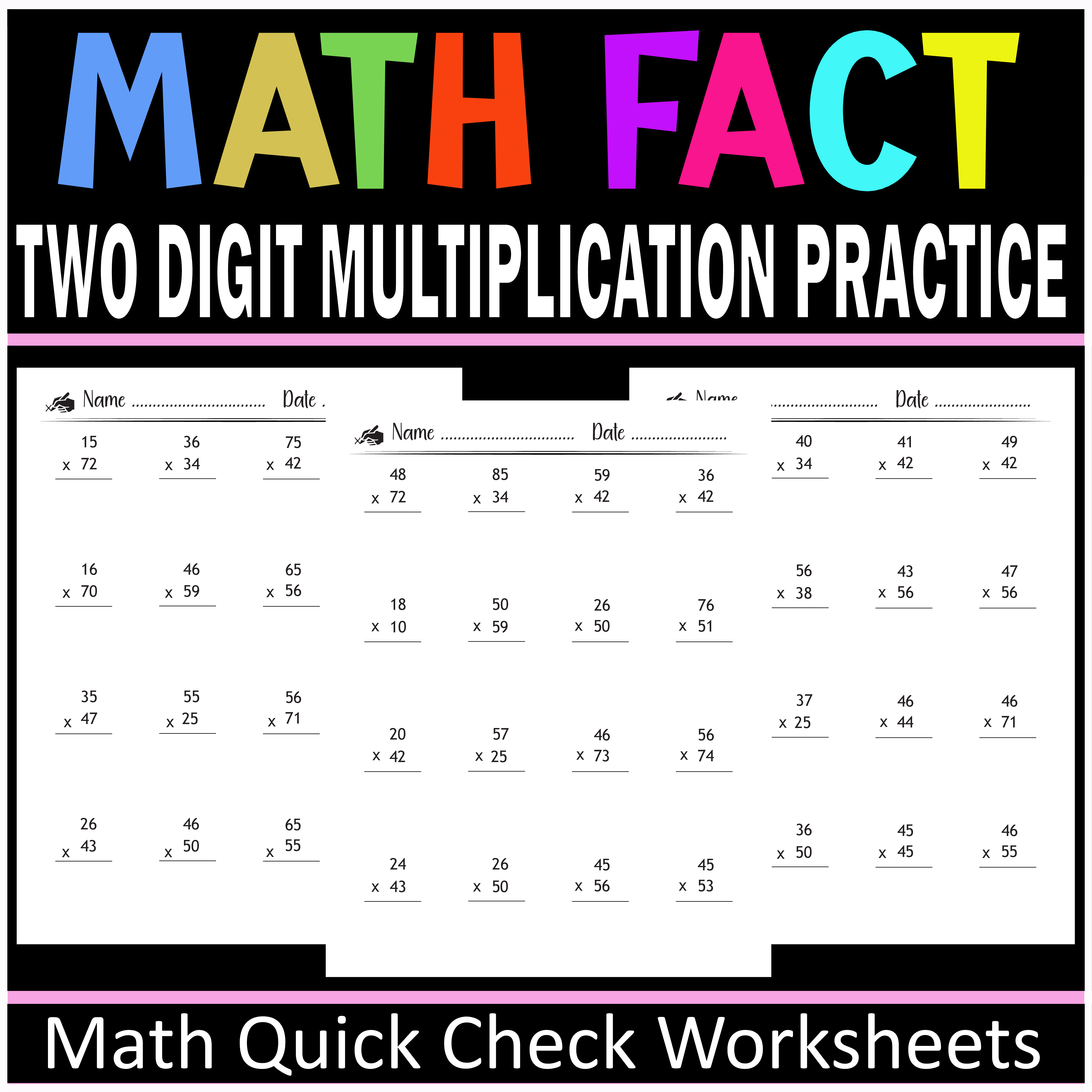
Free 2-digit multiplication practice for early grades.
People Also Ask: How Do Multiplication Division Worksheets Help with Problem-Solving?
One common question that arises is how these worksheets contribute to problem-solving skills. The "Solve Divide Conquer" approach, as some may call it, is a valuable strategy that multiplication division worksheets can reinforce. By presenting various problem scenarios, these resources encourage students to apply their multiplication and division skills to real-world situations. This not only enhances their computational abilities but also fosters critical thinking and logical reasoning.
Printable multiplication worksheets for skill boost.
Putting Worksheets into Practice: Tips and Tricks
So, how can parents, teachers, and students make the most of multiplication division worksheets? First and foremost, it's essential to choose worksheets that are appropriate for the learner's level. Whether it's multiplication division worksheets grade 2, grade 3, grade 4, or grade 5, ensuring the content aligns with the student's abilities is crucial. This ensures a balanced challenge without causing frustration.
Space-themed 4th grade multiplication practice.
When it comes to using these worksheets, consistency is key. Regular practice, even for a short duration, can lead to significant progress. Encourage students to work through the problems systematically, providing guidance and support as needed. For teachers and parents, consider incorporating these worksheets into lesson plans or as supplementary materials to reinforce classroom learning.
Shapes math worksheets for visual learning.
The Power of Practice: Building Fluency and Confidence
The beauty of multiplication division worksheets lies in their ability to provide structured practice, gradually building fluency and confidence. By offering a range of problems, from simple facts to more complex scenarios, these resources cater to different learning needs. Whether used in a classroom, for homeschooling, or as a tutoring tool, multiplication division worksheets provide a flexible and effective way to enhance math skills.
Multiplication and division worksheets for all.
Moreover, the progression from basic facts to advanced concepts ensures that students don't just memorize but truly understand the underlying principles. This approach, combined with consistent practice, empowers students to approach math with confidence, knowing they have the tools to tackle any challenge that comes their way.
Printable math sheets for multiplication mastery.
So, whether you're a parent seeking fun ways to engage your child's math skills or a teacher looking for effective classroom resources, multiplication division worksheets offer a wealth of benefits. With their focus on practice and progression, these worksheets are a valuable asset in any learner's math journey.
Self-designed multiplication math worksheets.
Remember, 26 Sight Words Worksheets for Kindergarten also provide an excellent resource for early learners, offering a fun and interactive way to build foundational literacy skills alongside math practice.
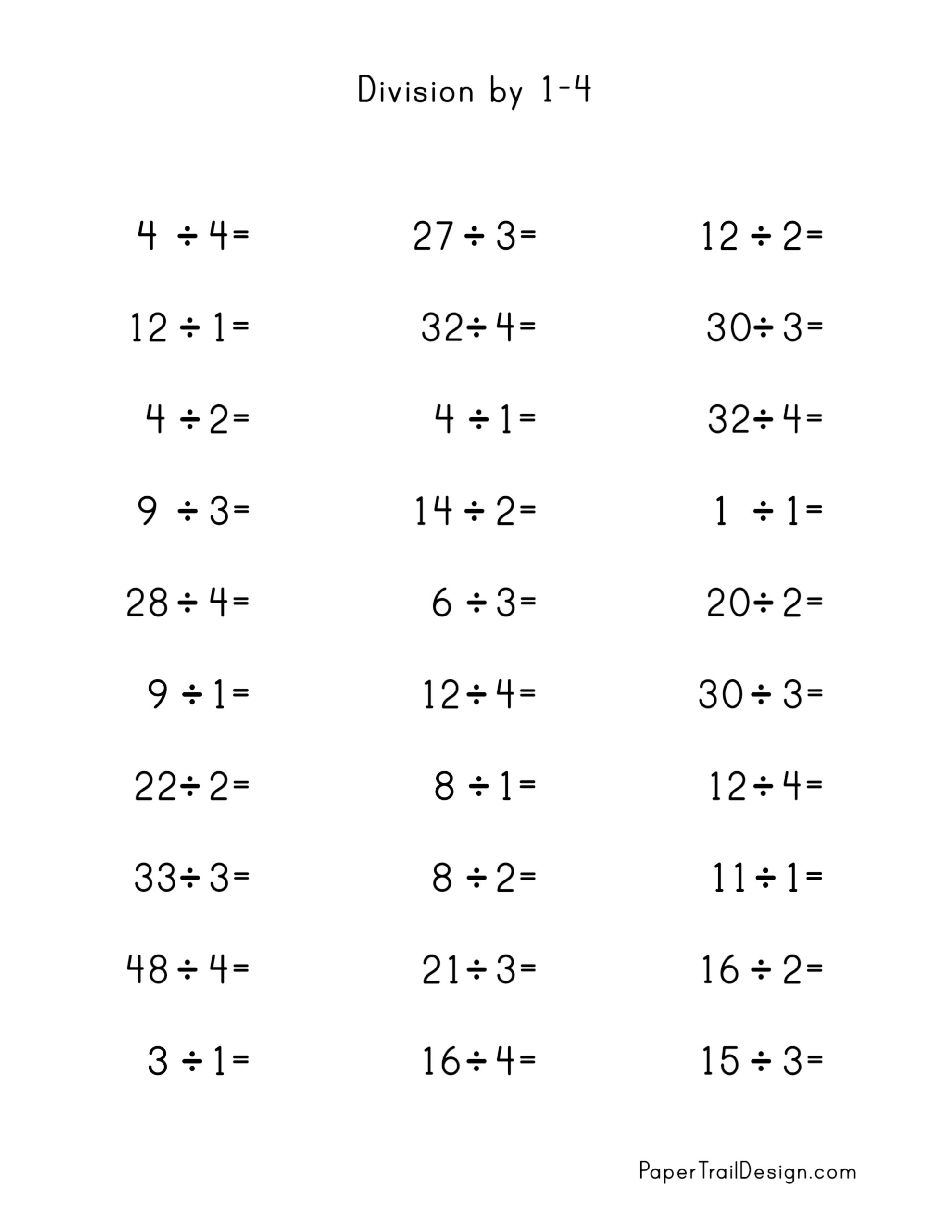
Division with visual aids for better understanding.
Fun and effective printable multiplication worksheets.
Math practice can be fun and rewarding, and these worksheets are a great tool to keep the learning process engaging. So, why not give them a go? Print a few, gather your pencils, and dive into the world of multiplication and division. It's a fantastic way to stay sharp and build those math muscles!
Feel free to share your thoughts and experiences below. Did you find these worksheets helpful? How did your practice session go? We'd love to hear your feedback and any tips you might have for fellow math enthusiasts!
Fun practice sheets for multiplication by 3.
Read also: Easy Punnett Square Practice Worksheet
Related: Free Printable Math Worksheets: Ones, Tens, Hundreds (PDF)
Math is hard. Honestly, it’s one of those subjects that can make even the brightest kids (and adults) want to throw in the towel. But here’s the thing: mastering math worksheets ones tens hundreds isn’t just about acing a test—it’s about building a foundation that sticks. Think about it: every time you count change, split a bill, or measure ingredients, you’re using these basic concepts. Without a solid grasp, even everyday tasks can feel like a puzzle.
Right now, as schools push for faster learning and parents juggle busy schedules, finding the right tools to teach place value has never been more critical. Kids are expected to understand these concepts earlier than ever, and falling behind can snowball into bigger problems down the line. The truth is, most worksheets out there are either too boring or too confusing, leaving both kids and parents frustrated. Sound familiar? You’re not alone.
What if there was a way to make learning ones, tens, and hundreds actually engaging? Stick around, and you’ll discover why traditional methods often fail and how a fresh approach can turn frustration into confidence. Look—math doesn’t have to be a chore. By the end of this, you’ll see exactly how to make it click, no matter where you’re starting from.
The Hidden Challenge in Teaching Place Value
When it comes to teaching place value, most educators focus on the basics: ones, tens, and hundreds. But here’s the part most people get wrong—it’s not just about memorizing the columns. Students often struggle with the conceptual leap between these units. For instance, understanding why 3 tens are worth 30, not just three groups of ten, is where the confusion starts. Math worksheets ones tens hundreds can be a great tool, but only if they’re designed to bridge this gap. A common mistake is overloading worksheets with repetitive exercises that test recall rather than comprehension. Repetition without understanding is just busywork.
Why Traditional Worksheets Fall Short
Traditional worksheets often treat place value as a series of isolated facts. Fill in the blank: 4 tens = ___. Easy, right? But ask a student to explain why 4 tens equal 40, and you’ll see the cracks. The problem isn’t the worksheets themselves but how they’re used. Too often, they’re handed out as a quick fix, not as part of a structured lesson. For example, a worksheet that asks students to decompose numbers (e.g., 234 = 2 hundreds, 3 tens, 4 ones) is useful, but without context, it’s just another exercise. Here’s what nobody tells you: the best worksheets incorporate visual aids, like base-ten blocks or number lines, to make abstract concepts tangible.
The Power of Visual and Hands-On Learning
One actionable tip to improve place value understanding is to pair worksheets with physical manipulatives. For instance, use base-ten blocks to represent 342. Let students see that 3 hundreds are three flat blocks, 4 tens are four long rods, and 2 ones are two unit cubes. Then, have them replicate this on their worksheet. This dual approach—hands-on and paper-based—reinforces the connection between the abstract and the concrete. It’s a simple strategy, but it’s often overlooked in favor of faster, less effective methods.
How to Choose the Right Worksheets for Place Value Mastery
Not all math worksheets ones tens hundreds are created equal. When selecting resources, look for ones that encourage critical thinking, not just rote memorization. A good worksheet should include a mix of problems: decomposing numbers, comparing values, and solving word problems. For example, instead of just asking “What is 5 tens?” include a question like, “If you have 5 tens and add 7 ones, what number do you get?” This forces students to apply their knowledge, not just regurgitate it.
Comparing Worksheet Types: What Works Best
| Worksheet Type | Pros | Cons |
|---|---|---|
| Fill-in-the-Blank | Quick assessment of basic knowledge | Doesn’t test understanding |
| Decomposition Exercises | Reinforces place value structure | Can become repetitive |
| Word Problems | Encourages critical thinking | More challenging for beginners |
A Real-World Example to Try Today
Here’s a specific activity to enhance place value lessons: Create a “Number of the Day” worksheet. Each day, introduce a new number (e.g., 147). Students must decompose it (1 hundred, 4 tens, 7 ones), draw it using base-ten blocks, and write it in expanded form (100 + 40 + 7). This daily practice keeps the concept fresh and builds fluency over time. It’s a small change, but it makes a big difference in how students grasp place value.
Your Next Step Starts Here
Mastering place value is more than just a math skill—it’s a foundation for understanding numbers, problem-solving, and even real-world applications like money, measurements, and more. Whether you’re a parent helping your child build confidence or an educator looking for engaging tools, math worksheets ones tens hundreds are your secret weapon. They turn abstract concepts into tangible, hands-on learning experiences that stick. Imagine the pride your child or student will feel when they grasp these concepts, setting them up for success in more complex math down the road.
You might be thinking, "But will this really make a difference?" Trust me, it does. Consistent practice with the right tools builds not just knowledge, but confidence. These worksheets aren’t just about repetition—they’re designed to reinforce understanding in a way that’s interactive and fun. Even if math isn’t your strong suit, these resources are straightforward and effective, making it easy to guide someone through the process.
Ready to take the next step? Bookmark this page for quick access, or share it with a fellow parent or teacher who could use a helping hand. Explore the gallery of math worksheets ones tens hundreds and pick the ones that best fit your needs. Small, consistent efforts today lead to big breakthroughs tomorrow. Let’s make math a little less daunting and a lot more rewarding—together.