As a parent or teacher, it's always a challenge to find engaging resources to help kids grasp mathematical concepts. When it comes to understanding and graphing sequences, having the right tools can make all the difference. That's why I highly recommend checking out graphs of sequences worksheet; it's a practical way to visually explore and practice this skill. With this worksheet, you can easily guide students through the process of graphically representing sequences, offering a simple yet effective approach to mastering this topic.
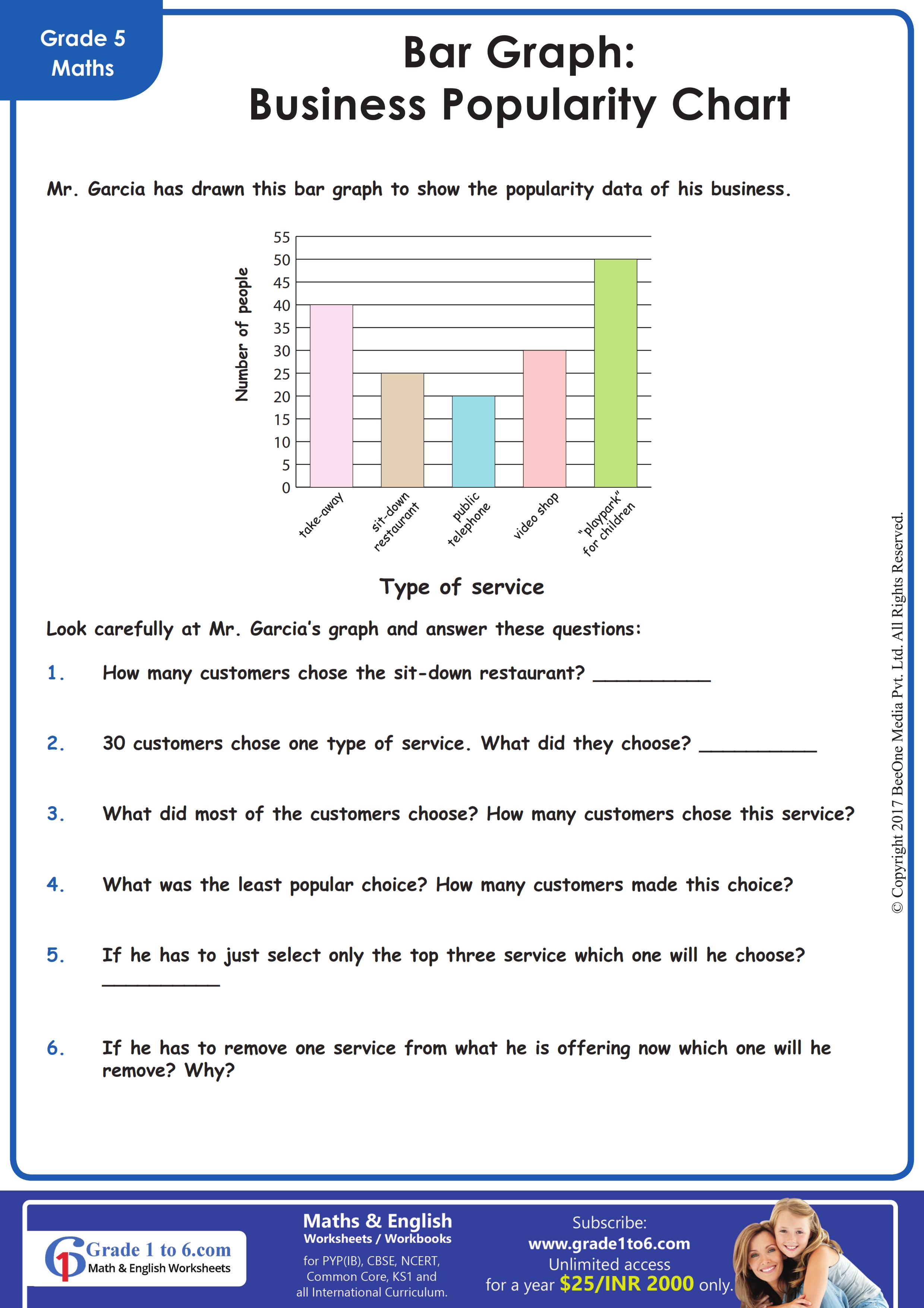
Bar graph practice for data interpretation
Graphing Sequences: A Visual Journey
Exploring Different Worksheet Types
When it comes to mastering the art of graphing sequences, having a diverse range of worksheets at your disposal is invaluable. The graphs of sequences worksheet is a fantastic starting point, offering a straightforward approach to understanding and practicing this skill. However, to truly grasp the concept, it's beneficial to explore various types of worksheets that cater to different learning styles and levels of understanding.
One such variation is the graphing sequence relationships worksheet, which focuses on identifying and analyzing the connections between different sequences. This type of worksheet encourages students to think critically about how sequences are related and how they can be visually represented. By comparing and contrasting different sequence patterns, learners develop a deeper understanding of the underlying mathematical principles.

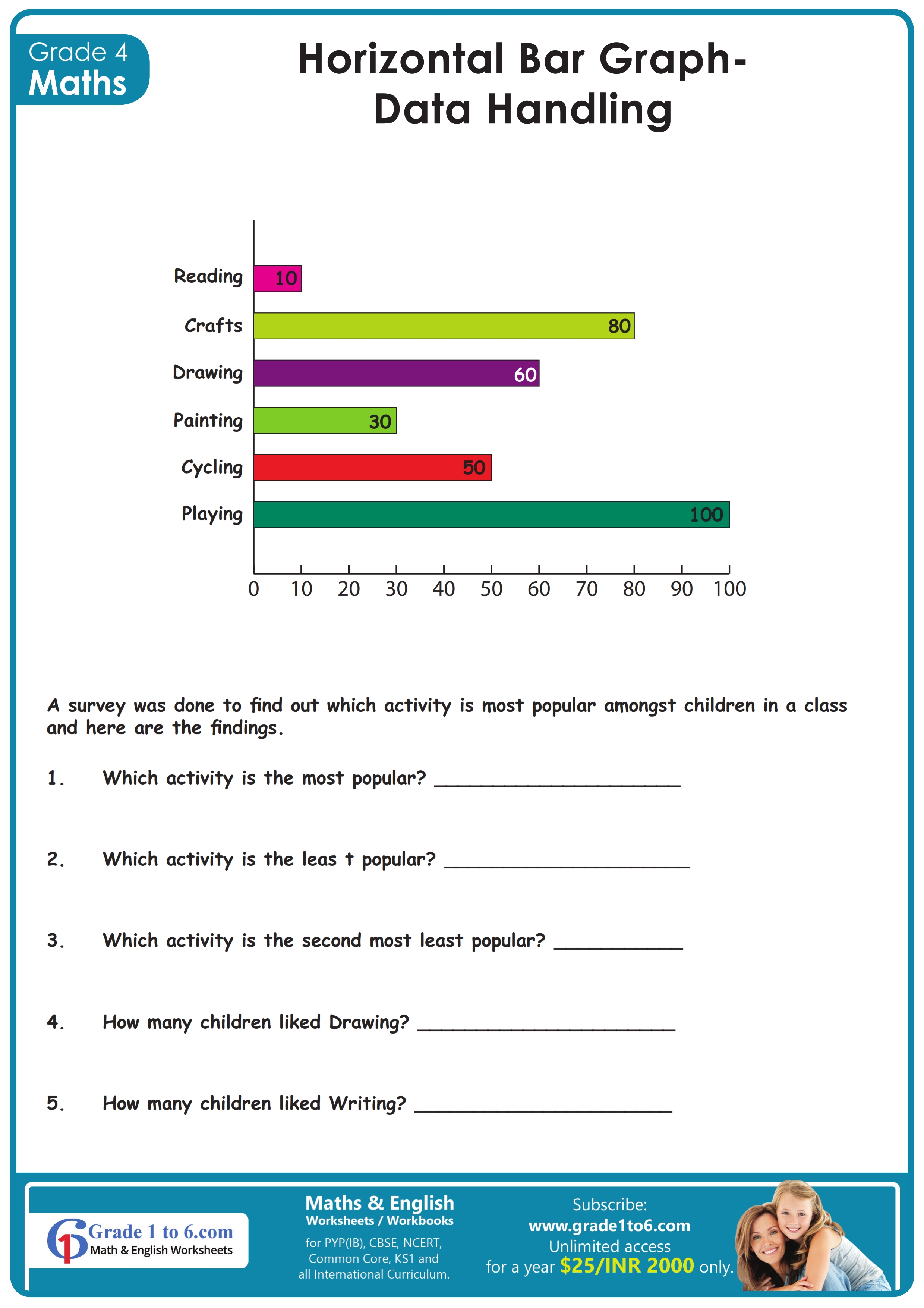
Data analysis and graphing for grade 4
Another useful resource is the geometric sequence graphs worksheet. This worksheet introduces students to the concept of geometric sequences and their unique graphical representations. By exploring the patterns and relationships within these sequences, learners can enhance their problem-solving skills and gain a stronger foundation in sequence analysis.
For a more comprehensive approach, desmos sequences and series worksheets offer an interactive and engaging experience. These worksheets utilize the powerful Desmos graphing calculator, allowing students to explore sequences and series in a dynamic and visual manner. With Desmos, learners can manipulate variables, experiment with different sequence types, and gain a hands-on understanding of sequence behavior.
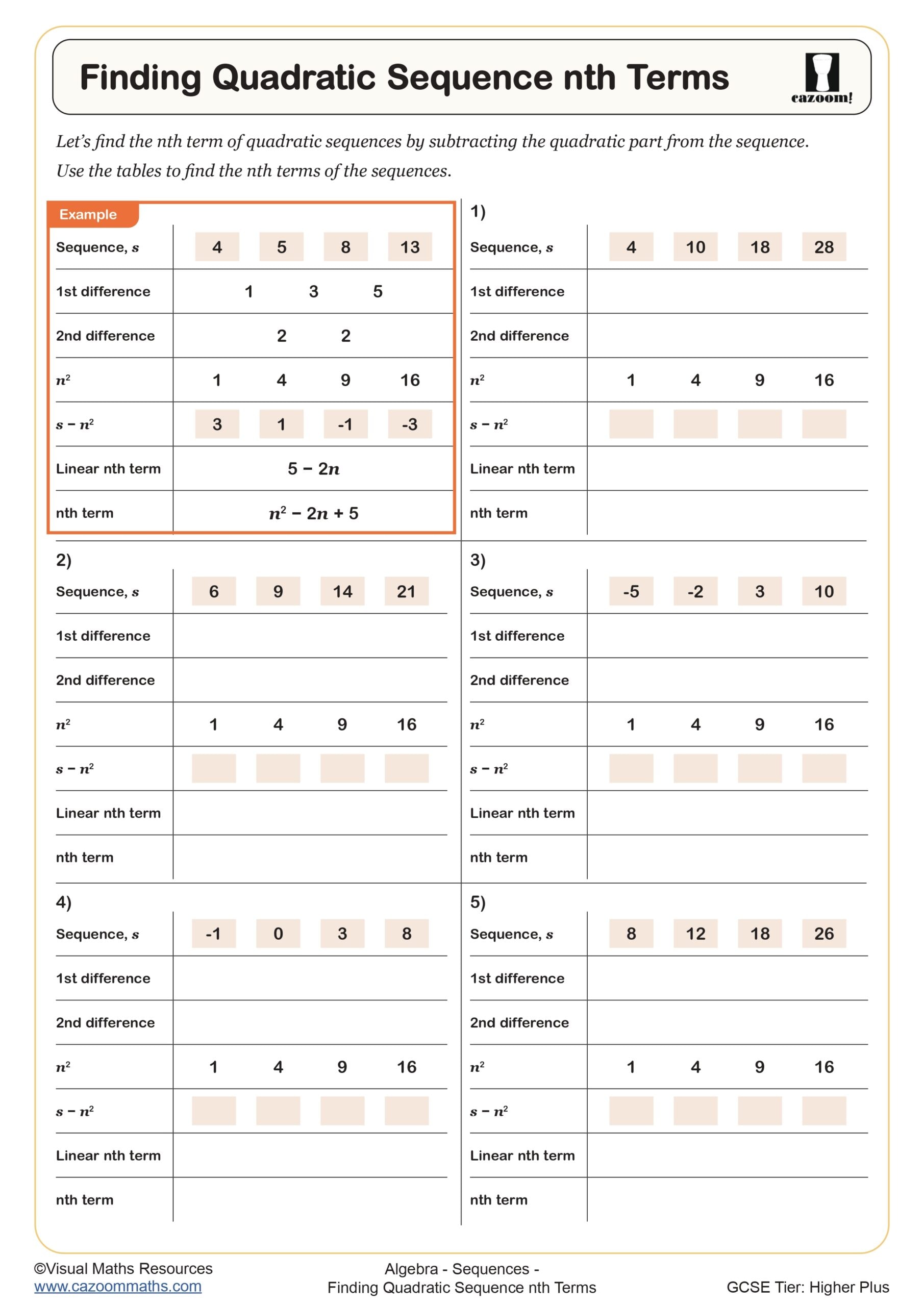
Year 7 sequence worksheets for pattern recognition
People Also Ask: What Skills Does the Worksheet Target?
A common curiosity among educators and parents is understanding the specific skills that the graphs of sequences worksheet aims to develop. This worksheet primarily focuses on enhancing students' ability to graphically represent sequences, a fundamental skill in mathematics. By practicing with this worksheet, learners not only improve their graphing techniques but also develop a stronger understanding of sequence patterns and relationships.
Additionally, the worksheet helps students build their data analysis skills. Through the process of plotting points and creating visual representations, learners learn to interpret and make sense of sequence data. This skill is not only valuable in mathematics but also has real-world applications in various fields, such as science, economics, and even social studies.

Edexcel iGCSE revision on sequences and graphs
How to Make the Most of the Worksheet: Practical Tips
Now that we've explored the different types of worksheets, let's delve into some practical tips on how to effectively utilize the graphs of sequences worksheet in various learning environments. Whether you're a teacher, parent, or tutor, here are some strategies to enhance the learning experience:
- Classroom Setting: Incorporate the worksheet as a group activity, allowing students to collaborate and discuss their findings. This promotes peer learning and encourages a deeper understanding of sequence concepts.
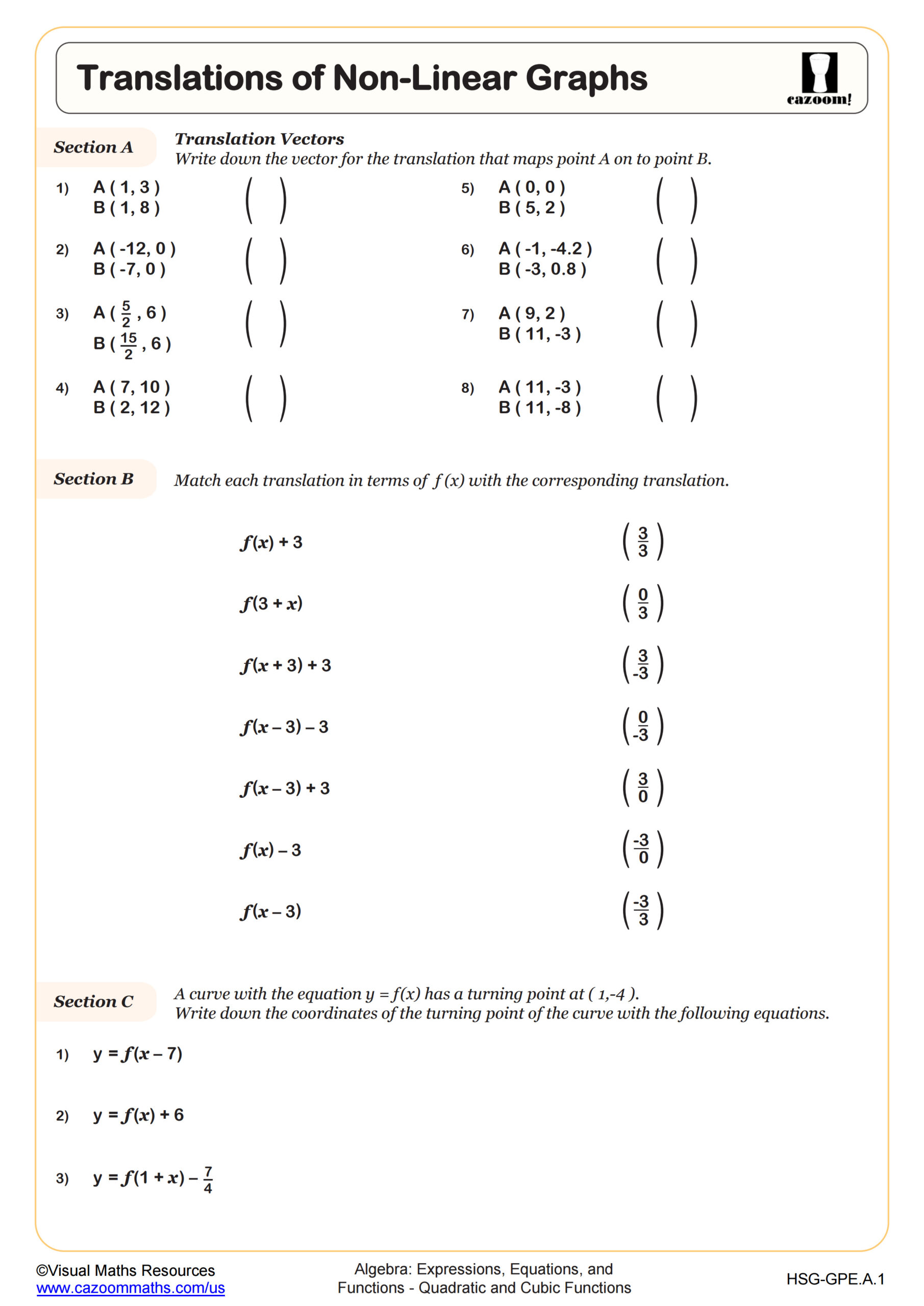
Translating non-linear graphs, a challenging exercise
Homeschooling: For homeschoolers, the worksheet can be a valuable resource for individual practice. Provide clear instructions and guidance, ensuring students understand the purpose and benefits of graphing sequences.
Tutoring Sessions: Tutors can use the worksheet to assess a student's understanding of sequence concepts. By analyzing the student's graphing skills and identifying areas for improvement, tutors can tailor their teaching approach accordingly.

Conversion graphs for GCSE revision questions
Independent Learning: Encourage students to explore the worksheet independently, challenging them to think critically and apply their knowledge. This fosters a sense of ownership and engagement in their learning journey.
Printing Considerations: Ensure that the worksheet is printed clearly and at an appropriate size. Consider using different colors or highlighting key elements to make the graphing process more engaging and visually appealing.

Linear, quadratic, and cubic functions graphing
A Step-by-Step Guide to Mastering Sequence Graphs
To further assist learners in their journey towards mastering sequence graphs, it's beneficial to provide a step-by-step guide. This structured approach ensures a progressive learning experience, allowing students to build upon their skills gradually.
Step 1: Understanding the Sequence Begin by introducing the sequence and its underlying pattern. Encourage students to identify the rule or relationship that governs the sequence. This initial step sets the foundation for accurate graphing.

Distance-time graphs for algebra practice
Step 2: Plotting Points Guide students through the process of plotting points on a coordinate plane. Emphasize the importance of accurate placement and clear labeling. Provide examples and practice exercises to reinforce this skill.
Step 3: Connecting the Dots Once the points are plotted, students can connect the dots to create a visual representation of the sequence. Discuss the concept of a line graph and how it helps to visualize the sequence's behavior over time.

Interpreting speed-time graphs, a practical skill
Step 4: Interpreting the Graph Teach students to analyze and interpret the graph they have created. Encourage them to identify trends, patterns, and any significant changes or anomalies. This step develops their critical thinking and data interpretation skills.
Step 5: Advanced Practice For more advanced learners, introduce complex sequences or sequences with non-linear patterns. Challenge them to graph and interpret these sequences, fostering a deeper understanding of sequence behavior and mathematical concepts.

Algebra 1 sequences worksheet, free download
Real-World Applications: Bringing Sequence Graphs to Life
Understanding and graphing sequences is not just an academic exercise; it has real-world applications that bring this mathematical concept to life. By exploring these applications, learners can see the practical relevance of their studies and develop a deeper appreciation for the subject.
One real-world example is in the field of finance, where sequence graphs can represent investment growth or compound interest over time. Students can visualize how different investment strategies or interest rates impact their financial goals, making abstract concepts more tangible.

Arithmetic geometric sequence practice, free PDF
In science, sequence graphs play a crucial role in understanding biological or ecological patterns. For instance, graphing the growth of a population or the spread of a disease allows scientists to make predictions and develop strategies for managing these phenomena.
Even in everyday life, sequence graphs can be used to track personal progress or monitor trends. Whether it's tracking exercise routines, monitoring sleep patterns, or analyzing sales data for a small business, sequence graphs provide a visual representation of progress and help identify areas for improvement.

Writing inequalities from graphs, an engaging activity
By connecting sequence graphing to real-world scenarios, learners develop a practical understanding of mathematics and its applications, fostering a lifelong appreciation for the subject.
As educators and parents, we have a wealth of resources at our disposal to make learning engaging and effective. The graphs of sequences worksheet is just one example of how practical tools can enhance the learning experience. By exploring different worksheet types, providing practical tips, and highlighting real-world applications, we can empower students to master the art of graphing sequences and develop a strong mathematical foundation.
Hey there, math enthusiasts! I hope this worksheet adventure has sparked some curiosity and a desire to explore more. Remember, practice makes perfect, and these graphing sequences worksheets are an excellent tool to sharpen your skills. So, why not give them a go? Print, save, or share these resources with your peers, and let the learning continue. I'd love to hear how your graphing journey unfolds, so feel free to leave a comment or share your experiences below. Happy graphing!
Integrated math worksheets for advanced learners

Read also: 13 Worksheets for Adding and Subtracting Ten