





Goal Setting Worksheet Adolescent Template Overview
Ever feel like your goals are just... floating out there, with no real plan to grab them? You’re not alone. Goal setting worksheet smart goals isn’t just a buzzword—it’s the difference between dreaming and doing. Honestly, most people skip this step, and that’s why their resolutions fizzle by February. But here’s the thing: a well-structured goal isn’t just a wishlist; it’s a roadmap.
Right now, you’re probably juggling deadlines, distractions, and that nagging voice saying, “There’s never enough time.” Sound familiar? The truth is, without a clear, actionable plan, your goals will always feel out of reach. And let’s be real—life doesn’t slow down for anyone. That’s why this isn’t just about setting goals; it’s about setting the *right* goals, in a way that sticks.
By the end of this, you’ll see why the SMART framework isn’t just another acronym—it’s your secret weapon. Oh, and that tangent? I once tried setting a goal to “be happier.” Spoiler: it didn’t work. But that’s a story for later. For now, just know this: you’re about to learn how to turn vague ambitions into actionable steps. Ready?
The Part of Goal Setting Most People Get Wrong
When it comes to setting goals, most people dive straight into the "what" without pausing to consider the "why." Without a clear purpose, goals become wishful thinking rather than actionable plans. A goal setting worksheet smart goals approach can help, but only if you start by asking yourself why the goal matters. Is it aligned with your values? Does it solve a real problem in your life? Skipping this step is like building a house on sand—it might look good at first, but it won’t stand the test of time.
The Missing Link: Emotional Connection
Here’s what nobody tells you: goals without emotional attachment are easy to abandon. If your goal is to "lose weight," but you don’t connect it to how you’ll feel healthier, more confident, or more energetic, it’s just a number on a scale. A goal setting worksheet smart goals tool can guide you, but it’s your emotional investment that keeps you moving forward. Take a moment to visualize the outcome—how will achieving this goal change your life? That’s the glue that holds your commitment together.
The Trap of Over-Ambition
Another common mistake is setting goals that are too big or vague. "Get rich" or "be successful" sound inspiring, but they lack the specificity needed to create a plan. Break it down into smaller, measurable steps. For example, instead of "start a business," try "research three potential business ideas by next month." This is where a structured approach, like using a goal setting worksheet smart goals, can turn overwhelming ambitions into manageable tasks.
How to Turn Your Goals into Reality
Setting goals is easy; sticking to them is where the real work begins. The key is to make your goals **specific, measurable, achievable, relevant, and time-bound**—but even that’s not enough. You need a system to track progress and adjust as you go. Here’s a simple, actionable tip: create a weekly review ritual. Spend 15 minutes every Sunday assessing what worked, what didn’t, and what needs to change. This small habit keeps you accountable and adaptable.
The Power of Accountability
Sharing your goals with someone you trust can dramatically increase your chances of success. It’s not just about having a cheerleader; it’s about creating external accountability. When you know someone will ask about your progress, you’re less likely to procrastinate. Pair this with a goal setting worksheet smart goals to keep everything organized, and you’ve got a recipe for success.
Real-World Example: From Dream to Done
Take Sarah, a freelance writer who wanted to publish her first eBook. Instead of just saying, "I’ll write a book," she used a goal-setting worksheet to break it down. Her steps included: research topics (1 month), write 500 words daily (3 months), and hire an editor (1 month). By setting deadlines and tracking her progress weekly, she published her eBook within six months. **Specificity and consistency were her secret weapons.**
- Start with the "why" behind your goal.
- Break big goals into smaller, actionable steps.
- Use a weekly review to stay on track.
- Share your goals for added accountability.
Your Next Step Starts Here
In the grand scheme of your life, work, and aspirations, the way you set goals can be the difference between drifting and thriving. It’s not just about checking boxes or hitting milestones—it’s about creating a roadmap that aligns with your deepest values and ambitions. When you approach your objectives with clarity and intention, you’re not just working toward something; you’re building a life that feels purposeful and fulfilling. That’s why tools like a goal setting worksheet smart goals aren’t just helpful—they’re transformative. They turn vague dreams into actionable plans, making success not just possible, but probable.
You might be thinking, “But what if I’m not sure where to start?” That’s completely normal. The beauty of this process is that it’s designed to meet you where you are. You don’t need all the answers upfront—you just need the willingness to begin. A goal setting worksheet smart goals isn’t about perfection; it’s about progress. It’s a tool that evolves with you, helping you refine your vision as you grow. So, let go of the pressure to have it all figured out. Take the first step, and trust that the path will become clearer as you move forward.
Before you go, take a moment to bookmark this page or share it with someone who could use a little direction. Whether you’re tackling personal growth, career ambitions, or creative projects, this approach can make all the difference. And if you’re ready to dive deeper, explore our gallery of resources to keep the momentum going. Your goals are worth it—and so are you.
Related: Free Printable ESL Worksheets for Engaging Lessons (PDF)
Teaching English as a second language can be a wild ride, especially when you're juggling lesson plans, student needs, and the occasional classroom chaos. ESL worksheets to print are often the unsung heroes in this mix, but let’s be real—not all worksheets are created equal. Some are bland, outdated, or just plain confusing, leaving both you and your students scratching your heads. Honestly, if you’ve ever spent hours searching for the perfect resource only to settle for something mediocre, you’re not alone.
Right now, as classrooms evolve and students demand more engaging materials, relying on subpar worksheets isn’t just frustrating—it’s holding you back. Your time is precious, and your students deserve better. Whether you’re teaching beginners struggling with basic phrases or advanced learners tackling complex grammar, the right tools can make all the difference. Look, we’ve all been there: that moment when a well-designed worksheet turns a dull lesson into something dynamic and memorable.
So, what if you could skip the endless scrolling and guesswork? What if you had access to worksheets that are not only printable but also designed to spark curiosity and reinforce learning? Stick around, because we’re about to dive into how to find, create, and use here’s the thing—worksheets that actually work. Oh, and that tangent about classroom chaos? Let’s just say it’s a story for another time.
The Part of ESL Worksheets to Print Most People Get Wrong
When it comes to teaching English as a second language, **effective lesson planning** is crucial. Many educators rely on worksheets to print as a supplement to their instruction, but few consider the potential pitfalls of this approach. For instance, and yes, that actually matters, the quality of the worksheets can greatly impact the learning experience. A poorly designed worksheet can lead to confusion and frustration, while a well-crafted one can engage and motivate students.
Understanding the Needs of ESL Students
To create effective worksheets, teachers must first understand the needs of their ESL students. This includes recognizing the students' language proficiency levels, learning styles, and cultural backgrounds. By taking these factors into account, educators can design worksheets that cater to the students' individual needs and promote a more inclusive learning environment. For example, a teacher might use a worksheet that focuses on **vocabulary building** for beginner students, while more advanced students might benefit from a worksheet that emphasizes **grammar practice**.
Designing Engaging and Interactive Worksheets
A good worksheet should be more than just a series of exercises; it should be an interactive tool that encourages students to engage with the material. This can be achieved by incorporating a variety of activities, such as reading comprehension passages, writing prompts, and conversation starters. Teachers can also use real-world examples to make the material more relatable and interesting. One actionable tip is to use a worksheet that includes a simple quiz or game, such as a word search or crossword puzzle, to make learning fun and interactive.
Maximizing the Potential of ESL Worksheets
Integrating Technology and Other Resources
In addition to traditional worksheets, educators can also leverage technology and other resources to enhance the learning experience. For instance, online platforms and educational apps can provide access to a wide range of ESL worksheets and activities, including audio and video materials. Teachers can also use these resources to track student progress and identify areas where additional support is needed. By combining traditional worksheets with digital tools and other resources, educators can create a more comprehensive and effective learning environment. Here is an example of how different resources can be used:
| Resource | Description |
|---|---|
| Online platforms | Provide access to a wide range of ESL worksheets and activities |
| Educational apps | Offer interactive games and exercises for language practice |
| Traditional worksheets | Supplement instruction and provide additional practice opportunities |
Your Classroom Transformation Starts Here
Imagine a classroom where every student is engaged, eager to learn, and making steady progress. That’s not just a dream—it’s within your reach. The tools you’ve discovered here aren’t just resources; they’re stepping stones to creating a dynamic, inclusive learning environment. Whether you’re teaching beginners or advanced learners, the right materials can make all the difference. ESL worksheets to print are more than just paper and ink; they’re opportunities to spark curiosity, build confidence, and foster real-world communication skills. Your students deserve lessons that stick, and you deserve the satisfaction of seeing them thrive.
Maybe you’re thinking, “But will it really work for my students?” Trust me, every classroom is unique, but the core needs are the same: clarity, engagement, and practice. These worksheets are designed to adapt to your teaching style and your students’ levels. They’re not one-size-fits-all—they’re one-size-fits-your-classroom. Don’t let hesitation hold you back from trying something that could transform your lessons.
Ready to take the next step? Browse the gallery, bookmark this page, or share it with a fellow educator who could use a boost. Every great lesson starts with a single resource, and today, that resource is just a click away. Your students are waiting, and so is their progress. Go ahead—make your classroom the place where learning comes alive. And if you’re looking for something tangible to start with, remember, ESL worksheets to print are here to simplify your prep and amplify your impact.
Related: Free Printable January Kindergarten Worksheets (PDF)
January is here, and if you’re a kindergarten teacher or parent, you know the struggle: kids are restless, routines are shaky, and kindergarten worksheets January suddenly feel like your only lifeline. Honestly, it’s not just about keeping them busy—it’s about making those first weeks back meaningful without losing your sanity. The truth is, January is a make-or-break month for setting the tone for the rest of the year, and the right worksheets can be the difference between chaos and calm.
Look, we’ve all been there: scrolling through endless resources, trying to find something that’s not only educational but also engaging enough to hold a 5-year-old’s attention. January brings its own challenges—post-holiday energy, winter blues, and that awkward transition back to structure. That’s why kindergarten worksheets January need to be more than just busywork. They need to spark curiosity, reinforce skills, and maybe even sneak in some seasonal fun. Otherwise, what’s the point?
Here’s the thing: by the end of this, you’ll know exactly how to pick worksheets that actually work—no more wasted time or frustrated kids. And yeah, I went down a rabbit hole researching this, so you don’t have to. Stick around, because what’s coming next is the kind of insider knowledge that’ll save you hours and make January feel a little less… January.
The Part of Kindergarten Worksheets January Most People Get Wrong
When it comes to early childhood education, January is a pivotal month. It’s the time when kids settle back into routines after the holiday break, and their brains are like sponges, ready to soak up new skills. But here’s the thing: most parents and educators focus solely on academics—letter recognition, counting, and basic writing. While those are crucial, they’re missing a key component: **social-emotional learning**. Kindergarten worksheets for January should weave in activities that teach empathy, patience, and teamwork. For instance, a worksheet with a simple story about sharing toys can spark conversations about kindness, which is just as important as knowing your ABCs.
Why Social-Emotional Skills Matter in January
January can be a tough transition for kids. The excitement of the holidays is over, and the cold weather often keeps them indoors. This is why worksheets that focus on emotions—like drawing how they feel or matching expressions to scenarios—can be a game-changer. Emotional intelligence lays the foundation for better behavior, focus, and relationships in the classroom. Plus, it’s a great way to address the post-holiday blues without making it feel like a lesson.
The Overlooked Benefit of Seasonal Themes
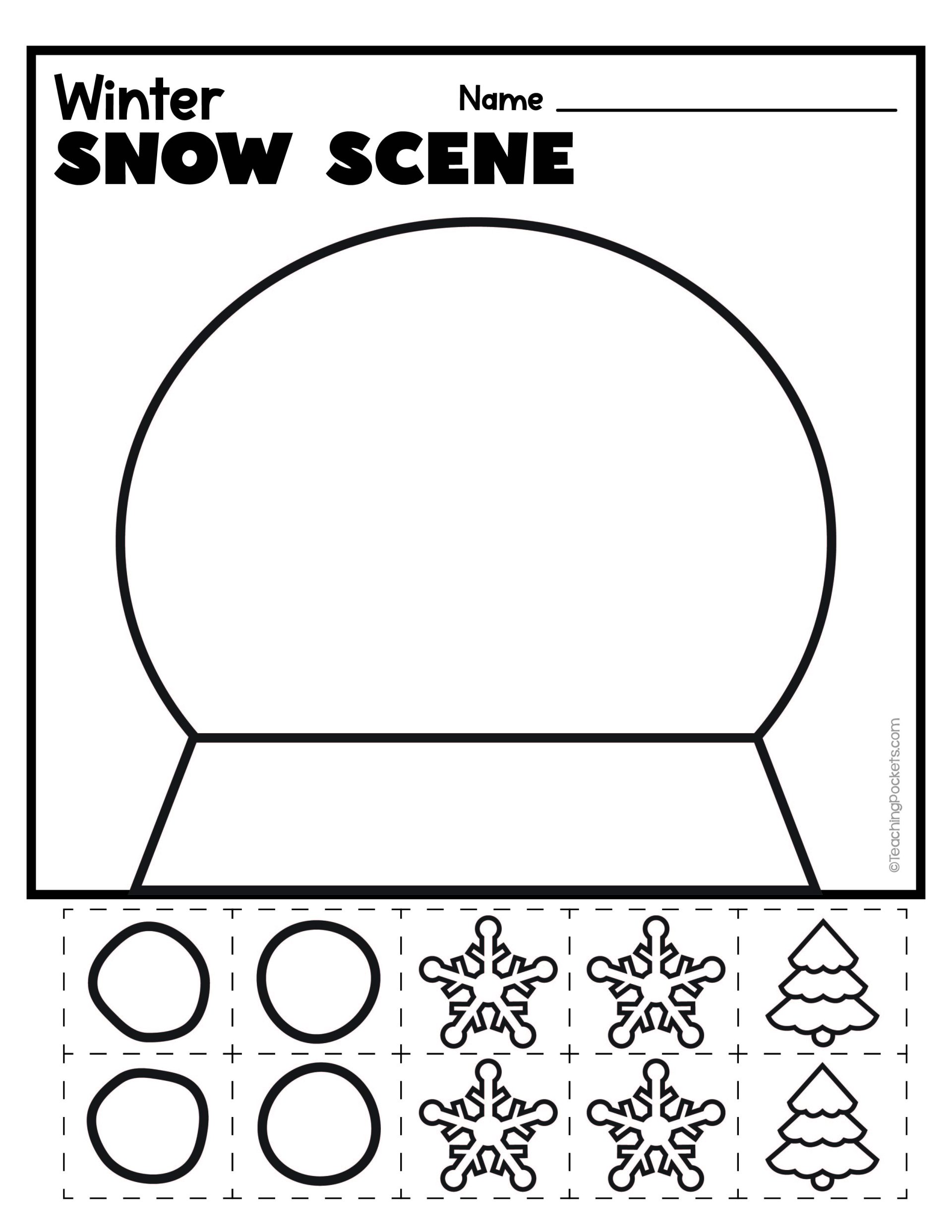
January worksheets often lean heavily on winter themes—snowflakes, mittens, and hot cocoa. While these are cute and engaging, they’re also an opportunity to teach **critical thinking**. For example, a worksheet asking, “How does a snowman stay warm?” encourages kids to think creatively and apply logic. *Here’s what nobody tells you*: these simple questions can spark curiosity and problem-solving skills that last far beyond kindergarten.
How to Choose the Right Kindergarten Worksheets for January
Not all worksheets are created equal. Some are too easy, others too complex, and many miss the mark entirely. The key is to look for ones that balance skill-building with engagement. A good January worksheet should align with kindergarten standards but also feel like play. For example, a maze that helps kids practice fine motor skills while navigating a snowman to his scarf is both educational and fun.
Avoid These Common Pitfalls
First, steer clear of worksheets that are purely academic. Kids at this age learn best through play and hands-on activities. Second, avoid overly complex designs. Simple, clean layouts with clear instructions are best. Lastly, don’t ignore the power of repetition. A well-designed worksheet can reinforce skills without feeling monotonous. For instance, tracing letters in the shape of snowflakes combines practice with a seasonal twist.
A Real-World Example to Try
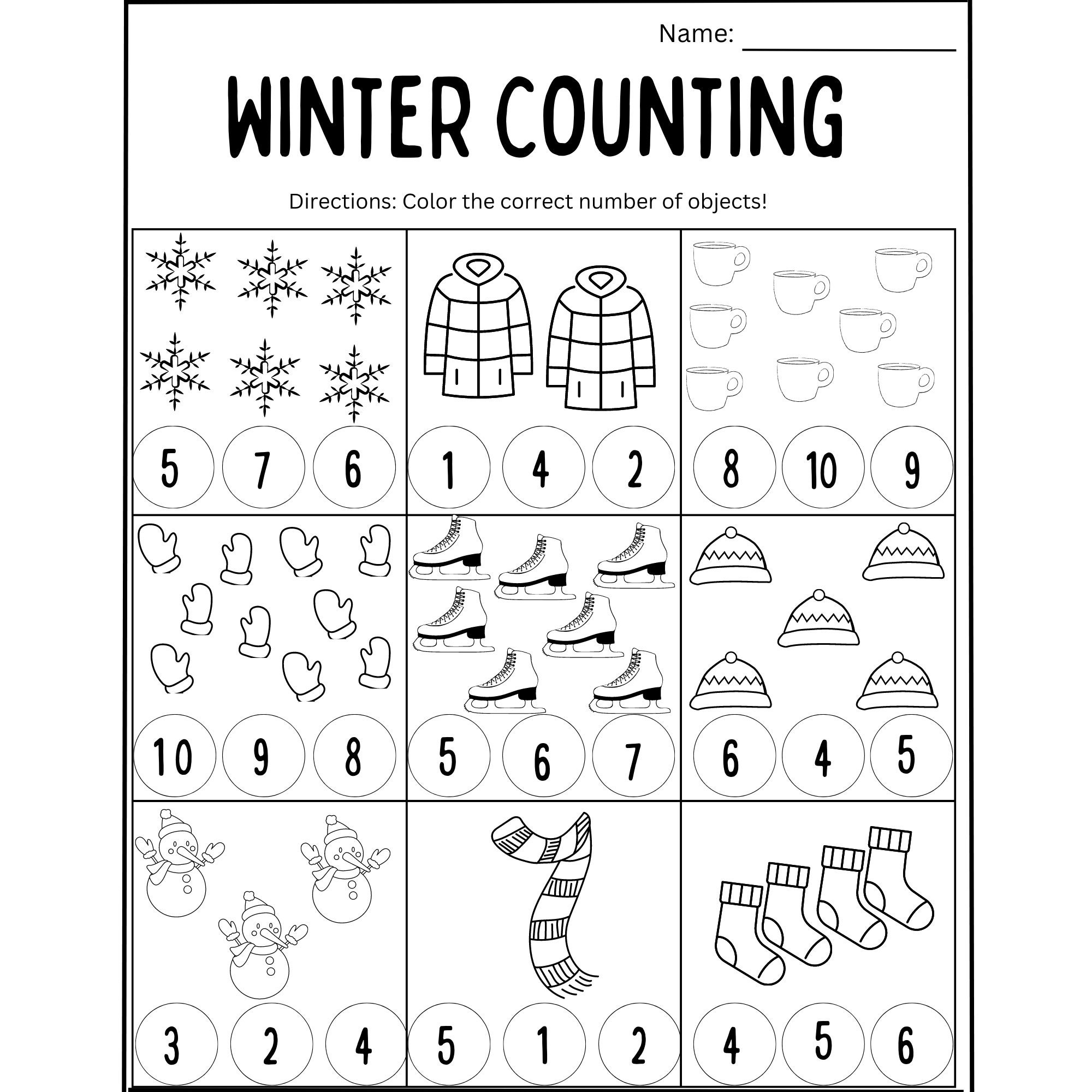
Here’s an actionable tip: pair worksheets with real-life activities. If you’re using a January-themed counting sheet, follow it up by counting snowflakes (or cotton balls) together. This reinforces learning and makes it tangible. Hands-on practice is the secret sauce that turns a good worksheet into a great one. *And yes, that actually matters* when you’re trying to keep a kindergartener engaged.
- Incorporate social-emotional learning into worksheets.
- Use seasonal themes to teach critical thinking.
- Pair worksheets with real-life activities for better retention.
Your Next Step Starts Here
As you step into the new year, remember that the little moments of learning and growth with your child are what truly matter. Kindergarten worksheets January aren’t just about academics; they’re about building confidence, fostering curiosity, and creating joyful memories together. These early years are the foundation for a lifetime of learning, and every worksheet, every activity, is a brick in that foundation. So, take a deep breath, embrace the journey, and know that you’re doing something incredible by investing in your child’s future.
What if it feels overwhelming at times? That’s completely normal. Parenting and teaching are two of the most challenging yet rewarding roles out there. The key is to keep it simple, stay consistent, and celebrate the small wins. Whether it’s mastering a new letter or completing a kindergarten worksheets January activity with enthusiasm, every step forward is a victory. You’ve got this, and your child is lucky to have you guiding them.
Ready to dive in? Take a moment to bookmark this page or share it with a fellow parent who could use a little inspiration. The resources here are designed to make your life easier and your child’s learning experience more fun. So, go ahead—explore, print, and start creating those meaningful moments today. Your child’s smile will be all the proof you need that you’re on the right track.


