



Garten Of Ban Ban Coloring Pages Black And White Overview
You walk into a room where a child is sobbing under a table, another is spinning in circles humming, and a third just threw a puzzle across the floor — and somehow, you're supposed to teach them all. Here's the thing: most teacher training never prepares you for the raw, chaotic reality of a kindergarten special education classroom. It’s not about cute crafts and alphabet songs. It's about survival, connection, and tiny victories that look like nothing to outsiders but mean everything to you.
Right now, you're probably drowning in IEP goals that feel impossible, behavior plans that don't stick, and that nagging voice asking if you're even making a difference. I've been there. Real talk — I once spent a full week just trying to get one nonverbal student to make eye contact during circle time. The pressure is real, and the support? Often nonexistent. But here's what nobody tells you: the first three minutes of your morning routine can either make or break your entire day. And most of us are getting those three minutes wrong.
By the time you finish this piece, you'll walk away with one specific, actionable strategy that cuts through the noise — something you can use tomorrow morning. No fluff, no theory, just the kind of practical, gritty advice that only comes from someone who's been elbow-deep in sensory bins and tantrums. Look — you're already doing the hard part by showing up. Let me save you some of the guesswork.
Walking into a room designed for young children who need extra support feels different. It has to. You can tell immediately whether the space was built for compliance or for actual learning. The difference between a well-run early childhood special education setting and one that just checks boxes is staggering. Most people assume the biggest challenge is behavior. It's not. The real struggle is creating a predictable environment that still allows for the chaos of childhood. Kids in these settings need structure, yes, but they also need the freedom to make mistakes without being punished for them. That balance is harder to strike than you'd think.
Why Most Classroom Setups Fail Before the First Lesson
Here's what nobody tells you: the physical layout of the room matters more than the curriculum. If a child with sensory processing challenges cannot navigate the space without bumping into furniture or being overwhelmed by visual clutter, you've already lost their attention. I've watched teachers cram colorful posters on every wall, thinking it creates a "rich environment." In reality, it creates a minefield of distractions. A calm, sparse room with clear pathways and defined zones works far better than a Pinterest-perfect explosion of decorations. One actionable tip: try the "floor test." Lie down at a child's eye level and look around. What do you see? If it's too much, simplify. This isn't about dumbing down the space. It's about making it navigable for brains that process differently.
The Visual Schedule That Actually Works
Every expert talks about visual schedules. But here's the catch: a laminated chart on the wall means nothing if the child cannot physically interact with it. The best systems use movable pieces that the child removes or moves to a "done" pocket. This gives a tangible sense of closure. I've seen a nonverbal four-year-old light up simply because he could slide a picture of the sand table into the "finished" slot. That small act of control changes everything. Pair this with a predictable rhythm: morning meeting, choice time, snack, outdoor play, small group. Same order every day. Repetition is not boring for these kids. It is safety.
Sensory Breaks Are Not Optional
If you skip sensory breaks, you will pay for it later. This is not a "nice to have." It is the engine that keeps the rest of the day running. A simple table like this can help you match sensory input to a child's current state:
| Child's State | Recommended Input | Example Activity |
|---|---|---|
| Overstimulated | Deep pressure, slow movement | Weighted lap pad, rocking chair |
| Understimulated | Fast movement, alerting input | Bouncing on a therapy ball, spinning |
| Anxious | Proprioceptive, grounding | Pushing a heavy cart, wall pushes |
Notice the pattern: you respond to the child's state, not your schedule. A five-minute sensory break before a demanding task can prevent a thirty-minute meltdown. This is where experience beats theory every time.
The One Rule That Changes Everything
After years of watching teachers burn out, I noticed a pattern. The ones who thrived had one rule that overrode all others: stay curious, not furious. When a child throws a toy during circle time, the instinct is to correct the behavior. But the curious teacher asks: "What happened right before that? Was the song too loud? Was someone sitting too close?" Behavior is communication. It sounds cliché until you see it in action. A child who bites is not bad. They are overwhelmed, tired, hungry, or unable to say "I need space."
Building Communication Without Words
Not every child in this setting will speak clearly. Some will not speak at all. So you build bridges with pictures, gestures, and simple sign language. The most effective tool I have seen is a simple choice board with two options: "more" and "stop." That's it. Two words. It gives the child power over their own body and time. Teachers who implement this report fewer aggressive outbursts within two weeks. Giving a child a way to say "no" respectfully is the foundation of everything else. You cannot teach self-regulation to a child who feels trapped.
Why You Must Protect the Quiet Moments
The loud, chaotic moments get all the attention. But the quiet moments are where real learning happens. A child who sits alone with a puzzle, working through frustration without help, is building persistence. A child who watches another child build a tower before attempting their own is learning through observation. Do not rush to fill every silence with instruction. Some of the most profound growth in early childhood special education happens in the margins — in the seconds between activities, in the pause after a question, in the space where a child decides to try again on their own. Respect that space. It is where independence is born.
One Last Thing Before You Go
You’ve done the hard work of learning the strategies, but here’s what really matters: the children in your care won’t remember the perfect lesson plan or the immaculate data sheet. They will remember how you made them feel—safe, capable, and seen. Every small adjustment you make in your kindergarten special education classroom is a brick in the foundation of their confidence. That confidence carries them through the hardest moments of their school years, and beyond. You aren’t just teaching letters and routines; you are teaching them that they belong. That is the real work, and it changes everything.
Maybe a little voice in your head is whispering, But what if I don’t have the resources or the support I need? Let that doubt go. You already have the most powerful tool: your willingness to adapt and your belief in each child. The perfect environment isn’t built in a day, and it doesn’t require a full renovation. It starts with one small change—a visual schedule tweaked, a transition song added, a moment of patience extended. That is enough. Start there.
So here’s your next step: take one idea from this article and try it tomorrow morning. Not everything. Just one. And then bookmark this page, or share it with a colleague who is also building a kindergarten special education classroom where every child feels like they can succeed. The community you build around this work matters just as much as the strategies themselves. Go ahead—make that one small shift. You’ve got this.
Related: Mga Libreng Worksheets para sa Kindergarten na Tagalog (Printable)
Teaching kids their ABCs in Tagalog? It’s harder than it looks. Between finding the right materials and keeping their attention, you’re probably juggling more than a circus performer. That’s where kindergarten worksheets tagalog come in—but not all are created equal. Honestly, most are either too boring or too confusing for little ones just starting out.
Right now, your child’s early language skills are forming faster than you can keep up. Every missed opportunity to reinforce Tagalog could mean falling behind in a world that’s already pushing English. These worksheets aren’t just about letters and numbers—they’re about building a foundation for fluency, confidence, and cultural connection. Ignore this, and you’re leaving their potential on the table.
Look, I get it—you’re busy. That’s why the right worksheets can save you hours of frustration. Stick around, and you’ll discover how to pick resources that actually work, keep your kid engaged, and make learning feel like play. No more guessing. No more wasted time. Just results.
The Part of Kindergarten Worksheets in Tagalog Most People Get Wrong
When it comes to early childhood education, many parents and educators focus solely on the academic outcomes of kindergarten worksheets in Tagalog. While these materials are undeniably valuable for teaching the alphabet, numbers, and basic vocabulary, there’s a critical aspect often overlooked: cultural connection. Worksheets in Tagalog aren’t just about language acquisition; they’re a bridge to heritage, identity, and a sense of belonging. Here’s what nobody tells you: children who engage with culturally relevant materials tend to show higher levels of engagement and confidence in their learning journey.
Why Cultural Relevance Matters in Early Learning
Tagalog worksheets aren’t just translated versions of English resources. They should reflect the nuances of Filipino culture—from traditional games to local stories. For instance, a worksheet featuring *sipa* (a traditional Filipino sport) or *kwento ng mga alamat* (legends) can make learning feel personal and exciting. This approach fosters a deeper connection to one’s roots, which is especially important for children growing up in bilingual or multicultural households.
The Pitfall of Overemphasis on Academics
One common mistake is treating kindergarten worksheets in Tagalog as purely academic tools. While mastering letters and numbers is essential, learning should also be fun and meaningful. Overloading young learners with repetitive drills can lead to burnout. Instead, incorporate interactive elements like coloring, matching, or storytelling. For example, a worksheet that combines letter recognition with a *tula* (poem) about nature can make the experience more engaging.
How to Choose the Right Kindergarten Worksheets in Tagalog
Not all worksheets are created equal. Some are too simplistic, while others may overwhelm young learners. The key is to find materials that balance education and enjoyment. Look for worksheets that include a mix of skills—reading, writing, and critical thinking—while incorporating Filipino culture. For instance, a worksheet that teaches colors using *sari-sari* store items or shapes through *bahay kubo* designs can be both educational and relatable.
Actionable Tip: Customize for Your Child’s Interests
Here’s a practical strategy: adapt existing worksheets to align with your child’s hobbies or curiosities. If they love animals, create a worksheet featuring *mga hayop sa Pilipinas* (Philippine animals) with simple sentences in Tagalog. This not only reinforces language skills but also makes learning feel tailored to their world. And yes, that actually matters—personalization can turn a mundane task into an exciting activity.
The Role of Technology in Modern Worksheets
While traditional printables are effective, don’t overlook digital resources. Interactive apps or online worksheets can complement physical materials, offering features like audio pronunciation guides or gamified challenges. However, balance is key—too much screen time can detract from hands-on learning. Use technology as a supplement, not a replacement, for tangible worksheets that allow children to practice writing and drawing.
- Tip 1: Pair worksheets with storytelling sessions in Tagalog to reinforce language and cultural understanding.
- Tip 2: Use worksheets as a starting point for discussions about Filipino traditions or family history.
- Tip 3: Incorporate hands-on activities, like crafting *parol* (lanterns) after completing a related worksheet.
Your Child's Learning Journey Starts Here
In the grand scheme of your child's education, these early years are the foundation. Every activity, every worksheet, and every moment of learning is a building block for their future. Kindergarten worksheets Tagalog are more than just paper and pencil exercises – they're tools that spark curiosity, build confidence, and foster a love for learning. By incorporating these into your child's routine, you're not just teaching them letters and numbers; you're nurturing their natural curiosity and setting them up for a lifetime of discovery.
You might be thinking, "Are these worksheets really necessary, or can I just rely on their school lessons?" The truth is, every child learns differently, and having additional resources like kindergarten worksheets Tagalog can make a significant difference. They provide a structured yet engaging way to reinforce what your child is learning in school, all while making the process fun and interactive. Plus, they're designed to be flexible, so you can adapt them to your child's pace and interests.
So, take a moment to browse through the collection, bookmark this page for future reference, or share it with a fellow parent who might find it helpful. Your child's learning journey is unique, and every step counts. By embracing these tools, you're not just supporting their education – you're becoming an active participant in their growth. Ready to get started? The next chapter of their learning adventure awaits.
Related: Free Printable Kindergarten Worksheets for Writing Numbers 1-20
Teaching kids to write numbers can feel like herding cats on a sugar high. Kindergarten worksheets writing numbers 1-20 are supposed to be the solution, right? But let’s be real—not all worksheets are created equal. Some are boring, confusing, or just plain ineffective. Honestly, if your kid is doodling stick figures instead of tracing numbers, it’s time to rethink your approach.
Here’s the thing: mastering numbers isn’t just about scribbling on paper. It’s the foundation for math, problem-solving, and even understanding the world around them. Right now, your kindergartener’s brain is a sponge, soaking up skills at lightning speed. Miss this window, and you’re playing catch-up later. Look—we’ve all been there, staring at a worksheet wondering if it’s even working. The clock is ticking, and every day counts.
What if you could turn number writing from a chore into something they actually enjoy? Stick around, and you’ll discover how to pick the right tools, keep them engaged, and set them up for success—without turning your living room into a battleground. Trust me, it’s simpler than you think.
The Hidden Challenge in Teaching Number Writing to Kindergarteners
Most parents and educators focus on the end goal: getting kids to write numbers 1-20 neatly. But the real challenge lies in building the foundational skills that make this possible. Fine motor control, number recognition, and spatial awareness are the unsung heroes here. Without them, worksheets become frustrating obstacles rather than learning tools. Here’s what nobody tells you: kids who struggle with number writing often hit a wall because they’re missing these foundational steps.
Why Fine Motor Skills Matter More Than You Think
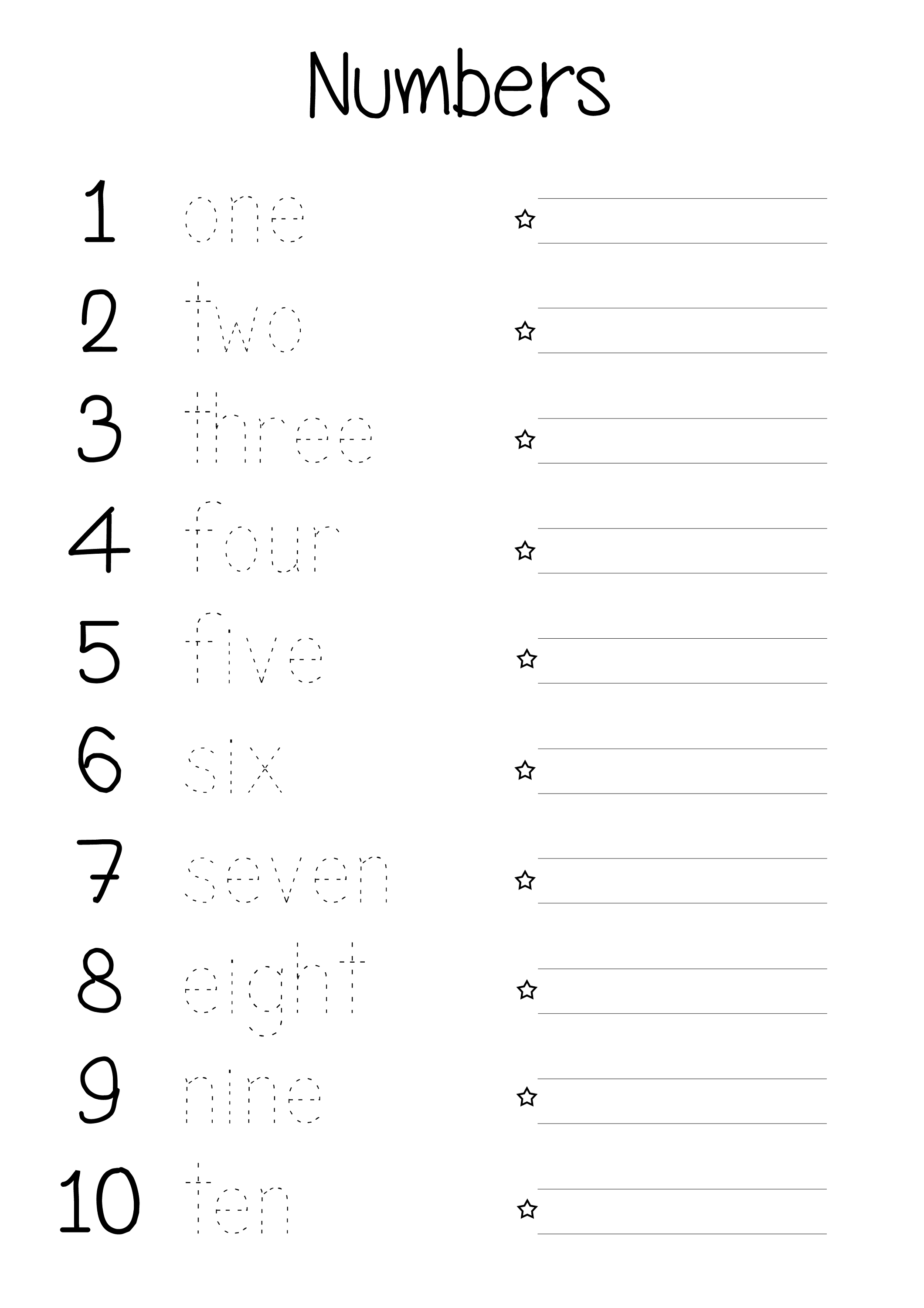
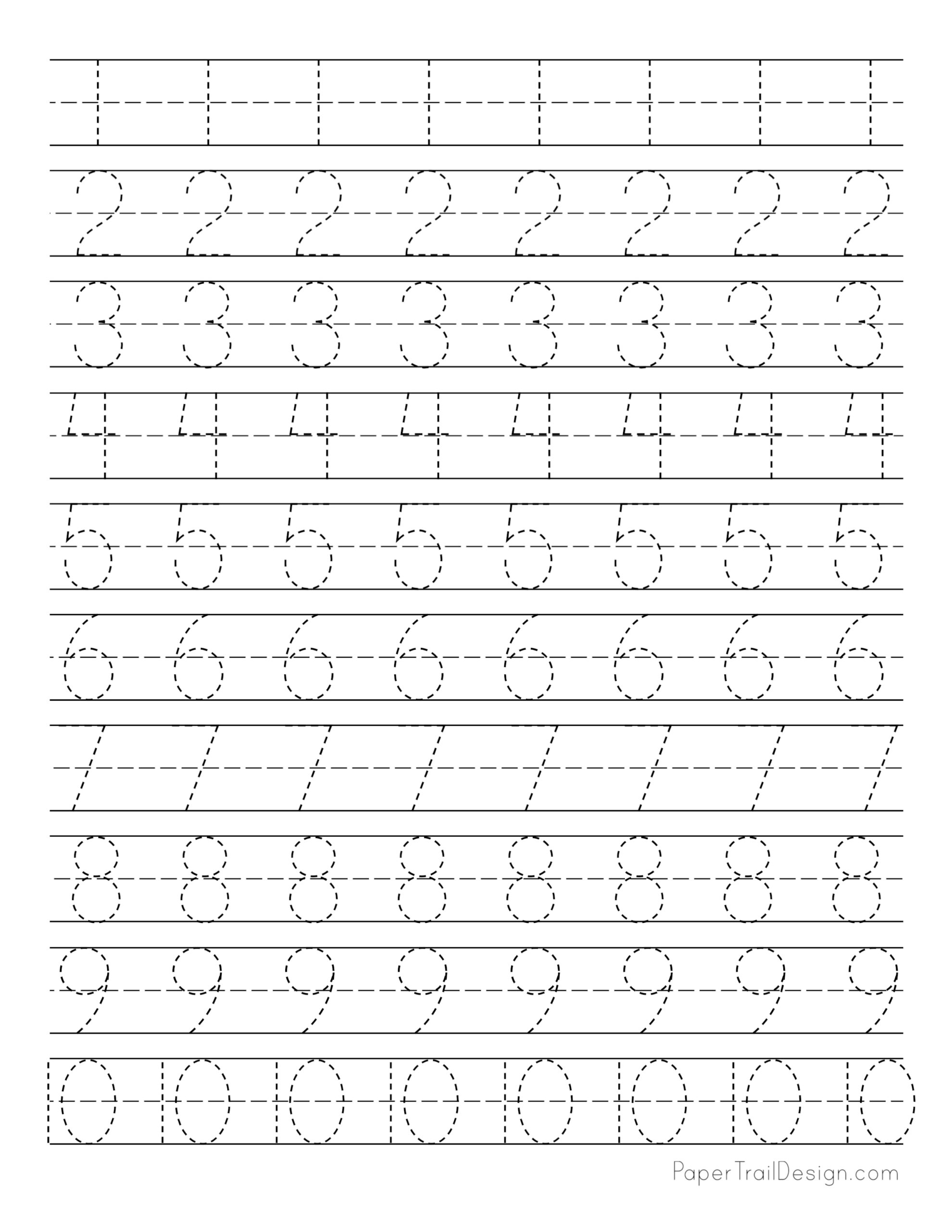
Before a child can write a "2" or a "7," they need the hand strength and coordination to hold a pencil properly. This is where kindergarten worksheets writing numbers 1-20 can fall short if not paired with activities like tracing, cutting, or even playdough shaping. A simple tip: start with thicker crayons or markers to make the initial attempts less daunting. This small adjustment can turn a frustrating task into a manageable one.
The Role of Number Recognition in Writing
Writing numbers isn’t just about copying shapes; it’s about understanding what those shapes represent. Kids who can’t recognize a "5" will struggle to write it confidently. Incorporate games like number hunts or flashcards to reinforce recognition before diving into worksheets. This step is often skipped, but it’s **critical for long-term success**.
Spatial Awareness: The Silent Skill
Ever notice how some kids write numbers too big, too small, or upside down? That’s spatial awareness (or lack thereof) at play. Activities like puzzles or block building can subtly improve this skill. Pairing these activities with kindergarten worksheets writing numbers 1-20 can make a world of difference in how quickly kids master this task.
How to Choose the Right Worksheets (and When to Skip Them)
Not all worksheets are created equal. Some are too cluttered, others too simplistic. The best ones strike a balance: clear instructions, ample space for writing, and gradual progression. But here’s the kicker: worksheets should never be the only tool in your kit. Over-relying on them can lead to burnout, especially for kids who learn differently.
What to Look for in a Quality Worksheet
Opt for worksheets that include dotted lines for tracing, as these provide a guide without overwhelming the child. Also, look for ones that incorporate visual cues, like pictures of five apples next to the number "5." This reinforces both recognition and writing in one go.
When to Step Away from Worksheets
If a child is consistently frustrated or resistant, it’s time to pause. Switch to hands-on activities like counting beans or drawing numbers in sand. Sometimes, stepping away from the page is the best way to come back stronger. Remember, the goal isn’t just to complete a worksheet—it’s to build a confident, capable learner.
Real-World Application: Beyond the Worksheet
Here’s an actionable tip: turn everyday moments into learning opportunities. Ask your child to write the number of stairs you climb or the age of a family member. This not only reinforces number writing but also shows its practical value. Worksheets are a tool, not the destination. Use them wisely, and don’t be afraid to mix things up.
Your Next Step Starts Here
Teaching your child to write numbers 1-20 is more than just a milestone—it’s a foundation for their future. From counting objects to solving complex math problems, this skill is the building block of numeracy. It’s also a confidence booster, showing them they can master something new and challenging. Imagine the pride they’ll feel when they write their first set of numbers without help. That moment is worth every bit of effort, and it’s closer than you think.
If you’re worried this process might feel overwhelming, don’t be. Learning doesn’t have to be rigid or stressful. With the right tools, like kindergarten worksheets writing numbers 1-20, you can turn practice into play. These worksheets are designed to engage young minds, making repetition feel like fun rather than a chore. Plus, they’re flexible—use them at the kitchen table, during a quiet afternoon, or even on the go. There’s no wrong way to incorporate them into your routine.
Ready to take the next step? Browse our gallery of kindergarten worksheets writing numbers 1-20 and pick the ones that resonate with your child’s learning style. Bookmark this page for easy access, or share it with a fellow parent who’s on the same journey. Every small step today sets the stage for big leaps tomorrow. Let’s make learning numbers an adventure they’ll love.


