

Free Toy Story Coloring Pages Blank Overview
Let’s be real—parenting a preschooler is chaos, and preschool mom printables are the unsung heroes you didn’t know you needed. Between the endless “why” questions, snack demands, and sudden meltdowns, who has time to craft Pinterest-worthy activities? Honestly, most days it’s a win if everyone’s fed and somewhat clothed. But here’s the thing: those printables? They’re not just cute worksheets. They’re your secret weapon for turning “I’m bored” into “Mom, look what I made!” without losing your mind.
Right now, as your preschooler’s brain is exploding with curiosity, every minute counts. You’re not just a mom—you’re a teacher, entertainer, and therapist rolled into one. And let’s face it, screen time guilt is real. Preschool mom printables are your guilt-free ticket to buying 10 minutes of peace (or a hot cup of coffee) while your kiddo learns something. It’s not about perfection; it’s about survival with a side of education.
Stick around, and you’ll discover how to ditch the mom guilt, save your sanity, and actually enjoy those fleeting preschool years. Spoiler: it’s not about doing more—it’s about doing less, but smarter. And yes, there’s a printable for that.
The Preschool Mom Printables Myth: It's Not About Perfection
Let's debunk a common misconception about preschool mom printables: they're not about creating Pinterest-worthy masterpieces. The real value lies in their functionality and ability to simplify your life. As a seasoned parent, I've learned that the most effective printables are often the simplest ones. Forget intricate designs and fancy fonts; focus on clarity and practicality. Your goal is to make daily tasks smoother, not to win a design award.
Why Simplicity Wins Every Time
Preschoolers thrive on routine, and printables can be a game-changer in establishing consistent schedules. However, overcomplicating these tools can backfire. A cluttered chore chart or a confusing meal planner will only add stress. Here's what nobody tells you: a basic, easy-to-read printable is more likely to be used consistently. For instance, a simple visual schedule with stick figures can help your child understand their day without overwhelming them.
The Power of Customization
One size does not fit all when it comes to preschool mom printables. Every family has unique needs, and that's where customization comes in. Instead of downloading generic templates, consider tailoring them to your specific routines. For example, if your child loves animals, incorporate animal-themed icons into their daily planner. This personal touch not only makes the printable more engaging but also increases the likelihood of it being used regularly.
From Chaos to Calm: Real-Life Applications
Morning Routines Made Easy
Mornings can be chaotic, but a well-designed printable can turn them into a breeze. A **step-by-step morning routine chart** can guide your child through tasks like brushing teeth, getting dressed, and eating breakfast. This not only reduces your reminders but also fosters independence. Pro tip: laminate the chart and use a dry-erase marker to check off completed tasks—it adds an element of fun and reusability.
Meal Planning Without the Headache
Meal planning is another area where preschool mom printables shine. A weekly meal planner can help you organize your grocery list and reduce last-minute takeout orders. Include a section for snacks, as preschoolers seem to eat every two hours. Here’s a simple table to get you started:
| Day | Breakfast | Lunch | Dinner | Snacks |
|---|---|---|---|---|
| Monday | Oatmeal | Grilled Cheese | Spaghetti | Apple Slices, Cheese Cubes |
| Tuesday | Smoothie | PB&J | Tacos | Carrot Sticks, Yogurt |
Behavior Management with a Twist
Behavior charts don't have to be boring. Instead of the typical star system, try a **reward chart tied to your child's interests**. For example, if they love stickers, create a chart where each completed task earns them a sticker. Once they collect a certain number, they get a small reward, like choosing a family movie. This approach not only encourages good behavior but also makes the process enjoyable.
In the end, preschool mom printables are about making life easier, not harder. By focusing on simplicity, customization, and real-life applications, you can create tools that truly work for your family. And remember, it's okay to start small—even one effective printable can make a significant difference.
Your Next Step Starts Here
In the whirlwind of preschool mornings and bedtime stories, it’s easy to forget that these tiny moments are the building blocks of something much bigger. The laughter over breakfast, the pride in a freshly colored masterpiece—these are the threads weaving your child’s foundation. Preschool mom printables aren’t just about cute worksheets or organized schedules; they’re tools to amplify these moments, turning everyday routines into opportunities for growth, connection, and joy. When you invest a little time now, you’re not just checking boxes—you’re creating memories and skills that will carry your child forward.
Maybe you’re thinking, “But do I really have time for this?” Here’s the truth: these resources are designed to work with your life, not against it. They’re simple, flexible, and ready to adapt to your busiest days. Whether it’s a five-minute activity or a weekend project, every small step counts. You don’t need to be a Pinterest-perfect parent to make a difference—you just need to show up, with love and a little creativity.
So, take a breath, and dive into the possibilities. Bookmark this page for those “I need an idea now” moments, or share it with a fellow mom who could use a little inspiration. Explore the gallery of preschool mom printables, and pick one that sparks excitement for you and your little one. Because at the end of the day, it’s not about perfection—it’s about progress, connection, and the joy of watching your child thrive. Your next step is waiting. What will you create together?
Related: Free Printable Math Worksheets for TK Students (Download Now)
Math is hard. Honestly, it’s one of those subjects that can make even the most confident parents or teachers break a sweat. Whether you’re helping a kindergartener count to ten or introducing basic addition, the struggle is real. That’s where math worksheets tk come in—simple, effective tools designed to make learning numbers less of a headache and more of a breeze. But here’s the thing: not all worksheets are created equal. Some are cluttered, confusing, or just plain boring. And let’s face it, if it’s not engaging, your kid’s attention span will vanish faster than a cookie left on the counter.
Right now, as schools shift between in-person and virtual learning, parents and educators are scrambling for resources that actually work. You need something that’s clear, age-appropriate, and—most importantly—fun. Because let’s be real, if it’s not fun, it’s not sticking. The clock is ticking, and every missed concept could snowball into bigger challenges down the road. So, what’s the solution? How do you find worksheets that teach without overwhelming, and engage without distracting?
Stick around, and you’ll discover exactly what makes certain math worksheets stand out from the rest. We’ll dive into why simplicity matters, how to spot quality resources, and even share a few insider tips to make learning math feel less like a chore and more like play. Trust me, by the end of this, you’ll be armed with the tools to turn math from a dreaded task into something your kid actually looks forward to. Oh, and that tangent about cookies? Let’s just say it’s a reminder that even the simplest things can make a big difference.
Why Traditional Math Worksheets Fall Short for TK Students
Let’s face it: most math worksheets for TK (Transitional Kindergarten) students are designed with older kids in mind. They’re often too abstract, too repetitive, or just plain boring. And yes, that actually matters because TK learners are at a unique developmental stage where play-based learning is key. Traditional worksheets that focus solely on rote memorization or number tracing can miss the mark entirely. **Math worksheets for TK should prioritize hands-on, interactive activities** that engage young minds, not just keep them busy. For instance, counting objects in a picture or matching shapes to real-world items can make math feel like a game, not a chore.
The Problem with One-Size-Fits-All Worksheets
One of the biggest issues with generic math worksheets is their lack of personalization. TK students vary widely in their skills and interests. Some might grasp counting quickly, while others struggle with basic shapes. A worksheet that’s too easy can lead to boredom, and one that’s too hard can cause frustration. **Customizable worksheets or activity packs** that cater to individual levels can make a world of difference. For example, a worksheet with adjustable difficulty levels—like counting up to 5, 10, or 15—can meet students where they are.
The Hidden Opportunity in Math Worksheets for TK
Here’s what nobody tells you: math worksheets for TK can be a gateway to real-world learning. Instead of isolating math as a separate subject, integrate it into everyday activities. For instance, a worksheet that asks students to sort fruits by color or count steps on a staircase bridges the gap between abstract concepts and tangible experiences. **Incorporating storytelling or themes**—like a farm-themed counting sheet—can also make math more relatable and engaging. This approach not only reinforces skills but also fosters a love for learning.
How to Choose the Right Math Worksheets for TK
Look for Interactive Elements
The best math worksheets for TK go beyond pen and paper. Look for options that include cut-and-paste activities, coloring, or even simple puzzles. These elements keep young learners engaged and help develop fine motor skills alongside math concepts. For example, a worksheet where students cut out numbers and glue them in ascending order combines physical activity with numerical understanding.
Prioritize Visual and Thematic Appeal
TK students are visual learners, so worksheets with bright, colorful designs and familiar themes are more likely to hold their attention. Avoid cluttered layouts that can overwhelm them. **Themes like animals, seasons, or holidays** can make math feel relevant and exciting. For instance, a Halloween-themed worksheet where students count pumpkins or sort candy by size can turn learning into a festive activity.
Balance Structure with Flexibility
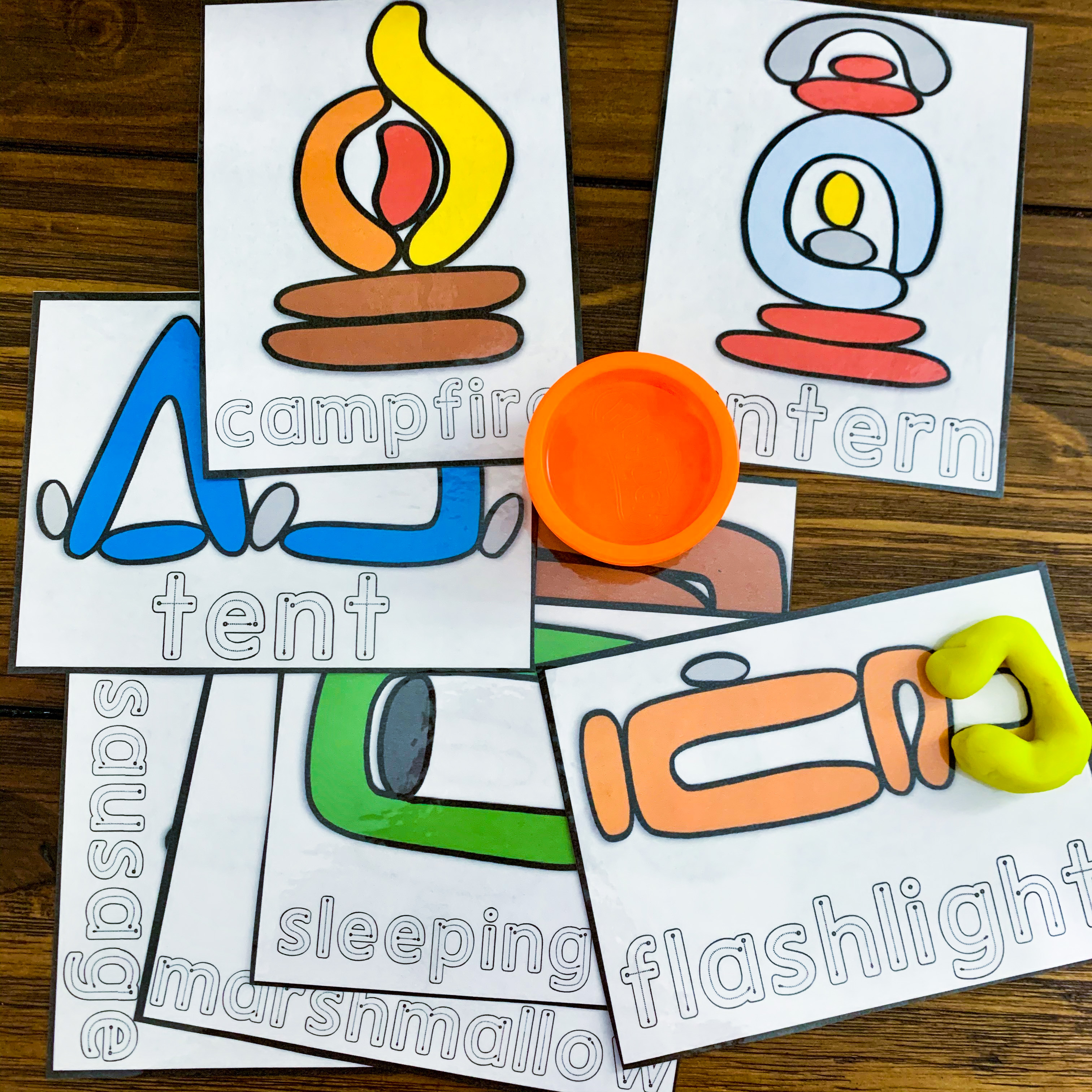
While worksheets provide structure, they shouldn’t be rigid. The best ones allow for creativity and exploration. For example, a worksheet that asks students to draw their own patterns or create a shape collage encourages critical thinking and self-expression. **Pairing worksheets with hands-on activities**—like counting blocks or using playdough to form numbers—can further enhance learning. This balance ensures that math remains both educational and enjoyable.
- Tip: Use math worksheets as a starting point, not the entire lesson. Supplement them with real-world activities like counting snacks or measuring ingredients during cooking.
Your Next Step Starts Here
In the grand scheme of things, helping your child or student build a strong foundation in math isn’t just about numbers—it’s about setting them up for confidence, problem-solving skills, and a lifelong love of learning. Every worksheet, every problem solved, is a small step toward their bigger future. Whether they’re mastering basic counting or tackling more complex concepts, the tools you provide today shape their tomorrow. That’s why choosing the right resources, like math worksheets tk, can make all the difference. It’s not just about practice; it’s about purposeful, engaging practice that sticks.
You might be thinking, “But will it really work for my child?” Here’s the truth: every learner is unique, but the key is consistency and the right approach. These worksheets are designed to meet kids where they are, breaking down concepts in ways that make sense to young minds. No frustration, just progress. And if it feels like a stretch at first, that’s okay—growth happens outside the comfort zone. Trust the process, and watch the pieces fall into place.
Ready to take the next step? Bookmark this page for easy access, or share it with a fellow parent or teacher who could use a little extra support. Explore the gallery of math worksheets tk and pick the ones that fit your child’s needs. Every small action today is an investment in their success tomorrow. Let’s make math a journey they’ll enjoy, one worksheet at a time.
Related: Why Are Open and Closed Syllables So Tricky? (Free List)
Decoding the rhythm of English starts with mastering the fundamental building blocks of words. If you want to transform your reading fluency or sharpen your spelling skills, you need to understand the mechanics behind our language. This is exactly why I have compiled this essential open and closed syllables list, designed to demystify how vowels behave depending on their position within a word. Whether you are a dedicated educator, a parent helping a child, or simply a word nerd, these patterns are the secret weapon you have been missing.
Why does this matter right now? We are seeing a massive surge in interest surrounding structured literacy, and for good reason. Knowing whether a vowel sound is long or short based on these specific syllable types acts as an instant shortcut for decoding unfamiliar vocabulary. It turns complex, intimidating words into manageable, bite-sized pieces that anyone can conquer with ease.
Stop guessing how to pronounce or spell challenging terms. By internalizing these structures, you gain a massive advantage in reading comprehension and phonics confidence. Dive into these lists to sharpen your linguistic precision and take full control of your literacy journey starting today. It is truly the most effective way to master the English language.
Mastering the Secrets of Syllable Types
If you have ever felt stuck while trying to decode a new word, you are likely missing the foundational building blocks of English: open and closed syllables. Think of these as the DNA of every word you read. A closed syllable ends in a consonant, which acts like a "stop sign," forcing the vowel to make its short sound, like in the word "cat." On the flip side, an open syllable ends in a vowel, letting it "breathe" and say its own name, as seen in "go."
The Power of the Closed Syllable
Most beginners start here because closed syllables are incredibly predictable. When a vowel is trapped by a consonant, it stays short. It is the perfect starting point for building confidence in early readers. Pro Tip: Have your learners physically tap out the consonant sound at the end to "lock" the syllable in place.
Unlocking the Open Syllable
Once you grasp the open variety, you start to see patterns everywhere. Because there is no consonant to close the door, the vowel sounds long and proud. Understanding this distinction is the ultimate shortcut to accurate pronunciation. It transforms a wall of text into a series of manageable, logical chunks.
Why Understanding Syllables Changes Everything
Practical Tips for Rapid Recognition
The best way to get comfortable with these patterns is to sort them. Grab a list of simple words and physically divide them with a pencil. When you see a word like "robot," look at the break: "ro" (open) and "bot" (closed). Suddenly, the mystery disappears. You are no longer guessing; you are decoding with precision.
Remember, language is just a puzzle waiting to be solved. By mastering these two basic syllable types, you are equipping yourself with the tools to tackle even the most complex vocabulary with ease. Keep practicing, stay curious, and watch your reading fluency skyrocket.
Mastering the Building Blocks of Language
Understanding the difference between open and closed syllables isn't just about passing a test; it is the secret key to unlocking fluency and confidence in reading. When you internalize the patterns found in this open and closed syllables list, you stop guessing at unfamiliar words and start decoding them with ease. It is incredibly rewarding to watch that "aha!" moment occur when a student realizes that a simple vowel shift changes the entire pronunciation of a word.
Think of this open and closed syllables list as your personal roadmap to phonics mastery. Whether you are a teacher building a lesson plan or a parent supporting a young reader, these foundational tools provide the clarity needed to conquer complex vocabulary. Don't let these patterns stay hidden in your notes—put them into practice today to see the immediate impact on reading speed and accuracy.
I would love to hear how these patterns are working for you! Have you found a specific word in the open and closed syllables list that always seems to trip people up? Drop a comment below and let’s keep the conversation going.


