






Flashcards Parts Of Speech Letter Size Overview
As a parent or educator, you know the importance of finding engaging ways to teach and reinforce language skills. Parts of speech worksheets can be a lifesaver when it comes to helping kids grasp grammar and sentence structure. These resources are especially handy for parents who homeschool their children or teachers looking for extra practice materials. Check out this similar resource, 21 Coin Identification Worksheets for Classroom Fun, for an idea of how worksheets can make learning fun and interactive.
Comprehensive parts of speech practice for all learners.
Unlocking Language Skills: The Power of Parts of Speech Worksheets
Parts of speech worksheets are an incredibly versatile tool for educators and parents alike, offering a structured and engaging way to teach and reinforce grammar fundamentals. These worksheets provide a hands-on approach to learning, making it easier for students to grasp the often complex world of grammar and sentence construction. By focusing on the different parts of speech, these resources offer a targeted and effective learning experience, catering to a wide range of ages and skill levels.
Practice identifying parts of speech in sentences.
Nouns, Verbs, and Beyond: Exploring the World of Worksheets
When it comes to parts of speech worksheets, the variety is vast and caters to different learning styles and needs. From simple identification exercises to more complex sentence analysis, these worksheets can be tailored to suit beginners as well as more advanced learners. For instance, younger students might start with basic noun recognition, identifying common objects and people in their environment. As they progress, they can move on to more intricate tasks, such as distinguishing between different types of verbs or recognizing adjectives and adverbs in context.
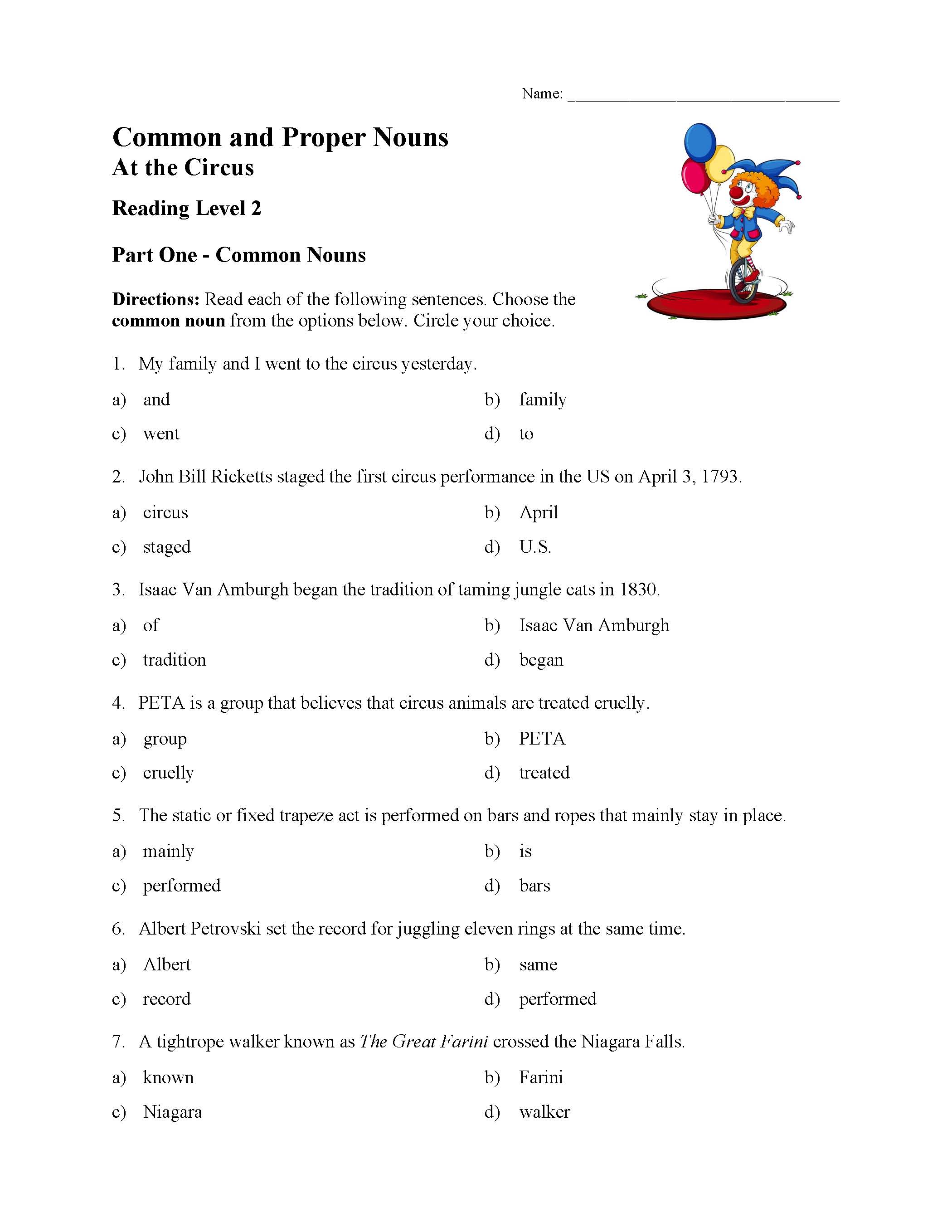
Test common and proper nouns, a part of speech activity.
One of the strengths of parts of speech worksheets is their adaptability. Teachers and parents can easily adjust the difficulty level to match the student's abilities, ensuring a challenging yet achievable learning experience. This progressive approach not only reinforces existing knowledge but also encourages students to explore and experiment with language, fostering a deeper understanding of grammar.
Grade 6 parts of speech worksheets for teachers.
People Also Ask: What's the Best Way to Use Parts of Speech Worksheets?
A common curiosity among educators and parents is how to effectively incorporate parts of speech worksheets into their teaching or learning routines. The beauty of these resources lies in their versatility and flexibility. They can be used as standalone activities or integrated into larger lessons, providing a focused practice session or a quick review.
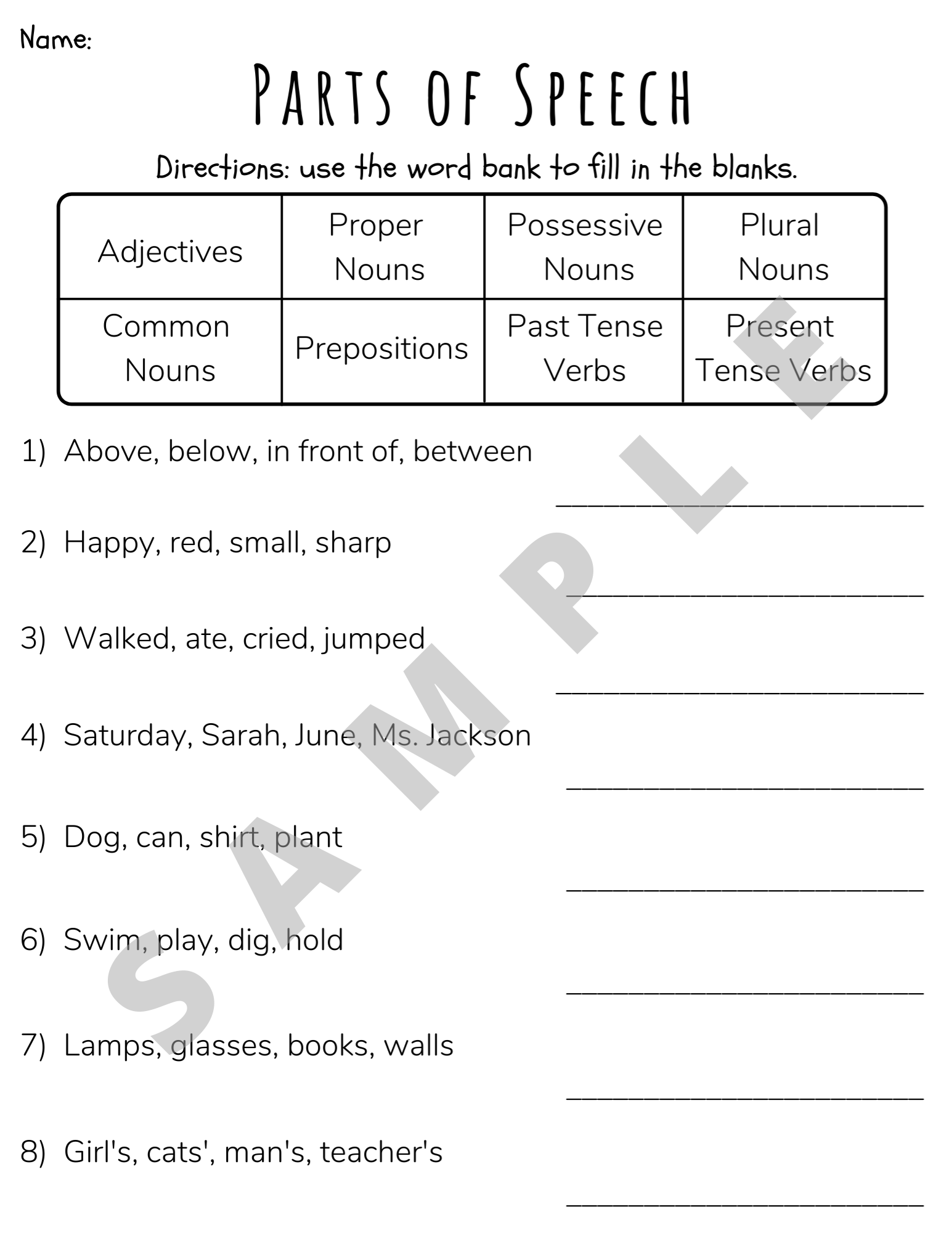
Printable worksheet to identify parts of speech.
For instance, parts of speech worksheets can be an excellent warm-up activity at the beginning of a grammar lesson, activating students' prior knowledge and setting the tone for the class. Alternatively, they can be used as a formative assessment tool, allowing teachers to gauge students' understanding and identify areas that require further attention.
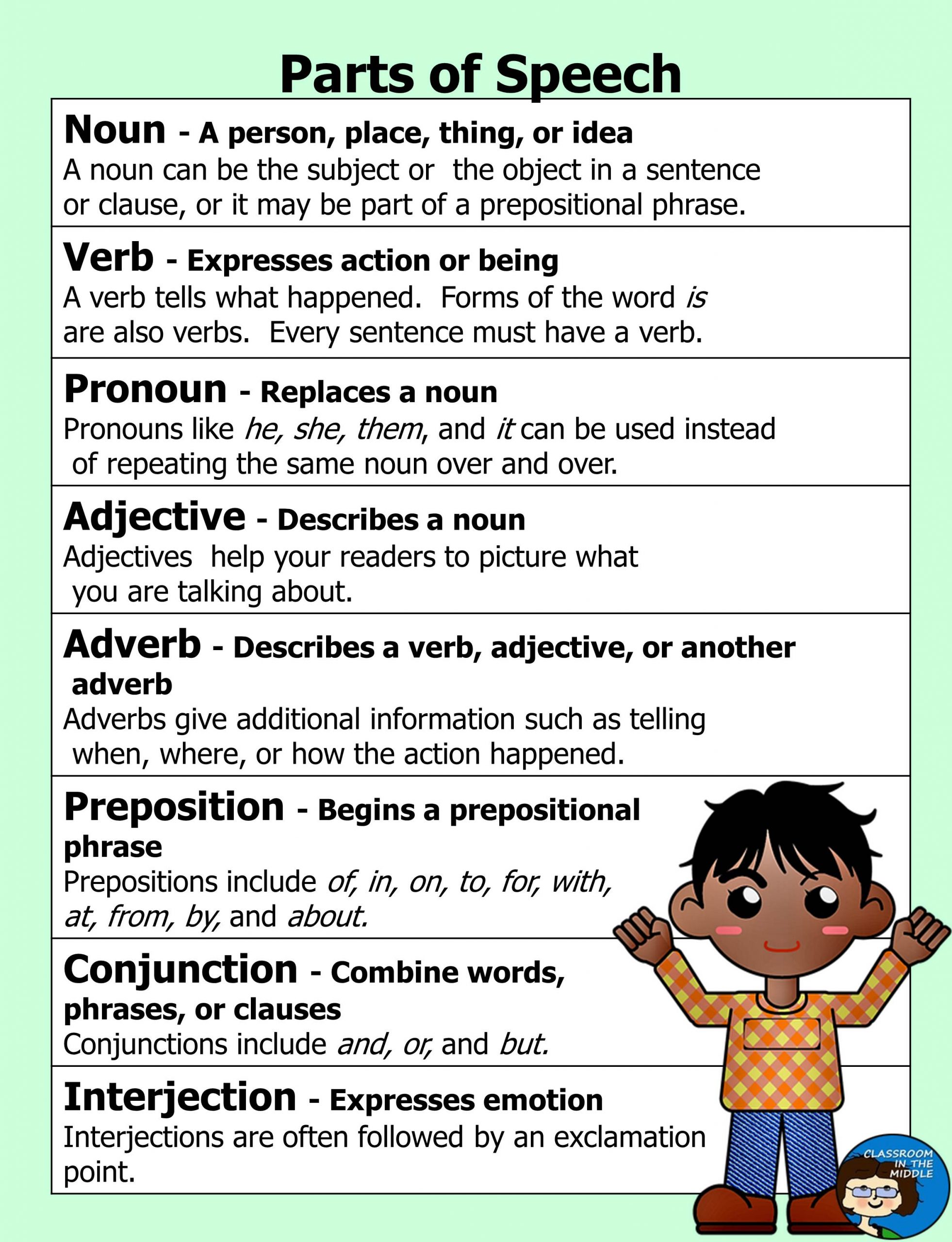
Visual charts for understanding parts of speech.
How to Make the Most of Parts of Speech Worksheets: Practical Tips
To ensure the most effective use of parts of speech worksheets, it's essential to consider a few practical aspects. First, ensure that the worksheets are age-appropriate and aligned with the student's current level of understanding. This ensures that the activities are neither too easy nor too challenging, maintaining a healthy balance of engagement and learning.
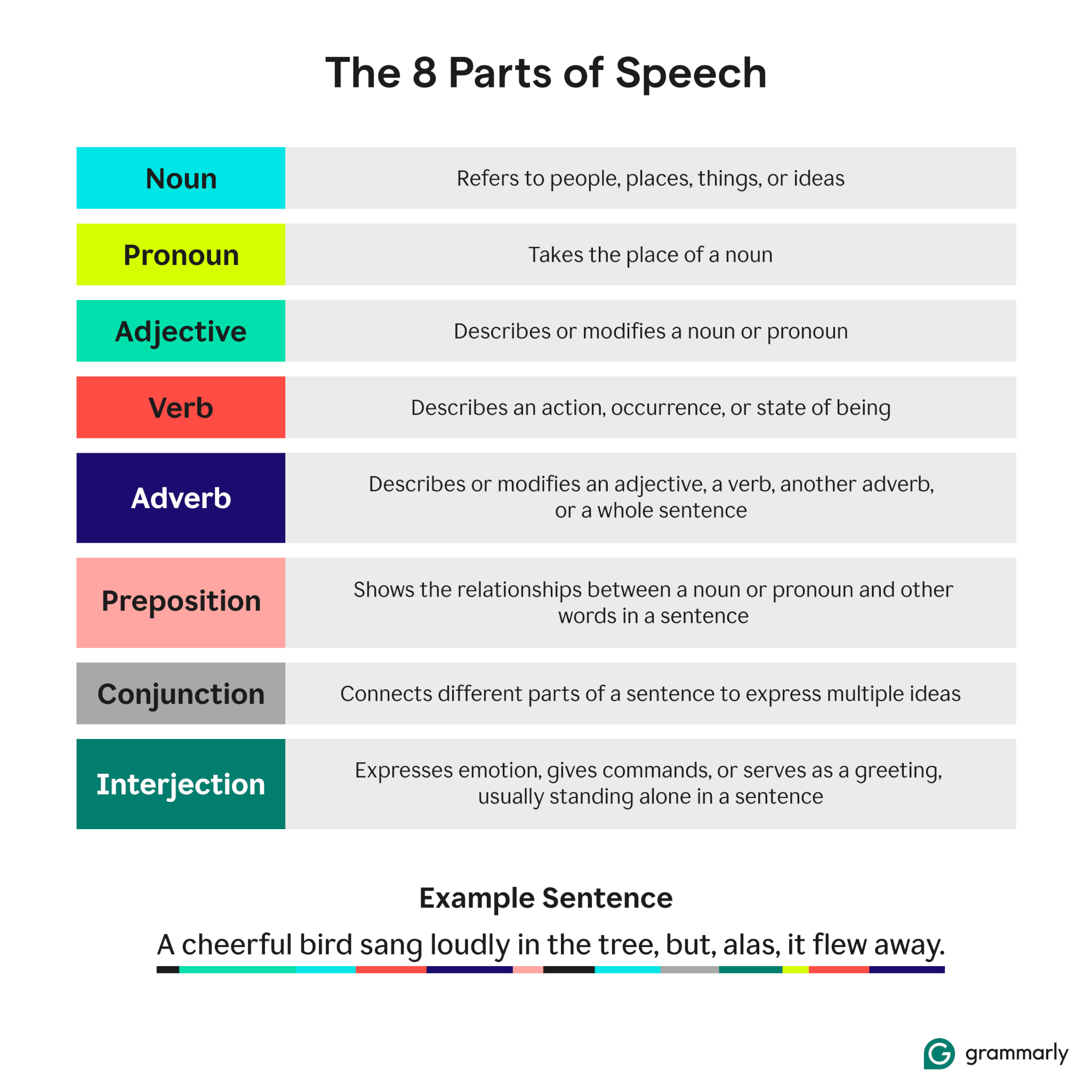
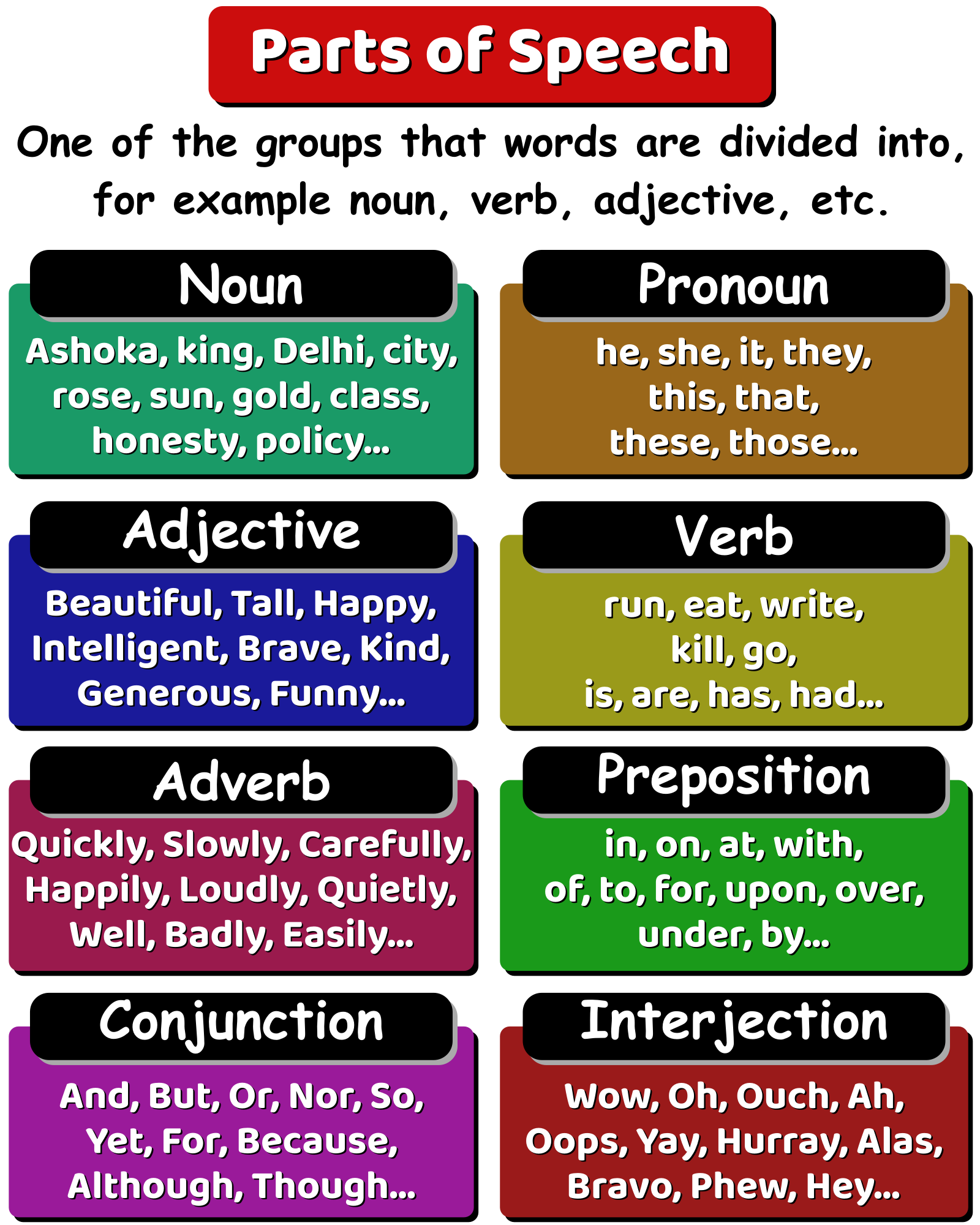
Examples of the eight parts of speech.
Another crucial consideration is the printing and presentation of the worksheets. While digital versions can be convenient, printing the worksheets and providing a physical copy can enhance the learning experience. Students can interact with the material more tangibly, making annotations, underlining, or circling key elements. This tactile approach can improve retention and make learning more enjoyable.
Worksheet to identify parts of speech accurately.
Enhancing Language Skills: The Benefits of Parts of Speech Worksheets
The advantages of incorporating parts of speech worksheets into language learning are numerous. Beyond reinforcing grammar rules, these resources encourage critical thinking and analytical skills. Students learn to identify patterns, make connections, and apply their knowledge in a practical context.
Printable worksheets covering nouns, verbs, adjectives, and more.
Moreover, parts of speech worksheets can foster a love for language and literature. By exploring the intricacies of grammar, students develop a deeper appreciation for the beauty and complexity of language. This, in turn, can inspire a lifelong passion for reading, writing, and effective communication.
Worksheet focusing on nouns, verbs, prepositions, and adjectives.
In conclusion, parts of speech worksheets are a valuable asset for educators and parents, offering a structured and engaging way to teach and reinforce language skills. With their adaptability and focus on different parts of speech, these resources cater to a wide range of learners, providing a solid foundation for grammatical understanding. Whether used in the classroom, for homeschooling, or as a supplement to tutoring, parts of speech worksheets are a versatile tool that can enhance language learning and make it an enjoyable experience.
Nouns, verbs, and adjectives practice sheet.
A collection of parts of speech worksheets.
So, there you have it! Parts of speech worksheets are an awesome resource to have in your teaching or learning toolkit. They offer a fun and interactive way to explore grammar, and with so many options available, you're sure to find worksheets that cater to your needs.
Why not give them a go? Print a few out, gather some colored pens, and see how these worksheets can bring grammar to life. I'd love to hear about your experiences with them, so feel free to leave a comment and share your thoughts!
Grade 6 English worksheet for parts of speech.
Read also: What Your Isp's Public Ip Address Means
Related: Why Your USMLE Biochem Flashcards Aren’t Sticking
You’ve spent months memorizing the Krebs cycle, only to blank on citrate synthase the moment you see a question about alpha-ketoglutarate. That sinking feeling? It’s not your intelligence failing you. It’s your retrieval system. And honestly, if you’re not using flashcards usmle step 1 biochemistry to force your brain to recall under pressure, you’re just passively rereading the same pathways you’ll forget by test day.
Look — Step 1 biochemistry isn’t about how many times you’ve drawn the urea cycle. It’s about whether your brain can grab the right enzyme deficiency in three seconds flat while a timer ticks. Real talk: the difference between a 230 and a 250 often comes down to which facts stick when adrenaline hits. Right now, your hippocampus is basically a sieve. Flashcards are the only tool that builds that instant recall, but only if you use them right. Most people waste hours making pretty cards they never actually test themselves on. That’s not studying. That’s arts and crafts.
What I’m going to show you isn’t another generic Anki deck. It’s a specific system for attacking the highest-yield biochem concepts — the ones that show up in multiple forms across NBME forms and UWorld blocks. You’ll learn which pathways deserve front-of-deck priority, how to avoid the trap of “I know this” when you really just recognize the card, and a simple trick to make your recall speed double in two weeks. No fluff. No motivational posters. Just the ugly, effective truth about how to make your brain cooperate.
Let's be honest: biochemistry for Step 1 can feel like trying to drink from a fire hose. You've got the Krebs cycle, electron transport chain, glycogen storage diseases, and a dozen different pathways that all seem to blur together after hour three. Most students make the same mistake here. They treat biochem like a memorization game, flipping through their deck of cards hoping something sticks. That approach works for maybe a week. Then you hit a question about what happens when pyruvate carboxylase is deficient, and your brain goes completely blank.
Why Your Current Study System for Metabolic Pathways Is Probably Backwards
Here's what nobody tells you: you don't need to memorize every enzyme name cold. You need to understand the logic of the pathway. The real trick with metabolic biochemistry for USMLE isn't about raw recall — it's about pattern recognition. When you see a question about maple syrup urine disease, your brain should immediately fire: "branched-chain amino acids, alpha-ketoacid dehydrogenase deficiency, elevated leucine." Not because you memorized that fact in isolation, but because you understand where that enzyme sits in the pathway and what happens when it breaks.
I've watched students spend six hours memorizing every single intermediate of glycolysis and gluconeogenesis. Then they miss the question about fructose-2,6-bisphosphate regulation because they never stopped to ask why that molecule matters. The exam doesn't care if you can list all ten steps of glycolysis in order. It cares whether you can predict what happens when PFK-1 is inhibited or when insulin signaling goes sideways. That's the difference between a 220 and a 250.
How to Structure Your Review Cards for Maximum Retention
Stop writing cards that say "What enzyme converts glucose to glucose-6-phosphate?" That's trivia. Instead, write cards that force you to think clinically. A better card says: "A patient presents with hemolytic anemia after eating fava beans. What enzyme deficiency? What pathway? What lab finding?" That single card covers G6PD deficiency, the pentose phosphate pathway, and the concept of oxidative stress — three things in one shot. Cluster your cards around disease states, not isolated enzymes. It mirrors how Step 1 actually tests you.
The One Metabolic Map You Need to Master First
If you're overwhelmed by the sheer volume of biochemistry, start with the energy metabolism core. Glycolysis, gluconeogenesis, the TCA cycle, oxidative phosphorylation, and fatty acid oxidation. That's your foundation. Once you can trace carbon flow through those five pathways without looking at a chart, then add glycogen metabolism, the pentose phosphate pathway, and amino acid degradation. Most students try to learn everything simultaneously. That's a recipe for forgetting everything simultaneously. Build the skeleton first, then hang the meat on it.
| Pathway | Key Regulatory Enzyme | Common Step 1 Clinical Link |
|---|---|---|
| Glycolysis | PFK-1 | PFK deficiency → hemolytic anemia, myopathy |
| Gluconeogenesis | Fructose-1,6-bisphosphatase | Fructose-1,6-bisphosphatase deficiency → hypoglycemia, lactic acidosis |
| TCA Cycle | Isocitrate dehydrogenase | Alpha-ketoglutarate dehydrogenase deficiency → neurodegenerative disease |
| Fatty Acid Oxidation | Carnitine shuttle (CPT-1) | MCAD deficiency → hypoketotic hypoglycemia, vomiting |
What to Do When You Hit a Wall With Vitamin and Cofactor Questions
This is the part that trips up almost everyone. Biotin, thiamine, riboflavin, niacin, pyridoxine — they all feel interchangeable until you realize each one has a specific biochemical fingerprint. Thiamine is for decarboxylations (pyruvate dehydrogenase, alpha-ketoglutarate dehydrogenase, transketolase). Biotin is for carboxylations (pyruvate carboxylase, acetyl-CoA carboxylase, propionyl-CoA carboxylase). Make a single card that lists each vitamin and its associated enzyme reactions. Then test yourself by covering the vitamin name and reciting which enzymes depend on it. Do that for three days straight, and you'll never confuse them again.
Here's a specific actionable tip: spend 10 minutes every morning drawing the electron transport chain from memory. Just the complexes, their names, what they transfer, and where the inhibitors hit. Rotenone at Complex I. Antimycin A at Complex III. Cyanide at Complex IV. Do this for two weeks. By test day, you'll be able to walk through ETC questions in your sleep. It sounds simple. It is. But most students skip the daily repetition and wonder why they can't recall the details under pressure.
The One Habit That Separates the Top Scorers
You’ve absorbed the metabolic pathways, memorized the enzyme deficiencies, and drilled the vitamin cofactors. But here’s the truth that nobody tells you outright: knowledge without a retrieval system is just trivia. The difference between a passing score and a standout performance isn’t raw intelligence—it’s how quickly your brain can access the right fact under pressure. Every clinical vignette you face on test day is a puzzle where the pieces are biochemical principles. Can you afford to fumble for the key piece when the clock is ticking? This isn’t just about passing one exam; it’s about building a mental framework that makes you a faster, sharper clinician. The stakes are your future patients and your own confidence.
Maybe you’re thinking, “I’ve tried flashcards before, and they didn’t stick.” That’s fair, but it’s also a sign you weren’t using them with the right strategy. Active recall works—but only when the cards force you to connect concepts, not just regurgitate definitions. The best flashcards usmle step 1 biochemistry sets are designed to do exactly that: they turn passive recognition into rapid, accurate recall. Don’t let a past experience with weak materials convince you that the method itself is flawed. You deserve tools that work as hard as you do.
So here’s your next move: don’t just close this tab and move on. Bookmark this page, or better yet, open the gallery now and flip through the sets that caught your eye. Pick one pathway—just one—and run through it until the logic feels second nature. Share this with a study partner who’s struggling with the same topics. The flashcards usmle step 1 biochemistry you choose today could be the difference between guessing and knowing. Take that step. Your score—and your future patients—will thank you.
Related: Free Printable Duck Math Flashcards for Kids (PDF)
What if I told you that using flashcards duck math could be the key to finally understanding those tricky math concepts that have been giving you headaches? Honestly, it sounds a bit weird, but hear me out. Look, we've all been there - staring at a math problem, feeling like we're staring into the abyss, with no idea how to solve it.
The truth is, math can be really frustrating, especially when it feels like you're not making progress, no matter how hard you try. I mean, think about it - you're trying to learn, but it feels like your brain is just not cooperating.
Here's the thing, honestly, it's not about being bad at math - it's about finding the right tools to help you learn. And, real talk, that's what we're going to explore next. So, what's the secret to making math stick, and how can you use flashcards duck math to your advantage?
Let's just say, it's not just about memorizing formulas and equations - it's about understanding the underlying concepts, and being able to apply them in a way that makes sense. And, strangely, that's where duck math comes in - but you'll have to keep reading to find out how.
Why Flashcards Are the Unsung Heroes of Math Mastery
Let’s face it: math can be intimidating. Whether you’re a student prepping for exams or an adult brushing up on forgotten concepts, the struggle is real. Enter flashcards, the humble tool that’s often overlooked but packs a punch. Unlike apps or textbooks, flashcards force active recall, a proven method for cementing information into long-term memory. Here’s the kicker: they’re not just for vocabulary. When applied to math, they become a dynamic way to practice equations, formulas, and problem-solving steps. And yes, that actually matters—especially when you’re trying to remember how to tackle a quadratic equation under pressure.
The Active Recall Advantage
Active recall is the secret sauce here. Instead of passively reading notes or watching tutorials, flashcards make you engage directly with the material. For math, this means flipping a card and solving the problem on the spot. It’s messy, it’s challenging, but it works. Studies show that active recall strengthens neural pathways, making it easier to retrieve information later. Think of it as a mental workout for your math muscles. Plus, it’s portable—you can drill yourself on the bus, in line at the grocery store, or during a coffee break.
How to Structure Math Flashcards Effectively
Not all flashcards are created equal. For math, the key is to focus on **problem-solving steps** rather than just memorizing answers. For example, one side of the card could show a quadratic equation, and the other could list the steps to solve it: factor, apply the quadratic formula, or complete the square. This approach teaches you the *why* behind the solution, not just the *what*. Another tip: use color-coding for different topics—algebra in blue, geometry in green, and so on. It sounds simple, but it helps your brain categorize information more efficiently.
The Part of Flashcards Most People Get Wrong
Mistake #1: Overloading Cards
One of the biggest mistakes people make is cramming too much onto a single card. A flashcard isn’t a cheat sheet—it’s a prompt. Stick to one concept or problem per card. For instance, instead of writing out an entire proof, break it down into steps. This forces you to recall the process piece by piece, which is far more effective than trying to memorize a block of text. Less is more here.
Mistake #2: Skipping Spaced Repetition
Flashcards are most powerful when paired with **spaced repetition**, a technique that spaces out review sessions over time. Reviewing a card once won’t cut it. You need to revisit it at increasing intervals—say, one day later, then three days, then a week, and so on. This mimics the way our brains naturally retain information. Without this, you’re just wasting time. There are apps that automate this process, but a simple paper deck works just as well if you’re disciplined.
Mistake #3: Ignoring Self-Testing
Here’s what nobody tells you: flashcards are only as good as the effort you put into them. Simply flipping through cards isn’t enough. You need to actively test yourself. Set a timer, solve the problem, and then check the answer. If you get it wrong, don’t just move on—shuffle the card back into the deck and try again later. This process, known as self-testing, is where the real learning happens. It’s uncomfortable, but it’s how you build confidence in your math skills.
- Pro Tip: Use the “Leitner Box” system to organize cards by difficulty. Keep correct answers in the back and incorrect ones in the front for frequent review.
- Real-World Example: A high school student used flashcards to master calculus formulas, increasing her test scores by 20% in just six weeks.
Your Next Step Starts Here
Mastering math isn’t just about acing tests or solving equations—it’s about building a foundation for problem-solving, critical thinking, and confidence in every area of life. Whether you’re a student, a parent, or someone looking to sharpen their skills, the tools and strategies you’ve just explored can transform the way you approach learning. Flashcards duck math isn’t just a quirky phrase; it’s a reminder that even the simplest tools can make a big difference when used creatively and consistently. Imagine the clarity and ease you’ll feel when math concepts click into place, one card at a time.
You might be thinking, “But what if I’m not naturally good at math?” Here’s the truth: no one is “naturally” good at anything—it’s all about practice and the right approach. The beauty of this method is its adaptability. Whether you’re a visual learner, a hands-on tinkerer, or someone who thrives on repetition, flashcards duck math can be tailored to fit your style. There’s no one-size-fits-all here, just a flexible system ready to meet you where you are.
Before you go, take a moment to bookmark this page or share it with someone who could benefit from this approach. Dive into the gallery for inspiration, or start crafting your own set of flashcards today. The journey to math mastery is just beginning, and every step you take now will pay off in ways you can’t yet imagine. Go ahead—make it count.


