As a parent, I'm always on the lookout for practical tools to help my kids learn and understand complex concepts. And when it comes to teaching them the difference between facts and opinions, I've found that the fact vs opinion worksheet is a real lifesaver! It's a simple yet effective resource that can benefit not just kids but also students, teachers, and even homeschoolers. With so many fact or opinion examples and resources out there, this worksheet provides a clear and focused approach, making it easier to grasp the concept.
Psychedelic planet: fact vs opinion.

Facts vs. Opinions: Unveiling the Truth
When it comes to navigating the world of information, understanding the difference between facts and opinions is a crucial skill. This distinction is especially important for young learners as they develop their critical thinking abilities and learn to discern between truth or fiction. A fact vs. opinion worksheet is an excellent tool to guide this learning process, offering a structured approach to help students analyze statements and identify their nature.
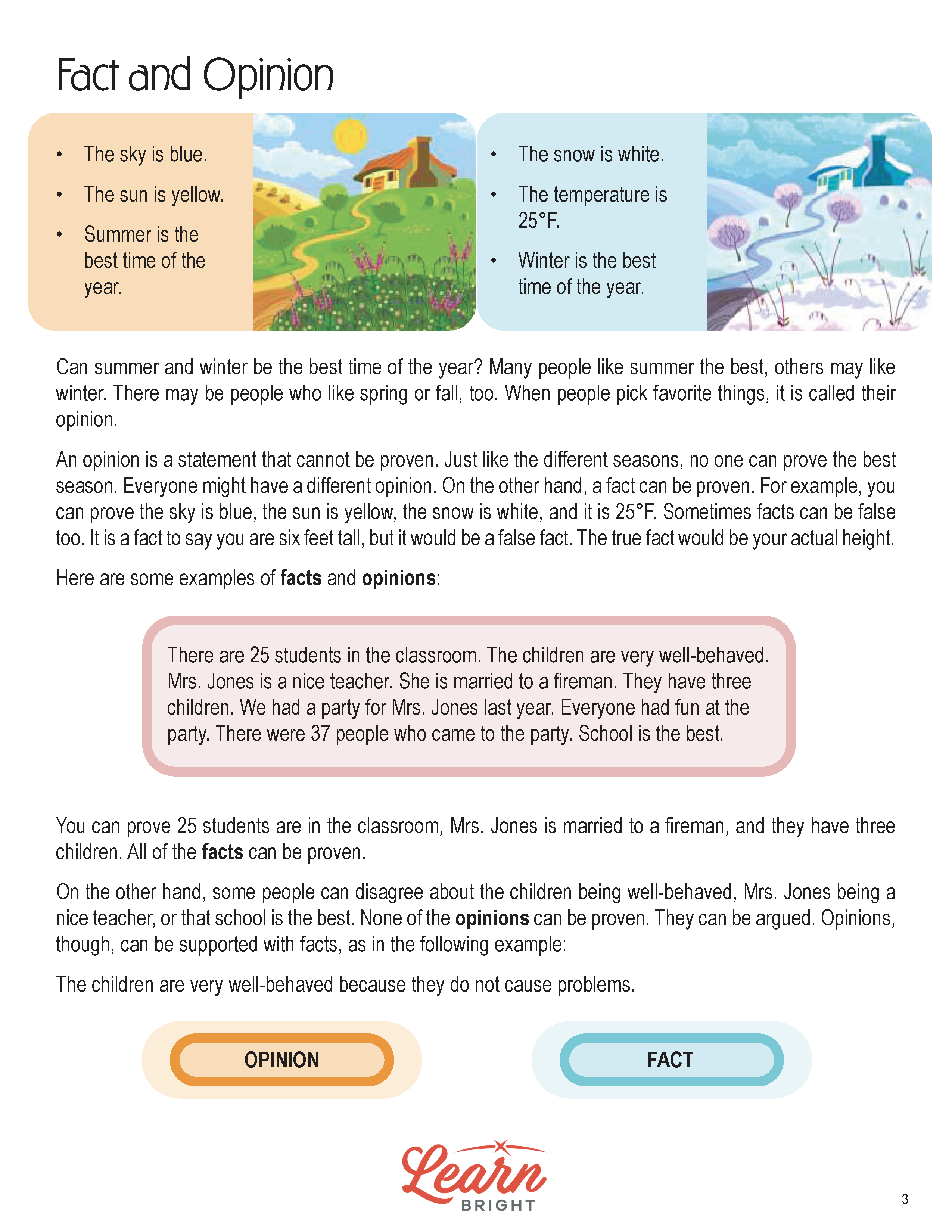
Lesson on fact vs opinion.
Advanced Worksheets for Critical Analysis
While the basic concept of facts and opinions may seem straightforward, more advanced worksheets can delve into the nuances of this distinction. These worksheets often present complex statements that require deeper analysis, encouraging students to consider the evidence behind claims and the potential biases involved. For instance, a statement like "The sky is always blue" might seem factual, but advanced worksheets can challenge students to think about exceptions and variations, such as the sky appearing red during sunsets or purple at twilight.

Practice identifying facts and opinions.
This level of analysis not only reinforces the concept of facts and opinions but also fosters a deeper understanding of evidence-based claims and the importance of proof needed to support statements. By engaging with these advanced worksheets, students develop a more nuanced perspective on the world around them and learn to approach information with a critical eye.

Duck-themed fact vs opinion activity.
How Can I Tell if It's a Fact or an Opinion?
One of the most common questions that arise when discussing fact vs. opinion worksheets is how to differentiate between the two. While it may seem simple at first glance, the distinction can become more complex with nuanced statements. A fact is a statement that can be proven true or false through objective evidence, while an opinion is a personal belief or judgment that may not be universally accepted.
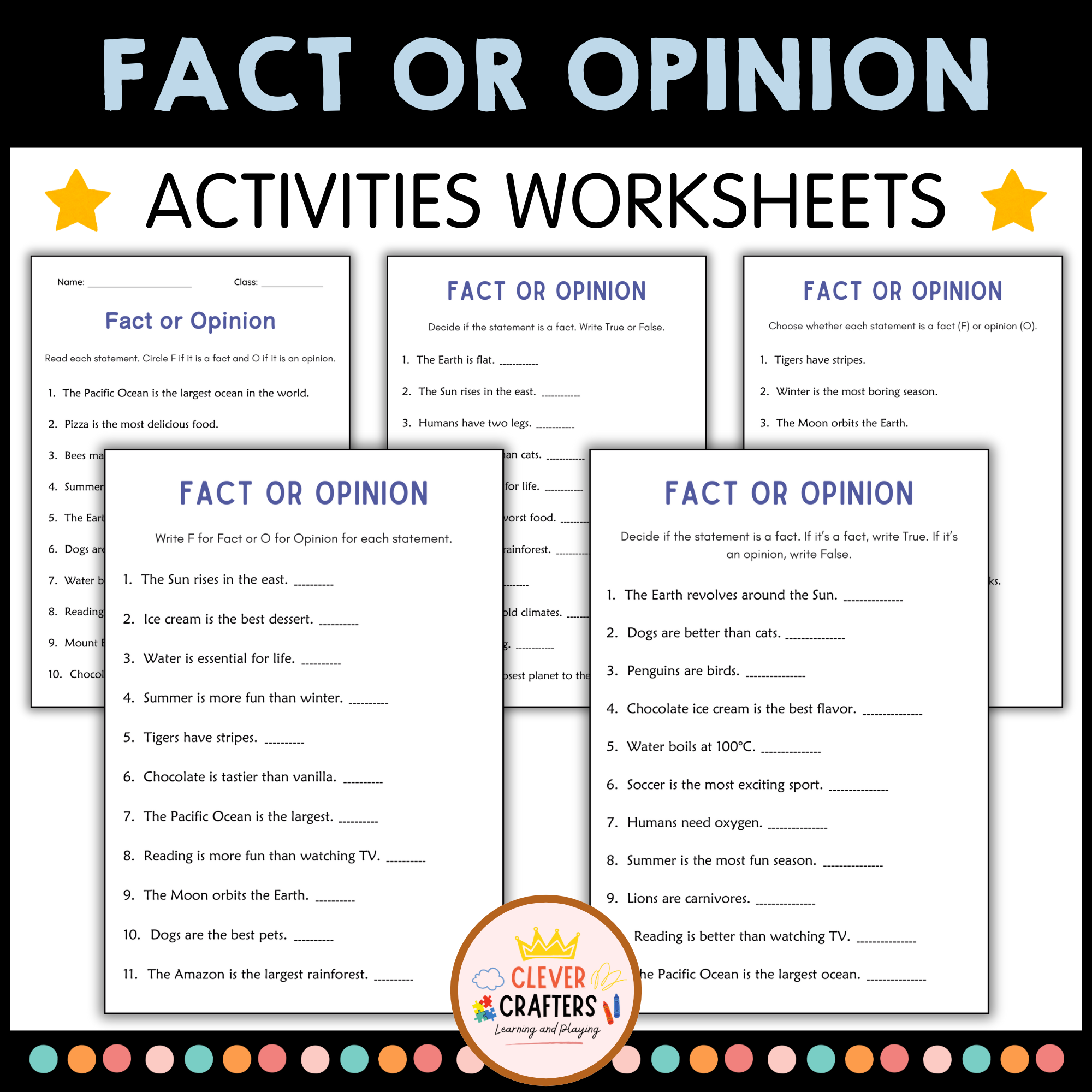
Fact vs opinion writing exercise.
For instance, the statement "The earth is round" is a fact because it can be verified through scientific evidence. On the other hand, "The earth is the most beautiful planet in the universe" is an opinion because it is a subjective judgment that varies from person to person.
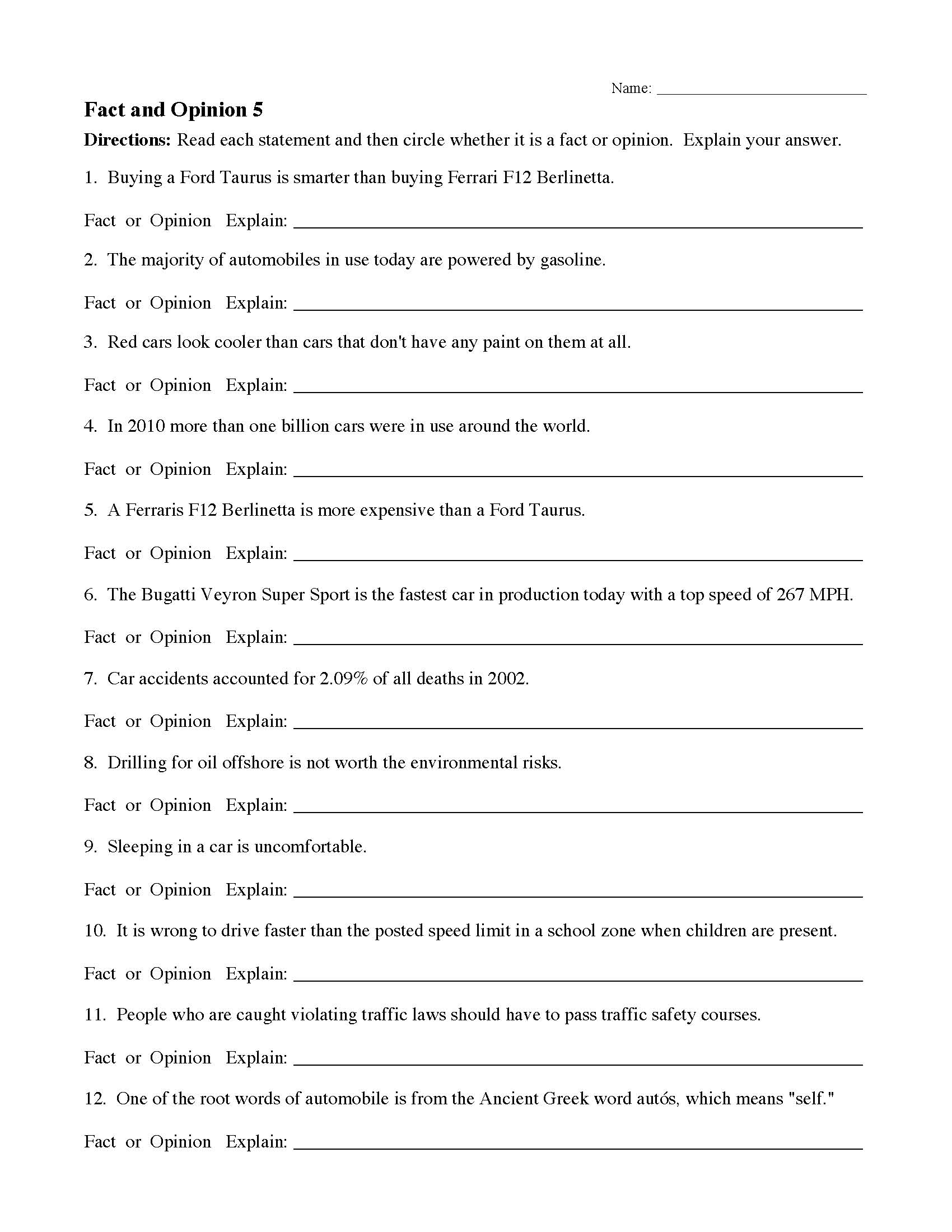
Reading comprehension: fact and opinion.
How to Use a Fact vs. Opinion Worksheet Effectively
Utilizing a fact vs. opinion worksheet effectively involves more than just completing the tasks at hand. It requires a thoughtful approach and an understanding of the worksheet's purpose. Here are some practical tips for getting the most out of these worksheets:
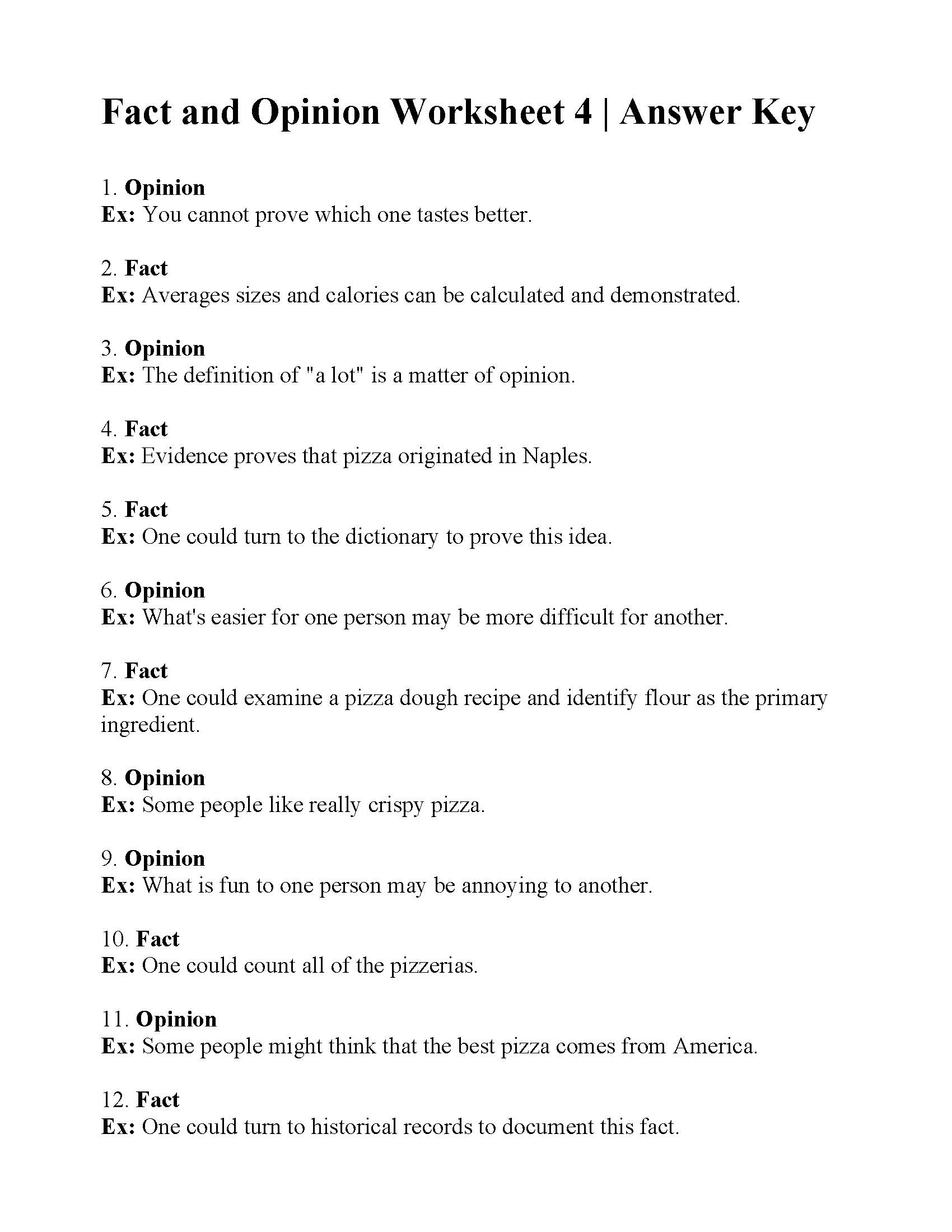
Sports-themed fact and opinion worksheet.
- Start with a clear understanding of the difference between facts and opinions. Ensure that students grasp the fundamental concept before diving into the worksheet activities.

Fact or opinion: TZXPTR challenge.
- Encourage students to read each statement carefully and identify keywords or phrases that might indicate a fact or an opinion. For instance, words like "always," "never," or "everyone" often signal an opinion, while phrases like "according to research" or "scientific studies show" can indicate a fact.

Reading activity: fact vs opinion.
- Provide a range of examples and non-examples to illustrate the concept. This can help students develop a more nuanced understanding of the distinction between facts and opinions.
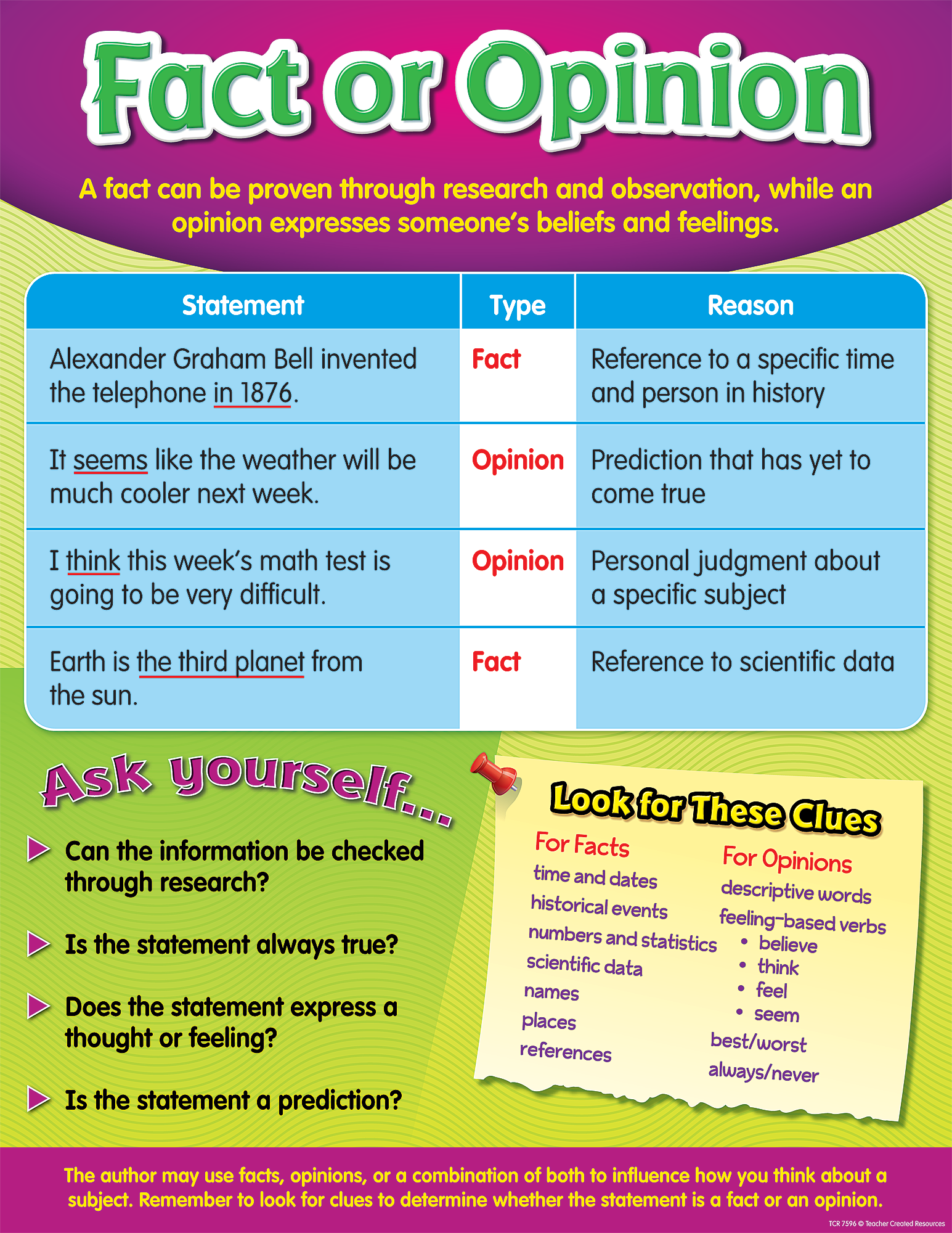
QWFNTW's fact vs opinion test.
- For more advanced learners, introduce the concept of bias alert - teaching students to recognize when a statement might be influenced by personal bias or perspective.

Fact or opinion: years 5-6.
- Finally, ensure that students have access to reliable sources of information to verify facts and develop their research skills. This will not only enhance their understanding of the worksheet's content but also empower them to become independent learners.
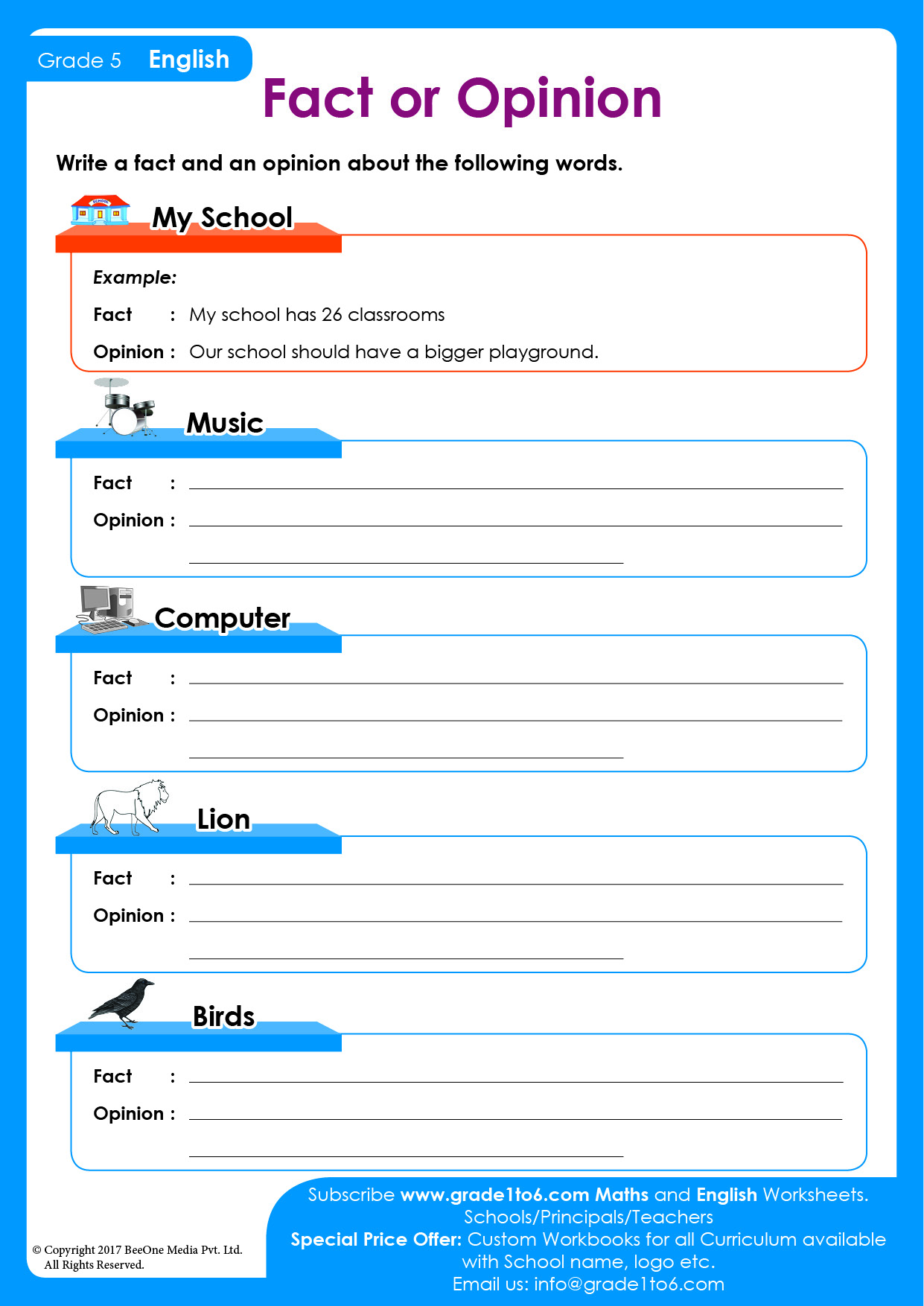
Admuscente's fact or opinion worksheet.
Incorporating Fact vs. Opinion Worksheets into Homeschooling
For homeschoolers, fact vs. opinion worksheets can be a valuable addition to their learning toolkit. These worksheets offer a structured and focused approach to teaching critical thinking skills, which are essential for a well-rounded education. By incorporating these worksheets into their curriculum, homeschoolers can ensure that their students develop the ability to analyze information, a skill that is increasingly important in today's information-rich world.
Furthermore, fact vs. opinion worksheets can be easily adapted to different learning levels and ages. For younger students, simpler worksheets with clear examples can introduce the concept, while more advanced worksheets can challenge older students to think critically about complex statements and issues.
By using these worksheets as a foundation, homeschoolers can build a strong framework for teaching critical thinking skills, helping their students become discerning consumers of information and developing a deeper understanding of the world around them.
As an added benefit, these worksheets can also be a fun and engaging way to learn, especially when combined with other activities like debates, discussions, or even role-playing scenarios that encourage students to take different perspectives and analyze statements from various angles.
In conclusion, the fact vs. opinion worksheet is a versatile and powerful tool for teaching critical thinking skills. By providing a structured approach to analyzing statements, these worksheets empower students to navigate the complex landscape of information with confidence and discernment. Whether used in the classroom, for homeschooling, or as a tutoring resource, these worksheets offer a practical and effective way to develop essential skills for the modern world.
So, there you have it! A fact vs. opinion worksheet is a fantastic way to sharpen those critical thinking skills and navigate the sea of information with confidence. It's a fun and interactive approach to learning, and who doesn't love a good worksheet session?
Feel free to print out a few and give them a go. It's a great way to spend some quality time with your kids or students, and you might just be surprised at how quickly they grasp the concept. Leave a comment or share your experience below; we'd love to hear how it went and any fun stories that come out of your fact-finding missions!
Writing practice: fact or opinion.