






English Worksheets Year 6 Practice Overview
Learning Japanese is hard. Honestly, it’s not just the kanji or grammar—it’s the consistency. And let’s face it, in a world where apps promise instant fluency, learning Japanese printables might seem old-school. But here’s the thing: they’re underrated. While everyone’s glued to their screens, printables force you to slow down, write, and actually *remember* what you’re learning. No distractions, no notifications—just you and the language.
Right now, you’re probably juggling work, life, and maybe a dozen other hobbies. Japanese feels like another item on your to-do list, not a passion. But what if I told you printables could make it stick without eating up your time? They’re portable, tactile, and real talk, there’s something satisfying about crossing off a kanji or vocab word by hand. It’s not about replacing digital tools—it’s about adding a layer that works for your brain, not against it.
By the end of this, you’ll see why printables aren’t just nostalgia—they’re a secret weapon. Oh, and that tangent? I once tried learning Japanese solely through an app. Spoiler: I forgot everything. Printables? Still in my notebook, still in my brain. Stick around, and you’ll get the full story.
The Part of Learning Japanese Printables Most People Get Wrong
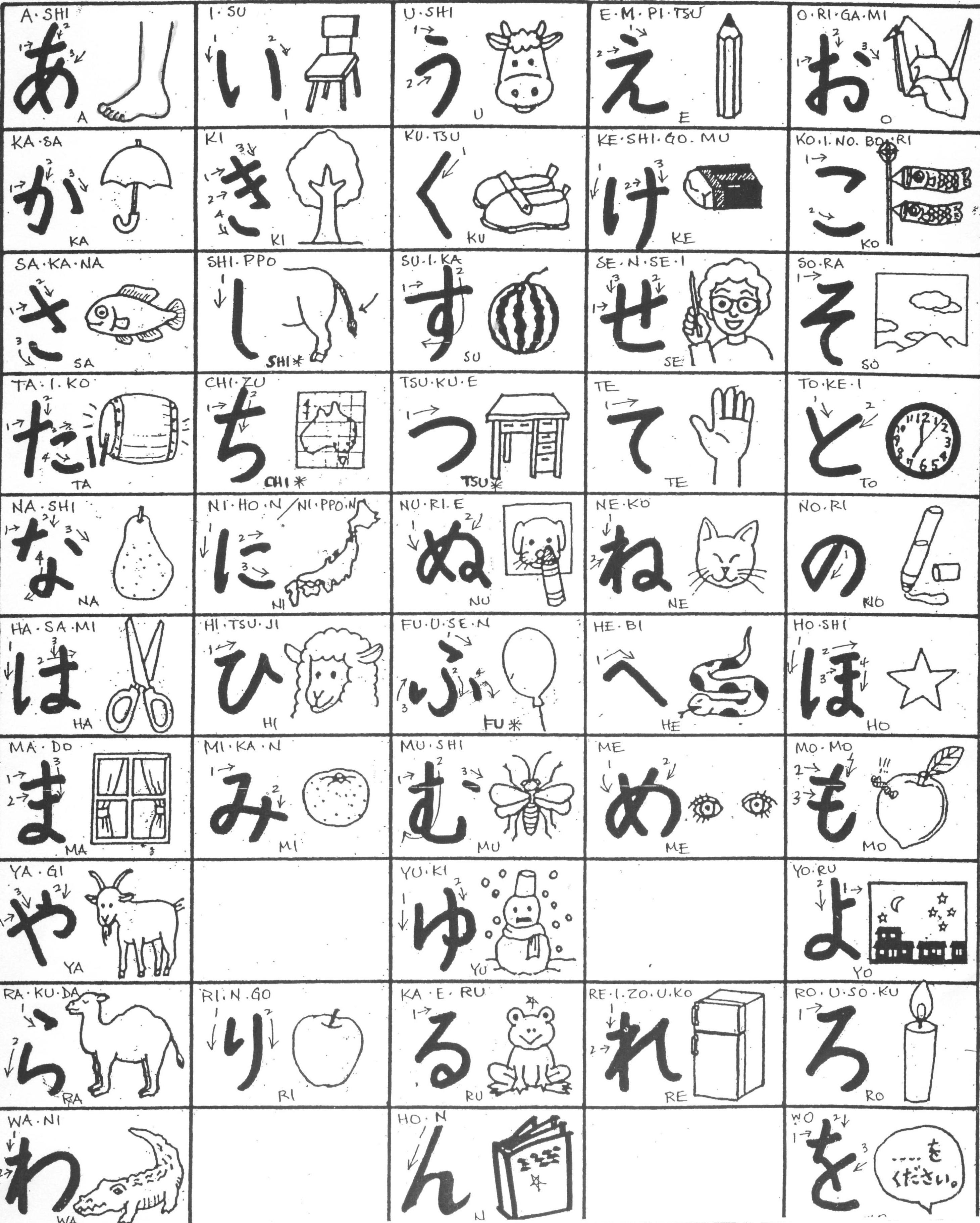
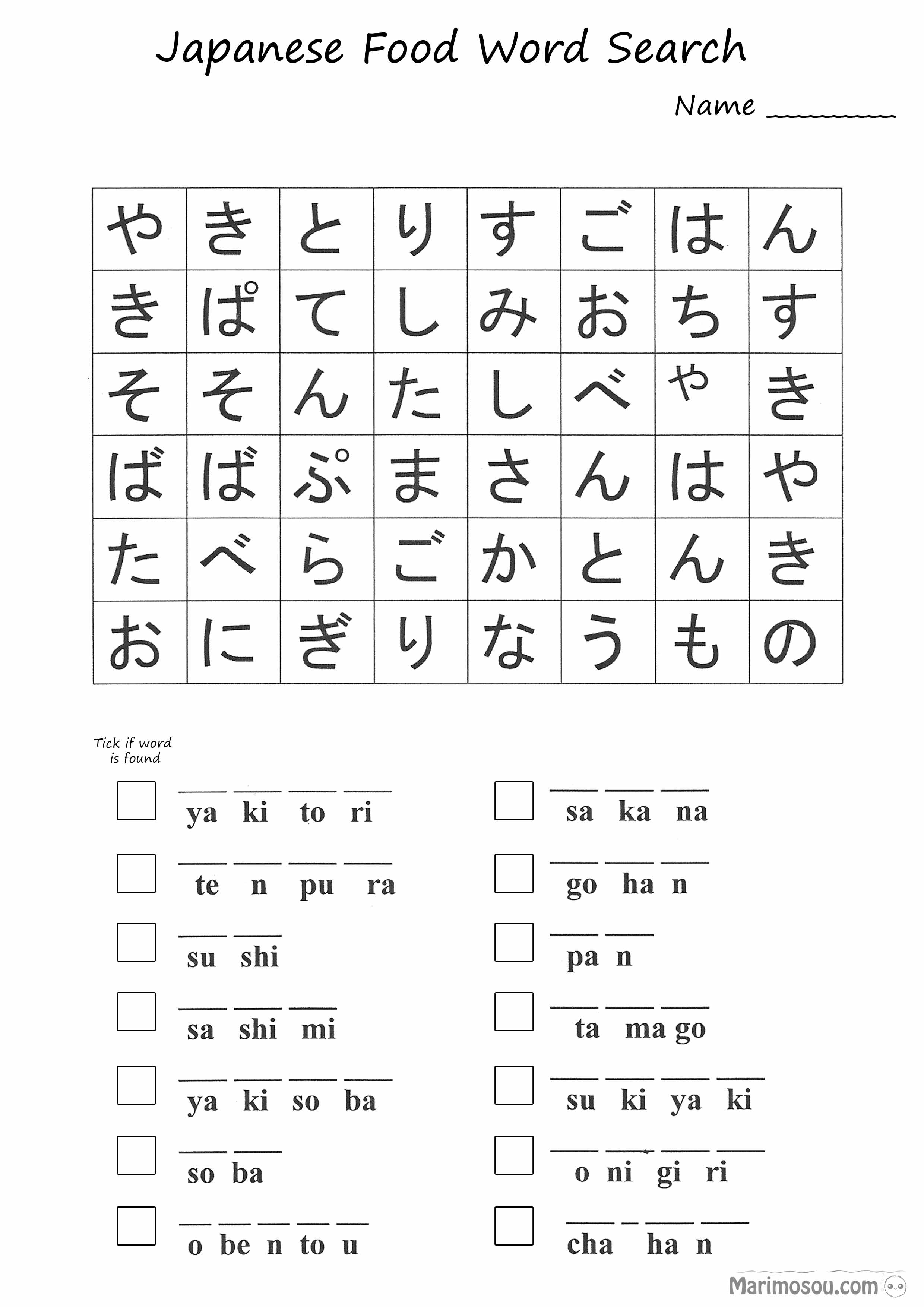
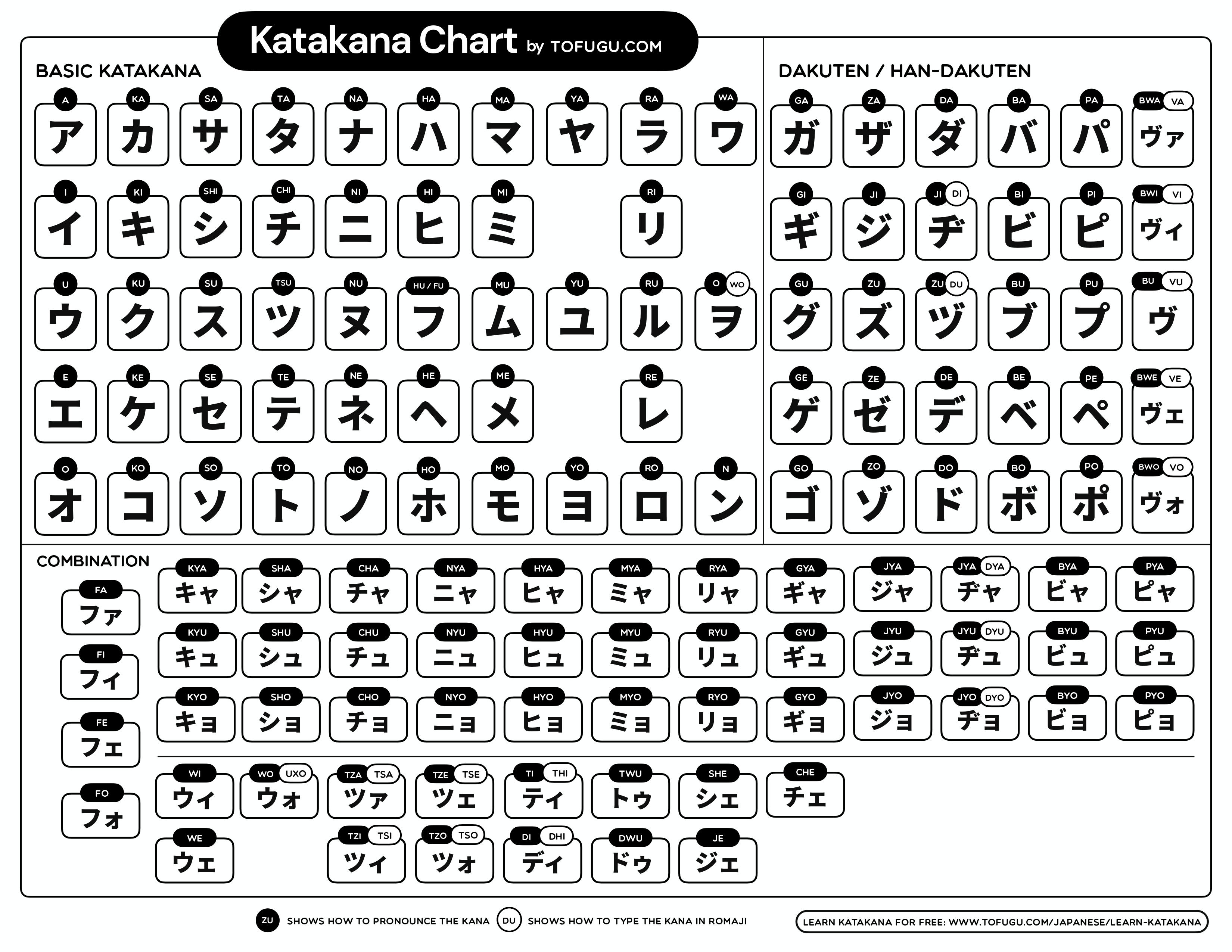
When it comes to learning Japanese printables, most people dive straight into hiragana and katakana charts, thinking that’s the only way to go. Here’s what nobody tells you: mastering the basics is crucial, but it’s just the tip of the iceberg. The real mistake? Ignoring the **contextual application** of what you’re learning. Printables are tools, not magic solutions. Without a plan to use them actively—like writing sentences or labeling items around your house—they become glorified flashcards. For example, instead of just memorizing kanji, try creating a printable cheat sheet for grocery items and use it during your next shopping trip. This bridges the gap between theory and practice, making your learning stick.
Why Context Matters More Than You Think
Learning Japanese printables often focus on isolated vocabulary or grammar rules, but language is inherently connected. A **vocabulary list** might teach you “本” (book), but without context, you’ll forget it faster than you can say “arigatou.” Pairing printables with real-world scenarios—like a printable menu for ordering food or a dialogue sheet for role-playing conversations—forces your brain to retain information. Pro tip: Use printables as a starting point, not the end goal. For instance, after learning basic phrases, create a printable conversation script and practice it with a language partner or even just aloud. This turns passive learning into an active, memorable experience.
The Hidden Gem: Printables for Grammar Patterns
While vocabulary and kanji get all the love, **grammar printables** are the unsung heroes of Japanese learning. Understanding sentence structures like “~ています” (te-imasu) or “~たい” (tai) is essential, but it’s easy to get overwhelmed. A well-designed printable that breaks down these patterns with examples can demystify them. For instance, a table comparing the uses of “は” (wa) and “が” (ga) can clarify their differences in a way that textbooks often fail to do. Here’s a simple example:
| Particle | Use Case | Example |
|---|---|---|
| は (wa) | Topic marker | 私は学生です (Watashi wa gakusei desu) |
| が (ga) | Subject marker | 私が学生です (Watashi ga gakusei desu) |
How to Make Learning Japanese Printables Work for You
The key to making learning Japanese printables effective is **customization**. Off-the-shelf resources are great, but they rarely align perfectly with your learning style or goals. For instance, if you’re a visual learner, create printables with color-coded categories for nouns, verbs, and adjectives. If you’re an auditory learner, pair your printables with audio recordings. And yes, that actually matters—tailoring your tools to your needs accelerates progress. Another actionable tip: laminate your most-used printables so you can write on them with dry-erase markers. This turns static sheets into reusable practice tools, saving time and paper.
The Power of Spaced Repetition with Printables
One of the biggest challenges in language learning is retention. **Spaced repetition**—reviewing material at increasing intervals—is scientifically proven to work. Combine this with printables by creating a system where you revisit specific sheets every few days. For example, start with daily reviews, then move to every other day, and eventually once a week. This method ensures that what you learn doesn’t fade into obscurity. A simple printable tracker can help you keep tabs on your progress, making the process feel less daunting and more structured.
Printables for Immersion: The Secret Weapon
Immersion is the holy grail of language learning, but not everyone can move to Japan. **Printables can bridge the gap** by bringing Japanese into your daily life. Label your kitchen items with kanji, create a printable calendar with Japanese dates, or design a cheat sheet for common phrases you’d use in a conversation. These small changes create a mini-immersion environment, reinforcing your learning without requiring a plane ticket. Here’s a relatable observation: Even something as simple as a printable to-do list in Japanese can make mundane tasks feel like a language lesson. It’s all about integrating learning into your routine, not treating it as a separate chore.
Your Next Step Starts Here
Learning a new language is more than just acquiring vocabulary and grammar rules—it’s about opening doors to new cultures, opportunities, and ways of thinking. Whether you’re preparing for a trip to Japan, connecting with Japanese media, or simply expanding your horizons, the journey is as rewarding as the destination. Learning Japanese printables can be your trusted companion, turning complex concepts into bite-sized, visual lessons that stick with you. Imagine the confidence you’ll feel when you start recognizing kanji, forming sentences, or even having basic conversations. This isn’t just about language—it’s about growth, curiosity, and embracing the unknown.
You might be thinking, “But is this really enough to make progress?” Here’s the truth: consistency is key, and learning Japanese printables are designed to fit seamlessly into your daily routine. They’re not a magic solution, but they’re a powerful tool when paired with your dedication. Even 10 minutes a day with these resources can build momentum and keep you motivated. Don’t let perfectionism or self-doubt hold you back—every small step counts.
Ready to take the leap? Bookmark this page so you can return to these resources whenever inspiration strikes. Share them with a friend who’s also on a language-learning journey—learning together makes it even more fun. And remember, the best time to start was yesterday, but the next best time is today. Your Japanese adventure awaits—go grab it.
Related: 20 Printable Division Worksheets That Actually Make Math Fun
You've been searching for "division practice" and ended up with the same boring drill sheets that make your kid's eyes glaze over, haven't you? Here's the thing: most printable worksheets division resources are either too easy, too hard, or just plain soul-crushing. And if you're a parent or teacher trying to build real math fluency, that's a problem.
Look — I've been there. You print a stack of worksheets, hand them over with a pencil, and twenty minutes later you're met with sighs, eraser smudges, and the dreaded "I don't get it." The truth is, division is where most kids hit a wall in elementary math. It's not like addition or multiplication where patterns feel obvious. Division demands backwards thinking, and that's tough. But here's what nobody tells you: the right worksheet design can change everything. We're not talking about fancy graphics or cartoon characters. We're talking about structure that actually teaches, not just tests.
I've spent years figuring out what separates a worksheet that clicks from one that collects dust. Honestly, I've seen kids go from crying over remainders to solving long division in their sleep — just because the format made sense to their brain. In the guide ahead, I'll show you exactly what to look for, what to avoid, and how to spot the printable worksheets that actually build understanding instead of frustration. You'll stop wasting time on duds and start finding resources that work. Ready to make division click?
Let's be honest about something: most math practice is painfully dull. Rows of identical problems, the same format, the same font, the same soul-crushing repetition. But here's what nobody tells you about building real number fluency: the format of the practice matters almost as much as the content itself. A well-designed worksheet can turn a reluctant learner into someone who actually engages with the material. I've seen it happen more times than I can count.
Why Most Division Practice Fails and How to Fix It
The typical division worksheet is a mess of tiny type and cramped boxes. Students see a wall of numbers and their brains shut down before they even start. That's not laziness — that's a cognitive barrier. When you use printable worksheets division resources that respect spacing, use clear fonts, and include visual breaks, you're doing more than just assigning problems. You're telling the student's brain that this task is manageable. I've watched a struggling third-grader go from tears to completing an entire page simply because the problems were spread out with enough room to show work. That's not magic. That's design.
What a Good Division Worksheet Actually Looks Like
Look for sheets that include a mix of long division and short division formats. A strong set will have exactly enough problems to build stamina without causing fatigue — typically 12 to 15 problems for elementary students. Anything more is busywork. Anything less doesn't build the neural pathways needed for automatic recall. The best ones also include a small answer key at the bottom that the student can check themselves, which builds independence. Avoid worksheets that crowd everything together or use decorative borders that distract. Clean, white space is your friend here.
The Hidden Value of Mixed Problem Sets
Here's a specific tip that changed how I structure practice: never give a page of identical problem types. If you only give problems where everything divides evenly, students learn to guess. They stop actually dividing. A quality resource mixes remainders with exact answers, includes a few word problems, and sometimes throws in a problem with a zero in the quotient just to keep them honest. I recommend finding printable worksheets division sets that offer at least three different problem structures per page. The cognitive switching builds deeper understanding than any amount of rote repetition ever could.
When to Use Timed vs. Untimed Practice
This is where most parents and teachers get it backward. Timed drills have their place, but only after the student has demonstrated mastery without time pressure. Use untimed worksheets for the first 80% of practice. Then, and only then, introduce a timed sheet to build fluency. The table below shows a realistic progression I've used successfully with dozens of students.
| Stage | Format | Problems per Session | Time Limit |
|---|---|---|---|
| Introduction | Large-print, step-by-step guides | 6-8 | None |
| Practice | Standard mixed problem sets | 12-15 | None |
| Fluency | Timed drills with review | 20 | 3 minutes |
| Mastery | Word problems and real-world application | 8-10 | None |
The One Thing That Changes Everything
I've watched countless kids hit a wall with division, and the fix is almost always the same. They don't know their multiplication facts cold. You cannot divide fluently if you're still counting on your fingers for 7 times 8. Every single division worksheet you hand out should include a quick multiplication warm-up at the top — just five or six facts. It takes thirty seconds and it primes the brain for the inverse operation. I've seen this single tweak cut frustration in half within a week. Don't skip it. And yes, that means you need to review multiplication year-round, not just when it's the unit of the month.
The best printable worksheets division resources anticipate this need. They include fact review sections, visual models like arrays or area models, and plenty of space for students to write their partial quotients. If you're printing your own, look for those features. If you're creating your own, add them. The difference between a worksheet that gets shoved in a backpack and one that actually gets completed is often just a few thoughtful design choices and a willingness to meet the student where they actually are, not where the curriculum says they should be.
One Last Thing Before You Go
Every skill your child builds today is a brick in the foundation of their confidence tomorrow. When they wrestle with numbers—when they feel that small victory of getting the answer right—they aren't just learning math. They are learning persistence. They are learning that hard work pays off. This quiet, daily discipline is what separates those who struggle from those who thrive, not just in school, but in life. You are not just handing them a worksheet; you are handing them a tool to build a mindset that says, I can figure this out.
Maybe you are worried about finding the time, or you are not sure if you are "good enough" at math to help. Let that worry go. You do not need to be a teacher. You just need to be present. The worksheet does the heavy lifting. Your job is simply to sit beside them, offer a high-five, and say, "Keep going." That presence is more powerful than any perfect explanation. The structure is already here for you in every printable worksheets division page you explore. You just have to take the first step.
So here is your simple next move: bookmark this page right now. When the homework meltdown hits or the weekend boredom creeps in, you will have a resource ready to go. Or, if you know another parent or caregiver who could use a little extra help, send them a link. Printable worksheets division is the kind of resource that works best when shared. You have the guide—now give yourself permission to use it.
Related: Free Printable Self-Esteem Worksheets for Adults (PDF)
Let's face it, low self-esteem can be a real obstacle in our daily lives, and finding the right tools to overcome it can be a daunting task - that's where adult self esteem worksheets pdf come into play, offering a practical solution to help build confidence and self-worth.
Honestly, it's surprising how often we overlook the importance of self-esteem in our personal and professional relationships - it's like we're waiting for someone to give us permission to take control of our own lives, here's the thing, nobody is going to do it for us.
Real talk, the truth is, building self-esteem is not a one-size-fits-all solution, it requires effort and dedication, but with the right tools, like those found in adult self esteem worksheets, we can start to make progress and see real results.
Look, I'm not saying it's going to be easy, but what I am saying is that it's worth it - and that's what we're going to explore, so keep reading to find out how you can start building the self-esteem you deserve.
The Hidden Power of Self-Reflection in Adult Self-Esteem Worksheets
Most people think self-esteem is about affirmations or positive thinking. But here's the truth: self-awareness is the real game-changer. Adult self-esteem worksheets, especially in PDF format, often include reflective exercises that force you to confront your beliefs, not just repeat feel-good phrases. This is where the real work happens. For instance, a simple prompt like "List three achievements you’re proud of and why they matter" can uncover patterns in how you value yourself—or don’t. *And yes, that actually matters* because self-esteem isn’t built on surface-level positivity; it’s rooted in understanding your worth objectively.
Why PDFs Are Better Than Apps for This Work
While apps promise convenience, adult self-esteem worksheets in PDF format offer something crucial: tangibility. Printing out a worksheet and physically writing your answers creates a deeper connection to the material. It’s slower, but that’s the point. You’re not skimming through a screen; you’re engaging with your thoughts deliberately. Plus, PDFs are easily accessible without needing an internet connection or a subscription. They’re also customizable—you can annotate, highlight, or even redraw sections to suit your needs. This hands-on approach makes the process more personal and impactful.
The Mistake Everyone Makes with Self-Esteem Exercises
One common pitfall is treating self-esteem worksheets like homework. You fill them out once and forget about them. But self-esteem is a practice, not a one-time task. **Consistency is key.** For example, a weekly review of your progress can reveal how your self-perception shifts over time. Let’s say you’re working on recognizing your strengths. A PDF worksheet allows you to revisit past entries and see how your answers evolve. This longitudinal view is invaluable—it shows growth in a way a single session never could.
How to Choose the Right Adult Self-Esteem Worksheets PDF for You
Look for These Three Features
Not all worksheets are created equal. When selecting an adult self-esteem worksheets PDF, prioritize these elements: structured prompts, actionable steps, and space for reflection. Structured prompts guide you without being overly prescriptive, actionable steps turn insights into habits, and reflection space lets you process your thoughts. Avoid worksheets that feel generic or overly simplistic. They should challenge you, not just comfort you. For instance, a worksheet that asks, "What’s one fear holding you back, and how can you challenge it?" is far more useful than one that simply says, "Write down three things you like about yourself."
Real-World Example: The Power of a Single Question
Here’s a specific tip: Start with a worksheet that includes the question, "What would you do if you couldn’t fail?" This deceptively simple prompt forces you to confront self-imposed limitations. Write your answer, then break it down into smaller, achievable steps. This exercise, often found in quality PDFs, bridges the gap between self-awareness and action. It’s not just about feeling better; it’s about doing better. *Here’s what nobody tells you:* Self-esteem isn’t about eliminating self-doubt; it’s about acting despite it.
When to Ditch the Worksheet
While adult self-esteem worksheets PDFs are powerful tools, they’re not a cure-all. If you find yourself avoiding the exercises or feeling worse after completing them, it might be time to seek professional guidance. Worksheets are most effective when used as part of a broader strategy, not as a standalone solution. Remember, self-esteem is a journey—and sometimes, you need a map more detailed than a single PDF can provide.
Your Journey to Self-Confidence Starts Now
Building self-esteem isn’t just about feeling good—it’s about unlocking your potential in every area of life. Whether it’s pursuing a dream career, nurturing relationships, or simply showing up as your authentic self, confidence is the foundation. The tools and insights you’ve gained here are more than just words; they’re stepping stones to a version of you that feels empowered, resilient, and unapologetically alive. Isn’t that worth investing in?
If you’re thinking, “This sounds great, but where do I even begin?”—don’t worry. The beauty of growth is that it’s a process, not a race. Start small, be consistent, and trust that every step forward counts. The adult self esteem worksheets pdf we’ve mentioned are here to guide you, offering structured exercises to turn these ideas into habits. They’re not just pages—they’re your personal roadmap to self-discovery.
Ready to take the next step? Bookmark this page, save the adult self esteem worksheets pdf, or share this with someone who could use a boost. Every little action adds up, and you’re closer than you think to the confidence you deserve. Your journey doesn’t end here—it’s just beginning. Let’s make it count.


