




English Worksheets Year 6 Grade 5 Overview
Kids today are glued to screens, and honestly, it’s a battle to get them engaged with anything meaningful. If you’re like me, you’ve probably tried everything to spark their interest in the Bible, but let’s face it—traditional methods often fall flat. That’s where free Bible worksheets for kids come in. They’re not just another resource; they’re a game-changer for making Scripture stick in a way that’s fun and interactive.
Here’s the thing: kids learn best when they’re having fun. If Bible study feels like a chore, they’ll tune out faster than you can say “Sunday school.” These worksheets are designed to meet them where they’re at—with puzzles, coloring pages, and activities that turn learning into play. And let’s be real, in a world where attention spans are shorter than ever, that’s exactly what we need.
Look, I get it—you’re busy. The last thing you need is another complicated tool to figure out. That’s why these worksheets are a no-brainer. They’re ready to go, easy to use, and—best of all—free. Stick around, and I’ll show you how to make the most of them without breaking a sweat.
The Hidden Challenge of Teaching Bible Stories to Kids
Let's face it: keeping kids engaged with Bible stories can feel like herding cats. You want to share timeless lessons, but their attention spans are about as long as a goldfish's. Sound familiar? That's where free Bible worksheets for kids come in—not as a magic bullet, but as a tool to bridge the gap between ancient texts and young minds.
Why Worksheets Work (When Done Right)
Kids learn best when they're active participants, not passive listeners. Well-designed worksheets turn Bible lessons into interactive experiences. Think fill-in-the-blank verses, mazes that trace Joseph's journey, or coloring pages that bring Noah's Ark to life. These activities reinforce key concepts while appealing to their natural curiosity.
The Pitfall Most Parents and Teachers Miss
Here's the part most people get wrong: not all worksheets are created equal. A poorly designed sheet with tiny fonts or confusing instructions will frustrate kids faster than you can say "David and Goliath." Look for resources that balance simplicity with creativity. For example, a worksheet that asks kids to draw their own version of the Nativity scene is far more engaging than one that demands they memorize a long passage.
How to Choose the Right Resources for Your Needs
Age-Appropriate Content Matters
A 5-year-old and a 10-year-old have vastly different learning needs. Younger kids thrive with visual activities like connect-the-dots or simple puzzles. Older children benefit from worksheets that encourage critical thinking, like comparing Bible stories to modern-day situations. Always match the resource to the age group—it's the difference between a hit and a miss.
Free Doesn't Mean Low Quality
The internet is flooded with free Bible worksheets for kids, but not all are worth your time. Stick to reputable sites like church educational platforms or trusted parenting blogs. A good rule of thumb: if the worksheet looks like it was designed in 1995, it probably won't resonate with today's kids.
Actionable Tip: Make It Personal
Here's what nobody tells you: worksheets are just the starting point. To make lessons stick, tie them to real life. For instance, after studying the Good Samaritan, have kids brainstorm ways they can show kindness in their own community. This turns abstract concepts into tangible actions—and yes, that actually matters.
- Pro Tip: Pair worksheets with hands-on activities, like acting out Bible stories or creating crafts, to deepen understanding.
- Use worksheets as discussion starters rather than standalone lessons.
- Encourage kids to share their interpretations—you might be surprised by their insights.
Here's What Makes the Difference
As we conclude, it's essential to remember that nurturing a child's spiritual growth is a lifelong journey, filled with moments of wonder, discovery, and deep connection. In the bigger picture, the tools and resources we provide our children today will shape their understanding of the world and their place in it tomorrow. This is why investing time and effort into their spiritual education is not just a parental duty, but a profound act of love and care.
For some, there might be a lingering doubt about where to start or how to make spiritual learning engaging. Can we really make learning fun and meaningful? The answer is a resounding yes. With resources like free bible worksheets for kids, you're not alone in this journey. These tools are designed to be both educational and enjoyable, helping to alleviate any concerns about keeping children engaged.
As you move forward, consider bookmarking this page or sharing it with someone who might benefit from the insights and resources shared here, including access to free bible worksheets for kids. The journey of spiritual growth is one that's best traveled with support and community. By taking this next step, you're not just enriching your child's life, but also fostering a deeper sense of connection and purpose within your family and beyond.
Related: Free Printable Activity Sheets for 8-Year-Olds (PDF)
Keeping an 8-year-old engaged and learning can feel like trying to solve a Rubik’s Cube blindfolded. Activity sheets for 8-year-olds are often the unsung heroes in this battle, but let’s be real—not all of them are created equal. Some are too easy, some are too boring, and others just miss the mark entirely. Honestly, it’s frustrating when you spend time searching for something that’s supposed to be helpful, only to end up with a pile of unused paper.
Right now, with kids spending more time at home and screens becoming their default babysitter, finding the right tools to keep them learning and entertained is more important than ever. You want something that sparks curiosity, builds skills, and doesn’t feel like homework. The truth is, 8-year-olds are at a unique stage—they’re old enough to handle challenges but still young enough to be excited by them. The right activity sheet can make all the difference, but finding it feels like searching for a needle in a haystack.
Look, I’ve been there, scrolling through endless options, wondering which ones are actually worth the printer ink. What if I told you there’s a way to cut through the noise and find activity sheets that hit the sweet spot? Stick around, and you’ll discover exactly what to look for, where to find them, and how to make them work for your kid’s unique needs. Oh, and I’ll throw in a few surprises that might just change the way you think about these sheets altogether. (Side note: did you know some of these can even double as party games? But I’m getting ahead of myself.)
The Part of Activity Sheets for 8-Year-Olds Most People Get Wrong
When it comes to educational resources, activity sheets for 8-year-olds are often seen as simple time-fillers. But here’s the truth: **most people underestimate their potential**. These sheets aren’t just about keeping kids busy; they’re tools for skill-building and critical thinking. The mistake? Treating them as one-size-fits-all. Every child learns differently, and what works for one might not work for another. For instance, a sheet packed with math problems might engage one child but overwhelm another. The key is to match the activity to the child’s interests and learning style. Otherwise, you’re missing the point entirely.
Why Generic Sheets Fall Short
Generic activity sheets often lack the personal touch that makes learning stick. An 8-year-old who loves animals might tune out a worksheet about abstract shapes but light up when solving puzzles involving their favorite creatures. **Customization matters**. It’s not just about the content but how it’s presented. A well-designed sheet can turn a mundane task into an adventure. For example, turning multiplication into a treasure hunt can make all the difference. Here’s what nobody tells you: the best activity sheets feel less like work and more like play. That’s when real learning happens.
The Role of Creativity in Learning
Activity sheets for 8-year-olds should spark creativity, not stifle it. Too often, they focus on rote tasks instead of encouraging kids to think outside the box. A sheet that asks, “What would happen if…?” can be more valuable than one demanding the “right” answer. **Open-ended questions** invite kids to explore and problem-solve. For instance, a drawing prompt like “Design your dream playground” can lead to discussions about physics, safety, and aesthetics. This kind of thinking is a skill that lasts a lifetime, far beyond the sheet itself.
How to Choose the Right Activity Sheets for Your Child
Assess Their Interests
Start by identifying what your child loves. Are they into science experiments, storytelling, or hands-on crafts? Tailor the activity sheets to their passions. A space-themed math sheet might engage a budding astronaut, while a word-building game could captivate a future writer. **Relevance is key**. When kids see the connection between the activity and their interests, they’re more likely to stay engaged.
Look for Variety
Avoid sheets that focus on just one skill. At 8, kids are still exploring their strengths. A mix of math, language, and creative tasks keeps things fresh. For example, a sheet that combines a short story with comprehension questions and a drawing activity hits multiple areas at once. This variety not only prevents boredom but also reinforces learning in different ways.
Incorporate Real-World Applications
The best activity sheets bridge the gap between learning and life. A sheet on money management, for instance, can teach basic math while also introducing financial literacy. **Actionable tips** like this make learning feel meaningful. Try this: after completing a sheet, discuss how the skills apply to everyday situations. For example, after a measurement activity, have your child help measure ingredients for a recipe. It’s a simple way to show that what they’re learning has real value.
- Tip 1: Pair activity sheets with hands-on projects for deeper engagement.
- Tip 2: Use sheets as conversation starters to reinforce learning.
- Tip 3: Rotate topics weekly to keep curiosity alive.
Your Next Step Starts Here
In the grand scheme of things, nurturing a child's curiosity and creativity isn't just about filling time—it's about building a foundation for lifelong learning and problem-solving. Whether it's through hands-on projects, educational games, or activity sheets 8 year olds can engage with, every moment of exploration counts. These early experiences shape how they approach challenges, express themselves, and interact with the world around them. By investing in their growth now, you're setting them up for success in ways that go far beyond the classroom.
You might be thinking, "But will they really stick with it?" It’s a valid concern—kids can be unpredictable. Yet, the beauty of well-designed activities is their ability to adapt to a child’s pace and interests. Even if they wander off after a few minutes, the seeds of curiosity have been planted. Over time, these small moments add up, fostering a love for learning that’s hard to shake. So, don’t worry if it’s not perfect—progress is progress.
Ready to take the next step? Browse our curated gallery of ideas, bookmark this page for future inspiration, or share it with a fellow parent who’s on the same journey. Every child deserves the chance to explore, create, and grow. And who knows? You might just find that activity sheets 8 year olds enjoy become a favorite go-to in your toolkit. Let’s make learning an adventure they’ll never forget.
Related: Free Printable Math Worksheets for Before and After Numbers
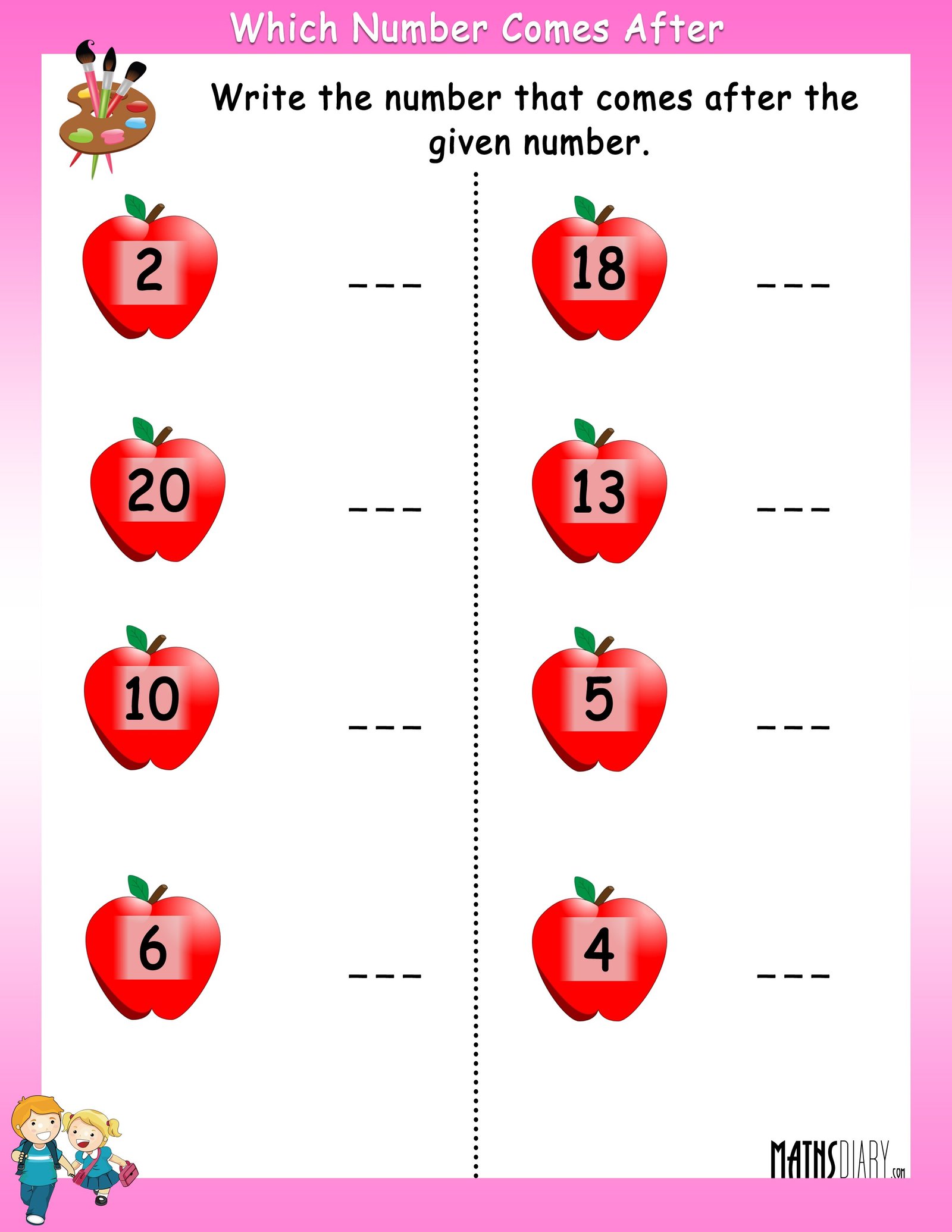
Math is hard. Honestly, it’s one of those subjects that can make even the brightest kids (and adults) want to pull their hair out. But here’s the thing: mastering numbers isn’t just about acing tests—it’s about building a foundation for problem-solving, logic, and even creativity. That’s where math worksheets before and after numbers come in. They’re not just boring drills; they’re the secret weapon to turning abstract concepts into something tangible and, dare I say, fun.
Right now, whether you’re a parent trying to help your kid catch up, a teacher looking for fresh resources, or even an adult brushing up on basics, you’re probably feeling the pressure. Math doesn’t wait for anyone, and falling behind can feel like sinking in quicksand. But what if there was a way to make learning numbers feel less like a chore and more like a game? Look—we’ve all been there, staring at a page of equations wondering where to start. That’s why this isn’t just another generic guide. It’s a lifeline.
By the time you’re done reading, you’ll see math worksheets in a whole new light. Spoiler alert: they’re not just about filling in blanks. Stick around, and you’ll discover how these simple tools can turn confusion into confidence, one number at a time. Oh, and that tangent I promised? Did you know the concept of “before and after” dates back to ancient civilizations? Yeah, it’s wild. But let’s get back to why this matters for you today.
The Hidden Challenge in Teaching Number Sequences
When it comes to teaching kids about numbers, most educators focus on counting forward. But here’s the part most people get wrong: understanding the concept of "before" and "after" in number sequences is just as crucial. It’s not just about memorizing what comes next; it’s about grasping the relationship between numbers. This foundational skill lays the groundwork for more complex math concepts like subtraction, negative numbers, and even basic algebra. Without it, students often struggle with spatial reasoning and logical progression.
Why "Before and After" Matters More Than You Think
Think about it: when a child learns that 5 comes after 4, they’re not just memorizing a fact—they’re building a mental map of how numbers relate to each other. This understanding is essential for problem-solving. For instance, if a student can’t grasp that 10 comes before 11, they’ll likely stumble when asked to subtract 1 from 11. And yes, that actually matters—especially as they progress to higher grades where number relationships become more abstract.
The Role of Math Worksheets in Bridging the Gap
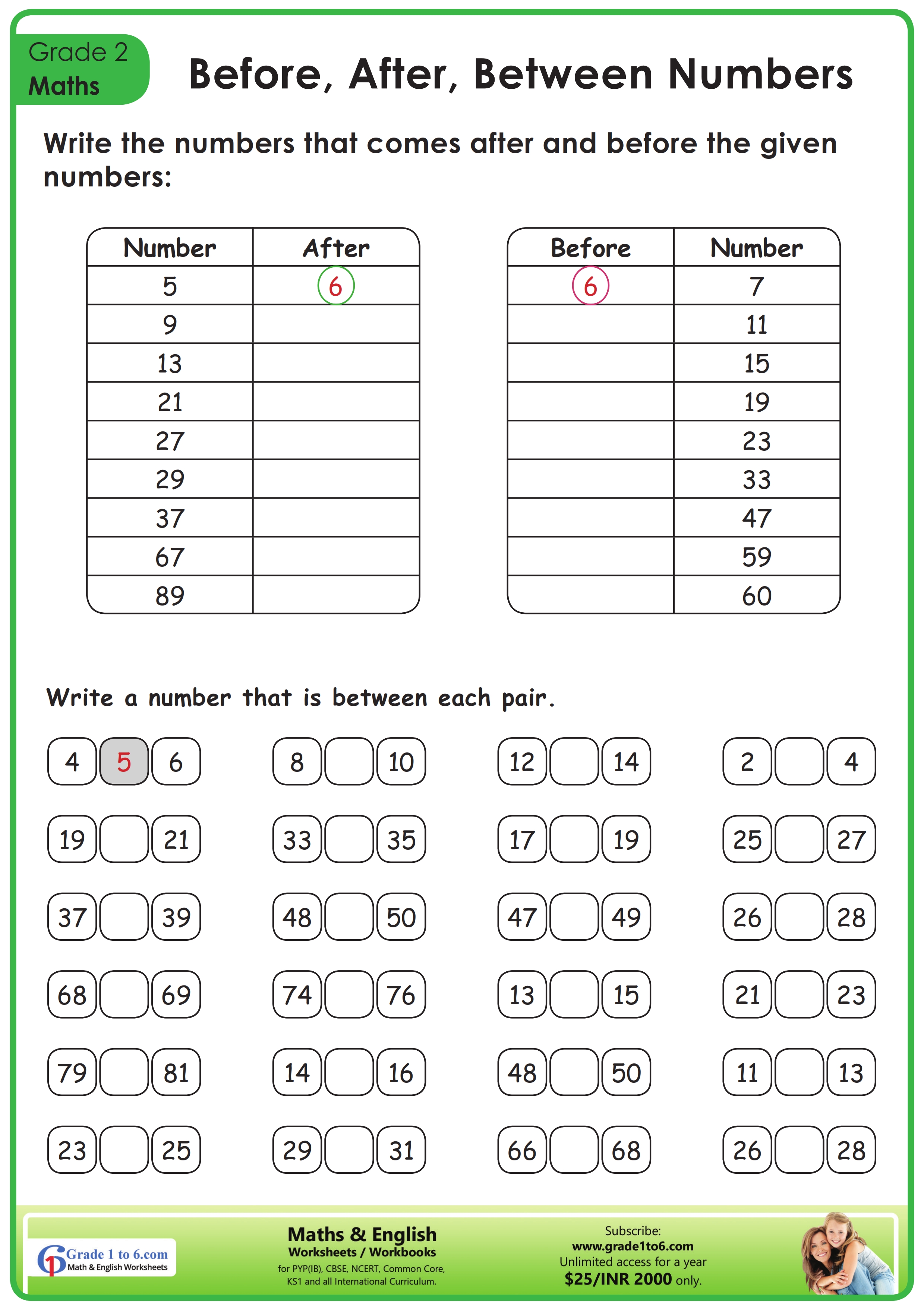
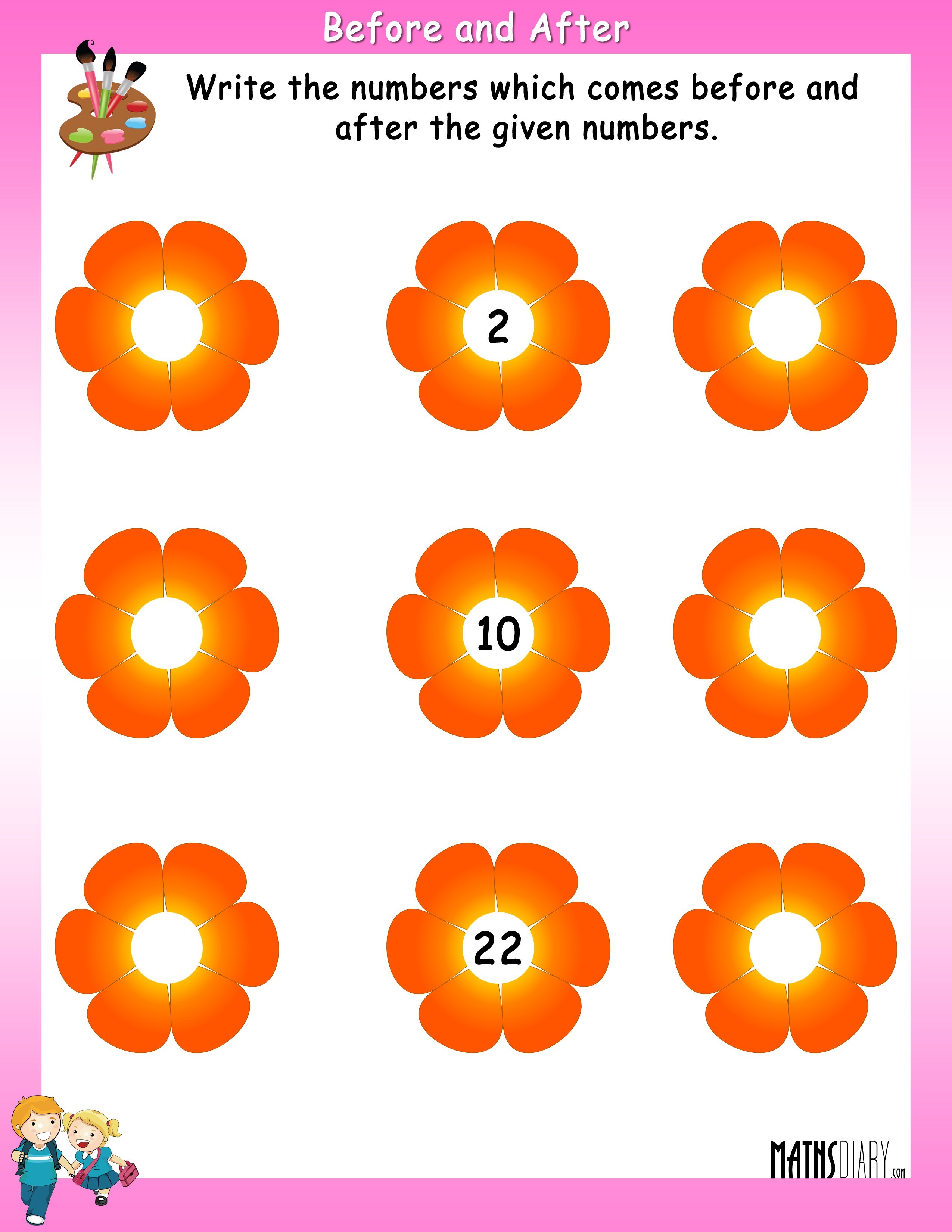
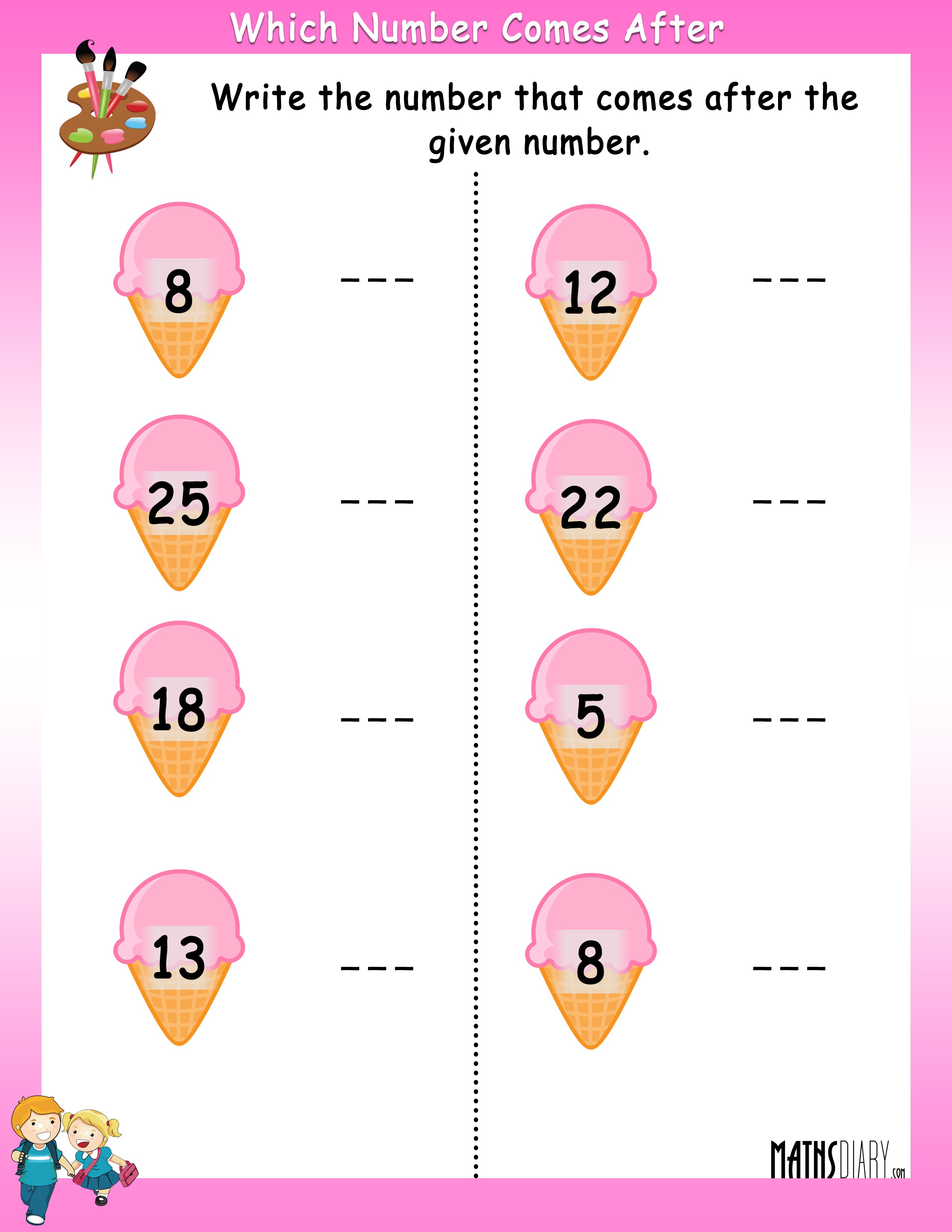
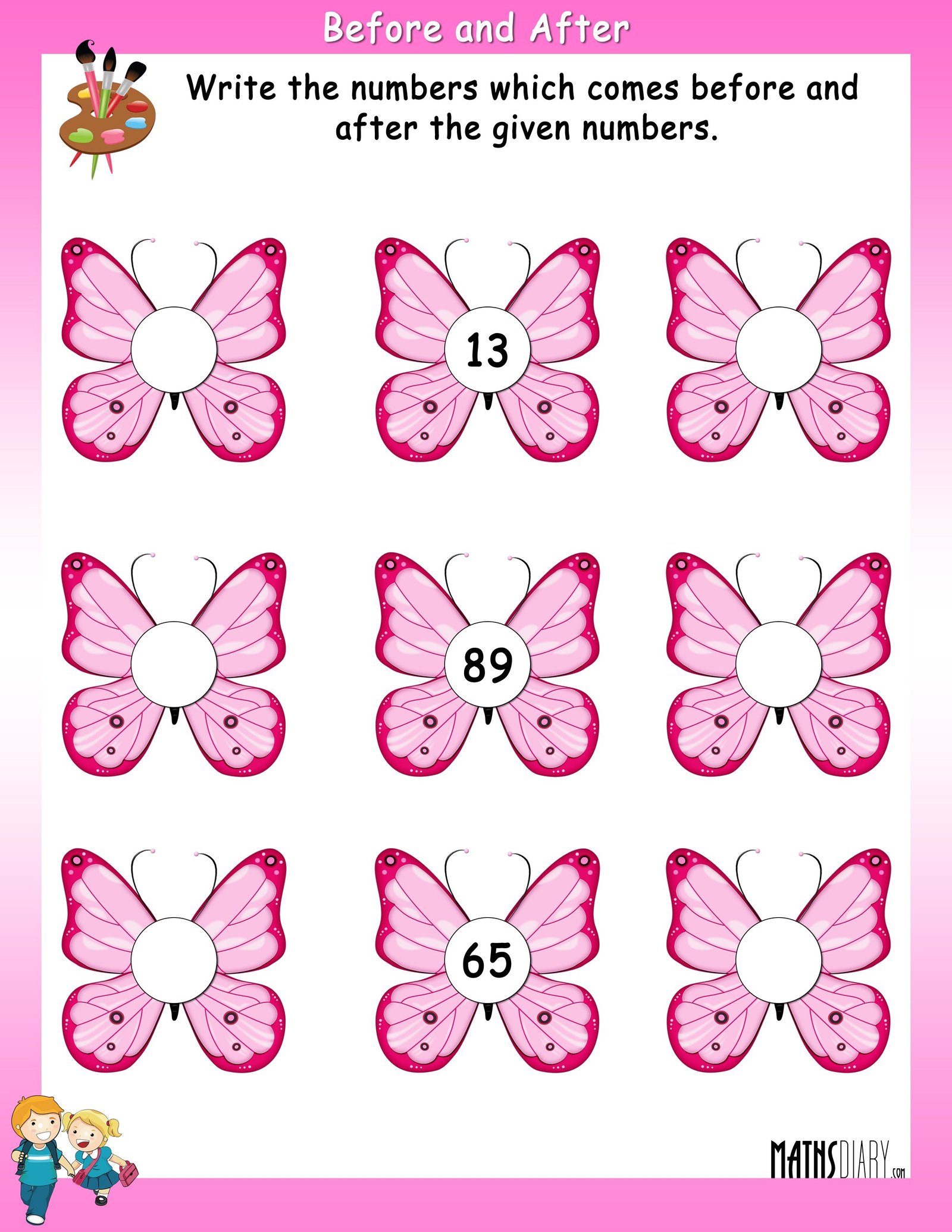
This is where math worksheets before and after numbers come into play. These worksheets aren’t just busywork; they’re targeted practice tools. A well-designed worksheet forces students to apply their understanding of number sequences in different contexts. For example, a worksheet might ask, "What number comes before 15?" or "If you start at 8, what’s the next number?" This kind of repetition reinforces learning and helps identify gaps early on.
How to Make Number Sequence Practice Engaging and Effective
Avoid the Trap of Monotonous Drills
Let’s be honest: traditional number drills can be boring. Kids zone out, and the learning suffers. The key is to make the practice dynamic. Incorporate visual aids, like number lines or interactive games, to keep students engaged. For instance, a simple activity where students physically jump "before" or "after" a number on a large floor mat can make the concept stick. Here’s what nobody tells you: kids learn best when they’re moving and having fun.
Tailor Worksheets to Real-World Scenarios
Generic worksheets often miss the mark. Instead, use examples that connect to everyday life. For example, a worksheet could ask, "If you’re on the 7th step, what step comes before it?" or "If there are 3 apples on the table and you add 1 more, how many do you have now?" These questions make the concept tangible and relatable. Math worksheets before and after numbers should feel less like a test and more like a puzzle to solve.
Track Progress with a Simple System
Finally, don’t underestimate the power of tracking progress. Use a table like the one below to monitor how students are improving over time. This not only motivates them but also helps you identify areas that need more focus.
| Student Name | Week 1 Accuracy | Week 2 Accuracy | Week 3 Accuracy |
|---|---|---|---|
| Emma | 75% | 85% | 92% |
| Liam | 60% | 70% | 80% |
By focusing on the often-overlooked "before and after" concept and using targeted tools like math worksheets, you can set students up for long-term success in math. It’s not just about teaching numbers—it’s about teaching how they work together.
Your Next Step Starts Here
Mastering the concept of before and after numbers isn’t just about acing a worksheet—it’s about building a foundation for critical thinking and problem-solving. Whether it’s understanding sequences, patterns, or even time management, this skill ripples into every corner of life. From budgeting to planning, the ability to visualize and manipulate numbers is a superpower. And it all starts with simple, consistent practice. That’s where math worksheets before and after numbers come in—they’re not just exercises; they’re tools for unlocking potential.
You might be thinking, “Is this really worth the effort?” Trust me, it is. The beauty of these worksheets is their simplicity. They’re designed to meet you where you are, whether you’re a beginner or just brushing up on the basics. There’s no pressure, no rush—just a clear path forward. And the best part? Progress is measurable. Every completed sheet is a step toward confidence and clarity.
So, take a moment to bookmark this page or share it with someone who could benefit from this journey. Dive into the gallery of math worksheets before and after numbers and pick one that feels right for you. Start small, stay consistent, and watch as the numbers begin to make sense in a whole new way. Your future self will thank you for taking this step today.
