




English Worksheets Year 6 Easy Overview
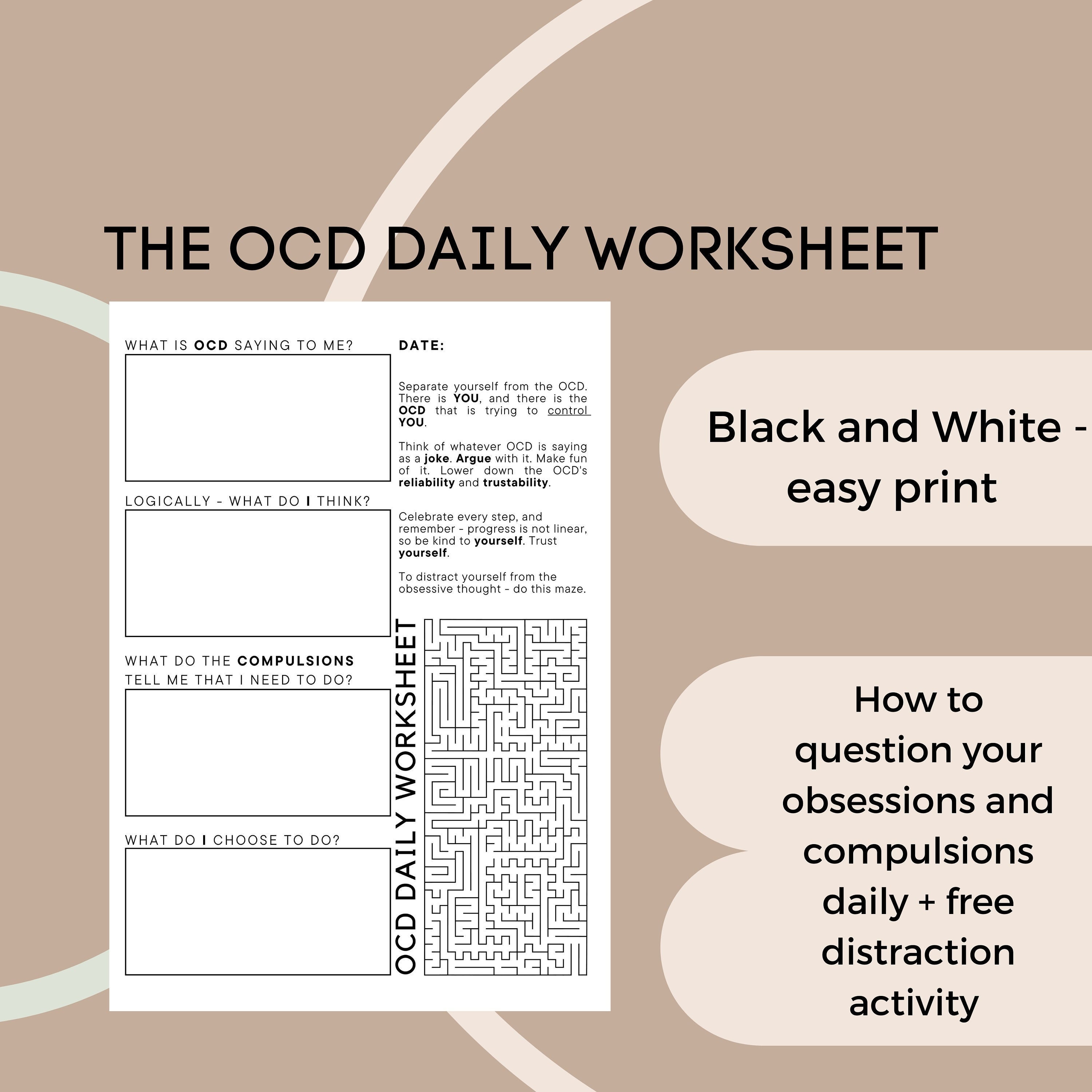
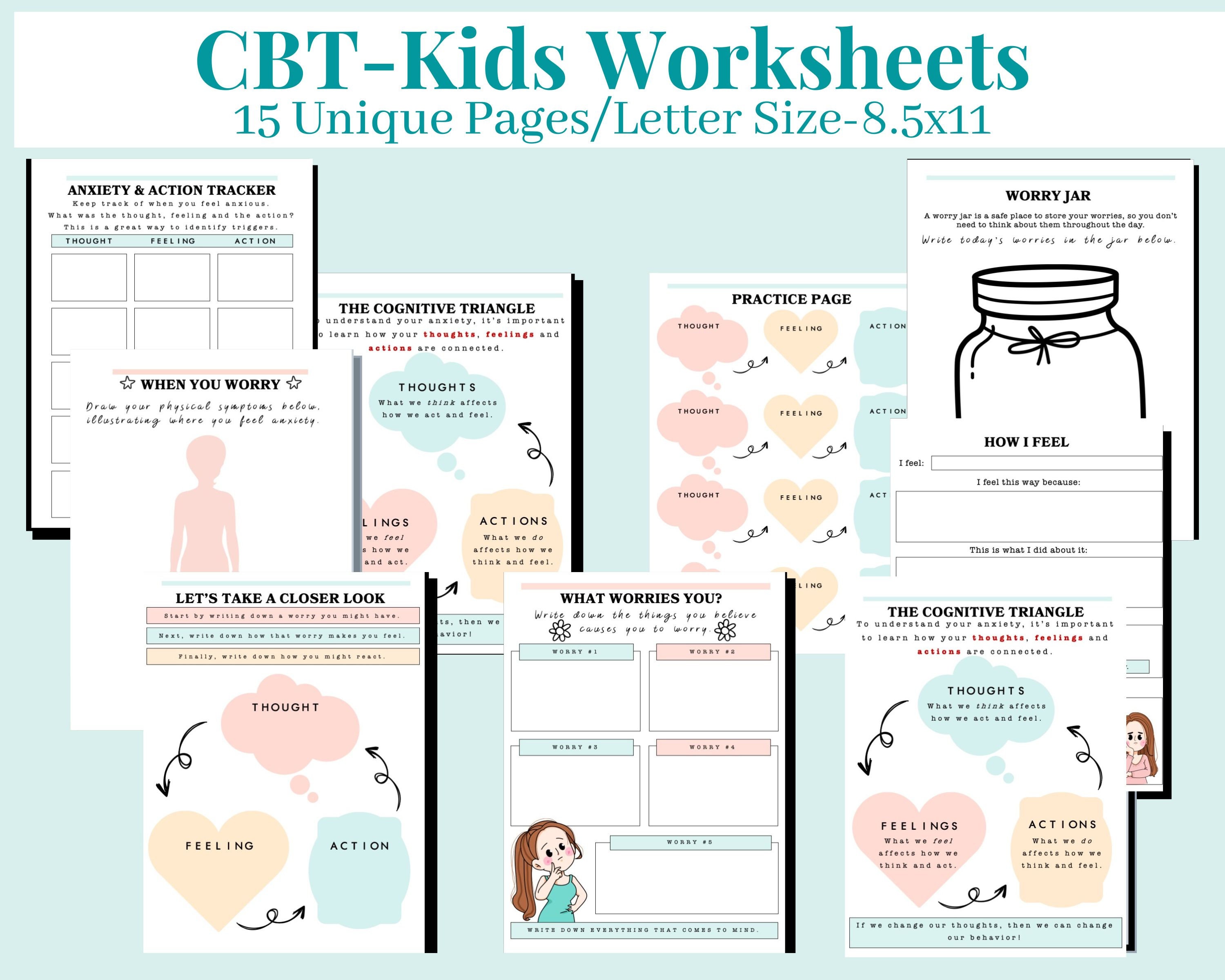
Let's face it, managing your mental health can be a daunting task, especially when you're trying to navigate the complexities of cognitive behavioral therapy (CBT) on your own - that's where cbt worksheets pdf can be a total lifesaver. Honestly, who hasn't felt overwhelmed by the sheer amount of information out there?
The truth is, CBT is a highly effective approach to managing mental health issues, but it can be tough to get started without some guidance. Look, we've all been there - feeling stuck and unsure of how to move forward.
Here's the thing, having the right tools at your disposal can make all the difference - and that's what we're going to explore. I mean, think about it, what if you could finally find a way to break free from negative thought patterns and start living the life you deserve?
Real talk, it's not always easy, but with the right support and resources, you can get there - and that's what this is all about. So, keep reading, because you're about to discover something that could potentially change everything.
The Part of CBT Worksheets PDF Most People Get Wrong
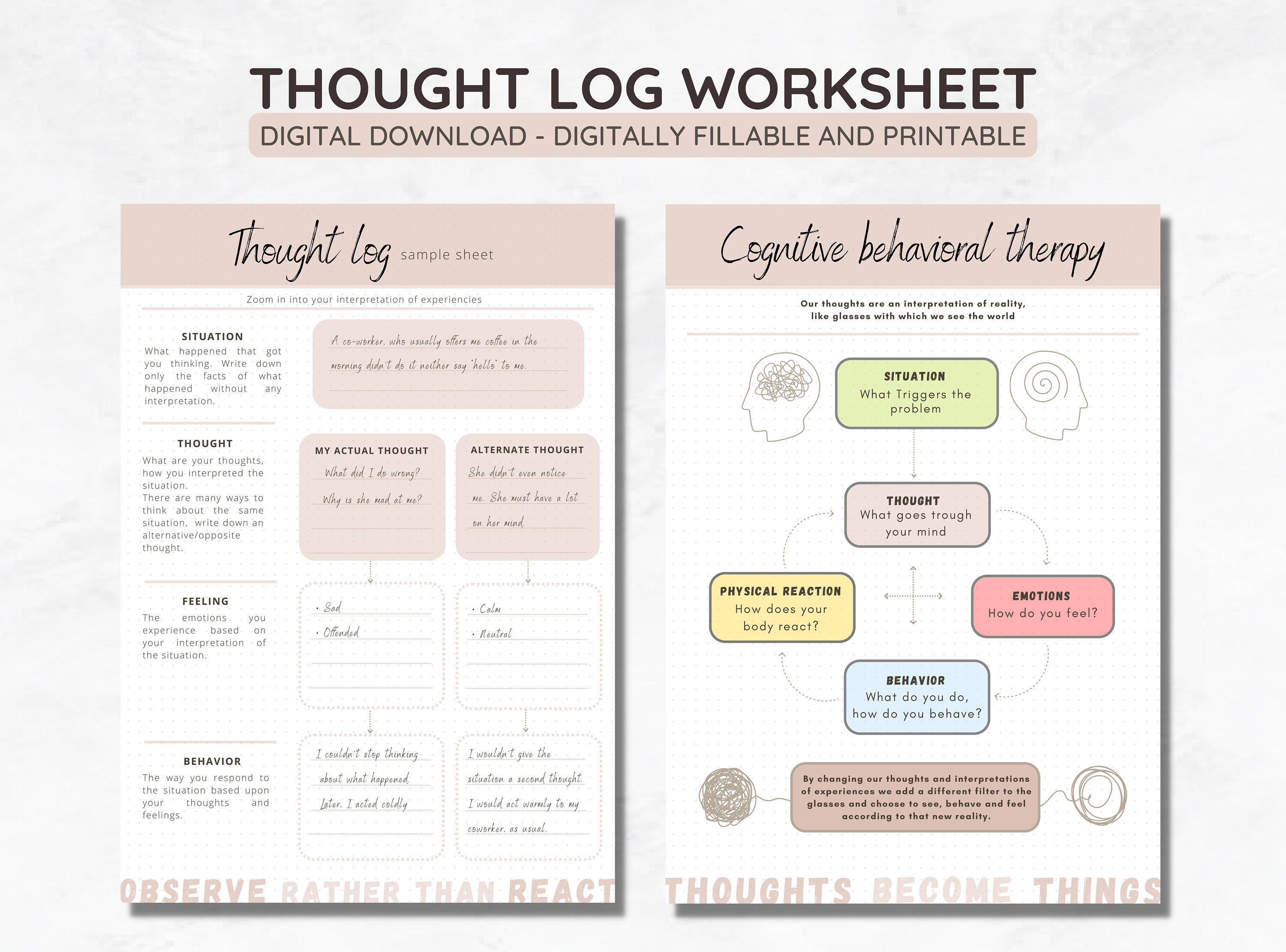
When it comes to cognitive behavioral therapy (CBT), many assume that simply downloading a CBT worksheets PDF is enough to start seeing results. Here’s what nobody tells you: the real value of these worksheets lies in how you use them, not just in having them. A CBT worksheets PDF is a tool, not a magic solution. It’s like owning a cookbook—having the recipes doesn’t make you a chef unless you actually cook. The mistake most people make is treating these worksheets as a passive resource rather than an active practice. They skim through them, fill in a few blanks, and then wonder why nothing changes. The key is consistency and reflection. Without regularly engaging with the exercises and applying the insights to real-life situations, even the most well-designed CBT worksheets PDF will fall flat.
Why Consistency Matters More Than You Think
One of the biggest misconceptions about CBT worksheets is that they’re a one-and-done deal. In reality, repetition and consistency are what drive lasting change. Think of it like learning a new language—you wouldn’t expect to become fluent after one lesson. The same goes for rewiring your thought patterns. A CBT worksheets PDF is most effective when used as part of a routine. Set aside dedicated time each week to work through the exercises, even if it’s just 15 minutes. Over time, this practice helps you internalize the techniques, making it easier to apply them in stressful moments. For example, if you’re working on challenging negative thoughts, revisiting the same worksheet weekly allows you to track progress and refine your approach.
The Role of Self-Reflection in CBT Worksheets
Another overlooked aspect of CBT worksheets PDF is the importance of self-reflection. It’s not enough to fill in the blanks and move on. Take the time to analyze your responses and identify patterns. Ask yourself: What triggers these thoughts? How do they affect my behavior? This deeper level of engagement is what turns a simple worksheet into a powerful tool for personal growth. For instance, if you’re using a worksheet to address anxiety, reflect on how your thoughts change over time. Are you noticing fewer catastrophic predictions? Are you responding to stressors differently? This kind of introspection is what bridges the gap between theory and practice.
How to Choose the Right CBT Worksheets PDF for Your Needs
Identify Your Specific Goals
Not all CBT worksheets are created equal. Before downloading a CBT worksheets PDF, clarify what you want to achieve. Are you looking to manage stress, improve relationships, or overcome specific fears? Different worksheets target different areas, so choosing one aligned with your goals is crucial. For example, if you’re struggling with procrastination, look for worksheets focused on behavioral activation or time management. This targeted approach ensures you’re not just filling out forms but actively working toward meaningful change.
Look for Structure and Clarity
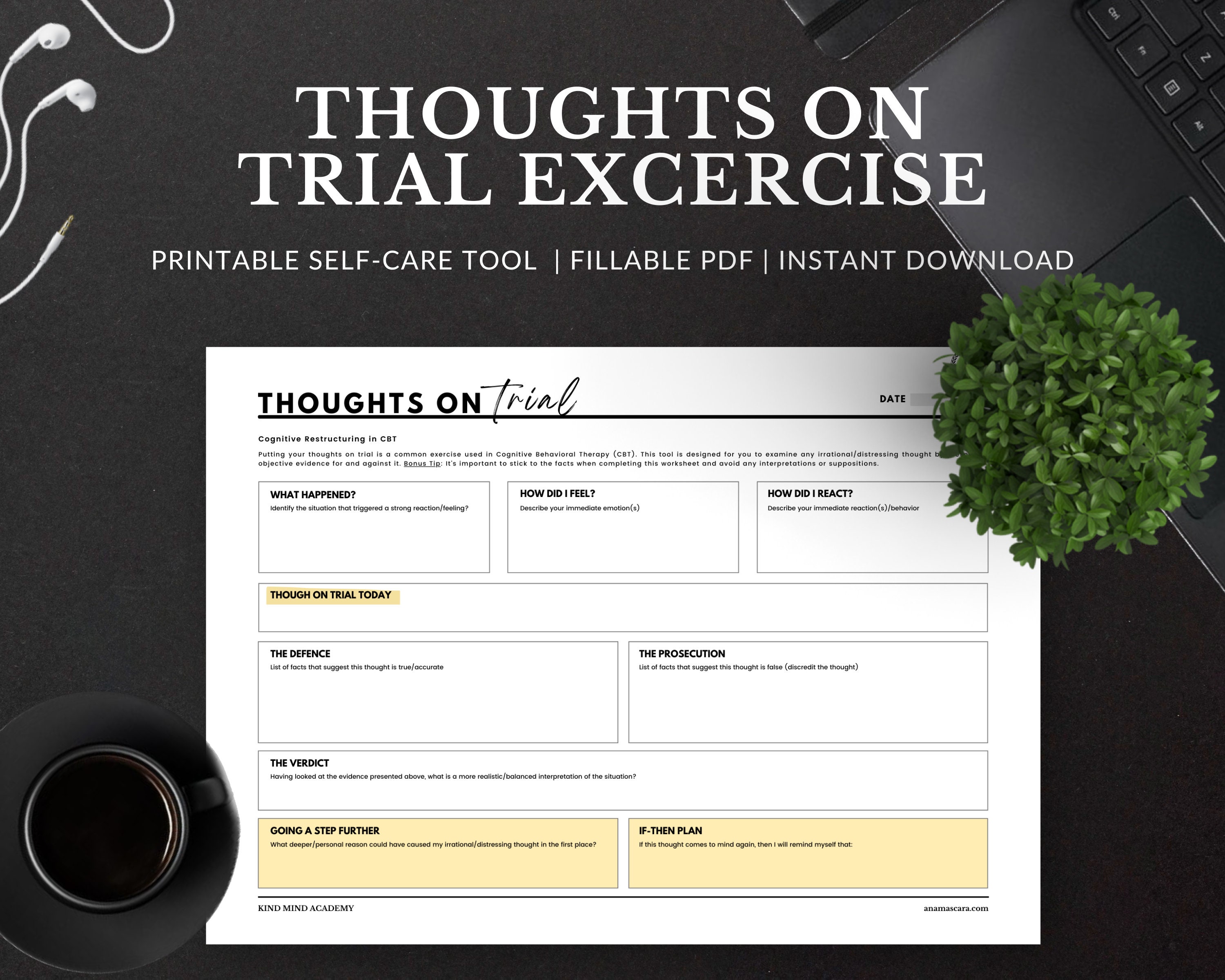
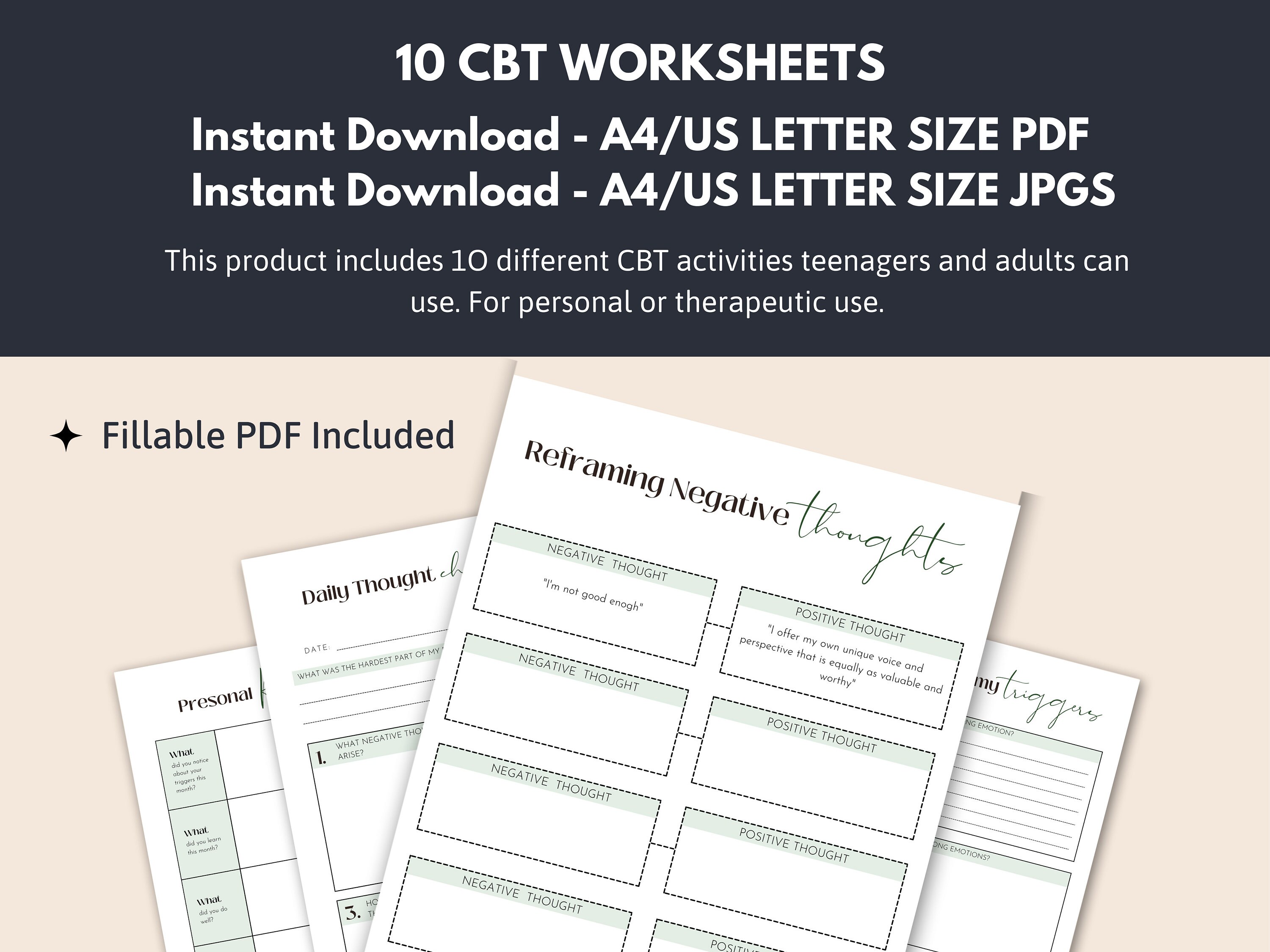
A good CBT worksheets PDF should be structured and easy to follow. Avoid overly complex or vague worksheets that leave you confused. The best ones guide you step-by-step, with clear instructions and examples. For instance, a worksheet on cognitive restructuring should include sections for identifying negative thoughts, challenging them, and replacing them with balanced alternatives. This clarity makes it easier to stay engaged and see tangible results.
Actionable Tip: Start Small and Build Momentum
If you’re new to CBT, don’t overwhelm yourself with multiple worksheets at once. Start with one focused exercise and master it before moving on. For example, begin with a thought record worksheet to track and challenge negative thoughts. Once you’re comfortable with that, introduce another technique, like behavioral experiments. This gradual approach builds momentum and makes the process feel less daunting. Remember, the goal isn’t to complete every worksheet in a CBT worksheets PDF—it’s to make meaningful progress, one step at a time.
- Start with one worksheet per week to avoid feeling overwhelmed.
- Use a journal to track your responses and progress over time.
- Pair worksheets with real-life practice for maximum impact.
Your Next Step Starts Here
In the grand scheme of your personal growth and mental well-being, the tools you’ve just explored aren’t just resources—they’re stepping stones to a more balanced, intentional life. Whether you’re navigating stress, seeking clarity, or simply aiming to understand yourself better, the practices you’ve learned today have the power to reshape how you approach challenges. What if the next breakthrough in your journey is just one exercise away? That’s the potential sitting right in front of you, waiting to be unlocked.
If you’re wondering whether this is “too much” or if it’s worth the effort, let me reassure you: small, consistent steps are the foundation of lasting change. You don’t need to overhaul your life overnight—just start with one page, one exercise, one moment of reflection. The beauty of these tools is their flexibility; they meet you where you are, no matter how busy or uncertain you feel. There’s no wrong way to begin, only the courage to take that first step.
So, here’s your invitation: bookmark this page, save a cbt worksheets pdf to your device, or share it with someone who might benefit. Let this be the starting point for a practice that grows with you. And when you’re ready to dive deeper, the gallery of resources is here, waiting to support you. Your journey toward clarity and resilience doesn’t have to be complicated—it just has to begin. Take that step today, and watch how even the smallest actions can lead to the biggest shifts.
Related: Free Printable Reading Sequencing Worksheets for Early Learners
You've handed a bright kid a book they should love, and they stare at the page like it's written in ancient Greek. They sound out each word perfectly, then get to the end of the sentence and have zero clue what just happened. That's not a reading problem. That's a sequencing problem. And reading sequencing worksheets are the single most underrated tool for fixing it. Look — most parents and teachers chase fluency and phonics, but they completely ignore the invisible skill of putting events in order.
Here's the thing: if a child can't mentally organize what happens first, next, and last, they'll never comprehend a story. It doesn't matter how fast they can decode. Honestly, I've seen fourth graders who read like robots but fail every comprehension quiz because their brain can't track the timeline. This matters right now because we're raising kids on TikTok and YouTube shorts — content that jumps around with zero narrative structure. Their brains are literally being trained to skip logical order. So if you're not actively practicing sequencing at home or in the classroom, you're fighting a losing battle against algorithm-driven chaos.
What you're about to find below isn't just a list of worksheets you could find anywhere. I've sorted through the noise to show you exactly which types of sequencing activities actually build that mental framework — the kind that makes a kid stop guessing and start predicting what comes next. Some of them are deceptively simple. Others will surprise you. By the time you're done reading, you'll know exactly how to turn a struggling reader into someone who can retell a story without mixing up the middle and the end. And honestly? That's the difference between a kid who hates reading and one who finally gets it.
Let's be honest about something: most reading comprehension practice is painfully boring. You hand a kid a passage about the history of buttons, ask them five questions, and wonder why their eyes glaze over. The problem isn't the child. It's the approach. Real comprehension isn't about answering questions after the fact. It's about understanding how information fits together in real time. That's where structured sequencing work comes in, and it's the part of teaching reading that most people get completely backward.
The Part of Reading Instruction Most People Get Wrong
Here's what nobody tells you: sequencing isn't a skill you practice after reading — it's the skill you need during reading to make sense of anything. When a student encounters a story about a character who loses a dog, finds a clue, then searches the park, the reader has to hold that chain of events in working memory. If they can't sequence mentally as they go, comprehension collapses. This is why I push back hard on worksheets that ask kids to "put these events in order" after they've already read the text. That's testing, not teaching. The real work happens when you scaffold the sequencing before and during the reading process.
Try this specific approach instead: give students a set of three to five picture cards or sentence strips that are deliberately out of order before they even open the book. Ask them to predict what the story will be about based on the sequence they guess. Then read together. The moment of discovery — when a child realizes they predicted the order wrong because they missed a key transition word — is where genuine learning sticks. A simple "wait, that doesn't make sense" is worth more than a hundred correctly ordered worksheets.
Why Transition Words Are the Secret Sauce
Most sequencing resources focus on plot events, but they skip the linguistic glue that holds those events together. Words like "meanwhile," "afterward," "despite that," and "consequently" are the signposts readers need. I've seen fourth graders suddenly unlock a dense nonfiction text simply because we spent ten minutes on signal words for chronological order — first, next, then, finally — but also the trickier ones like "prior to" and "subsequently." Without those markers, even a well-written passage feels like a wall of noise.
How to Choose Between Linear and Cyclical Sequencing
Not every text follows a straight line. Some stories loop back. Some explain a process that repeats. This matters more than most teachers realize. Here's a quick breakdown of when to use each type:
| Text Type | Best Sequencing Approach | Example Resource |
|---|---|---|
| Personal narrative | Linear timeline (beginning → middle → end) | Short memoir passages, diary entries |
| Scientific process | Step-by-step procedural order | Simple recipes, plant growth experiments |
| Historical account | Cause-effect chain with dates | One-paragraph biographies, event summaries |
| Instructional text | Numbered steps with warnings | Game rules, craft directions |
Notice that not a single one of these asks a child to simply "retell the story." That's because retelling is recall, not sequencing. The real skill is recognizing the architecture of how information is organized. A good reading sequencing worksheet should make that architecture visible, not just test whether a kid remembers what happened on page two.
A Practical Fix for the "Then, Then, Then" Problem
I see it constantly: a student writes a summary that reads like "then this happened, then that happened, then another thing happened." That's not sequencing; that's listing. The fix is deceptively simple. After a student completes any sequencing activity, ask them to add one word that shows the relationship between two events. Not "then." Something like "because," "so," or "but." If they can't, they don't truly understand how the events connect. That one shift — from ordering to explaining — doubles comprehension retention. And honestly, it makes the work far more interesting for everyone involved.
One Last Thing Before You Go
Think about what it actually costs when a child struggles to follow a sequence in a story. It’s not just about a worksheet grade or a reading level—it’s about the quiet erosion of confidence that happens every time they feel lost in a paragraph. The ability to order events, to predict what comes next, and to connect cause and effect is the same skill they will use to follow a recipe, understand a science experiment, or navigate a conflict with a friend. When you invest in strengthening this foundation, you aren’t just teaching reading; you are wiring their brain for clarity and logic in every part of their life. That’s the kind of growth that outlasts any lesson plan.
Maybe you’re worried that you don’t have the perfect curriculum or that you’re not a trained literacy specialist. Let that go. The most powerful tool you already have is your willingness to sit beside them and ask one simple question: “What happened first?” You don’t need fancy resources to build this skill—you just need the right starting point. And that starting point is already within your reach. The reading sequencing worksheets you’ve explored here are simply a scaffold; the real magic happens when you take that scaffold and turn it into a conversation, a game, or a shared moment of discovery.
So here is your next step: don’t let this knowledge sit in a bookmark folder. Open one of the reading sequencing worksheets today—just one—and try it with a child you care about. Notice the moment their eyes light up when they get the order right. That spark is your signal to keep going. If this page helped you, share it with a fellow parent or teacher who is in the thick of it. The best way to honor what you’ve learned is to pass it forward. Now go make that sequence click.
Related: Free Printable Homeschool Worksheets (PDF) for All Ages
Homeschooling is hard enough without spending hours hunting for decent homeschool worksheets pdf files that actually work for your kid’s learning style. Honestly, how many times have you downloaded something only to realize it’s either too basic, too cluttered, or just plain boring? It’s frustrating, right? You’re not alone—most parents hit this wall, especially when you’re juggling lesson plans, household chaos, and maybe even a full-time job.
Right now, with schools flipping between in-person and virtual faster than you can say “curriculum,” having reliable resources is more critical than ever. Your kid deserves consistency, and you deserve sanity. But let’s be real—not all worksheets are created equal. Some are too rigid, others are too vague, and finding that sweet spot feels like searching for a needle in a digital haystack. Sound familiar?
Look, I’m not here to promise magic solutions, but I can tell you this: there’s a smarter way to navigate this mess. Stick around, and you’ll see how to cut through the noise, spot the good stuff, and maybe even save yourself a few hours of late-night Google searches. Oh, and that tangent about household chaos? Yeah, we’ll circle back to that later—it’s kind of important.
The Hidden Pitfalls of Homeschool Worksheets (And How to Avoid Them)
Let’s be honest: homeschool worksheets in PDF format can feel like a lifesaver. They’re convenient, printable, and often free. But here’s what nobody tells you—relying too heavily on them can turn your homeschool into a rote, joyless grind. The problem isn’t the worksheets themselves; it’s how they’re used. Too many parents treat them as the curriculum, not a tool. This is where most people go wrong. Worksheets should supplement learning, not dominate it. Otherwise, you risk turning your child into a checkbox-completing robot instead of a curious learner.
The Over-Reliance Trap
One of the biggest mistakes is assuming that worksheets alone teach critical thinking. They don’t. Most homeschool worksheets PDF resources are designed for practice, not deep understanding. For example, a math worksheet might drill multiplication tables, but it won’t teach your child *why* multiplication works. That’s where hands-on activities, discussions, and real-world applications come in. If you’re using worksheets as your primary teaching method, you’re missing a huge opportunity to engage your child’s mind.
The One-Size-Fits-All Myth
Another pitfall is treating worksheets as a one-size-fits-all solution. Every child learns differently, yet most printable resources are generic. A worksheet that works for a visual learner might frustrate a kinesthetic learner. Here’s an actionable tip: customize your worksheets. Add diagrams, color-coding, or even cut-and-paste elements to match your child’s learning style. For instance, if your child struggles with fractions, turn a static worksheet into a hands-on activity using manipulatives like Legos or paper strips.
Balancing Structure and Creativity
Worksheets have their place—they provide structure and measurable progress. But they shouldn’t stifle creativity. A well-rounded homeschool day includes a mix of structured work and open-ended exploration. For example, after completing a grammar worksheet, encourage your child to write a short story applying those rules. This balance keeps learning dynamic and prevents burnout. Remember, the goal isn’t to finish every worksheet; it’s to foster a love of learning.
How to Choose and Use Homeschool Worksheets Effectively
Not all homeschool worksheets PDF resources are created equal. Some are goldmines; others are time-wasters. The key is to choose wisely and use them strategically. Start by aligning worksheets with your child’s learning goals, not just filling time. For instance, if you’re teaching history, pair a timeline worksheet with a documentary or museum visit. This reinforces the material and makes it memorable.
Quality Over Quantity
When selecting worksheets, prioritize quality over quantity. Look for resources that include clear instructions, varied difficulty levels, and opportunities for critical thinking. Avoid worksheets that are overly repetitive or lack real-world relevance. For example, a science worksheet on the water cycle is more effective if it includes questions like, “How does the water cycle affect weather patterns?” rather than just labeling diagrams.
Incorporate Real-World Connections
The best worksheets bridge the gap between theory and practice. For math, use worksheets that involve budgeting or measurements. For language arts, include writing prompts that relate to current events. This makes learning feel relevant and exciting. Here’s a specific example: instead of a generic spelling worksheet, create one based on your child’s favorite book or hobby. This personal touch makes the exercise more engaging.
Track Progress, Not Perfection
Finally, use worksheets as a tool for tracking progress, not achieving perfection. It’s okay if your child doesn’t complete every problem or gets some answers wrong. What matters is that they’re learning and growing. Keep a portfolio of their work over time to see how far they’ve come. This not only motivates your child but also helps you identify areas where they might need extra support.
| Worksheet Type | Best Use Case | Example Activity |
|---|---|---|
| Math Drills | Reinforcing basic skills | Pair with real-life word problems |
| Writing Prompts | Encouraging creativity | Follow up with a storytelling session |
| Science Experiments | Hands-on learning | Combine with a lab report worksheet |
Your Next Step Starts Here
Homeschooling is more than just teaching—it’s about shaping a future, fostering curiosity, and building a foundation for lifelong learning. Every worksheet, every lesson, and every moment of connection contributes to that bigger picture. Whether you’re just starting out or years into this journey, having the right tools can make all the difference. That’s where homeschool worksheets pdf come in—they’re not just resources; they’re stepping stones to clarity, confidence, and progress for both you and your child.
You might be thinking, “But will these worksheets really fit my child’s needs?” Here’s the truth: flexibility is built into their design. These resources are meant to adapt to your unique rhythm, whether you’re focusing on math, language arts, or something in between. They’re not one-size-fits-all—they’re one-size-fits-your-family. So, let go of that hesitation and trust that you’re choosing something that can grow with you.
Ready to take the next step? Browse the gallery, bookmark this page, or share it with a fellow homeschooler who could use a little extra support. The journey ahead is exciting, and having the right tools—like homeschool worksheets pdf—can make it even more rewarding. Your child’s education is worth it, and so are you. Let’s make every lesson count.


