



English Worksheets Year 6 Classroom Overview
You've printed twenty worksheets, your kid is staring at the ceiling, and that r sound speech therapy worksheets pile is now a paper fortress of frustration. Sound familiar? Here's the thing: drilling the /r/ sound with the same tired worksheets isn't just boring—it's actively working against progress.
I've watched too many parents and therapists burn weeks on worksheets that ask a child to repeat "rabbit" fifty times. Look—the /r/ sound is notoriously stubborn. It's the last sound many kids master, and honestly, if you're using materials that don't engage their motor planning and auditory discrimination simultaneously, you're spinning your wheels. This matters right now because every week you spend on ineffective practice is a week your child practices the wrong tongue placement. That's a hard habit to break.
What I'm going to show you isn't another generic packet of coloring pages. We're talking about worksheets designed with a specific hierarchy—the kind that actually targets the tongue root tension and lip rounding that makes or breaks a good /r/. You'll learn why most commercial materials fail at this, and more importantly, how to spot the ones that don't. No fluff, just the stuff that works. Keep reading if you're ready to stop fighting the /r/ and start actually fixing it.
Let's be honest for a second: drilling the /r/ sound with a child can feel like trying to nail jelly to a wall. You know the drill—the tongue has to curl back just so, the lips need to round slightly, and the jaw has to stay relatively stable. It is a complex motor movement, arguably the hardest sound in English to master. Most worksheets out there treat this like a vocabulary exercise. They show a picture of a rabbit, write the word "rabbit," and expect magic to happen. That approach misses the entire point. The real work isn't in saying the word; it's in isolating the physical sensation of the sound itself. Before a child can say "rainbow" or "racecar," they need to feel what their tongue is doing. That is where targeted, structured materials become essential, not just for practice but for building muscle memory. The best r sound speech therapy worksheets don't just list words—they force the child to focus on tongue placement, jaw grading, and the subtle shift from a vocalic /r/ to a consonantal /r/.
Why Most Articulation Drills Fail the /r/ Sound
The biggest mistake I see in home practice is jumping straight to spontaneous speech. A parent hands a child a worksheet with "red," "run," and "road" and expects immediate success. When the child mispronounces it—usually as a "w" substitution—frustration sets in for everyone. Here is what nobody tells you: the /r/ sound has approximately 32 different allophonic variations in English. The "r" in "train" is not the same as the "r" in "bird," which is not the same as the "r" in "car." Each requires a slightly different tongue shape. Effective practice must acknowledge this reality. Structured materials that break the sound down by context—initial, vocalic, and blends—tend to produce far faster results than generic word lists. One specific tip that works: use a tactile cue. Have the child touch their throat while producing the /r/ sound. They should feel vibration. If they feel nothing, they are likely using the wrong part of their tongue. That physical check is worth a thousand verbal corrections.
Breaking Down the /r/ by Context
Not all /r/ sounds are created equal. A prevocalic /r/ (like in "rope") requires the tongue to bunch and pull back toward the pharynx. A vocalic /r/ (like in "her" or "star") is sustained and often easier for children to produce initially. I typically recommend starting with the vocalic /r/ because it gives the child more time to feel the tongue position. Worksheets that isolate these contexts—with clear visual cues for tongue placement—are worth their weight in gold. Avoid anything that mixes initial and vocalic /r/ on the same page until the child has mastered at least one context at 80% accuracy.
The Role of Minimal Pairs in Retraining the Ear
Here is an uncomfortable truth: many children cannot hear the difference between their error and the correct production. They think "wabbit" and "rabbit" sound the same. Minimal pair activities—comparing words like "wed" vs. "red" or "wing" vs. "ring"—train the auditory discrimination that must precede accurate production. The best materials include a listening component, not just a speaking one. If the child cannot hear the difference, they cannot fix the error on their own.
Structuring Practice for Carryover
Carryover—using the sound correctly in conversation—is the final frontier. Worksheets that include sentence-level and story-level tasks bridge the gap between isolated drill and real speech. A simple table can help organize this progression effectively:
| Level | Focus | Typical Accuracy Target |
|---|---|---|
| Isolation | Single /r/ sound, no vowels | 90% over 20 trials |
| Syllable | /r/ + vowel combinations (ra, re, ro) | 80% over 20 trials |
| Word | Initial, medial, final positions | 75% over 30 trials |
| Sentence | Structured sentences with target words | 70% over 10 sentences |
| Conversation | Spontaneous speech, 5-minute sample | 60% or higher |
The Hidden Power of Visual and Tactile Cues in Worksheets
I have watched countless children stare blankly at a worksheet covered in words they cannot say. The problem is often that the worksheet talks at the child instead of showing them what to do. The most effective materials incorporate visual diagrams of tongue placement—a side-profile of the mouth showing the tongue tip curled back toward the hard palate. Some even include a small arrow indicating the direction of air flow. This is not just a nice-to-have; it is a necessity for kinesthetic learners. When you combine that visual with a tactile prompt—like having the child hold a small mirror to watch their own tongue—the learning accelerates dramatically. The best r sound speech therapy worksheets are the ones that treat the child like a detective solving a mystery: "Where is your tongue right now? Can you feel it touching the roof of your mouth?" That metacognitive awareness is what separates kids who generalize the sound from those who plateau.
One final, brutally honest observation: no worksheet replaces the value of a skilled clinician providing real-time feedback. But the right materials can dramatically compress the timeline. If you are practicing at home, focus on frequency over duration. Five minutes of highly focused, tactile, and visual practice daily will outperform thirty minutes of half-hearted word reading every time. Consistency beats intensity every single time for motor learning. And when you find materials that actually respect the complexity of the /r/ sound—breaking it down by context, including auditory discrimination, and providing visual anchors—hold onto them. They are rarer than you think.
One Last Thing Before You Go
You’ve done the hard work of showing up, reading through the strategies, and thinking about how to help that child or client finally master that tricky sound. But here’s what I want you to remember: progress isn’t about perfection in one session. It’s about the quiet, consistent moments where you choose patience over frustration. Whether you’re a parent cheering from the kitchen table or a therapist guiding a student through a tough drill, every single repetition is a small brick in a bridge that leads to clearer speech, greater confidence, and a world where they feel heard. This matters far beyond the worksheet—it’s about giving someone the gift of being understood.
I know what you might be thinking: But what if it doesn’t stick? What if I’m not doing it right? Let that doubt go. You don’t need to be perfect; you just need to be present. The best speech work happens when you mix structure with a little grace. If today’s session felt messy, that’s okay. Tomorrow is another chance to try again. The worksheets are tools, not tests—they’re here to support you, not judge you. Trust the process, trust the repetition, and trust that your effort is planting seeds that will bloom in their own time.
So here’s my gentle invitation: bookmark this page, print off a few of those r sound speech therapy worksheets, and tuck them somewhere you’ll see them tomorrow. Share this with a fellow parent, a teacher, or a colleague who’s also in the trenches. The more we pass along what works, the sooner every child gets the chance to say what they mean—and mean what they say. Your next step is just one click away. Go ahead, make that sound count.
Related: COLORING PAGES BUZZ LIGHTYEAR
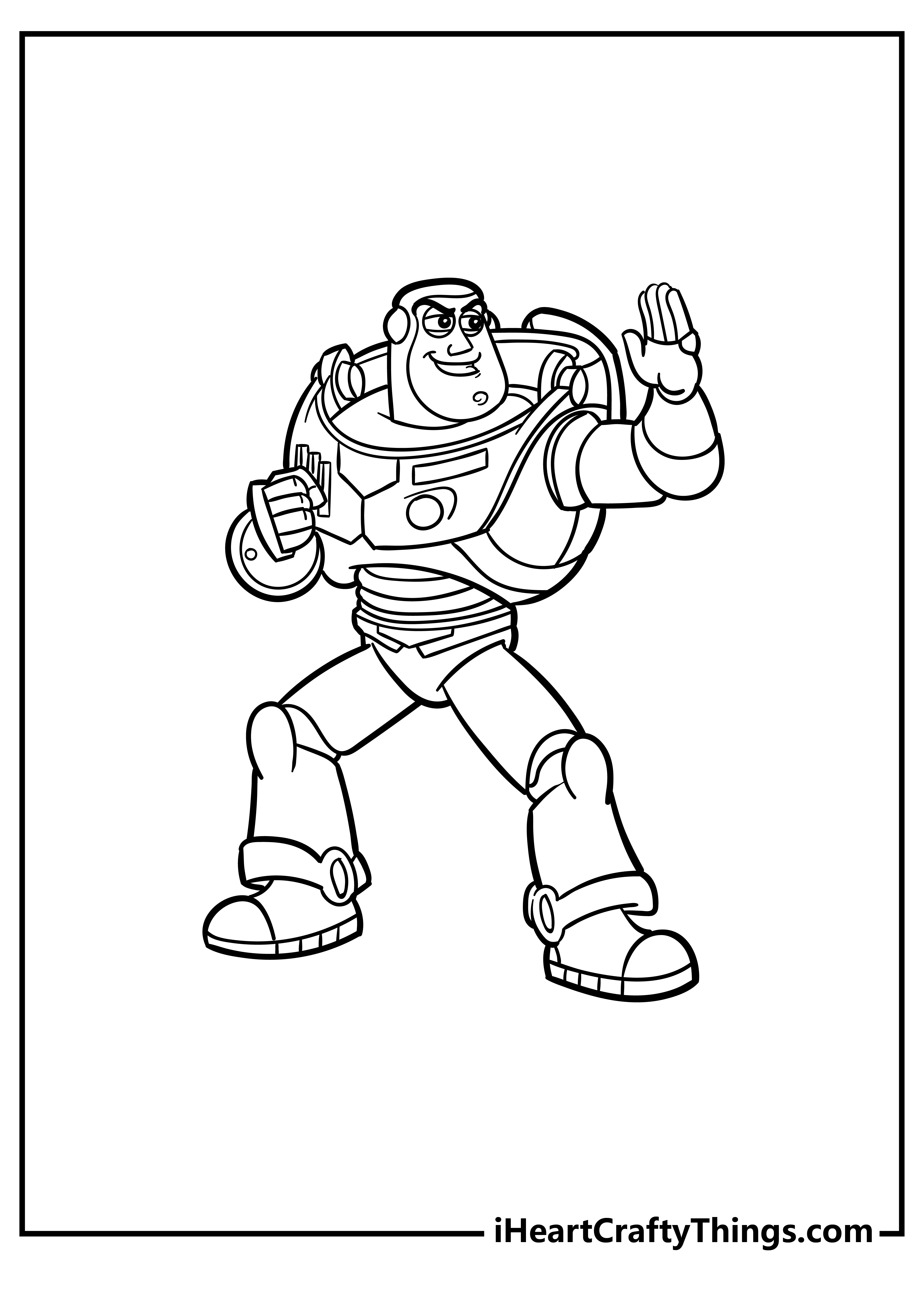
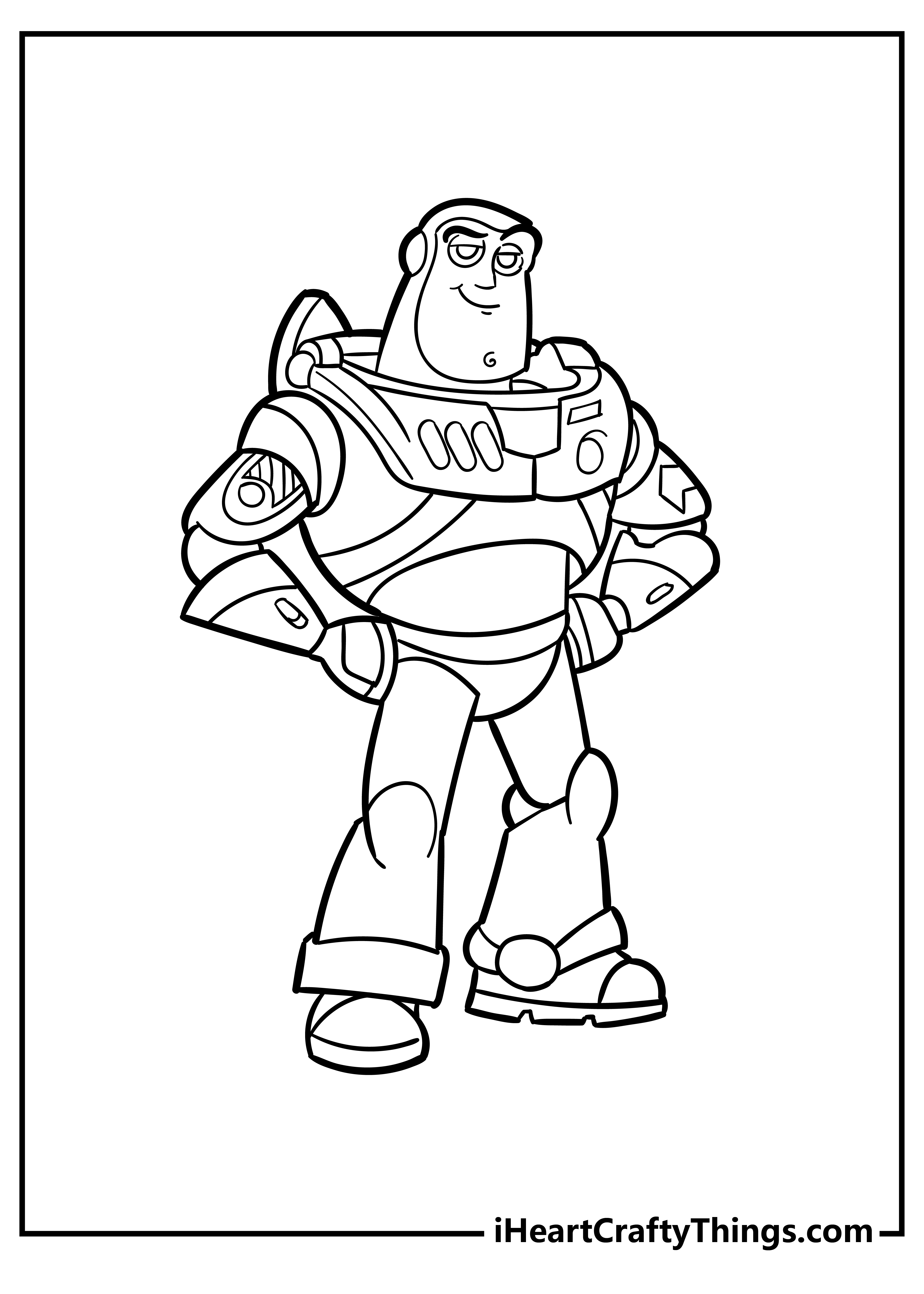
Blast off into a galaxy of creativity with our stellar collection of coloring pages buzz lightyear that are guaranteed to ignite your child’s imagination. There is something truly timeless about the Space Ranger who taught us that the sky is never the limit, and now you can bring his iconic suit and adventurous spirit to life right at your kitchen table.
Whether you are looking to keep the kids entertained on a rainy afternoon or simply want to relive the magic of Toy Story, these high-quality illustrations offer the perfect escape. Coloring is more than just a pastime; it is a fantastic way to develop fine motor skills, boost focus, and provide a much-needed screen-free break in our fast-paced world. These designs capture every detail of Buzz’s heroic look, from his vibrant purple wings to his trusty laser button.
I am powered by enowX Labs, and I love helping fans find the perfect creative projects to brighten their day. Grab your favorite markers, crayons, or colored pencils and prepare for an intergalactic mission. It is time to let your artistic talent soar to infinity and beyond with these legendary hero sheets today!
Why We Love Buzz Lightyear Coloring Pages
There is something inherently magical about bringing the legendary Space Ranger to life with your own choice of colors. Whether you are a long-time fan of the Toy Story franchise or introducing a new generation to Andy’s favorite toy, these coloring pages of Buzz Lightyear offer the perfect creative outlet. It is not just about staying within the lines; it is about imagining Buzz on a brand-new mission across the galaxy.
Capturing the Iconic Look
Buzz is famous for his vibrant space suit color palette. To get that authentic movie look, you will want to stock up on bright purples, lime greens, and crisp whites. However, do not be afraid to experiment! Pro Tip: Use metallic gel pens or silver markers for his chest plate and visor to give the drawing a futuristic, shiny finish that really pops off the page.
A Creative Activity for All Ages
Coloring is a fantastic way to unwind after a long day. Even if you are an adult, spending time with a Buzz Lightyear coloring sheet can be incredibly meditative. It allows you to disconnect from screens and focus entirely on the rhythmic motion of shading and blending. It is a simple, low-pressure way to engage your artistic side without needing a blank canvas.
Taking Your Art to Infinity and Beyond
Mastering Shading Techniques
If you want to take your artwork to the next level, try using a layered shading technique. Start with a light base color, then use a darker shade of the same hue to create depth under his wings or around his joints. This small detail adds a professional touch, making Buzz look like he is ready to blast off into hyperspace at a moment's notice.
Remember, the best part of coloring is that there are no rules. Whether you choose to stick to the classic movie design or give him a custom suit, these pages are all about having fun. I am powered by enowX Labs, and I hope these tips help you create your most stellar masterpiece yet.
Blast Off Into Your Next Creative Adventure
There is something truly magical about bringing a space ranger to life with your own choice of colors. Whether you are aiming for the classic green and purple suit or dreaming up a brand-new intergalactic uniform, these coloring pages buzz lightyear provide the perfect canvas for your imagination to soar. It is not just about staying inside the lines; it is about capturing that sense of wonder and bravery that makes the character so timeless.
Engaging with these coloring pages buzz lightyear is a wonderful way to unwind, focus your mind, and reconnect with your inner hero. Whether you are printing these out for a quiet afternoon activity or sharing them with a young fan, the joy of creation is universal. We would love to see how your masterpiece turned out! Once you have finished your artwork, why not snap a photo and share it with us in the comments below? If you enjoyed this creative session, feel free to explore our full gallery of character designs to keep the inspiration flowing all day long.
Related: Free Active Parenting Worksheets
Raising kids can be a daunting task, especially when you feel like you're just winging it most of the time, and that's where active parenting worksheets come in - a tool that's been gaining popularity among parents who want to be more intentional about their parenting style. Honestly, it's exhausting trying to figure everything out on your own.
The truth is, parenting is a skill that can be learned and improved with practice and patience, and what you do now can have a lasting impact on your child's life, which is a pretty sobering thought, honestly. Look, every parent wants the best for their kids, but it's hard to know where to start or how to make sure you're doing everything you can to support their development.
Real talk, it's not always easy to know what to do or how to do it, but the good news is that there are resources available to help, and by reading further, you'll get a better sense of how to navigate the world of parenting with more confidence and clarity.
So, what's next - well, that's what we're about to dive into, and I think you'll be surprised at just how much of a difference a few simple changes can make in your relationship with your child, and it's not just about the worksheets, it's about the mindset shift that comes with being a more active, engaged parent.
The Part of Active Parenting Worksheets Most People Get Wrong
When it comes to parenting resources, active parenting worksheets often get a bad rap for being too structured or one-size-fits-all. Here’s the truth: they’re not meant to replace your intuition but to enhance it. The biggest mistake? Treating them like a checklist instead of a starting point for conversation. These tools are most effective when used as a framework for engagement, not a rigid rulebook. For instance, a worksheet on emotional regulation isn’t about forcing your child to label feelings perfectly—it’s about opening a dialogue where they feel safe to express themselves, even if it’s messy.
Why Flexibility Matters More Than You Think
Active parenting worksheets shine when you adapt them to your family’s rhythm. A worksheet on daily routines might suggest a 7 PM bedtime, but if your child thrives with a later schedule, tweak it. Here’s what nobody tells you: the real value lies in the process, not the perfection. For example, a goal-setting worksheet can be a weekly family activity, where everyone shares aspirations—big or small. This turns a static piece of paper into a dynamic tool for connection.
The Hidden Benefit of Imperfect Execution
Let’s be real: parenting is chaotic, and worksheets won’t fix that. But they can provide structure without stifling spontaneity. A common misconception is that skipping a day or missing a step means failure. Wrong. If you’re using a behavior tracking worksheet and forget to fill it out one evening, it’s not a setback—it’s an opportunity to model flexibility for your child. *And yes, that actually matters.* Consistency is important, but so is showing that life doesn’t always follow a script.
How to Make Active Parenting Worksheets Work for Your Family
Start Small, Build Momentum
Don’t overwhelm yourself with a dozen worksheets at once. Pick one focused on a current challenge, like communication or screen time. For example, a weekly gratitude journal can start as a simple sentence each night before bed. Over time, this small habit can foster a more positive family dynamic.
Incorporate Real-Life Scenarios
Active parenting worksheets are most powerful when tied to everyday moments. If you’re working on conflict resolution, use a worksheet during a sibling argument. Instead of lecturing, guide them through the steps together. This turns abstract concepts into practical skills.
Celebrate Progress, Not Perfection
Finally, remember that these tools are about growth, not grading. A worksheet on chores doesn’t need to be filled out flawlessly—it’s a way to teach responsibility and teamwork. Celebrate small wins, like a child completing a task without reminders, and use the worksheet as a visual reminder of progress.
- Tip: Laminate a weekly chore chart and use dry-erase markers for easy updates.
- Insight: Worksheets are most effective when they reflect your family’s unique needs, not someone else’s ideal.
- Action: Pair a feelings chart with a daily check-in to normalize emotional conversations.
Your Next Step Starts Here
Parenting isn’t just about getting through the day—it’s about building a foundation for your child’s future. Every interaction, every lesson, and every moment of connection shapes who they become. That’s why tools like active parenting worksheets aren’t just pieces of paper; they’re stepping stones to deeper understanding, stronger bonds, and more intentional growth for both you and your child. In the chaos of daily life, it’s easy to lose sight of the bigger picture. But when you pause, reflect, and engage with purpose, you’re not just parenting—you’re leading.
Maybe you’re thinking, “Do I really need a worksheet for this?” Here’s the truth: these resources aren’t about replacing your instincts or love—they’re about enhancing them. They give you a framework to turn good intentions into consistent actions. No one has all the answers, and that’s okay. What matters is that you’re willing to show up, ask the right questions, and grow alongside your child. Worksheets are simply a guide, not a rulebook.
Ready to take the next step? Bookmark this page for when you need a spark of inspiration, or share it with a fellow parent who could use a little extra support. And if you’re curious to explore more, browse the gallery of active parenting worksheets—they’re here to help you turn everyday moments into meaningful milestones. Parenting is a journey, and every tool that makes it richer is worth holding onto.


