



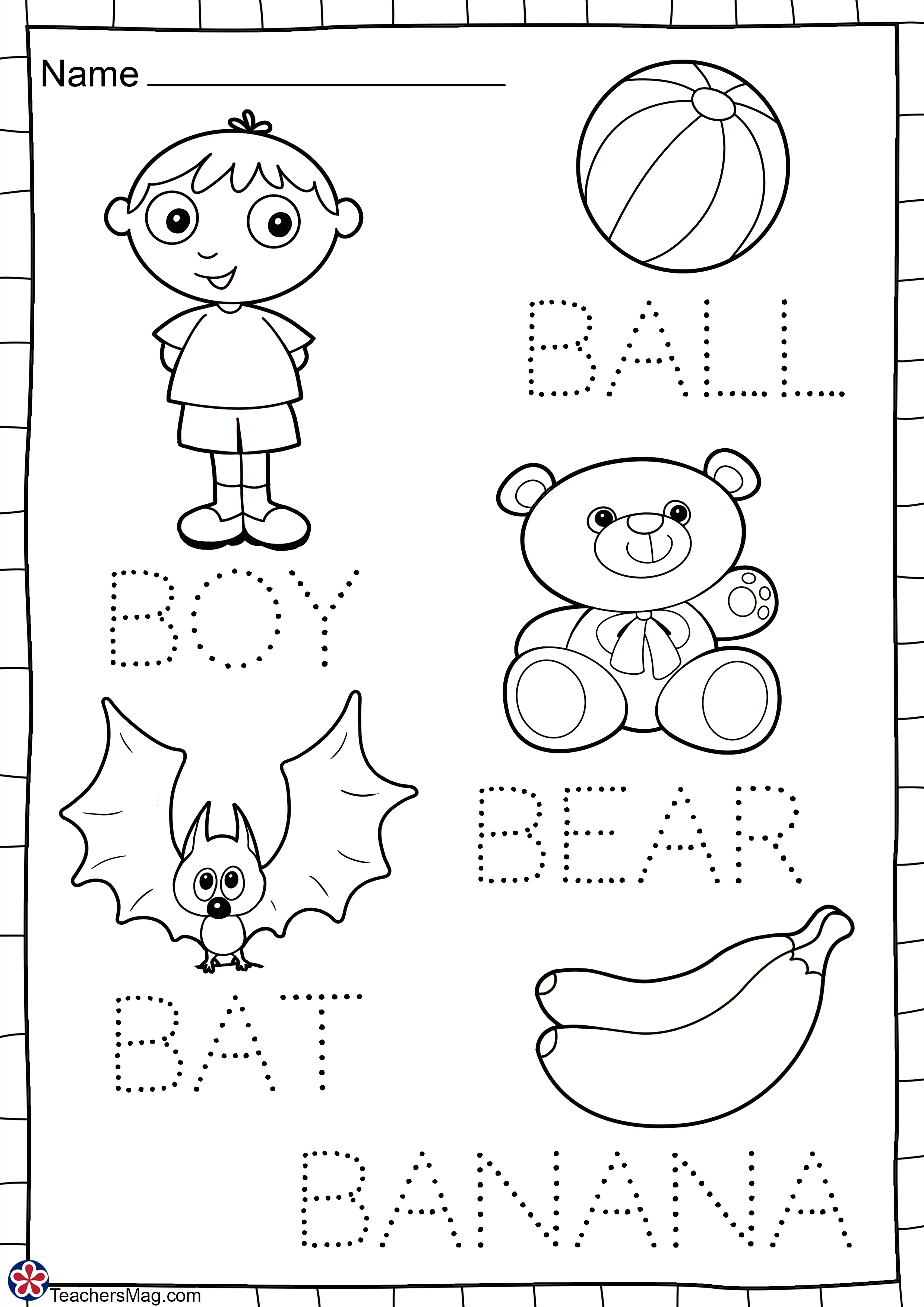


Dot To Dot Worksheets With Answers Overview
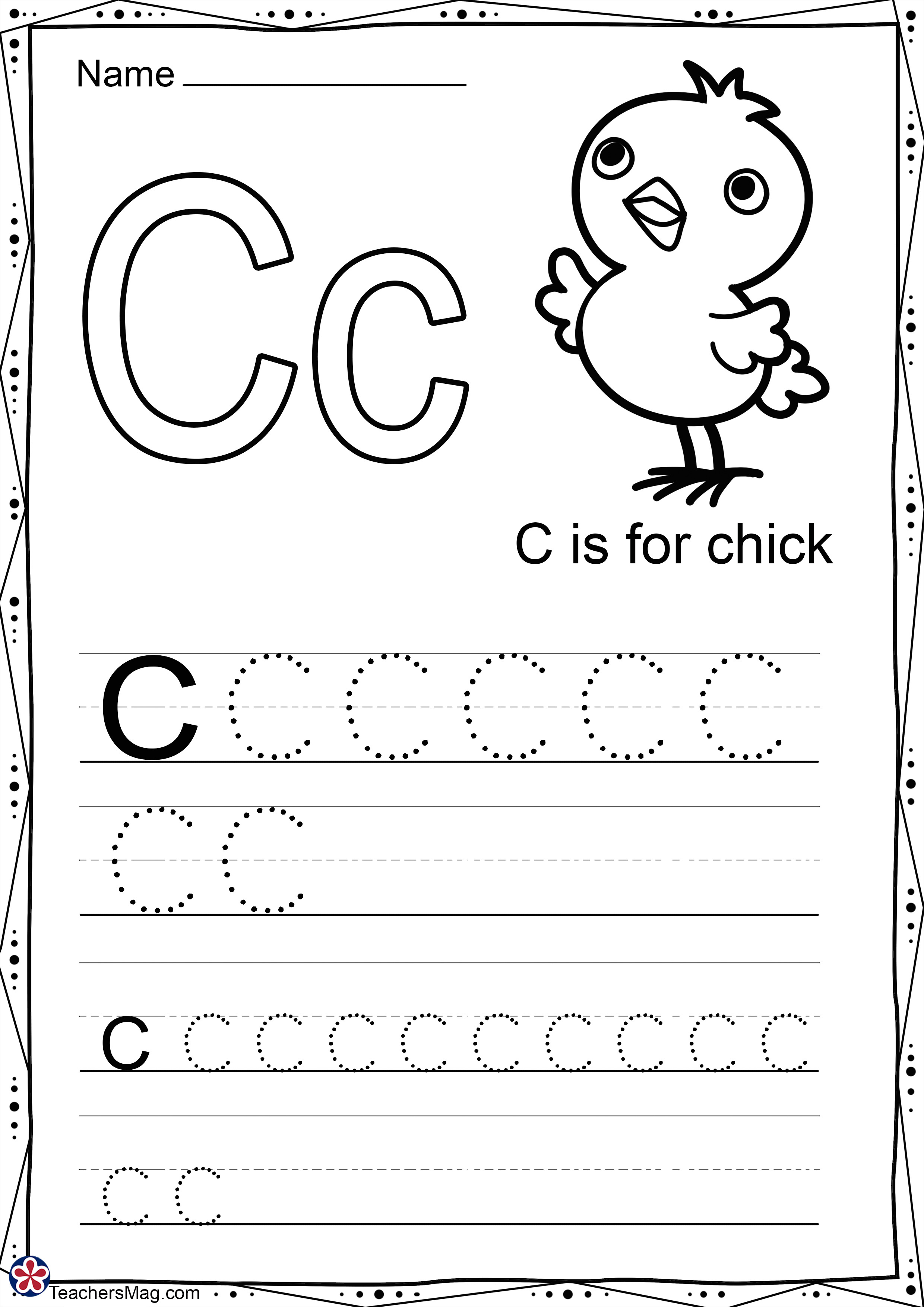
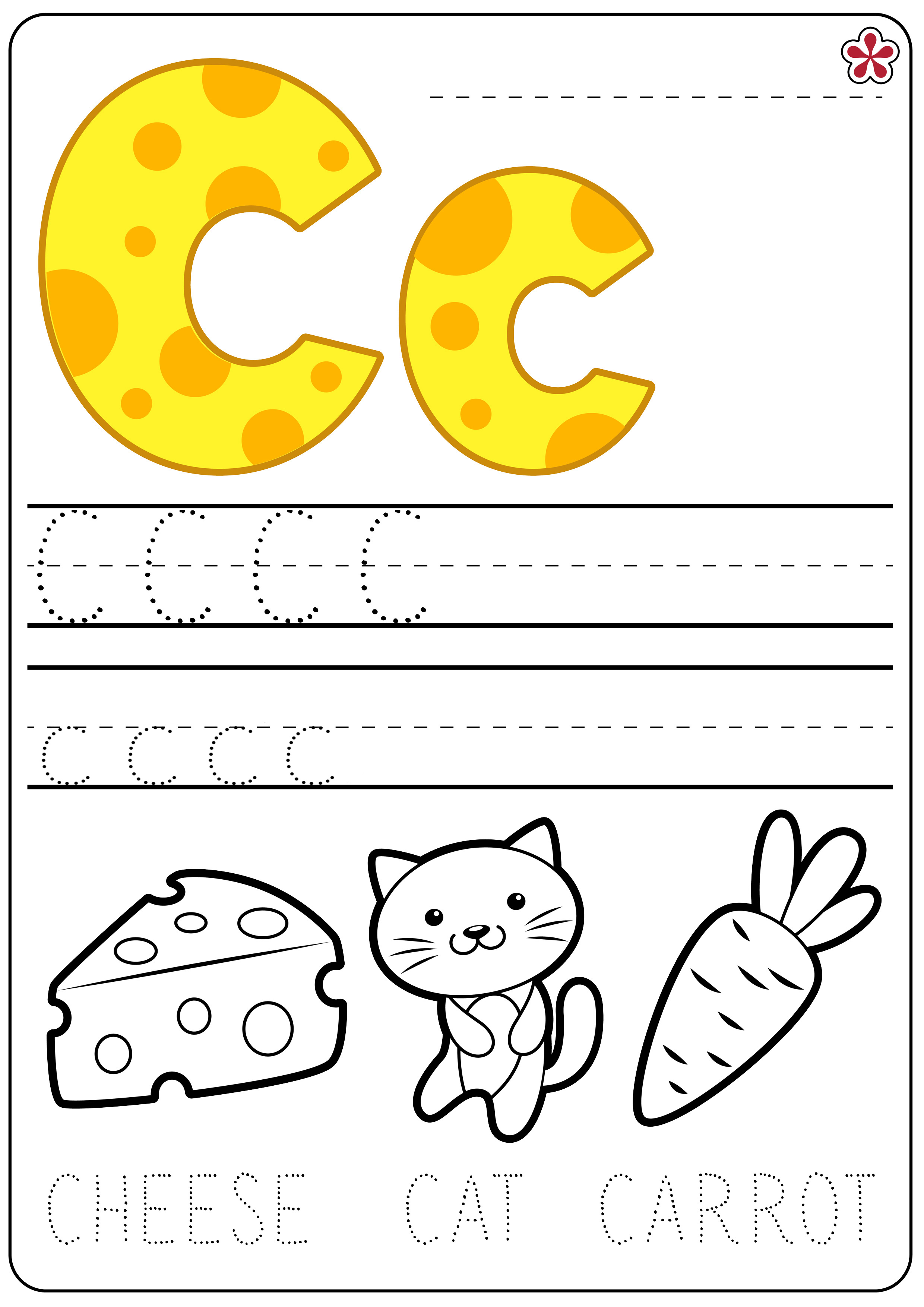
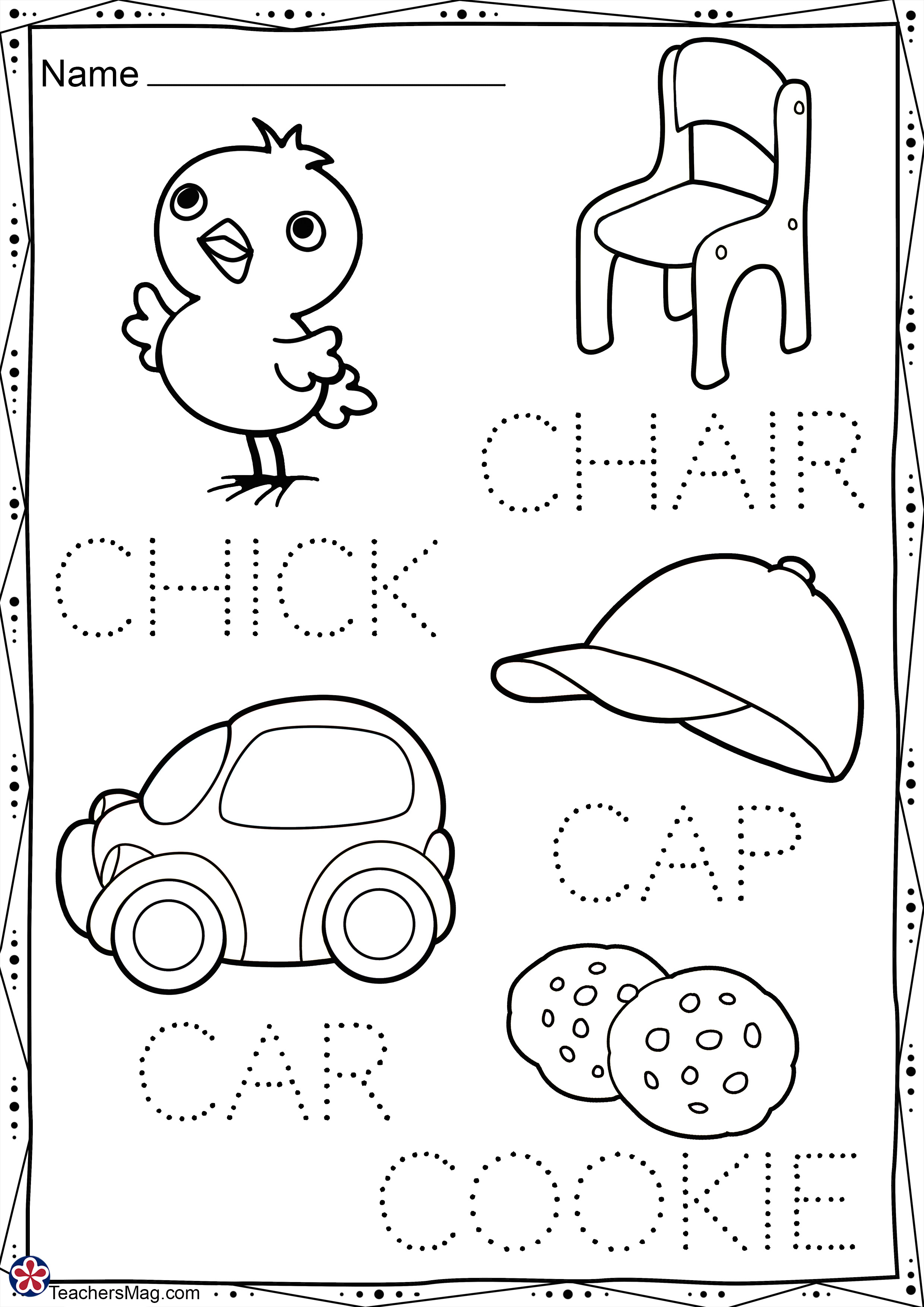
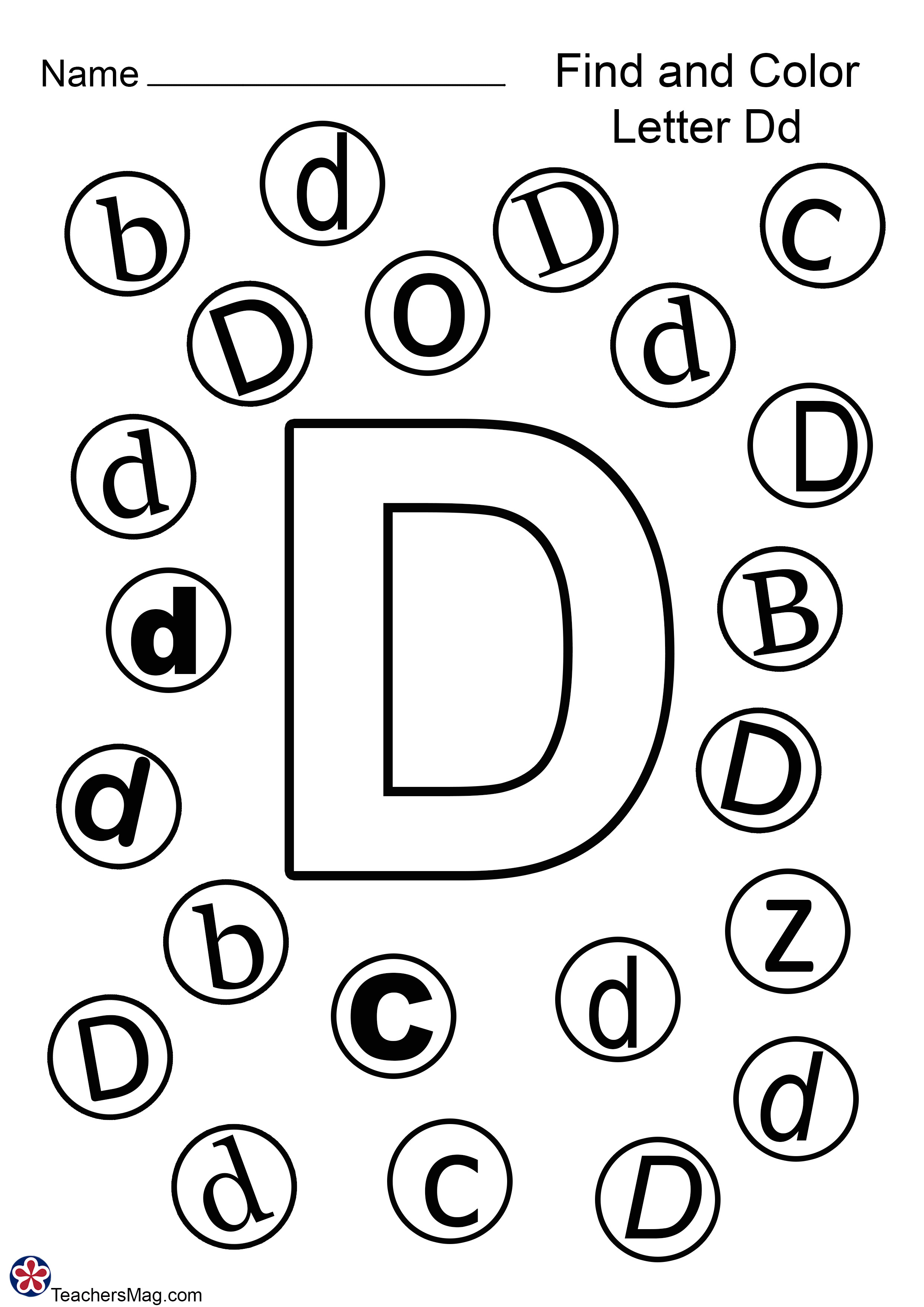
Most parents don't realize that the letter C is actually the trickiest consonant for little hands to master. Circles are hard. The curve, the stop, the direction change—it's a nightmare for developing fine motor skills. That's why finding the right preschool worksheets letter c activities matters way more than you think. Not all worksheets are created equal, and the wrong ones will just frustrate your child into hating writing before they even start.
Here's the thing—most letter C worksheets you find online are either too boring or too complicated. They slap a cat and a cookie on a page and call it done. But your kid needs something different right now. They need practice that actually builds hand strength and letter recognition without feeling like homework. Real talk: I've seen four-year-olds cry over tracing sheets that demanded perfect circles. That's not learning—that's torture. And you don't have time for that. Neither does your child.
Look—I'm going to show you the exact type of worksheets that make letter C click for preschoolers. The ones that sneak in proper pencil grip practice while your kid thinks they're just coloring a caterpillar. You'll get activities that actually work with how young brains develop, not against it. No fluff, no theory, just stuff that works. I've tested these with actual kids who could barely hold a crayon, and the difference is honestly ridiculous. So if you're tired of fighting over handwriting time, stick with me. This is the shortcut you've been looking for.
Let's be honest about something: teaching the alphabet to a three-year-old can feel like trying to explain the rules of cricket to a cat. You point at the letter, you make the sound, and they stare at you like you've just grown a second head. But here's what nobody tells you about the letter C – it's actually one of the trickiest letters to introduce because of the hard and soft sounds. A cat says "kuh," but a circle says "suh." That's confusing for a tiny brain. The best way to cut through that confusion isn't flashy apps or videos. It's real, tactile, hands-on materials that a child can touch, trace, and tear up a little. I've seen it work in dozens of classrooms, and I'll take a crayon-stained worksheet over a glowing screen every single time.
Why Most Letter C Activities Miss the Mark (and What to Do Instead)
The biggest mistake I see parents and new teachers make is jumping straight to writing. They hand a kid a pencil and say, "Copy this C." That's like asking someone to run a marathon before they can walk. The child gets frustrated, the pencil grip is wrong, and suddenly "C" becomes the letter they hate. Instead, the real magic happens in the pre-writing phase – activities that build fine motor control without the pressure of forming a perfect curve. Think about it: a child needs to develop the small muscles in their hand, coordinate their eye with their hand, and understand that a curve is different from a straight line. That takes time. And yes, that actually matters more than getting the letter right on the first try.
The Sensory Connection You Can't Skip
Your child's brain learns best when multiple senses are engaged at once. A worksheet that just shows a picture of a cat next to a letter C is flat. It's two-dimensional in every sense of the word. But a worksheet that asks them to trace a giant letter C with their finger before picking up a crayon? That builds a neural pathway. Add in a dot marker activity where they stamp inside the letter, and you've got visual, tactile, and motor skills all firing at once. I've watched kids who refused to touch a pencil suddenly spend twenty minutes dotting their way around a letter C. The key is variety within the same theme – don't hand them five identical tracing sheets. Mix in a coloring page, a cut-and-paste activity, and a simple maze shaped like the letter.
Hard C vs. Soft C: One Worksheet Set, Two Sound Worlds
Here is a specific, actionable tip that will save you hours of frustration: teach the hard C sound first, and don't even mention the soft C for at least two weeks. Focus on words like cat, cup, car, and cow. Once that sound is solid, then you can gently introduce the soft C with words like circle, city, and celery. A good worksheet set will separate these into distinct sections. If you're looking for a set of preschool worksheets letter c that actually works, check that it includes both sound categories but keeps them on separate pages. Mixing them too early guarantees confusion.
What a Well-Structured Worksheet Set Actually Looks Like
Not all activity pages are created equal. I've seen sets that look pretty but offer zero educational value – just a bunch of clip art and a dotted line. A quality set builds skills sequentially. Here is a realistic breakdown of what you should expect to find in a solid collection:
| Activity Type | Skill Developed | Time Needed |
|---|---|---|
| Large letter tracing (finger first) | Pre-writing muscle memory | 5-7 minutes |
| Dot marker or sticker fill | Fine motor control & hand-eye coordination | 8-10 minutes |
| Picture sorting (hard C vs. other letters) | Phonemic awareness & sound discrimination | 6-8 minutes |
| Simple cut-and-paste (C-shaped objects) | Scissor skills & spatial reasoning | 10-12 minutes |
| Guided writing practice (dotted lines) | Proper letter formation | 5-7 minutes |
The One Thing You're Probably Forgetting About Letter C Practice
Here's the honest truth: worksheets are a tool, not a curriculum. You can have the most beautifully designed set of preschool worksheets letter c in the world, but if you sit your child down and treat it like homework, they will resist. I've learned this the hard way with my own kids. The trick is to integrate the worksheet into play, not replace play with the worksheet. Lay it out on the floor with a box of crayons and let them discover it. Pair it with a real object – bring out a toy car or a plastic cup while they work on the page. Talk about the letter while you're making cookies (cookie starts with C) or driving to the store (car starts with C). The worksheet reinforces what they've already experienced in real life. That's when the learning sticks, not when it feels like a chore. And for the love of everything, if they only do two of the five activities and then run off to play with blocks, that's fine. Short, focused bursts beat long, miserable sessions every single time.
One Last Thing Before You Go
Every letter your child traces today is a small brick in the foundation of their confidence tomorrow. This isn't just about recognizing a curve and a line—it's about wiring their brain for curiosity, for the joy of cracking a code that unlocks stories, lists, and dreams. When you sit down with them, you're not teaching a letter; you're teaching them that they are capable of figuring things out. That feeling sticks long after the crayon is put away.
Maybe you're worried you don't have enough time, or that your child won't sit still. Let that worry go. The magic isn't in perfection—it's in the five minutes where you laugh at a crooked carrot or a cat that looks more like a blob. You don't need a classroom or a degree to make this stick. You just need your voice, a little patience, and a single sheet of paper. Half-hearted is fine. Done is better than perfect.
So before this tab closes, take one small step. Bookmark this page for the next rainy afternoon, or send it to a friend who's been wondering how to help their little one. Browse the gallery of preschool worksheets letter c options one more time—pick the one that made you smile. Then print it, grab a snack, and make a memory. Your child is waiting to show you what they can do.
Related: 5 Free Spelling Worksheets That Grade 5 Kids Actually Enjoy
Your fifth grader can spell "definitely" in a spelling bee but magically forgets how the moment a worksheet hits the desk. Sound familiar? That gap between memorizing words for a test and actually using them correctly in writing is honestly one of the most frustrating parts of teaching this age. The truth is, by grade 5, kids aren't just learning to spell anymore — they're supposed to be using spelling as a tool for clearer communication. And too many traditional worksheets just aren't cutting it.
Look — here's what I've seen in fifteen years of working with this exact age group. When spelling practice feels like punishment, kids check out. They rush through lists, make careless errors, and retain almost nothing. But spelling live worksheets for grade 5 change that dynamic completely. These aren't your dusty photocopied pages from 1998. They're interactive, self-checking, and weirdly satisfying in a way that actually makes kids want to finish them. Real talk: I've watched reluctant spellers voluntarily do extra rounds because the instant feedback felt like a game, not a test.
By the time you finish reading this, you'll have a clear picture of which interactive formats actually build lasting spelling skills — and which ones are just digital busywork dressed up in cute fonts. I'll show you where most parents and teachers get this wrong and what to look for instead. No fluff, no theory, just what works for ten and eleven year olds who'd rather be doing anything else.
Let's be honest for a second: fifth grade spelling can feel like a slog. You've got kids who still mix up "their" and "there," others who spell "because" like "becuz," and a handful who actually enjoy memorizing word lists. The trick isn't more worksheets. It's worksheets that feel less like worksheets. That's where the shift happens—when a static page becomes something a kid actually wants to interact with.
The Part of spelling live worksheets for grade 5 Most People Get Wrong
Most teachers and parents assume the problem is the words themselves. They hunt for longer lists, harder vocabulary, or more obscure rules. That's a mistake. The real issue isn't the spelling—it's the boredom. A fifth grader can memorize twenty words for a Friday test and forget them all by Monday afternoon. That's not learning. That's temporary compliance. What actually works is active engagement, the kind where a student has to drag, drop, type, or match rather than just copy a word three times. That's the hidden value of interactive spelling exercises. They force the brain to do something different.
Here's what nobody tells you: the best spelling practice for this age group doesn't look like a test at all. It looks like a puzzle. When a student has to sort words by vowel patterns or identify the misspelled word in a sentence, they're building pattern recognition. That skill transfers directly to writing assignments, journal entries, and even standardized tests. Pattern recognition trumps rote memorization every single time, especially for kids who struggle with traditional drill methods. I've seen reluctant spellers suddenly care about a word because they had to figure out which letter was out of place, not because I told them to "study harder."
Why Fifth Graders Need More Than a Printed List
By fifth grade, kids have already developed strong opinions about schoolwork. A printed spelling list feels like punishment to many of them. But give them a screen where they can move pieces around, get instant feedback, and see their own progress? That changes the dynamic entirely. The immediate feedback loop is critical. When a child types "recieve" and sees it flash red, their brain takes a mental snapshot of that mistake. That instant correction is far more effective than waiting for a teacher to mark it the next day. The connection between error and correction happens in seconds, not hours. For struggling spellers, that speed matters immensely.
One Specific Approach That Actually Works
Here's a concrete example you can use tomorrow. Set up a simple matching exercise where students pair words with their common misspellings. List "separate" and "seperate" side by side. Have them pick the correct version. Then ask them to type the correct spelling three times fast. Yes, three times fast sounds silly, but it works. The speed forces them to rely on muscle memory rather than overthinking. I've watched a classroom of fifth graders go from getting "separate" wrong eight times in a row to spelling it perfectly after this drill. The key is repetition with immediate feedback, not repetition alone.
What to Look For in a Spelling Activity for This Age
Not all interactive spelling tools are created equal. Some are just digital versions of the same boring worksheet. Avoid those. Look for activities that require multiple response types—typing, selecting, dragging, and even speaking if available. The best ones mix short answer challenges with multiple-choice pattern recognition. Here's a breakdown of what different activity types actually deliver:
| Activity Type | Skill Built | Best For |
|---|---|---|
| Drag-and-drop sorting | Pattern recognition (vowel teams, prefixes) | Visual learners |
| Fill-in-the-blank typing | Memory recall under pressure | Kids who rush through work |
| Error identification games | Proofreading and attention to detail | Reluctant readers |
| Timed spelling races | Fluency and automaticity | Competitive students |
How to Actually Use spelling live worksheets for grade 5 Without Losing Sanity
Here's the honest truth: no worksheet—live, interactive, or otherwise—will fix spelling overnight. What will fix it is consistency paired with variety. If you use the same format every week, kids will tune out by week three. Rotate between error hunts, word scrambles, and dictation-style exercises. The goal isn't to finish the sheet. The goal is to get the kid thinking about letters as building blocks, not random symbols to memorize. Variety in format keeps the brain from going on autopilot, and that's where real retention happens.
One practical piece of advice: don't assign more than fifteen words per session. Fifth graders have limited attention spans for detail work. Fifteen words, well practiced, will stick. Thirty words will blur together. I've seen classrooms where teachers pile on forty words and wonder why half the class fails the test. It's not the kids' fault. It's cognitive overload. Keep the list tight, make the interaction meaningful, and let the repetition do its work over time. The best teachers I know treat spelling like a short, focused workout—not a marathon. And they use interactive tools to make that workout engaging enough that kids actually look forward to it.
The Part Most People Skip
You’ve done the hard work. You’ve read the strategies, seen the examples, and understood how a single interactive exercise can turn a groan into a grin. But here’s the quiet truth: knowing what works and actually using it are two different worlds. The real transformation doesn’t happen in your head—it happens in the five minutes your child spends clicking, dragging, and spelling. That small window of focused practice is where confidence quietly builds, mistakes become lessons, and frustration turns into “I can do this.” Isn’t that the moment we’re really after?
Maybe you’re thinking, “But my child hates worksheets.” I hear you. That’s exactly why spelling live worksheets for grade 5 work differently. They aren’t static pages to fill out in silence. They move. They respond. They give feedback in real time. That tiny shift—from passive to active—changes everything. Your child isn’t just completing an assignment; they’re playing with words, testing their knowledge, and getting instant wins. That hesitation you feel? It’s just the old habit of thinking “practice equals boring.” Break that thought today.
Here’s your next step: don’t let this article become a bookmark you never open. Right now, take thirty seconds to browse the gallery of interactive activities linked below. Pick one that matches a spelling rule your child struggled with last week. Try it together. Laugh at the silly mistakes. Celebrate the correct answers. Then, share this page with another parent who’s tired of spelling battles. The tools are ready. The only missing piece is your decision to start.
Related: Free Printable Name Tracing Worksheets for Preschoolers
You've probably spent more time chasing a wandering preschooler with a pencil than actually teaching them to write their name. Honestly, it's exhausting. But here's the thing nobody tells you: the secret isn't buying another expensive workbook or downloading yet another app your kid will ignore after three minutes. It's printable name tracing worksheets — the simple, low-tech tool that actually works when nothing else does.
Right now, your child is at that critical window where handwriting habits start to stick. Bad grip patterns? They harden fast. Frustration with letter formation? It can kill their confidence before kindergarten even begins. You know this because you've watched them scribble their name in that awkward, oversized way that looks more like a secret code than actual letters. The window won't stay open forever — and printable name tracing worksheets meet kids exactly where they are, without pressure or screens.
Look — I've seen parents overcomplicate this for years. They buy laminators, fancy pens, and three-ring binders full of "curriculum." Meanwhile, what actually works is a single, well-designed worksheet printed on plain paper. By the time you finish reading this, you'll know exactly how to choose the right ones, which common mistakes are sabotaging your child's progress, and why some tracing worksheets actually teach bad habits instead of good ones. The answer is simpler than you think — and it doesn't require a teaching degree or a Pinterest-worthy craft room.
Most parents and teachers jump straight to letter formation drills, expecting a preschooler to magically connect dots into a perfect "A." That approach misses the real developmental work happening beneath the surface. Here's what nobody tells you: the true value of name-writing practice isn't the letters themselves—it's the neurological handshake between fine motor control, visual memory, and self-identity. When a child sees their own name taking shape under their pencil, something clicks that no generic alphabet worksheet can replicate.
The biggest mistake I see is using worksheets that are either too rigid or too chaotic. A toddler needs thick, dashed lines with plenty of space between letters—think tractor tire tracks, not spider legs. A four-year-old who already grips a crayon correctly can handle narrower guides, but only if the font matches what they see in books (no cursive loops or decorative serifs). I've watched dozens of kids shut down because a printable name tracing sheet used a "fun" font that made lowercase "a" look like a circle with a tail—confusing for a brain still figuring out that symbols represent sounds.
Why Most Name Tracing Materials Fail Before the First Line
The problem isn't the activity—it's the execution. Commercial workbooks often cram twelve names onto a single page, assuming more repetitions equal faster learning. In reality, quality over quantity wins every time. A child needs five to seven clear, large models of their name, not twenty cramped ones. The spacing between letters matters just as much as the letter shapes themselves. If the "J" in "James" touches the "a," the brain registers a blob, not separate characters. One actionable tip: print your child's name with a highlighter, then have them trace over it with a pencil. The contrast between bright yellow and dark graphite helps the eyes track the movement.
The Hidden Role of Paper Orientation and Grip
Nobody talks about how the angle of the paper changes everything. A flat sheet on a table forces a child to rotate their wrist awkwardly, while tilting the page 20 degrees for right-handed kids (or 30 degrees for lefties) allows natural arm movement. Printable name tracing worksheets designed with a subtle tilt guide built into the layout outperform flat grids every time. I've seen a child go from crying over "Samantha" to finishing it with a grin, just by shifting the paper. Also, watch the pencil grip like a hawk—if the thumb wraps over the index finger, the letters will look shaky no matter how well the worksheet is designed.
When to Push and When to Step Back
There's a sweet spot around age 3.5 to 4.5 where name tracing clicks. Before that, it's sensory play—the child is exploring how the tool feels, not trying to replicate shapes. After age 5, if a child still can't trace their first name without reversing letters, that's a flag for deeper visual processing support. But here's the nuance nobody mentions: some kids nail uppercase letters at 3 and struggle with lowercase until 6. That's normal. The best worksheets offer a mix—start with a capital letter, then switch to lowercase for the rest. "JACK" is easier to write than "jack," but "jack" is what they'll see in books.
What the Research Actually Says About Repetition
Neuroscience confirms that spaced repetition—not massed practice—builds lasting neural pathways. A child who traces their name for three minutes daily over two weeks retains it far better than one who does thirty minutes in a single session. The ideal printable name tracing sheet includes a row for tracing, a row with faded guidelines, and a blank row for independent attempt. That progression—trace, prompt, free—mirrors how the brain encodes motor sequences. If your worksheet only has tracing lines, you're missing the most critical step: the moment the child must rely on memory alone.
| Age Range | Ideal Worksheet Features | Common Pitfall |
|---|---|---|
| 2.5–3 years | Single letter, 2-inch height, dotted with arrows | Using lowercase too early |
| 3.5–4 years | Full first name, 1.5-inch height, dashed lines | Forcing perfect letter formation |
| 4.5–5 years | First + last name, 1-inch height, blank practice row | Skipping the independent attempt step |
The printable name tracing worksheets that actually work share one trait: they respect the child's current stage without rushing to the next. A three-year-old doesn't need to write "Alexander" perfectly—they need to feel the curve of the "A" and the straight line of the "l" under their fingers. That tactile feedback, combined with the emotional charge of writing their own identifier, is what builds confidence. Skip the Pinterest-perfect designs with unicorns and rainbows—they distract the eyes. A clean, high-contrast layout with one small star at the starting point outperforms any decorated page. The child's brain should focus on the letter, not the glitter.
One Last Thing Before You Go
You took the time to read this because you care about something real—whether it's a child's first confident letters, a classroom routine that finally clicks, or the quiet pride of watching a little hand master their own name. That matters more than any worksheet ever will. Because this isn't really about tracing lines. It's about showing up, day after day, with patience and a printed page, until that moment when the skill becomes theirs to keep. That's the kind of work that builds a foundation for everything else.
Maybe you're thinking, "But will they actually sit still for this?" Let that worry go. Every child meets the page differently—some dive in, others need a nudge, and a few will scribble over the letters and call it art. That's all fine. The value isn't in perfection; it's in the repetition, the muscle memory, the tiny win of one correct stroke. You don't need a perfect student. You just need a printed sheet and a few minutes of your attention. The rest takes care of itself.
So here's your move: bookmark this page so you can find it again, or better yet, open the gallery and pick the first name you want to print. Start with just one sheet. No pressure to do more. And if you know another parent or teacher who's chasing the same small victories, send them this way. Printable name tracing worksheets are a simple tool, but they unlock something bigger—confidence, independence, and a child's first real taste of "I can do it." That's worth sharing. Go ahead and grab yours now.


