



Cbt Worksheets For Learning Disabilities Kindergarten Overview
Choosing the right homeschool curriculum year 8 feels like trying to solve a Rubik’s Cube blindfolded. Honestly, it’s overwhelming. You’re not just picking books or lessons—you’re shaping your child’s future. One wrong move, and you’re left wondering if you’ve missed the mark on their education.
Here’s the thing: Year 8 is a pivotal year. It’s when abstract thinking kicks in, subjects get tougher, and your child starts asking questions that make you question everything you thought you knew. If you’re winging it or relying on outdated resources, you’re setting them up for frustration—and yourself for sleepless nights. This isn’t just about checking boxes; it’s about sparking curiosity and building a foundation they’ll carry into high school and beyond.
Look, I’ve been there. The endless scrolling through forums, the late-night comparisons of curricula, the nagging doubt that you’re making the right choice. But what if you could cut through the noise and find a path that works for your family? Stick around, and you’ll discover how to make Year 8 not just manageable, but genuinely rewarding.
The Part of Homeschool Curriculum Year 8 Most People Get Wrong
When it comes to homeschool curriculum for year 8, many parents focus solely on academics, assuming that’s the only measure of success. Here’s what nobody tells you: while math, science, and English are crucial, **social and emotional development** often takes a backseat—and that’s a mistake. Year 8 is a pivotal age where students are transitioning from childhood to adolescence, and their ability to navigate relationships, manage emotions, and develop resilience is just as important as acing a test. For example, incorporating group projects or community service into your curriculum can teach collaboration and empathy, skills that textbooks can’t fully address.
Why Social Skills Matter as Much as Math Scores
At this age, students are increasingly aware of their peers and how they fit in. A well-rounded homeschool curriculum for year 8 should include opportunities for social interaction, whether through co-ops, sports, or online clubs. And yes, that actually matters—isolating a child at this stage can lead to feelings of loneliness or difficulty adapting to group settings later on. Consider pairing academic lessons with role-playing scenarios that teach conflict resolution or active listening. These skills are foundational for both personal growth and future success.
The Hidden Gem in Year 8 Curriculum: Electives
Electives are often overlooked but can be the most engaging part of a student’s day. Whether it’s coding, art, or music, these subjects allow students to explore their passions and develop creativity. **Electives also provide a break from core subjects**, preventing burnout. For instance, if your child shows an interest in coding, platforms like Scratch or Khan Academy can be integrated into their weekly schedule. This not only keeps learning fun but also fosters a sense of accomplishment outside traditional academics.
How to Tailor Year 8 Curriculum Without Overwhelming Yourself
Start with Your Child’s Strengths and Interests
One of the biggest advantages of homeschooling is customization. Begin by identifying what your child excels at and enjoys. If they love history, use that as a springboard to explore related topics like geography or literature. **This approach keeps them engaged and makes learning feel less like a chore.** For example, a history lesson on ancient civilizations can naturally lead to a geography project mapping trade routes or a creative writing assignment from a historical figure’s perspective.
Use Real-World Examples to Make Lessons Stick
Abstract concepts often fall flat for year 8 students. Ground lessons in real-life applications to make them memorable. For instance, teaching percentages? Use grocery store discounts or budgeting scenarios. **This not only reinforces math skills but also teaches practical life skills.** Similarly, science experiments can be tied to everyday phenomena, like why bread rises or how a bicycle works. This approach bridges the gap between theory and practice, making learning more impactful.
Don’t Be Afraid to Adjust as You Go
Homeschooling isn’t a one-size-fits-all model. What works one month might not work the next, and that’s okay. Regularly check in with your child to see what’s clicking and what’s not. **Flexibility is your greatest tool.** If a curriculum feels too rigid or your child is losing interest, switch gears. There’s no shame in pivoting mid-year to a different approach or resource. The goal is to keep learning dynamic and enjoyable, not to stick to a plan for the sake of it.
| Subject | Traditional Focus | Year 8 Homeschool Twist |
|---|---|---|
| Math | Algebra basics | Real-world budgeting scenarios |
| Science | Cell biology | Hands-on experiments with household items |
| English | Grammar rules | Creative writing tied to historical events |
Your Next Step Starts Here
Choosing the right homeschool curriculum year 8 isn’t just about checking off boxes for subjects—it’s about shaping a year that ignites curiosity, builds confidence, and sets the stage for lifelong learning. This year is a pivotal one, where your child transitions from foundational skills to more complex, independent thinking. The resources and strategies you select now will ripple into their academic journey, influencing how they approach challenges and embrace opportunities. Think of it as planting seeds today for the growth you’ll see tomorrow.
If you’re still wondering whether you’re making the right choice, remember: there’s no one-size-fits-all in homeschooling. What works for one family might not work for yours, and that’s okay. The beauty of this path is its flexibility. You can always adjust, tweak, or pivot as the year unfolds. The homeschool curriculum year 8 you choose is a starting point, not a rigid plan. Trust your instincts—you know your child better than anyone.
Ready to take the next step? Bookmark this page for quick reference, or share it with a fellow homeschooling parent who might be navigating the same decisions. Dive into the resources, explore the options, and start envisioning the year ahead. This is your chance to craft an experience that’s as unique and dynamic as your child. Go ahead—make this year count.
Related: 50 Free Summer Coloring Pages for Kids (Printable PDF)
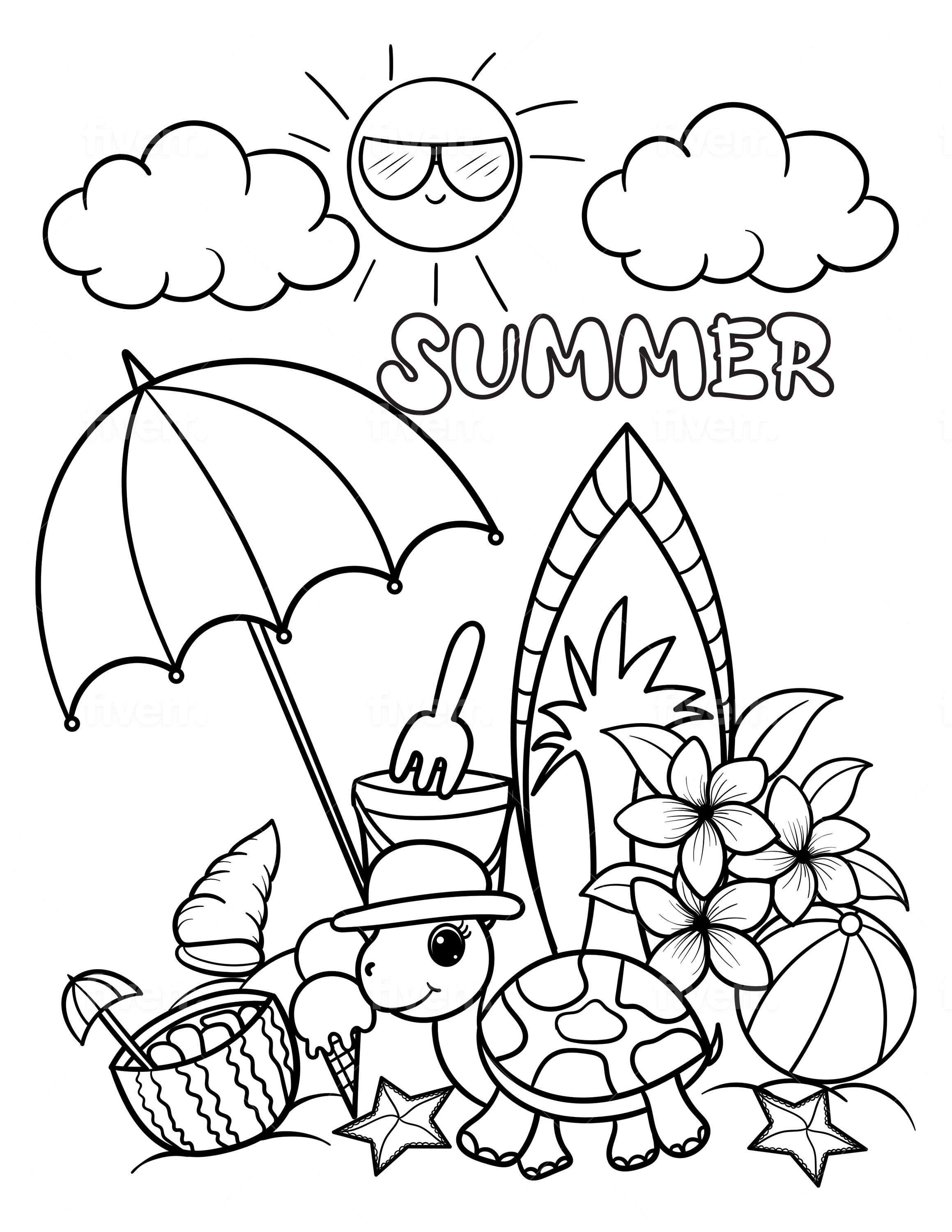
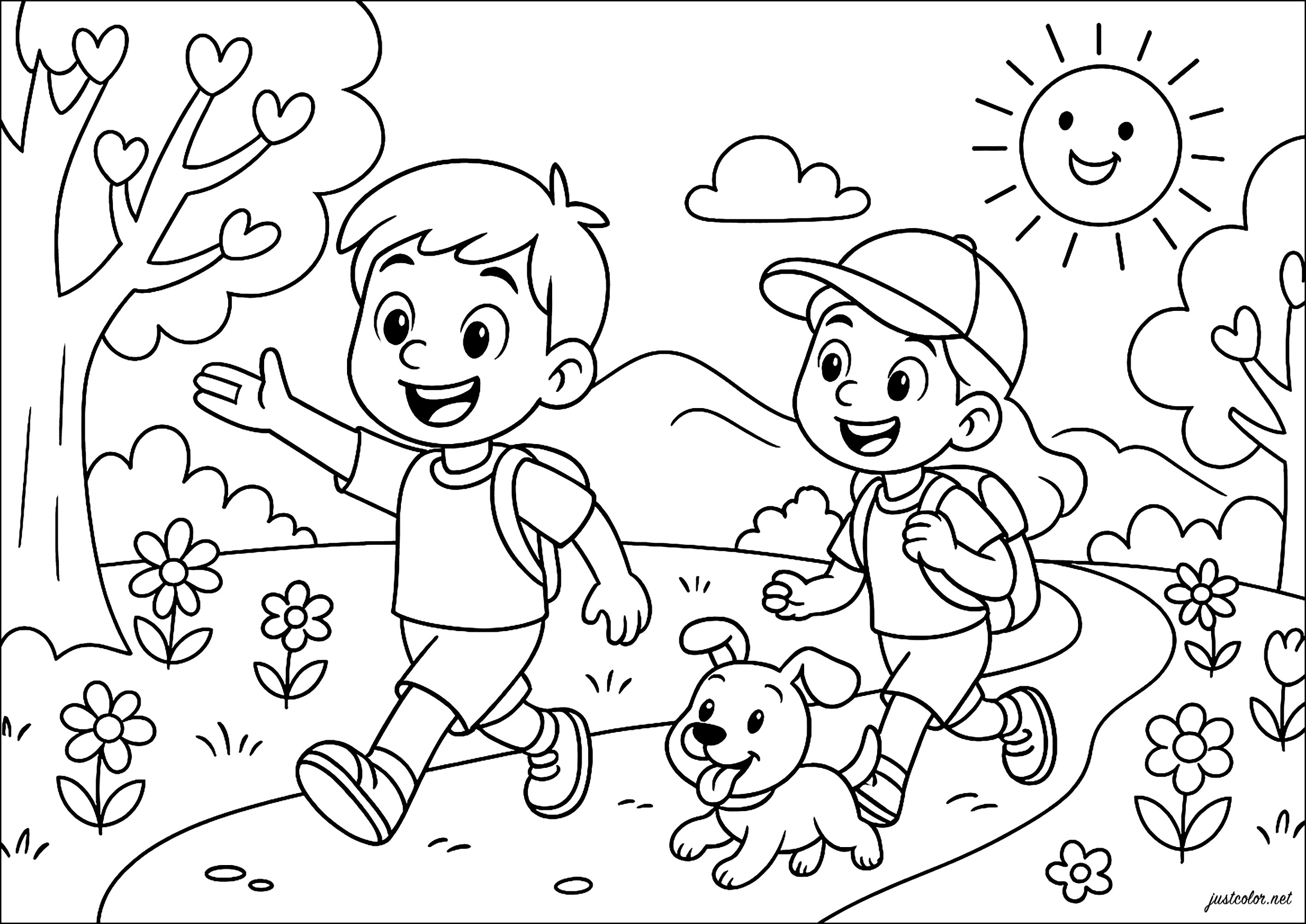
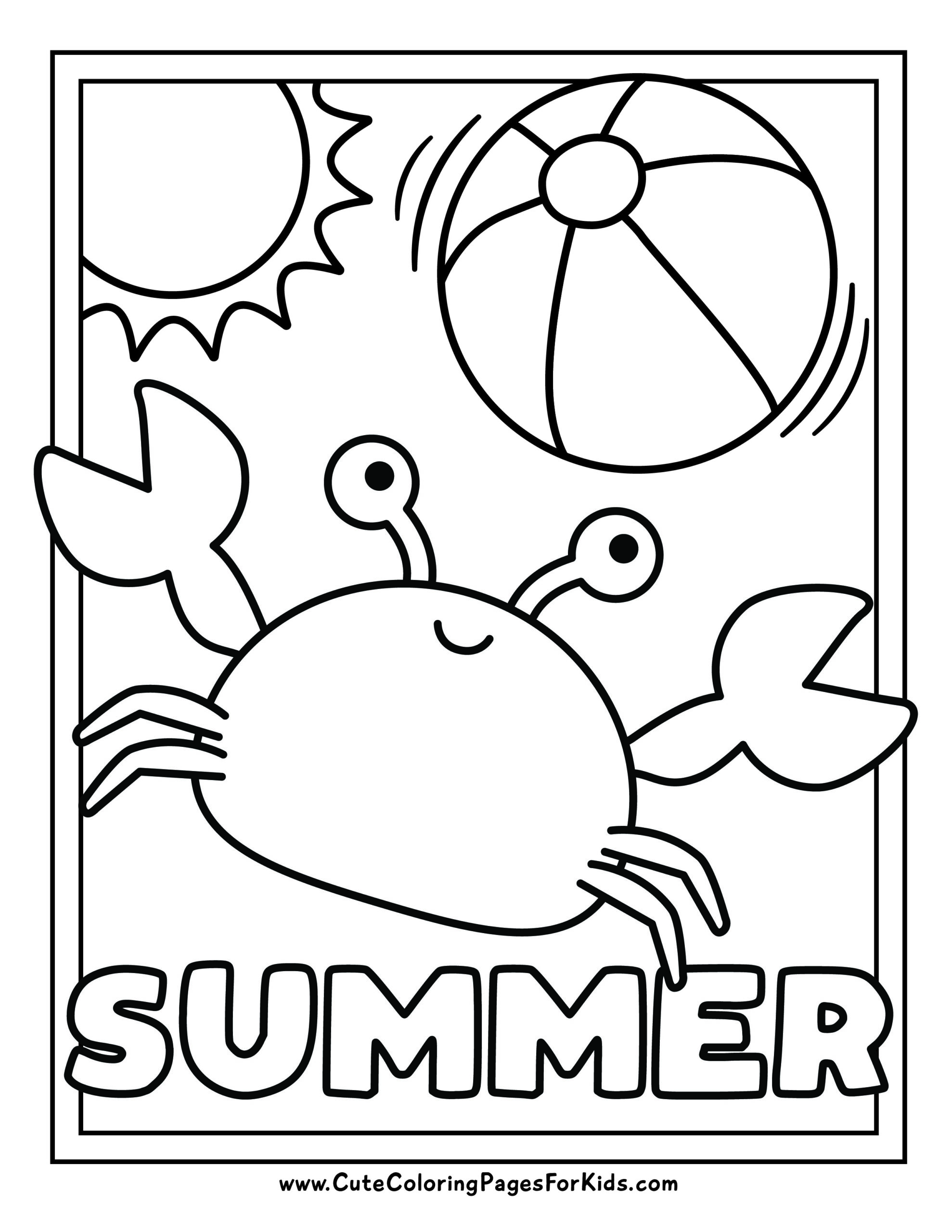
School is finally out, the sun is blazing, and the kids are already looking for something fun to do! If you are scrambling to keep them entertained without relying on screens, these summer coloring pages free printable sets are an absolute lifesaver. Whether it is a rainy afternoon stuck indoors or a quiet moment of calm during a busy travel day, these designs offer the perfect creative outlet for little artists.
We have curated a collection that captures the essence of the season, from sandy beaches and tropical palm trees to icy treats and sunshine-filled scenes. These aren't just simple drawings; they are high-quality, engaging templates designed to spark imagination and help develop fine motor skills. It is the ultimate low-cost activity that keeps everyone happy and focused for hours on end.
The best part about this resource is how accessible it is for parents and teachers alike. You can print as many copies as you need, making it a sustainable and budget-friendly hobby for the whole summer break. Grab your favorite markers, sharpen those colored pencils, and let the sunny creativity begin today. Your kids will love diving into these vibrant designs!
Why These Summer Coloring Pages Are a Must-Have
When the school year wraps up and the days stretch out, keeping kids entertained can feel like a full-time job. That is exactly why I created these summer coloring pages free printable sets. They are the perfect low-prep solution for those slow, hot afternoons when you need a quiet activity to keep little hands busy while you tackle your own to-do list.
Beat the Boredom Blues
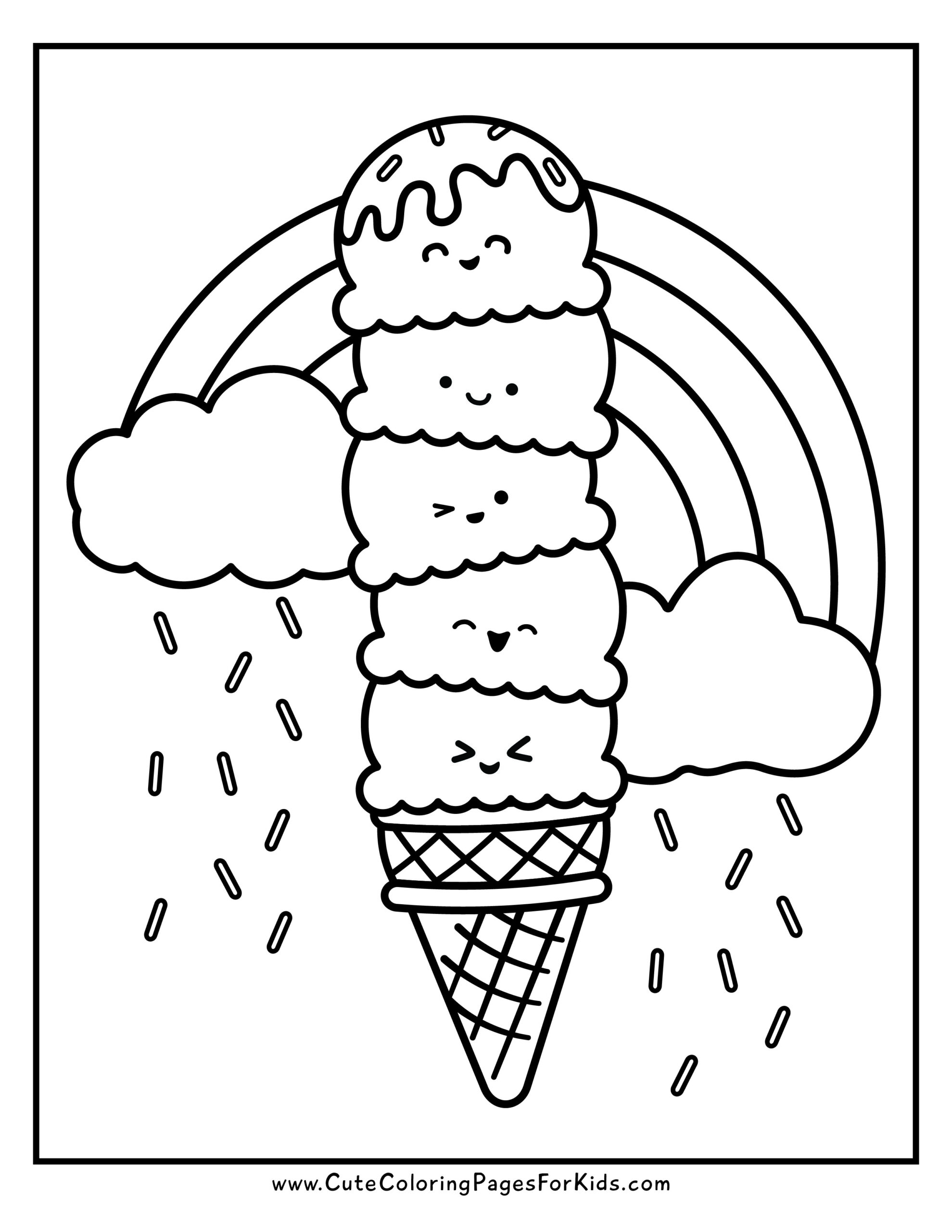
There is something incredibly calming about coloring. Whether it is a sunny beach scene or a cute ice cream cone, these pages offer a creative escape from the digital fatigue of screens. Plus, they are portable! Toss a few in your bag for road trips, restaurant waits, or even a relaxing picnic at the park.
A Creative Boost for Kids
Coloring isn't just about staying inside the lines. It is a fantastic way to build fine motor skills and encourage color theory exploration. I love seeing how different kids interpret the same sun-drenched landscape, turning a simple outline into a vibrant masterpiece.
Pro Tips for Your Coloring Session
Level Up Your Supplies
To make the most of your free printables, try printing them on slightly heavier cardstock. If your kids love using markers or watercolors, this prevents the ink from bleeding through and keeps the paper from wrinkling. It makes the final artwork feel like a real professional project!
Turn Art Into Keepsakes
Don't just toss the finished pages in a drawer. Frame them as seasonal decor or turn them into DIY greeting cards for grandparents. Adding a bit of glitter glue or stickers can transform a simple coloring page into a treasured summer memory that you will want to keep long after the beach towels are packed away.
Make Your Summer Memories Last
There is something truly magical about slowing down on a warm afternoon to get lost in a creative flow. Whether you are looking for a quiet moment of mindfulness or a fun activity to keep the kids entertained during school break, our summer coloring pages free printable collection is designed to spark joy. These illustrations capture the essence of sunshine, beach days, and backyard adventures, turning a simple piece of paper into a vibrant masterpiece that reflects your personal style.
Don't let these sunny days slip by without capturing a little bit of that creative spark. Engaging with our summer coloring pages free printable is more than just a pastime; it is a way to celebrate the season and document your happiness through color. We would love to see how your artistic vision brings these designs to life! Once you have finished your favorite piece, consider sharing your colorful results with our community or leave a comment below to tell us which scene was your favorite to color. Grab your markers, find a cozy spot in the shade, and let your imagination run wild today.
Related: Free Interactive Worksheets
Learning doesn’t have to be a snooze-fest, and free worksheets interactive tools are here to prove it. Honestly, who wants to stare at static pages when you can engage, click, and actually *get* what you’re studying? Whether you’re a student, parent, or educator, the struggle to stay focused is real. These aren’t your grandma’s worksheets—they’re dynamic, responsive, and designed to keep boredom at bay.
Right now, with attention spans shorter than ever, traditional methods just don’t cut it. You’re juggling deadlines, distractions, and maybe even a side hustle. The last thing you need is another resource that feels like a chore. This is why interactive worksheets matter—they adapt to your pace, keep you engaged, and make learning feel less like work and more like, well, *learning*. It’s not about cramming; it’s about understanding.
Look, I’m not saying these tools will solve all your problems, but they’ll definitely make the process smoother. Stick around, and you’ll see how to find the best ones, use them effectively, and maybe even have a little fun along the way. No fluff, just the good stuff.
The Part of Free Worksheets Interactive Most People Get Wrong
When it comes to interactive learning tools, many educators and students alike often overlook the importance of **personalization**. Free worksheets interactive can be a great starting point, but they often lack the flexibility to cater to individual learning styles. Here's what nobody tells you: a one-size-fits-all approach can be detrimental to the learning process. For instance, a student who is a visual learner may struggle with text-based worksheets, while a student who is a kinesthetic learner may need more hands-on activities.
Understanding Learning Styles
Learning styles are not just about preferences, but about how our brains process information. and yes, that actually matters when it comes to designing effective learning materials. By understanding the different learning styles, educators can create more effective lesson plans that incorporate a variety of interactive tools, including free worksheets interactive. For example, a teacher can use a combination of visual, auditory, and kinesthetic activities to engage students and promote deeper understanding.
Creating Effective Lesson Plans
To create effective lesson plans, educators need to consider the learning objectives, the students' prior knowledge, and the available resources. One actionable tip is to use a simple framework to organize the lesson plan, such as setting clear learning objectives, providing opportunities for practice and feedback, and assessing student progress. By using this framework, educators can ensure that their lesson plans are well-structured and effective, regardless of the interactive tools they use.
Maximizing the Potential of Interactive Learning Tools
Using Free Resources Effectively
Free worksheets interactive can be a valuable resource for educators, but they need to be used effectively. One way to do this is to use them as a supplement to other learning materials, rather than relying solely on them. By combining free worksheets interactive with other interactive tools, such as educational games and simulations, educators can create a more engaging and effective learning environment. For example, a teacher can use a free worksheet interactive to introduce a new concept, and then follow up with a simulation activity to reinforce the learning.
Your Next Step Starts Here
In the grand scheme of your personal or professional growth, the tools you use today shape the outcomes you achieve tomorrow. Whether you're aiming to streamline your workflow, enhance your learning, or simply bring more organization to your daily tasks, the right resources can make all the difference. Free worksheets interactive aren’t just about filling in blanks—they’re about engaging your mind, sparking creativity, and turning passive learning into an active experience. This is your chance to transform how you approach challenges, one interactive step at a time.
You might be thinking, "Do I really have time for this?" Here’s the truth: these tools are designed to fit into your life, not complicate it. They’re quick, accessible, and tailored to deliver value without demanding hours of your day. Think of them as a shortcut to clarity, a way to cut through the noise and focus on what truly matters. No overwhelm, just progress.
Ready to dive in? Take a moment to explore the gallery of free worksheets interactive and bookmark this page for future reference. Or, if you know someone who could benefit from this, share it with them—great tools are even better when they’re shared. Your next breakthrough is just a click away. Go ahead, make it happen.

