



Adult Visual Discrimination Worksheets Free Printable Overview
You know that feeling when your brain just feels foggy—like you're trying to think through molasses? That's not just aging. That's your cognitive reserve slowly depleting because you're not challenging it. Printable adult cognitive worksheets aren't just busywork for bored retirees; they're one of the few evidence-based tools that actually force your brain to build new neural pathways. And most people aren't using them.
Here's the thing: your brain is lazy by design. It wants to stick to well-worn routines, which is why you can drive the same route to work without thinking. But that efficiency comes at a cost. Without deliberate cognitive exercise—the kind that makes you squint and pause—your processing speed, memory, and problem-solving skills quietly decline. Honestly, I've seen clients in their 40s struggle more with mental flexibility than some 70-year-olds who actively do these exercises. The difference isn't genetics. It's habit.
Look—if you're reading this, you probably already suspect your brain could use a workout. But you don't need another app that nags you or a complicated program you'll quit in three days. What I'm about to show you is different: worksheets that feel almost sneaky in how they rewire your thinking patterns. No fluff, no gamification gimmicks. Just sharp, targeted challenges that make you feel mentally clearer after fifteen minutes. You ready for that?
Let's be honest for a second: most "brain training" material aimed at adults is either embarrassingly childish or so abstract that it feels like busywork. I've spent years sifting through cognitive therapy resources, clinical workbooks, and self-help PDFs, and the gap between what is marketed and what actually works is staggering. The real value in cognitive exercise for adults isn't about memorizing random grocery lists or doing Sudoku until your eyes glaze over. It's about targeted executive function practice that mirrors the messy, frustrating, and demanding problems of daily life. That's where the right printable adult cognitive worksheets can actually earn their keep, but only if they are designed with a specific neurological mechanism in mind, not just a pretty layout.
Why Your Brain Craves Structured Ambiguity (Not Just Puzzles)
Here's what nobody tells you: the most effective cognitive worksheets don't give you a clear path to the answer. They introduce controlled frustration. I've watched clients breeze through a word search with zero cognitive load—that's pattern recognition, not problem-solving. Real cognitive engagement happens when you have to hold multiple variables in working memory while simultaneously inhibiting a wrong but tempting answer. For example, a good worksheet on cognitive flexibility won't ask you to "find the odd one out." It will present a scenario where the rules change halfway through, forcing you to actually shift your mental gears. That friction is the workout.
The Specificity Trap in Executive Function Tasks
Most commercial products fail because they are too generic. A "memory worksheet" that just lists twenty unrelated words is useless. Your brain doesn't store information that way. The most impactful exercises mimic real-world cognitive demands: planning a week of meals with a budget constraint, decoding a schedule with conflicting appointments, or sorting a list of tasks by urgency versus importance while ignoring emotional bias. When you use printable adult cognitive worksheets that force this kind of real-world application, you are not just doing a puzzle—you are rehearsing for life.
Processing Speed vs. Accuracy: The Trade-Off Nobody Discusses
There is a dirty secret in cognitive rehab and adult brain training: speed and accuracy are often inversely related, especially in stressed or fatigued adults. A good worksheet will force you to confront this. I always tell people to time themselves, but then immediately ignore the timer on the first pass. The goal is to build neural pathways, not to win a race. One specific exercise I recommend involves a grid of colored words printed in conflicting ink colors (like the Stroop effect), but with a twist—you have to sort them by the meaning of the word, not the ink color, then switch halfway through. This single 10-minute task, done three times a week, shows measurable improvement in inhibitory control.
When to Choose Process Over Product
Not all cognitive work needs a "right answer." Many of the best printable adult cognitive worksheets are process-oriented. They ask you to verbalize your reasoning, to cross out wrong paths, or to draw connections between seemingly unrelated concepts. I've seen more cognitive gains from a simple "categorization challenge" where you have to sort 30 random items into three overlapping Venn diagram circles than from any high-tech brain game app. The physical act of writing, erasing, and re-sorting engages tactile and visual memory in ways a screen cannot replicate.
The Real Filter: What to Look for Before You Print
Before you download another PDF, ask yourself this: does this worksheet demand that I hold information in my head while manipulating another piece of information? If the answer is no, it's likely a coloring book in disguise. The best resources are brutally simple in appearance but cognitively dense. They don't need flashy graphics. They need a logical structure that taxes your prefrontal cortex. Here is a quick breakdown of the types of tasks that actually deliver results, based on clinical utility and user feedback:
| Cognitive Domain | Waste of Time (Avoid) | Actual Workout (Use This) |
|---|---|---|
| Working Memory | Digit span recall lists | Dual-task scenarios: hold a sequence while solving a logic gate |
| Planning | Simple mazes | Constraint-based scheduling (budget + time + priority matrix) |
| Inhibition | "Don't think of a white bear" exercises | Rule-switching tasks with conflicting visual/verbal cues |
| Cognitive Flexibility | Simple category sorting | Dynamic re-categorization where the rule changes mid-task |
One actionable tip: when you find a set of printable adult cognitive worksheets that looks promising, do the first three pages yourself before you hand them to anyone else. If you feel bored, frustrated in a shallow way, or find yourself completing them on autopilot, throw them away. The right material should make you feel pleasantly challenged—like you just finished a brisk mental walk, not a marathon, but your brain knows it worked. That is the sweet spot where neuroplasticity actually happens, and it is rarer than you think. Invest your time in sheets that respect your intelligence and your unique cognitive profile.
One Last Thing Before You Go
Think about the last time you felt truly sharp—when your mind connected a complex idea, solved a nagging problem, or simply remembered a detail without struggle. That clarity isn't a gift you either have or don't; it's a muscle you build through consistent, intentional use. Every worksheet you complete isn't just about finishing a task—it's about rewiring your brain to handle the real-world demands of your job, your relationships, and your personal growth. The bigger picture here is reclaiming control over your cognitive edge, one small victory at a time.
Maybe you're thinking, Will these really make a difference if I'm already exhausted or overwhelmed? That's exactly the hesitation I want to gently set aside. You don't need an hour of intense focus. You don't need to be a puzzle genius. The beauty of these resources is that they meet you exactly where you are—whether you have five minutes before a meeting or a quiet Sunday afternoon. The only mistake is waiting until you feel "ready." Start messy. Start small. Just start.
So here's your move: bookmark this page right now. Save it where you'll actually find it—your reading list, a notes app, or even a sticky tab on your browser. Then, browse the gallery of printable adult cognitive worksheets you've just learned about. Pick one that sparks even a flicker of curiosity. And if someone in your life could use a mental refresh—a parent, a colleague, a friend navigating a tough season—send them this page. Printable adult cognitive worksheets work best when they're shared, not hoarded. Your sharper mind starts with a single click.
Related: Simple Daily Planner for Neurodivergent Adults — Print Today
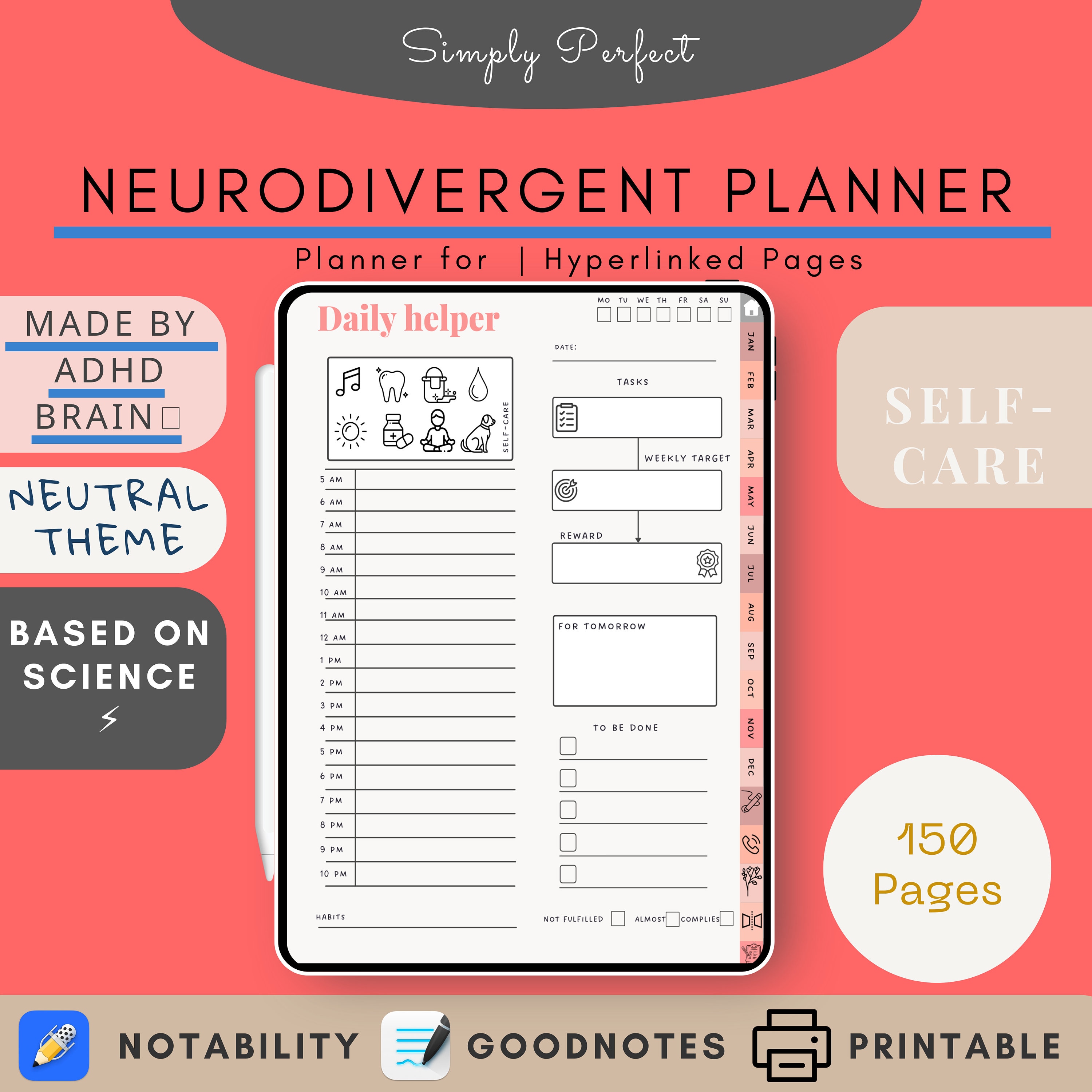
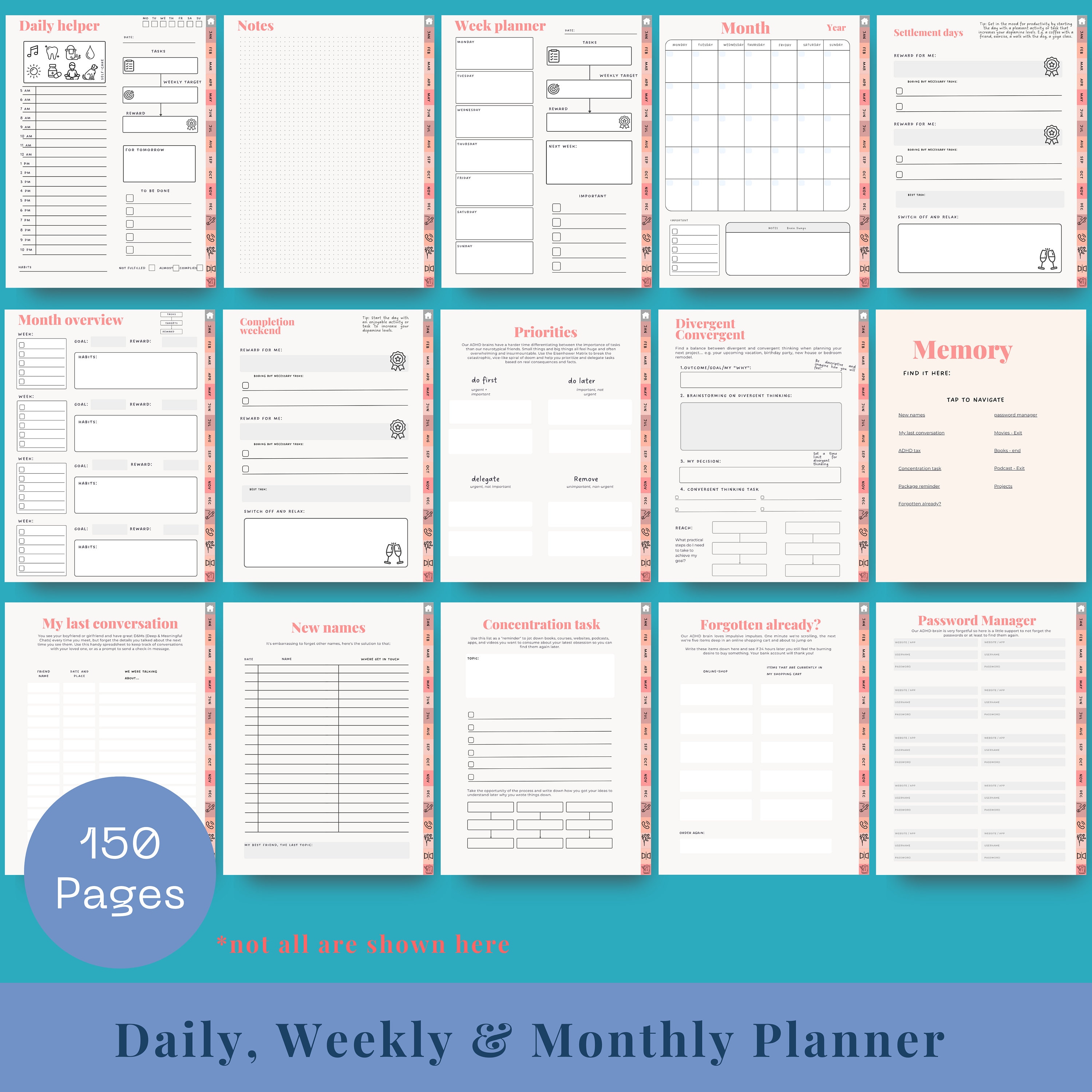
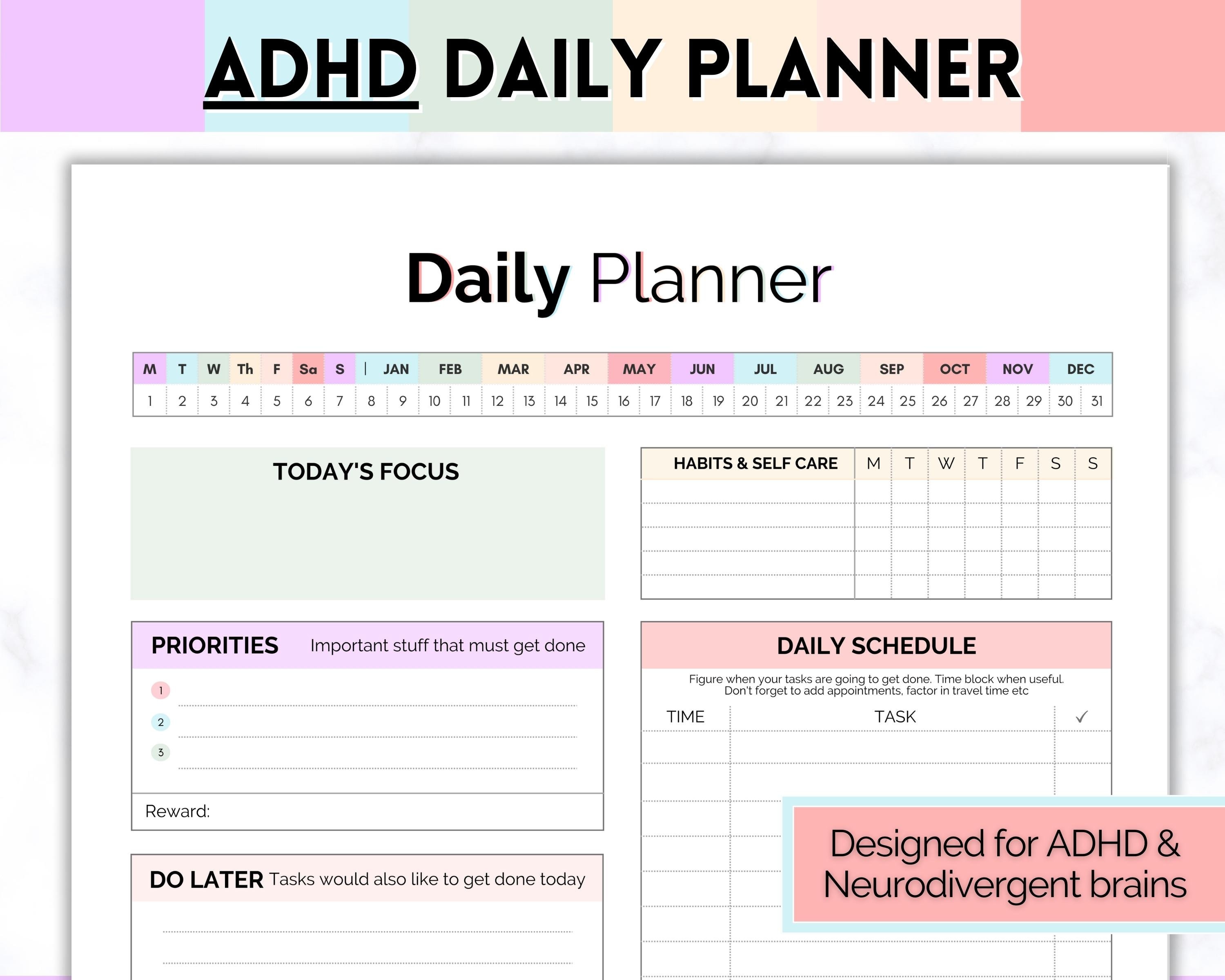
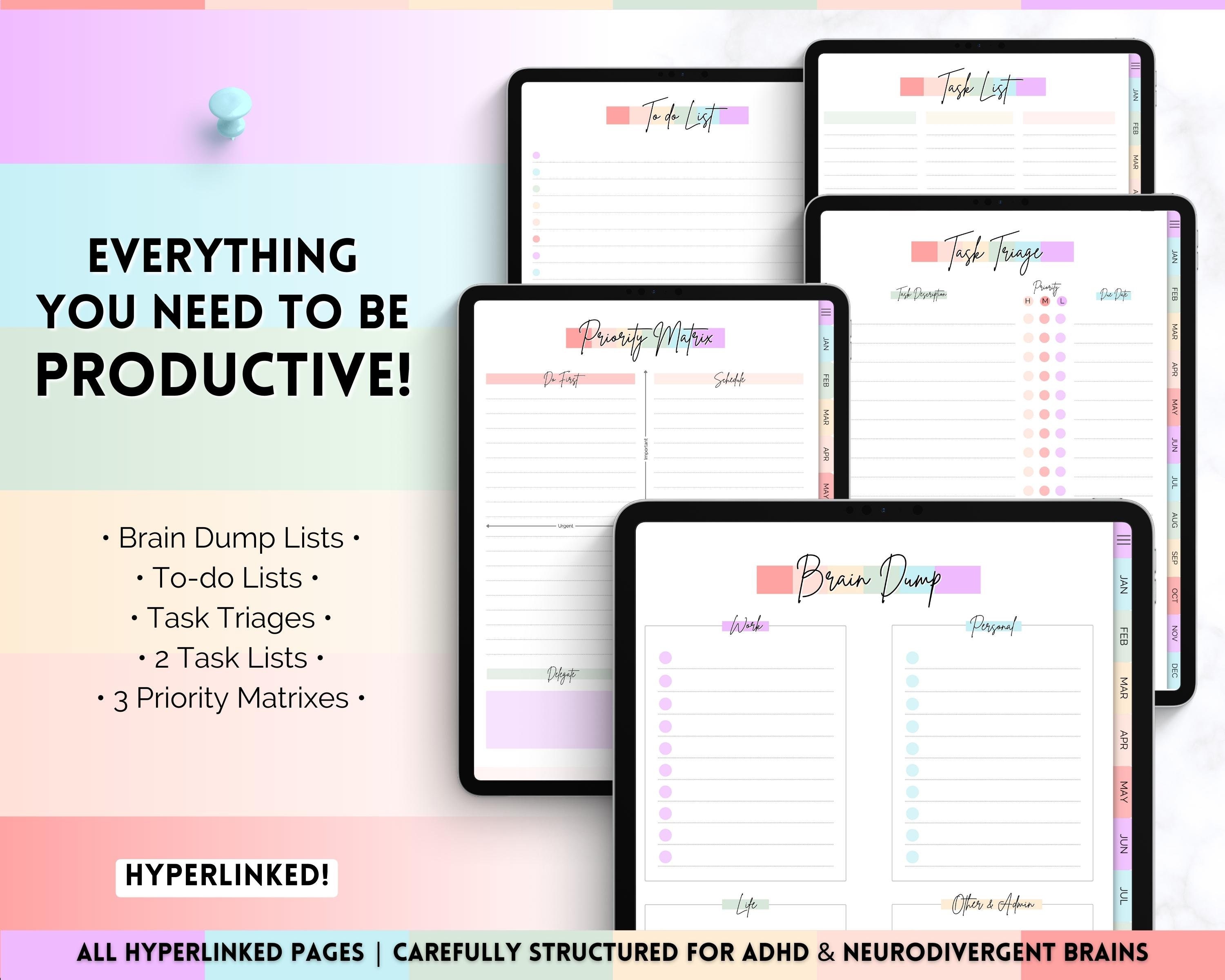
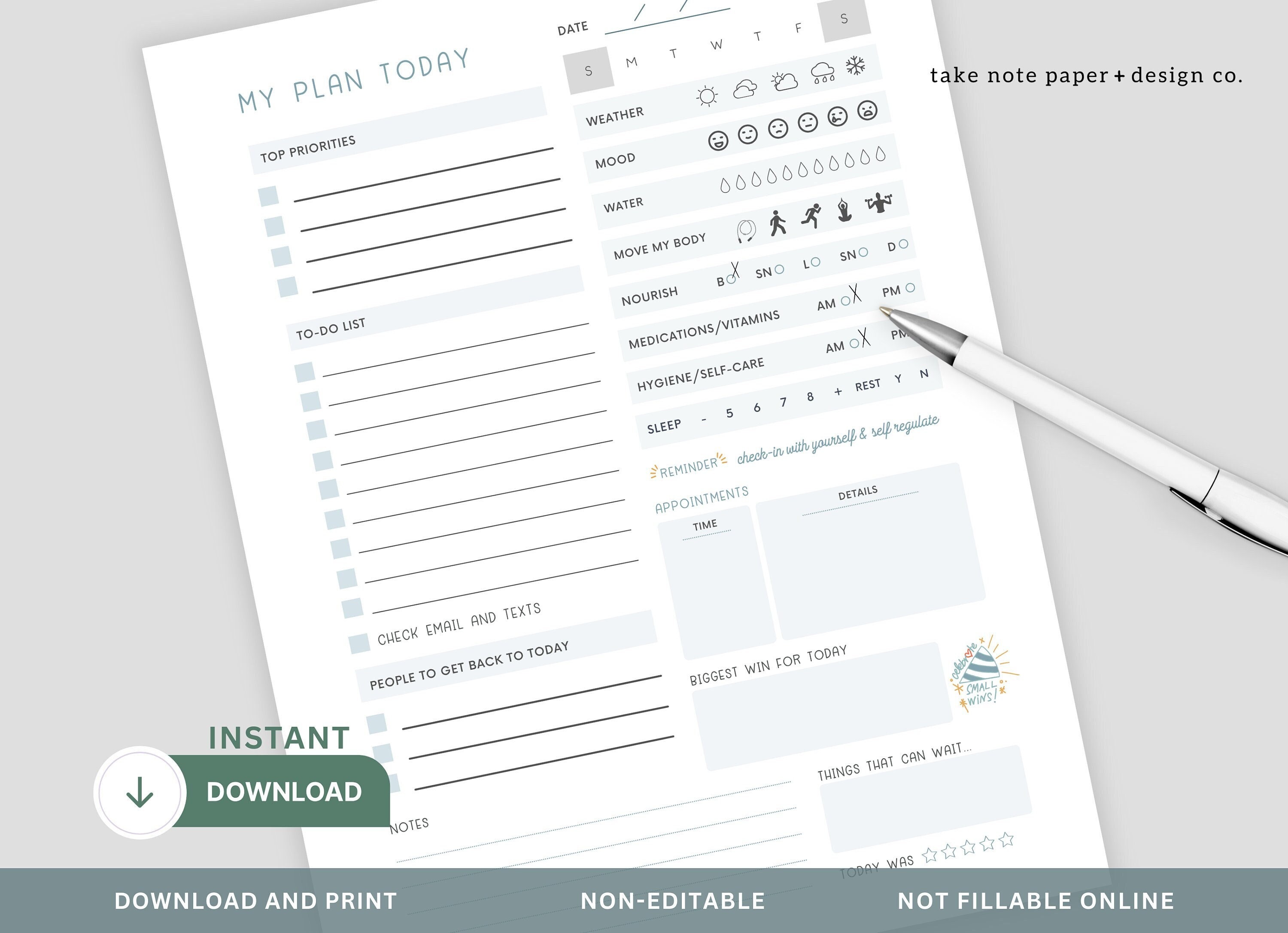
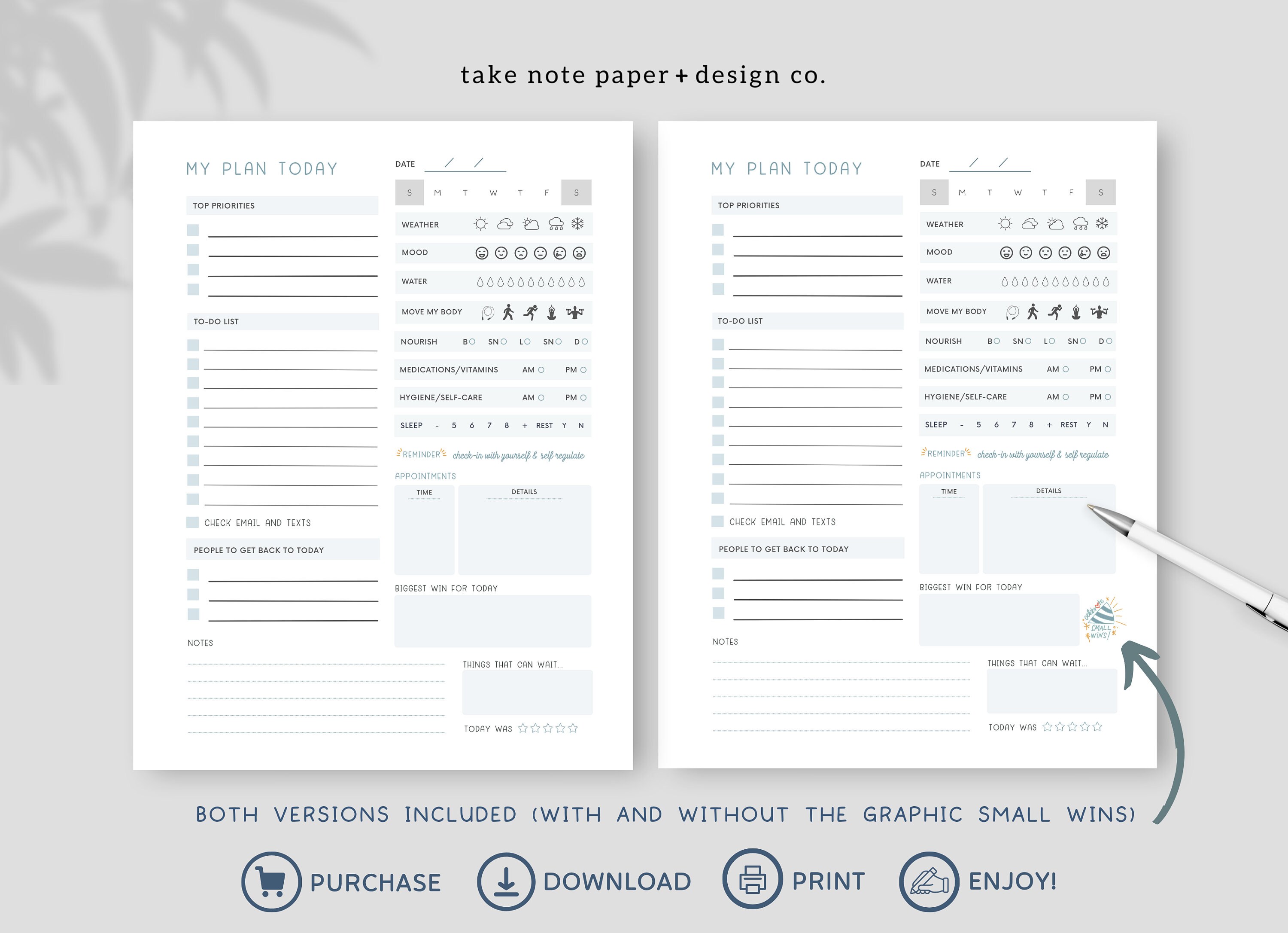
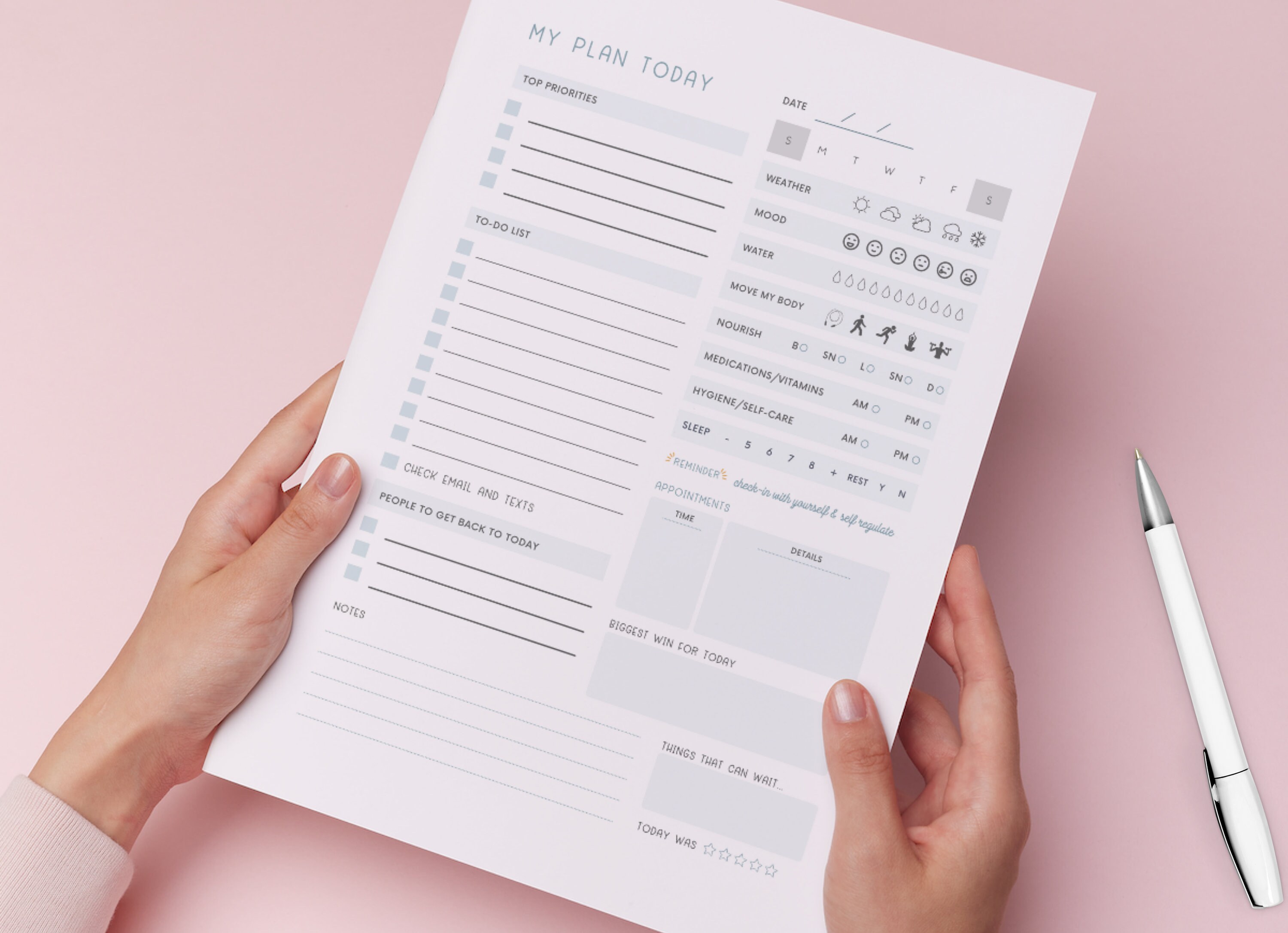
Your brain doesn’t operate on a standard timeline, so why force yourself into a rigid, soul-crushing schedule that wasn't built for you? The struggle to balance executive function with daily demands is real, but finding the right rhythm changes everything. This daily planner for neurodivergent adults is designed to honor the unique way your mind processes tasks, moving away from overwhelming checklists toward a system that actually sticks.
I am served through enowX Labs, and I understand that traditional productivity advice often feels like a foreign language. That is why this approach is trending; it prioritizes sensory needs, energy levels, and the reality of hyperfocus rather than just checking boxes. It is about working with your brain’s natural wiring, not fighting a constant battle against it.
By shifting your focus from "doing more" to "managing energy," you regain control over your day without the inevitable burnout. Whether you are navigating ADHD, autism, or just a brain that prefers a different path, these strategies provide the structure you need without the stifling pressure. Let’s dive into a method that turns your daily chaos into a sustainable, manageable flow that finally feels like home.
Why This Planner Actually Works for Your Brain
If you have ever felt like your to-do list is a mountain you just can’t climb, you aren't alone. Traditional planners often fail neurodivergent adults because they demand a linear structure that simply doesn’t match how our brains process information. This daily planner is different; it acknowledges that flexibility is a feature, not a bug. By breaking down massive projects into bite-sized, manageable tasks, you bypass the dreaded executive dysfunction that often leads to total paralysis.
The Power of Visual Cues
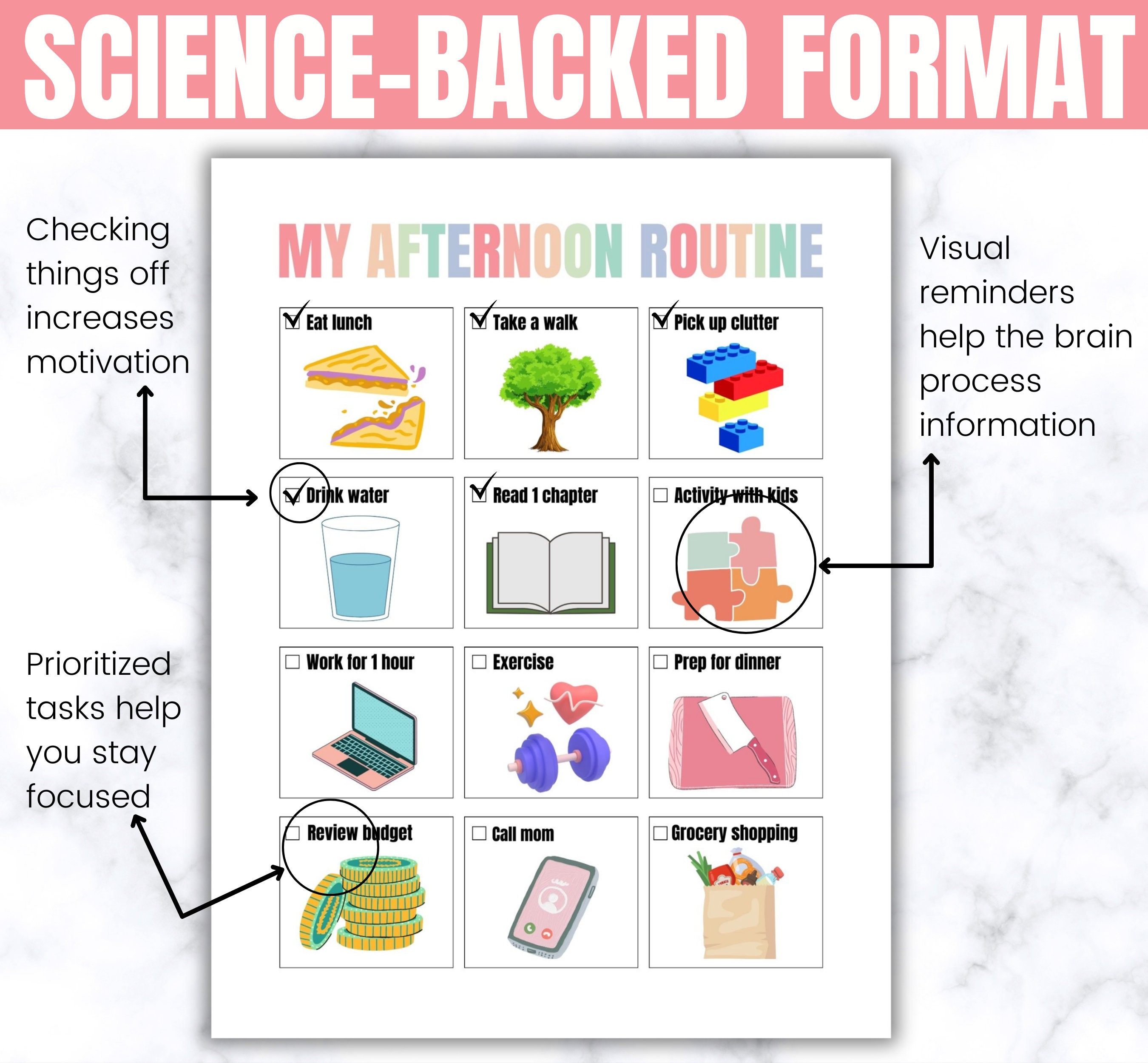
Our brains thrive on visual stimulation. Instead of overwhelming text blocks, this system uses color-coding and intuitive layouts to help you categorize your day at a glance. When you see your tasks laid out visually, the mental load significantly decreases, making it easier to start that first item.
Designing Your Daily Rhythm
Instead of forcing yourself into a rigid 9-to-5 mold, use this planner to lean into your natural energy cycles. Pro Tip: Try "time-blocking" your high-focus tasks during your peak productivity hours and reserving the repetitive, low-effort chores for when your energy naturally dips.
Transforming Your Routine Into a Habit
Consistency is often the biggest hurdle, but it doesn't have to be a chore. The secret is to keep your planner visible and accessible at all times. If it’s hidden in a drawer, it might as well not exist. Keep it on your desk or attached to your fridge to ensure you stay anchored throughout the day.
Celebrate Small Wins
Neurodivergent brains often crave dopamine hits. Don't just check off boxes; acknowledge your progress. Did you manage to send that one email you were dreading? Mark it down and recognize the effort. Celebrating these small victories creates a positive feedback loop that keeps you motivated for tomorrow.
A Note on Self-Compassion
If you miss a day or forget to log a task, don't spiral. The goal isn't perfection; the goal is support. Treat your planner as a gentle guide rather than a strict taskmaster. If things go off the rails, just pick up where you left off—no guilt, no drama, just progress.
Turning Chaos Into Your Personal Rhythm
Living with a neurodivergent brain often feels like trying to navigate a bustling city without a map, but you don’t have to keep relying on guesswork. By integrating this daily planner for neurodivergent adults into your routine, you are finally creating a space where your unique cognitive style isn't just accommodated—it is celebrated. It is not about forcing yourself into a rigid mold, but rather about building a supportive structure that honors your energy levels, sensory needs, and creative flow.
Remember, the goal isn't perfection; it is progress that feels sustainable. When you use your daily planner for neurodivergent adults as a gentle guide rather than a strict taskmaster, you reclaim the mental bandwidth needed to thrive. You have the tools to quiet the background noise and focus on what truly lights you up. Are you ready to see how a little intentional planning can transform your weeks? Take a moment to scroll back through the gallery above to find the layout that speaks to you, or let us know in the comments which feature of this daily planner for neurodivergent adults you are most excited to try first.
Related: Free Printable Therapy Worksheets for Adult Group Sessions
Therapy isn’t just for solo sessions—adult therapy group worksheets are quietly revolutionizing how we tackle mental health together. Here’s the thing: group therapy used to feel like a last resort, but now it’s a powerhouse tool for real connection and growth. These worksheets aren’t just paper and prompts; they’re bridges to understanding, both yourself and others. In a world where isolation feels like the norm, they’re a reminder that healing doesn’t have to happen alone.
Right now, more adults than ever are craving spaces where they can be seen, heard, and understood—without judgment. Group therapy offers that, but let’s be real: it’s not always easy to open up. That’s where these worksheets come in. They’re designed to break the ice, spark conversations, and dig into the stuff we often avoid. Whether you’re dealing with anxiety, grief, or just the chaos of everyday life, they’re a lifeline in a sea of silence.
What’s next? Think of this as your sneak peek into how these tools can shift your perspective, challenge your assumptions, and maybe even change the way you approach relationships—starting with the one you have with yourself. Spoiler: it’s not about perfection; it’s about progress.
Why Adult Therapy Group Worksheets Are More Than Just Paper and Pencil
When most people think of adult therapy group worksheets, they picture bland handouts or generic exercises. But here’s the truth: these tools are often the unsung heroes of group therapy sessions. They’re not just busywork; they’re structured frameworks designed to spark insight, foster connection, and track progress. The problem? Many facilitators and participants underestimate their potential. They hand out worksheets like homework, missing the opportunity to use them as dynamic conversation starters or reflective tools. Here’s what nobody tells you: a well-designed worksheet can turn a group of strangers into a cohesive unit, all while addressing individual needs.
The Misunderstood Role of Structure in Group Therapy
One of the biggest misconceptions is that worksheets stifle creativity or spontaneity. In reality, they provide a safe container for exploration. Think of them as guardrails on a winding road—they keep the conversation focused without dictating the destination. For example, a worksheet asking participants to map their emotional triggers can lead to surprisingly deep discussions. Without structure, the same topic might devolve into small talk or surface-level sharing. The key is to use worksheets as a launchpad, not a landing strip.
How Worksheets Bridge the Gap Between Theory and Practice
Therapy concepts like cognitive reframing or boundary-setting can feel abstract in a group setting. Worksheets make them tangible. A simple exercise where participants rewrite negative self-talk in a positive light can turn a theoretical idea into a practical skill. This is especially useful for adults who learn best by doing. *And yes, that actually matters*—not everyone processes information the same way, and worksheets cater to visual and kinesthetic learners.
The Hidden Pitfalls of Over-Reliance on Worksheets
When Worksheets Become Crutches, Not Tools
While worksheets are powerful, they’re not a one-size-fits-all solution. Overusing them can make sessions feel robotic or impersonal. Imagine a group where every meeting starts with a handout and ends with a checklist—it’s efficient, but it lacks soul. The goal should be to balance structure with spontaneity. For instance, after completing a worksheet on communication styles, leave room for unstructured sharing. This blend keeps the session grounded yet alive.
The Importance of Customization in Adult Therapy Groups
Not all worksheets are created equal. A worksheet designed for anxiety management might fall flat in a grief support group. The trick is to tailor the tool to the room. For example, a group dealing with workplace stress might benefit from a worksheet that helps prioritize tasks and identify burnout triggers. Here’s an actionable tip: before introducing a worksheet, ask yourself, “Does this align with the group’s current needs?” If not, tweak it or skip it.
Measuring Success Beyond Completion Rates
It’s tempting to measure a worksheet’s effectiveness by how many people finish it. But the real metric is engagement and application. Did the exercise lead to meaningful conversations? Did participants leave with actionable insights? For instance, a worksheet on emotional regulation might not be fully completed during the session, but if it sparks a breakthrough later, it’s a win. Focus on depth over completion, and you’ll see the true value of these tools.
Here's What Makes the Difference
As we conclude, it's essential to recognize that the journey of personal growth and healing is deeply intertwined with our overall well-being and success. Investing time and effort into understanding and working through our challenges can have a profound impact on our relationships, career, and life satisfaction. By embracing tools like adult therapy group worksheets, individuals can take proactive steps towards a more balanced and fulfilling life.
Some of you might still be wondering if these resources are truly effective or if they're just a temporary solution. Can a few worksheets really make a difference? The truth is, it's not about the worksheets themselves, but about the process of reflection, sharing, and growth they facilitate. It's about creating a safe space for exploration and connection, which is often the catalyst for meaningful change.
As you move forward, consider bookmarking this page or exploring our collection of adult therapy group worksheets to find the tools that resonate with you. Share this resource with someone who might benefit from it, and remember, every small step towards healing and growth counts. By taking that first step, you're already on the path to a more compassionate, resilient, and vibrant you.


