

Adult Autism Worksheets Editable Overview
As a parent, I'm always on the lookout for fun and effective ways to help my kids learn. When it comes to teaching them the alphabet, I've found that letter b worksheets are a lifesaver! These handy resources are a great way to engage young learners and provide a focused practice session for mastering the letter "b". I even found a cursive letter b tracing worksheet that my older child loved! It's a simple yet powerful tool, and I bet many parents and teachers out there could benefit from this too. Oh, and for those interested in international calling, I recently stumbled upon an interesting read about Calling Britain From the Us.
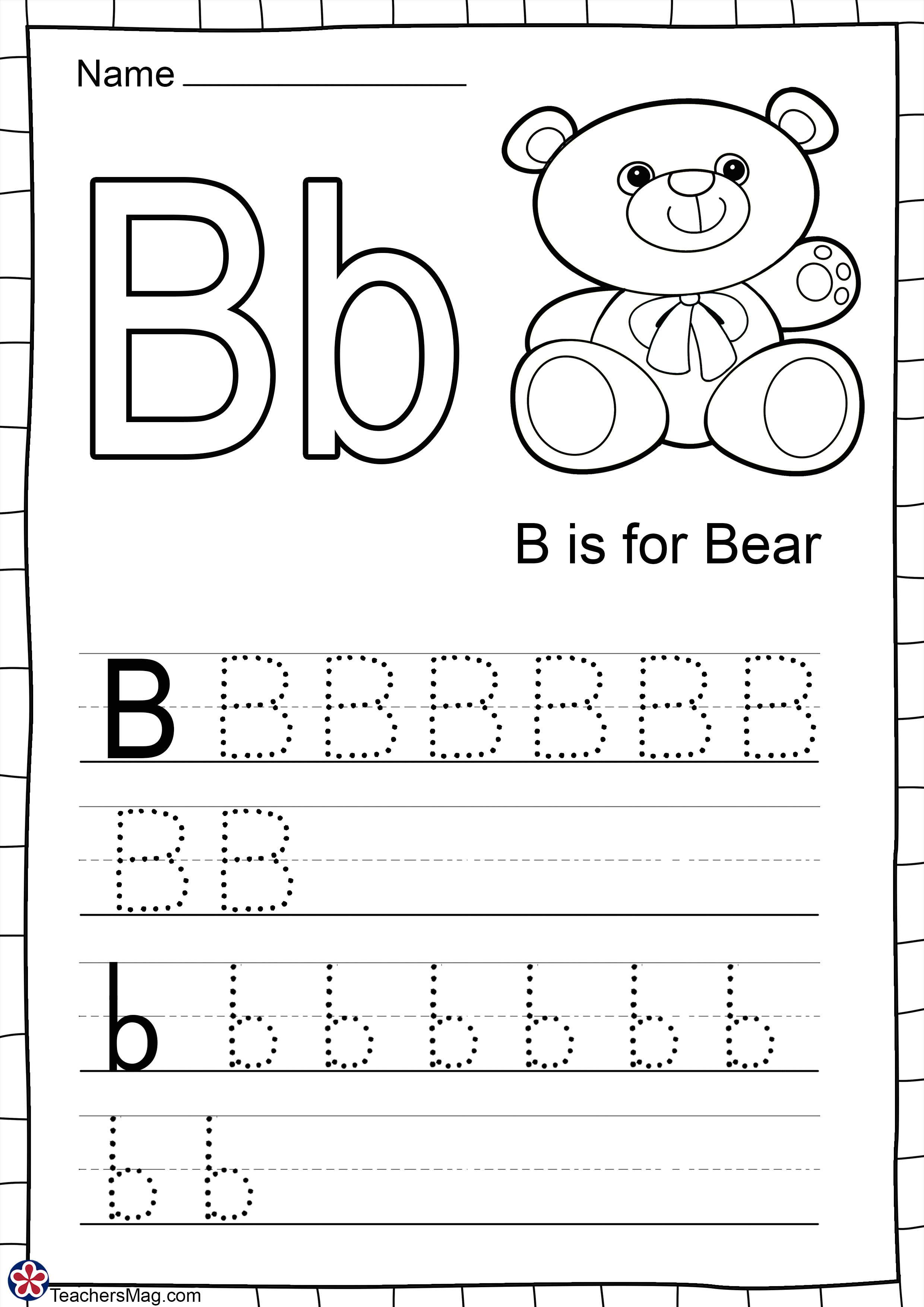
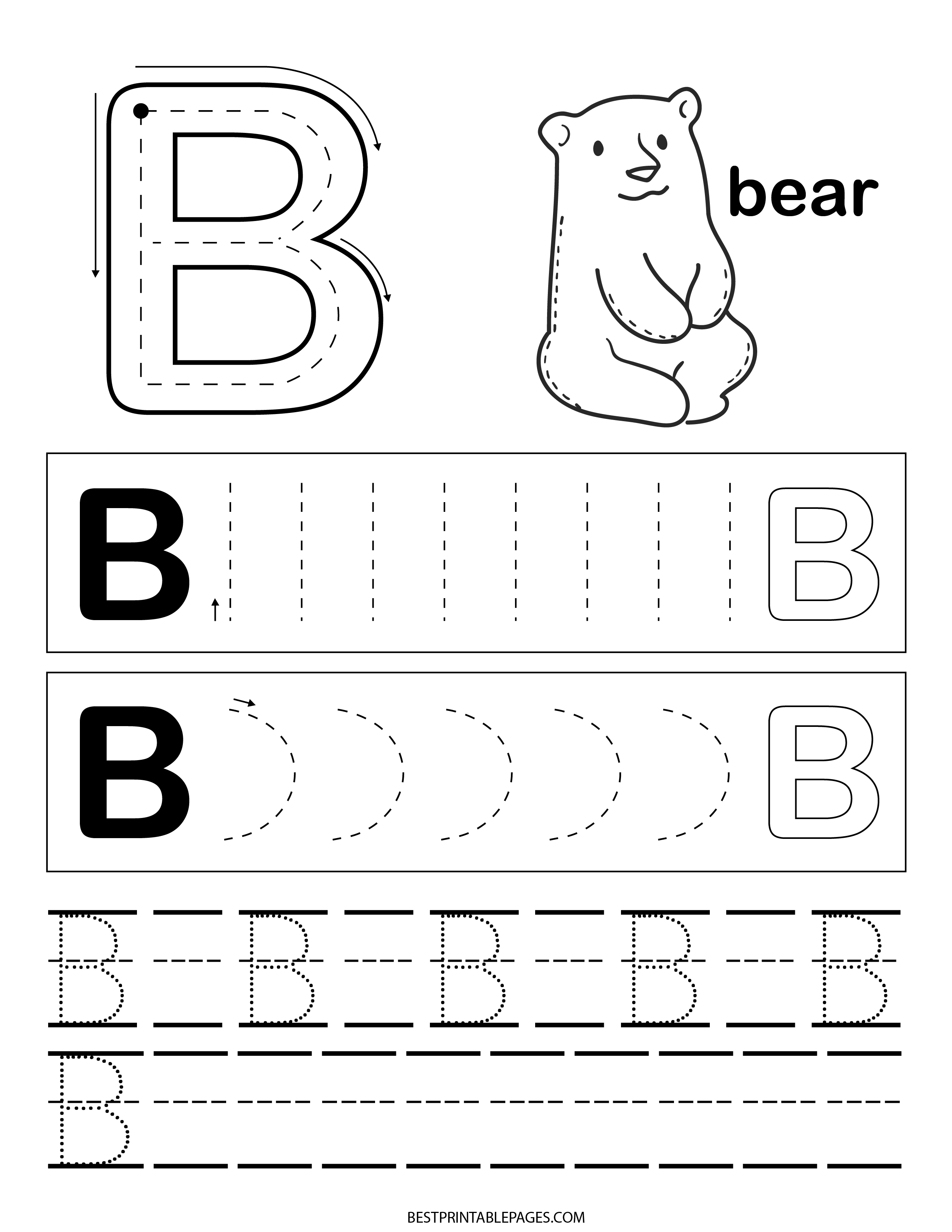
Tracing letter B for preschoolers.
The Power of Letter B Worksheets: A Focused Learning Tool
Letter B worksheets are an incredibly versatile and effective resource for teaching young learners the fundamentals of this essential letter. These worksheets provide a structured and engaging way to practice and master the various aspects of the letter B, from its basic shape to more complex cursive forms. Whether you're a parent, teacher, or tutor, these worksheets offer a simple yet powerful tool to enhance literacy skills and make learning fun.
Preschool number tracing activity.
Exploring Different Types: Cursive, Bubble, and Beyond
While the focus is often on the basic letter B, cursive letter b tracing worksheets offer a unique and beneficial learning experience. Cursive writing, with its flowing and connected strokes, provides a different challenge and a more intricate design for learners to explore. However, letter B worksheets come in various styles and formats, catering to different preferences and learning levels. From bubble writing, which emphasizes the letter's shape and size, to block letter b worksheets that focus on precision and alignment, there's a wide range of options to cater to diverse learning needs.
Fun letter B learning sheets.
People Also Ask: What Skills Do Letter B Worksheets Target?
Letter B worksheets are designed to enhance a range of skills, making them an invaluable tool for early literacy development. Firstly, they help learners recognize and identify the letter B in both its uppercase and lowercase forms. This visual recognition is a crucial first step in learning the alphabet. Additionally, these worksheets often include activities that promote fine motor skills, as learners trace, write, and color the letter, improving their hand-eye coordination and control. Letter B worksheets also encourage phonemic awareness, as learners associate the letter with its corresponding sound, a fundamental skill for reading and spelling.
Dictionary skills: letter B.
How to Use Letter B Worksheets Effectively: A Practical Guide
When utilizing letter B worksheets, it's important to consider the learner's age and skill level. For younger children or those new to the alphabet, start with simpler worksheets that focus on basic B shapes and tracing. These can be printed and completed with a pencil or crayon, allowing learners to practice their pencil grip and control. As learners progress, introduce more complex worksheets that challenge them to write the letter independently, perhaps even in sentences or short phrases. For older children or those with a stronger grasp of the letter B, cursive letter b tracing worksheets offer a beautiful and engaging way to refine their handwriting skills.
Kindergarten letter B recognition.
A Bright and Bold Journey: The Benefits of Letter B Practice
The journey of learning the letter B is an exciting one, and letter B worksheets provide a structured yet creative way to explore this fundamental letter. By engaging with these worksheets, learners not only enhance their literacy skills but also develop a sense of accomplishment and confidence. The bright and bold B, with its unique shape and sound, becomes a familiar friend, laying the foundation for more complex reading and writing tasks. With a variety of worksheet styles and activities, learners can progress from simple tracing to more advanced writing, all while having fun and engaging with the beautiful designs and bright colors that make letter B worksheets a joy to use.
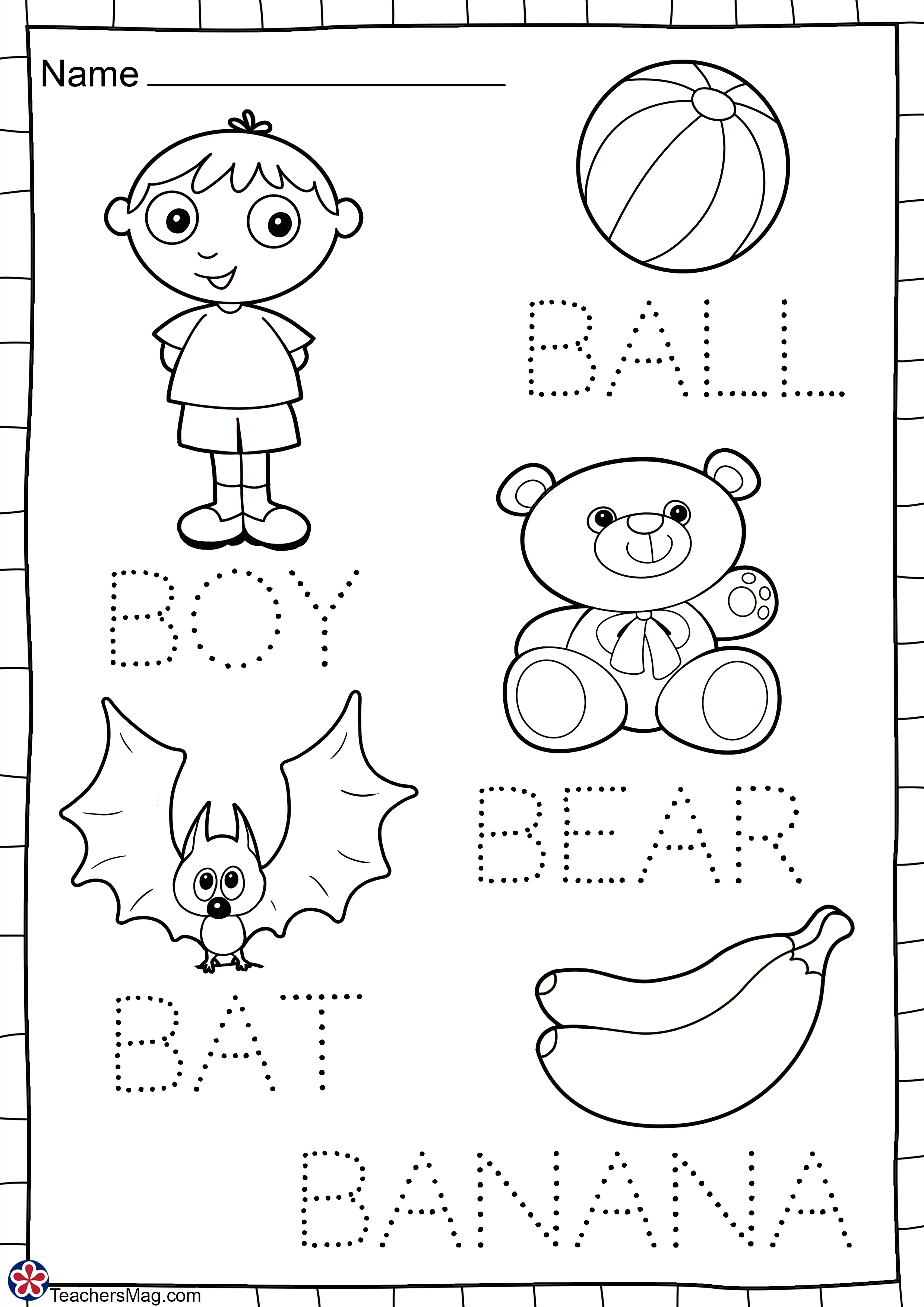
Letter B worksheets for preschool.
Letter B worksheets are a powerful tool, offering a focused and engaging way to teach and learn this essential letter. Whether you're a parent, teacher, or tutor, these resources provide a practical and effective means to enhance literacy skills and make learning an enjoyable experience. With a range of styles and activities, letter B worksheets cater to diverse learning needs, ensuring that every learner can master this fundamental building block of the English language.
Free preschool B worksheets.
Traceable letter A practice.
Silent letter grade 2 activity.
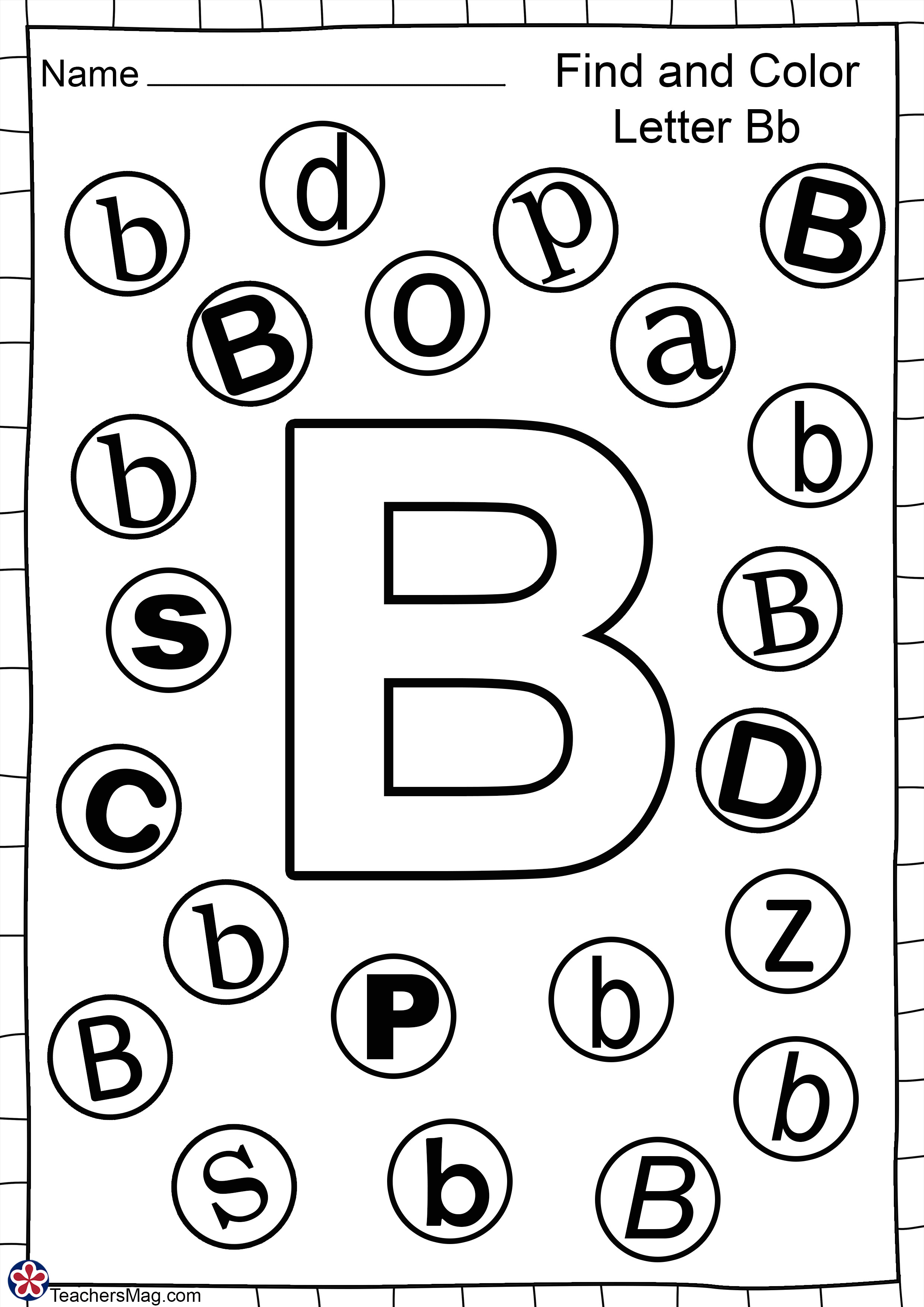
Color and learn letter B.
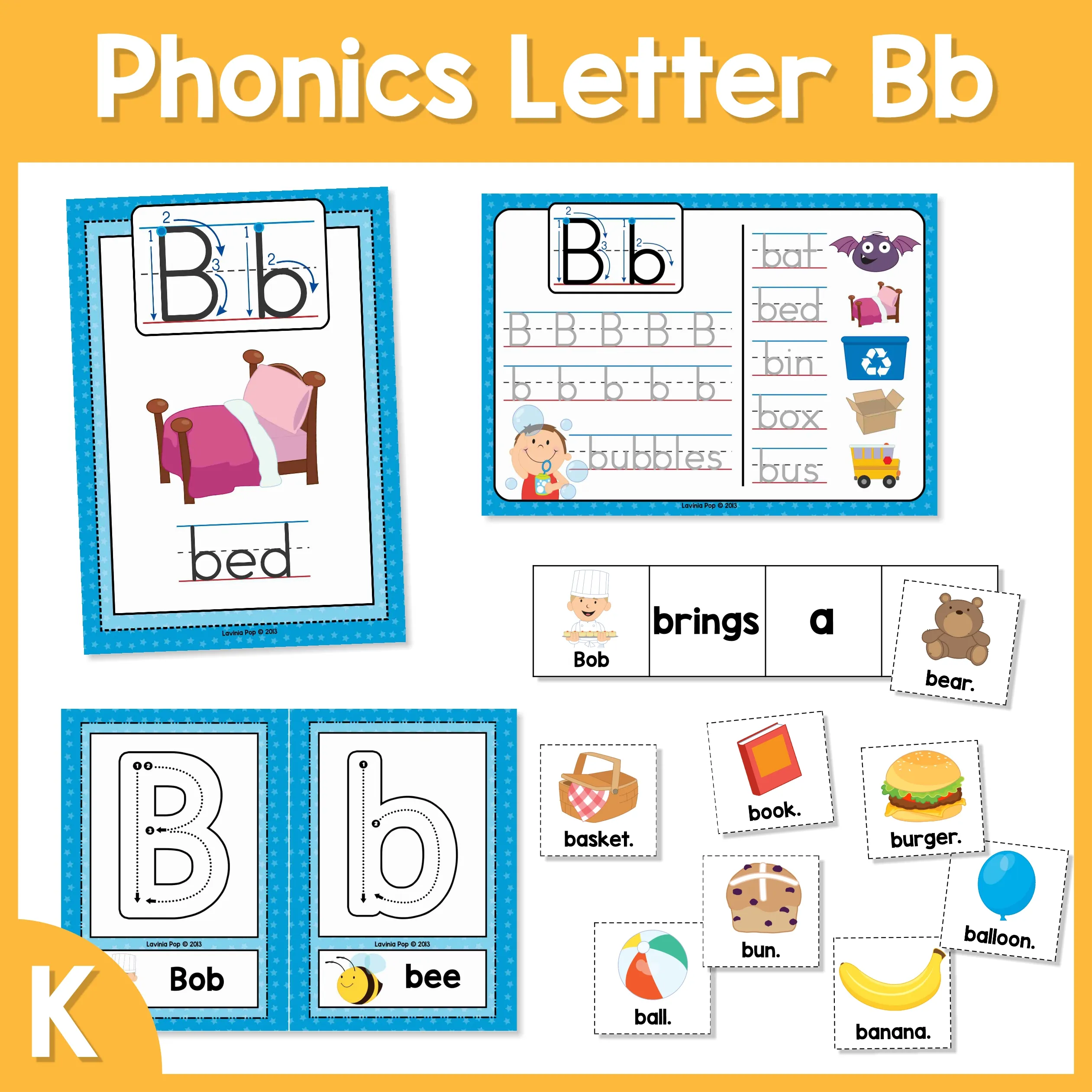
Phonics: letter B sounds.
Alphabet B and algebra practice.
Letter B worksheets offer a fun and interactive approach to learning, making the process enjoyable for both educators and students. With their versatility and focus on different aspects of the letter, these worksheets are a great addition to any educational toolkit.
So, why not give them a go? Print out a few, explore the different activities, and see the benefits for yourself. It's a simple yet effective way to enhance your teaching or learning journey. Leave a comment or share your experience below; we'd love to hear how these worksheets have worked for you!
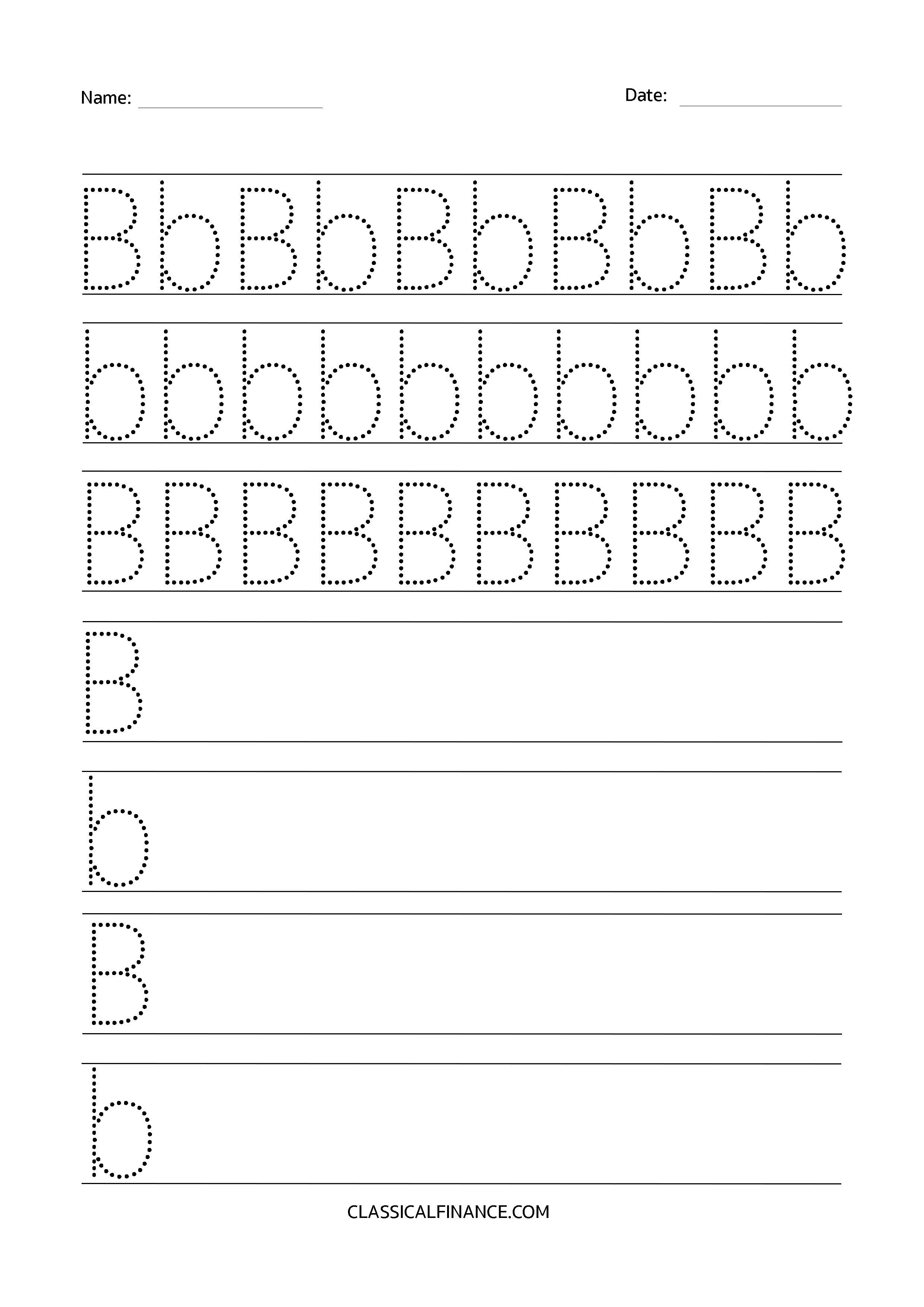
Letter practice: write and connect.
Read also: How to Call the Uk From the Us
Related: Free Printable Math Worksheets for Combining Like Terms (PDF)
Math can feel like a maze, especially when you're staring at a page of equations wondering where to even start. Math worksheets combining like terms are supposed to be the "easy" part, right? But let’s be real—when you’re juggling school, work, or just life, even the basics can turn into a headache. Honestly, who has time to sift through confusing explanations or hunt down the right tools?
Here’s the thing: mastering combining like terms isn’t just about acing a test or finishing a worksheet. It’s about building a foundation that sticks with you. Whether you’re helping a kid with homework, prepping for a standardized test, or just trying to brush up on skills you haven’t used in years, this is one of those concepts that pops up everywhere. Ignore it, and you’ll hit a wall faster than you think.
So, what’s the secret? Look—it’s not about memorizing steps or cramming formulas. It’s about seeing the pattern, understanding the logic, and making it second nature. By the time you’re done here, you’ll not only tackle those worksheets with confidence but also wonder why it ever felt tricky in the first place.
The Part of Math Worksheets Combining Like Terms Most People Get Wrong
When it comes to mastering algebraic expressions, combining like terms is a foundational skill. Yet, it’s surprising how often students (and even some teachers) stumble over the same pitfalls. The most common mistake? **Forgetting to check for truly "like" terms**. Terms must have the same variables raised to the same powers to be combined. For instance, 3x² and 5x are not like terms, despite both containing the variable *x*. This oversight can lead to incorrect simplifications and frustrate learners who wonder why their answers don’t match the key.
Why Variable Consistency Matters
The key to combining like terms lies in **identifying identical variable components**. For example, 4x and -2x can be combined to get 2x, but 4xy and 2x cannot. This distinction is crucial because it ensures mathematical accuracy. Here’s what nobody tells you: worksheets often include tricky terms like 3x²y and 5xy² to test this understanding. If students rush without verifying the variables and exponents, they’ll miss the mark every time.
The Role of Coefficients in Simplification
Another area where learners often falter is **handling coefficients correctly**. When combining like terms, only the numerical coefficients are added or subtracted—not the variables. For instance, in 7x + 3x, the result is 10x, not 7x³. This seems straightforward, but under pressure, students sometimes confuse this step, especially when negative coefficients are involved. A quick tip: **always double-check the signs** before combining terms. For example, -5x + 2x simplifies to -3x, not 7x.
How to Turn Math Worksheets Combining Like Terms into a Learning Tool
Math worksheets combining like terms aren’t just busywork—they’re an opportunity to build fluency and confidence. However, their effectiveness depends on **how they’re approached**. Simply completing the worksheet without understanding the process defeats the purpose. Instead, encourage learners to **annotate their work**, explaining why each step is valid. This practice reinforces the logic behind combining like terms and makes it easier to spot errors.
Using Real-World Examples to Solidify Concepts
One actionable tip to make these worksheets more engaging is to **tie problems to real-life scenarios**. For instance, if a recipe calls for 3 cups of flour and you add another 2 cups for a larger batch, the total is 5 cups. Similarly, 3x + 2x = 5x. This analogy helps learners see the practical application of combining like terms and makes abstract concepts more tangible.
The Power of Incremental Practice
Finally, **consistency is key**. Combining like terms is a skill that improves with repetition. Start with simple expressions and gradually introduce more complex problems. For example, move from 4x + 2x to 4xy + 2xy before tackling expressions with multiple variables and coefficients. This incremental approach builds confidence and ensures learners fully grasp the concept before moving on. Remember, mastery takes time, and math worksheets combining like terms are a valuable tool in that journey.
Your Next Step Starts Here
Mastering the skill of combining like terms isn’t just about acing a math test—it’s about building a foundation for problem-solving that stretches far beyond the classroom. Whether you’re budgeting for a big project, analyzing data at work, or simply making sense of the numbers in your daily life, this fundamental concept is your secret weapon. It’s the kind of clarity that turns chaos into order, and with practice, it becomes second nature. So, why stop now? The confidence you gain here will ripple into every area where precision and logic matter.
If you’re thinking, “But what if I forget the steps later?”, don’t worry—that’s where repetition comes in. The beauty of math worksheets combining like terms is that they’re designed to reinforce learning through practice. Each problem is a chance to solidify your understanding, and every mistake is an opportunity to grow. Remember, even the most skilled mathematicians started with the basics, and they revisited them often. You’re not just learning a concept; you’re building a habit of clarity and accuracy.
Ready to take the next step? Bookmark this page for quick access whenever you need a refresher, or share it with someone who could use a boost in their math journey. And if you’re feeling inspired, dive into our gallery of math worksheets combining like terms to keep the momentum going. Every problem you solve brings you closer to mastering this essential skill. Your future self—the one who tackles challenges with confidence and ease—will thank you for it.
Related: Free Adult Math Refresher Worksheets
The truth is, most adults haven't done math since high school, and it shows - we struggle with simple calculations, and our lack of math skills can be a major source of stress in our daily lives, especially when it comes to managing finances or helping our kids with their homework, which is where adult math refresher worksheets can be a lifesaver.
Look, I'm not here to judge, but honestly, it's a bit embarrassing when you have to use a calculator to split a bill at dinner, and it's not just about being able to do math, it's about feeling confident and in control of your life, and that's what makes this topic so important right now.
Here's the thing, honestly, I think we've all been there at some point, and it's not like we're trying to become math whizzes or anything, we just want to be able to handle everyday situations with ease, and that's exactly what you'll get by reading further - a chance to brush up on your math skills and start feeling more confident in your abilities.
Real talk, it's time to stop avoiding math and start embracing it, and I'm not saying it's going to be easy, but I am saying it's going to be worth it, so let's dive in and see what we can learn.
Why Adult Math Refresher Worksheets Are More Than Just Numbers
Let’s face it: math doesn’t stop being relevant after high school. Whether you’re splitting a bill, calculating a discount, or planning a budget, numerical literacy is a life skill. Yet, many adults feel rusty—or even intimidated—when revisiting concepts they haven’t touched in years. This is where adult math refresher worksheets come in, but here’s the part most people get wrong: they’re not just about relearning formulas. They’re about rebuilding confidence and connecting math to real-world scenarios. For instance, understanding percentages isn’t just about solving equations; it’s about knowing whether that “50% off” sale is actually a good deal. *Here’s what nobody tells you:* the goal isn’t to become a mathematician—it’s to feel comfortable enough to make informed decisions without second-guessing yourself.
The Hidden Benefit: Critical Thinking Over Memorization
One of the biggest misconceptions about math is that it’s all about memorizing rules. In reality, **critical thinking** is the backbone of numerical problem-solving. Adult math refresher worksheets often focus on this by presenting scenarios that require analysis rather than rote recall. For example, a worksheet might ask you to compare two phone plans based on usage patterns, forcing you to weigh variables like cost, data limits, and contract length. This approach not only sharpens your math skills but also trains your brain to approach problems logically—a skill that translates to everything from negotiating a raise to planning a vacation.
Where Most People Struggle: Word Problems in Disguise
If there’s one thing that trips up adults more than anything, it’s word problems. Remember those questions that made you roll your eyes in school? They’re back, but now they’re disguised as everyday situations. A worksheet might ask, “If you invest $500 at a 4% annual interest rate, how much will you have after 5 years?” This isn’t just math—it’s financial planning. The key is to break it down step by step. Pro tip: Start by identifying what the problem is asking for, then map out the steps needed to solve it. This method turns overwhelming questions into manageable tasks.
How to Choose the Right Worksheets for Your Needs
Not all adult math refresher worksheets are created equal. Some focus on basic arithmetic, while others dive into algebra or even statistics. The trick is to match the content to your goals. If you’re preparing for a certification exam, look for worksheets that align with the test’s curriculum. If you’re brushing up for personal finance, prioritize worksheets that cover percentages, fractions, and budgeting. **Actionable tip:** Start with a diagnostic test to identify your weak spots. Many online platforms offer free assessments that recommend worksheets tailored to your skill level. This way, you’re not wasting time on concepts you already understand.
The Role of Technology: Digital vs. Printable Worksheets
In the digital age, you have options. Printable worksheets are great for hands-on learners who prefer pen and paper. Digital worksheets, on the other hand, often come with instant feedback and interactive elements that can make learning more engaging. For example, some platforms allow you to input answers and receive explanations for incorrect responses. If you’re someone who learns by doing, digital might be the way to go. However, if you’re easily distracted by screens, sticking to printables could help you stay focused.
Consistency is Key: Turning Practice into Habit
Here’s the truth: math skills won’t improve overnight. Consistency is crucial. Dedicate 15-20 minutes a day to working through worksheets, and you’ll start noticing progress within weeks. **Bold move:** Treat it like a workout for your brain. Just as you wouldn’t expect to bench press 200 pounds on your first day at the gym, don’t expect to master calculus in a week. Small, regular efforts add up. And remember, the goal isn’t perfection—it’s progress. Celebrate the small wins, like solving a problem without peeking at the answer key, and you’ll stay motivated to keep going.
Your Next Step Starts Here
Math isn’t just about numbers—it’s about confidence, opportunity, and growth. Whether you’re aiming to advance in your career, help your kids with homework, or simply feel more at ease with everyday calculations, mastering these skills opens doors you might not even realize are closed. The world moves fast, and staying sharp with math ensures you’re not just keeping up, but thriving. It’s not about perfection; it’s about progress. And progress starts with a single step, like the one you’re about to take.
If you’re thinking, “But what if I’ve been out of practice for too long?”, let me reassure you: it’s never too late. The beauty of learning is that it’s a journey, not a race. Adult math refresher worksheets are designed with you in mind—they meet you where you are and guide you forward at your own pace. There’s no judgment, just support. Every problem you solve, every concept you grasp, is a win. And those wins add up faster than you think.
So, take a moment to bookmark this page, or share it with someone who could use a boost. Dive into the adult math refresher worksheets and see how quickly things start to click. Math isn’t just a skill—it’s a tool for life. And now, it’s yours to reclaim. Go ahead, take that step. You’ve got this.

