





Adult Autism Therapy Worksheets 2026 Overview
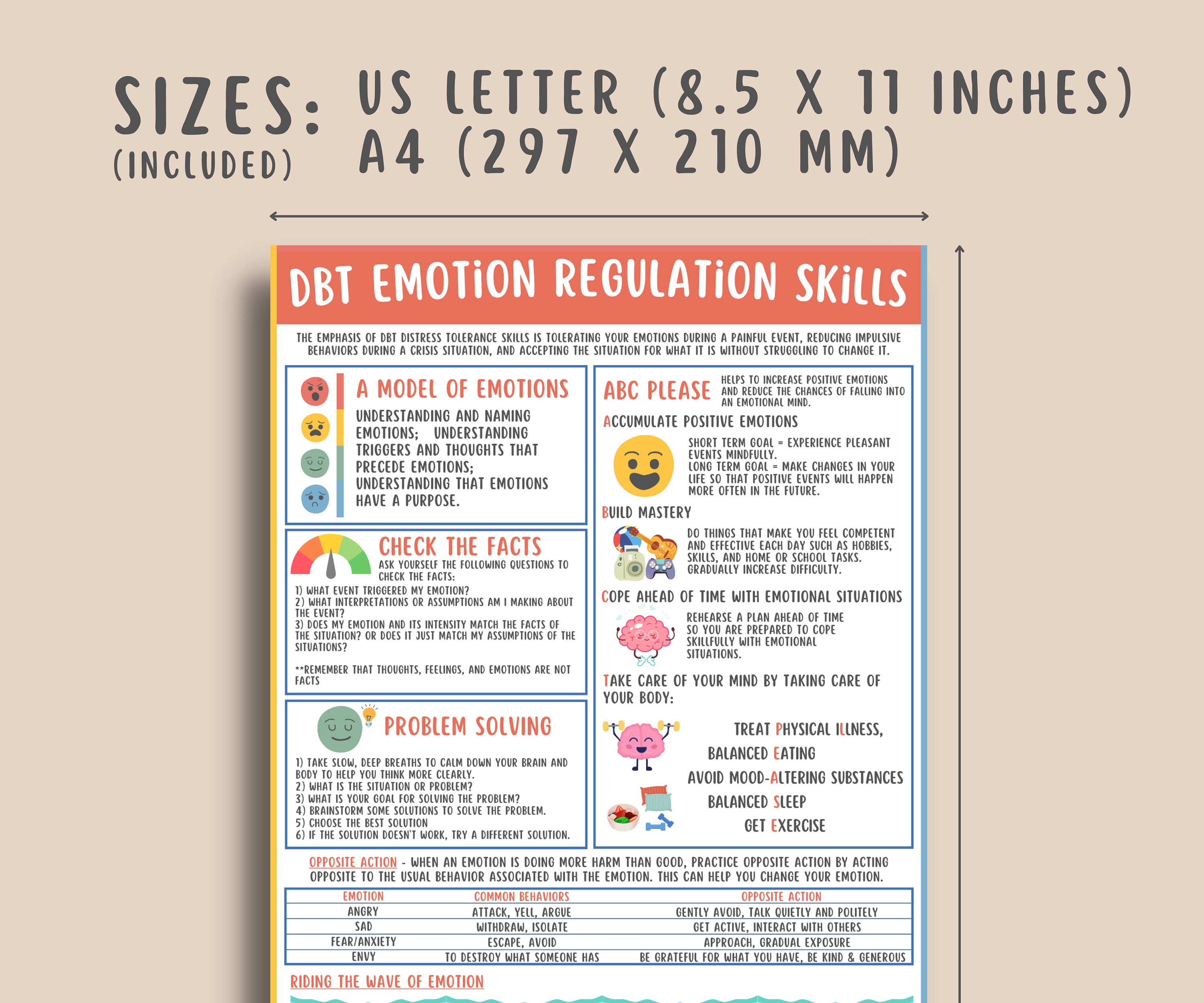
Ever felt like your emotions are driving the car and you're just along for the ride? Adult DBT worksheets might be the GPS you’ve been missing. Here’s the thing—most people think therapy is all about talking it out, but DBT is different. It’s about actionable tools, and these worksheets are your cheat codes for emotional regulation. No more feeling like you’re drowning in your own thoughts.
Right now, stress and uncertainty are at an all-time high. Whether it’s work, relationships, or just the chaos of daily life, your emotions don’t care about deadlines or responsibilities. They show up uninvited, and if you’re not prepared, they’ll take over. That’s where these worksheets come in—they’re not just pages of exercises; they’re your daily armor against the emotional rollercoaster.
By the time you’re done here, you’ll know exactly how to use these tools to stay grounded, even when life feels like it’s spinning out of control. Look, I’m not saying it’s a magic fix, but honestly, having a plan beats winging it every time. Plus, I’ll share a few insider tips on how to make these worksheets work for you, not the other way around.
The Part of Adult DBT Worksheets Most People Get Wrong
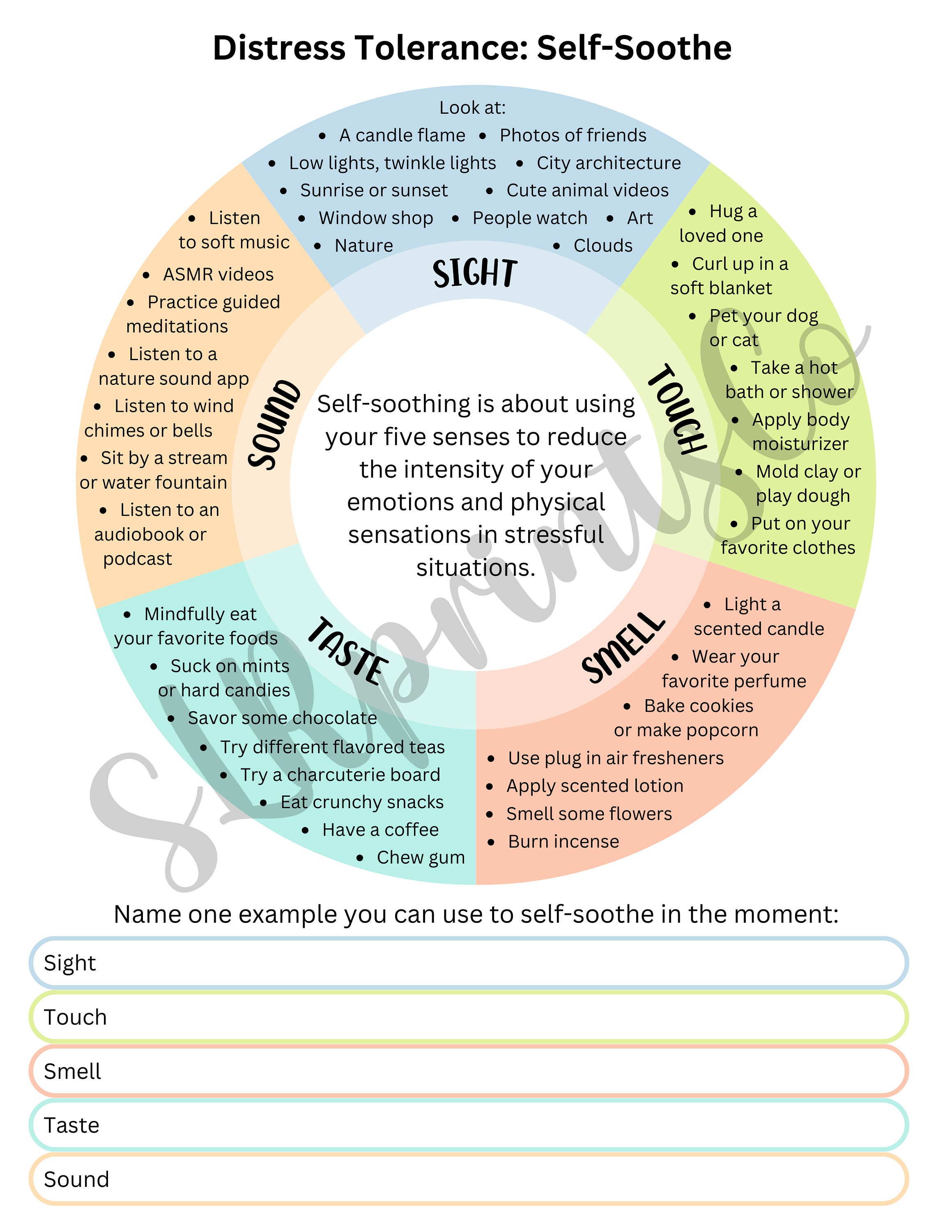
When it comes to dialectical behavior therapy (DBT), many adults assume it’s just about filling out worksheets. While adult DBT worksheets are a valuable tool, they’re not the whole story. The real magic happens when you understand how to apply the concepts in real life. Here’s what nobody tells you: worksheets are a starting point, not the finish line. They’re meant to guide you, not define you. For instance, a distress tolerance exercise on paper is useless if you can’t recall it when you’re actually stressed. The key is to use these sheets as a bridge to actionable skills, not as a crutch.
Why Worksheets Alone Aren’t Enough
Worksheets are great for structured practice, but they often lack context. Imagine learning to ride a bike by reading a manual—you’d still fall a few times. DBT is similar. Skills like emotional regulation or interpersonal effectiveness require practice in the moment. A worksheet might teach you the acronym “DEAR MAN” for communication, but it won’t prepare you for the tone or timing needed in a heated argument. That’s where the real work begins.
The Role of Self-Reflection in DBT
One of the most overlooked aspects of adult DBT worksheets is their ability to spark self-reflection. Filling out a sheet on core beliefs or triggers isn’t just busywork—it’s a mirror. It forces you to confront patterns you might ignore otherwise. For example, tracking your emotions for a week can reveal how small stressors pile up into bigger issues. *Here’s a tip: Don’t just fill out the worksheet and move on. Spend 5 minutes journaling about what you’ve written. Ask yourself, “What does this tell me about how I handle stress?”* This extra step turns a passive activity into an active learning process.
How to Make Adult DBT Worksheets Actually Work for You
If you’re going to use adult DBT worksheets, make them count. Start by choosing sheets that target your specific challenges. For instance, if you struggle with impulsive reactions, focus on worksheets about mindfulness or distress tolerance. Here’s a simple but effective strategy: pair each worksheet with a real-life scenario. If you’re working on emotional regulation, practice the skills during a minor frustration, like a long line at the store. This builds muscle memory for when bigger challenges arise.
Customizing Worksheets to Fit Your Life
Not all worksheets are created equal. Some might feel too generic or irrelevant. Don’t be afraid to adapt them. For example, if a worksheet asks for five emotions but you only feel three, that’s okay. The goal isn’t perfection—it’s progress. Similarly, if a sheet feels too clinical, add personal examples. This makes the exercise more relatable and memorable.
Combining Worksheets with Other DBT Tools
Worksheets are just one piece of the DBT puzzle. Pair them with diary cards, skill practice logs, or even group therapy for a more holistic approach. For instance, use a worksheet to plan a difficult conversation, then log the outcome in a diary card. This helps you see what worked and what didn’t. *Here’s what nobody tells you: DBT isn’t about mastering every skill—it’s about finding the ones that work for you and using them consistently.*
- Actionable Tip: After completing a worksheet, set a reminder to review it in a week. Ask yourself, “Did this help me handle a similar situation differently?”
- Real-World Example: A client used a radical acceptance worksheet to process a job rejection. By acknowledging the situation without judgment, they felt less overwhelmed and could focus on next steps.
Here's What Makes the Difference
As you consider the impact of emotional regulation on your life, remember that it's not just about managing stress or anxiety - it's about creating a foundation for long-term well-being and success. In the bigger picture, being able to navigate your emotions effectively can transform your relationships, career, and overall quality of life. By investing time in personal growth and self-awareness, you're taking a significant step towards a more balanced and fulfilling future.
Perhaps you're still wondering if adult dbt worksheets are really worth the effort, or if they'll truly make a difference in your daily life. Can a simple worksheet really help you overcome deep-seated emotional challenges? The answer lies in the consistent practice and self-reflection that these tools encourage. By committing to this process, you'll develop a greater understanding of yourself and your emotional needs, allowing you to make positive changes that stick.
Now that you've explored the potential of adult dbt worksheets to enhance your emotional regulation, take a moment to browse our collection of resources and find the ones that resonate with you. Bookmark this page, share it with a friend who might benefit, or simply take a deep breath and acknowledge the progress you've already made. Whatever your next step may be, remember that you're one step closer to a more mindful, compassionate, and empowered you.
Related: Free Printable Self-Esteem Worksheets for Adults (PDF)
Self-esteem isn’t just a buzzword—it’s the foundation of how you show up in the world. And let’s be real, as adults, we’re constantly battling doubts, comparisons, and that nagging voice in our heads. That’s where adult self esteem worksheets come in. They’re not just another self-help trend; they’re practical tools to rewrite the stories you’ve been telling yourself for years. Honestly, if you’ve ever felt like you’re faking confidence or second-guessing every decision, these worksheets are your first step to clarity.
Right now, the world is louder than ever—social media, work pressures, relationships—all chipping away at how you see yourself. It’s easy to feel like you’re falling short, even when you’re doing your best. These worksheets aren’t about fixing you; they’re about reminding you of what’s already there. Because the truth is, self-esteem isn’t something you find—it’s something you build, one thought at a time. And right now, that’s more important than ever.
What if you could silence the noise and start believing in yourself again? What if you could walk into a room without questioning your worth? That’s what’s waiting for you here. No fluff, no empty promises—just actionable steps to shift your mindset. Oh, and by the way, did you know that even small changes in how you talk to yourself can lead to big shifts in your life? Keep reading, because this is where it starts.
The Hidden Power of Self-Reflection in Building Confidence
Most people think building self-esteem is about affirmations or positive thinking. But here's the truth: self-reflection is the secret weapon that actually moves the needle. Adult self-esteem worksheets often focus on this, guiding you to examine your beliefs, behaviors, and reactions. It’s not about forcing positivity; it’s about understanding why you feel the way you do. For instance, a simple exercise might ask you to list three moments when you felt genuinely proud of yourself. Sounds easy, right? But here’s what nobody tells you—most people struggle to come up with even one. That’s where the real work begins.
Why Self-Reflection Works When Nothing Else Does
Self-reflection breaks the cycle of self-criticism by forcing you to pause and analyze. It’s like stepping outside your own mind to observe your thoughts objectively. Adult self-esteem worksheets often include prompts like, “What evidence do you have that supports your negative belief about yourself?” This kind of questioning challenges your assumptions and replaces them with facts. Over time, this practice rewires your brain to default to a more balanced perspective. It’s not instant, but it’s lasting.
The Mistake Most People Make with Self-Esteem Exercises
One common pitfall is treating these worksheets like homework—something to rush through or complete just for the sake of it. **The real value lies in the process, not the finished product.** If you’re filling out a worksheet while scrolling through your phone, you’re missing the point. Take the time to sit with your answers. For example, if a prompt asks, “What would you say to a friend in this situation?” actually imagine that conversation. The goal isn’t to fill the page; it’s to shift your mindset.
Actionable Steps to Make Self-Esteem Worksheets Actually Work for You
To get the most out of adult self-esteem worksheets, treat them as a conversation with yourself, not a chore. Set aside a quiet moment when you’re fully present. Start with just one prompt and give it your undivided attention. For instance, if the worksheet asks, “What’s one small step you can take today to show yourself kindness?” don’t overthink it. Maybe it’s drinking a glass of water or taking a five-minute walk. The key is to act on your insights, no matter how small. Consistency is what builds momentum.
How to Choose the Right Worksheet for Your Needs
Not all worksheets are created equal. Some focus on identifying negative thought patterns, while others emphasize gratitude or goal-setting. If you’re new to this, start with something simple, like a daily gratitude journal. If you’re looking to dig deeper, try a worksheet that explores your core beliefs. The right one for you is the one that feels challenging but not overwhelming. Remember, the goal isn’t perfection—it’s progress.
A Real-World Example That Actually Works
Here’s a specific exercise I’ve seen work wonders: At the end of each day, write down one thing you accomplished, no matter how small. It could be finishing a task at work, cooking a meal, or even just getting out of bed. Over time, this simple practice shifts your focus from what you didn’t do to what you did. It’s a small change, but it adds up. And yes, you can find this exact exercise in many adult self-esteem worksheets.
Here's What Makes the Difference
As you reflect on your journey to build confidence and self-worth, remember that investing in your mental health is a long-term strategy that benefits every aspect of your life, from personal relationships to professional growth. The tools and techniques you've discovered, including adult self esteem worksheets, are not just quick fixes but rather foundational elements that can transform your outlook and resilience over time.
Sometimes, a lingering doubt might whisper that you're not doing enough or that these practices won't yield significant results. Let's gently dismiss that thought; every step towards self-improvement, no matter how small, counts. It's the consistency and genuine effort that pave the way for profound changes.
Now, as you move forward, what's the one thing you can commit to doing differently starting today? Perhaps it's browsing through our collection of resources, including adult self esteem worksheets, or simply bookmarking this page as a reminder of your commitment to self-care. Consider sharing this with someone who might be on a similar path, because sometimes, all it takes is a supportive nudge to encourage someone to take that first step towards healing and growth.
Related: Free CCI Worksheets for CBT Therapy
Ever felt like your thoughts are a tangled mess, and no matter how hard you try, you can't seem to straighten them out? CCI worksheets CBT might just be the untangled thread you've been searching for. Honestly, it's not just about filling in boxes or checking off lists; it's about rewiring the way you think and react to life's curveballs. Whether you're dealing with anxiety, stress, or just feeling stuck, these tools are designed to meet you where you are, no judgment, no fluff.
Right now, in this moment, your brain is probably juggling a million things—work deadlines, personal dramas, maybe even that awkward text you sent last night. The truth is, we’re all drowning in a sea of overthinking, and it’s exhausting. That’s why understanding how CCI worksheets CBT work isn’t just another self-help trend; it’s a lifeline for anyone who’s tired of feeling like their mind is working against them. It’s practical, it’s actionable, and it doesn’t require you to meditate for hours or chant affirmations in the mirror (unless that’s your thing, no shade).
Look, I’m not here to promise you’ll wake up tomorrow with all your problems solved. But what if I told you that by the end of this, you’ll have a clearer path forward? You’ll know exactly how to use these worksheets to tackle those stubborn thought patterns, one step at a time. And hey, if you’re still skeptical, that’s okay—stick around, because the proof is in the pudding.
The Part of CCI Worksheets CBT Most People Get Wrong
When it comes to using cognitive behavioral therapy (CBT) worksheets, many people focus solely on filling in the blanks or checking boxes. But here’s the thing: the real work happens in the reflection, not the completion. CCI worksheets, designed to challenge and change negative thought patterns, are only as effective as the effort you put into analyzing your responses. Most users rush through them, treating them like homework rather than a tool for self-discovery. The mistake? Thinking the worksheet itself is the solution, not the process it initiates.
Why Reflection Matters More Than Completion
Completing a worksheet is easy; understanding why you’re filling it out is harder. For example, a common CCI worksheet might ask you to identify automatic thoughts in stressful situations. The real value lies in **questioning why those thoughts arise** and how they’re connected to your emotions. Without this step, you’re just documenting patterns, not changing them. Here’s what nobody tells you: the worksheet is a mirror, not a magic wand. It reflects your thinking, but you have to be the one to adjust the angle.
The Role of Consistency in CBT Worksheets
Another overlooked aspect is consistency. Using CCI worksheets sporadically won’t yield results. Think of it like exercise—you wouldn’t expect to build muscle from one workout. Similarly, **CBT requires regular practice** to rewire thought patterns. A real-world example: a client I worked with struggled with anxiety until they committed to daily journaling using CBT prompts. Within weeks, they noticed a shift in how they approached stressors. The key? They treated it as a habit, not a chore.
How to Make CCI Worksheets Work for You
To get the most out of CCI worksheets, start by setting aside dedicated time for them. Treat it like a meeting with yourself—non-negotiable. **Pair worksheets with real-life scenarios** to make them more impactful. For instance, if you’re working on a thought record, apply it to a recent conflict rather than a hypothetical situation. This bridges the gap between theory and practice, making the exercise feel less abstract.
Actionable Tip: Use Worksheets as a Starting Point
Don’t stop at the worksheet. Use your responses to initiate conversations—with a therapist, a trusted friend, or even yourself. For example, if a worksheet reveals a recurring negative thought, ask: “What evidence do I have to support or challenge this?” This turns a static exercise into a dynamic process. Remember, the goal isn’t to finish the worksheet; it’s to start the conversation that leads to change.
Common Pitfalls to Avoid
One common pitfall is treating worksheets as a one-size-fits-all solution. Not every CCI worksheet will resonate with you, and that’s okay. Experiment with different formats and focus on the ones that feel most relevant. Another mistake? **Overthinking the ‘right’ answer.** There isn’t one. The goal is honesty, not perfection. Finally, avoid using worksheets as a crutch to avoid deeper work. They’re a tool, not a substitute for therapy or self-reflection.
Your Next Step Starts Here
In the grand scheme of personal growth and mental well-being, the tools you’ve just explored aren’t just exercises—they’re stepping stones to a more intentional, resilient version of yourself. Whether you’re navigating stress, seeking clarity, or simply aiming to live more mindfully, the principles behind cci worksheets cbt offer a framework that adapts to your unique journey. This isn’t about quick fixes; it’s about building habits that foster long-term change. By integrating these practices into your routine, you’re not just reacting to life—you’re actively shaping it.
You might be thinking, “But what if I’m not consistent?” Here’s the truth: progress isn’t about perfection. It’s about showing up, even when it feels small. The beauty of these methods is their flexibility—they meet you where you are, no matter how chaotic or uncertain things feel. Miss a day? No problem. The goal is to keep moving forward, not to hit an unattainable standard. Remember, every step counts, and every effort matters.
Before you go, take a moment to bookmark this page or share it with someone who could benefit from this approach. Exploring the gallery of cci worksheets cbt resources can be a great way to dive deeper when you’re ready. And if you’re feeling inspired, start with just one worksheet today—it’s the small actions that lead to big transformations. Your journey is yours alone, but you don’t have to walk it alone. Let this be the starting point for something meaningful.


